
Are Tasting Menus Worth It? Price & Value Guide
Are Tasting Menus Worth It? Price & Value Guide
A tasting menu is a fixed, multi-course dining experience where the chef curates every dish, its sequence, and its pacing, removing individual choice in favor of a cohesive culinary narrative. This guide covers how the format works and what it costs, the value it delivers beyond the plate, who benefits most from booking one, how to evaluate whether a specific menu justifies its price, and what to expect at Michelin-starred restaurants in Miami.
Course counts at most fine dining restaurants range from 5 to 12, with pricing spanning $95 per person at accessible establishments to $500+ at ultra-luxury venues like Per Se in New York. Ingredient quality, chef reputation, location, and dining duration all shape where a given menu falls on that spectrum, and beverage pairings (typically $80 to $395) are almost always priced separately.
The experience itself accounts for a significant share of what diners pay. Fine dining service assigns each server only three to four tables, presentation treats every plate as a visual composition, and many chefs weave ingredient sourcing stories or real-time adjustments into the meal. These elements transform dinner from routine into event.
Tasting menus reward celebratory occasions, adventurous palates, and diners who communicate dietary needs during booking rather than at the table. Evaluating a menu before committing means researching the chef's background, reading reviews for consistency in praise, and confirming cost transparency on service charges, cancellation policies, and pairing pricing.
In Miami, Stubborn Seed offers a Michelin-starred tasting menu led by Chef Jeremy Ford, with seasonal formats ranging from 6 to 9 courses and Miami Beach's only Michelin Green Star for sustainability.
What Is a Tasting Menu and How Does It Work?
A tasting menu is a fixed, multi-course dining experience where the chef curates a predetermined sequence of dishes, removing individual choice and granting complete creative authority over the meal's narrative. Below, we cover course counts, dish types, and how the format differs from à la carte.
How Many Courses Are Typically Included in a Tasting Menu?
Tasting menus typically include between five and twelve courses, though the count varies by restaurant tier and culinary tradition. According to Traverse Blog, Michelin restaurants are famous for fixed menus typically ranging from 5 to 12 predetermined courses. The French tradition historically involved at least four courses, each no more than a few bites, while Japanese kaiseki can stretch to 15 or more. Most contemporary fine dining establishments settle in the 6 to 10 course range, balancing variety with pacing so that no single dish overwhelms the palate.
What Types of Dishes Can You Expect in a Tasting Menu?
The types of dishes you can expect in a tasting menu follow a deliberate progression designed to build flavor and texture across the meal. A typical sequence includes:
- Amuse-bouche: A small, complimentary bite that sets the culinary tone.
- Lighter courses: Soups, raw preparations, or delicate seafood.
- Mid-courses: Pasta, risotto, or composed vegetable dishes with layered technique.
- Protein courses: Fish followed by meat, often the most substantial plates.
- Palate cleanser: A sorbet or acidic intermezzo between heavier courses.
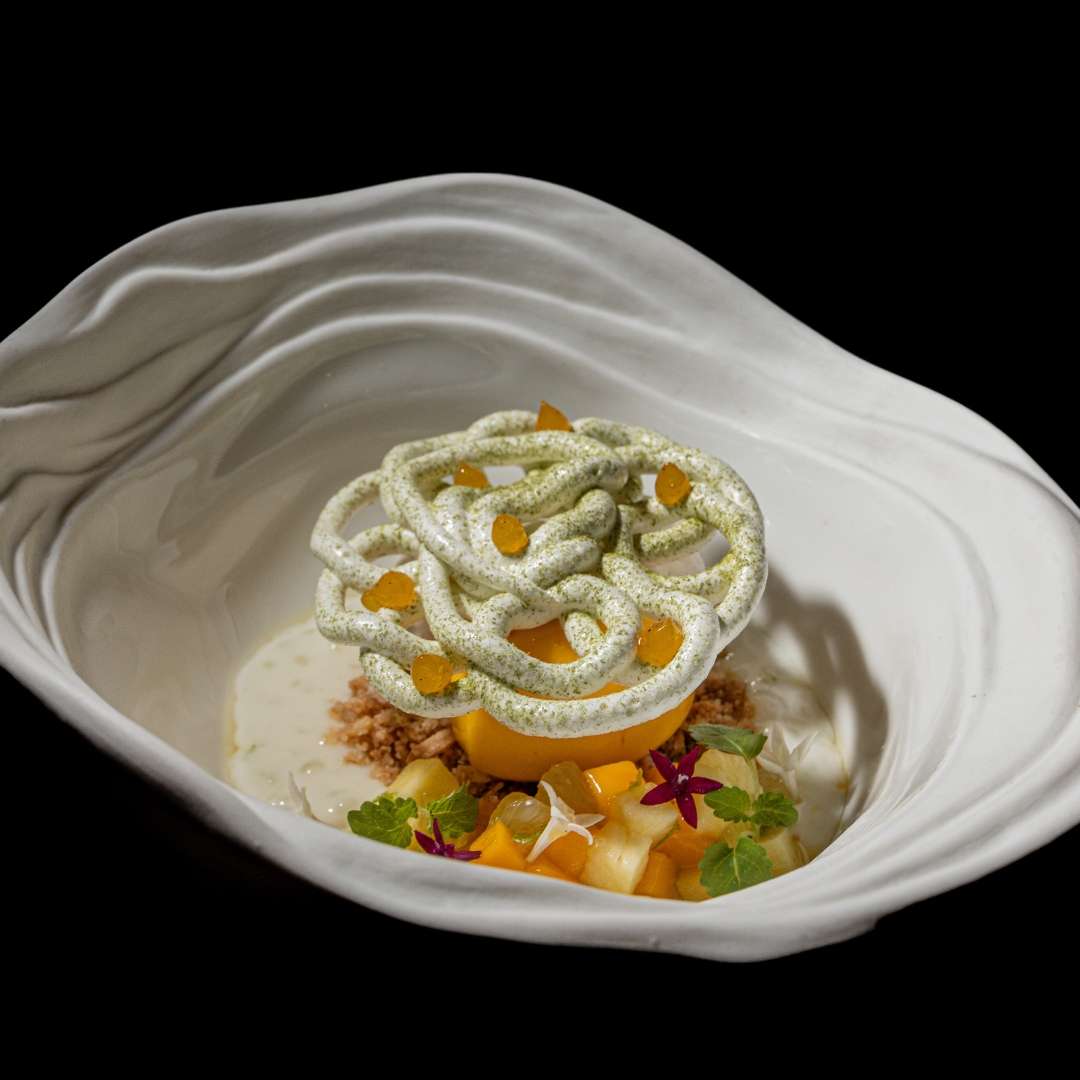
- Dessert and mignardises: Sweet courses closing the experience, sometimes with petit fours.
Each course arrives in small portions, allowing guests to appreciate range without reaching satiation too early.
How Is the Tasting Menu Experience Different From À La Carte Dining?
The tasting menu experience is different from à la carte dining in several fundamental ways, starting with who controls the meal. In à la carte service, the diner selects individual dishes; in a tasting menu, the chef determines every course, its sequence, and its pacing. This distinction shapes the entire evening.
Key differences include:
- Duration: Tasting menus typically last two to three hours, while à la carte meals often finish faster. A 7-course meal can take just over an hour to nearly two hours, depending on complexity.
- Pricing structure: À la carte charges per dish. Tasting menus bundle everything into one fixed price, and high-end restaurants sometimes achieve better margins through more efficient ingredient utilization.
- Creative control: The chef designs flavor progression across courses, building toward intentional peaks and rests that individual ordering cannot replicate.
- Supplemental charges: Premium ingredients like foie gras often carry additional upgrade fees ranging from $25 to $75 at restaurants such as Per Se.
For diners who enjoy surprises and trust a chef's vision, the tasting menu format delivers a more cohesive narrative than assembling courses independently.
With the format clarified, understanding what drives tasting menu pricing helps determine whether the investment matches the experience.
How Much Do Tasting Menus Usually Cost?
Tasting menu prices typically range from $95 to $500+ per person, depending on the restaurant's tier, location, and course count. The following sections break down what drives pricing, how costs compare to à la carte dining, and whether beverage pairings come included.
What Factors Influence the Price of a Tasting Menu?
The factors that influence the price of a tasting menu include ingredient quality, chef reputation, course count, geographic market, and dining duration. Premium sourcing raises food costs above the industry standard of 28–35%, and Michelin-starred kitchens maintain intensive staff-to-guest ratios that compound labor expenses.
Location plays a significant role as well. A mid-tier tasting in Chicago, such as Indienne at $125 per person, reflects a different cost structure than comparable menus in New York or Miami. Diners should also factor in expected experience length; according to a Reddit discussion among Michelin-starred restaurant patrons, the majority of guests expect a 2–3 hour experience for premium tasting menu pricing, or they risk feeling shortchanged.
How Do Tasting Menu Prices Compare to Regular Menu Options?
Tasting menu prices generally exceed what most diners spend ordering à la carte, but the per-course value often favors the tasting format. A curated eight-course tasting delivers more variety than a typical three-item à la carte order at a similar restaurant.
Consider the range across tiers:
- Accessible fine dining: $95–$175 per person for 6–8 courses
- High-end fine dining: $325–$495 per person, as seen at Alinea in Chicago
- Ultra-luxury: $425+ per person at restaurants like Per Se in New York, where a dinner for two with wine pairings can approach $1,000
According to a 2025 diner report on Per Se, the base tasting menu costs $425 per person before supplements or wine. At that level, the gap between tasting and à la carte narrows because individual dishes at comparable restaurants often carry $40–$75 price tags. For most diners exploring Michelin-level cuisine, the tasting menu concentrates the best a kitchen offers into a single, cohesive experience.
Are Beverage Pairings Included or Extra?
Beverage pairings are almost always priced separately from the tasting menu. Wine pairings at fine dining restaurants typically add $80 to $395 per person, depending on the tier and number of pours.
This add-on represents one of the highest-margin components of a tasting experience. According to ReservationTools, 50–70% of tasting menu guests opt for the pairing when it is well-priced, with restaurants targeting a 40–50% margin on these offerings. Non-alcoholic pairing options, including tea flights and juice programs, have also become more common, giving guests flexibility without sacrificing the curated progression that defines the format.
Always confirm pairing availability and pricing when booking, since seasonal menus sometimes rotate both food and beverage selections simultaneously. Understanding these costs upfront helps set realistic expectations for what tasting menus deliver at each price point.
What Value Do Tasting Menus Offer Beyond the Food?
Tasting menus offer value beyond the food through immersive culinary experiences, artful presentation, attentive service, and direct chef storytelling. Some establishments even offer a twist on traditional tastings with innovative formats.
Do Tasting Menus Provide a Unique Culinary Experience?
Tasting menus provide a unique culinary experience by transforming a meal into a curated narrative that unfolds across multiple courses. Each dish builds on the last, creating a progression of flavors, textures, and techniques that no single entrée can replicate. The format encourages discovery; diners encounter ingredients and preparations they might never choose from an à la carte menu. This element of surprise, combined with intentional pacing over two to three hours, turns dinner into an event rather than a routine. For anyone evaluating whether tasting menus are worth the price, the experiential value often represents the clearest differentiator from conventional dining.
How Important Is Presentation and Service in a Tasting Menu?
Presentation and service are essential components of a tasting menu's value. Fine dining service standards assign each server only three to four tables, compared to six to eight in casual restaurants. This lower ratio, supported by back-waiters who handle bread, water, and table maintenance, frees the primary server for guest-focused interaction and detailed course explanations. On the plate, every element serves a visual purpose. Plating techniques use color contrast, negative space, and seasonal garnishes to elevate each course into something worth pausing over before the first bite. Strong presentation and attentive service together justify a significant portion of the premium diners pay.
Is Chef Interaction or Storytelling Part of the Value?
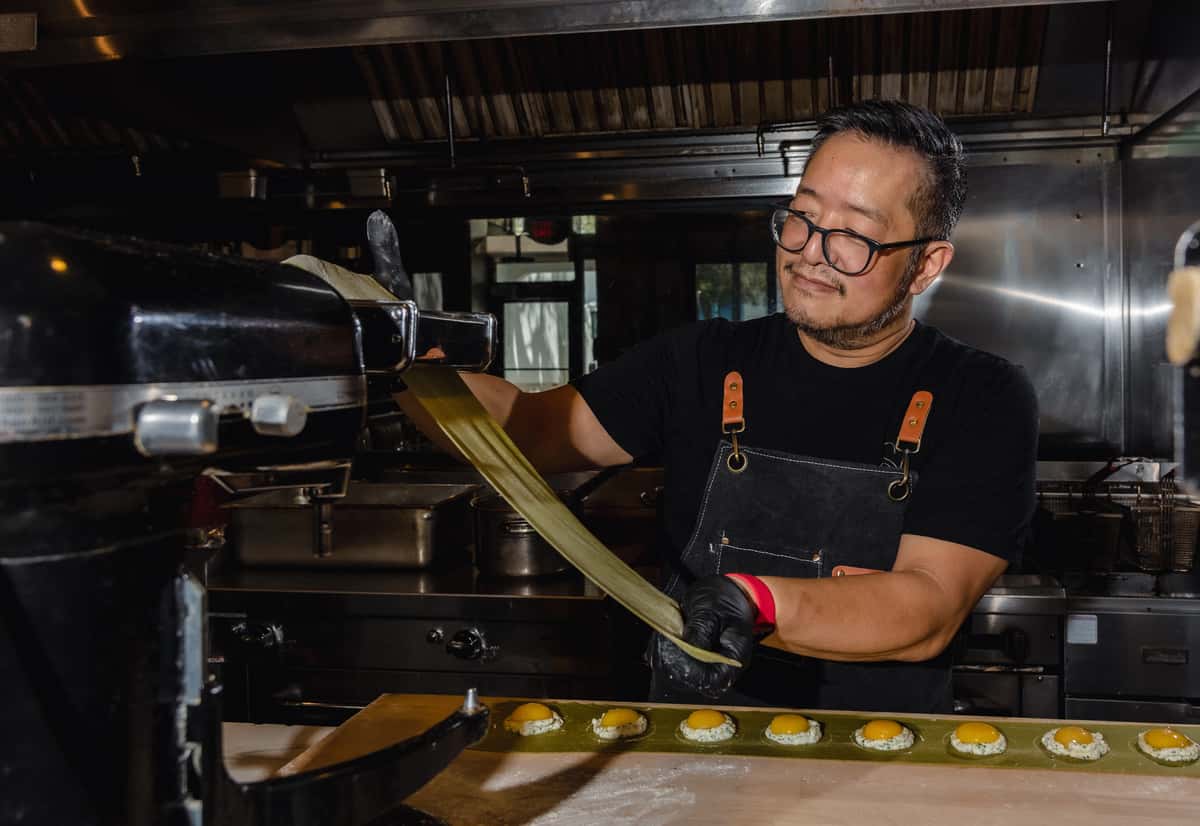
Chef interaction or storytelling is part of the value at many tasting menu restaurants. In omakase-style dining, chefs gauge each guest's reaction and adjust the experience in real time, creating a deeply personal meal. While not every tasting menu format offers direct face-to-face interaction, many incorporate storytelling through course descriptions, ingredient sourcing narratives, and visible kitchen activity. Chef Jeremy Ford brings this philosophy to every service, focusing on quality ingredients elevated into fresh, flavorful compositions that treat each dish as art. This narrative dimension transforms a meal from consumption into connection, making the experience memorable long after the final course.
With the experience itself defined, the next question is who benefits most from this format.
Who Are Tasting Menus Best Suited For?
Tasting menus are best suited for diners celebrating milestones, those open to chef-curated experiences, and anyone willing to communicate dietary needs in advance. The following sections cover ideal occasions, dietary accommodations, and the adventurous mindset these meals reward.
Are Tasting Menus Good for Special Occasions?
Tasting menus are excellent for special occasions because the multi-course format creates a built-in sense of ceremony. Birthdays, anniversaries, engagements, and career milestones all benefit from a structured progression of dishes that extends the celebration across two to three hours. The curated pacing gives each moment its own course, turning dinner into the event itself rather than just a stop along the way. For anyone marking a meaningful milestone, few dining formats match the intentionality of a tasting menu.
Do Tasting Menus Cater to Dietary Restrictions or Preferences?
Tasting menus do cater to dietary restrictions and preferences at most fine dining restaurants, provided guests communicate needs before arriving. The key step is to ask before booking and specify all dietary restrictions; the kitchen will either confirm they can accommodate or let you know if certain allergies fall outside their capabilities. Common accommodations include:
- Vegetarian or vegan course substitutions
- Gluten-free modifications
- Shellfish and nut allergy alternatives
- Religious dietary observances
Contacting the restaurant during the reservation process, rather than at the table, gives the chef time to design thoughtful replacements instead of last-minute workarounds.
How Comfortable Should You Be With Adventurous Eating?
You should be reasonably comfortable with adventurous eating before booking a tasting menu. The format removes individual dish selection, placing full creative authority in the chef's hands. Courses may include unfamiliar proteins, unexpected flavor combinations, or techniques you have never encountered. That said, a willingness to try new things matters more than deep culinary knowledge. Most tasting menus are designed to guide diners through a progression that builds comfort with each course. If the idea of surrendering menu control feels exciting rather than stressful, the format will likely reward you.
With the right occasion, preparation, and mindset identified, the next step is evaluating whether a specific tasting menu justifies its price.
How Can You Determine If a Tasting Menu Is Worth the Price?
You can determine if a tasting menu is worth the price by asking targeted questions before booking, researching the chef and reviews, and weighing the restaurant's location and reputation against the total cost.
What Questions Should You Ask Before Booking a Tasting Menu?
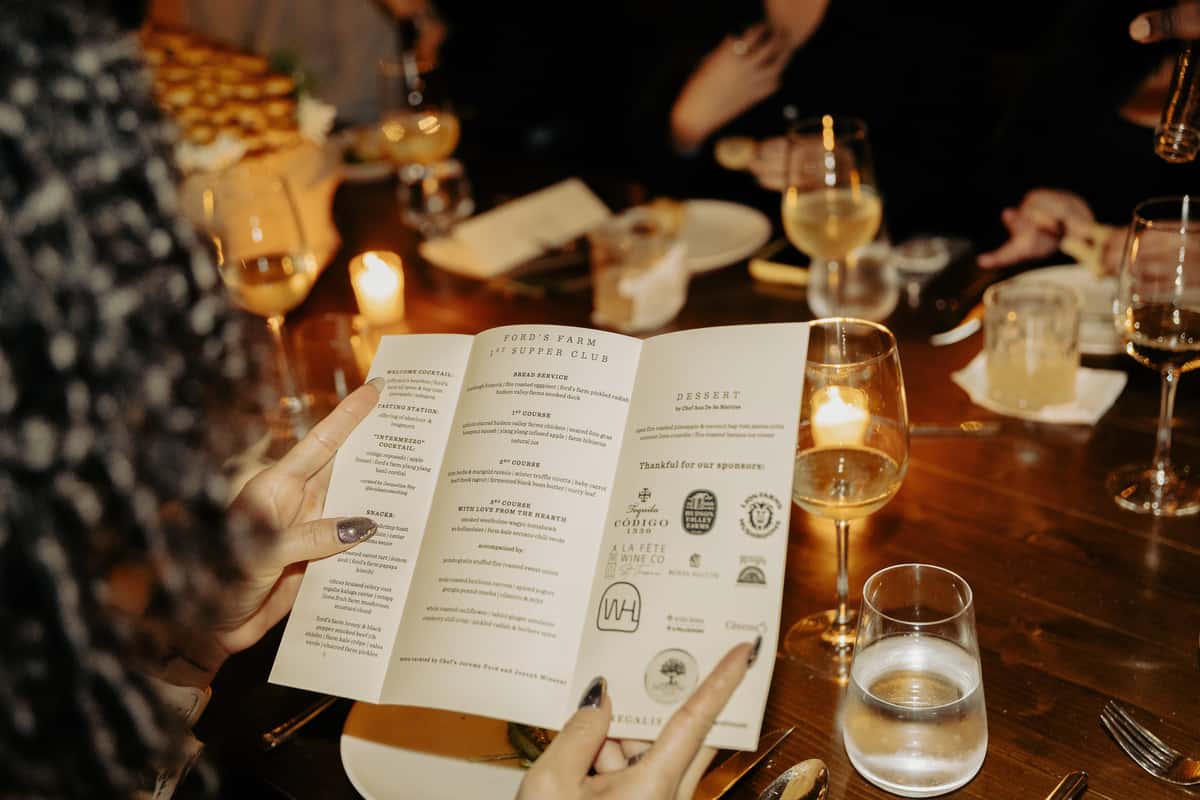
The questions you should ask before booking a tasting menu cover cost transparency, dietary flexibility, and experience expectations. Key questions to clarify with the restaurant include:
- How many courses are included in the base price?
- Are beverage pairings included or priced separately?
- Does a service charge or gratuity apply automatically?
- Can the kitchen accommodate specific allergies or dietary restrictions?
- What is the cancellation or deposit policy?
- How long does the full experience typically last?
Tipping expectations alone vary widely. According to a discussion in a wedding planning community, suggested tips range from 15% for simpler tastings up to 50% depending on course count and service quality. Confirming these details upfront prevents surprises and helps you assess whether the total investment aligns with your expectations.
Should You Read Reviews or Research the Chef's Background?
Yes, you should read reviews and research the chef's background before committing to a tasting menu. A chef's training, awards, and culinary philosophy directly shape the quality and creativity of each course. Michelin recognition, James Beard nominations, and competition wins signal a track record of excellence that often justifies higher pricing.
Online reviews offer a different lens. They reveal how past diners experienced pacing, service attentiveness, and whether individual courses delivered memorable flavor. Look for patterns across multiple reviews rather than reacting to a single opinion. Consistency in praise for creativity, ingredient quality, and hospitality is a stronger indicator of value than any single five-star rating.
How Do Location and Restaurant Reputation Affect Perceived Value?
Location and restaurant reputation significantly affect perceived value by influencing both operational costs and diner expectations. Restaurants in high-rent markets like Miami or New York carry elevated overhead for real estate, staffing, and sourcing, which gets reflected in menu pricing.
Reputation compounds this effect. According to a Stanford economics analysis, earning a Michelin star in Paris generates a price premium of about 25%, reflecting consumers' willingness to pay more for prestige and quality assurance. A restaurant that holds sustained recognition across multiple guide editions demonstrates consistency, not just a single strong year.
For diners evaluating value, the practical question is whether the location and reputation translate into a tangibly better experience. A Michelin-starred restaurant in a competitive dining city like Miami must deliver ingredient quality, service precision, and creative vision that match its standing.
With these evaluation tools in hand, understanding how to approach tasting menus at specific Miami restaurants adds practical context.
How Should You Approach Tasting Menus in Upscale Miami Restaurants Like Stubborn Seed?
You should approach tasting menus in upscale Miami restaurants by researching the chef's background, understanding the menu format, and arriving with an open palate. Stubborn Seed offers a Michelin-starred, chef-driven experience worth exploring in depth.
Can Stubborn Seed's Chef-Driven Tasting Menu Enhance Your Dining Experience?
Stubborn Seed's chef-driven tasting menu can significantly enhance your dining experience. Chef Jeremy Ford, a Florida native and Top Chef Season 13 winner, built a reputation that earned Stubborn Seed a Michelin star in every edition of the Miami Guide. According to Fine Dining Lovers, Ford focuses on quality ingredients elevated into fresh, flavorful bites, creating art with every dish. Stubborn Seed also holds Miami Beach's only Michelin Green Star, reflecting a commitment to sustainable gastronomy. The restaurant offers both a 6-course and a 9-course tasting menu, giving guests flexibility. For anyone seeking a cohesive culinary narrative rather than isolated dishes, this format delivers layered progression that individual plates cannot replicate.
What Are the Key Takeaways About Tasting Menu Value and Pricing We Covered?
The key takeaways about tasting menu value and pricing are practical considerations that help you decide before booking:
- Tasting menus are fixed, multi-course experiences where the chef controls the entire dining narrative.
- Course counts typically range from 5 to 12, with pricing influenced by ingredient sourcing, chef reputation, and location.
- Beverage pairings are almost always an additional cost and represent a high-margin add-on.
- Dietary accommodations are available at most fine dining restaurants when communicated during booking.
- Value extends beyond food to include presentation, pacing, service ratios, and chef storytelling.
- Younger diners show the strongest enthusiasm for tasting formats, though the experience suits anyone open to culinary exploration.
For guests considering Stubborn Seed in Miami Beach, the combination of Michelin recognition, seasonal menus, and Chef Jeremy Ford's evolving creativity makes the tasting format one of the most rewarding ways to experience what the restaurant offers.