
Benefits of Chef's Table Dining: Why It's Unique
Benefits of Chef's Table Dining: Why It's Unique
Chef's table dining is an immersive culinary format where guests sit inside or adjacent to the working kitchen, interact directly with the chef, and experience multi-course tasting menus built around seasonal ingredients. It replaces the traditional model of ordering from a printed menu with a guided progression of dishes shaped by the chef's creative vision.
This guide covers how the chef's table differs from conventional restaurant dining, the culinary advantages of tasting menus and personalized accommodations, what drives food enthusiasts to seek these experiences, how Miami's dining culture has shaped the format, and what Stubborn Seed offers guests through its Michelin-starred approach.
The chef's table removes the barrier between kitchen and guest. Diners witness technique in real time, ask questions about sourcing and preparation, and receive dishes that never appear on a standard menu. This direct interaction transforms a meal into a conversation.
Curated tasting menus, often ranging from 8 to 20 courses, allow chefs to showcase peak-season ingredients in a deliberate progression of flavors and textures. The intimate format also makes dietary accommodations seamless, since the chef controls every element for a small, fixed guest count.
For culinary explorers, the appeal lies in access to the creative process itself, combined with unscripted moments that become lasting memories. The energy of a working kitchen provides a sensory backdrop no dining room can replicate.
Miami's deep restaurant culture, record tourism, and high per-capita dining spend have made the city a natural home for this format. Chef-driven concepts like Stubborn Seed, the only Miami Beach restaurant holding both a Michelin Star and a Michelin Green Star, set standards for sourcing integrity and experiential value that shape what diners expect across the city's upscale scene.
How Does Chef's Table Dining Differ From Traditional Restaurant Experiences?
Chef's table dining differs from traditional restaurant experiences through direct chef interaction, custom tasting menus, and immersive kitchen-side ambiance. The subsections below explore guest-chef engagement, menu structure, and atmosphere.
What Level of Interaction Do Guests Have With the Chef During a Chef's Table Experience?
Guests have direct, real-time interaction with the chef throughout a chef's table experience. The concept originated from chefs entertaining family and friends at a small table tucked inside the working kitchen. That intimate tradition persists today; as Chef Xavier Boyer notes in the MICHELIN Guide, "the best moments are when guests can see and hear and feel the kitchen life," stressing that the table must sit inside the kitchen to maintain its authentic essence.
This proximity transforms the meal into a conversation. Guests ask about techniques, ingredient sourcing, and creative decisions as each course takes shape. At restaurants like VEA in Hong Kong, 80% of guests sit along the counter, with the open kitchen functioning as a stage. In a traditional dining room, the kitchen remains hidden, and the server acts as intermediary. The chef's table removes that barrier entirely.
How Does the Menu at a Chef's Table Vary From Regular Menu Offerings?
The menu at a chef's table varies from regular offerings by replacing à la carte selections with curated multi-course tasting menus. These sequences typically range from 8 to 20 dishes, each designed to showcase seasonal or locally sourced ingredients in a deliberate progression.
Rather than choosing individual plates, guests surrender control to the chef's creative vision. Each course builds on the last, balancing flavors, textures, and techniques across the full arc of the meal. This format allows chefs to highlight ingredients at peak freshness and experiment with preparations that would never appear on a standard menu. For diners willing to trust the kitchen, this structure delivers a more cohesive and intentional experience than ordering from a printed list.
What Is the Typical Atmosphere or Ambiance at a Chef's Table?
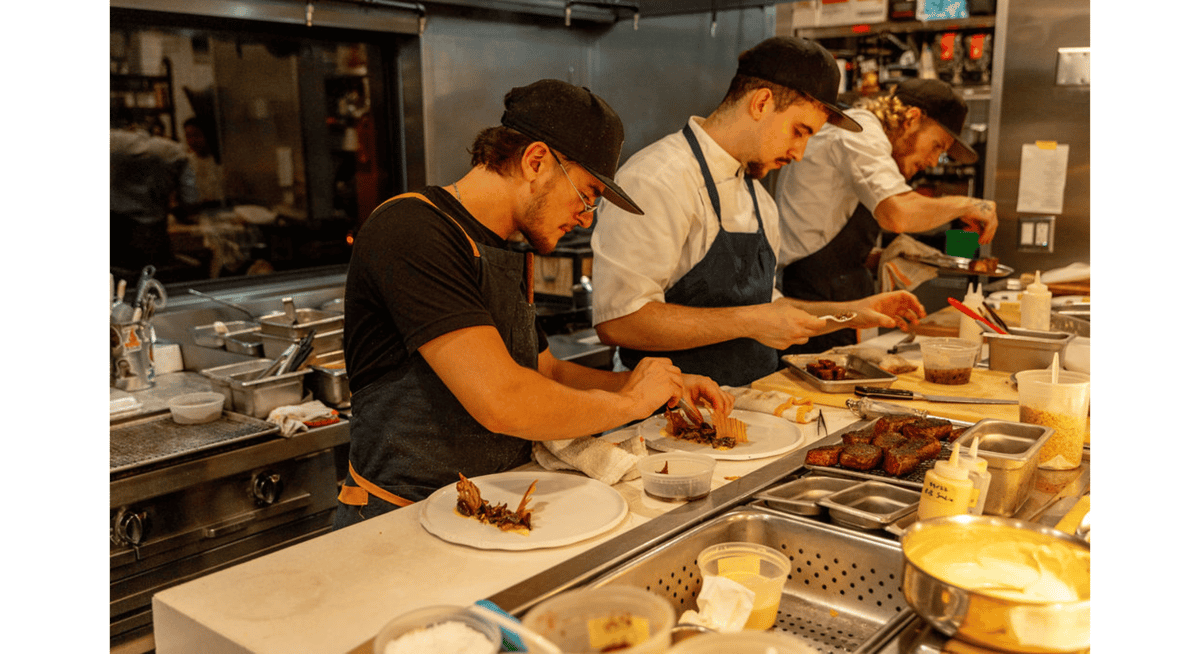
The typical atmosphere at a chef's table is intimate, sensory-rich, and centered on the energy of a live kitchen. Guests sit close to the action, surrounded by the sounds of searing, plating, and coordinated teamwork. The dress code generally leans toward formal or smart casual, though enforcement varies by establishment.
Unlike a conventional dining room designed for quiet conversation, the chef's table embraces controlled intensity. The sights, aromas, and rhythms of professional cooking become part of the experience itself. Seating is deliberately limited, which creates exclusivity and allows the kitchen team to engage meaningfully with every guest. This combination of proximity, sensory immersion, and small group size produces an ambiance that a standard restaurant simply cannot replicate.
Beyond atmosphere, understanding the culinary advantages reveals why chef's table menus stand apart from conventional fine dining.
What Are the Culinary Advantages of Experiencing a Chef's Table?
The culinary advantages of experiencing a chef's table include multi-course tasting menus, seasonal ingredient showcases, and personalized dietary accommodations. Each element elevates the meal beyond standard dining.
How Do Multi-Course Tasting Menus Enhance the Dining Experience?
Multi-course tasting menus enhance the dining experience by presenting a structured progression of flavors, textures, and techniques across multiple dishes. Each course builds on the last, allowing the chef to guide guests through a deliberate culinary narrative. According to a 2025 Growth Market Reports analysis, the private dining experiences market is expanding at a CAGR of 7.1% through 2033, reflecting surging consumer demand for curated, multi-course formats. Rather than committing to a single entree, guests sample a broader range of the kitchen's capabilities. This format rewards adventurous palates while giving the chef creative freedom to pair unexpected ingredients across courses.
In What Ways Are Ingredients and Seasonality Highlighted at the Chef's Table?
Ingredients and seasonality are highlighted at the chef's table through menus that rotate based on what is freshest and most flavorful at a given time. Chefs design each course around peak-season produce, proteins, and botanicals, ensuring dishes reflect the current harvest rather than a static year-round menu. Proximity to the kitchen lets guests see raw ingredients before preparation, reinforcing the connection between sourcing and plate. This transparency makes seasonality tangible, not just a marketing claim. For diners who value provenance and freshness, the chef's table turns ingredient selection into a visible, educational part of the meal.
Does Chef's Table Dining Accommodate Dietary Preferences or Special Requests?
Yes, chef's table dining accommodates dietary preferences and special requests more effectively than standard restaurant service. The intimate format creates direct communication between guest and kitchen, allowing the chef to adjust courses for allergies, intolerances, or lifestyle choices in real time. Common accommodations include:
- Gluten-free substitutions across all courses
- Plant-based or vegan adaptations of the tasting menu
- Allergen removal for shellfish, dairy, or tree nuts
- Religious or cultural dietary observances
Because the chef controls every element of a smaller, fixed guest count, modifications integrate seamlessly without disrupting the menu's creative intent. This flexibility is one reason private chefs are noted to have greater ability to create customer-specific menus compared to standard restaurant formats.
Understanding these culinary advantages sets the stage for exploring why food enthusiasts actively seek out chef's table experiences.
Why Do Food Enthusiasts and Discerning Diners Seek Out Chef's Table Experiences?
Food enthusiasts and discerning diners seek out chef's table experiences for the rare combination of culinary creativity, personal connection, and sensory immersion these meals deliver. Below, we explore the specific appeal for culinary explorers and the memorable moments that define these evenings.
How Does the Chef's Table Appeal to Foodies and Culinary Explorers?
The chef's table appeals to foodies and culinary explorers by offering direct access to the creative process behind each dish. Rather than simply receiving a plate, guests witness technique, ask questions about ingredient sourcing, and understand the intention behind flavor pairings. This transparency transforms a meal into an education.
For culinary explorers who travel specifically for food, the chef's table represents the most intimate way to experience a restaurant's philosophy. Multi-course tasting menus, often built around seasonal and locally sourced ingredients, reward adventurous palates with dishes unavailable on the standard menu. According to a 2025 Growth Market Reports analysis, the private dining experiences market is anticipated to expand at a CAGR of 7.1% from 2025 to 2033, reflecting surging demand for these curated culinary encounters.
What Memorable Moments Are Common During a Chef's Table Meal?
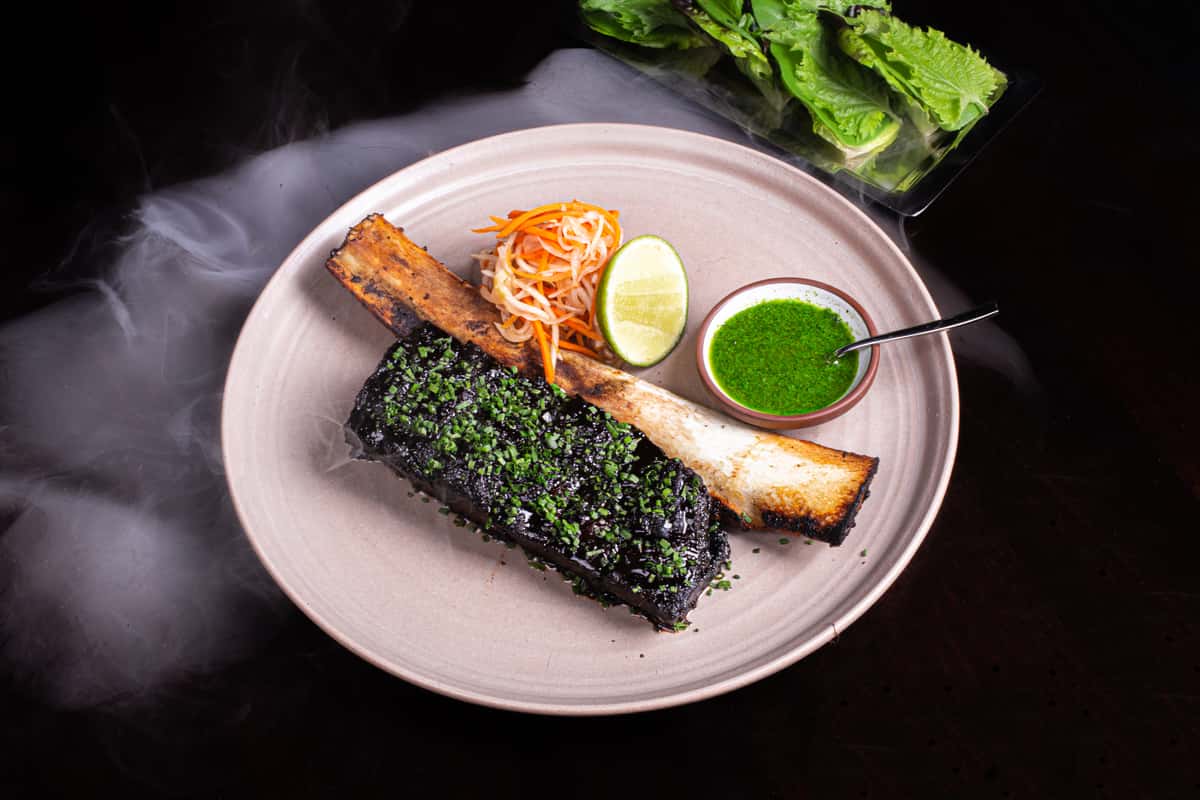
Memorable moments common during a chef's table meal include watching a dish come together in real time, receiving personalized explanations from the chef, and tasting surprise courses designed exclusively for the table. The energy of a working kitchen, with its coordinated rhythm and intensity, creates a sensory backdrop no traditional dining room can replicate.
Unexpected interactions often stand out most. A chef might adjust a course based on a guest's reaction or share the story behind a rare ingredient. As Executive Chef Robin Zavou of The Krug Room told the MICHELIN Guide, the chef's table is "a playground where we have the freedom to put out anything we think will wow the guests." These unscripted exchanges are what guests recall long after the final course.
Understanding what draws diners to these experiences helps explain how Miami's culinary scene has shaped its own approach to chef's table dining.
How Has Chef's Table Dining Evolved in Miami's Upscale Culinary Scene?
Chef's table dining has evolved in Miami's upscale culinary scene through a combination of record tourism, high per-capita restaurant spending, and chef-driven concepts that prioritize experiential value. The sections below explore how local restaurants popularize the format and how concepts like Stubborn Seed shape broader trends.
What Role Do Miami-Based Restaurants Play in Popularizing Chef's Table Experiences?
Miami-based restaurants play a central role in popularizing chef's table experiences by operating in a city where dining culture is deeply embedded in daily life. Miami residents cook only 5.18 meals per week at home, among the lowest rates in the nation, which reflects a population that actively seeks restaurant experiences over home cooking. This appetite for dining out creates fertile ground for immersive formats like the chef's table.
The city's status as a premium dining destination further accelerates adoption. With an average restaurant meal cost of $69.46 and monthly per-person restaurant spending averaging $736.99, Miami diners consistently demonstrate willingness to invest in elevated culinary experiences. Record-breaking visitor numbers compound this effect; Miami-Dade County attracted 28 million visitors in 2024, exposing a massive audience to the chef's table format across the city's top restaurants.
How Do Chef-Driven Concepts Like Stubborn Seed Influence Dining Trends in the Area?
Chef-driven concepts like Stubborn Seed influence dining trends in the area by setting standards for ingredient sourcing, sustainability, and perceived value that other restaurants follow. Stubborn Seed is the only restaurant in Miami Beach to hold both a Michelin Star and a Michelin Green Star, establishing a benchmark where culinary excellence and environmental responsibility coexist. Chef Jeremy Ford sources ingredients from a 5.5-acre organic farm in Redland, Florida, reinforcing a farm-to-table model that resonates with today's experience-focused diners.
According to Andrew Freeman, Founder of af&co., "Value is the story this year... even in fine dining or luxury travel, guests want to walk away feeling like it was worth it." This shift toward perceived value over price alone is something chef-driven restaurants deliver naturally through transparency, seasonal menus, and direct chef interaction. For Miami's culinary landscape, concepts that combine personal storytelling with sourcing integrity do more than attract guests; they redefine what diners expect from every upscale meal that follows.
With Miami's dining culture shaping expectations, Stubborn Seed offers a direct way to experience these benefits firsthand.
How Can Miami Diners Experience the Unique Benefits of Chef's Table Dining at Stubborn Seed?
Miami diners can experience the unique benefits of chef's table dining at Stubborn Seed by reserving a seat at one of Miami Beach's only Michelin-starred restaurants. Below, the multi-course tasting menu and key takeaways about chef's table dining are explored.
What Does Stubborn Seed's Multi-Course Tasting Menu Offer to Chef's Table Guests?
Stubborn Seed's multi-course tasting menu offers chef's table guests a progression of seasonal courses built around ingredients sourced from Chef Jeremy Ford's own 5.5-acre organic farm in Redland, Florida. Stubborn Seed is the only restaurant in Miami Beach to hold both a Michelin Star (2022–2024) and a Michelin Green Star (2025), reflecting its commitment to culinary excellence and sustainability. Guests can choose between a 6-course or 9-course tasting menu, each designed to showcase inventive technique alongside farm-to-table sourcing. The chef's window, visible from the dining room, gives guests a connection to the kitchen's creative energy without disrupting the intimacy of the 72-seat space. Reservations are available through the Stubborn Seed website.
What Are the Key Takeaways About the Benefits and Uniqueness of Chef's Table Dining?
The key takeaways about the benefits and uniqueness of chef's table dining center on direct chef interaction, curated multi-course menus, and an immersive atmosphere that standard restaurant service cannot replicate. According to a 2024 report from Auguste Escoffier School of Culinary Arts, U.S. consumers now spend an average of $191 per person per month on dining out, up from roughly $166 in prior years. This rising investment signals that diners increasingly prioritize memorable, experience-driven meals over routine ones.
Chef's table dining delivers on that expectation through several distinct advantages:
- Seasonal tasting menus spotlight ingredient quality and culinary creativity across multiple courses.
- Kitchen-adjacent seating creates transparency and storytelling that deepen the connection between diner and dish.
- Intimate group sizes allow personalized pacing and accommodation of dietary preferences.
- The format transforms a meal into an event, offering lasting memories that justify the investment.
For diners seeking this level of engagement in Miami, Stubborn Seed combines Michelin-recognized technique with locally rooted sourcing to set a compelling standard.