
Best Food Experiences Miami: Top Unique Dining
Best Food Experiences Miami: Top Unique Dining
The best food experiences in Miami are immersive, multi-course culinary encounters that blend the city's international heritage with locally sourced ingredients and chef-driven creativity. Miami holds America's top-rated dining scene, and its restaurants increasingly prioritize experiential dining over traditional meals.
This guide covers Miami's culinary identity and cultural influences, standout fine dining destinations, signature dishes and local ingredients, seasonal menu innovation, and planning logistics for upscale outings.
Miami's food culture draws from Cuban, Haitian, and Caribbean roots alongside contemporary global techniques, producing a city that ranks among the world's top three for culinary diversity. Roughly 75% of its restaurant landscape is rooted in international cuisine, giving curious epicureans access to flavors found nowhere else in the United States.
Fine dining here ranges from Michelin-starred tasting rooms to AAA Five Diamond omakase counters, each crafting multi-course progressions designed to tell a story through texture, plating, and pacing. Ambiance and setting play equal roles in shaping the overall experience.
Local ingredients like stone crab, mahi-mahi, and Key lime anchor many signature dishes, while chef-driven creations fuse these staples with global techniques. The farm-to-table network in Miami-Dade County strengthens this connection between local producers and top kitchens.
Seasonal and curated menus allow chefs to reflect ingredient availability in real time, reducing waste while delivering fresher, more intentional plates. Leading restaurants practicing sustainable menu engineering achieve food waste levels far below industry averages.
Planning an upscale dining evening in Miami involves understanding reservation timelines, dress expectations, and the service culture that defines South Florida hospitality.
Why Is Miami Considered a Renowned Destination for Unique Culinary Experiences?
Miami is considered a renowned destination for unique culinary experiences because its multicultural population drives one of America's highest-rated dining scenes. The sections below explore how cultural diversity shapes the city and what distinguishes it for adventurous diners.
How Does Miami's Diverse Culture Influence Its Dining Scene?
Miami's diverse culture influences its dining scene by fusing Caribbean, Latin American, and global traditions into a single metro area, creating unmatched variety. Residents eat out more than almost any other American city. According to a 2025 Current Backyard analysis, Miami holds America's top-rated dining scene with an average restaurant quality score of 6.94 out of 10, while residents cook only 5.18 meals per week at home. That frequency of dining out sustains a competitive restaurant landscape where chefs must continually innovate across cuisines. Few cities match this combination of cultural depth and consumer demand, which is why the best food experiences in Miami feel genuinely distinct from one neighborhood to the next.
What Makes Miami's Food Scene Stand Out for Curious Epicureans?
Miami's food scene stands out for curious epicureans because restaurants here prioritize creativity, portioning, and multi-sensory presentation over formulaic service. Chefs treat each plate as a complete experience rather than simply a meal. A 2026 Forbes report found that nearly 70% of restaurant food waste comes from plate waste, highlighting how thoughtful portioning at Miami's top tables both elevates the guest experience and reflects operational precision. This attention to detail rewards diners who seek intention behind every course, making Miami particularly appealing for those who value craft over quantity. Stubborn Seed exemplifies this approach with seasonal tasting menus that rotate based on ingredient availability, offering both 6-course and 9-course options designed to showcase the chef's creative technique.
With cultural foundations in place, Miami's fine dining restaurants build on this diversity to deliver truly memorable settings.
Where Can You Discover Miami's Most Unique Fine Dining Restaurants?
You can discover Miami's most unique fine dining restaurants through tasting menu experiences and venues recognized for exceptional ambiance. The following sections explore how multi-course menus and distinctive settings define the city's upscale dining landscape.
How Do Tasting Menus in Miami Elevate the Dining Experience?
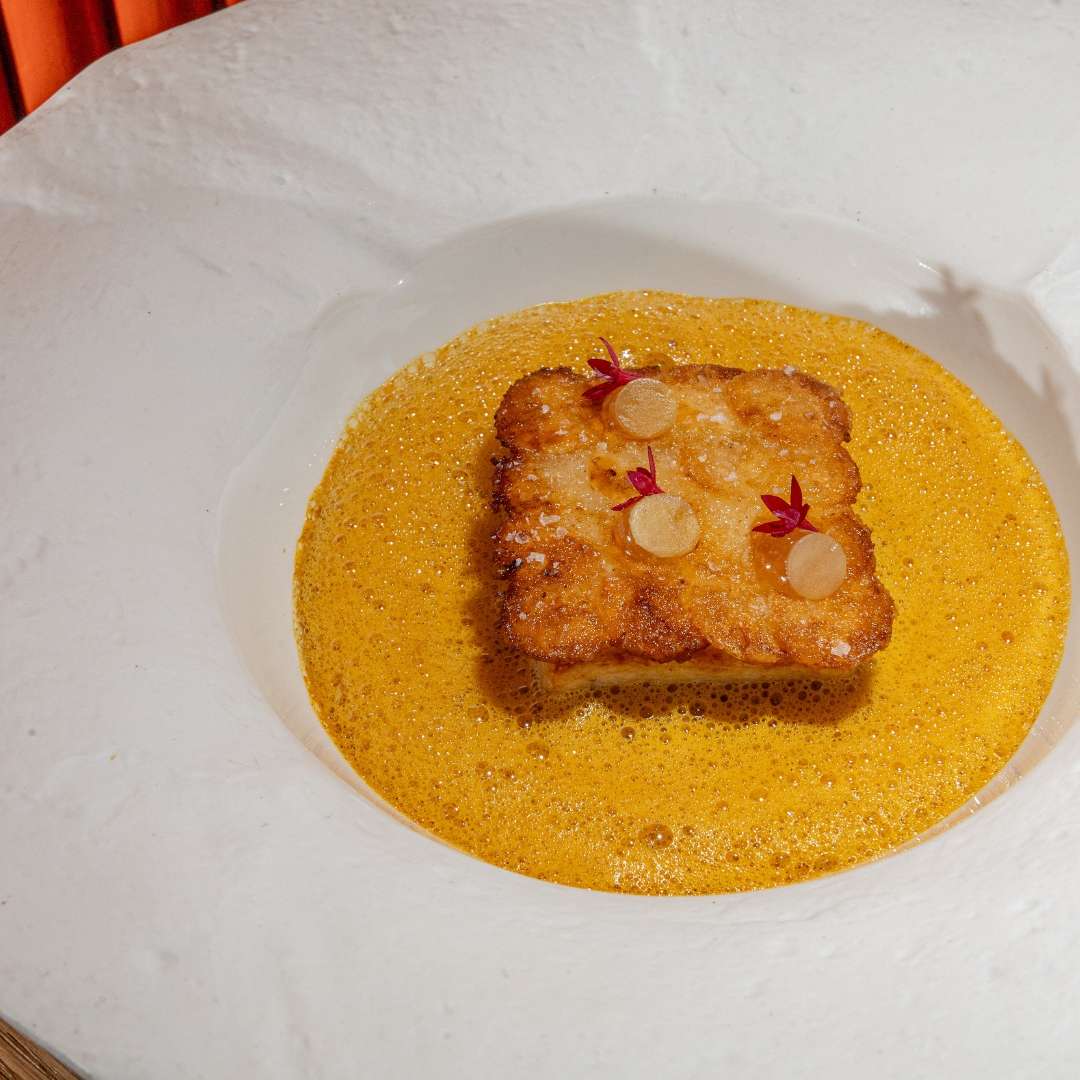
Tasting menus in Miami elevate the dining experience by transforming a meal into a curated culinary journey across multiple courses. Each course showcases a chef's creativity, technique, and seasonal ingredient sourcing in a deliberate progression of flavors. According to a 2024 study by Technomic, 72% of diners expressed a desire for more experiential dining options, such as chef's tables and themed dining. This shift reflects a broader movement where guests seek narrative and artistry over simply ordering individual dishes. For curious epicureans, a well-executed tasting menu offers both discovery and intentionality that à la carte dining rarely matches.
Which Miami Restaurants Offer the Most Memorable Ambiance and Setting?
The Miami restaurants offering the most memorable ambiance and setting include those recognized by major culinary authorities for their distinctive environments. L'Atelier de Joël Robuchon in the Miami Design District holds two MICHELIN stars as of the 2025 guide, the only restaurant in Florida to earn that distinction. NAOE Miami became the first traditional Japanese restaurant to achieve the AAA Five Diamond Designation, creating an intimate omakase atmosphere unlike anything else in the city. These venues pair precision cuisine with environments designed to heighten every sensory detail, from lighting to acoustics.
With Miami's finest settings identified, understanding the signature dishes behind them reveals what makes each bite unforgettable.
What Signature Dishes Define the Best Food Experiences in Miami?
The signature dishes that define the best food experiences in Miami reflect decades of cultural layering, from Cuban staples to ocean-fresh seafood. Cuban exiles in the 1960s established the foundation of Miami's food culture, introducing café con leche and pastelitos as enduring staples.
What Local Ingredients Are Showcased in Top Miami Restaurants?
The local ingredients showcased in top Miami restaurants include stone crab, mahi-mahi, and Key lime. Joe's Stone Crab serves as the primary historical reference for these regional staples, having built its reputation around Florida's seasonal harvest.
This ingredient-driven approach extends beyond individual restaurants. According to Slow Food Miami, local farmers help reduce transportation costs and minimize the distance food travels, supporting a robust local food economy. The 2025 Dinner for Farmers event honored farmers and chefs as the heart of the region's food system. With 28.2 million visitors spending $22 billion in Miami-Dade County in 2024, restaurants sourcing locally meet both sustainability goals and visitor demand for authentic regional flavors.
Are There Must-Try Chef Creations Unique to Miami's Dining Scene?
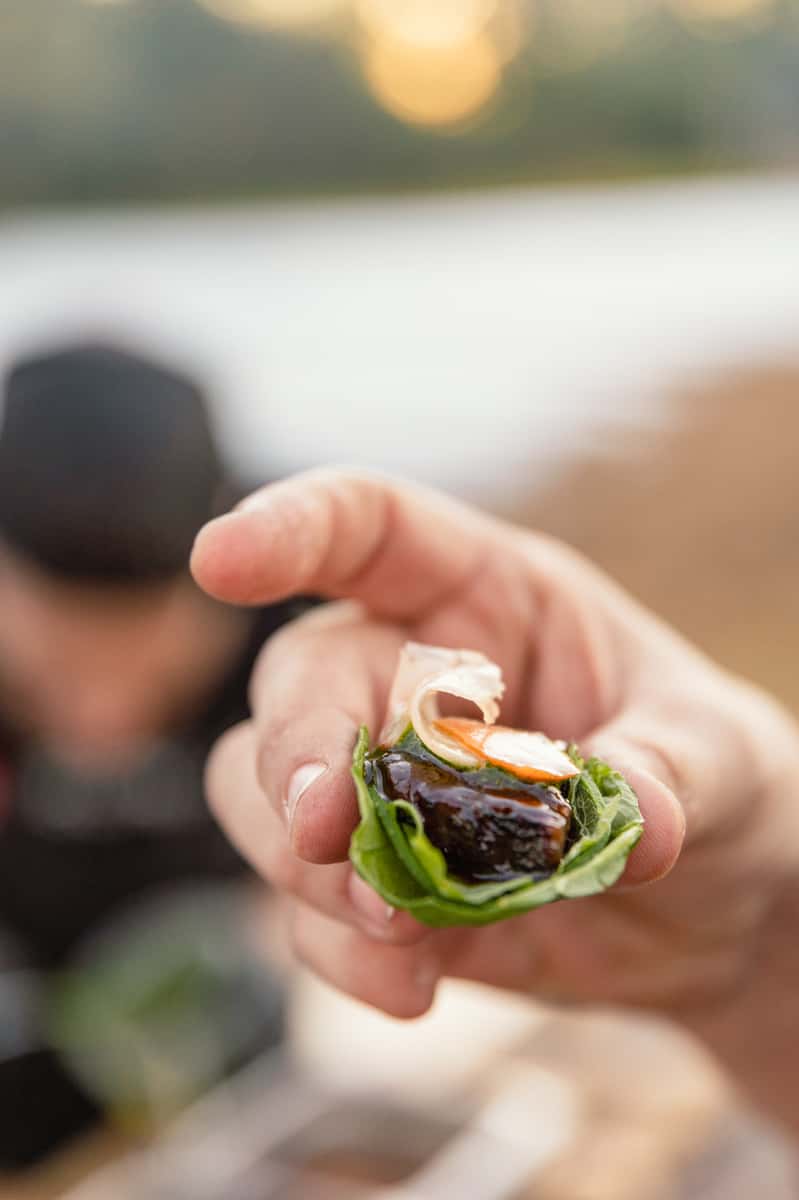
Yes, there are must-try chef creations unique to Miami's dining scene, shaped by the city's unmatched cultural fusion. Approximately 75% of Miami's dining scene is rooted in international cuisine, which led the city to rank third worldwide for culinary diversity in 2026.
This global influence pushes chefs to develop dishes that blend traditions in ways found nowhere else. A 2024 Technomic study found that 72% of diners expressed a desire for more experiential dining options, such as chef's tables and themed dining. Miami's chefs respond by crafting creations that merge technique with storytelling, turning plates into singular experiences rather than simple meals.
With chef-driven innovation shaping so much of Miami's identity, seasonal menus take that creativity even further by responding to what's freshest each month.
How Do Seasonal and Curated Menus Enhance Unique Dining in Miami?
Seasonal and curated menus enhance unique dining in Miami by showcasing peak-freshness ingredients, reducing waste, and creating memorable one-time experiences. The benefits span financial, environmental, and experiential dimensions.
What Are the Benefits of Seasonal Versus Static Menus in Fine Dining?
The benefits of seasonal versus static menus in fine dining include fresher ingredients, reduced food waste, stronger profitability, and a sense of exclusivity that keeps guests returning. Seasonal menus rotate dishes based on ingredient availability, while static menus remain unchanged for extended periods.
Key advantages of seasonal menus over static formats include:
- Seasonal pricing strategies often target a 30% food cost, maximizing margins on limited-time dishes, according to a 2025 analysis by Lane Equipment Co.
- Rotating selections create urgency, encouraging repeat visits before a dish disappears.
- Peak-season sourcing delivers superior flavor without relying on out-of-season imports.
- Chefs gain creative freedom to experiment, which elevates the overall caliber of a restaurant's offerings.
Static menus offer consistency, but that predictability can limit a kitchen's ability to respond to what local farms and fisheries produce at their best. For fine dining specifically, where guests expect innovation, seasonal formats deliver a compelling edge. Stubborn Seed builds its entire menu around this seasonal philosophy, allowing Chef Jeremy Ford to respond to what's freshest each month while maintaining the restaurant's Michelin-starred standards.
How Does Menu Curation Influence Guest Experiences in Upscale Miami Restaurants?
Menu curation influences guest experiences in upscale Miami restaurants by transforming a meal into a guided narrative, where each course builds on the last in flavor, texture, and pacing. Thoughtfully designed tasting menus give chefs full control over the progression, ensuring every element complements what precedes it.
This intentional design also drives sustainability gains. According to a 2025 report by Eaternity, leading restaurants are achieving food waste levels of less than 2%, compared to the industry average of 20%, through sustainable menu engineering. Curated menus reduce overproduction because kitchens prepare precise quantities for a fixed number of courses.
Miami's upscale restaurants demonstrate this approach at various price points; L'Atelier de Joël Robuchon Miami, for instance, offers an Evolution Tasting Menu at $295 per guest and a Seasonal Prix Fixe Menu at $195. For guests, the result is a cohesive dining journey rather than a disconnected series of dishes. With curated menus shaping what guests taste, planning ahead ensures you secure a seat at the best tables.
What Should You Know to Plan a Memorable, Upscale Dining Experience in Miami?
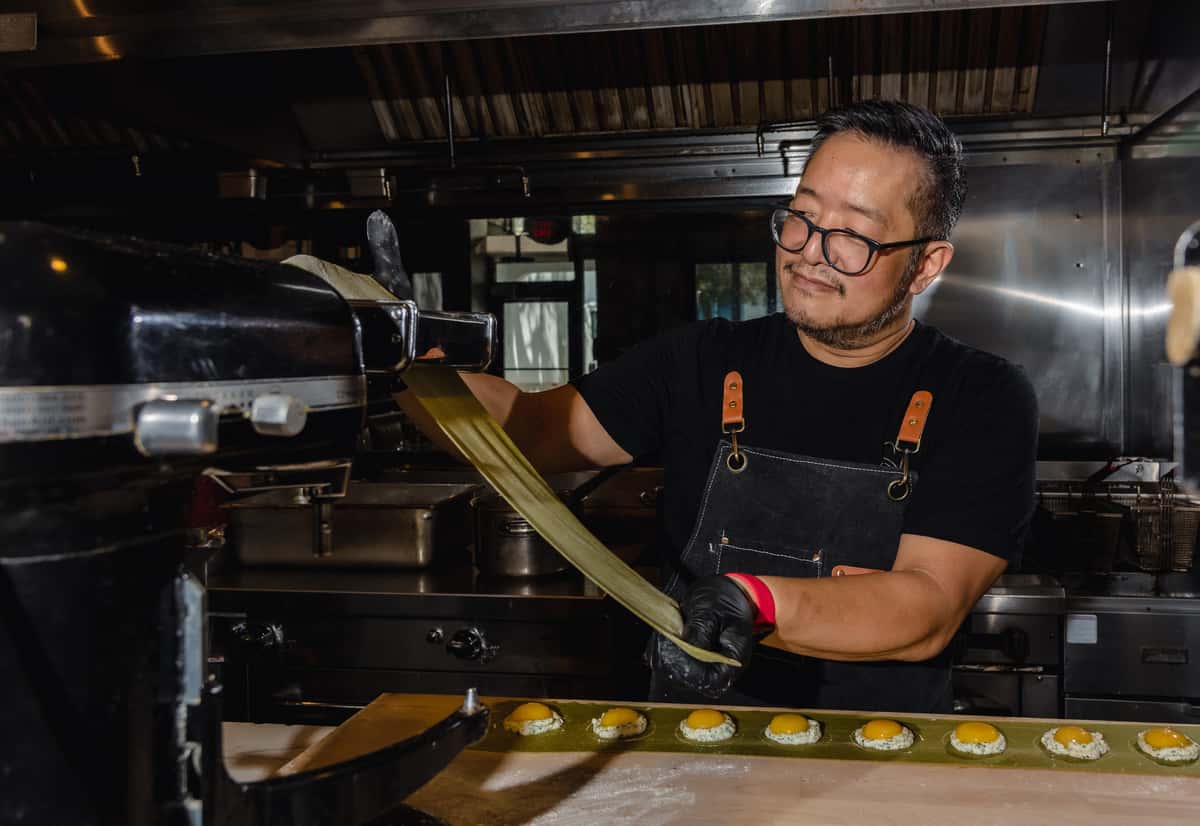
Planning a memorable, upscale dining experience in Miami requires attention to reservation timing, dress codes, and dining etiquette. The following sections cover when to book and how to present yourself.
How Far in Advance Should Reservations Be Made at Top Miami Restaurants?
Reservations at top Miami restaurants should be made two to four weeks in advance, especially during peak tourist season from November through April. Miami-Dade County attracted a record 28.2 million visitors in 2024, according to the Greater Miami Convention & Visitors Bureau, which means high-end tables fill quickly during busy periods.
For special occasions or holidays, booking four to six weeks ahead is safer. Weeknight availability tends to be easier to secure than Friday or Saturday slots. Most upscale restaurants now accept reservations through their websites or platforms like OpenTable and Resy. Confirming your booking 24 to 48 hours before arrival helps avoid cancellations or miscommunication.
What Dress Codes and Etiquette Apply to Miami's Upscale Dining Trends?
Dress codes at Miami's upscale dining establishments generally range from smart casual to business elegant, depending on the restaurant. Common expectations include:
- Collared shirts or blouses paired with tailored pants or dresses for most fine dining venues.
- Closed-toe shoes, with sneakers and flip-flops typically discouraged.
- Jackets recommended but rarely required at most Miami establishments.
That said, Miami's fine dining culture tends to be more relaxed than in cities like New York. Some Miami fine dining establishments have adopted a more relaxed dress philosophy where guests can enjoy elevated cuisine in casual attire without feeling judged. This approachable philosophy reflects a broader shift in the city's upscale dining etiquette.
Tipping standards in Miami typically range from 15% to 20% of the bill before tax, with 22% to 25% appropriate for outstanding service. Arriving on time, silencing phones, and communicating dietary restrictions in advance all contribute to a smoother experience for both guests and staff. Understanding these practical details ensures the meal itself remains the focus of the evening.
How Can Stubborn Seed Elevate Your Unique Dining Experience in Miami?
Stubborn Seed elevates your unique dining experience in Miami by combining Michelin-starred cuisine with an approachable atmosphere. The following sections explore what distinguishes the tasting menu and summarize the best dining takeaways for Miami.
What Sets Stubborn Seed's Multi-Course Tasting Menu Apart in Miami's Culinary Scene?
Stubborn Seed's multi-course tasting menu stands apart in Miami's culinary scene through its combination of seasonal creativity, a Michelin star, and a relaxed fine dining philosophy. Chef Jeremy Ford designs both a 6-course and a 9-course tasting menu that emphasize inventive technique without the stiffness of traditional fine dining. Guests can enjoy the experience in jeans, making elevated cuisine feel genuinely welcoming.
What Are the Key Takeaways About the Best Food Experiences and Unique Dining Options in Miami?
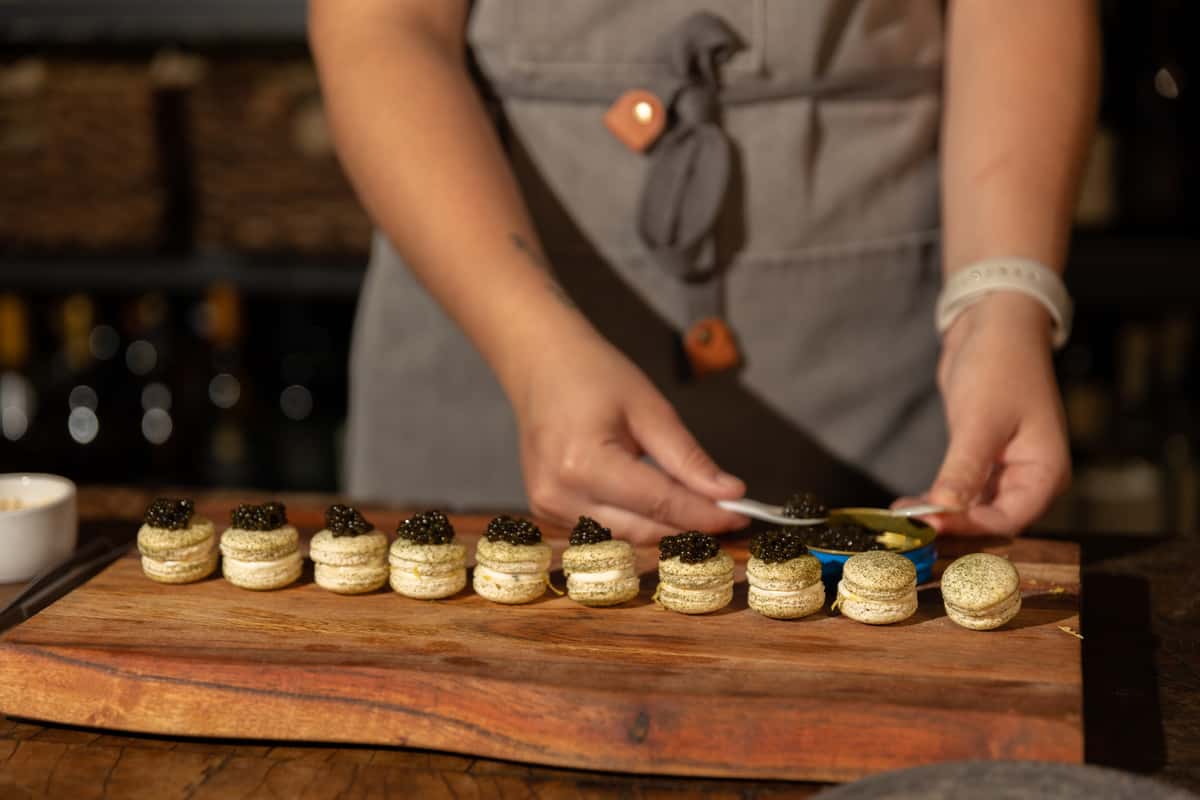
The key takeaways about the best food experiences and unique dining options in Miami center on three themes: culinary diversity, experiential demand, and world-class recognition.
- Miami earned the No. 1 foodie city ranking in the U.S. in 2025, according to a Forbes analysis based on metrics including best and cheapest local food scenes.
- Yelp data from 2025 shows consumers increasingly seek "dining experiences" that prioritize entertainment and uniqueness over traditional meals.
- Approximately 75% of Miami's dining scene is rooted in international cuisine, contributing to the city's third-place global ranking for culinary diversity.
- Local food systems, supported by organizations like Slow Food Miami, strengthen seasonal menus by reducing transportation distances and connecting chefs directly with regional farmers.
For diners seeking a destination that balances innovation with accessibility, Stubborn Seed represents what makes Miami's food scene exceptional: bold flavors, seasonal intention, and an atmosphere that invites everyone to the table. Reservations can be made through the Stubborn Seed website to secure your spot at this Michelin-starred experience