
Best Time to Call for Michelin Star Reservations: Guide
Best Time to Call for Michelin Star Reservations: Guide
The best time to call for Michelin star reservations is mid-morning to early afternoon on the restaurant's specific reservation release day, typically one to two months before your desired date. No universal rule applies across all starred restaurants; each venue sets its own release schedule, platform, and cancellation terms.
This guide covers optimal calling windows and days, venue-specific reservation policies, practical strategies for improving booking success, group and special occasion planning, and Miami's seasonal demand patterns as they apply to chef-driven restaurants like Stubborn Seed.
Calling outside busy service periods, such as between lunch and dinner, avoids times when staff are occupied with guests and callers are often placed on hold. Weekday calls may reach less burdened front-of-house staff, though no data confirms a single best day. However, the release day itself always takes priority over a general weekday preference.
Reservation policies vary significantly across starred restaurants. Some drop availability on the first of each month for the following month through Resy or OpenTable; others release two months ahead via Tock or use third-Sunday monthly cycles. Cancellation structures range from per-person fees within 24 hours to full prepayment with no rescheduling. Knowing these terms before you book prevents surprises.
Flexibility with dates, seating formats, and party size remains one of the most reliable ways to secure a table. Joining platform waitlists, subscribing to restaurant mailing lists, and checking back during off-peak phone hours all expand your opportunities when preferred slots fill.
Miami's peak season, roughly December through April, concentrates international visitors, Art Basel attendees, and seasonal residents into the same reservation windows. Stubborn Seed operates as a tasting-menu-only restaurant with limited covers per evening, making early booking and date flexibility especially valuable during these months.
Why Do Michelin Star Restaurants Require Advanced Reservations?
Michelin star restaurants require advanced reservations because limited seating, tasting-menu formats, and high demand create more diners than available tables on any given night. The factors driving this scarcity and how far ahead to book are covered below.
What Factors Make Michelin Star Reservations Difficult to Secure?
The factors that make Michelin star reservations difficult to secure include limited seating capacity, tasting-menu service formats that extend table turnover times, and globally recognized quality standards that concentrate demand. The MICHELIN Guide awards stars based on five criteria: ingredient quality, harmony of flavors, mastery of technique, the chef's personality in the cuisine, and consistency over time. Because stars are reassessed annually, recognized restaurants attract a sustained wave of diners seeking that verified experience.
Small dining rooms compound the challenge. Most starred restaurants seat far fewer guests per evening than casual counterparts, and multi-course formats mean each table is occupied longer. When demand consistently outpaces supply, even midweek slots fill quickly. For anyone targeting a specific date, understanding these constraints is the first step toward a realistic booking strategy.
How Far in Advance Should You Call for a Michelin Star Reservation?
You should call for a Michelin star reservation one to two months in advance, aligning with documented release windows at starred venues. Cyrus Restaurant, for example, releases dining journey reservations on the first of every month, two months ahead, through Tock. Other starred restaurants follow similar monthly release cycles, though exact timelines vary by venue.
Timing your call matters, too. According to UKHospitality, calling a restaurant to make a reservation typically takes three to five minutes, but at peak times it can take longer as staff juggle in-service responsibilities. Calling shortly after a restaurant's reservation release, or during off-peak phone hours, reduces hold times and improves your chances of securing a preferred date.
When phone lines are busy, reservation platforms offer an alternative path. Many starred restaurants release inventory digitally through Resy, OpenTable, or Tock, where availability updates instantly. Understanding how reservation policies differ across restaurants helps you plan the right approach for each venue.
What Are the Optimal Days and Times to Call for Reservations?
The optimal days and times to call for Michelin star reservations depend on each restaurant's specific release schedule and staffing patterns. Below, we cover weekday versus weekend calling strategies and the best time of day to maximize success.
Are Weekdays or Weekends Better for Booking Michelin Star Restaurants?
Weekdays are generally better for booking Michelin star restaurants because front-of-house staff handle fewer simultaneous tasks during slower service periods.Midweek days may bring lighter phone traffic, though no published data confirms shorter hold times on any particular day.
Weekend calls compete with active dinner service preparation, higher walk-in volume, and heavier incoming reservation requests from other callers. For restaurants that release reservations on a fixed schedule, however, the release day itself matters more than whether it falls on a weekday or weekend. Checking a restaurant's specific release calendar should always come before defaulting to a general weekday strategy.
What Time of Day Yields the Best Chances for Reservation Success?
The time of day that may yield better chances for reservation success is mid-afternoon, typically between lunch and dinner service, when most fine-dining kitchens are in prep mode rather than active service.
Calling during this window avoids two peak-congestion periods:
- Pre-service rush (roughly 5:00 p.m. onward), when staff finalize table assignments and handle last-minute confirmations.
- Active dinner service (6:00 p.m. to 09:00 p.m.), when phone lines are deprioritized.
According to HSMAI Academy, reservation management involves "strategic seating, guest flow, and operational efficiency," with credit-card holds and prepaid experiences increasingly used for prime-time bookings. This operational complexity during peak hours means fewer staff members are available to handle inbound calls.
For restaurants with timed online drops, being logged in and ready at the exact release moment matters far more than phone timing. Understanding how each restaurant structures its reservation policies sets the stage for navigating those differences effectively.
How Do Reservation Policies Differ Among Michelin Star Restaurants?
Reservation policies differ among Michelin star restaurants in release schedules, cancellation fees, and waitlist structures. The sections below cover how specific venues time their reservation drops and what cancellation or waitlist rules to expect.
Do Some Michelin Star Restaurants Release Reservations on Specific Days?
Some Michelin star restaurants release reservations on specific days, though the exact schedule varies by venue. According to Eleven Madison Park's FAQ, "We open up reservations on the first of every month for the following month." That restaurant uses Resy and offers a waitlist when dates are fully booked.
Verified release patterns across starred restaurants include:
- First-of-month drops for the following month (via Resy or OpenTable)
- First-of-month drops two months ahead (via Tock)
- Third-Sunday monthly releases (via OpenTable)
No universal Michelin star release rule exists. Each restaurant sets its own cadence and platform. Checking a venue's official website or reservation platform page remains the most reliable way to learn its specific drop schedule.
What Is the Typical Cancellation or Waitlist Policy?
The typical cancellation or waitlist policy at Michelin star restaurants involves prepayment deposits, per-person cancellation fees, and platform-based waitlists with real-time notifications. Policies vary significantly by venue.
Common cancellation and waitlist elements include:
- Per-person fees charged for late cancellations (often within 24 hours)
- Higher penalty fees during holidays or special occasions
- Waitlists managed through Resy, OpenTable, or Tock that notify diners when seats open
- Full prepayment required at some restaurants, with no rescheduling permitted
A 2024 study in the Journal of Revenue and Pricing Management found that cancellation policies negatively influence restaurant evaluations, yet lenient policies paired with customer awareness increase perceived fairness and encourage diners to honor reservations. For guests, understanding a restaurant's specific fee structure before booking prevents surprises and builds realistic expectations about commitment.
How Can You Improve Your Chances of Getting a Table?
You can improve your chances of getting a table by staying flexible with dates and times, using restaurant waitlists, and booking through reservation platforms. Each strategy addresses a different barrier to securing Michelin star reservations.
Should You Consider Flexible Dates or Times?
Yes, you should consider flexible dates or times. Michelin star restaurants in Miami face significant demand swings tied to tourism and major events, so shifting your preferred date by even a few days can open availability. According to the Greater Miami Convention & Visitors Bureau's December 2023 report, Miami Beach hotel occupancy reached 83.3 % during Art Week, with the bureau noting that "the first half of 2024 should be very busy." Periods of lower hotel occupancy, such as Surfside/Bal Harbour at 61.4% in the 28 days ending December 9 , may correlate with easier restaurant reservations. Targeting midweek evenings or shoulder-season dates remains one of the most reliable ways to secure a seat at high-demand restaurants.
Can Joining a Waitlist or Calling Back Help?
Yes, joining a waitlist or calling back can help. Many Michelin star restaurants offer waitlist features through their booking platforms, and cancellations do occur regularly. When a reserved party cancels or no-shows, waitlisted diners receive notifications for newly available slots. Calling the restaurant directly during off-peak phone hours also increases your chances of catching a freshly opened table. Persistence matters here; checking back periodically rather than relying on a single attempt gives you multiple opportunities to claim a spot. For restaurants that manage tight seating, combining both strategies provides the broadest coverage.
Are There Benefits to Booking Through Reservation Platforms?
The benefits of booking through reservation platforms include automated alerts, structured waitlists, and access to time-specific reservation drops. SingleThread Farms, for example, releases dining bookings through OpenTable "at 9am PST on the 1st of every month, for the upcoming month," with a waitlist available for fully booked dates. Platforms like OpenTable, Resy, and Tock also handle party-size logistics; a reservation optimization study published in Pesquisa Operacional models parties from one to eight and allows table combinations, such as seating a group of six across two- and four-seat tables. Logging into your preferred platform early and saving payment details positions you to act quickly when slots open.
With these booking strategies in place, understanding group and special occasion policies adds another layer of preparation.
What Should You Know About Group Reservations or Special Occasion Bookings?
Group reservations and special occasion bookings require earlier planning, larger deposits, and clear communication with the restaurant. The sections below cover party-size challenges and when to share dietary needs.
Is It More Difficult to Reserve for Larger Groups?
Yes, it is more difficult to reserve for larger groups at Michelin star restaurants. One reservation optimization study caps standard party sizes at eight; groups above eight require special arrangements such as combining multiple tables. This limits available configurations and reduces the number of time slots that can accommodate large parties. Restaurants also face higher financial risk from large-party no-shows. According to research by Kellogg School of Management at Northwestern University, no-show rates at one studied restaurant ranged from 3% to 15%, but special occasions like New Year's Eve can push rates to 40%. Larger groups may amplify that lost-revenue exposure, which may be why many fine dining venues require prepayment or per-person deposits for bigger parties. Booking as early as possible and contacting the restaurant directly gives groups the best chance of securing a table.
When Should You Mention Dietary Restrictions or Requests?
You should mention dietary restrictions or requests at the time of booking. Tasting-menu restaurants like Stubborn Seed build multi-course progressions days in advance, so early notice allows the kitchen to prepare thoughtful substitutions rather than last-minute workarounds. Allergies, religious dietary laws, and strong aversions all require ingredient-level adjustments that affect sourcing and prep timelines.
Key details to communicate when reserving:
- Specify the exact restriction, such as celiac disease, shellfish allergy, or vegan diet.
- Note whether the restriction applies to one guest or the entire party.
- Confirm accommodations again at least 48 to 72 hours before your reservation.
Waiting until arrival puts the kitchen in a reactive position and may limit what the chef can offer. With Miami's dining demand and seasonal surges shaping restaurant capacity, understanding local timing factors also plays a role in how smoothly these requests are handled.
How Do Local Factors in Miami Affect Michelin Star Reservation Timing?
Local factors in Miami affect Michelin star reservation timing through seasonal tourism surges, major cultural events, and a concentrated peak dining season. The following subsections cover event-driven demand spikes and what makes Miami's peak seasons unique.
Do Seasonal Events or Holidays Impact Reservation Demand?
Seasonal events and holidays significantly impact reservation demand at Miami's Michelin star restaurants. Art Basel Miami Beach, major music festivals, and holiday periods like New Year's Eve all compress available tables while visitor volume climbs sharply. According to the Greater Miami Convention & Visitors Bureau's December 2023 report, Art Week drove room demand to grow "substantially year-over-year," with Miami Beach hotel occupancy reaching 83.3% during that period.
This kind of hospitality surge translates directly to dining. When hotel rooms fill, restaurant reservations follow. Booking well before these events is essential for securing a table at any starred restaurant.
What Is Unique About Miami's Peak Dining Seasons?
Miami's peak dining seasons are unique because they align with both winter tourism and a dense calendar of international cultural events. While most U.S. fine-dining markets peak around traditional holidays, Miami experiences sustained high demand from roughly December through April, when seasonal residents, international visitors, and event attendees converge simultaneously.
The 2022 inaugural MICHELIN Guide Florida selection listed Miami with 11 starred restaurants, 19 Bib Gourmands, and 35 recommended restaurants, making it the state's densest concentration of recognized dining. That density, combined with months of elevated tourism, means peak-season reservation windows close faster here than in markets with shorter demand cycles.
Understanding Miami's extended high season gives diners a practical edge when planning Michelin star reservations alongside the city's unique hospitality landscape.
How Should You Approach Michelin Star Reservations With Upscale Chef-Driven Restaurants Like Stubborn Seed?
You should approach Michelin star reservations with upscale chef-driven restaurants like Stubborn Seed by understanding each venue's specific booking format, tasting menu structure, and cancellation terms. The sections below cover how tasting menus shape the reservation experience and the key takeaways for timing your booking.
Can Stubborn Seed's Tasting Menus and Special Events Help With Securing a Unique Reservation Experience?
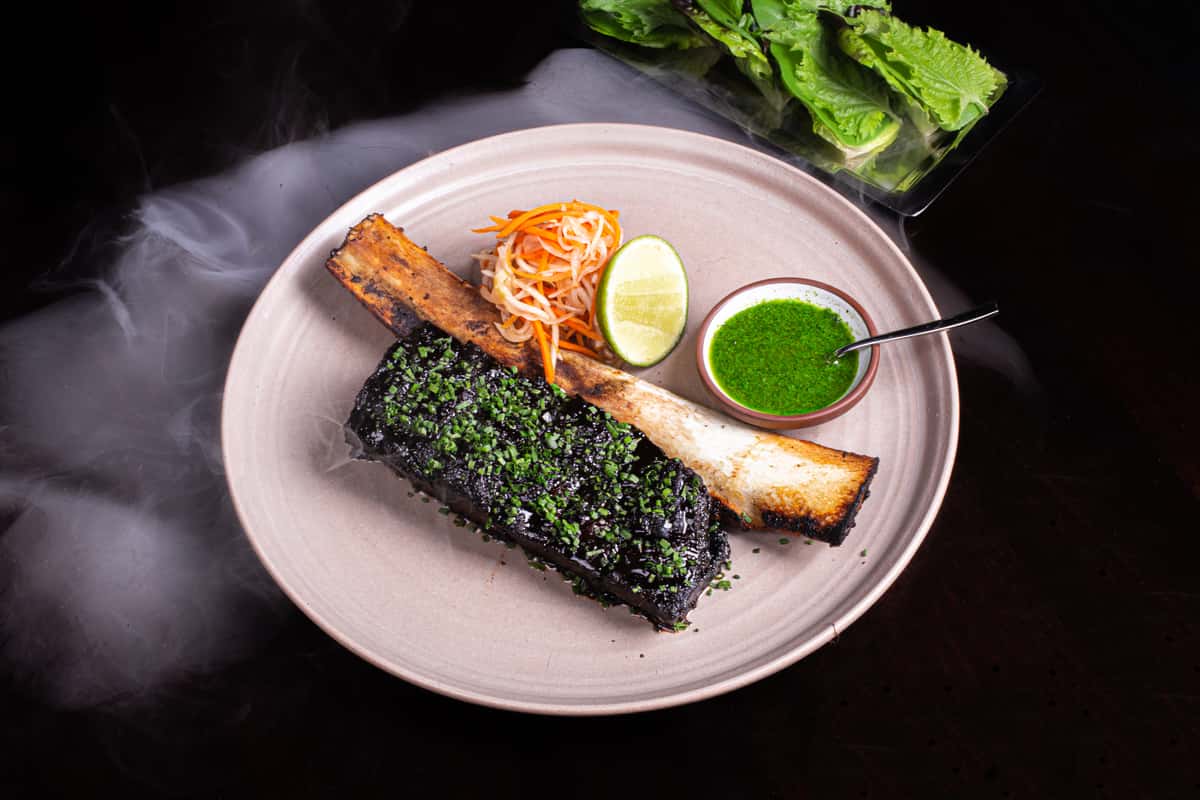
Yes, Stubborn Seed's tasting menus and special events can help with securing a unique reservation experience. Stubborn Seed operates as a tasting-menu-only restaurant for table service, offering a six-course and a nine-course chef's tasting menu. Bar seating provides an à la carte alternative for parties of one or two. This structured format means fewer covers per evening, so flexibility with dates and seating type improves your chances.
Understanding cancellation terms also matters: regular cancellations within 24 hours carry a per-person fee, while holiday or special-occasion cancellations carry a higher per-person fee. According to Cornell SC Johnson College of Business research, flexible reservation times can increase restaurant revenue by up to 21 percent, and diners willingly adapt plans when they expect a great experience. Platforms like Tock and Resy support experiences, events, and waitlists alongside standard reservations, giving chef-driven restaurants tools to manage demand through special-event releases and mailing lists. Subscribing to a restaurant's communications is one of the most reliable ways to learn about ticket drops before general availability.
What Are the Key Takeaways About the Best Time to Call for Michelin Star Reservations?
The key takeaways about the best time to call for Michelin star reservations center on venue-specific release schedules rather than a universal rule. No authoritative source has verified a single best morning, afternoon, or weekday for calling across all starred restaurants. Each venue sets its own cadence: some release monthly on the first, others on the third Sunday, and some publish no fixed schedule at all.
Her Place Supper Club, for example, releases reservations the third Sunday of every month at 6 PM on OpenTable and recommends logging in early and saving a credit card. Practical steps that apply broadly include:
- Check the restaurant's website or reservation platform for its specific release date and time.
- Log into your booking platform account before the release window opens.
- Join mailing lists and waitlist notifications for real-time alerts on cancellations.
- Stay flexible on party size, date, and seating format to expand available options.
The MICHELIN Guide awards stars based on food quality, not service or decor, which means starred restaurants prioritize the dining experience above all else. That commitment to consistency is precisely why understanding each restaurant's reservation structure, rather than relying on generic timing advice, gives you the strongest position when booking.