
Choose Your MICHELIN Tasting Menu: A Miami Guide
Choose Your MICHELIN Tasting Menu: A Miami Guide
A MICHELIN tasting menu is a multi-course dining format where a chef presents a curated sequence of dishes designed to showcase technique, ingredient quality, and culinary vision. Miami's starred restaurants use this format to highlight the city's diverse culinary identity across Latin American, Caribbean, Asian, and Middle Eastern traditions.
This guide covers how MICHELIN tasting menus work in Miami, what makes the city a unique destination for this dining format, how to select the right restaurant for your experience, what to know before booking, and how Stubborn Seed delivers a distinctive starred tasting menu.
Miami's MICHELIN scene spans over ten starred restaurants, from L'Atelier de Joël Robuchon's two-star French cuisine to Elcielo's Colombian-inspired sensory progressions. Inspectors evaluate every kitchen against the same five criteria, holding each restaurant to a universal standard regardless of culinary style.
The city's subtropical ingredients, fresh Florida seafood, and multicultural spice profiles give local chefs a built-in advantage. Stone crab, tropical citrus, and regional herbs appear across starred kitchens, producing dishes found nowhere else in American fine dining.
Choosing the right restaurant means evaluating cuisine style, ambience, course count, and price range. Tasting menus in Miami range from $130 to $280 per person for food alone, with formats varying from fixed progressions to flexible multi-tier options.
Booking requires advance planning, typically two to four weeks ahead. Dietary accommodation policies differ by venue, and cancellation windows at most starred restaurants are strict.
Stubborn Seed, led by Chef Jeremy Ford, offers both a 6-course and 9-course tasting menu rooted in a philosophy of transforming honest ingredients into their most expressive form. Its energetic, open-kitchen setting pairs MICHELIN-starred precision with a relaxed atmosphere that distinguishes it within Miami's fine dining landscape.
What Is a MICHELIN Tasting Menu and How Does It Work in Miami's Dining Scene?
A MICHELIN tasting menu is a multi-course dining format where a chef presents a curated sequence of dishes designed to showcase technique, ingredient quality, and culinary vision. Miami's starred restaurants use this format to highlight the city's diverse flavors.
Which Miami Restaurants Offer MICHELIN Tasting Menus?
Miami restaurants offering MICHELIN tasting menus span a wide range of cuisines and price points across the city's starred dining scene. According to the MICHELIN Guide's 2026 selection, L'Atelier de Joël Robuchon Miami remains the only restaurant in Florida to earn two MICHELIN stars, offering modern French cuisine in the Miami Design District. Its "Evolution Menu" features a full eight-course tasting experience.
Other starred Miami restaurants include Boia De, Cote Miami, Elcielo Miami, Hiden, Le Jardinier Miami, Los Félix, Mutra, Ogawa, Stubborn Seed, and Tambourine Room by Tristan Brandt. Chef Raz Shabtai's Mutra brings a Miami-influenced take on Middle Eastern cooking, with dishes like beets paired with ajo blanco and curry leaf oil. Most of these restaurants accept reservations through platforms like OpenTable and Resy, though some require direct booking.
What Should You Expect From a Typical MICHELIN Tasting Menu in Miami?
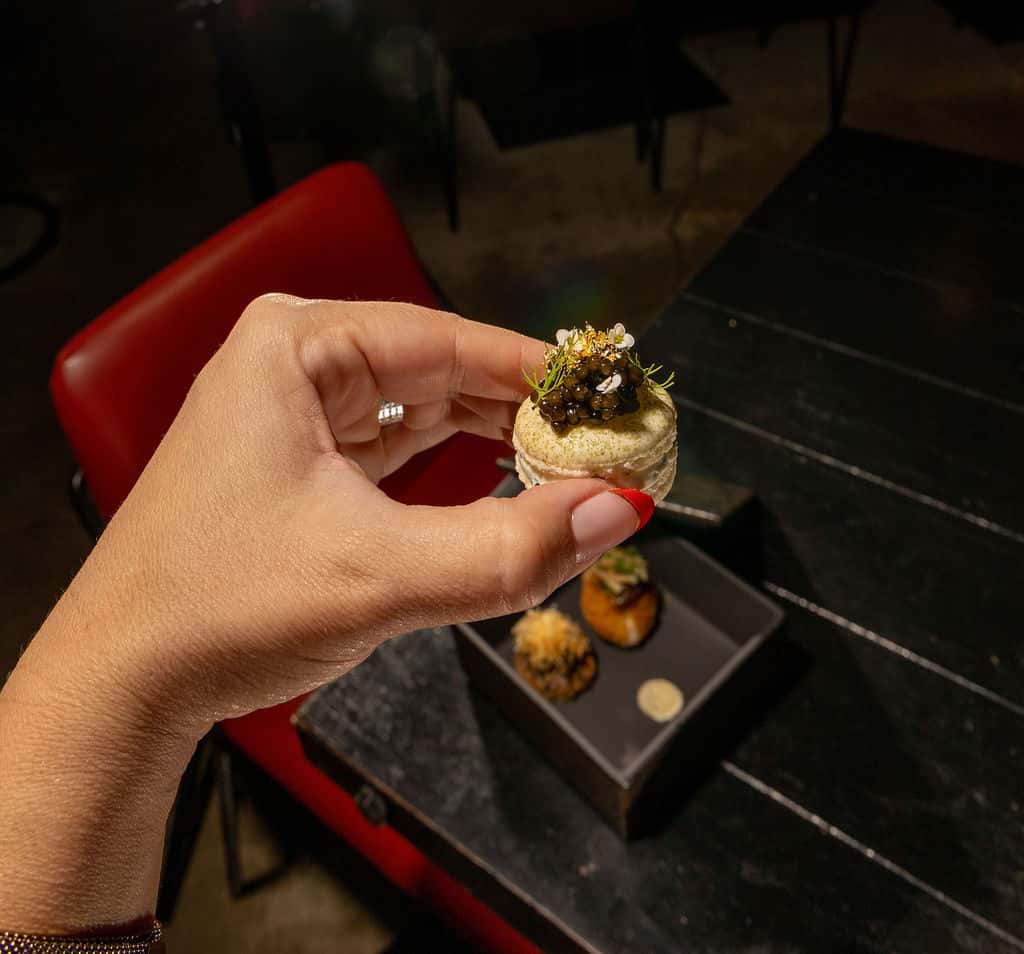
A typical MICHELIN tasting menu in Miami delivers a structured progression of courses, usually ranging from six to nine dishes, each crafted to build on the last. According to the MICHELIN Guide, stars are awarded based on five criteria: ingredient quality, harmony of flavors, mastery of culinary techniques, the chef's personality expressed through cuisine, and consistency across the entire menu and over time.
In practice, this means each course reflects intentional pacing. Lighter dishes open the meal, followed by richer preparations, then dessert. Miami's tasting menus often incorporate Latin American, Caribbean, and Asian flavors alongside classical technique, giving each restaurant a distinct identity within the format.
How Do MICHELIN Guidelines Influence Miami Tasting Menus?
MICHELIN guidelines influence Miami tasting menus by holding every starred kitchen to a universal standard of consistency and craft. Inspectors evaluate the same five criteria regardless of cuisine style, which means a Colombian-inspired tasting menu at Elcielo faces the same scrutiny as a French progression at L'Atelier de Joël Robuchon.
This framework pushes Miami chefs to balance creativity with precision. Seasonal sourcing, technical execution, and a coherent dining narrative become non-negotiable rather than aspirational. For diners, the result is a reliable baseline of quality across every starred restaurant in the city, even when styles differ dramatically.
Understanding how these standards shape Miami's menus makes it easier to evaluate why certain restaurants stand out for their regional identity.
Why Is Miami a Unique Destination for MICHELIN Tasting Menus?
Miami is a unique destination for MICHELIN tasting menus because its multicultural culinary identity produces dishes found nowhere else. Local ingredients and diverse regional influences shape every course.
What Local Ingredients and Flavors Distinguish Miami's MICHELIN Tasting Menus?
The local ingredients and flavors that distinguish Miami's MICHELIN tasting menus include subtropical produce, fresh seafood from Florida waters, and Latin American and Caribbean spice profiles. Stone crab, tropical citrus, and herbs like cilantro and culantro appear across starred kitchens, giving each course a sense of place that northern fine dining cities simply cannot replicate.
These ingredients matter at the highest level. According to the MICHELIN Guide, one star recognizes "top-quality ingredients and dishes with distinct flavors to a consistently high standard," while two stars honor "expertly crafted dishes, with food that is both refined and inspired." Miami's natural abundance gives chefs a built-in advantage when pursuing that distinction.
How Do Miami's Top Chefs Incorporate Regional Influences Into Tasting Menus?
Miami's top chefs incorporate regional influences into tasting menus by drawing on the city's Latin American, Caribbean, Asian, and Middle Eastern communities. This cultural intersection creates flavor combinations that feel both globally informed and deeply local.
Elcielo Miami showcases Colombian heritage through a creative, sensory-driven tasting menu reflecting the city's strong Latin American roots. Across town, techniques rooted in Japanese precision, Israeli culinary traditions, and Southern American cooking all appear on starred menus. Rather than defaulting to European fine dining conventions, Miami's best chefs treat the city's diversity as a primary ingredient. That willingness to blend traditions, rather than imitate a single one, is what makes the tasting menu landscape here genuinely distinctive.
With Miami's identity established, the next step is choosing which restaurant fits your experience.
How Can You Choose the Right Miami MICHELIN Restaurant for Your Tasting Menu Experience?
You can choose the right Miami MICHELIN restaurant by evaluating cuisine style, ambience, tasting menu format, and price range. The sections below cover key selection criteria, how setting shapes the meal, and the stylistic differences among top restaurants.
What Should You Consider When Selecting a Miami MICHELIN Restaurant?
You should consider cuisine style, dietary needs, star level, price range, and seating format when selecting a Miami MICHELIN restaurant. Miami's starred restaurants span Colombian, French, Japanese, Middle Eastern, and New American kitchens, so identifying your preferred culinary tradition narrows the field quickly.
Star level signals a meaningful difference in experience. Restaurants with two stars deliver refined, inspired dishes, while one-star venues consistently showcase top-quality ingredients with distinct flavors. The expanding roster also means more diversity; according to MICHELIN Media, Chef Raz Shabtai's Mutra in North Miami earned one star in 2026, becoming the world's first kosher restaurant to receive the honor. Checking each restaurant's reservation platform, cancellation policy, and accommodation limitations before booking prevents surprises on the night itself.
How Do Ambience and Setting Impact Your Tasting Menu Experience in Miami?
Ambience and setting impact your tasting menu experience in Miami by shaping the pace, intimacy, and emotional arc of each course. A multi-course meal unfolds over two or more hours, making the surrounding environment as influential as the food on the plate.
Some restaurants seat couples at counters facing the kitchen, turning preparation into live theater. Others use dimly lit dining rooms designed to direct all attention toward the plate. An open kitchen with visible energy creates a casual, connected feeling, while a private, quiet room shifts the experience toward contemplation. Choosing a setting that matches the occasion, whether a celebratory dinner or a focused culinary exploration, ensures the atmosphere amplifies rather than distracts from the menu.

Are There Differences in Tasting Menu Styles Among Miami's Top Restaurants?
Yes, there are significant differences in tasting menu styles among Miami's top restaurants. Format, course count, and culinary philosophy vary widely across the city's starred dining rooms.
Some restaurants offer fixed multi-course progressions where every guest receives the same sequence. Others present shorter and longer options at different price points; L'Atelier de Joël Robuchon Miami, for example, offers both a summer tasting menu at $130 and a full tasting menu at $280, according to Let's Eat South Florida. Latin-inspired kitchens often build sensory, narrative-driven menus, while French and Japanese restaurants may emphasize precise technique and ingredient purity. For most diners, matching the menu's philosophy to personal preferences matters more than star count alone.
With your restaurant selection narrowed, understanding reservation timing, dietary policies, and pricing helps finalize the booking.
What Should You Know Before Booking a MICHELIN Tasting Menu in Miami?
Before booking a MICHELIN tasting menu in Miami, you should plan for reservation timing, dietary accommodation policies, and price expectations. The sections below cover how far ahead to book, how restaurants handle dietary needs, and what to budget.
How Far in Advance Should Reservations Be Made?
Reservations for Miami MICHELIN tasting menus should be made two to four weeks in advance, though peak-season dates during Art Basel or Miami Music Week may require even earlier planning. MICHELIN recognition drives significant reservation demand, often turning local restaurants into global destinations, according to Capital Analytics Associates. Most starred restaurants in Miami use booking platforms like OpenTable and Resy, while some manage reservations directly through their own websites. Once booked, expect strict cancellation windows; many fine dining establishments do not allow modifications within two hours of the reservation time. Securing a weekend table at a one-star or two-star restaurant without advance planning is increasingly difficult, so booking early remains the safest approach.
Are Dietary Restrictions and Preferences Accommodated?
Dietary restrictions are not universally accommodated across Miami's MICHELIN-starred restaurants, and policies vary significantly by venue. Some restaurants, including Stubborn Seed, explicitly note they are unable to accommodate dietary restrictions such as vegan or gluten-free for their tasting menus, according to OpenTable. Tasting menus are built as cohesive multi-course progressions, so substituting individual dishes can compromise the chef's intended flavor arc. Before booking, contact the restaurant directly to confirm whether specific allergies or dietary needs can be addressed. This single step prevents disappointment and ensures the kitchen can prepare appropriately if modifications are possible.
What Is the Typical Price Range for Miami MICHELIN Tasting Menus?
The typical price range for Miami MICHELIN tasting menus spans roughly $130 to $280 per person for food alone, depending on the restaurant and course count. Wine pairings, cocktail supplements, and premium add-ons like wagyu or caviar courses increase the total considerably. Service charges and gratuity, which typically range from 18% to 22%, should also be factored into the overall budget. For most diners, planning for $200 to $400 per person including beverages and tip provides a realistic estimate at a one-star restaurant. The investment reflects not just the meal itself but ingredient quality, culinary technique, and the immersive experience that MICHELIN standards demand.
With booking logistics sorted, comparing specific restaurants helps match the experience to your preferences.
How Do Stubborn Seed and Other Grove Bay Hospitality Group Venues Compare for Upscale Tasting Menus in Miami?
Stubborn Seed stands apart among Grove Bay Hospitality Group venues as the dedicated MICHELIN-starred tasting menu destination in Miami. The following sections explore what distinguishes the culinary experience and how the atmosphere elevates each course.
What Makes Stubborn Seed's Tasting Menu a Standout MICHELIN Experience?
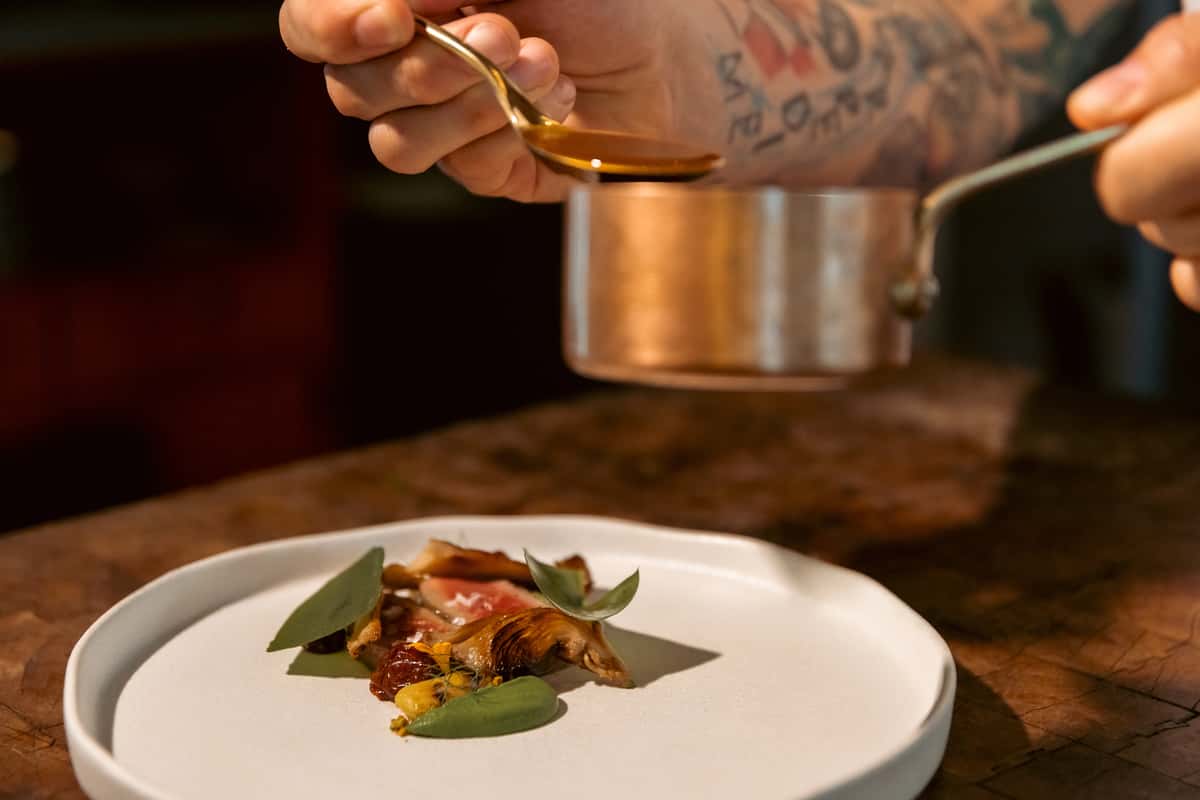
Stubborn Seed's tasting menu is a standout MICHELIN experience because of Chef Jeremy Ford's philosophy of "provoking the palate and rewarding it in every bite," transforming honest ingredients into their most expressive form. The restaurant offers both a 6-course and a 9-course tasting menu, each built around dishes like Jojo Tea cured crudo, herb roasted wagyu, and snapper topped with a crust of bread. According to the MICHELIN Guide, stars are awarded based on five criteria: ingredient quality, harmony of flavors, mastery of culinary techniques, the chef's personality, and consistency over time. Stubborn Seed's commitment to those principles, driven by a Top Chef winner's creative vision, makes the experience feel both personal and technically precise.
How Does the Atmosphere at Stubborn Seed Enhance the Tasting Menu?
The atmosphere at Stubborn Seed enhances the tasting menu by creating an energetic yet laid-back setting that feels deliberately different from traditional fine dining formality. The dining room features a chef's window visible from the room, giving guests a connection to the kitchen's rhythm without the stiffness of a conventional tasting room. This relaxed energy encourages diners to focus on each course rather than the ceremony around it. For guests exploring Miami's MICHELIN scene, that balance of sophistication and ease is what makes a multi-course meal feel like a genuine experience rather than a performance.
With Stubborn Seed's approach in mind, the broader Grove Bay Hospitality Group portfolio offers additional ways to complement your Miami dining journey.
How Can Grove Bay Hospitality Group's Upscale Dining Experiences Elevate Your MICHELIN Tasting Menu Journey in Miami?
Grove Bay Hospitality Group's upscale dining experiences elevate your MICHELIN tasting menu journey in Miami through Stubborn Seed's acclaimed culinary vision and MICHELIN-starred recognition. Below, explore what makes this experience distinctive and the key takeaways for choosing your ideal tasting menu.
Can Stubborn Seed's Fine Dining Tasting Menu Provide a Distinctive MICHELIN Experience?
Yes, Stubborn Seed's fine dining tasting menu can provide a distinctive MICHELIN experience. Stubborn Seed holds a MICHELIN star and offers both a 6-course and 9-course tasting menu led by Chef Jeremy Ford. According to Fine Dining Lovers, Chef Jeremy Ford won Top Chef Season 13 and was a James Beard Foundation Award semifinalist for "Best Chef: South" in 2022. That combination of competitive culinary achievement and MICHELIN recognition sets Stubborn Seed apart from restaurants where the chef's credentials and the guide's endorsement don't align so directly. For diners seeking a tasting menu shaped by proven technical mastery in Miami, few options carry this level of verified distinction.
What Are the Key Takeaways About Choosing Your MICHELIN Tasting Menu in Miami?
The key takeaways about choosing your MICHELIN tasting menu in Miami center on matching your priorities to the right restaurant. Consider these essentials:
- Identify the cuisine style and cultural influence that excites you most, from Latin American to French to New American.
- Book reservations well in advance, since MICHELIN recognition drives significant demand for fine dining experiences.
- Confirm dietary accommodation policies before booking, as some tasting menus cannot adjust for all restrictions.
- Evaluate the chef's background and philosophy to understand how their personality shapes each course.
- Factor in ambience and setting, because the environment directly influences how you experience each dish.
Stubborn Seed brings together MICHELIN-starred credibility, a celebrated chef, and a menu built on honest ingredients elevated to their fullest expression. To begin planning your tasting menu experience, visit stubbornseed.com and reserve your table.