
Difficulty of Michelin Reservations Explained
Difficulty of Michelin Reservations Explained
Michelin-starred restaurant reservations are difficult to secure because finite seating capacity cannot keep pace with the global demand a star generates. The gap between available covers and interested diners creates persistent scarcity that no booking platform has fully solved.
This guide covers the forces behind reservation scarcity, how digital platforms shape access, proven booking strategies, the direct relationship between star ratings and difficulty, and what the process looks like at Stubborn Seed in Miami.
A Michelin star can increase patronage by 20% to 100% depending on tier, yet the real bottleneck is physical capacity. A one-star restaurant with 18 seats often proves harder to book than a three-star venue seating 90 guests across multiple nightly turns. Advance booking windows, fixed release schedules, and automated bots compress all demand into narrow time slots, intensifying competition the moment tables drop.
Online reservation systems like OpenTable and Resy centralize bookings but also create vulnerabilities. A secondary resale market facilitated roughly $7 million in reservation sales by late 2024, prompting New York to enact anti-piracy legislation in 2025. Similar laws are advancing in Florida and four other states.
Timing, flexibility, and cancellation monitoring consistently outperform brute-force booking attempts. Off-peak seatings, smaller party sizes, and the 48-to-72-hour cancellation refresh window each offer measurable advantages over competing for prime Saturday slots on release day.
Each star tier extends required lead times; one-star weeknight tables need roughly a week, while three-star restaurants require one to three months. Stubborn Seed's 65-seat dining room and direct website booking place it in a more accessible category than ultra-exclusive counters, though prime weekend slots during Miami's winter season still benefit from advance planning.
What Factors Make Michelin-Starred Restaurant Reservations Hard to Obtain?
Michelin-starred restaurant reservations are hard to obtain because of overwhelming demand, limited seating capacity, and rigid advance booking windows. These three forces intersect to create persistent scarcity across global fine dining markets.
How Does High Demand Influence Michelin Reservation Availability?
High demand influences Michelin reservation availability by creating a chronic imbalance between the number of diners seeking tables and the finite covers a restaurant can serve each night. A Michelin star acts as a global signal that concentrates interest from local regulars, traveling food enthusiasts, and corporate entertaining budgets onto a single establishment.
This demand pressure has fueled a secondary reservation market. According to a 2025 Columbia News Service investigation, Appointment Trader had facilitated approximately $7 million in reservation sales by the end of 2024, taking a 20–30% commission per transaction. Coveted slots, such as a Thursday evening at Carbone, frequently sold for $200 or more.
Even restaurants that attempt to manage demand through waitlists face complexity. Providing specific availability windows, such as "6:00 PM to 7:00 PM or after 9:00 PM," significantly increases a diner's likelihood of securing a table from the waitlist. For most diners, however, the core challenge remains unchanged: demand consistently outpaces supply at peak times, and that gap is what makes these reservations feel impossible.
What Role Do Limited Seating and Exclusive Services Play in Reservation Challenges?
Limited seating and exclusive services play a central role in reservation challenges by restricting the total number of guests a restaurant can accommodate per evening. Many Michelin-starred restaurants operate with fewer than 30 covers, which means even modest demand creates weeks-long waitlists.
Intimate formats, such as omakase counters, tasting-menu-only dining rooms, and private chef's tables, further compress availability. These experiences are designed to deliver personalized, high-touch hospitality, and expanding capacity would fundamentally compromise the quality that earned the star. The result is structural scarcity that no amount of booking-platform optimization can solve.
This is precisely why a one-star restaurant with 18 seats can be harder to book than a three-star establishment seating 90 guests across multiple nightly turns. Seating capacity, not star count alone, determines real-world booking difficulty.
Why Do Advance Booking Windows and Release Schedules Impact Reservation Difficulty?
Advance booking windows and release schedules impact reservation difficulty because they compress all demand into narrow time slots, creating intense competition the moment tables become available. According to a 2024 analysis by Restaurants for Kings, certain globally renowned establishments operate on entirely different timelines: De Librije in the Netherlands requires approximately six months' notice, while El Celler de Can Roca in Spain opens reservations nearly a year in advance.
The digitalization of reservations has streamlined access but also enabled bots and scalpers to snap up tables within seconds of release. Most restaurants drop inventory at a fixed time, often midnight Pacific, and diners who miss that window may find zero availability for weeks.
Key factors that amplify this difficulty include:
- Shorter release windows at higher-starred restaurants, where three-star venues often require one to three months of advance planning.
- Fixed release times that favor automated tools over manual booking.
- Cancellation policies with 48-to-72-hour penalties that create a narrow "refresh" window just days before a dining date.
Understanding these mechanics is essential, because the platforms and systems that manage Michelin reservations shape availability just as much as the restaurants themselves.
How Do Online Reservation Systems Affect Access to Michelin Restaurants?
Online reservation systems affect access to Michelin restaurants by centralizing bookings through competitive digital platforms while also creating vulnerabilities to bots and scalpers. The following sections cover the major booking platforms and how digital waitlists and cancellations shape your odds.
What Platforms Are Commonly Used for Booking Michelin-Starred Dining?
The platforms commonly used for booking Michelin-starred dining are OpenTable, Resy, and a growing set of emerging competitors. OpenTable maintains a 46% market share across roughly 60,000 restaurants globally, while Resy, owned by American Express, services approximately 25,000 restaurants and dominates in trend-driven markets. According to a 2026 comparison by Eat App, OpenTable leads in 13 of the top 15 U.S. cities, yet Resy holds a 53% share in Brooklyn alone.
The scarcity these platforms manage has also attracted bad actors. New York's Restaurant Reservation Anti-Piracy Law, enacted in February 2025, now prohibits third-party platforms from reselling reservations without restaurant consent. Similar legislation is advancing in Florida and four other states, signaling a broader crackdown that could reshape how diners in Miami and elsewhere secure fine dining tables.
How Do Digital Waitlists and Cancellations Affect Your Chances?
Digital waitlists and cancellations significantly improve your chances of securing a Michelin-starred table. Restaurants intentionally overbook waitlists to offset no-shows, so joining one is far from a passive gesture. Providing specific availability windows, such as early seatings at 5:30 PM or late slots after 9:45 PM on weekdays, increases the likelihood of a callback considerably.
Cancellation policies also work in the diner's favor. Because most Michelin-starred restaurants enforce 48-to-72-hour cancellation deadlines with steep financial penalties, a wave of released tables often appears in the days just before a given date. Monitoring platforms during this window is one of the most practical, underutilized strategies available. For anyone targeting a specific restaurant, patience combined with precise timing often outperforms the rush to book the moment reservations open.
Understanding these digital tools is the first step; applying proven booking strategies takes access even further.
Are There Insider Tips for Securing a Reservation at a Michelin-Starred Restaurant?
There are several insider tips for securing a reservation at a Michelin-starred restaurant, including timing your booking attempt precisely, staying flexible with dates and party sizes, and leveraging cancellation windows. The strategies below cover optimal booking timing, flexibility advantages, and how special occasions create unique openings.
When Is the Best Time to Attempt Booking for Maximum Success?
The best time to attempt booking for maximum success is the exact moment a restaurant releases its reservations. According to a 2026 Meez guide on Michelin reservation strategies, most Michelin-starred restaurants release tables at midnight Pacific Time, meaning East Coast diners should be ready at 11:59 PM Eastern. Some restaurants deviate from this pattern; Le Bernardin, for instance, releases tables at 9:00 AM Eastern. Checking a restaurant's specific release schedule before the booking window opens gives you a critical edge over diners who simply try at random times throughout the day.
How Can Flexibility With Date, Time, or Party Size Help?
Flexibility with date, time, or party size helps because peak slots are disproportionately competitive while off-peak windows often have immediate availability. Early seatings at 5:30 PM or late seatings after 9:45 PM on a Tuesday present a vastly different booking challenge than an 8:00 PM Saturday reservation. Smaller parties of two are generally easier to seat than groups of six, since restaurants can fit deuces into gaps that larger parties cannot fill.
The "cancellation refresh" is another powerful tactic. Because many restaurants enforce 48-to-72-hour cancellation policies with steep financial penalties, a surge of tables often becomes available in the days immediately before a desired date as diners cancel to avoid fees. Checking availability two to three days out can reveal openings that were fully booked weeks earlier. For most diners, combining schedule flexibility with cancellation monitoring yields better results than competing for prime-time slots on release day.
Do Special Occasions or Events Influence Reservation Opportunities?
Special occasions or events do influence reservation opportunities, often in both directions. Holidays, Valentine's Day, and New Year's Eve typically feature limited seatings with fixed menus, which means fewer covers and faster sellouts. However, restaurants sometimes add extra service nights or expanded hours around these periods to meet demand, briefly increasing total available seats.
Conversely, the weeks surrounding major events can be quieter than expected. During Art Basel in Miami or restaurant week promotions in other cities, certain fine dining establishments see shifts in their typical booking patterns. Reaching out directly to a restaurant's reservations team when planning around a special occasion often reveals options that platforms do not display online, since some tables are held back for direct inquiries or returning guests.
Understanding these seasonal and event-driven patterns helps you time your approach to Stubborn Seed or any Michelin-starred restaurant more strategically.
Does the Michelin Star Rating Directly Increase Reservation Difficulty?
The Michelin star rating directly increases reservation difficulty by driving higher demand and longer booking windows at each tier. The sections below examine how gaining or losing a star shifts demand and why multi-starred restaurants require significantly more advance planning.
How Does Acquiring or Losing a Star Impact Reservation Demand?
Acquiring a star impacts reservation demand by generating immediate surges in patronage and triggering price increases. According to the late Chef Joël Robuchon, as reported by Food & Wine in 2017, one star generates approximately 20% more business, two stars yield 40% more, and three stars can double patronage entirely.
Restaurants also raise prices to match this elevated status. Establishments increase prices by an average of 14.8% for one star, 55.1% for two stars, and 80.2% for three stars. Losing a star, however, can be devastating; when a prominent Dublin restaurant lost its star in 2016, profits dropped 76%, leading to closure. The financial pressure cuts both directions, which makes star status one of the most consequential factors shaping both demand and long-term viability.
Are Multi-Starred Michelin Restaurants Typically Harder to Book?
Multi-starred Michelin restaurants are typically harder to book, with booking windows expanding substantially at each tier. According to a 2024 analysis by Restaurants for Kings, the standard lead times break down as follows:
- One Michelin star: Weeknight tables can be secured within one week; Saturday evenings require two to three weeks.
- Two Michelin stars: Midweek reservations need two to four weeks; prime weekend slots require four to eight weeks.
- Three Michelin stars: Diners must plan one to three months ahead. Core by Clare Smyth in London, for example, opens reservations exactly 91 days before each dining date.
Bib Gourmand restaurants, recognized for quality at moderate prices, generate median annual revenue of $1.2 million, trailing one-star establishments by only 17%, yet they serve four to five times more covers. Most Michelin-starred restaurants release reservations at midnight Pacific Time, so East Coast diners should be ready by 11:59 PM Eastern. Stubborn Seed manages its reservations through its own website rather than third-party platforms, offering diners a more direct booking experience. This approach can provide better availability visibility compared to high-traffic aggregator sites. For diners weighing star level against actual accessibility, seating capacity often matters more than the rating itself.
Understanding how star levels shape booking timelines helps diners plan strategically when navigating digital reservation platforms.
What Should You Expect When Attempting to Book at Stubborn Seed in Miami?
When attempting to book at Stubborn Seed in Miami, you should expect a straightforward process through the restaurant's website, though prime slots require planning. The sections below cover the reservation process, typical booking timeframes, and common misconceptions.
How Does Stubborn Seed Manage Its Reservation Process for Tasting Menus?
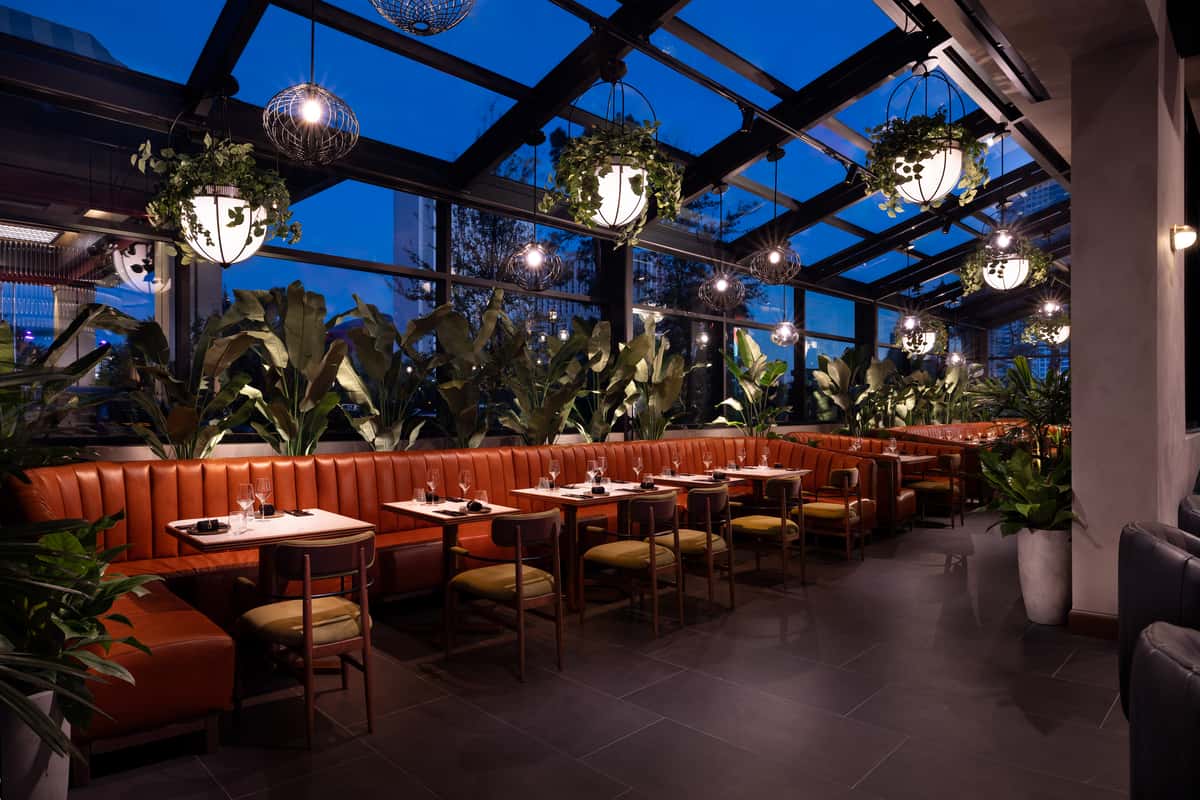
Stubborn Seed manages its reservation process for tasting menus through its website. The restaurant holds a Michelin star and recognition on the "50 Best Discovery" list, yet its 65-seat capacity places it in a more accessible category than the hyper-exclusive 10-to-15-seat counters found in other markets. Booking directly through a restaurant's proprietary website can also yield better results, since fewer users navigate these interfaces compared to third-party aggregators. For diners accustomed to battling high-traffic platforms, this direct approach often provides a smoother experience.
What Is the Typical Advance Booking Timeframe for Stubborn Seed?
The typical advance booking timeframe for Stubborn Seed depends on the day and season. Weeknight tables are generally available with shorter notice, while prime weekend slots during Miami's peak winter season require significant advance planning. One-star restaurants with larger dining rooms frequently accommodate same-week bookings for midweek dates. Saturday evenings, particularly from December through March when Miami tourism surges, benefit from two to three weeks of lead time. Flexibility with your preferred evening remains the simplest way to shorten that window considerably.
Are There Any Common Misconceptions About Reserving at Stubborn Seed?
The most common misconception about reserving at Stubborn Seed is that it requires the months-long lead times associated with ultra-exclusive fine dining. Its 65-seat dining room offers far more nightly availability than intimate counters seating a dozen guests. Another frequent misunderstanding involves the booking platform; reservations are managed through the Stubborn Seed website, not through third-party resale markets. Diners also sometimes assume every night is equally competitive, when in reality off-peak evenings are significantly easier to secure. Understanding these realities transforms the process from intimidating to manageable.
How Can Stubborn Seed's Multi-Course Tasting Menu Experience Enhance Michelin Dining Reservations?
Stubborn Seed's multi-course tasting menu experience enhances Michelin dining reservations by offering an immersive, experience-driven format across flexible seating options. The sections below explore how the tasting menu addresses common reservation challenges and summarize why Michelin tables remain difficult to secure.
Can Stubborn Seed's Tasting Menu Experience Help With Michelin Reservation Challenges?
Stubborn Seed's tasting menu experience can help with Michelin reservation challenges in several practical ways. Because seating capacity remains the ultimate determinant of scarcity at starred restaurants, Stubborn Seed's varied seating options create multiple pathways to secure a table. Guests can choose from a chef's window view, bar dining, or the outdoor patio, each offering a distinct perspective on the tasting menu.
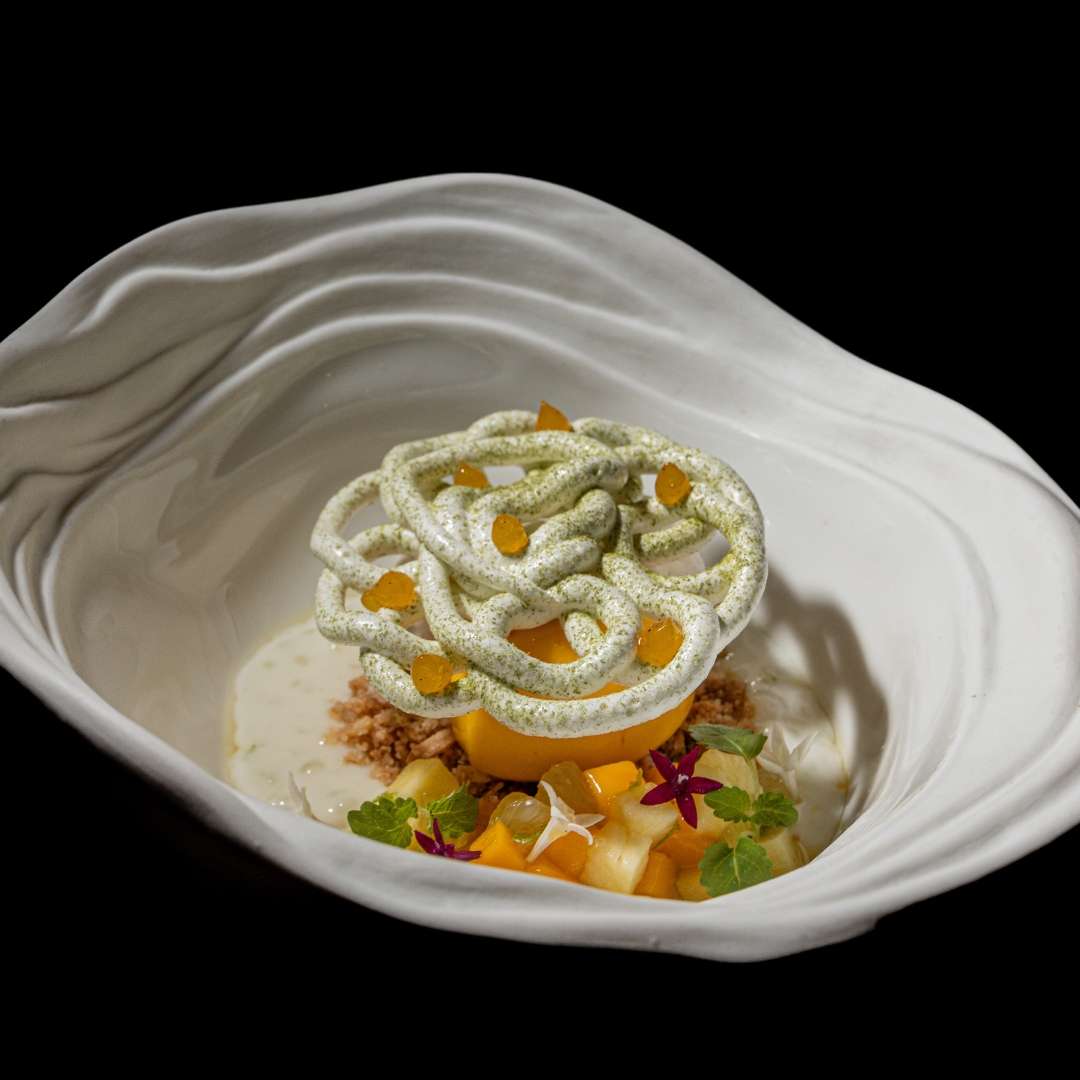
Fine dining now operates within what researchers call the "experience economy," where customers pay for a sensory journey, not merely sustenance. Stubborn Seed in Miami exemplifies this approach with its 6-course and 9-course tasting menus, which guide diners through a curated progression of flavors in a 65-seat dining room that balances intimacy with accessibility. Reservations can be made directly through the restaurant's website. Stubborn Seed's 6-course and 9-course tasting menus deliver exactly this kind of curated narrative. Frequenting a restaurant group's more accessible concepts can also build relationships that lead to priority access at flagship properties, according to a 2026 insider strategies guide from Meez.
What Are the Key Takeaways About Why Michelin Reservations Are Difficult to Secure?
The key takeaways about why Michelin reservations are difficult to secure center on three converging forces:
- Limited seating capacity creates a table-to-applicant ratio that drives scarcity regardless of star level.
- Restaurants deliberately underprice reservations to keep fine dining accessible, which fuels secondary market demand.
- Global dining cultures add layers of complexity; even in Paris, popular venues require at least three days' notice for dinner.
As one general manager explained: providing an unforgettable experience for everyone interested in dining, not just those who can afford a premium, is "much more rewarding both financially and morally." For diners navigating this landscape, choosing a restaurant like Stubborn Seed in Miami offers a Michelin-starred tasting menu within a mid-size dining room that balances exclusivity with genuine accessibility.