
Discreet Dining Meaning: Las Vegas Private Dining Explained
Discreet Dining Meaning: Las Vegas Private Dining Explained
Discreet dining is a form of private dining that layers intentional anonymity, acoustic separation, and controlled access on top of physical seclusion. Where standard private dining reserves a room, discreet dining ensures no detail of a guest's presence, conversation, or preferences reaches anyone outside the event.
This guide covers what distinguishes discreet dining from standard private experiences, the venue types and guest profiles that define the Las Vegas market, how to evaluate and choose the right setting, the etiquette and privacy infrastructure upscale restaurants use, the role of chef-driven menus and bespoke beverage programs, and how Stubborn Seed at Resorts World Las Vegas delivers all of this under one roof.
Discreet dining differs from its standard counterpart through measurable design choices: acoustic treatment, dedicated entrances, staff confidentiality protocols, and identity-protected reservations. Las Vegas amplifies the need for these features, drawing over 38 million annual visitors and hosting private dining experiences where discretion and guest privacy may be important considerations.
Venue selection, guest motivations, and occasion type shape how discreet dining is used across the city, from business negotiations and celebrity events to milestone celebrations and confidential conversations. Speakeasy-style concepts, full restaurant buyouts, and limited-seating tasting rooms each offer distinct privacy profiles.
Personalized service, sommelier curation, and bespoke cocktail programs transform a private meal into a fully controlled and memorable experience. At Stubborn Seed, a dedicated private dining room with a wine collection view, chef-driven tasting menus, and Chef Jeremy Ford's approachable fine dining philosophy represent the strongest convergence of privacy and culinary distinction currently available on the Strip.
How Is Discreet Dining Different From Standard Private Dining Experiences?
Discreet dining differs from standard private dining by layering intentional anonymity, acoustic separation, and personalized service on top of physical seclusion. The sections below cover the defining hallmarks and the motivations that draw guests specifically to this format in Las Vegas.
What Are the Hallmarks of a Truly Discreet Dining Experience?
The hallmarks of a truly discreet dining experience are controlled access, acoustic privacy, identity protection, and bespoke culinary programming. Standard private dining reserves a room; discreet dining goes further by ensuring no detail of the guest's presence, conversation, or preferences reaches anyone outside the event.
Acoustic separation is foundational. According to a 2014 study cited in Frontiers in Built Environment, reverberation time predicted perceived privacy, comfort, quietude, and communication among 825 patrons across 11 restaurants, highlighting the importance of acoustic design for restaurant comfort.
Las Vegas's tradition of intimate, chef-driven rooms predates its celebrity dining era. As documented by UNLV Libraries Digital Collections, gourmet rooms on the Strip beginning in the early 1960s offered elegant décor, intimate surroundings, and exquisite food for diners seeking an elevated dining experience. Sommelier-curated wine pairings and approachable dress standards, such as the philosophy Chef Jeremy Ford brought to Stubborn Seed Las Vegas, extend that tradition into modern discreet dining: elevated without being exclusionary.
Why Do Guests Seek Discreet Dining in Las Vegas?
Guests seek discreet dining in Las Vegas because the city's high visitor volume, concentrated celebrity presence, and event-dense calendar create a genuine need for protected privacy that standard restaurant seating cannot provide. Business negotiations, high-profile celebrations, and confidential conversations all require an environment where controlled access replaces open-floor exposure. Research published in Human Relations found that business meals remain a traditional arena where unofficial commerce and sensitive dialogue depend on separation from public spaces. Las Vegas amplifies this dynamic: with over 38 million annual visitors recorded by the LVCVA,discreet dining settings may offer additional peace of mind for guests seeking privacy.
What Types of Venues Offer Discreet Private Dining in Las Vegas?
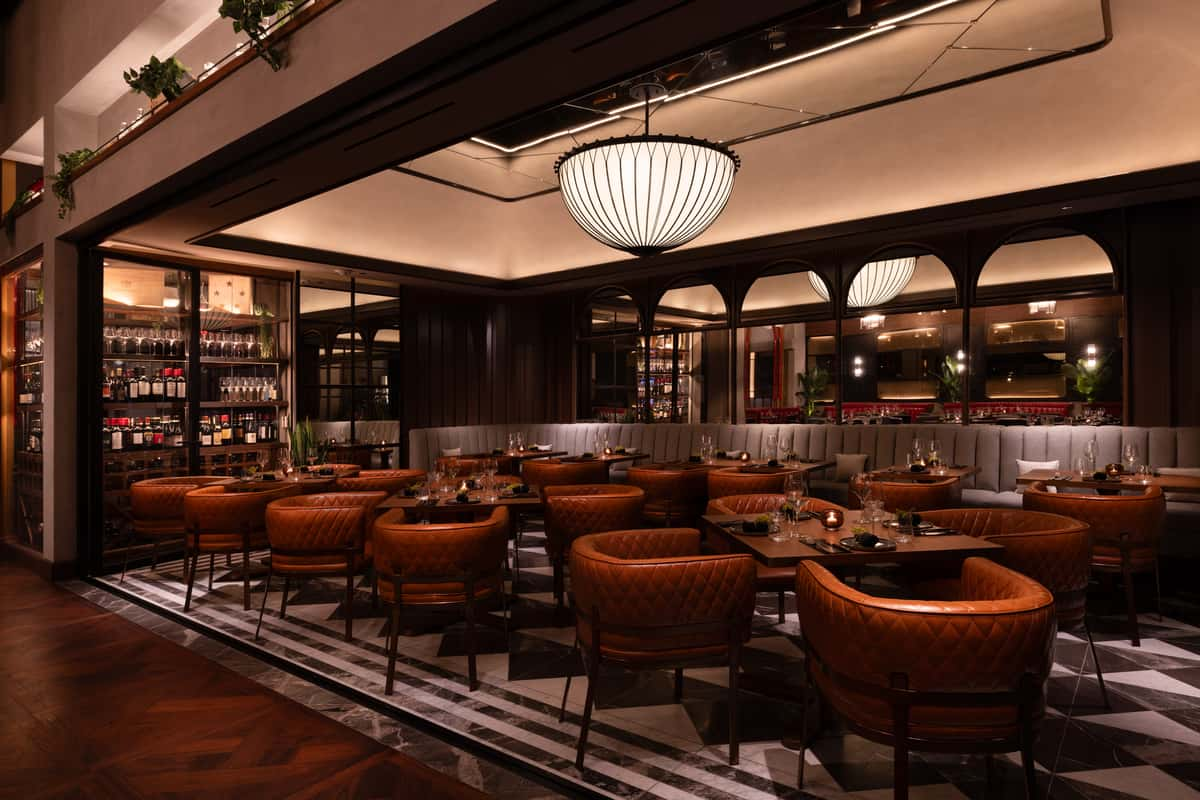
The types of venues offering discreet private dining in Las Vegas include dedicated private dining rooms, exclusive restaurant buyouts, speakeasy-style hidden bars, and chef-driven tasting menu restaurants. Each setting delivers a distinct level of seclusion, from fully enclosed rooms to invite-only concept spaces.
Which Kinds of Settings Provide the Most Privacy for Diners?
The kinds of settings that provide the most privacy for diners are anchored, positioned tables and fully enclosed private rooms. A study published in the Journal of Foodservice Business Research found that diners preferred anchored tables securing privacy with a good sightline and were willing to pay a premium for them.
Las Vegas venues offering strong privacy typically include:
- Dedicated private dining rooms with controlled access and minimal foot traffic
- Full or partial restaurant buyouts that remove all outside guests entirely
- Speakeasy-style hidden lounges, such as the concealed space behind The Barbershop at The Cosmopolitan
- Limited-seating formats like Sparrow + Wolf's Tinned Fish Club collaboration dinner, which offered an exclusive evening for 26 guests
Physical separation remains the single most reliable privacy indicator. Alcoves and semi-private areas can improve comfort, but only a fully enclosed room or complete buyout may offer greater protection against unwanted visibility and overheard conversations.
How Does Location Influence Privacy and Exclusivity in Las Vegas Dining?
Location influences privacy and exclusivity in Las Vegas dining by determining who can access a venue, how visible guests are, and what legal protections apply to their conversations. Nevada enforces strict recording consent laws: according to the Nevada Attorney General, "The law is not tolerant of individuals who illegally record conversations without consent."
Off-Strip venues and resort-embedded private rooms naturally reduce public exposure. Hidden concept bars, tucked-away tasting rooms, and reservation-only spaces all use their physical position to reinforce seclusion. A discreet location is not simply about atmosphere. In Las Vegas, where high-profile guests are common, geographic separation from public foot traffic is a genuine security consideration worth prioritizing when selecting a venue.
Who Typically Chooses Discreet Dining and Why?
People choose discreet dining for occasions that demand privacy, social bonding, or controlled visibility. The sub-sections below cover the specific occasions that call for private meal settings and the distinct advantages high-profile guests gain from discreet options.
What Occasions Call For a Discreet or Private Meal Setting?
The occasions that call for a discreet or private meal setting include business negotiations, milestone celebrations, romantic dinners, and high-stakes social gatherings. Research from Human Relations (SAGE Journals) concludes that business meals remain a traditional practice where sensitive commercial matters are resolved between senior leaders, with the boundary between work and private spheres remaining deliberately fluid at the highest levels. Shared meals also carry a measurable social function: according to University of Chicago research by Ayelet Fishbach, every meal involving food sharing fully utilizes the opportunity to create social bonds. Private settings amplify both of these dynamics by removing the distraction of public visibility.
How Do Celebrity or High-Profile Guests Benefit From Discreet Options?
Celebrity and high-profile guests benefit from discreet dining options by gaining controlled access, reduced public exposure, and the freedom to engage authentically without surveillance or interruption. Separated entrances, staff confidentiality, and screened sightlines eliminate the friction that open dining rooms create for recognizable figures. In a city drawing over 38 million annual visitors, according to the Las Vegas Convention and Visitors Authority,discreet dining infrastructure can offer an additional layer of privacy for public figures and other guests seeking confidentiality.
What Should You Look For When Choosing a Discreet Private Dining Venue?
Choosing a discreet private dining venue requires evaluating privacy infrastructure, service protocols, and amenity quality together. The sections below cover the questions to ask before booking and the key amenities that define a truly elevated experience.
What Questions Should You Ask to Guarantee Guest Privacy?
The questions you should ask to guarantee guest privacy cover access control, staff confidentiality practices, and room acoustics. Before confirming a reservation, ask the venue:
- Whether the private room has a dedicated entrance separate from the main dining floor.
- Whether staff members are bound by confidentiality agreements covering guest identity and conversation.
- Whether the room uses acoustic treatment or sound-dampening design to prevent speech transmission to adjacent spaces. Research from the National Bureau of Standards confirms that preventing the transmission of speech sounds originating within a building is necessary for privacy.
- Whether reservation records can be held under an alias or organizational name rather than a guest's personal identity.
- Whether the venue restricts photography and recording by staff and other diners.
Asking these questions before booking separates venues that offer genuine discretion from those that simply offer a closed door.
Which Amenities and Services Enhance the Discreet Dining Experience?
The amenities that enhance a discreet dining experience include custom menus, sommelier wine pairing, personalized cocktail service, tailored dress code standards, and chef-driven cuisine. According to The Venetian Resort Las Vegas, top-tier private dining elevates group experiences through custom menus, personalized cocktails, and dedicated wine service. Dedicated sommelier programs, such as the hand-picked wine pairing offered at Restaurant Guy Savoy at Caesars Palace, add a personalized layer that reinforces exclusivity. Dress code enforcement by venues like the Bellagio (business casual, no athletic attire) and Catch Hospitality Group (smart elegant attire) further signals the curated, controlled environment that discreet guests expect.
With the right questions asked and premium amenities confirmed, guests can move forward knowing their experience is protected from arrival to farewell.
What Etiquette Is Expected When Participating in a Discreet Dining Event?
The etiquette expected when participating in a discreet dining event centers on mutual respect for privacy, composed behavior, and an understanding that discretion flows in both directions: guests protect one another's presence, and staff protect guests' identities.
How Do Staff and Guests Maintain Discretion During the Meal?
Staff and guests maintain discretion during the meal by treating all information shared at the table as confidential and avoiding behavior that draws unwanted attention to other diners. Well-trained front-of-house teams follow a clear protocol: each staff member knows their role precisely so every guest receives the same seamless, unobtrusive experience. According to the Institute of Culinary Education, "personalized hospitality" is just as important as operational consistency in creating a comfortable and memorable atmosphere from start to finish. Guests, in turn, should avoid photographing other tables, keep conversation at a conversational volume, and refrain from broadcasting the venue or fellow diners on social media during or after the event.
Are There Dress Codes or Behavior Guidelines for Discreet Dining?
Dress codes and behavior guidelines for discreet dining vary by venue but consistently emphasize smart, understated presentation. Upscale Las Vegas restaurants may enforce dress codes ranging from smart casual to more formal attire, depending on the venue. The Bellagio, for example, requires business casual attire and prohibits shorts and athletic wear. Catch Hospitality Group requires "smart elegant attire" and reserves the right to refuse entry to any guest who does not appear sufficiently well-presented. Beyond dress, behavioral expectations include arriving on time, silencing personal devices, and refraining from disruptive conversation. Stubborn Seed takes a notably approachable stance: guests can wear jeans without judgment, reflecting a philosophy where elevated food and relaxed comfort coexist naturally.
How Do Upscale Restaurants in Las Vegas Ensure Guest Privacy?
Upscale Las Vegas restaurants ensure guest privacy through layered physical, operational, and communication-based measures. The sections below cover two core pillars: security and confidentiality protocols, and how reservation practices support discreet experiences.
What Security and Confidentiality Measures Are Commonly Used?
The security and confidentiality measures commonly used include staff confidentiality agreements, restricted access controls, and acoustic design. According to the Information Commissioner's Office, appropriate confidentiality measures may include agreements with people accessing personal data, encryption, and access control policies, depending on the risks involved. On the physical side, a 2014 study cited in Frontiers in Built Environment surveyed 825 patrons across 11 restaurants and found that reverberation time predicted perceived acoustical privacy, highlighting the importance of sound design for restaurant comfort. Together, these measures form a genuine privacy infrastructure rather than a surface-level gesture toward exclusivity.
How Do Reservations and Communication Support Discreet Experiences?
Reservations and discreet communication support private dining by limiting exposure before a guest even arrives. Confidential booking channels, pseudonymous identifiers, and restricted guest-list access can help limit exposure of sensitive attendance information from the first point of contact when properly implemented. Dress code enforcement, such as the smart elegant attire requirement enforced by upscale venues where insufficiently presented guests may be refused entry, also functions as a pre-screening layer that maintains the curated, low-profile environment discerning guests expect.
How Can Chef-Driven Menus and Bespoke Cocktails Enhance Discreet Dining?
Chef-driven menus and bespoke cocktails enhance discreet dining by transforming a private meal into a fully personalized experience. The sections below cover how service roles and tailored beverage programs work together to achieve that result.
What Role Does Personalized Service Play in Private Dining?
Personalized service plays a central role in private dining by ensuring every guest receives consistent, attentive hospitality from start to finish. According to the Institute of Culinary Education, each front-of-house position must know their role precisely, while "personalized hospitality" remains equally important in creating a comfortable atmosphere throughout the event. In practice, this means custom menus, dedicated servers, and beverage programs built around the group's preferences rather than a standard offering.
For a truly discreet experience, service structure matters as much as the food itself. When staff anticipate needs without prompting, guests can focus on conversation rather than logistics.
How Are Wine and Cocktail Programs Tailored for Private Guests?
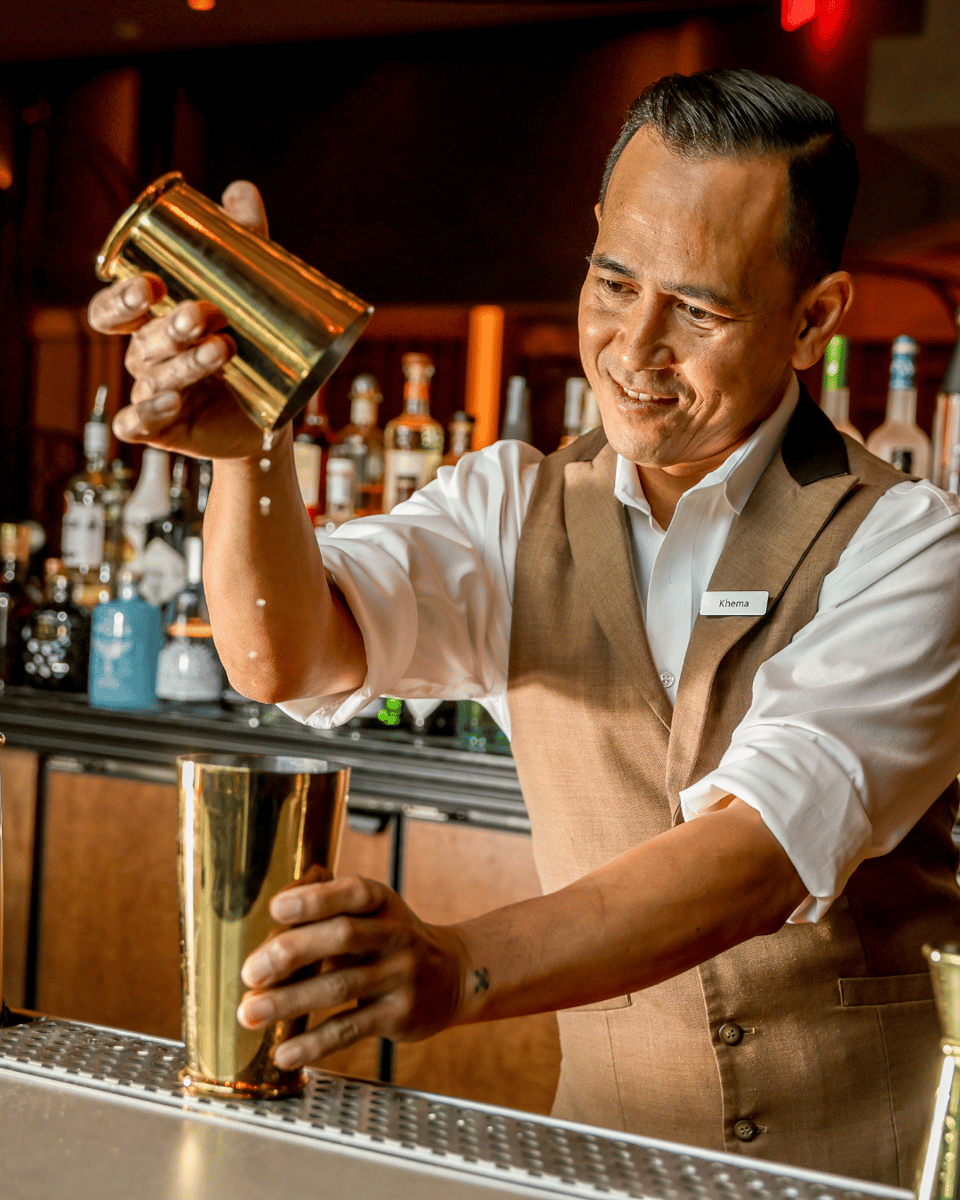
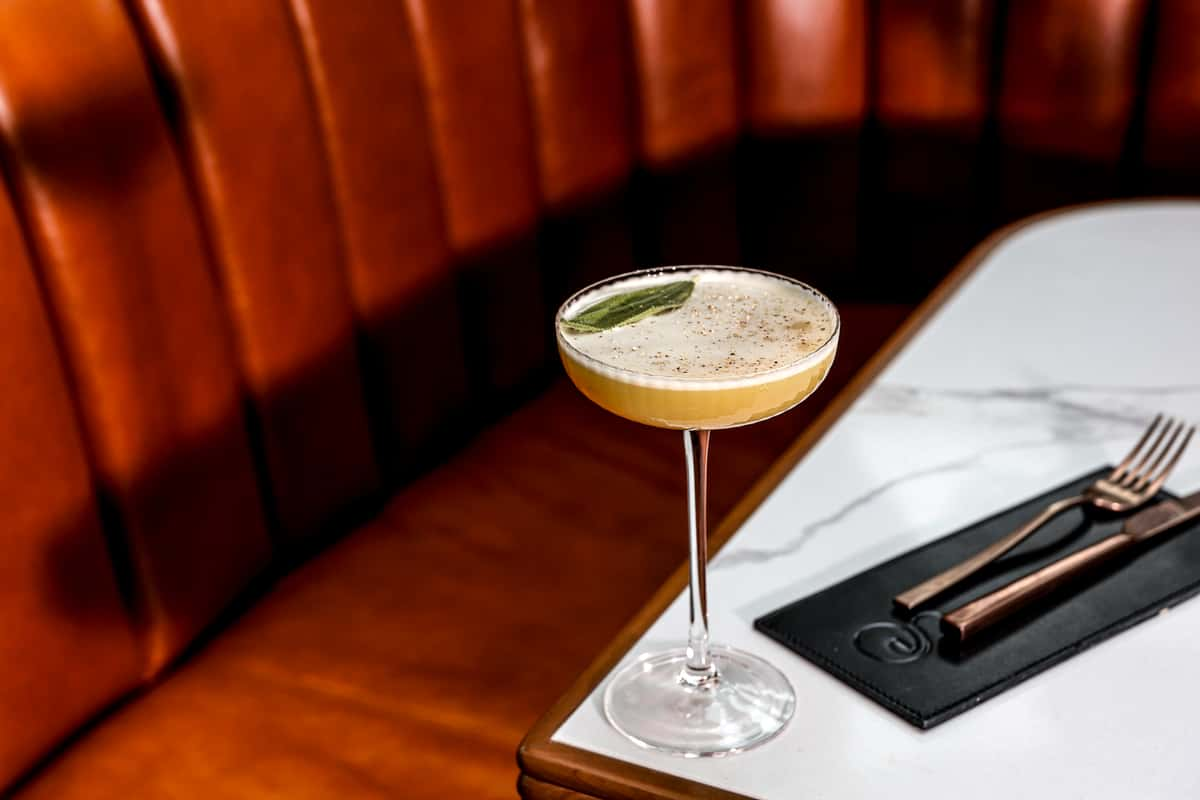
Wine and cocktail programs are tailored for private guests through curated pairings, personalized cocktail builds, and dedicated sommelier guidance. A study published in the British Food Journal found that positive customer sentiment about wine pairing was significantly associated with a greater probability of a restaurant's online rating increasing from 4.5 to 5 stars, reflecting how meaningfully beverage curation in guest perceptions. Segmented beverage menus, including options for plant-based or allergen-sensitive guests, deepen the experiential dimension and support emotional engagement with the meal.
Bespoke cocktails designed around a guest's flavor preferences add a layer of exclusivity that a standard bar menu simply cannot replicate.
How Does Stubborn Seed in Las Vegas Deliver Exceptional Discreet Dining?
Stubborn Seed offers private dining through chef-driven tasting menus, a dedicated private dining room, and an approachable yet refined atmosphere at Resorts World Las Vegas. The sections below cover what distinguishes Stubborn Seed's private dining and the key takeaways from this guide.
What Sets Stubborn Seed's Private Dining Experience Apart for Discerning Guests?
Stubborn Seed's private dining experience is set apart by a dedicated private dining room with a direct view of the wine collection, offering guests both seclusion and visual drama. Chef Jeremy Ford, winner of Top Chef Season 13, leads the kitchen at Resorts World Las Vegas, where tasting menus called Short Story and Long Story anchor the experience. According to the Las Vegas Review-Journal, the private dining room's view of the wine collection adds a distinctive layer of ambiance. The restaurant's philosophy, described by Chef Ford as "a chill version of fine dining," emphasizes creative tasting menus and an approachable atmosphere without rigid formality.
What Are the Key Takeaways About Discreet Dining Meaning: Las Vegas Private Dining Explained We Covered?
The key takeaways from this guide center on three practical conclusions. Discreet dining means deliberately limiting attention, access, and exposure, whether through separate entrances, private rooms, or vetted staff conduct. Las Vegas offers a spectrum of private dining settings, from speakeasy-style venues like 1923 Prohibition Bar to resort private rooms at properties such as Wynn, where renowned chefs prepare cuisine personally. Stubborn Seed represents a strong convergence of privacy, culinary distinction, and approachability on the Strip. For guests prioritizing confidentiality alongside exceptional food, choosing a Michelin-starred venue with a dedicated private room and a chef-driven tasting menu delivers the most complete discreet dining experience Las Vegas currently offers.