
Elements of Fine Dining Decor: Creating Upscale Ambiance
Elements of Fine Dining Decor: Creating Upscale Ambiance
Fine dining decor is the deliberate coordination of every sensory layer in a restaurant environment, from lighting temperature and material selection to acoustic control and ambient scent, to shape how guests feel, behave, and spend throughout a meal.
This guide covers the physical design systems that define upscale environments, the sensory and experiential elements that operate beneath conscious awareness, how contemporary fine dining achieves sophistication without formality, and how Stubborn Seed Las Vegas brings these principles together in practice.
Lighting and color form the foundational visual language of a fine dining space. Warm color temperatures between 2200K and 2700K establish intimacy, while sophisticated palettes in burgundy, forest green, and navy encourage guests to linger.
Furniture selection, spatial layout, and material choices communicate prestige before a dish arrives. Ergonomic standards, ADA compliance, and premium materials like natural marble, velvet, and brushed brass work in concert to signal quality through touch and proportion.
Acoustic design, tableware, scent, and art complete the sensory architecture. Optimal noise levels between 60 and 65 decibels protect conversation quality, high-grade flatware and linens set guest expectations immediately, and subtle fragrance diffusion at 30 to 40% intensity shapes emotional states well beneath conscious notice.
Outdoor spaces and the contemporary shift toward approachable sophistication extend these principles further. Views, landscaping, and weather-adapted outdoor areas expand the dining environment, while modern fine dining replaces ceremonial formality with considered warmth, polish over pageantry, and design that invites guests to stay.
How Does Lighting Influence the Upscale Atmosphere in Fine Dining Establishments?
Lighting influences the upscale atmosphere in fine dining establishments by shaping guest emotions, controlling perceived intimacy, and reinforcing the overall design identity of the space. The sections below cover the most effective fixture types and how adjustable systems extend that impact throughout service.
What Types of Lighting Fixtures Are Most Effective for Fine Dining Settings?
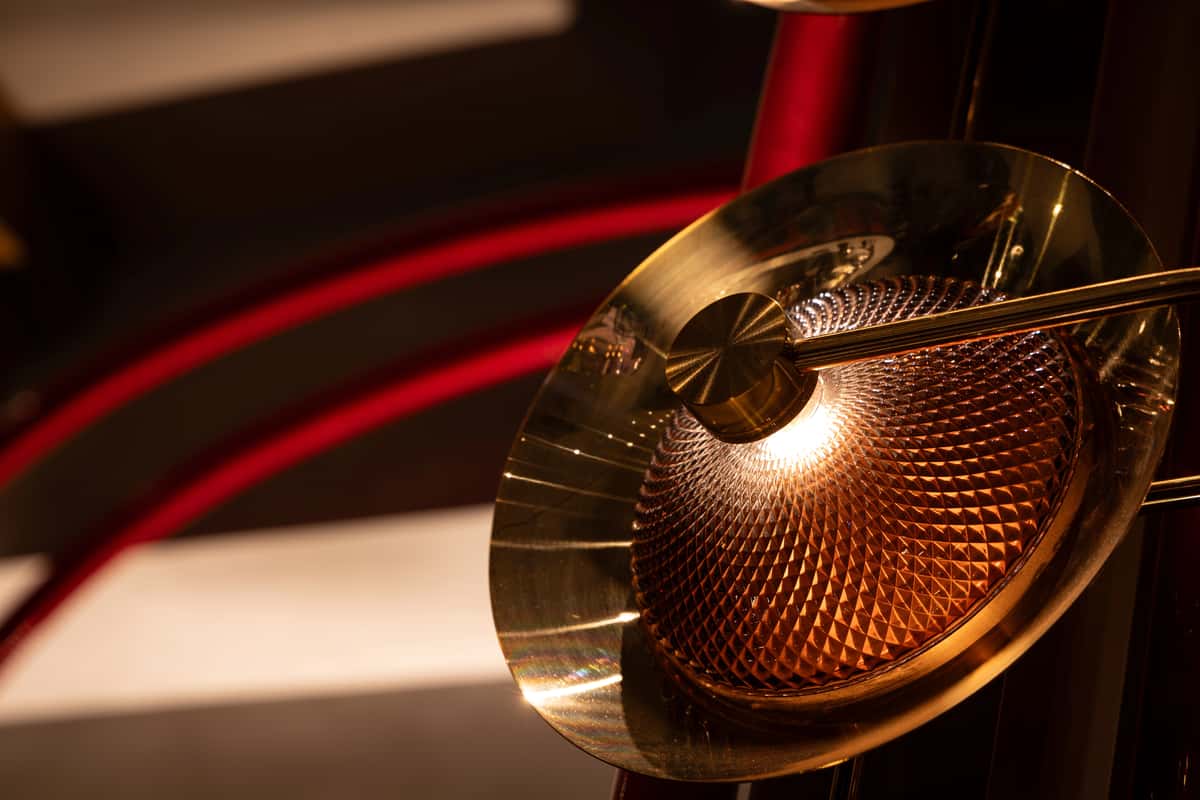
The most effective lighting fixtures for fine dining settings are those that produce warm, directional light at controlled intensity levels. Spotlights and chandeliers consistently outperform standard energy-saving fixtures in creating a premium environment. Fine dining venues target 100–150 lux, significantly lower than the 200–300 lux used in fast-food establishments, to cultivate intimacy rather than efficiency.
The right fixture selection addresses three core priorities:
- Focal illumination: Spotlights draw attention to the table and food presentation without flooding the room.
- Ambient warmth: Chandeliers and pendant fixtures distribute soft, diffused light that reinforces the room's design language.
- Lux control: Wall sconces and recessed fixtures supplement primary sources without raising overall intensity beyond the fine dining threshold.
Fixture choice is one of the most underestimated design decisions in a restaurant; the wrong source can undermine premium materials and carefully planned color palettes instantly.
How Can Adjustable Lighting Be Used to Enhance Dining Experiences?
Adjustable lighting enhances dining experiences by giving operators precise control over mood across different service periods. According to a study by Dr. Sadia Farooq published on ResearchGate, customers in restaurants where standard energy savers were replaced with spotlights and chandeliers rated the environment as more focused, warm, comfortable, relaxed, satisfied, and happy compared to the previous setup.
Dimming systems allow a single space to shift from bright pre-service clarity to intimate candlelit ambiance during peak dining hours, serving both operational and emotional purposes without any physical redesign.
In What Ways Do Color Schemes Contribute to a Luxurious Dining Environment?
Color schemes contribute to a luxurious dining environment by shaping guests' emotional states, influencing how long they stay, and reinforcing the overall quality signal of the space. The sections below cover effective upscale palettes and strategies for balancing color without overwhelming guests.
What Are Popular Color Palettes for Upscale Restaurants?
The popular color palettes for upscale restaurants feature sophisticated, muted tones in deeper hues. According to Remick Architecture's analysis of color psychology in hospitality design, fine dining venues typically employ rich burgundies, forest greens, and navy blues, creating environments where guests linger comfortably and are more likely to order additional wine and dessert courses.
Beyond those anchor colors, the psychological role of each hue matters: red stimulates appetite and excitement, blues and greens promote relaxation and trust, and purples signal luxury and creativity. Together, these responses influence dining duration, check averages, and guest satisfaction scores. Selecting the right palette is not aesthetic preference alone; it is a commercial decision with measurable outcomes.
How Should Colors Be Balanced to Evoke Elegance Without Overwhelming Guests?
Colors should be balanced to evoke elegance by anchoring the space in one or two dominant deep tones, then introducing neutral or metallic accents to prevent visual saturation. Deep walls in navy or forest green, for example, pair effectively with warm brass fixtures and off-white linen to create contrast without competition.
The contemporary fine dining approach reinforces this: polish matters more than spectacle. A room that looks considered rather than decorated keeps the guest's attention on the food and the conversation. Restraint in color application is, in practice, one of the clearest signals of genuine luxury.
How Important Is Furniture Selection in Setting a Refined Dining Tone?
Furniture selection is critically important in setting a refined dining tone because it directly shapes guest comfort, spatial flow, and the overall impression of quality. The following sections cover how to choose tables and chairs and how layout decisions affect the guest experience.
What Should You Consider When Choosing Tables and Chairs for Fine Dining Spaces?
The considerations when choosing tables and chairs for fine dining spaces include ergonomics, spacing, materials, and ADA compliance. Standard dining chairs should measure 430–480 mm in height, with a 250–300 mm gap between seat and tabletop. Optimal table height sits between 72 cm and 75 cm, according to restaurant furniture ergonomics standards from Rasa Bloom.
Fine dining spaces require 18–20 square feet per person, with a minimum 18-inch passage between tables. ADA-compliant tables must fall between 28–34 inches high, with 30" × 48" of clear floor space per wheelchair approach; at least 5% of tables must meet these standards.
Premium materials reinforce prestige. The preferred options include:
- Solid hardwood and natural marble for tabletops
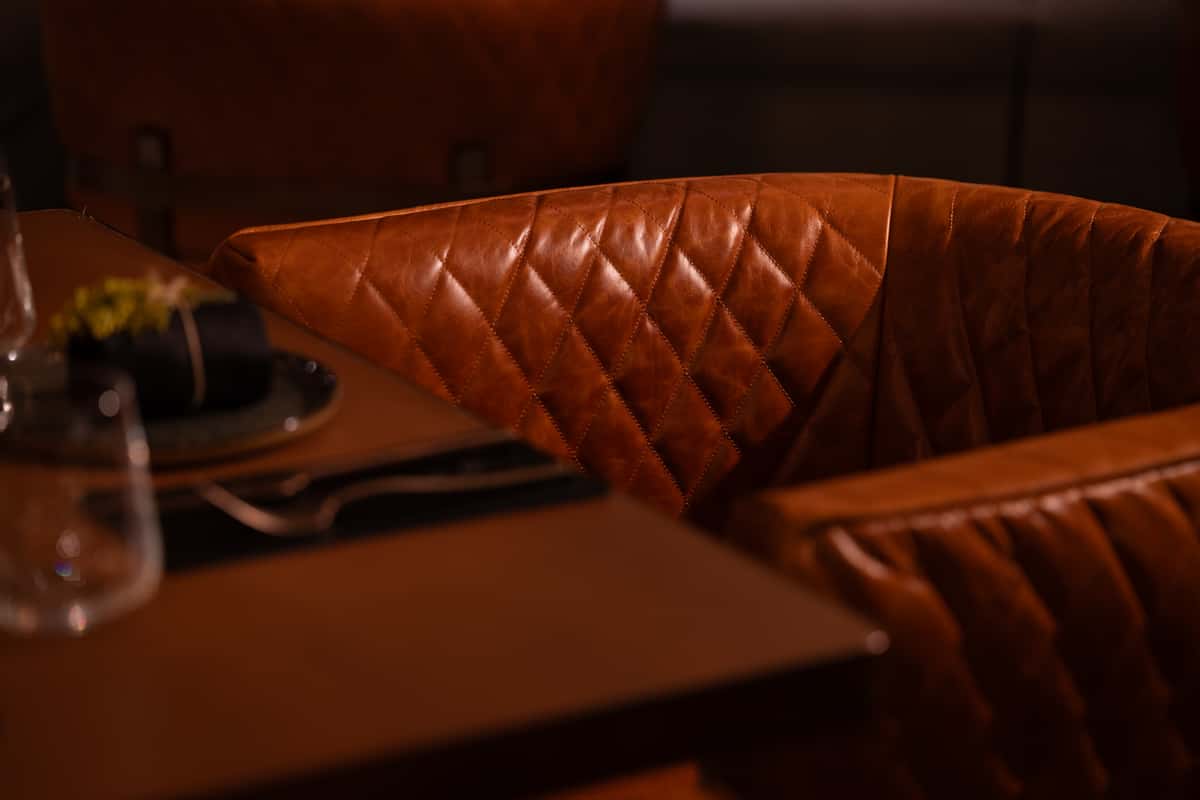
- Genuine leather and velvet for upholstery
- Brass, bronze, and brushed stainless steel for accents
- Linen and premium upholstery fabrics for surface layering
Material choices should feel considered without tipping into excess. Polish over pageantry remains the defining standard.
How Does Furniture Layout Affect Guest Comfort and Flow?
Furniture layout affects guest comfort and flow by governing sightlines, service efficiency, and privacy. Aisles should measure approximately 900 mm wide to support smooth service access. Behind occupied chairs, 18–24 inches of clearance is the minimum; armchairs or oversized seating in fine dining environments require 24–36 inches.
Chairs in use should allow 450–600 mm between them to prevent crowding without creating a disconnected room feel. When layout gets the spacing right, service moves invisibly and guests settle into the room rather than navigate it.
What Role Do Textures and Materials Play in Fine Dining Decor?
Textures and materials play a defining role in communicating prestige, comfort, and identity in fine dining spaces. The following sections cover preferred materials for key surfaces and how layering textures creates visual depth while maintaining refinement.
Which Materials Are Preferred for Tabletops, Seating, and Flooring in Upscale Venues?
The materials preferred for tabletops, seating, and flooring in upscale venues include natural marble, solid hardwood, genuine leather, velvet, brass, and bronze. According to Arei Interiors, custom furniture such as marble-topped tables and velvet-upholstered chairs is often paired with premium finishes like Venetian plaster and brushed brass accents to enhance both tactile and visual experience. For flooring, hardwood and stone deliver warmth and permanence that synthetic alternatives cannot replicate. These material choices work together to signal quality before a guest ever opens the menu.
- Tabletops: Natural marble, solid hardwood, matte-finished stone
- Seating: Velvet, genuine leather, premium upholstery fabrics
- Flooring: Solid hardwood, natural stone, large-format tile
- Accents: Brass, bronze, brushed stainless steel, crystal
How Can Layering Textures Add Depth and Interest Without Sacrificing Sophistication?
Layering textures adds depth by combining contrasting surfaces that are visually complementary without competing. Stubborn Seed Las Vegas applies this approach directly, combining concrete surfaces with warm wooden notes and matte black tables to create an atmosphere guests and reviewers consistently describe as refined yet unforced. A smooth marble tabletop paired against a nubby linen napkin, a burnished brass fixture over rough-hewn wood paneling, or velvet seating beside a polished concrete floor each create tension that reads as considered rather than accidental. The contemporary shift toward approachable sophistication favors this layered approach: the space looks intentional but not rigid, with warmth balanced against cool finishes. Stubborn Seed Las Vegas demonstrates this directly, marrying concrete surfaces with warm wooden notes and matte black tables for an atmosphere described as refined yet unforced.
How Can Art and Decorative Accents Elevate the Ambiance in Fine Dining Restaurants?
Art and decorative accents elevate fine dining ambiance by reinforcing brand identity, directing the eye, and creating emotional resonance throughout the space. The following sections cover artwork selection and display strategies for upscale environments.
What Types of Artwork Best Suit an Upscale Dining Atmosphere?
The types of artwork that best suit an upscale dining atmosphere are large-scale statement pieces, curated photography, sculpture, and site-specific installations that reflect the restaurant's identity. According to ArtzFolio.com, the strategic use of artwork in dining spaces creates ambiance, reinforces brand identity, and enhances the dining experience for patrons.
Effective artwork choices for fine dining include:
- Large-scale paintings or prints that serve as anchor focal points on primary walls.
- Sculptural elements such as bronze or stone pieces that introduce tactile contrast.
- Curated photography collections that tell a cohesive narrative aligned with the cuisine.
- Custom installations that are exclusive to the space and reinforce the restaurant's character.
Artwork should complement rather than compete with the interior palette, with frames and mounting materials echoing premium finishes already present in the room.
How Should Art and Accents Be Displayed to Complement the Overall Decor?
Art and accents should be displayed at consistent eye-level heights, grouped intentionally, and lit with directional accent lighting to draw focus without disrupting the room's overall warmth. Placement matters as much as selection; a single oversized work commands more visual authority than several smaller, unrelated pieces competing for attention.
Key display principles include:
- Consistent hanging height aligned to seated and standing sightlines throughout the dining room.
- Directional lighting using spotlights to illuminate artwork without introducing harsh glare into the dining field.
- Thematic cohesion across all decorative accents, ensuring sculptural objects, centerpieces, and wall art share a unified material or color story.
- Negative space discipline that avoids overcrowding walls, preserving the sense of considered restraint that defines upscale interiors.
Treating art as architecture rather than decoration produces the strongest results in fine dining spaces.
Why Is Acoustic Design Vital for a Sophisticated Dining Experience?
Acoustic design is vital for a sophisticated dining experience because excessive noise directly undermines conversation, comfort, and perceived quality. The following sections cover decibel benchmarks for optimal noise control and design-forward integration strategies for acoustic treatments.
What Strategies Are Effective for Controlling Noise While Encouraging Conversation?
Effective strategies for controlling noise while encouraging conversation begin with targeting the right sound level. According to Performance Acoustics, the optimal noise level for restaurants falls between 60 and 65 dB, low enough for easy conversation and enjoyment of ambient sound. For context, a quiet restaurant during off-hours sits around 40 to 50 dB, while a moderately busy dining room typically reaches 70 to 75 dB.
Practical noise control strategies include:
- Installing sound-absorbing ceiling panels to reduce reverberation.
- Using upholstered seating, curtains, and rugs to dampen reflected sound.
- Spacing tables to limit sound bleed between parties.
- Incorporating acoustic baffles disguised as decorative elements.
Keeping ambient levels in the 60 to 65 dB range is often underestimated as a design priority, but it directly shapes how refined a dining room feels.
How Can Acoustic Treatments Be Integrated Without Disrupting Aesthetic Harmony?
Acoustic treatments can be integrated without disrupting aesthetic harmony by selecting materials and forms that serve both sound absorption and visual design simultaneously. Design-forward solutions for luxury restaurants treat acoustics as a decor layer, not an afterthought.
Effective integration approaches include:
- Fabric wall panels upholstered in velvet or linen to complement existing finishes.
- Sculptural ceiling clouds in textured plaster or woven materials.
- Booth seating with high, padded backs that absorb sound while defining intimate zones.
- Decorative rugs over hardwood or stone flooring to reduce floor-level reflections.
With the right material choices, acoustic treatments become indistinguishable from intentional design decisions.
How Do Table Settings and Placeware Enhance the Overall Upscale Ambiance?
Table settings and placeware enhance the overall upscale ambiance by communicating quality before a single dish arrives. The tableware choices and their arrangement signal a restaurant's standards to guests immediately. The following sections cover appropriate tableware and linens, and how thoughtful presentation shapes guest perception.
What Tableware and Linens Are Most Appropriate for Fine Dining?
The tableware and linens most appropriate for fine dining are those made from premium materials that signal craftsmanship and care. According to the Equippers Blog's guide on fine dining table setup, the gold standard for restaurant flatware is 18/10 stainless steel, a designation reflecting its chromium and nickel content that makes it highly resistant to corrosion and wear. Beyond flatware, appropriate fine dining tableware includes:
- Fine porcelain or bone china plates
- Crystal glassware
- Pressed linen or high-thread-count cotton napkins
- Polished silverware placed with precise alignment
High-quality tableware is a direct indicator of a high-end dining experience, and the materials alone set guest expectations before the meal begins.
How Can Thoughtful Table Settings Influence Guests' Perceptions of Quality?
Thoughtful table settings influence guests' perceptions of quality by establishing immediate visual cues that signal attention to detail and professional standards. A properly arranged cover, from aligned flatware to folded linens and spotless glassware, tells guests the kitchen applies the same precision to every element of the experience. Comfortable, appropriately spaced seating paired with well-dressed tables reinforces that sense of care throughout the meal. In a fine dining environment, the table itself functions as the first course.
What Role Does Scent Play in Crafting a Memorable Fine Dining Environment?
Scent plays a role in fine dining by shaping guest emotions, influencing behavior, and reinforcing the atmosphere before a single dish arrives. The sections below cover diffusion guidelines for ambient scenting and best practices for keeping aromas complementary rather than competitive.
How Can Subtle Scents or Aromas Be Used to Enhance Guest Experience?
Subtle scents enhance guest experience by influencing dining emotions, intentions, and the likelihood of return visits. A 2021 study on ambient scents in high-end restaurants published on ScienceDirect found that soft floral fragrances significantly affect pleasure and arousal, both of which mediate guests' behavioral intentions. Professional diffusion in the main dining area should stay at a maximum of 30–40% intensity, ensuring food aromas remain dominant. Advanced systems use cold-air nebulization to deliver an invisible, dry micro-mist that disperses evenly without altering humidity or competing with kitchen smells.
What Best Practices Exist for Incorporating Scents Without Competing With Cuisine?
The best practices for incorporating scents without competing with cuisine center on restraint, placement, and scent selection. According to Aroma Designers, professional scenting uses subtle diffusion levels that enhance atmosphere without masking cuisine. Key guidelines include:
- Apply lighter fragrances in the main dining area and reserve stronger diffusion for entryways or restrooms.
- Choose neutral or soft botanical profiles, such as light cedar or white tea, that complement rather than overpower food aromas.
- Avoid synthetic or heavy fragrance blends near the kitchen pass or service areas.
- Schedule diffusion cycles to reduce intensity during peak service when food aromas are naturally strongest.
Scent is one of the most underutilized sensory levers in fine dining design, yet it operates continuously on guests' emotional states well beneath conscious awareness.
How Do Outdoor Spaces and Views Impact the Upscale Ambiance of Fine Dining Establishments?
Outdoor spaces and views impact the upscale ambiance of fine dining establishments by extending the sensory environment beyond interior walls, adding natural context, spatial variety, and visual interest. The following sections cover design principles for outdoor dining areas and how views and landscaping contribute to the overall experience.
What Elements Should Be Considered When Designing Outdoor Dining Areas?
The elements to consider when designing outdoor dining areas include space definition, weather adaptability, and material selection. According to a guide published by A Blade of Grass, low walls, changes in paving patterns, subtle elevation shifts, or surrounding planting can define an outdoor dining area without fully enclosing it, preserving openness while establishing a sense of place. Weather adaptability is equally critical: clear vinyl panels that lower at the touch of a button block wind and rain while maintaining visibility, allowing the full outdoor experience to continue on milder days. Together, these elements ensure an outdoor setting performs at the same level of refinement as the interior.
How Can Views and Landscaping Enhance the Overall Dining Experience?
Views and landscaping enhance the overall dining experience by providing a living, dynamic backdrop that shifts with natural light, season, and weather. Carefully positioned greenery frames sightlines, softens hard architectural edges, and adds sensory depth through texture and color. As ArtzFolio.com notes, "The strategic use of artwork in dining spaces creates ambiance, reinforces brand identity, and enhances the dining experience for patrons." The same principle applies outdoors: considered landscaping functions as living art, reinforcing the restaurant's identity while elevating the atmosphere organically.
With outdoor spaces thoughtfully planned, the ambiance of a fine dining establishment reaches beyond its four walls to create a fully immersive environment.
How Can Upscale Ambiance Be Achieved Without Traditional Formality in Fine Dining?
Upscale ambiance without traditional formality is achieved by prioritizing polish over pageantry: considered design, genuine hospitality, and a mood that invites guests to enjoy themselves. The H3s below explore specific approaches and how contemporary models differ from classic formal dining.
What Approaches Balance Sophisticated Decor With a Welcoming, Unpretentious Atmosphere?
The approaches that balance sophisticated decor with a welcoming atmosphere favor intentional design over rigid ceremony. Spaces are curated to signal quality through material choices, lighting, and layout, while deliberately avoiding the stiffness of white-tablecloth formality.
Key design principles for this balance include:
- Considered but unprecious spaces: Every design element is purposeful, yet the overall mood remains relaxed and inviting.
- Energy without chaos: The room carries a sense of life and movement without overwhelming guests with noise or visual clutter.
- Human-centered service: Hospitality that is attentive, informed, and concise guides guests rather than managing them.
- Mixed material warmth: Combinations such as concrete with warm wood, matte surfaces with soft textiles, and ambient lighting replace sterile, overtly formal finishes.
According to Orchard City Kitchen, "An approachable fine dining experience usually favors polish over pageantry. The room looks considered, but not precious. There is energy, but not chaos."
How Does Contemporary Fine Dining Differ in Ambiance From Classic Formal Models?
Contemporary fine dining differs from classic formal models by shifting the design emphasis from ceremony to comfort, replacing prescriptive formality with expressive, approachable sophistication. Classic models relied on white tablecloths, hushed tones, and rigid service protocols to signal prestige. Modern venues achieve the same signal through curated materials, artful focal points, and warm spatial energy, while allowing guests to feel at ease rather than on their best behavior.
The landscape of fine dining is actively evolving, with approachable sophistication now the dominant aesthetic direction rather than an exception.
How Does Stubborn Seed in Las Vegas Incorporate These Elements of Fine Dining Decor?
Stubborn Seed Las Vegas incorporates fine dining decor elements through a South Beach Art Deco interior that balances warmth with contemporary restraint. The sections below cover how the space's ambiance supports its tasting menu format and what key design lessons it illustrates.

How Does Stubborn Seed's Multi-Course Tasting Menu Experience Benefit From Its Upscale Yet Approachable Ambiance?
Stubborn Seed's multi-course tasting menu experience benefits from an environment designed to feel immersive without being stiff. The South Beach Art D
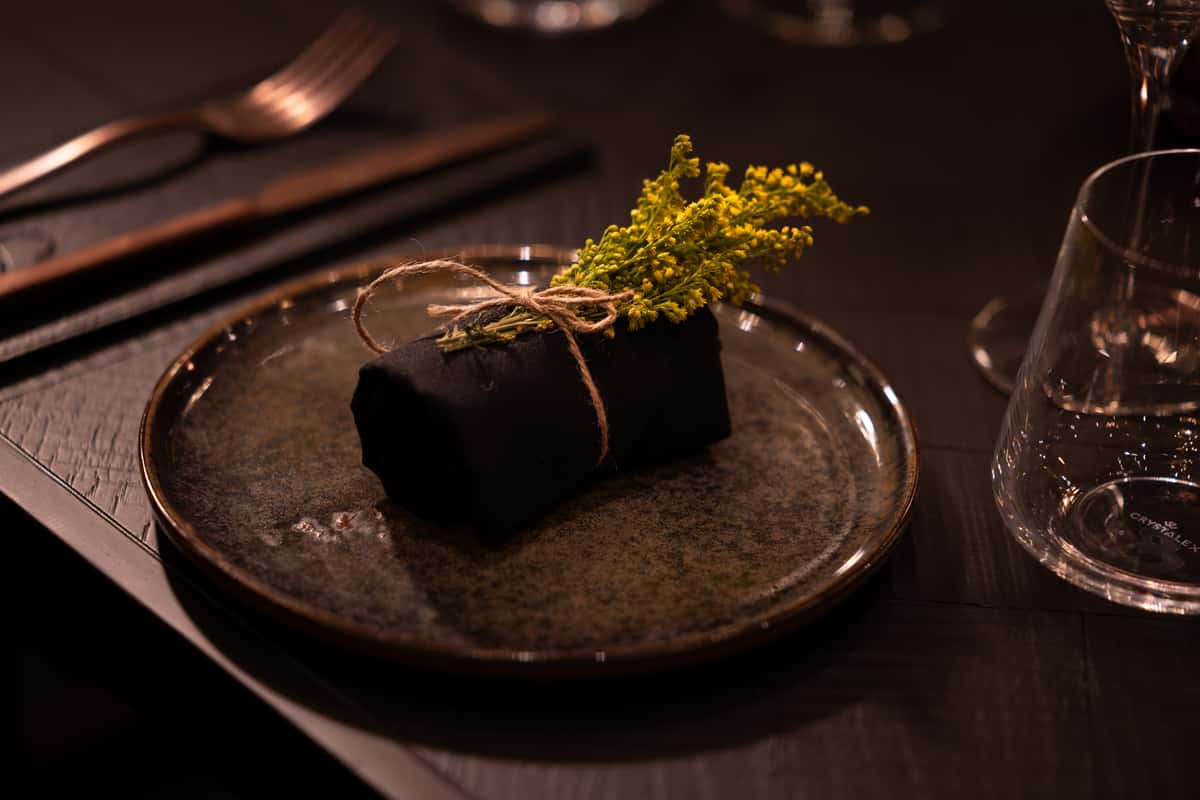
eco interior features intimate nooks, warm lighting, and artistic focal points. Concrete surfaces pair with warm wooden notes, matte black tables, and burlap napkins tied with herb sprigs, creating what guests and reviewers consistently describe as "laid back and not overly pretentious." A glass-fronted kitchen and sunroom extend the visual field, keeping the space open and engaged. Stubborn Seed Las Vegas offers tasting menu formats for guests looking for a multi-course dining experience. For a multi-course experience that unfolds over several hours, this kind of grounded, unhurried atmosphere is exactly what the format demands.
What Are the Main Insights About Creating Upscale Ambiance in Fine Dining Decor Covered Here?
The main insights about creating upscale ambiance in fine dining decor are that every sensory layer, from lighting temperature to material texture, works together to shape how guests feel and spend. Warm color temperatures between 2200K and 2700K mimic candlelight and increase perceived privacy. Sophisticated, muted palettes in burgundies, forest greens, and navy blues encourage guests to linger, which drives wine and dessert orders, as noted by Remick Architecture. Stubborn Seed demonstrates that approachable sophistication, concrete paired with wood, matte black with handcrafted detail, achieves this without formality. The most effective fine dining environments don't announce themselves; they simply make guests reluctant to leave. Stubborn Seed Las Vegas puts these principles into practice through its South Beach Art Deco interior, where warm lighting, intimate nooks, and layered materials create an atmosphere that is refined without being rigid.