
Fine Dining Menu Types Explained: A 2026 Guide
Fine Dining Menu Types Explained: A 2026 Guide
Fine dining menus are structured formats that determine how courses are presented, priced, and experienced, ranging from fully individualized ordering to complete chef-curated progressions.
This guide covers the core menu formats used in upscale restaurants, how seasonal and chef-driven menus reflect culinary innovation, the trends reshaping fine dining menu design in 2026, and how to approach menu selection at Stubborn Seed in Las Vegas.
À la carte menus give guests total control, with each dish ordered and priced separately, while AI-powered personalization and evolving allergen legislation are actively changing how fine dining restaurants manage that ordering process.
Table d'hôte and prix fixe formats take the opposite approach, bundling multiple courses at a single price to create a cohesive dining arc that reduces decision fatigue and gives kitchens tighter control over pacing and food cost.
Degustation menus push further still, typically running 5 to 12 courses and tracing a format that originated in France's 1970s nouvelle cuisine movement; today's tasting menus use that structure to deliver a unified culinary statement from first bite to last.
Seasonal and chef's choice menus reflect culinary innovation by rotating with ingredient availability and transferring creative authority entirely to the kitchen, rewarding returning guests with a dining experience that changes with the calendar.
The 2026 trends shaping all of these formats include sustainability and local sourcing (ranked the top food trend by the National Restaurant Association in 2025), AI-driven menu personalization, and ingredient-forward presentation styles that place previously supporting ingredients at the center of the plate.
How Are À La Carte Menus Used in Fine Dining Restaurants?
À la carte menus give guests complete control over their meal by allowing each dish to be ordered and priced separately. The sections below cover the key features that define this format and how the ordering process works in practice.
What Are the Key Features of an À La Carte Menu?
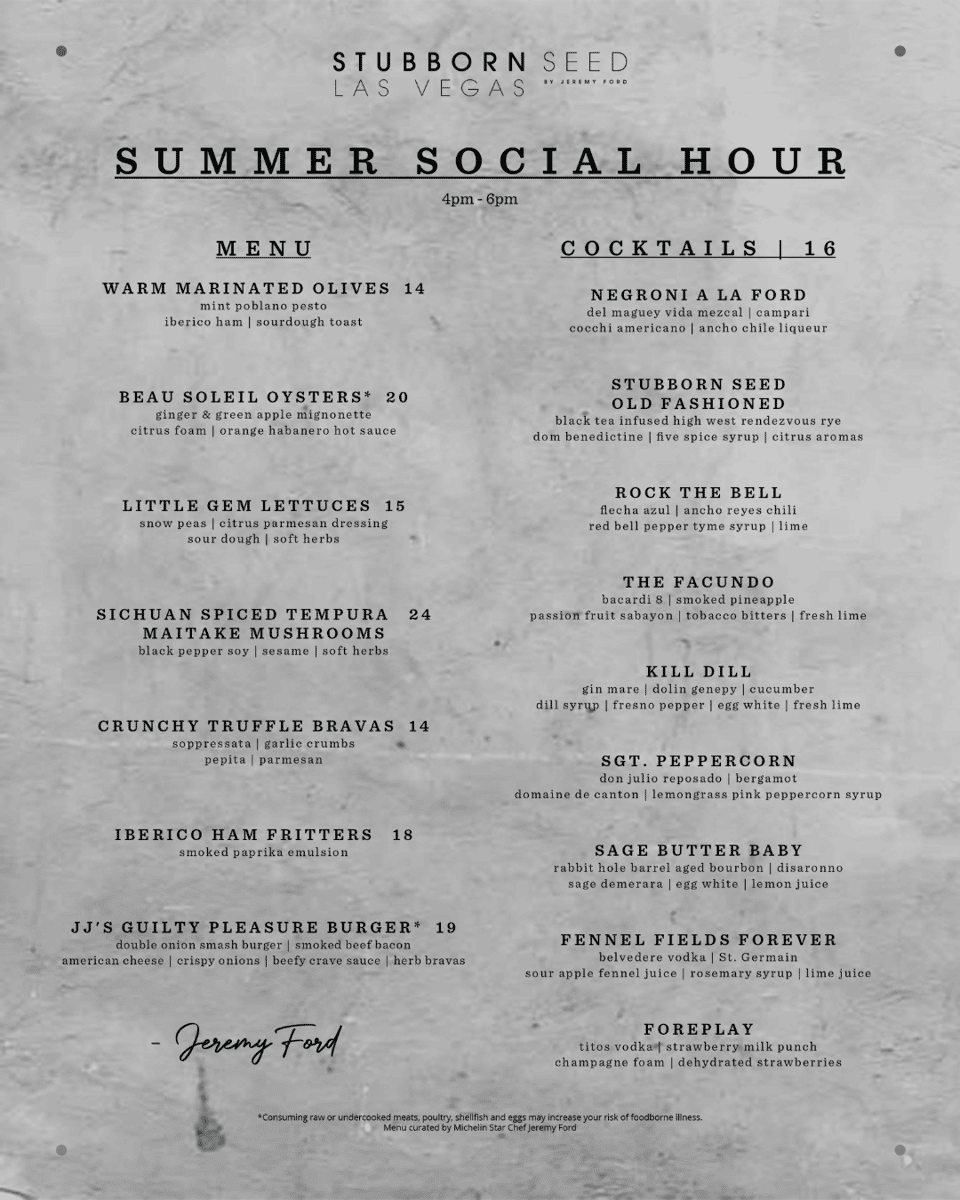
The key features of an à la carte menu are individual dish pricing, guest-directed course selection, and flexible pacing. Unlike set menus, each item carries its own price, so guests build a meal entirely on their own terms. This structure suits fine dining environments where personalization and choice are central to the guest experience. Common components include separate listings for appetizers, mains, and desserts, each priced and ordered independently.
How Does Ordering Work with an À La Carte Menu?
Ordering works with an à la carte menu by having guests select individual dishes from each course category without committing to a predetermined sequence or total. Fine dining restaurants increasingly enhance this process through technology: AI-powered personalization in 2026 allows restaurants to analyze ordering history and guest feedback to offer tailored recommendations. Menu engineering also plays a role, with high-margin items placed in visual "sweet spots" to guide selections. Allergen transparency is now a legal factor as well, since California mandated allergen disclosure on menus starting July 1, 2025, with similar legislation advancing in Michigan and Maryland in 2026.
What Makes a Table d'Hôte Menu Unique in Upscale Restaurants?
A table d'hôte menu is unique in upscale restaurants because it offers guests a curated, fixed set of courses at a single price, removing the decision burden while creating a cohesive dining narrative. The sections below cover guest advantages and pricing structure.
What Are the Advantages of a Table d'Hôte Menu for Guests?
The advantages of a table d'hôte menu for guests include simplified ordering, predictable value, and a more intentional dining progression. Unlike à la carte dining, where each choice is made independently, a table d'hôte format guides guests through a pre-planned sequence of courses that the kitchen has designed to work together. This structure lets the chef control pacing, flavor balance, and portion harmony. Guests also benefit from transparent total cost upfront, which reduces bill anxiety and allows full focus on the experience. For guests unfamiliar with a restaurant's style, the format acts as a curated introduction to the kitchen's culinary identity.
How Is Pricing Structured with Table d'Hôte Menus?
Table d'hôte pricing is structured as a single fixed price covering all included courses, rather than individual item charges. This all-in model typically bundles an appetizer, a main course, and a dessert, with some upscale versions expanding to additional courses or offering limited selections per course. The per-guest price is set in advance and communicated clearly, making budgeting straightforward for diners. According to the ADDE Act in 2026, restaurants must provide allergen information through either direct menu notation or a digital disclosure path, a requirement that integrates naturally into the fixed, pre-printed table d'hôte format. From an operational standpoint, fixed pricing also helps kitchens manage food cost and prep volume more efficiently than open à la carte ordering.
How Do Prix Fixe Menus Enhance the Fine Dining Experience?
Prix fixe menus enhance the fine dining experience by delivering a curated, multi-course progression at a single set price. The following sections cover what these menus typically include and why restaurants increasingly rely on them.
What Is Typically Included in a Prix Fixe Menu?
A prix fixe menu typically consists of multiple courses, each offering one or several selections, spanning appetizers, salads, soups, entrees, and desserts, all offered at a set total price. According to the University of Nevada, Las Vegas, this structure gives both kitchen and guest a shared sense of the meal's arc from start to finish. The controlled sequence allows chefs to design each course so it builds naturally on the last, creating a more intentional and cohesive experience than individually ordered dishes. For diners, this removes decision fatigue while guaranteeing variety across the meal.
Why Do Restaurants Offer Prix Fixe Options?
Restaurants offer prix fixe options to provide clear value while maintaining culinary control. The format has deep historical roots: variations on the table d'hôte appeared as far back as the 15th century, offering fixed-price meals at communal tables, well before modern restaurants existed. That tradition carries forward today. In 2026, consumers are increasingly seeking meals that deliver joy and familiarity without excessive cost, prompting operators to develop creative, value-driven prix fixe options that satisfy both budget-conscious guests and kitchen efficiency needs.
What Is a Degustation or Tasting Menu and Why Is It Popular?
A degustation menu is a multi-course culinary experience designed to guide guests through a chef's full creative vision, course by course. The sections below cover typical course counts and how chefs curate each progression.
How Many Courses Does a Typical Tasting Menu Feature?
A typical tasting menu features between 5 and 12 courses, with each course presenting a single, intentionally composed dish. According to Graphic Design Eye's 2026 menu structure analysis, this range reflects the most commonly cited answers to the question "How many courses are in a fine dining menu?" Most tasting menus land in the 8 to 10 course range, where the progression is long enough to tell a complete culinary story without overwhelming the guest. The degustation format originated in France during the 1970s nouvelle cuisine movement, when 10 to 14 smaller bites were served as a chef's showcase. Course count is one of the clearest signals of a restaurant's ambition and hospitality philosophy. 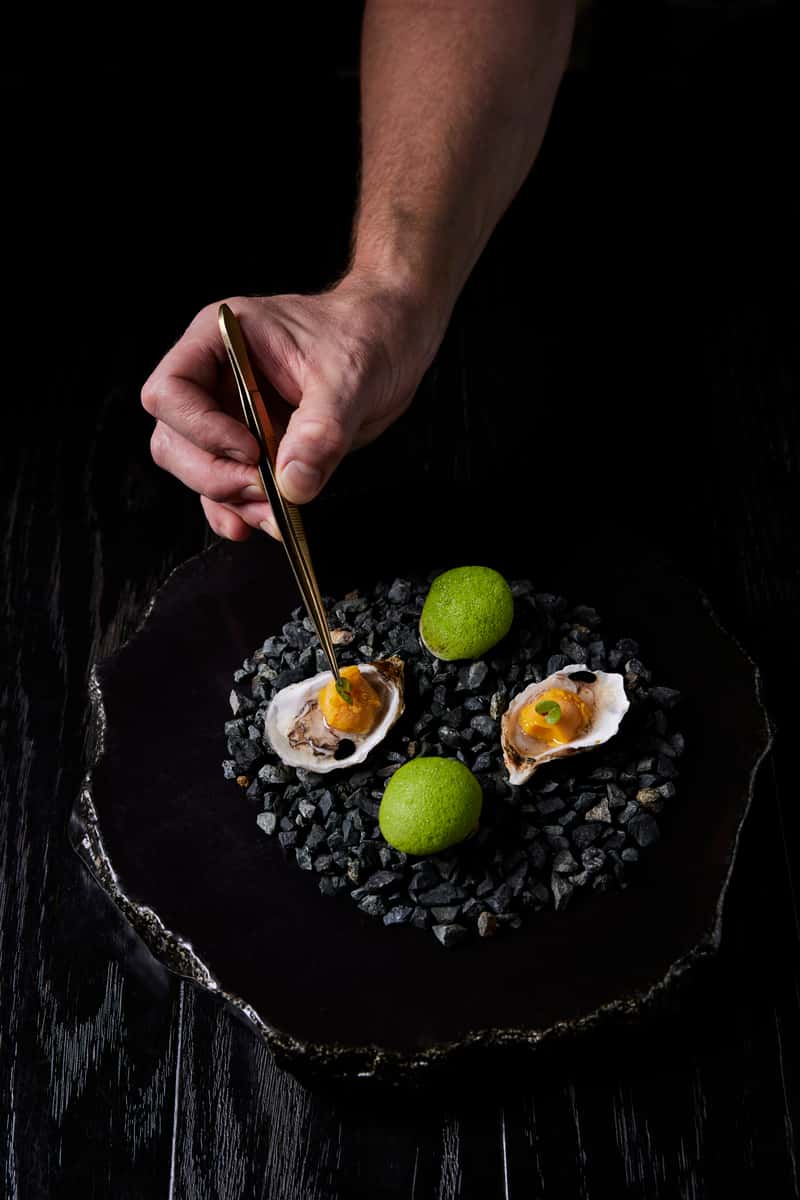
How Do Chefs Curate a Degustation Experience?
Chefs curate a degustation experience by building each course around a deliberate narrative arc, balancing flavor, texture, and visual contrast from first bite to last. Ingredient selection, seasonal sourcing, and pacing all shape how guests move through the meal. Chef Jeremy Ford describes the Stubborn Seed philosophy as taking "honest ingredients and elevating them to their most expressive form, pushing boundaries without compromise." The best tasting menus feel less like a sequence of dishes and more like a single unified statement.
How Do Seasonal and Chef's Menus Reflect Culinary Innovation?
Seasonal and chef's menus reflect culinary innovation by responding to ingredient availability, chef creativity, and evolving diner expectations. The sub-sections below cover why establishments rotate menus seasonally and how chef's choice shapes the overall dining experience.
Why Do Fine Dining Establishments Change Menus Seasonally?
Fine dining establishments change menus seasonally to align dishes with peak ingredient quality, reduce sourcing costs, and signal creative momentum to returning guests. The global fine dining restaurant market reached USD 61.4 billion in 2024, reflecting the competitive pressure restaurants face to differentiate through fresh, time-sensitive offerings.
Seasonal rotation also directly influences spending behavior. According to WhippleWood CPAs, midweek average spend per cover sits around $22, while weekend spend climbs to $32, suggesting that menu novelty drives guests to visit more frequently and spend more when they perceive a unique, time-limited experience.
From an operational standpoint, seasonal menus reduce waste by building around what is naturally abundant. In practice, the most successful seasonal programs are not just ingredient-driven; they tell a story that changes with the calendar, giving diners a reason to return every few months.
How Does Chef's Choice Influence the Dining Experience?
Chef's choice menus influence the dining experience by transferring creative control entirely to the kitchen, producing a curated narrative rather than a list of options. This format removes decision fatigue for guests and allows chefs to sequence flavors, textures, and techniques in a deliberate arc from first bite to last.
Chef Jeremy Ford articulates this philosophy directly, describing his approach as taking "honest ingredients and elevating them to their most expressive form, pushing boundaries without compromise." That intent transforms each course into a purposeful statement rather than an isolated dish.
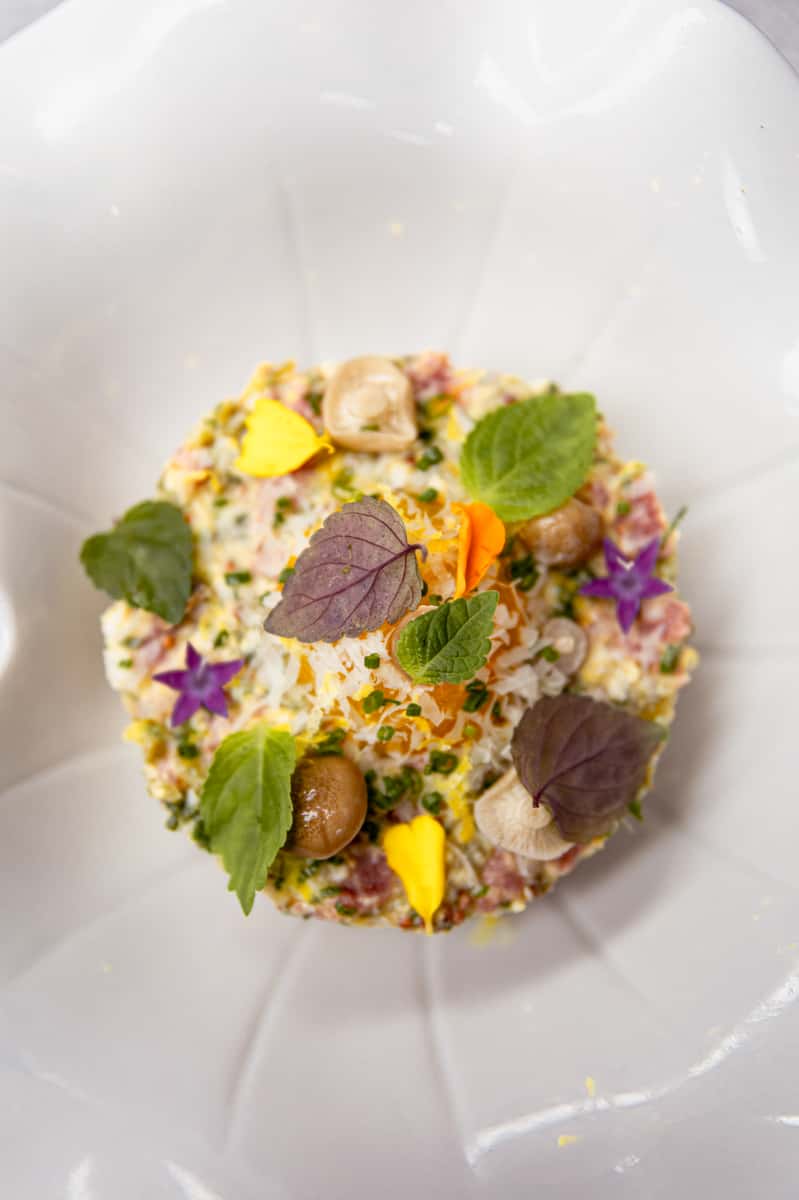
Chef's choice formats also allow kitchens to showcase ingredients that would never anchor a standard menu, such as seasonal fungi or heritage grains, reinforcing a restaurant's identity as a forward-thinking culinary destination rather than a static offering.
What Are the Latest Trends in Fine Dining Menu Design for 2026?
The latest trends in fine dining menu design for 2026 center on three forces: technology integration, sustainability commitments, and storytelling through presentation. The sections below cover how these forces shape menu creation and which visual styles are gaining traction.
How Are Technology and Sustainability Influencing Menu Creation?
Technology and sustainability are influencing menu creation by shifting how chefs source ingredients and how menus communicate value to guests. According to the National Restaurant Association, sustainability and local sourcing ranked as the single most important food and menu trend in 2025, a priority that has only intensified heading into 2026. AI-powered tools now allow restaurants to analyze ordering history and guest feedback, enabling personalized menu recommendations at scale. On the sustainability side, zero-waste practices and carbon footprint reduction have moved from marketing talking points to operational necessities, particularly as thin margins make waste reduction a direct revenue lever. Heritage-driven cuisine, which blends traditional techniques with locally sourced ingredients, reflects both values simultaneously. Menus that tell a sourcing story satisfy a growing guest demand for transparency that spans generations.
What Presentation Styles Are Gaining Popularity in Fine Dining?
The presentation styles gaining popularity in fine dining for 2026 include ingredient-forward plating, narrative course sequencing, and the elevation of previously supporting ingredients into centerpiece roles. Michelin inspectors have noted that mushrooms, once relegated to garnish positions, are now appearing as the main character of composed dishes, signaling a broader move toward plant-forward, seasonally expressive plates. Storytelling has become a structural element of menu design itself, with course progressions built to mirror a chef's biography, a region's culinary identity, or a single ingredient's full expression. Asian fine dining, in particular, is leading with heritage-driven presentations that fuse traditional technique with local produce to create deeply personal dining narratives. These styles reward guests who engage with the menu as a curated experience rather than a list of options.
How Should You Approach Fine Dining Menu Selection at Stubborn Seed in Las Vegas?
Approaching fine dining menu selection at Stubborn Seed means choosing between a structured tasting format and the level of culinary immersion you want. The sections below cover Stubborn Seed's tasting menu options and key 2026 fine dining takeaways.
Can the Multi-Course Tasting Menu at Stubborn Seed Elevate Your Dining Experience?
The multi-course tasting menu at Stubborn Seed can elevate your dining experience by delivering a chef-curated progression of flavors unavailable through individual ordering. Stubborn Seed Las Vegas, located at Resorts World, offers tasting menu experiences that give guests distinct levels of culinary immersion.
Set menus prioritize balance and a controlled dining experience, whereas à la carte menus emphasize individual freedom and personalization. For guests seeking a cohesive narrative across every plate, the tasting format is the stronger choice. Research published in the International Journal of Hospitality Management found that deemphasizing menu-item prices in a dining environment raises perceived value and satisfaction, which aligns with Stubborn Seed's experiential, course-by-course presentation style. 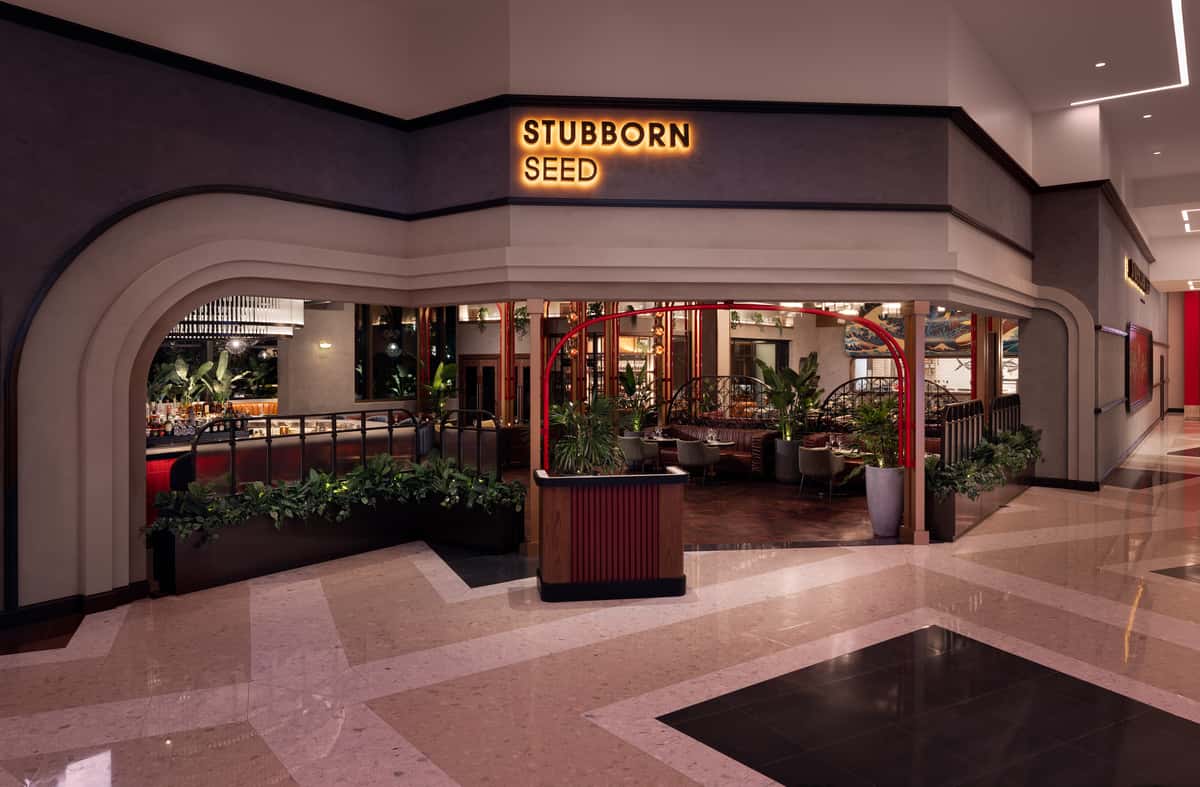
What Are the Key Takeaways About the Types of Fine Dining Menus in 2026?
The key takeaways about the types of fine dining menus in 2026 are that format choice, ingredient innovation, and stable consumer spending are collectively shaping the segment's growth. According to Tastewise, approximately 4.18% of U.S. restaurants currently offer fine dining dishes, with social conversations about the segment growing 3.03% year-over-year.
Notable 2026 shifts include:
- Ingredient elevation: Fine dining menus are increasingly featuring mushrooms as central proteins rather than garnishes, reflecting plant-based innovation and seasonal sourcing priorities.
- Spending stability: In 2025, diners maintained stable spending across nearly every segment, providing a strong foundation for continued fine dining growth through 2026.
- Format alignment: Tasting menus, prix fixe, and à la carte each serve distinct guest needs; matching format to occasion is the most practical decision a diner can make.
Stubborn Seed's approach to progressive, ingredient-driven tasting menus positions it well within these broader trends.