
Fine Dining Service Expectations: Complete Guide
Fine Dining Service Expectations: Complete Guide
A fine dining service experience is a structured, multi-course meal defined by highly trained staff, elevated presentation, deliberate ambiance, and formal guest expectations that together transform dining into an intentional event. This guide covers how fine dining differs from casual formats, the roles and training behind service teams, guest etiquette and reservation protocols, table service styles and tasting menus, and the standards that define exceptional hospitality.
Fine dining separates itself from casual restaurants through dedicated course progression, specialized hierarchies (from maître d'hôtel to sommelier), and décor designed to support every plate and interaction. Staff earn their positions through credentialed apprenticeships, food safety certifications, and formal beverage training that build precision into each service touchpoint.
Guest etiquette carries real weight in these settings. Dress codes, phone policies, tipping practices, and table manners all shape the experience for everyone in the dining room. Advance reservations protect both the guest's evening and the kitchen's ability to pace courses and accommodate dietary needs.
Service protocols range from kitchen-plated American service to tableside French preparation, each chosen to match a restaurant's culinary identity. Tasting menus layer seasonal ingredients into a narrative arc guided by the chef's creative vision, while sommeliers pair each course with wines matched to flavor, preference, and budget.
Quality benchmarks from organizations like Michelin and Forbes Travel Guide hold restaurants accountable to consistency, technique, and genuine hospitality. Stubborn Seed in Miami Beach puts these principles into practice through Chef Jeremy Ford's Michelin-starred tasting menus, attentive pacing, and a casual elegant format built around guest-focused service.
How Does Fine Dining Service Differ From Casual Dining?
Fine dining service differs from casual dining through dedicated meal courses, highly trained staff, elevated décor, and structured guest expectations. The sections below cover the main elements that separate these two formats and how fine dining establishments train their teams.
What Are the Main Elements That Set Fine Dining Service Apart?
The main elements that set fine dining service apart are dedicated meal courses, higher-quality décor, formally attired staff, smaller but visually refined portions, and dining rules guests are expected to follow. According to the University of Wisconsin–Madison Extension, casual dining serves moderately priced food in a casual atmosphere and occupies the market segment between fast food and fine dining, while fine dining requires highly trained staff and structured service standards.
A maître d'hôtel oversees daily operations, from rostering and motivating service staff to enforcing appearance standards and controlling costs. Fine dining restaurants also implement reservation policies with cancellation fees to manage no-shows. Forbes Travel Guide evaluates hospitality properties using up to 900 standards and emphasizes service above all other criteria.
These operational layers create a level of consistency and attentiveness that casual restaurants simply cannot replicate at scale.
How Do Fine Dining Establishments Train Their Staff?
Fine dining establishments train their staff through structured apprenticeships, certification programs, and ongoing mentorship under experienced professionals. Formal programs combine on-the-job learning with classroom instruction covering food preparation, beverage service, menu planning, and sanitation.
Key training pathways include:
- Food and beverage apprenticeships that typically require 12 months on-programme, followed by a three-month end-point assessment period.
- Chef apprenticeships sponsored by the American Culinary Federation and the U.S. Department of Labor, combine supervised work in culinary skills such as baking and food preparation with instruction in purchasing and menu planning; required work hours vary by program.
- ServSafe food handler certification, which delivers consistent food safety training and requires passing an assessment after completing the course.
- Formal wine and beverage service courses focused on sommelier techniques, stemware selection, decanting, and classic food-and-wine pairings.
According to Johnson County Community College, its ACF-sponsored chef apprenticeship is a two and a half year program with apprentices indentured to supervising chefs for 4,000 hours. This investment in rigorous, credentialed training is what separates fine dining staff from the broader hospitality workforce.
Understanding staff training standards reveals how fine dining teams develop the skills behind each service role and responsibility.
What Are the Key Roles and Responsibilities in Fine Dining Service?
The key roles in fine dining service span a structured hierarchy, from the maître d'hôtel overseeing operations to servers, sommeliers, and kitchen leadership. Each position carries defined duties that maintain service consistency.
Who Are the Essential Members of the Fine Dining Team?
The essential members of the fine dining team include the maître d'hôtel, executive chef, sommelier, captain (chef de rang), commis server, and host. The maître d'hôtel sits at the top of the front-of-house hierarchy. According to a maître d'hôtel cruise-ship job listing published on EURES, this role manages daily restaurant operations, assists with menu planning, maintains sanitation standards, rosters and trains service staff, controls costs, enforces appearance standards, and supervises all food-and-beverage activities. The executive chef directs kitchen preparation, seasoning, and presentation. Captains coordinate table service, while commis servers assist with plate delivery and table maintenance. A well-coordinated team, where each member understands their scope, is what separates competent service from truly memorable hospitality.
What Are the Duties of Servers and Sommeliers in Fine Dining?
The duties of servers and sommeliers in fine dining center on guest-facing service excellence and beverage expertise. Servers arrange tables, inspect settings for correct cutlery and glassware placement, ensure portion control, and deliver courses with precise timing. Sommeliers manage the wine list, advise guests on food-and-wine pairings matched to taste preferences and budgets, conduct staff training, run pre-service briefings, and manage stock. According to the Wine and Spirit Education Trust, career progression runs from commis sommelier through junior sommelier to head sommelier, wine director, or beverage manager. For guests, this means every recommendation reflects trained judgment, not guesswork. Understanding these roles helps diners appreciate the coordination behind each course and pairing.
What Etiquette Should Guests Follow in Fine Dining Restaurants?
Guests should follow etiquette covering dress, behavior, phone use, and tipping. The sections below address how to dress and behave, plus dining customs unique to fine dining.
How Should Guests Dress and Behave at a Fine Dining Venue?
Guests should dress and behave in ways that respect the formality of the setting. Many fine dining restaurants specify a dress code, ranging from smart casual to formal attire; checking the venue's policy before arrival prevents any awkwardness at the door.
Phone etiquette matters just as much as clothing. According to California State University, East Bay's dinner-etiquette guidance, phones should not be placed on the table and should be turned off or silenced, with guests excusing themselves from the dining area if they need to take a call or send a text.
Beyond attire and devices, general conduct sets the tone for the entire table:
- Arrive on time or a few minutes early, especially when a reservation is held.
- Speak at a conversational volume that does not carry to neighboring tables.
- Treat every staff member with courtesy, from the host to the sommelier.
What Dining Customs Are Unique to Fine Dining?
Dining customs unique to fine dining include structured tipping practices, multi-course pacing, and formal table manners that rarely apply in casual settings.
Tipping expectations in the United States follow clear benchmarks. UCLA's Dashew Center states that diners should tip approximately 15% of the pre-tax bill for satisfactory service, about 20% for great service, and 10% for poor service, noting that restaurants may automatically add 15% to 18% gratuity for groups of six or more.
Additional customs worth knowing include:
- Wait for all guests at the table to be served before beginning a course.
- Use utensils from the outside in as each course arrives.
- Place your napkin on your lap promptly after sitting, and set it loosely on the chair if you leave temporarily.
- Signal the end of a course by placing your knife and fork together at the four o'clock position on the plate.
For first-time fine dining guests, the simplest guiding principle is attentiveness: follow the staff's cues, pace yourself with the table, and focus on the experience rather than rushing through it. Understanding these customs before arriving helps guests feel confident when navigating reservations and seating arrangements.
How Do Reservations and Seating Work at Fine Dining Restaurants?
Reservations and seating at fine dining restaurants work through advance booking systems and structured host-led processes. Below, we cover why booking ahead matters and what the typical seating experience involves.
Why Is Booking Ahead Important for Fine Dining?
Booking ahead is important for fine dining because these restaurants operate with limited seating capacity, fixed kitchen pacing, and carefully timed courses. Without a reservation, guests risk being turned away entirely, especially during peak evenings and weekends.
No-shows remain a significant industry problem. According to a 2025 International Journal of Consumer Studies article, citing OpenTable data, 28% of Americans reported failing to honor at least one restaurant reservation in the previous year. This encourages some fine dining venues to adopt cancellation policies that help protect both the restaurant and preserve opportunities for other diners waiting for tables.
Most high-end establishments encourage booking at least one to two weeks in advance for standard evenings, with popular venues and holiday periods requiring even more lead time. Confirming early also allows the kitchen to prepare for dietary needs communicated during the booking process.
What Is the Typical Seating Process in High-End Establishments?
The typical seating process in high-end establishments begins at the host stand, where a maître d' or host greets guests by name and confirms the reservation. This initial welcome sets the tone for the entire experience.
After confirmation, guests are escorted to their assigned table. Seating assignments typically account for party size, occasion details shared during booking, and the flow of the dining room. Seating arrangements may account for party size, guest preferences, and dining-room layout, with larger groups placed where staff can move efficiently around tables.
Once seated, staff pull chairs, present menus, and offer an initial beverage. For restaurants with tasting menus, the server often outlines the evening's format before the first course. This choreographed approach ensures every guest feels anticipated rather than processed, which is ultimately what separates fine dining from walk-in casual experiences.
With the reservation and seating framework understood, the next consideration is how food and beverages are actually presented at the table.
What Table Service Styles and Protocols Are Used in Fine Dining?
Table service styles and protocols in fine dining range from kitchen-plated American service to tableside French and Russian formats. The sections below cover how food is presented and served, along with beverage service and wine pairings.
How Is Food Presented and Served in Fine Dining Settings?
Food is presented and served in fine dining settings through one of four primary service styles, each with distinct plating and delivery methods.
According to Nicolet College's open culinary textbook, the main styles are:
- American service plates food entirely in the kitchen and delivers it directly to the guest.
- French service involves tableside preparation on a guéridon cart, requiring one chef de rang and one commis for every 8 to 12 guests.
- Russian service arranges food on platters in the kitchen, then presents and portions it tableside.
- Butler service offers platters from which guests serve themselves or are served directly.
French service is slower than American or Russian service, which makes it a deliberate choice for restaurants that prioritize theatricality. Regardless of style, staff must inspect table settings before guests arrive, ensuring correct cutlery and glassware placement. Portion control, service trolley preparation, and food safety compliance remain constant across all formats.
What Beverage Service and Wine Pairings Are Offered?
Beverage service and wine pairings in fine dining are managed by a sommelier, who curates the wine list, recommends pairings, and ensures consistent service standards.
According to the Wine and Spirit Education Trust, sommeliers advise guests based on food selections, taste preferences, and budgets. Core sommelier responsibilities include:
- Managing wine inventory and stock rotation
- Conducting staff training and pre-service briefings
- Selecting appropriate stemware for each varietal
- Decanting wines that benefit from aeration
Formal wine service follows a structured sequence: presentation of the bottle, opening, pouring a tasting sample for the host, then serving the table. Career progression typically runs from commis sommelier through junior sommelier, sommelier, head sommelier, and up to wine director or beverage manager. A skilled sommelier transforms a meal by matching each course to a complementary wine, elevating the entire dining experience.
With service styles and beverage protocols in place, the menu itself shapes what guests actually taste.
What Can You Expect From a Fine Dining Menu and Tasting Experience?
A fine dining menu and tasting experience delivers a curated sequence of courses designed to showcase a chef's vision through seasonal ingredients and precise technique. The sections below cover how tasting menus are structured and why seasonal, chef-curated dishes define the experience.
How Are Tasting Menus Structured and Served?
Tasting menus are structured as a fixed sequence of smaller courses, typically progressing from lighter dishes to richer ones before ending with dessert. Each course arrives individually, paced so guests can appreciate the flavors and presentation before the next plate. The U.S. Food and Drug Administration describes its Food Code as "a model for safeguarding public health and ensuring food is unadulterated and honestly presented when offered to the consumer," a standard that shapes how kitchens prepare and serve every course.
A typical tasting menu progression includes:
- An amuse-bouche or palate opener to introduce the chef's style
- Seafood or vegetable courses that build in complexity
- A protein-focused main course as the centerpiece
- A pre-dessert palate cleanser, such as sorbet
- A composed dessert and petit fours to close
This deliberate pacing transforms a meal into a narrative, and restaurants that execute it well make each transition feel intentional rather than rushed.
What Is the Role of Seasonal and Chef-Curated Dishes?
The role of seasonal and chef-curated dishes is to anchor a fine dining menu in ingredient quality and creative intent. Chefs build menus around what is at peak flavor during a given season, which means offerings shift throughout the year. The USDA's National Agricultural Statistics Service conducts its 2025 Local Food Marketing Practices Survey specifically "to produce data about local food marketing practices," reflecting how important regional sourcing has become to the broader food industry.
Seasonal sourcing influences every layer of menu design:
- Spring menus highlight tender greens, ramps, and soft-shell crab
- Summer courses feature stone fruits, heirloom tomatoes, and light preparations
- Autumn brings root vegetables, game, and earthy flavors
- Winter menus lean into braised proteins, citrus, and preserved ingredients
Chef-curated menus give diners something an à la carte format cannot: a cohesive story told through flavor, texture, and timing across every course.
Understanding how menus are built prepares guests to navigate dietary needs and special requests with confidence.
How Do Fine Dining Restaurants Handle Special Requests and Dietary Needs?
Fine dining restaurants handle special requests and dietary needs through advance communication, kitchen coordination, and trained staff who adapt dishes to individual requirements. The sections below cover allergy and preference accommodations and how guests can relay special occasions or needs.
What Is the Process for Accommodating Allergies or Preferences?
The process for accommodating allergies or preferences begins when a guest discloses dietary restrictions, either during the reservation or upon arrival. The server relays the information to the kitchen, where the chef evaluates ingredients and modifies courses accordingly. According to the U.S. Food and Drug Administration, the Food Code serves as "a model for safeguarding public health and ensuring food is unadulterated and honestly presented when offered to the consumer," providing model guidance that jurisdictions may adopt to regulate allergen management in food service settings.
Common accommodations include:
- Substituting or removing specific allergens from individual courses
- Adjusting sauces, garnishes, or cooking methods to avoid cross-contact
- Preparing alternative dishes that align with the menu's flavor profile
- Flagging allergy tickets in the kitchen's order system for line-cook visibility
Guests should always confirm allergies directly with their server rather than relying solely on menu descriptions, since ingredient availability and preparations can shift nightly.
How Can Guests Communicate Special Occasions or Needs?
Guests can communicate special occasions or needs most effectively by noting them at the time of booking. Reservation platforms and direct phone calls give the front-of-house team lead time to coordinate details such as birthday desserts, anniversary table placement, or mobility requirements.
Key communication methods include:
- Adding notes in the reservation system's special-requests field
- Calling the restaurant directly to speak with a manager or maître d'
- Emailing the venue ahead of the visit with specific details
- Informing the server discreetly upon arrival if plans change
The earlier a request reaches the team, the more seamlessly the kitchen and service staff can integrate it into the evening's flow. For guests planning a celebratory dinner, notifying the restaurant when making the reservation gives staff more time to personalize the experience without disrupting service for other tables.
With dietary needs and special occasions addressed, the next step is understanding what defines truly exceptional service quality.
What Standards and Qualities Define Exceptional Fine Dining Service?
Exceptional fine dining service is defined by meticulous attention to detail, carefully crafted ambiance, and consistency measured against internationally recognized benchmarks. The following sections explore how restaurants maintain precision throughout a meal and how atmosphere shapes the overall dining experience.
How Is Attention to Detail Ensured Throughout the Meal?
Attention to detail is ensured throughout the meal by layering precise service standards across every guest touchpoint, from reservation to departure. Forbes Travel Guide evaluates properties using up to 900 standards and emphasizes service above facility because exceptional service sets the best hospitality experiences apart.
Key areas where detail is maintained include:
- Table settings inspected before each seating for correct cutlery and glassware placement
- Staff knowledge of every dish, including ingredients and preparation methods
- Consistent pacing between courses so guests never feel rushed or forgotten
- Gracious, anticipatory service that addresses needs before guests ask
Consistency is what separates a single impressive meal from a genuinely outstanding restaurant. Every course, every interaction, and every small adjustment compounds into the guest's overall impression.
What Role Does Ambiance and Atmosphere Play in Service?
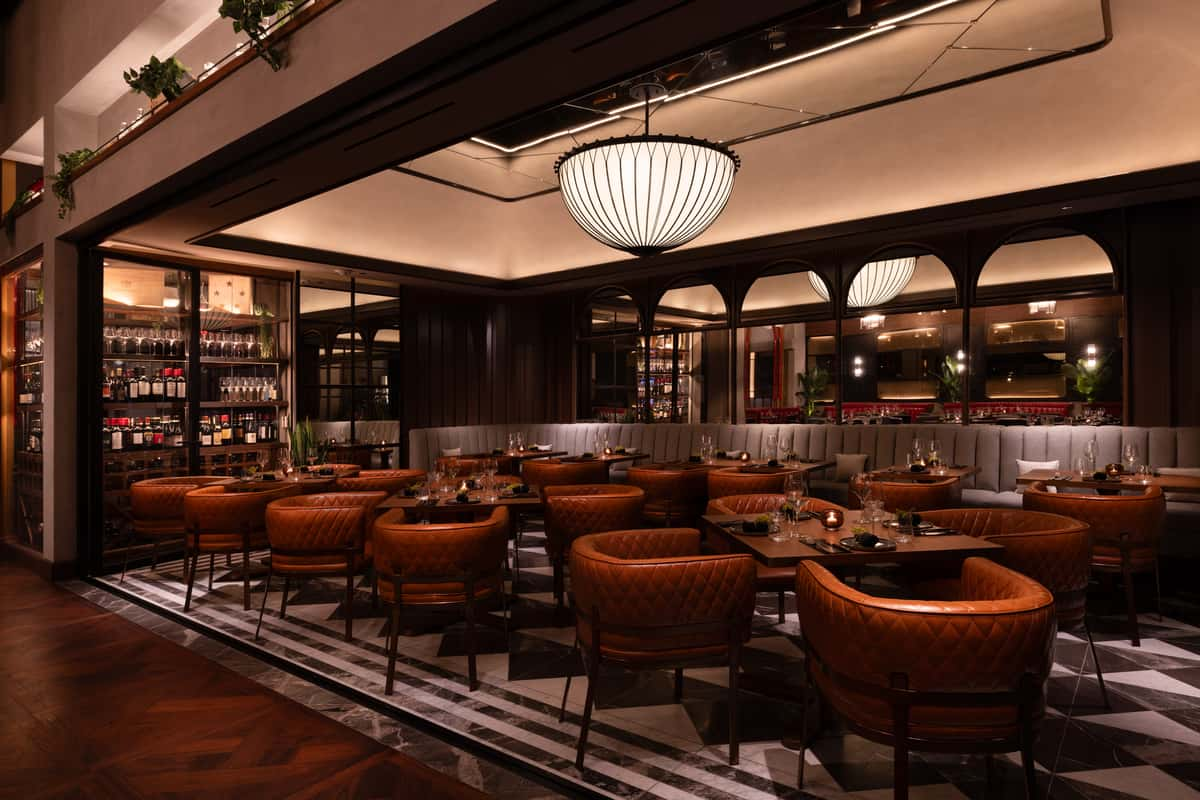
Ambiance and atmosphere play a central role in fine dining service by shaping a guest's emotional experience from the moment they enter. In a 2025 Forbes interview, restaurateur Michael Cecchi-Azzolina described the restaurant as "an experience beginning at the front door," with lighting, music, and the welcome shaping the outcome.
Several environmental factors work together to support this effect:
- Lighting sets the mood and directs focus toward the table and plate presentation
- Sound levels directly affect conversation quality; a peer-reviewed Acta Acustica study measured background noise of 46 to 48 dB in a student restaurant without diners, with levels reaching approximately 75 dB during busy lunchtime periods
- Music selection complements the cuisine's tone without competing with conversation
- Spatial design provides enough table separation that guests feel a sense of privacy
When these elements align, they fade into the background, allowing the food and service to take center stage. Understanding these service benchmarks helps frame what to expect at a restaurant built around such principles.
How Should You Approach Fine Dining Service Expectations With Stubborn Seed?
Stubborn Seed brings fine dining service expectations to life through Chef Jeremy Ford's tasting menu format and Michelin-recognized standards in Miami Beach. The following sections cover how the chef-curated experience elevates your visit and the key takeaways from this complete guide.
Can Stubborn Seed's Tasting Menu and Chef-Curated Experience Enhance Your Fine Dining Expectations?
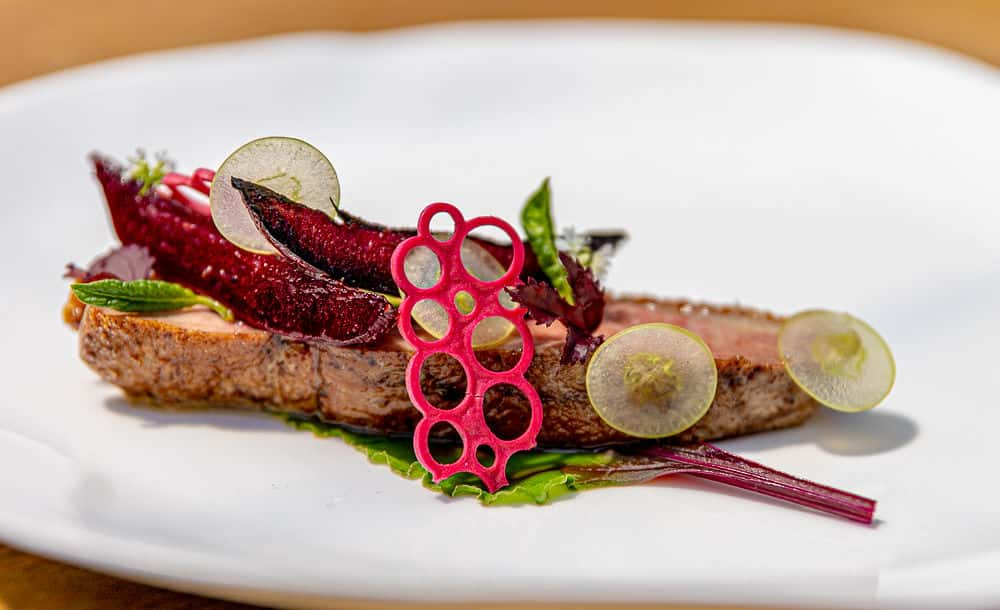
Stubborn Seed's tasting menu and chef-curated experience can enhance your fine dining expectations by combining structured multi-course progression with ingredient-driven creativity. Stubborn Seed offers a six-course tasting menu and a nine-course tasting menu, both guided by Executive Chef Jeremy Ford's focus on quality ingredients elevated into fresh, flavorful presentations. The restaurant's casual elegant dining style balances approachability with the precision expected at a Michelin-starred establishment. For guests who value consistency, attentive pacing, and culinary personality in every course, this format delivers the core pillars of fine dining without rigid formality. Communicating dietary needs or special occasions at the time of reservation helps the team prepare a seamless experience.
What Are the Key Takeaways About Fine Dining Service Expectations: Complete Guide We Covered?
The key takeaways about fine dining service expectations covered in this guide are:
- Fine dining separates itself from casual dining through dedicated meal courses, highly trained staff, elevated presentation, and deliberate ambiance.
- Service hierarchies, from the maître d' to the sommelier, coordinate every detail between reservation and departure.
- Guest etiquette, including smart-casual dress, phones away from the table, and appropriate tipping, directly shapes the dining experience.
- Tipping in the United States follows a standard guideline of 15% for satisfactory service, about 20% for great service, and 10% for poor service, according to UCLA's Dashew Center for International Students and Scholars.
- Michelin evaluates restaurants on five criteria: quality of ingredients, harmony of flavors, mastery of techniques, the chef's personality in the cuisine, and consistency.
- Seasonal sourcing and clear communication about dietary needs allow kitchens to deliver personalized, safe meals.
Stubborn Seed in Miami Beach applies these principles through Chef Jeremy Ford's tasting menus, Michelin-starred consistency, and a team built around attentive, guest-focused service.