
Fine Dining vs Casual Dining: Key Differences & Guide 2026
Fine Dining vs Casual Dining: Key Differences & Guide 2026
Fine dining and casual dining represent two distinct ends of the restaurant spectrum, differing in atmosphere, service philosophy, menu structure, price, and the overall experience they are designed to create. Understanding those differences helps diners choose the right setting for every occasion.
This guide covers atmosphere and service, menus and pricing, dress code and etiquette, reservations and wait times, occasion suitability, Las Vegas dining trends, and how to make the right choice for your next meal.
Fine dining and casual dining diverge first in their physical environments: fine dining uses deliberate sensory design, dimmer lighting, and white-tablecloth settings to slow the pace, while casual dining prioritizes comfort, accessibility, and higher table turnover.
Service follows the same divide. Fine dining operates at roughly one server per three to four tables, with formal French and Russian table service protocols and dedicated sommelier guidance. Casual dining runs leaner, with simpler table service and growing self-service kiosk adoption.
Menu philosophy and pricing reflect each tier's core identity. Fine dining menus are limited, seasonally sourced, and chef-curated;Las Vegas fine dining commands a significant premium per person, with celebrity chef concepts reaching the highest price tiers. Casual dining menus are broad, consistent year-round, and built for accessibility.
Dress codes, reservation requirements, and occasion fit round out the decision framework. Fine dining typically requires advance booking and smart-casual attire; casual dining welcomes walk-ins and informal dress. With 61% of Americans now treating dining out as a special occasion, knowing which format matches the moment has real value.
How Do Ambience and Atmosphere Compare Between Fine and Casual Dining?
Ambience and atmosphere differ significantly between fine and casual dining, spanning lighting, décor, noise levels, and overall sensory design. The sections below examine what defines each environment and how those differences shape the dining experience.
What Defines the Atmosphere of a Fine Dining Restaurant?
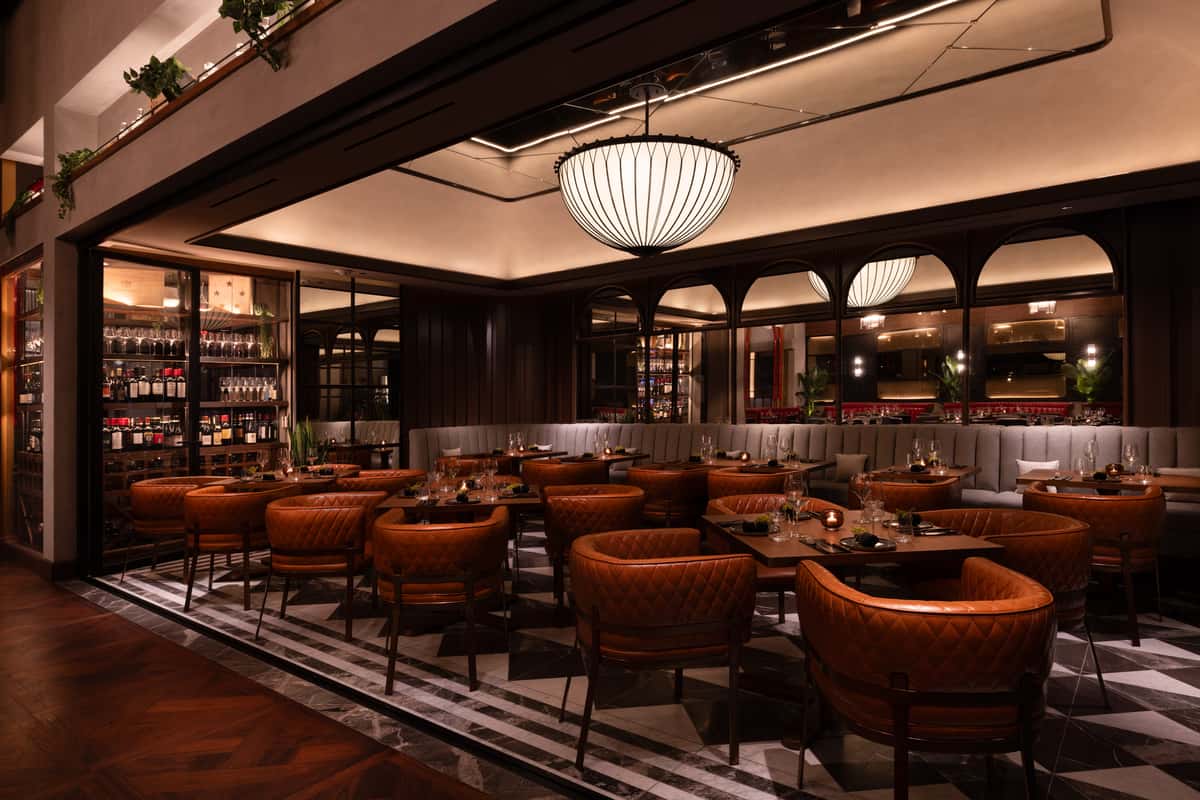
The atmosphere of a fine dining restaurant is defined by deliberate, multi-sensory design intended to slow the pace and elevate the experience. According to Friedman Hospitality Group, fine dining operators are more likely to use dimmer lighting specifically to help customers relax and consume meals at a slower pace.
Beyond lighting, the physical environment typically includes white-tablecloth settings, curated floral arrangements, and minimal ambient noise. These design choices align with the language used to describe the category: terms like "upscale dining," "white-tablecloth restaurants," "gastronomy," and "haute cuisine" all signal an environment built around intentionality and restraint.
In a market like Las Vegas, where travelers account for roughly 30% of restaurant sales, fine dining venues invest heavily in atmosphere to justify premium positioning and capture visitor spending.
How Does the Ambience of Casual Dining Differ?
The ambience of casual dining differs from fine dining in that it prioritizes comfort, accessibility, and a relaxed social atmosphere over formality or sensory precision. Casual dining spaces are typically brighter, louder, and designed for higher table turnover rather than extended, unhurried meals.
Associated terms reflect this contrast: "bistro," "brasserie," "fast casual," and "laid-back atmosphere" describe environments where guests feel at ease arriving without reservations, dressing informally, and dining at their own rhythm. Décor leans functional rather than curated, and the overall experience trades exclusivity for familiarity.
This distinction matters most when selecting a venue: atmosphere is not just aesthetic, it sets expectations for pace, price, and purpose before a single dish arrives.
In What Ways Do Service Styles Differ Between Fine Dining and Casual Dining?
Service styles differ between fine dining and casual dining in pace, formality, staff-to-guest ratios, and tableside technique. The sections below cover the formal service protocols at fine dining restaurants and the streamlined approach typical of casual dining establishments.
What Types of Service Can You Expect at Fine Dining Restaurants?
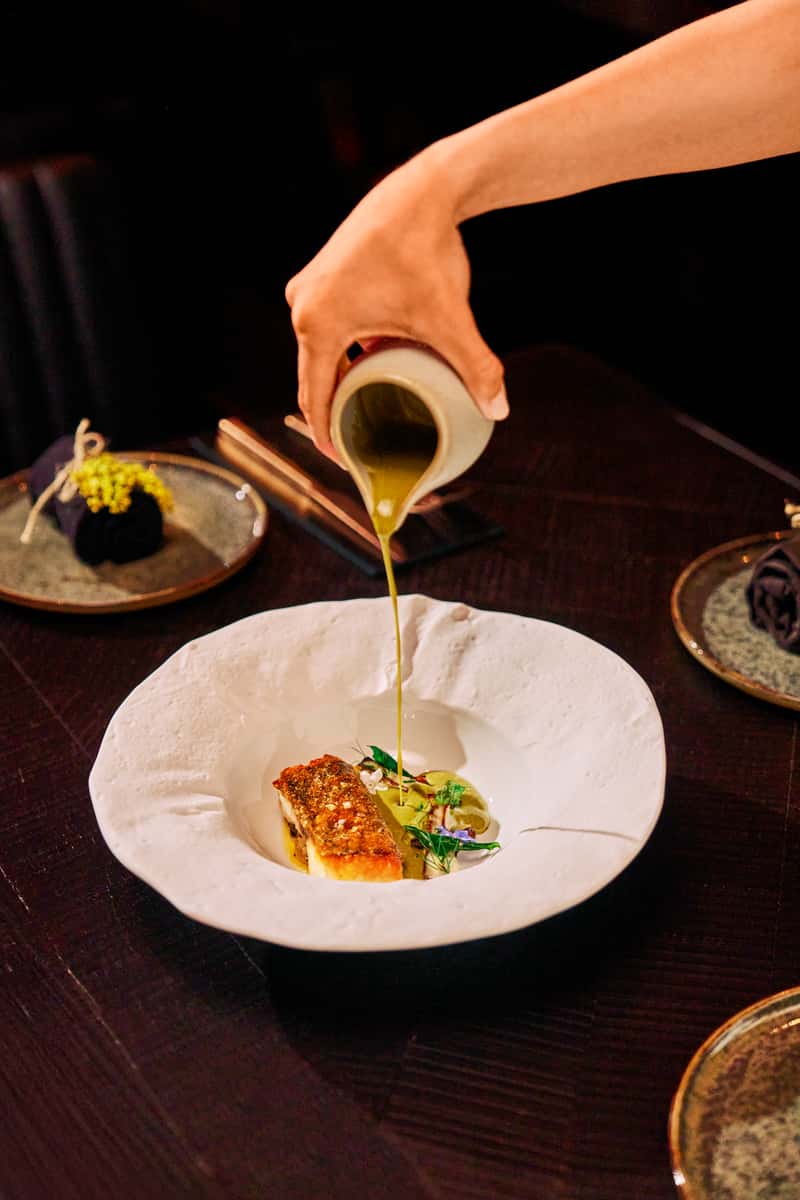
The types of service you can expect at fine dining restaurants include highly structured, choreographed approaches such as French and Russian table service. In French service, food is prepared tableside by the server; in Russian service, pre-portioned dishes are presented from platters directly to each guest. According to MDSW Manila, both are formal styles distinguished primarily by their technique rather than their level of attentiveness. Fine dining also employs sommeliers who curate wine lists, monitor consumption trends, and guide guests through selections to ensure an elevated experience. Per 7shifts, the industry standard is roughly one server per three to four tables per shift, a ratio that enables the unhurried, personalized attention that defines upscale dining.
How Is Service Typically Handled in Casual Dining Establishments?
Service in casual dining establishments is handled through a simpler, higher-volume model where one server covers many more tables than in fine dining. Guests generally order from a fixed menu at the table, food arrives plated from the kitchen, and interactions are friendly but efficient rather than ceremonial. There is no tableside preparation, no sommelier consultation, and no elaborate sequence of courses. Self-service technology is also reshaping casual dining: according to Hospitality Headline, 61% of diners now want more kiosk options, and order sizes increase 15 to 30% with kiosk use. The trade-off is speed and accessibility over ritual and personalization.
How Do Menus and Culinary Offerings Vary Between Fine Dining and Casual Dining?
Menu structures in fine dining and casual dining differ in scope, sourcing, and format. The sections below cover what characterizes fine dining menus and how casual dining menus are typically organized.
What Characterizes the Menu Selection in Fine Dining?
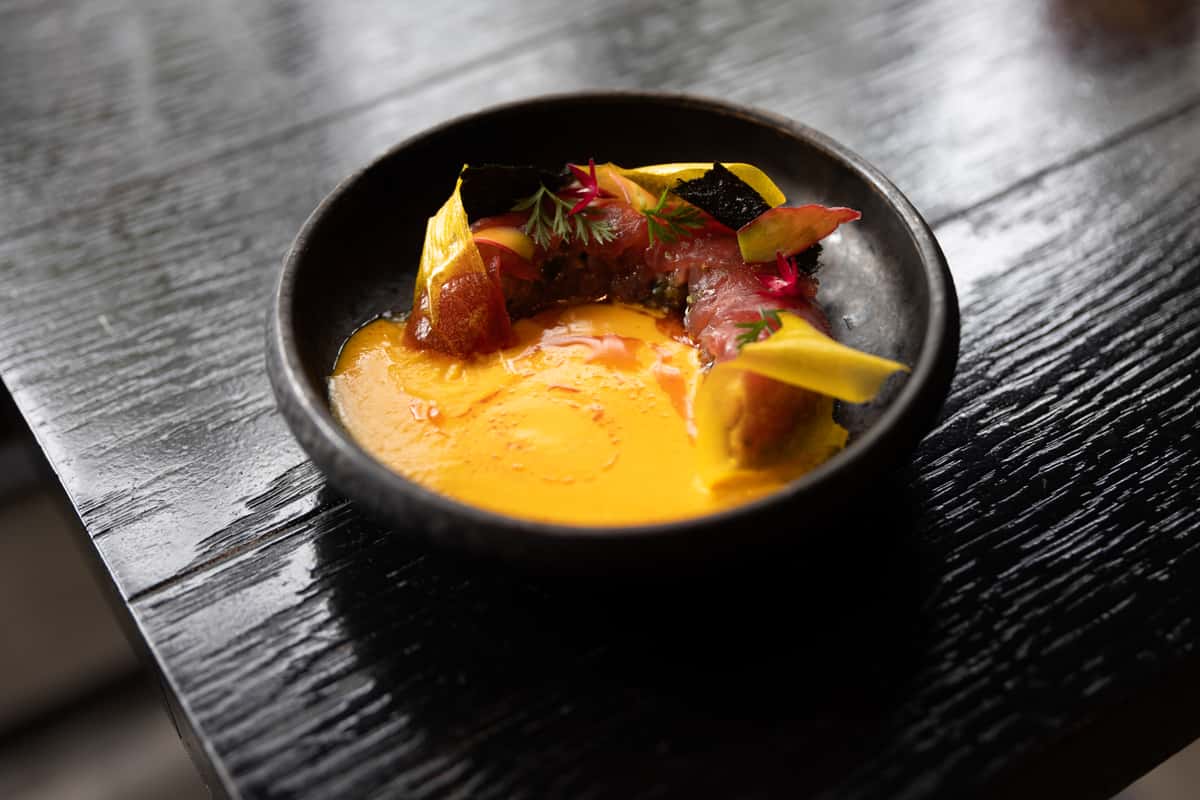
The menu selection in fine dining is defined by a limited number of courses, premium ingredients, and seasonal or locally sourced components. Fine dining menus typically follow a structured progression, such as tasting menus or prix fixe formats, where each course is intentional and chef-curated. Dishes emphasize technique, presentation, and provenance, with ingredients often sourced from nearby farms and producers. According to the National Restaurant Association's 2026 trend report, restaurant menus are increasingly focusing on comfort, health, and value, with local sourcing deepening community ties. In practice, fine dining kitchens use this philosophy to justify smaller, rotating menus rather than broad catalogs of options. This deliberate restraint is not a limitation but a commitment to quality over quantity, and it separates genuinely craft-driven kitchens from those simply charging premium prices.
How Are Casual Dining Menus Structured?
Casual dining menus are structured around broad selection, accessible price points, and familiar comfort-driven categories such as burgers, pasta, salads, and shareable appetizers. Unlike fine dining, casual menus are typically static rather than seasonal, offering consistent options year-round to serve diverse guest preferences efficiently. Portion sizes are generous, and dishes are designed for wide appeal rather than culinary exploration. The format prioritizes speed of decision-making and guest comfort, making it easy for large groups and families to find something suitable without navigating complex tasting progressions.
What Are the Typical Price Points and Value Propositions of Fine vs Casual Dining?
Price points between fine and casual dining differ significantly, shaped by staffing, ingredients, and the overall experience delivered. The sections below cover how pricing structures are built and whether fine dining justifies its premium cost.
How Do Pricing Structures Differ Between the Two?
Pricing structures differ between fine and casual dining based on labor intensity, ingredient quality, and service standards. Fine dining in Las Vegas typically starts at a significantly higher price point per person than casual dining, with celebrity chef concepts commanding a substantial premium. Casual dining sits at a lower tier, with concepts like Chili's now competing closer to fast-food price levels while maintaining full-service experiences. This "tiered value" positioning gives casual dining a distinct market advantage for budget-conscious diners.
Is Fine Dining Worth the Cost Compared to Casual Dining Experiences?
Fine dining is worth the cost for diners who value a curated, high-attention experience. According to a 2025 Bank of America restaurant industry report, casual dining raised prices 2% to 3% while fast food rose 4%, narrowing the perceived gap between tiers. Fine dining counters this with an industry staffing standard of one server per three to four tables, compared to significantly higher ratios in casual settings. A 2026 OpenTable survey found that 61% of Americans now view dining out as a special occasion, actively seeking experiences that feel "worth it." For that mindset, fine dining consistently delivers greater perceived value.
What Are the Expectations for Dress Code and Etiquette in Fine and Casual Dining?
Dress code and etiquette expectations differ significantly between fine and casual dining. The sections below cover what to wear at upscale establishments and how behavioral norms vary across both dining styles.
What Dress Code Is Expected at Fine Dining Establishments?
The dress code expected at fine dining establishments is typically formal or smart-casual attire, such as blazers, dress shirts, cocktail dresses, and closed-toe shoes. Most upscale restaurants discourage athletic wear, shorts, or flip-flops. According to The Robin Report, restaurant owners argue that dress codes are a tool to create an elevated dining experience, though consumer response remains mixed, as some groups view them as discriminatory. In practice, enforcing a clear dress code signals the tone guests can expect before they walk through the door.
Are There Etiquette Differences Between the Dining Styles?
The etiquette differences between fine and casual dining are substantial, spanning noise levels, phone use, pacing, and table conduct. Fine dining expects quieter conversation, deliberate pacing through each course, and minimal phone activity. Casual dining is far more relaxed, welcoming louder conversation, informal table manners, and flexible seating norms. Understanding these unspoken rules helps diners feel comfortable and show respect for the experience they have chosen.
How Are Reservations and Wait Times Managed in Fine Versus Casual Dining?
Reservations and wait times are managed very differently between fine and casual dining. Fine dining typically requires advance booking, while casual dining restaurants generally welcome walk-ins. The sections below cover reservation expectations and walk-in procedures for each style.
Are Reservations Required for Fine Dining?
Reservations are required, or strongly recommended, for most fine dining restaurants. Because fine dining venues operate with low table-to-server ratios and carefully paced service, seating capacity is limited and each table is allocated a generous time window. Booking in advance protects the kitchen's ability to prepare ingredient-forward, multi-course menus with precision. According to Intel Market Research, the global restaurant reservation software market was valued at USD 79.90 million in 2025 and is projected to reach USD 116 million by 2034, reflecting how central booking technology has become to upscale hospitality. For fine dining venues like Stubborn Seed Las Vegas at Resorts World, reservations are made directly through the restaurant's website. Arriving without a booking at a fine dining establishment risks long waits or no availability at all, making advance planning essential.
How Do Walk-Ins Work in Casual Dining Restaurants?
Walk-ins are the standard in casual dining restaurants, with most guests arriving without a reservation. Hosts typically manage demand through waitlists, digital queue systems, or text-based notifications. OpenTable's "Notify Me" waitlist tool increased usage by 84% year-over-year in 2025, signaling that even casual diners increasingly expect flexible, tech-enabled wait management. Bar seating and high-tops are commonly held for walk-in guests specifically, reducing frustration during peak hours. Wait times at casual venues vary widely depending on location, day, and party size, but the overall experience prioritizes accessibility over exclusivity.
Which Dining Style Is Better for Special Occasions in Las Vegas?
The better dining style for special occasions in Las Vegas depends on the event type, group size, and desired experience. Fine dining suits milestone celebrations requiring formality and exclusivity, while casual venues accommodate larger, more relaxed group gatherings.
When Should You Choose Fine Dining for a Celebration?
Fine dining is the right choice for a celebration when the occasion calls for an intimate, elevated experience, such as anniversaries, milestone birthdays, or proposal dinners. These settings offer personalized service, curated multi-course menus, and a sense of occasion that casual restaurants rarely replicate. According to a 2026 OpenTable report, 61% of Americans now view dining out as a special occasion rather than an everyday activity, actively seeking experiences that feel "worth it." In Las Vegas, where expectations run high, fine dining delivers on atmosphere, craft, and exclusivity in ways that directly match that consumer mindset. For high-stakes celebrations, the investment in fine dining is almost always justified.
Are Casual Dining Venues Suitable for Group Events?
Casual dining venues are suitable for group events when flexibility, affordability, and a relaxed atmosphere matter more than formality. Larger parties often find casual restaurants easier to book, more accommodating of varied dietary needs, and less rigid in structure. A 2025 OpenTable report found that group dining increased 11% year-over-year, with 40% of Americans preferring to eat with a group rather than solo in 2026, reflecting strong demand for social dining environments. Casual venues meet this need effectively. That said, for groups celebrating a true milestone, a fine dining venue with private dining arrangements typically creates a more cohesive and memorable experience.
How Do Las Vegas Trends Influence the Experience of Fine and Casual Dining?
Las Vegas dining trends influence both fine and casual dining through high visitor spending expectations, celebrity chef culture, and an evolving local food scene. The sections below cover the unique features of Las Vegas fine dining spots and how local dining culture shapes casual dining.
What Unique Features Do Las Vegas Fine Dining Spots Offer?
The unique features of Las Vegas fine dining spots include celebrity chef-driven menus, theatrical presentation, and sommelier-guided experiences. Modern sommeliers have assumed a holistic role that includes curating wine lists, monitoring consumption trends, and assisting guests with selections, according to a 2026 study published in Taylor and Francis. This level of personalized service, combined with a concentration of Michelin-caliber restaurants on the Strip, makes Las Vegas fine dining distinctly immersive. Few dining markets in the world compress so many flagship concepts into a single corridor, which raises the competitive standard across every table.
How Does the Local Dining Culture Affect Casual Dining in Las Vegas?
Las Vegas local dining culture affects casual dining by blending tourist-driven demand with resident expectations for value and variety. Despite a 7.5% drop in visitor volume in 2025, the LVCVA's annual visitor profile found that those who did visit Las Vegas spent more per person than in prior years, according to KSNV News 3. This shift pushes even casual venues to deliver elevated experiences rather than competing on price alone. For casual dining operators in Las Vegas, matching the energy and quality expectations set by the city's fine dining scene is no longer optional.
How Should You Choose Between Fine Dining and Casual Dining for Your Next Meal?
Choosing between fine dining and casual dining depends on your occasion, budget, and what kind of experience you want. The sections below cover the key decision factors and practical ways to match the right restaurant to your moment.
What Factors Should Guide Your Dining Choice in 2026?
The factors that should guide your dining choice in 2026 include your occasion, group size, budget, and desired pace. Fine dining suits milestone celebrations, romantic evenings, and business meals where atmosphere and attentiveness matter most. Casual dining fits spontaneous outings, family meals, and situations where comfort and speed take priority over ceremony.
Ambience plays a measurable role in this decision. Fine dining restaurants use dimmer lighting to help guests relax and move through their meal more slowly, according to the Friedman Hospitality Group, making the setting itself part of the value proposition. For diners who want to linger and savor, that environment is genuinely worth seeking out.
In 2026, 79% of millennials also identify a restaurant's social media worthiness as an important factor when deciding where to dine, according to OpenTable, so visual impact and shareability have become legitimate criteria alongside food and service.
How Can Diners Identify the Right Restaurant for Their Occasion?
Diners can identify the right restaurant for their occasion by matching the venue's format to the purpose of the meal. Consider these practical filters:
- Occasion type: Anniversaries, proposals, and milestone birthdays call for fine dining; weeknight dinners and casual catch-ups suit relaxed environments.
- Budget alignment: Confirm price ranges before booking so the experience meets expectations without surprise.
- Reservation requirements: Fine dining venues typically require advance reservations; casual restaurants often accommodate walk-ins.
- Dress code comfort: Review the restaurant's dress policy to ensure your group is prepared.
- Group dynamics: Larger, mixed groups often feel more comfortable in casual settings with flexible seating and broader menus.
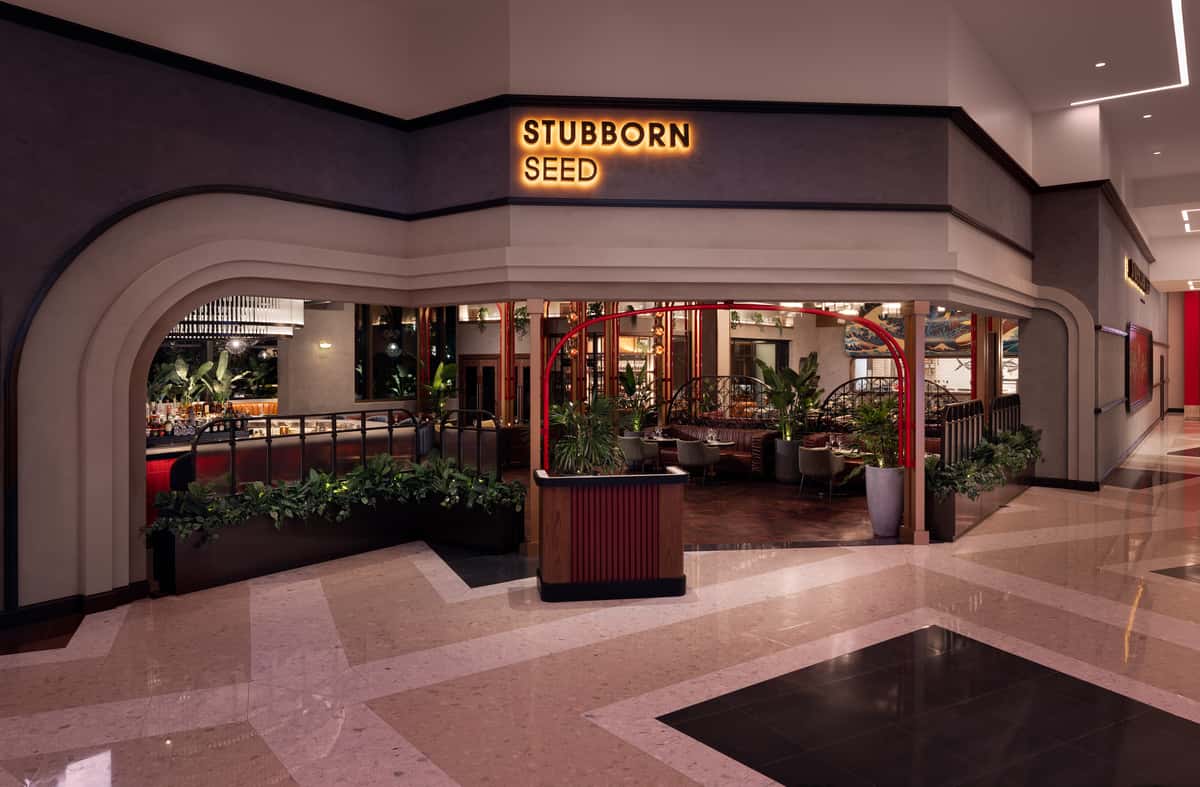
Stubborn Seed Las Vegas, Chef Jeremy Ford's Michelin-starred concept at Resorts World, offers tasting menu formats that make the decision straightforward for guests seeking a structured, elevated experience on the Strip.
How Does Stubborn Seed in Las Vegas Elevate the Fine Dining Experience?
Stubborn Seed in Las Vegas elevates the fine dining experience by combining a chef-driven tasting menu format with a seasonally focused culinary philosophy at Resorts World on the Strip. The sections below cover the tasting menu experience and key article takeaways.
Can Stubborn Seed's Tasting Menu Deliver a Memorable Culinary Experience Compared to Traditional Fine Dining?
Stubborn Seed Las Vegas's tasting menu can deliver a memorable culinary experience, offering guests a structured multi-course journey guided by Chef Jeremy Ford, winner of Bravo's Top Chef Season 13. Ford opened Stubborn Seed Las Vegas at Resorts World, bringing his acclaimed Miami concept to the Strip. In 2026, the National Restaurant Association identified comfort, health, and value as the defining menu priorities, with local sourcing deepening community ties through ingredients from nearby farms and producers. Stubborn Seed's tasting menu format naturally aligns with this shift: each course reflects intentional sourcing and technique rather than the broad, crowd-pleasing selections typical of casual dining. For diners seeking an experience beyond a standard meal, this format represents one of the most compelling arguments for choosing fine dining over casual alternatives.
What Are the Key Takeaways About Fine Dining vs Casual Dining: Key Differences & Guide We Covered?
The key takeaways from this guide are the defining contrasts that help diners make confident, occasion-appropriate choices in 2026. The most actionable lessons from this article include:
- Atmosphere shapes pace: Fine dining uses intentional design, including lighting and table spacing, to slow the meal and deepen the experience.
- Service ratios signal intent: Attentive, knowledge-led service is the standard in fine dining, not an upgrade.
- Menus reflect philosophy: Fine dining menus prioritize seasonal sourcing and culinary craftsmanship over broad accessibility.
- Occasion drives value: With 61% of Americans treating dining out as a special occasion in 2026, fine dining delivers the "worth it" experience that justifies the investment.
- Las Vegas raises the stakes: The Strip's concentration of celebrity chef concepts, including Stubborn Seed, sets a high benchmark for what elevated dining can be.
Stubborn Seed Las Vegas stands as a clear example of how fine dining in 2026 earns its place: through craft, intention, and an experience that casual dining simply cannot replicate.