
How Did Fine Dining Develop?
How Did Fine Dining Develop?
Fine dining is a high-end, full-service culinary experience rooted in centuries of aristocratic tradition, systematic French technique, and cross-cultural exchange. It encompasses everything from the structured Roman banquet to the modern multi-course tasting menu.
This guide covers fine dining's historical origins, its global expansion, the hallmarks that define it today, its transformation in Las Vegas, and how restaurants like Stubborn Seed embody its ongoing development.
Early European dining established the structural and philosophical foundations of fine dining. Roman convivium banquets introduced a three-course meal format, medieval feasts elevated spiced, processed dishes into an art form, and the French Revolution democratized elite culinary technique by pushing displaced chefs into public restaurants for the first time. French masters like Carême and Escoffier then codified mother sauces and the brigade kitchen system, creating exportable standards that still govern professional kitchens worldwide.
Fine dining spread globally through American institutions like Delmonico's, which opened in New York City in 1827, and through the influence of Japanese Kaiseki, which introduced seasonal restraint and visual precision that merged with French technique to shape the tasting menu format we recognize today.
Modern fine dining is defined by formal service, Michelin-recognized quality, and tasting menus built around seasonal sourcing. The extended multi-course format traces its philosophical roots to Ferran Adrià's El Bulli, where structured progression became the primary language of culinary intent.
Las Vegas underwent a dramatic shift in 1992 when Wolfgang Puck opened Spago at Caesars Palace, converting a buffet-driven market into a destination for chef-driven, experiential dining. That opening created the conditions for restaurants like Stubborn Seed to bring Michelin-caliber technique to the city today.
What Are the Historical Origins of Fine Dining?
Fine dining's historical origins trace back to ancient structured banquets, medieval spiced feasts, and the public restaurants that emerged after the French Revolution. The sections below cover how early European traditions and French culinary masters shaped the experience we recognize today.
How Did Early European Dining Traditions Shape Fine Dining?
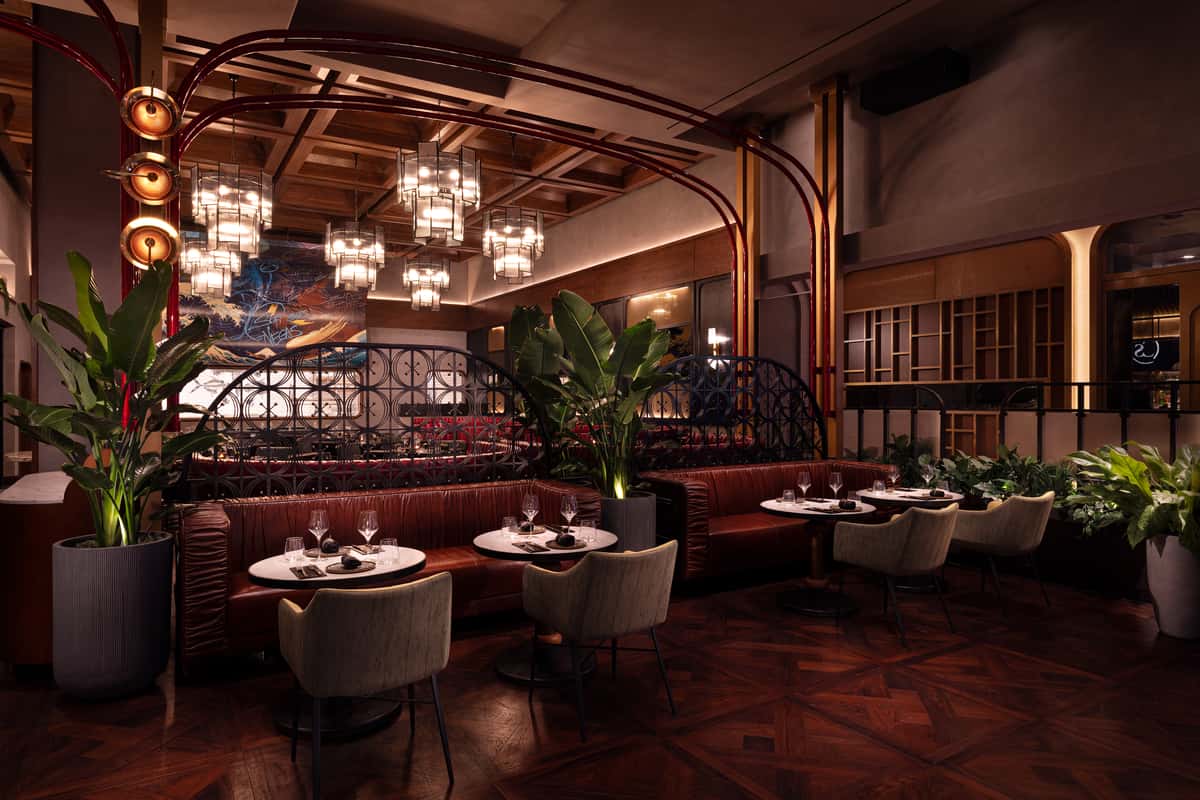
Early European dining traditions shaped fine dining by establishing structured meal formats, elaborate service styles, and a culture of hospitality centered on artistry and hierarchy. Roman elite banquets, known as convivium, organized meals into three distinct courses: the gustatio, mensae primae, and mensae secundae. Medieval high-end gastronomy advanced this further, characterized by complex, spiced sauces applied to heavily processed meats, according to research by Paul Freedman of Yale University. The pivotal shift came in 18th-century Paris, where public restaurants emerged after the French Revolution democratized access to elite culinary techniques. Fine dining, often used interchangeably with "haute cuisine," is characterized by high-end full-service experiences featuring formal service, white tablecloths, and a quiet atmosphere. Service à la russe, the sequential course delivery model still used today, was developed in 19th-century France by adapting traditional Russian table service to French gastronomic principles.
What Role Did French Cuisine and Chefs Play in Fine Dining's Evolution?
French cuisine and chefs played a foundational role in fine dining's evolution by systematizing technique, kitchen organization, and culinary philosophy into exportable standards. The French Revolution of 1789 collapsed aristocratic kitchens, and displaced chefs opened restaurants to the public for the first time, according to the Library of Congress. Marie-Antoine Carême codified the four original mother sauces: Béchamel, Velouté, Espagnole, and Allemande, forming the systematic basis of French haute cuisine. Auguste Escoffier later organized kitchen and wait staffs into a hierarchical brigade system, improving both efficiency and hygiene across professional kitchens. Established in 1954, the Relais & Châteaux Association now unites independent innkeepers and chefs worldwide under a shared philosophy of hospitality and cuisine, a direct legacy of French fine dining values. French culinary influence remains the structural backbone from which virtually every fine dining tradition worldwide still draws.
How Did Fine Dining Expand Globally?
Fine dining expanded globally by spreading European culinary traditions to new markets, with American institutions and diverse cultural practices each shaping the experience. The sections below cover fine dining's arrival in the United States and the cross-cultural influences that shaped its modern form.
When Did Fine Dining Reach the United States?
Fine dining reached the United States in the early 19th century, anchored by Delmonico's, which opened in New York City in 1827 as a small pastry shop before evolving into America's first true fine-dining restaurant. According to New York City Tourism records, Delmonico's set new standards for formal service and cuisine that influenced generations of American restaurateurs.
Recognition systems reinforced this growth over time. The James Beard Awards, established in 1990, formalized culinary excellence in the United States, with winners consistently gaining significant increases in business and national visibility.
How Have Different Cultures Influenced Fine Dining Practices?
Different cultures have influenced fine dining practices by contributing distinct philosophies of hospitality, plating, and service that now appear across global restaurant menus. Japanese Kaiseki, rooted in the aesthetics of the tea ceremony, introduced principles of seasonal restraint, visual precision, and course sequencing that complemented the French brigade model already prevalent in Western kitchens. These traditions did not simply coexist; they merged, producing hybrid approaches to tasting menus and ingredient sourcing that define contemporary fine dining. The cross-cultural exchange between European technique and Asian philosophy represents one of the most significant forces shaping how upscale restaurants operate today.
What Defines Fine Dining in the Modern Era?
Fine dining in the modern era is defined by a combination of formal service, sensory storytelling, and ingredient-driven menus. The hallmarks and tasting menu formats that shape today's upscale restaurants are covered in the sections below.
What Are the Hallmarks of a Fine Dining Experience Today?
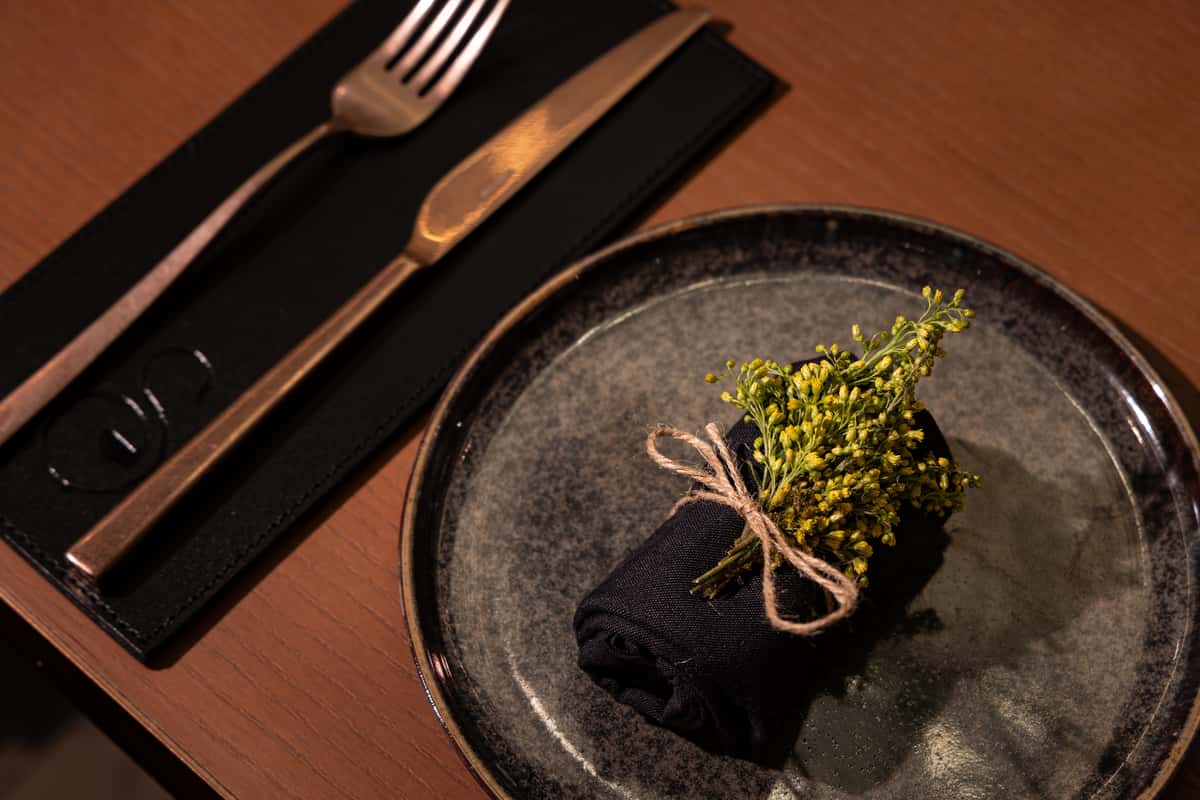
The hallmarks of a fine dining experience today include formal service, a quiet atmosphere, white tablecloths, and meticulous attention to culinary craft. According to Black Box Intelligence, fine dining is characterized by high-end full-service experiences featuring attentive formal service and a refined ambiance, often used interchangeably with the term "haute cuisine."
Beyond the physical setting, modern fine dining integrates Michelin star recognition as a measurable quality signal. Research published in ScienceDirect confirms that Michelin-starred status improves profitability by enhancing social, hedonic, and service quality values for patrons, regardless of cost management strategies. This suggests that the award functions as a trust marker, not merely a marketing credential.
In practice, the most compelling fine dining environments combine technical precision with genuine hospitality, making service design as important as the food itself.
How Have Tasting Menus and Seasonal Ingredients Become Central to Fine Dining?
Tasting menus and seasonal ingredients have become central to fine dining because they allow chefs to control narrative, showcase sourcing, and express culinary identity across a structured progression of courses. The long tasting menu format has clear historical roots: according to The Best Chef Awards, the extended tasting menu structure associated with Ferran Adrià's El Bulli originated from Spanish tapas culture and the tradition of moving between bars.
Seasonal ingredients reinforce this format by anchoring each course to a specific time and place, giving guests a dining experience that cannot be replicated outside that moment. Chef Jeremy Ford of Stubborn Seed has stated that the restaurant's name reflects a commitment to never settling for less, striving for the best quality and most seasonal ingredients available.
This combination of structured courses and seasonal sourcing is now the defining language of contemporary fine dining.
How Has Fine Dining Evolved in Las Vegas?
Las Vegas evolved from a buffet-centric dining culture into one of the world's premier fine dining destinations, driven by strategic resort investment and the arrival of globally recognized chefs. The sections below examine why Las Vegas became an upscale dining hub and how celebrity chefs accelerated that transformation.
Why Did Las Vegas Become a Hub for Upscale Restaurants?
Las Vegas became a hub for upscale restaurants when resort operators recognized that destination dining could rival gambling as a revenue driver. The 1992 opening of Spago by Wolfgang Puck at the Forum Shops at Caesars Palace is recognized by researchers as the catalyst that shifted the city's dining identity from value-driven buffets to experiential fine dining. Before Spago, food was largely treated as a loss-leader amenity to keep guests on the casino floor. That single opening demonstrated that Las Vegas visitors would pay a premium for a world-class meal, prompting resorts to recruit internationally acclaimed chefs and invest heavily in restaurant design and hospitality infrastructure.
What Impact Have Celebrity Chefs Had on Fine Dining in Las Vegas?
The impact celebrity chefs have had on fine dining in Las Vegas is transformative, converting the city into a proving ground for ambitious culinary concepts. Wolfgang Puck's early success signaled to other high-profile chefs that the Las Vegas market could support sophisticated, chef-driven restaurants. His own admission captures the initial uncertainty: Puck recalled that he "used to have to drink to go to sleep" during Spago's early weeks because he feared the venture was a mistake. That risk paid off and opened the door for a wave of Michelin-caliber talent. Today, Stubborn Seed Las Vegas brings that same chef-driven standard to the city, continuing the legacy Puck established.
How Do Upscale Restaurants Like Stubborn Seed Reflect Fine Dining's Development?
Upscale restaurants like Stubborn Seed reflect fine dining's development by translating centuries of culinary evolution into contemporary experiences. The sections below examine how Stubborn Seed's tasting menu format embodies modern fine dining and distill the key lessons from fine dining's full historical arc.
How Does Stubborn Seed's Multi-Course Tasting Menu Embody Contemporary Fine Dining?
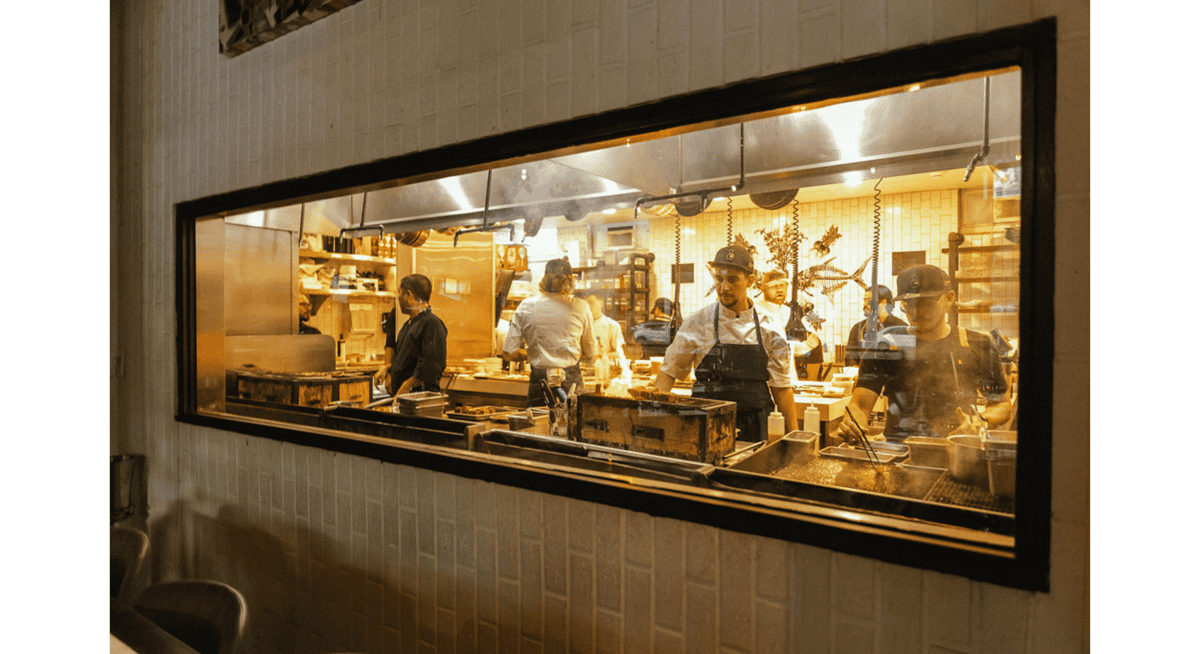
Stubborn Seed's multi-course tasting menu embodies contemporary fine dining by channeling the same progressive, course-by-course philosophy that shaped the genre's evolution. The long tasting menu structure traces its roots to Ferran Adrià's El Bulli, which itself drew inspiration from Spanish tapas culture and the tradition of moving between bars. Stubborn Seed offers both a 6-course and a 9-course tasting menu, reflecting the modern preference for curated, sequenced dining over à la carte ordering. Chef Jeremy Ford's commitment to sourcing the most seasonal ingredients at every stage reinforces a principle that has defined serious fine dining since Escoffier's era: that restraint and precision, course by course, communicate a kitchen's full intent.
What Are the Key Takeaways About How Did Fine Dining Develop?
The key takeaways about how fine dining developed are that it evolved through overlapping forces: aristocratic ritual, culinary codification, democratic access, and global cross-pollination. From Roman convivium structure to French brigade kitchens, from Delmonico's opening American dining to Las Vegas emerging as an experiential culinary destination, each era added a distinct layer. Today, restaurants like Stubborn Seed synthesize those layers, pairing Michelin-recognized technique with ingredient-driven philosophy. The clearest lesson is that fine dining advances when chefs refuse to settle, precisely the stubborn pursuit of quality that remains the genre's most enduring trait.