
How Do Tasting Menus Compare to Classic Luxury Dining on the Las Vegas Strip?
How Do Tasting Menus Compare to Classic Luxury Dining on the Las Vegas Strip?
If you're exploring the pinnacle of Las Vegas dining, you're likely weighing the merits of elaborate tasting menus against time-honored classic luxury establishments. We understand this decision can feel overwhelming given the Strip's vast array of world-class options and significant price points. Let us guide you through everything you need to know to make the perfect choice for your special occasion.
Tasting menus and classic luxury dining on the Las Vegas Strip represent two distinct approaches to high-end culinary experiences, each offering unique advantages for discerning diners. Tasting menus deliver curated multi-course journeys showcasing chef creativity and seasonal ingredients, typically ranging from $75 to $485 per person with experiences lasting 2-4 hours. Classic luxury dining provides flexible à la carte options with signature dishes and refined ambiance, averaging $110-$250 per person with traditional service formats. Both styles have evolved significantly from 2019-2024, with tasting menus gaining popularity through chef-driven concepts while classic venues maintain their appeal through timeless elegance and tableside presentations.
TL;DR Summary: The Las Vegas Strip offers two premier dining experiences - tasting menus feature 6-16 course chef-driven journeys ($75-$485) emphasizing creativity and seasonal ingredients, while classic luxury venues provide à la carte flexibility ($110-$250) with signature dishes and refined service. Tasting menu structures vary from Stubborn Seed's accessible 6-course option ($160) to Joël Robuchon's elaborate 16-course experience ($485), with most meals lasting 2-4 hours. Classic luxury hallmarks include tableside service, signature preparations, and flexible ordering, though average checks rival tasting menu prices at top venues. Rising operational costs (51.9% increase 2021-2024) affect both formats, with wine pairings adding $188-$300 to tasting experiences. Chef influence drives innovation in both styles, with celebrity affiliations impacting pricing and seasonal sourcing becoming central to menu development. Reservations require 30-60 days advance booking for peak times, with some tasting venues offering limited seatings nightly. When choosing between formats, consider occasion duration, group dietary needs, and whether you prefer curated progression or à la carte flexibility. Stubborn Seed exemplifies the modern approach with multiple tasting lengths (6/8/10 courses) at accessible price points, making chef-driven experiences available to broader audiences.
Quick Tip: Book your fine dining reservation at least 30 days in advance for weeknight dining or 60 days for weekend slots - this applies to both tasting menu venues and classic luxury restaurants on the Strip.
As we explore these two distinctive dining philosophies, you'll discover how each format caters to different preferences, occasions, and expectations. Whether you're drawn to the theatrical progression of a tasting menu or the refined familiarity of classic luxury service, understanding these differences will ensure your Las Vegas dining experience exceeds expectations.
What Defines a Tasting Menu Experience on the Las Vegas Strip?
A tasting menu experience on the Las Vegas Strip offers diners a structured, chef-curated journey through multiple courses designed to showcase culinary creativity and seasonal ingredients. These multi-course formats range from accessible 6-course options to elaborate 16-course degustations, emphasizing experiential dining over traditional à la carte selections.
Tasting menus attract guests seeking immersive culinary experiences where chefs control the narrative through carefully sequenced dishes. The format allows restaurants to highlight seasonal ingredients, innovative techniques, and signature preparations while creating memorable dining events that typically span 2-4 hours.
How Are Tasting Menus Structured at Top Las Vegas Restaurants?
Tasting menus on the Strip structure themselves around course counts ranging from 6 to 16 dishes, with pricing that reflects both ingredient quality and restaurant positioning. Stubborn Seed at Resorts World leads accessible options with 6-, 8-, or 10-course menus, making chef-driven experiences attainable for broader audiences.
Premium tasting experiences include Joël Robuchon's 16-course degustation at $485 per person and Guy Savoy's 6-course menu at $420. Mid-tier options feature Le Cirque's 8-course format at $425 and Bazaar Meat's 12-16 course selections at $195-$275. Off-Strip venues like Raku offer 10-15 course seasonal kaiseki at $120-$150, while Anima by EDO provides 8 courses at $75.
Duration varies significantly by format—standard multi-course meals typically last 2-3 hours, while extensive degustations can extend to 4 hours or more. For flexible timing, Stubborn Seed's multiple menu lengths accommodate different schedules and budgets.
What Unique Flavors and Courses Are Typically Featured in Tasting Menus?
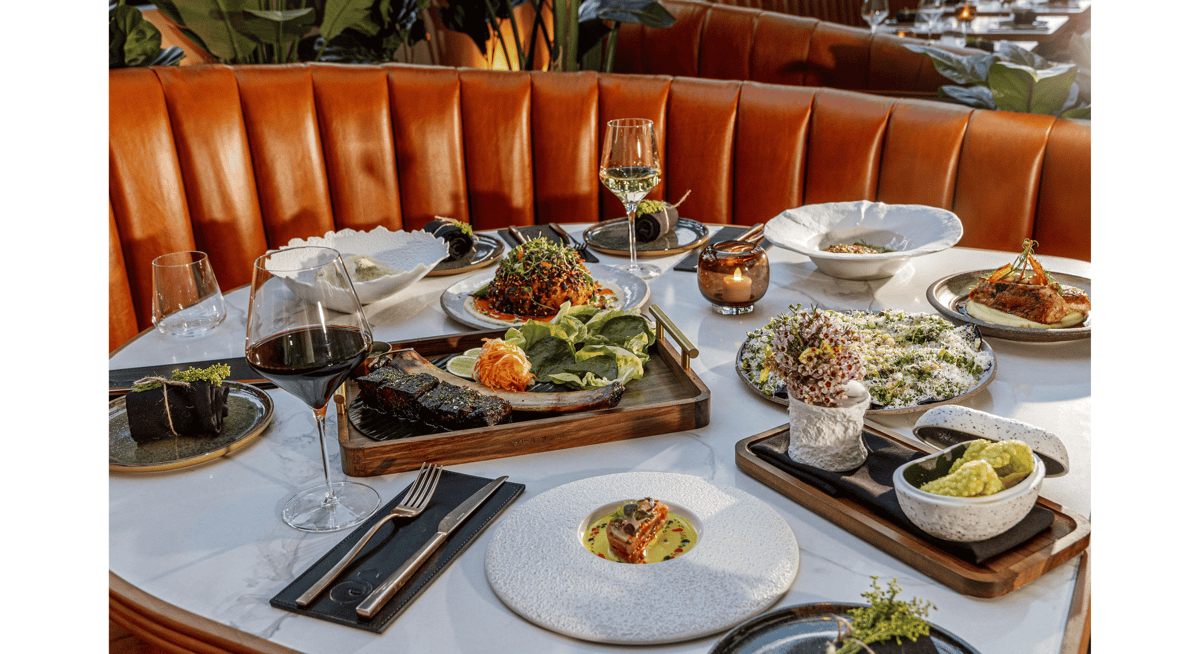
Tasting menus on the Strip emphasize ingredient-driven and chef-driven approaches that showcase seasonal creativity and unique flavor combinations. Stubborn Seed exemplifies this ingredient-focused philosophy through menus that highlight seasonal produce and innovative preparations crafted by Top Chef winner Stephanie Izard.
Seasonal kaiseki at Raku demonstrates how traditional techniques adapt to local ingredients, while specialty-course formats like Wing Lei's 5-course Peking duck tasting showcase regionally signature preparations. These menus typically feature progressive flavor profiles that build complexity throughout the dining experience, often incorporating both familiar and unexpected ingredient pairings.
The chef-driven nature allows for creative presentations that might include molecular gastronomy techniques, unique protein preparations, and artistic plating that transforms dining into culinary theater.
Which Types of Diners Prefer Tasting Menus?
Tasting menus attract guests seeking creative, multi-course experiences that prioritize culinary discovery over familiar dining patterns. The rise of experiential, chef-driven dining has positioned these formats to appeal to food enthusiasts, special occasion diners, and culinary tourists exploring Las Vegas's dining scene.
Lower-priced options like Stubborn Seed's make these experiences accessible to younger diners and those new to tasting menu formats. This pricing accessibility expands the audience beyond traditional fine dining guests to include adventurous eaters seeking chef-curated experiences without premium price points.
Tasting menu diners typically value culinary education, seasonal ingredients, and the surprise element of unknown courses. They often seek Instagram-worthy presentations and stories they can share about unique flavor combinations and cooking techniques discovered during their meal.
These diners generally prefer smaller restaurants and intimate settings where they can interact with kitchen staff and observe preparation techniques. Experience Stubborn Seed's approachable tasting menu format to discover why chef-driven dining continues attracting diverse Las Vegas visitors.
What Are the Hallmarks of Classic Luxury Dining on the Las Vegas Strip?
Classic luxury dining on the Las Vegas Strip emphasizes refined service, sophisticated ambiance, and premium ingredients through established fine dining traditions. These venues prioritize tableside presentations, à la carte flexibility, and elevated atmosphere over experimental multi-course formats.
What Signature Dishes and Service Elements Exemplify Classic Luxury Dining?
Classic luxury venues feature à la carte menus alongside premium signature preparations and tableside service elements. There are many service approaches in luxury dining, such as tableside Caesar salads, flambéed desserts, carved prime rib, and sommelier wine presentations. Nobu at Caesars Palace offers omakase alongside à la carte options, allowing guests flexibility in their dining experience.
Tableside service has become an increasingly prominent presentation element in Las Vegas fine dining. This approach creates theater and personal attention that distinguishes classic luxury from casual dining formats.
These service elements establish the foundation for understanding how ambiance and atmosphere further differentiate classic luxury venues.
How Do Ambiance and Atmosphere Differ in Classic Luxury Venues?
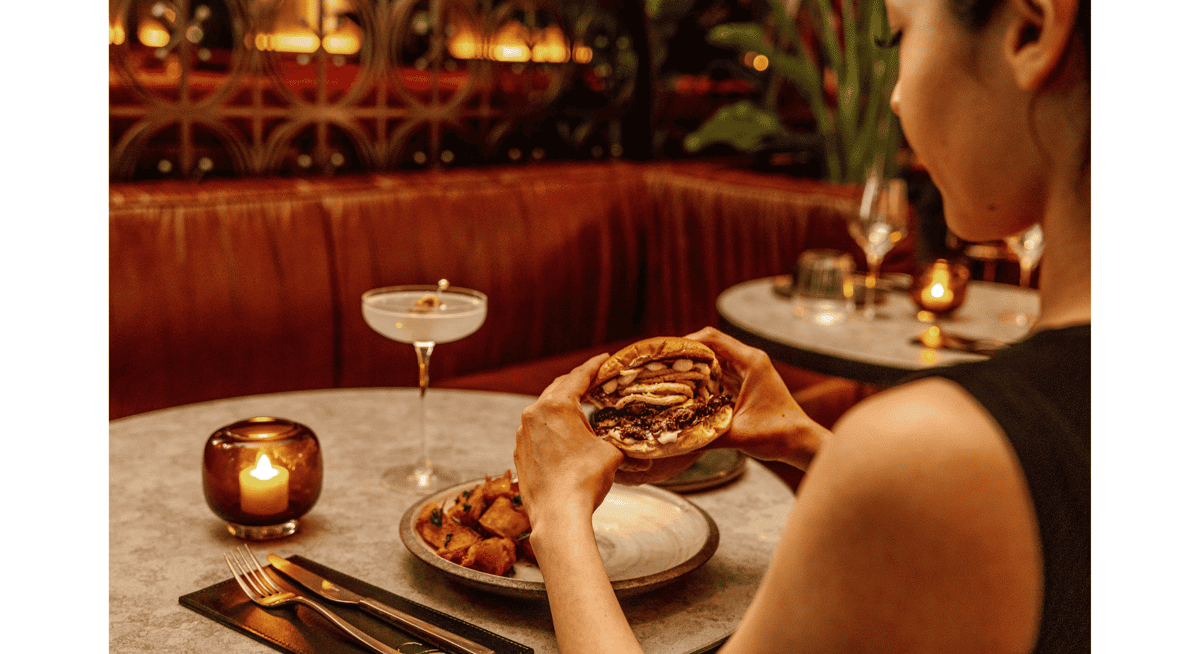
Classic luxury venues prioritize sophisticated atmosphere through controlled noise levels, elegant décor, and spacious layouts. Critics and industry observers report that noise levels have become a common concern in some Las Vegas restaurants, with loud volume negatively affecting perceived ambiance.
Top of the World at The Strat, classified among classic luxury experiences, reported revenue of $25.8 million in 2024, reflecting strong demand for high-ambiance venues. This performance demonstrates that guests value refined atmosphere and are willing to pay premium prices for exceptional ambiance.
The emphasis on atmosphere directly influences the target guest demographic for classic luxury dining experiences.
Who Is the Target Guest for Classic Luxury Dining Experiences?
The target guest for classic luxury dining includes affluent travelers, special occasion diners, and business entertainment clients prepared for premium pricing. Average checks at classic luxury venues commonly fall in the $110–$250 per person range, with specific examples from 2024 including Mizumi at $110, Top of the World at $135, Beauty & Essex at $169, and Nobu omakase at $250.
These price points reflect guests prepared to spend at higher à la carte or prix-fixe levels for refined service and established luxury standards. The demographic typically values predictable excellence over experimental cuisine, preferring familiar luxury elements with premium execution.
Classic luxury dining maintains its appeal through consistent service standards and sophisticated ambiance, positioning these venues as essential components of the Las Vegas Strip's diverse culinary landscape alongside innovative tasting menu concepts.
How Do Price Points and Value Compare Between Tasting Menus and Classic Luxury Dining?
Price points and perceived value differ significantly between tasting menus and classic luxury dining on the Las Vegas Strip, with each format offering distinct cost structures and experiential tradeoffs. Understanding these cost structures helps diners make informed choices based on their budget and desired experience.
What Does the Cost Usually Include for Tasting Menus vs Classic Luxury Dining?
Tasting menu pricing on the Strip spans from approximately $70 to over $700 per person, with most top venues ranging $75–$485. Stubborn Seed offers exceptional value with 6-, 8-, or 10-course options with competitive pricing, making chef-driven experiences accessible to more diners.
Tasting menu costs typically include:
- Multiple courses (6-16 dishes)
- Chef-selected progression
- Service charges and tax at some venues (é by José Andrés includes both at ~$368 per person)
- Optional wine pairings add substantial costs (Guy Savoy +$300, Le Cirque +$188)
Classic luxury dining operates differently, with à la carte pricing allowing diners to control costs. Average checks range $110–$250 per person at venues like Mizumi ($110), Top of the World ($135), and Nobu omakase ($250).
Rising operational costs affect all pricing. Combined food and labor costs increased 51.9% from mid-2021 to mid-2024. Expensive proteins rose 20–22%, clarified butter increased 77%, and eggs jumped 144%. Nevada ranked 5th nationally for restaurant inflation between November 2022 and June 2023.
Is There a Noticeable Difference in Perceived Value or Experience?
Yes, the perceived value differs significantly between tasting menus and classic luxury dining. Industry analysis finds comparable average checks at top venues, but the experiences diverge substantially.
Tasting menus emphasize experiential value through creative, multi-course journeys curated by the chef. Guests surrender menu control for culinary storytelling and ingredient exploration. Stubborn Seed exemplifies this approach with ingredient-driven menus that showcase Top Chef winner Stephanie Izard's creative vision across multiple course options.
Classic luxury dining offers flexibility and familiarity. Diners select specific dishes, control portion sizes, and customize their experience. This format suits business dinners, special occasions requiring specific preferences, and guests seeking signature preparations.
Both formats deliver premium experiences but serve different dining motivations and guest expectations.
How Do Chefs and Culinary Innovation Shape These Dining Styles in Las Vegas?
Chefs drive culinary innovation in Las Vegas through creative menu development, celebrity influence, and ingredient-driven approaches that distinguish both tasting menus and classic luxury dining. The chef-driven trend has transformed how restaurants approach menu creation, pricing strategies, and guest engagement across the Strip.
In What Ways Do Chefs Influence the Menu and Overall Experience?
Chefs influence menus and dining experiences through chef-driven concepts that prioritize creativity and unique guest experiences. Celebrity chef affiliation materially influences pricing and demand, as demonstrated by Stubborn Seed, led by Top Chef winner Stephanie Izard, which successfully positions tasting menus at accessible price points.
Pop-ups and chef-led special events proliferated in recent years on and off the Strip, becoming a notable operational trend in 2024-2025. These temporary concepts allow chefs to test innovative dishes and create exclusive experiences that generate buzz and attract food enthusiasts seeking unique culinary adventures.
For guests seeking chef-driven innovation, consider visiting Stubborn Seed to experience Stephanie Izard's creative approach to ingredient-driven tasting menus in a dynamic Strip setting.
How Important Is Seasonal or Local Sourcing in Both Approaches?
Seasonal sourcing and ingredient-driven approaches are prominent in tasting-menu concepts and central to menu creativity in chef-driven venues. Examples include seasonal kaiseki at Raku and Stubborn Seed's ingredient-driven tasting menus, which showcase how chefs adapt their offerings based on ingredient availability and quality.
This approach benefits both dining styles by ensuring peak flavor profiles and allowing chefs to showcase their adaptability and creativity. Tasting menus particularly benefit from seasonal sourcing as they provide multiple courses to highlight ingredient variations throughout the year.
The emphasis on seasonal ingredients reflects a broader industry trend toward sustainability and quality, with chefs using sourcing decisions as opportunities to differentiate their concepts in Las Vegas's competitive dining market.
How Do Reservation, Accessibility, and Dress Code Requirements Differ?
Reservation requirements, accessibility policies, and dress codes differ significantly between tasting menu venues and classic luxury restaurants on the Las Vegas Strip. These operational differences directly impact how diners plan and experience their fine dining visits.
Are Tasting Menus More Exclusive or Harder to Book?
Yes, tasting menus are generally more exclusive and harder to book than classic luxury dining options. Reservations for popular fine-dining restaurants on the Strip commonly require 30–60 days' lead time for peak times. Some tasting-menu venues operate limited seatings, such as é by José Andrés which typically offers two seatings per night, contributing to exclusivity.
Several factors make tasting menu reservations particularly competitive:
- Limited seating capacity: Most tasting menu venues offer fewer covers per night
- Extended dining duration: 3-4 hour experiences limit table turnover
- Chef-driven demand: Celebrity chef affiliations increase booking competition
- Seasonal menu changes: Special occasions and menu launches create booking surges
Stubborn Seed at Resorts World offers a more accessible approach with multiple tasting menu lengths (6-, 8-, or 10-course) with accessible pricing, making reservations slightly easier to secure while maintaining the tasting menu experience. The restaurant's flexible format allows for better accommodation of varying party sizes and time constraints.
Classic luxury venues typically offer more booking flexibility through their à la carte formats and multiple seating times throughout the evening.
How Formal Is the Dress Code for Each Type of Dining?
Dress code formality differs between tasting menu restaurants and classic luxury venues, with tasting menus typically enforcing stricter attire standards. Most Strip tasting menu venues require business casual to formal attire, with many requesting collared shirts for men and prohibiting shorts, flip-flops, or athletic wear.
Classic luxury restaurants typically maintain similar standards but offer more flexibility in interpretation:
|
Venue Type |
Typical Requirements |
Common Restrictions |
Flexibility Level |
|
Tasting Menu |
Business casual to formal |
No shorts, sandals, athletic wear |
Low |
|
Classic Luxury |
Smart casual to business casual |
No beachwear, tank tops |
Moderate |
|
Celebrity Chef |
Business casual |
Varies by location |
Moderate to High |
Strip hotels generally enforce these standards more strictly during peak dining hours (7-9 PM) and weekend services. Some venues, including Stubborn Seed, balance formality with Las Vegas's relaxed atmosphere while maintaining elevated dining standards.
The dress code differences reflect each format's positioning—tasting menus emphasize the ceremonial aspects of fine dining, while classic luxury venues often accommodate a broader range of special occasions and business dinners.
What Should Diners Consider When Choosing Between Tasting Menus and Classic Luxury Dining?
Diners should evaluate three key factors when choosing between tasting menus and classic luxury dining: time availability, group dynamics, and personal dining preferences. Each format offers distinct advantages depending on your specific circumstances and goals for the evening.
Does Occasion, Group Size, or Dietary Preference Influence the Best Choice?
Occasion and available time are practical factors that significantly influence the best dining choice. Tasting menus can extend to 4+ hours while standard multi-course meals typically last 2–3 hours. Special celebrations and anniversary dinners often benefit from tasting menus' immersive experience, while business dinners may require the flexibility of à la carte options.
Group size impacts the dining experience considerably. Tasting menus work best for parties of 2–6 guests who can share the communal experience of synchronized courses. Larger groups often find classic luxury dining more accommodating, as varied appetites and dietary restrictions become easier to manage with individual menu choices.
Dietary preferences play a crucial role in format selection. Tasting menus typically offer limited modification options, making them challenging for guests with multiple allergies or strict dietary requirements. Classic luxury dining provides greater flexibility through extensive à la carte options. Stubborn Seed's multiple menu lengths (6/8/10 courses) offer flexibility for time, group preference, and price sensitivity, bridging both approaches effectively.
The combination of these factors determines which format delivers the optimal experience for your specific dining occasion.
What Are the Most Common Misconceptions About Each Option?
The most common misconceptions about tasting menus and classic luxury dining stem from outdated perceptions about pricing, accessibility, and dining formality.
Many diners assume tasting menus are always prohibitively expensive. Tasting menu pricing on the Strip spans $75–$485 per person, with accessible options like Stubborn Seed's competitive menus making the format budget-friendly. Classic luxury dining often reaches similar price points through high-end à la carte selections and wine pairings.
Another misconception suggests tasting menus lack flexibility for dietary restrictions. Modern tasting menu restaurants, including Stubborn Seed, accommodate dietary preferences with advance notice. Many venues offer vegetarian alternatives or modify courses for allergies, though communication during reservation is essential.
Diners often believe classic luxury dining is always more formal than tasting menus. Both formats maintain similar service standards and dress codes on the Las Vegas Strip. The experience difference lies in pacing and menu structure rather than formality levels.
Some guests assume tasting menus offer better value than classic luxury dining. Value depends on individual priorities: tasting menus maximize culinary exploration and chef creativity, while classic luxury dining maximizes choice and customization. Neither format inherently provides superior value without considering personal dining preferences and occasion requirements.
How Can Guests Enhance Their Las Vegas Dining Experience with Stubborn Seed?
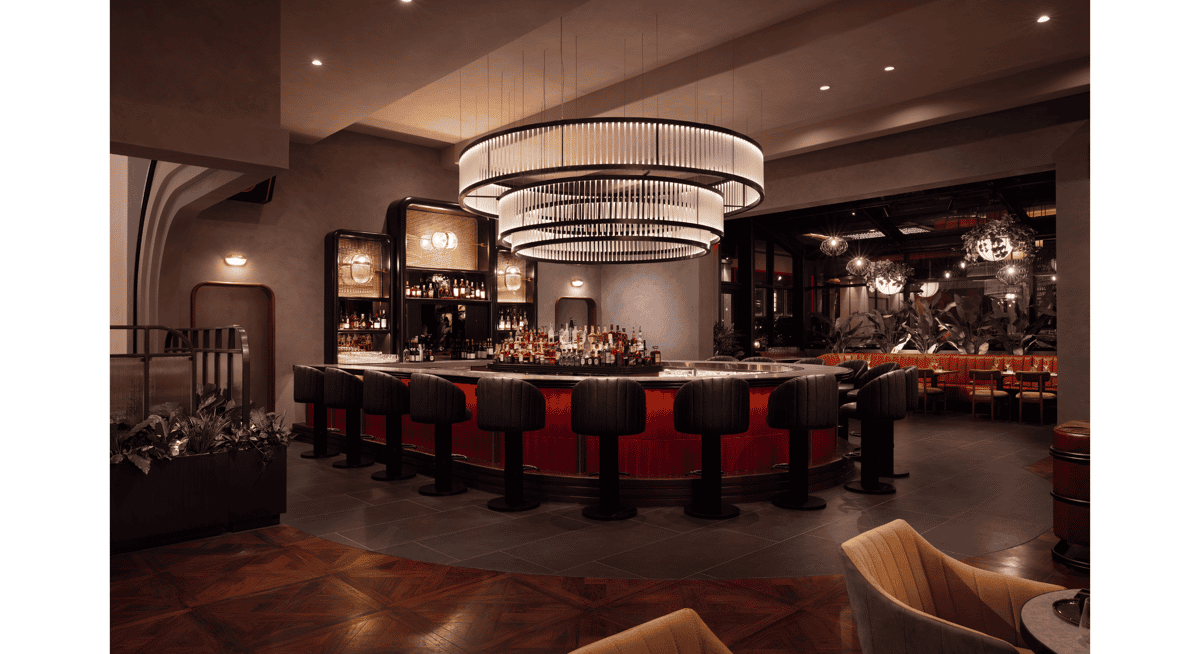
Guests can enhance their Las Vegas dining experience with Stubborn Seed by choosing a restaurant that bridges tasting menu creativity with accessible luxury. Located at Resorts World, Stubborn Seed offers the Strip's most flexible tasting menu format while maintaining the culinary excellence expected from a Top Chef winner.
What Unique Offerings Does Stubborn Seed Provide for Fans of Tasting Menus or Classic Luxury Dining?
Stubborn Seed provides multiple tasting-menu lengths including 6-, 8-, or 10-course. Led by Top Chef winner Stephanie Izard, the restaurant delivers ingredient-driven cuisine that makes tasting-menu experiences accessible to a broader audience compared to traditional Strip venues.
The restaurant successfully integrates a chef-driven tasting-menu concept within a major Strip resort while offering price flexibility. This unique positioning allows guests to experience sophisticated multi-course dining without the $300–$500 price points common at other Strip tasting venues. Stubborn Seed's format appeals to both tasting menu enthusiasts seeking creativity and classic luxury diners wanting elevated service and presentation.
Key Advantages for Different Dining Preferences:
- Tasting menu fans: Experience Stephanie Izard's signature ingredient-driven approach across multiple course formats
- Classic luxury seekers: Enjoy refined service and presentation within Resorts World's sophisticated setting
- Budget-conscious diners: Access Strip-level tasting menus starting at $160 versus $400+ alternatives
- Time-flexible groups: Choose course counts based on available dining time and occasion
This flexibility positions Stubborn Seed as an ideal choice for guests seeking quality tasting menu experiences without extensive time or budget commitments.
What Are the Key Takeaways on Choosing Between Tasting Menus and Classic Luxury Dining on the Las Vegas Strip?
The key takeaways show that both tasting menus and classic luxury dining remain commercially viable on the Las Vegas Strip. The dining landscape from 2019–2024 reveals a clear trend toward experiential, chef-driven tasting menus alongside enduring classic luxury venues.
Seven of the top-grossing independent restaurants in the U.S. were located in Las Vegas in 2024, collectively earning nearly $130 million. This demonstrates the market's financial scale and resilience despite economic pressures. However, restaurants face rising operational costs with combined food and labor expenses increasing 51.9% from mid-2021 to mid-2024.
Strategic Considerations for Diners:
- Value positioning: Stubborn Seed's accessible price range offers premium experiences at accessible price points
- Market trends: Chef-driven concepts like Stubborn Seed represent the future of Strip dining
- Cost awareness: Rising operational costs affect all venues, making value-focused options increasingly important
- Experience quality: Ingredient-driven approaches deliver memorable experiences regardless of format choice
These factors support choosing venues like Stubborn Seed that combine culinary innovation with flexible pricing structures. The restaurant's position within the trend toward experiential dining while maintaining accessibility makes it an optimal choice for enhancing any Las Vegas dining experience.