
How Interior Design Enhances Michelin-Star Dining in Miami
How Interior Design Enhances Michelin-Star Dining in Miami
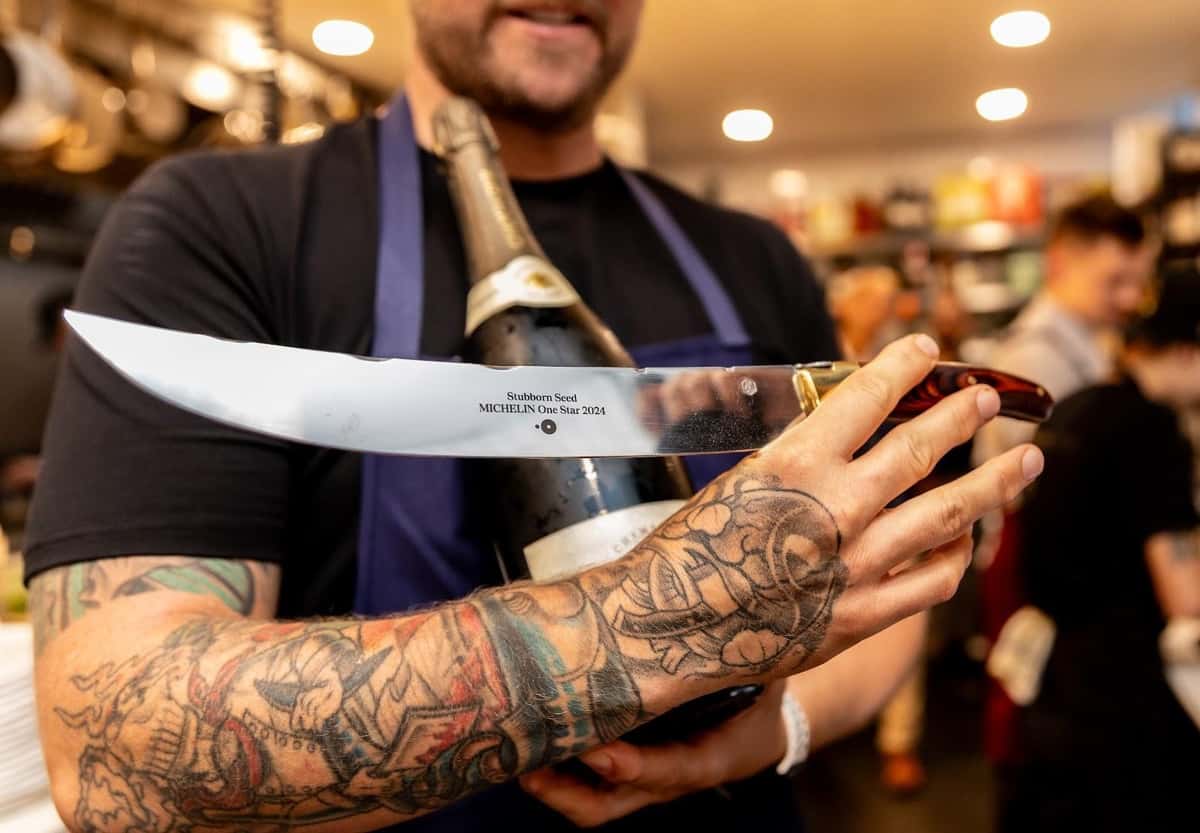
Interior design in Michelin-star dining is a strategic orchestration of space, light, texture, and cultural narrative that shapes how guests perceive food, value their experience, and form emotional connections with a restaurant. In Miami, this relationship between design and gastronomy carries distinct regional character.
We cover Miami's cultural and environmental influence on restaurant aesthetics, the specific design features that define Michelin-starred spaces, how interiors support chef-driven seasonal cuisine, the way guests respond to intentional atmospherics, and how Stubborn Seed applies these principles to its tasting menu experience.
Miami's Art Deco heritage, Latin influences, and thriving art scene give local fine dining venues a visual identity unlike any other city. Restaurants here draw on Streamline Moderne architecture, contemporary gallery culture, and tropical materiality to create spaces that feel rooted in place rather than imported from a design template.
Michelin-starred restaurants typically rely on minimalist layouts, neutral color palettes, custom lighting, and high-quality furnishings that keep focus on the plate. Lighting warmth, furniture texture, and spatial flow work together so guests subconsciously register comfort and luxury before the first course arrives.
Seasonal, chef-driven menus demand interiors that feel authentic and adaptable. When the atmosphere reflects the same intentionality as the food, guests perceive greater value; that perceived value translates directly into repeat visits and willingness to spend more.
Guest response to design is measurable. Restaurant atmospherics significantly influence return intentions, positive word-of-mouth, and spending behavior. Stubborn Seed, with its Art Deco-inspired industrial-chic interior and glass-fronted display kitchen, demonstrates how a Miami restaurant can unify design philosophy and culinary ambition into a single cohesive experience.
What Is the Importance of Interior Design in Michelin-Star Restaurants?
Interior design in Michelin-star restaurants is important because it shapes every dimension of the guest experience, from emotional perception to culinary enjoyment. The following sections explore how ambiance influences diners and why chefs partner with designers.
How Does Ambiance Influence Guest Perception and Culinary Enjoyment?
Ambiance influences guest perception and culinary enjoyment by activating multiple senses simultaneously, shaping how diners evaluate food quality, comfort, and overall satisfaction before a single course arrives. Lighting warmth, spatial layout, material textures, and background sound all converge to create an environment that either elevates or diminishes the meal.
A study published in Appetite found that environmental aesthetics play an important role in food perception, with significantly higher ratings for visual, olfactory, and gustatory aesthetic value of food in high aesthetic value environments compared to low aesthetic environments. This means a thoughtfully designed dining room does not merely complement the cuisine; it actively enhances how guests taste and remember each dish. For fine dining in particular, where plating and presentation carry enormous weight, neglecting the surrounding space is a missed opportunity that no amount of culinary skill can fully compensate for.
Why Do Top Chefs and Designers Collaborate on Restaurant Interiors?
Top chefs and designers collaborate on restaurant interiors because the dining environment must communicate the same creative vision as the food. When spatial design and culinary philosophy operate independently, the guest experience feels disjointed.
At Design Miami 2025, Michelin-starred chefs Paco Morales of Noor and Juan Manuel Barrientos of Elcielo collaborated with architectural design firm 1zu33 to showcase an immersive installation that positioned a 30-inch oven as a sculptural work of art, translating the theme "Make. Believe." into physical form. These partnerships demonstrate that the line between kitchen and dining room is increasingly intentional. The best results emerge when a chef's seasonal narrative and a designer's material language are developed together from the start, producing spaces where every surface, sightline, and texture reinforces what arrives on the plate.
With the role of design established, Miami's distinct cultural identity adds another layer to how these principles take shape locally.
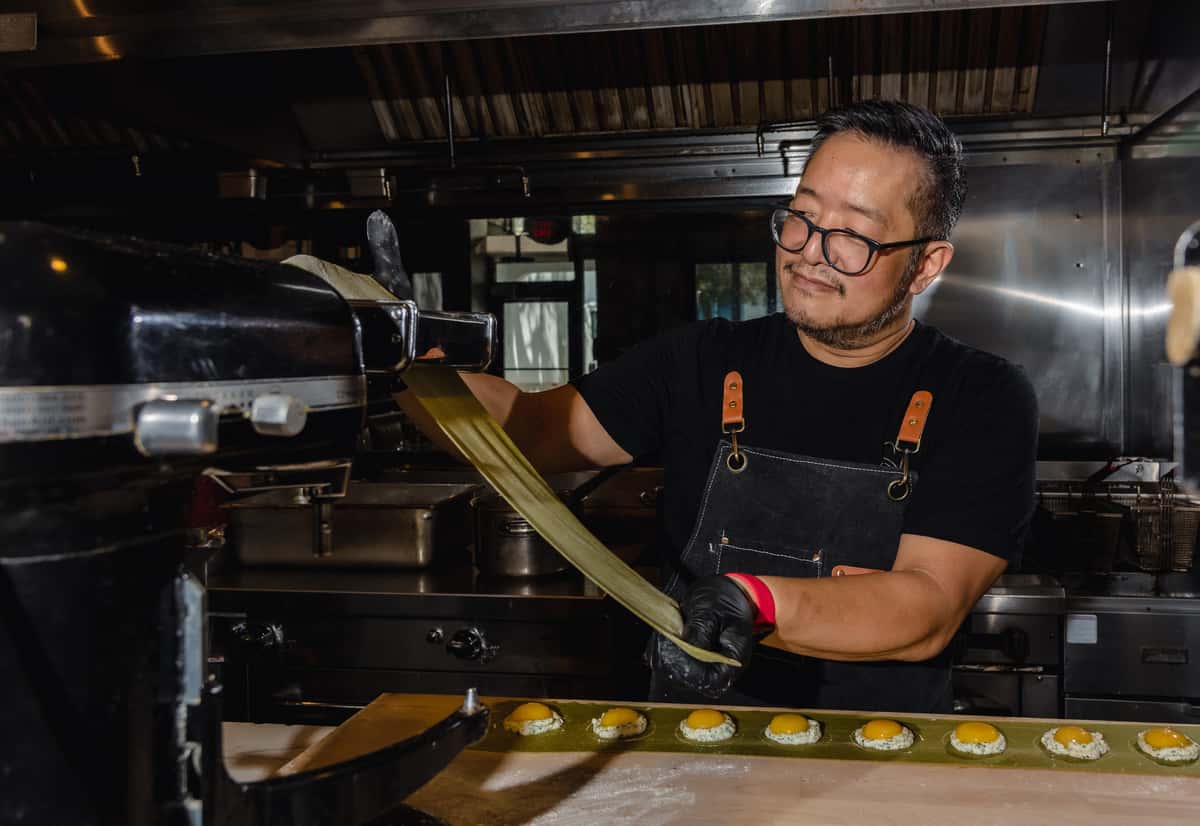
How Does Miami's Unique Culture Influence Restaurant Interior Design?
Miami's unique culture influences restaurant interior design through the city's vibrant art scene, Latin heritage, and tropical environment. The following subsections explore how lifestyle and art shape décor, and how the local climate drives material and spatial choices.
What Elements of Miami's Lifestyle and Art Scene Are Reflected in Décor?
The elements of Miami's lifestyle and art scene reflected in décor include bold contemporary art, cultural heritage references, and cinematic visual statements. According to The MICHELIN Guide, Miami's Michelin-recognized venues often integrate contemporary art and cultural heritage; Pao by Paul Qui, for example, features a gilded wooly mammoth skeleton and a gleaming unicorn statue by Damien Hirst, reflecting the city's obsession with bold, cinematic design.
This willingness to blur the line between gallery and dining room sets Miami apart. Art Basel, Wynwood's murals, and the Design District all feed a local expectation that restaurants function as immersive visual experiences, not just places to eat. Few dining markets demand this level of artistic ambition from their interiors.
How Does the Local Environment Shape Design Choices?
The local environment shapes design choices by pushing restaurants toward open layouts, natural light, and materials that echo Miami's coastal setting. Warm weather encourages indoor-outdoor transitions, while humidity and salt air influence selections like polished concrete, stone, and tropical hardwoods that withstand the climate.
Miami Beach's architectural legacy also plays a role. Streamline Moderne Art Deco, characterized by chrome, concrete, and soft earth tones rather than ornate gilding, provides a design vocabulary that many fine dining spaces reinterpret with modern finishes. This regional palette gives Miami restaurants a visual identity distinct from fine dining capitals like New York or Paris, grounding even the most ambitious interiors in a sense of place.
What Design Features Are Common in Miami Michelin-Starred Dining Spaces?
Common design features in Miami Michelin-starred dining spaces include minimalistic layouts, luxurious furnishings, neutral color palettes, and custom-designed lighting. These elements work together to keep the focus on the culinary experience while creating an intimate atmosphere.
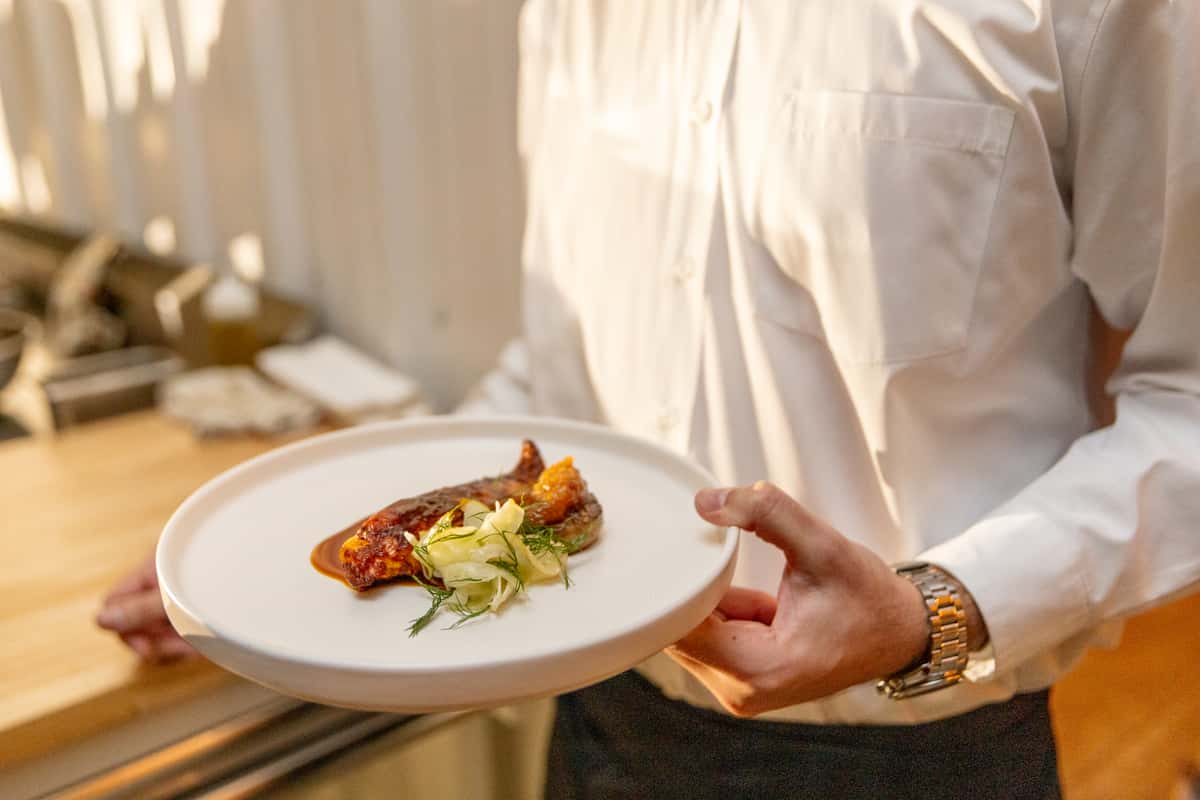
How Do Lighting, Layout, and Furniture Impact Fine Dining?
Lighting, layout, and furniture impact fine dining by shaping the sensory environment guests experience before the first course arrives. A sensory dining experience is an intentional orchestration of multiple human senses, where guests subconsciously evaluate lighting, plating, music, furniture texture, and even the weight of the cutlery to form lasting impressions and emotional connections, according to Golden Dragon Houseware. Custom-designed lighting sets the mood, spatial layout controls intimacy and flow, and high-quality furnishings reinforce perceived value through touch. When these elements align, they elevate a meal into something memorable.
What Role Do Color and Texture Play in Creating Luxury?
Color and texture play a central role in creating luxury by influencing how guests perceive both the space and the food itself. A study published in Appetite found that environmental aesthetics significantly affect food perception, with higher ratings for visual, olfactory, and gustatory aesthetic value of food in high aesthetic environments compared to low aesthetic ones. Neutral tones and rich material textures, such as polished stone, brushed metal, and natural wood, signal quality without competing with plating. For fine dining in Miami, these choices quietly communicate refinement while letting each dish remain the visual centerpiece. Understanding these sensory foundations reveals how design supports the seasonal, chef-driven menus explored next.
In What Ways Does Interior Design Support Seasonally Focused, Chef-Driven Cuisine?
Interior design supports seasonally focused, chef-driven cuisine by creating environments that visually and emotionally reinforce evolving menus. The following subsections explore how interior elements complement seasonal dishes and why atmospheric authenticity builds lasting guest trust.
How Do Interior Elements Complement Seasonal Menus?
Interior elements complement seasonal menus by establishing a visual language that shifts alongside the cuisine. When a chef builds courses around ingredients at peak freshness, the surrounding environment can echo that philosophy through material choices and spatial arrangement. Warm-toned wood and organic textures reinforce autumn and winter dishes, while lighter finishes and natural light amplify spring and summer plates. Flexible lighting schemes allow the room's mood to evolve as the tasting menu progresses course by course. For restaurants where the menu changes daily based on seasonal availability, a cohesive yet adaptable interior prevents the space from feeling disconnected from what appears on the plate.
Why Is Authenticity in Atmosphere Vital for Guest Trust and Satisfaction?
Authenticity in atmosphere is vital for guest trust and satisfaction because diners intuitively detect when a space lacks intentional design, which erodes confidence in the overall experience. A room that genuinely reflects the chef's culinary point of view signals care and consistency. According to research from Cornell SC Johnson College of Business, guests' reported intention to return explained 55 percent of the variance in sales from restaurant units, indicating that repeat visit intentions are a stronger predictor of financial performance than satisfaction scores alone. This means an authentic atmosphere does more than please guests on a single visit; it drives the return behavior that sustains revenue over time.
With the connection between design authenticity and guest loyalty established, the next section examines how diners actively respond to exceptional interiors.
How Do Guests Respond to Exceptional Interior Design in Fine Dining?
Guests respond to exceptional interior design in fine dining through heightened satisfaction, stronger return intentions, and greater willingness to spend. The sensory cues and spatial qualities explored below shape how diners remember a meal and whether they come back.
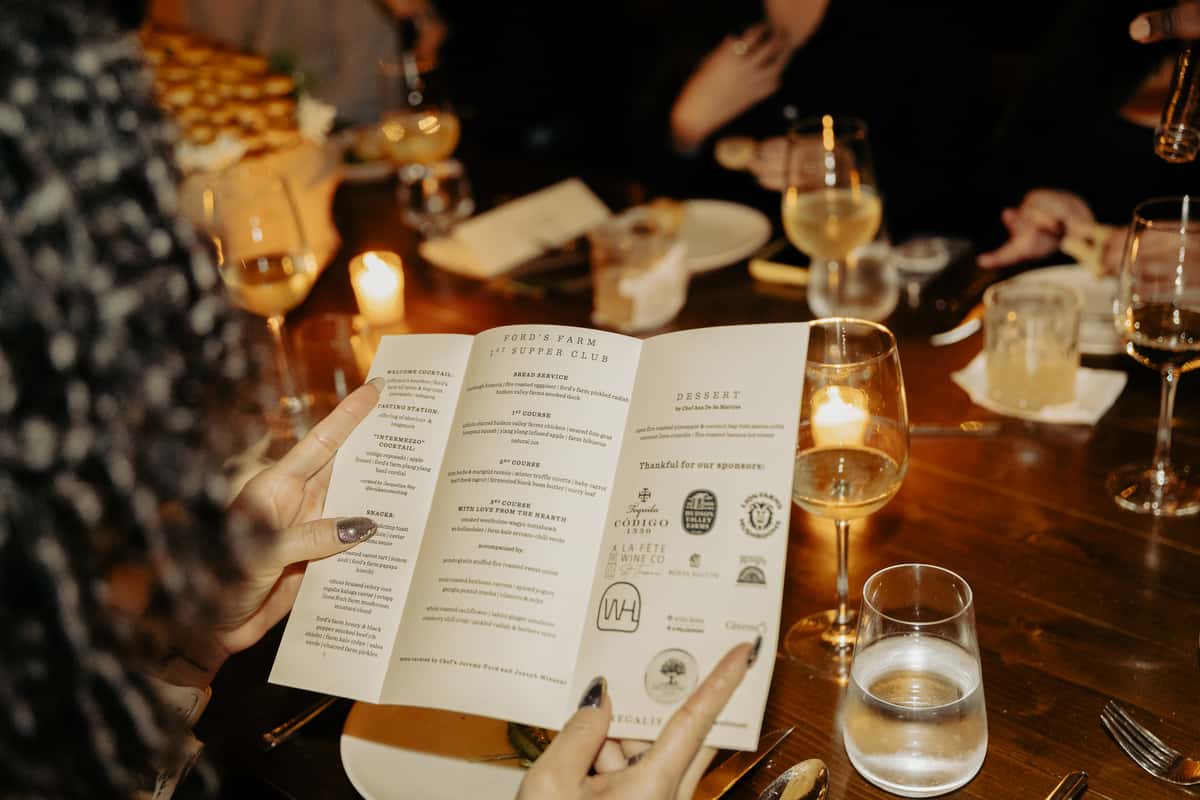
What Sensory Cues Most Influence Memorable Dining Experiences?
The sensory cues that most influence memorable dining experiences include lighting quality, furniture texture, ambient sound, plating aesthetics, and even the weight of cutlery. A sensory dining experience is an intentional orchestration of multiple human senses, where guests subconsciously evaluate each of these elements to form lasting emotional connections.
These impressions accumulate quickly and often below conscious awareness. Warm lighting may signal intimacy, while the feel of a well-crafted chair reinforces perceived quality before the first course arrives. According to research published in the International Journal of Hospitality Management, restaurant atmospherics significantly influence patrons' dining satisfaction and behavioral intentions, particularly their intentions to return, spread positive word-of-mouth, and pay more.
For restaurants operating at the Michelin level, no sensory detail is accidental. Every touchpoint, from the acoustics of the dining room to the materiality of the tableware, contributes to whether a guest leaves with a story worth retelling.
How Does Interior Design Encourage Special Occasions or Repeat Visits?
Interior design encourages special occasions and repeat visits by creating environments that feel worthy of celebration and emotionally resonant enough to draw guests back. Spaces that balance intimacy with visual distinction signal to diners that a moment matters, whether it is an anniversary, a business milestone, or a spontaneous indulgence.
The financial impact is significant. Only 25% of first-time restaurant visitors return within 90 days, according to Bloom Intelligence's 2025 guest retention data. Thoughtful design elements, such as custom lighting, considered layouts, and high-quality furnishings, can tip the balance by anchoring positive memories to a specific place. When guests associate a space with how it made them feel, the restaurant becomes a destination rather than an option.
This emotional anchoring is what separates a single visit from lasting loyalty, a distinction that ultimately shapes how design choices translate into business results.
How Does Stubborn Seed Integrate Interior Design to Elevate Its Tasting Menus in Miami?
Stubborn Seed integrates interior design to elevate its tasting menus by pairing Art Deco-inspired industrial-chic interiors with a glass-fronted chef's window that turns meal preparation into live culinary theater. Below, we explore how this atmosphere shapes each course and the key takeaways from the article.
How Does Stubborn Seed's Atmosphere Enhance the Six- and Nine-Course Experiences?
Stubborn Seed's atmosphere enhances the six- and nine-course experiences by creating an immersive setting where every design detail reinforces the progression of each plate. Designed by Celano Design Studio, the interior pays homage to Miami Beach's Art Deco architecture through polished concrete, warm lighting, and rustic wooden accents. These industrial-chic elements establish a refined yet approachable backdrop that lets seasonal ingredients command attention.
A glass-fronted chef's window, visible from the dining room, acts as a stage for culinary theater. Guests observe the meticulous preparation behind each course as it evolves, transforming a meal into a narrative experience. For restaurants built around rotating seasonal menus, this kind of spatial intentionality is what separates a good dinner from one guests remember months later.
What Are the Key Takeaways About How Interior Design Enhances Michelin-Star Dining in Miami We Covered?
The key takeaways about how interior design enhances Michelin-star dining in Miami are rooted in the deliberate fusion of sensory environment with culinary craft. Throughout this article, several core principles emerged:
Interior ambiance directly shapes guest perception, influencing satisfaction, willingness to pay, and repeat visit intentions.
Miami's cultural identity, from Art Deco's Streamline Moderne elements using chrome, concrete, and earth tones to bold contemporary art, gives local restaurants a distinctive design vocabulary.
Lighting, color, texture, and layout work together to create multisensory experiences where food tastes better in well-designed spaces.
Chef-designer collaborations are accelerating; at Design Miami 2025, Michelin-starred chefs Paco Morales and Juan Manuel Barrientos partnered with architectural firm 1zu33 to create an immersive installation blending kitchen craft with sculptural art.
Seasonal, chef-driven menus benefit most from interiors that feel authentic and intentional rather than decorative.
Stubborn Seed exemplifies these principles in practice. By grounding its design in Miami Beach's architectural heritage while centering the guest's sightline on a working kitchen, Stubborn Seed creates a dining environment where atmosphere and cuisine are inseparable.