
How Las Vegas Fine Dining Controls the Pace of the Evening
How Las Vegas Fine Dining Controls the Pace of the Evening
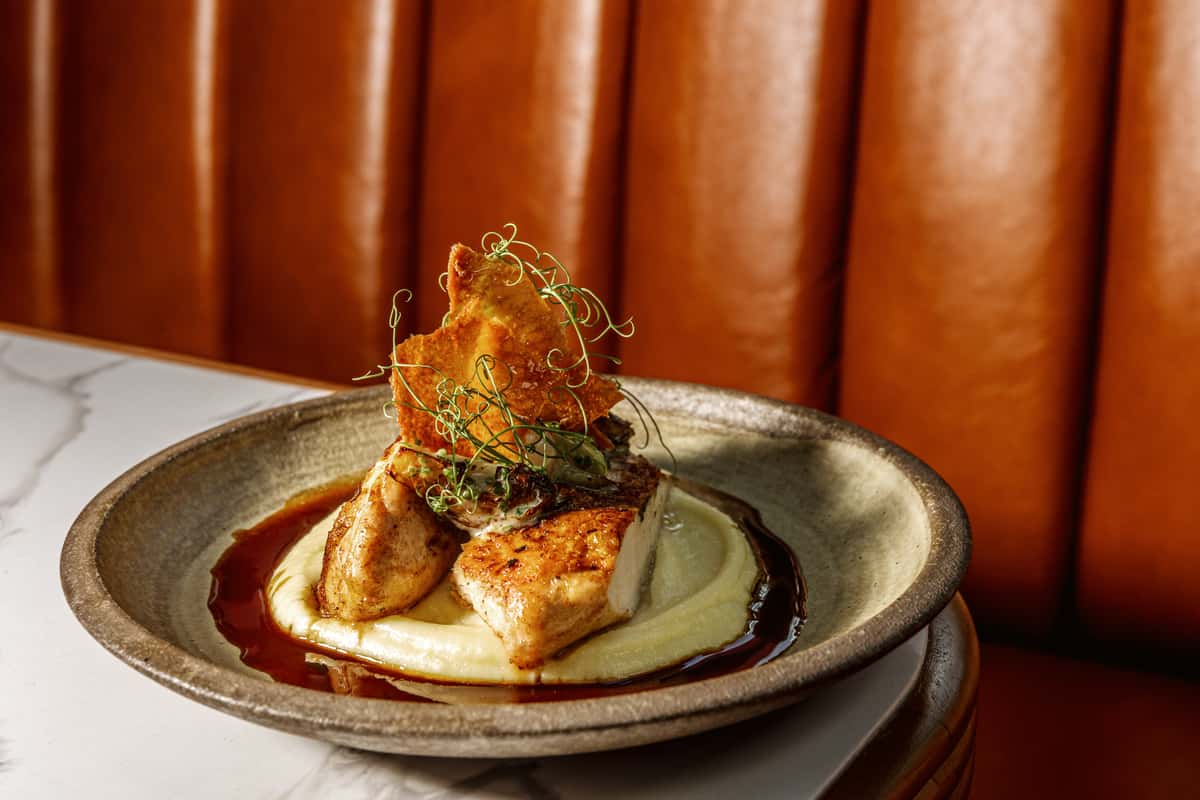
Las Vegas fine dining pacing is the deliberate orchestration of course timing, sensory atmosphere, and staff coordination that shapes how guests experience every moment of a multi-course meal. A standard fine dining evening in Las Vegas typically spans two to three hours, while extended tasting menus can stretch to three and a half or four hours by design.
This guide covers service tempo strategies and behind-the-scenes coordination, the psychological and sensory role of ambience, menu structure and beverage pairings as pacing tools, technology that manages dinner flow, guest communication and preference adaptation, and how Stubborn Seed Las Vegas builds pacing into its tasting menu experience.
Service cadence begins in the kitchen, where each course's "fire time" aligns precisely with front-of-house movements to keep plates arriving at a rhythm that feels smooth rather than mechanical. Coordinated staff timing ensures no guest feels rushed between courses or left waiting too long.
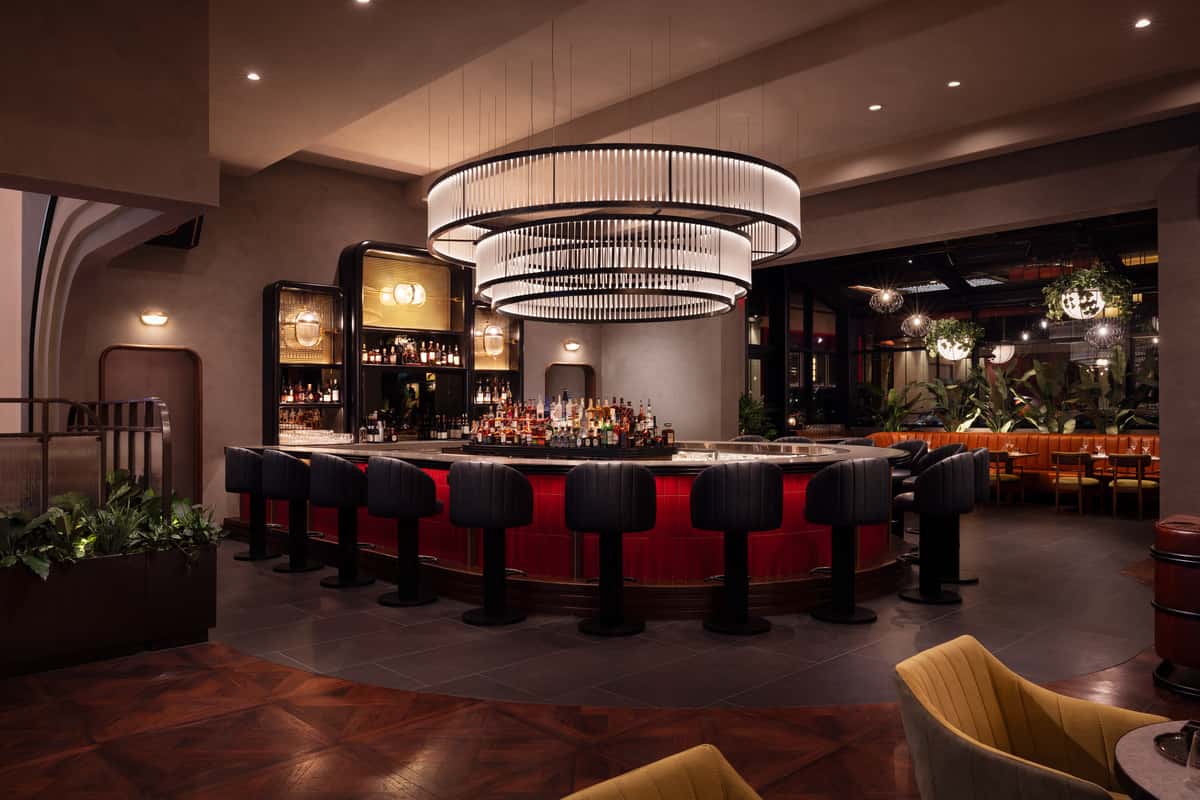
Atmospheric elements like lighting levels, background music tempo, and spatial design directly influence how diners perceive the passage of time, often making a well-paced three-hour meal feel effortless rather than lengthy.
Tasting menus create a built-in narrative arc, guiding diners from lighter openings through rich centerpieces to composed desserts, while wine pairings introduce natural pauses that let each course settle before the next arrives.
Reservation platforms with predictive analytics and real-time table management help restaurants forecast guest flow and adjust seating configurations, particularly during peak seasonal demand when milestone dining reservations surge.
Skilled service teams read each table's energy and adjust tempo accordingly, accelerating or extending intervals between courses based on conversation patterns and nonverbal cues. At Stubborn Seed Las Vegas, Chef Jeremy Ford's tasting menu is structured so guests can choose shorter prix fixe formats or extended multi-course immersions, giving every table a pace that matches its occasion.
What Strategies Do Las Vegas Fine Dining Restaurants Use to Set the Evening's Tempo?
Las Vegas fine dining restaurants use strategies rooted in service cadence, course timing, and staff coordination to set the evening's tempo. These interconnected techniques shape the meal rhythm from first course to final bite.
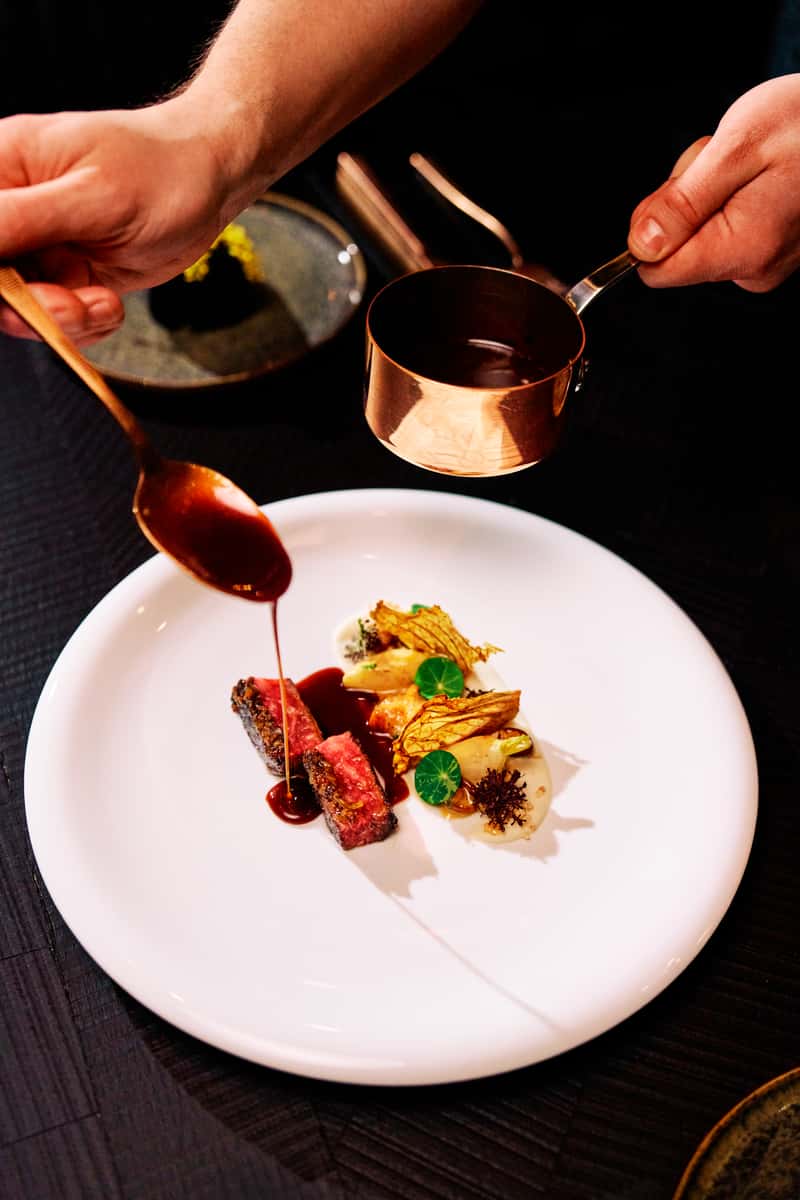
How Does Course Timing Impact the Overall Guest Experience?
Course timing impacts the overall guest experience by creating a deliberate dining flow that allows each dish to be appreciated individually. A fine dining meal in Las Vegas typically spans 2 to 3 hours for a standard multi-course experience, with chef's tasting menus extending to 3.5 or even 4 hours for elaborate presentations. Each interval between courses serves a purpose: palate reset, conversation, and anticipation of what follows. When the service tempo aligns with the complexity of the menu, guests perceive the meal as effortless rather than mechanical. Poorly timed gaps, even by a few minutes, can shift the entire experience from luxurious to frustrating.
What Techniques Are Used to Prevent Guests from Feeling Rushed or Delayed?
The techniques used to prevent guests from feeling rushed or delayed center on reading behavioral cues and adjusting the service cadence in real time. Servers monitor signals such as:
The pace at which guests eat and drink
Whether conversation has slowed or intensified between courses
Body language indicating readiness for the next plate
Glassware levels that suggest a need for beverage attention
Fine dining establishments intentionally maintain slower table turns compared to casual dining, because meals are designed to be savored rather than optimized for speed. This philosophy means the kitchen holds courses until the floor confirms a table is ready, rather than firing dishes on a fixed clock. For most guests, the difference between feeling rushed and feeling cared for comes down to whether the restaurant adapts to their rhythm or imposes one.
How Do Staff Coordinate Behind the Scenes to Maintain Proper Pacing?
Staff coordinate behind the scenes to maintain proper pacing through precise alignment of kitchen production and floor service. Fine dining service requires the coordination of timing and staff movements to keep service smooth, elegant, and punctual, with "fire time" marking the exact moment an order begins preparation to match the dining room's rhythm. Key coordination methods include:
Expeditors acting as the communication bridge between kitchen and servers
Pre-shift briefings that establish expected covers and timing benchmarks
Nonverbal signals between front-of-house staff to flag table readiness
This level of synchronization is what separates a memorable multi-course evening from a disjointed series of plates. Understanding these behind-the-scenes mechanics reveals why pacing matters so deeply to the overall experience.
Why Is the Pacing of a Fine Dining Experience Important?
The pacing of a fine dining experience is important because it directly shapes how guests perceive flavor, comfort, and overall satisfaction. Below, we explore how pacing enhances multi-course meals, how ambience alters time perception, and the psychological benefits of a well-timed evening.
How Does Pacing Enhance the Enjoyment of a Multi-Course Meal?
Pacing enhances the enjoyment of a multi-course meal by giving each dish the space to be fully appreciated before the next arrives. When courses are timed with intention, flavors build progressively rather than competing for attention. A rushed sequence can overwhelm the palate, while overly long gaps break the narrative a chef constructs through the menu.
Fine dining establishments are characterized by slower table turns compared to casual dining, as meals are designed to be savored rather than optimized for convenience, according to hospitality industry analysis published on LinkedIn. This deliberate rhythm allows guests to register textures, aromas, and seasoning nuances that would otherwise blur together. Proper pacing transforms a series of plates into a cohesive culinary story.
What Role Does Ambience Play in Influencing Pace Perception?
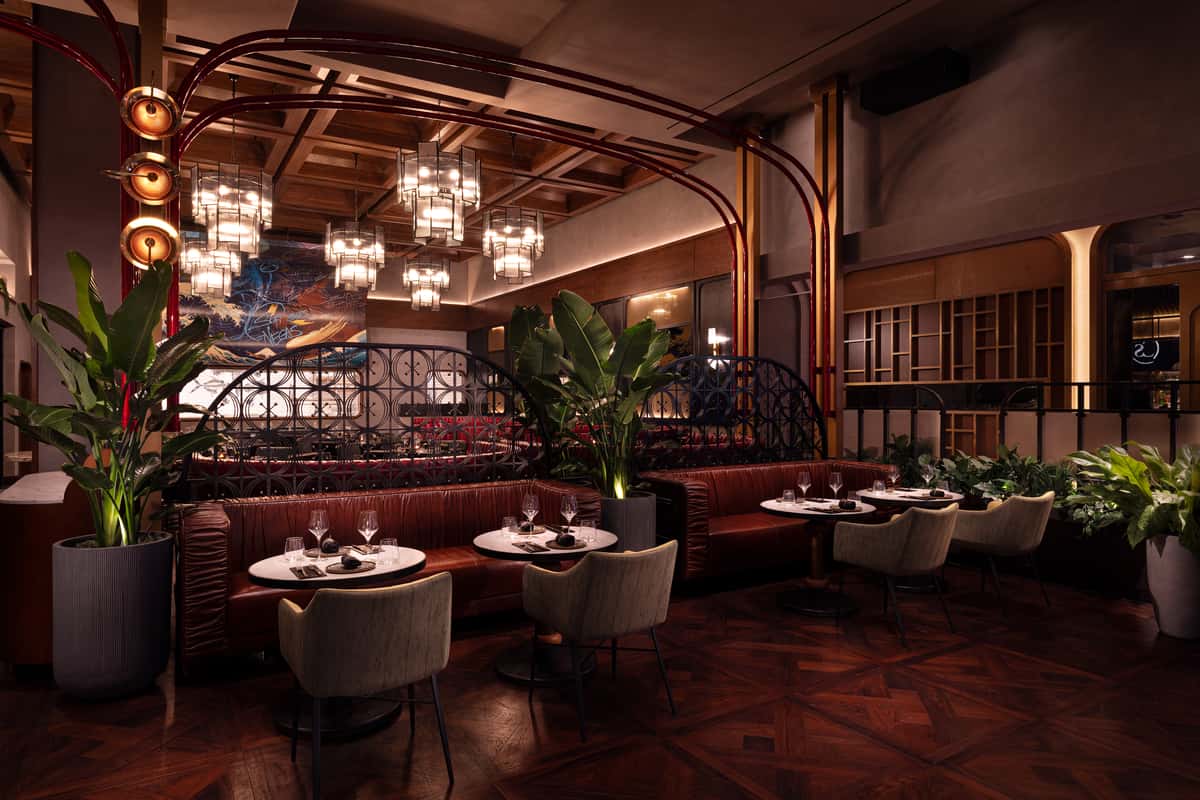
Ambience plays a central role in influencing pace perception by shaping how quickly or slowly time feels to diners. Lighting intensity, background sound levels, spatial layout, and even color temperature all send subconscious cues that either relax or rush a guest's internal clock.
A study published on ScienceDirect found that musical presence and tempo significantly impact temporal perception, influencing both the actual and perceived time spent dining. Slower tempos tend to encourage lingering, while louder or faster music accelerates perceived passage of time. For Las Vegas fine dining rooms, where evenings often stretch beyond two hours, calibrating these sensory layers is not optional; it is a core hospitality skill that separates memorable experiences from forgettable ones.
Are There Psychological Benefits to a Well-Paced Dining Evening?
Yes, there are psychological benefits to a well-paced dining evening. Controlled pacing reduces decision fatigue, lowers stress, and creates a sense of occasion that activates pleasure-related emotional responses. When guests feel neither hurried nor forgotten, they settle into a relaxed state where enjoyment deepens naturally.
Research from the University of Arkansas confirms that atmospheric elements, including lighting, layout, sounds, colors, and temperature, stimulate perceptual and emotional responses in consumers and can be adjusted to influence dining behavior. This means a thoughtfully paced evening does more than satisfy hunger; it regulates mood. In a city like Las Vegas, where sensory overload is constant, a well-orchestrated dining pace offers guests a rare and valuable sense of calm.
With these psychological and sensory foundations in place, menu structure becomes the next tool for shaping the evening's flow.
How Do Menu Structure and Courses Affect the Flow of the Evening?
Menu structure and courses affect the flow of the evening by creating a deliberate progression that controls pacing from start to finish. The sections below cover tasting menu organization, beverage service timing, and how dietary adjustments shape the overall rhythm.
How Are Tasting Menus Organized to Guide the Diner's Journey?
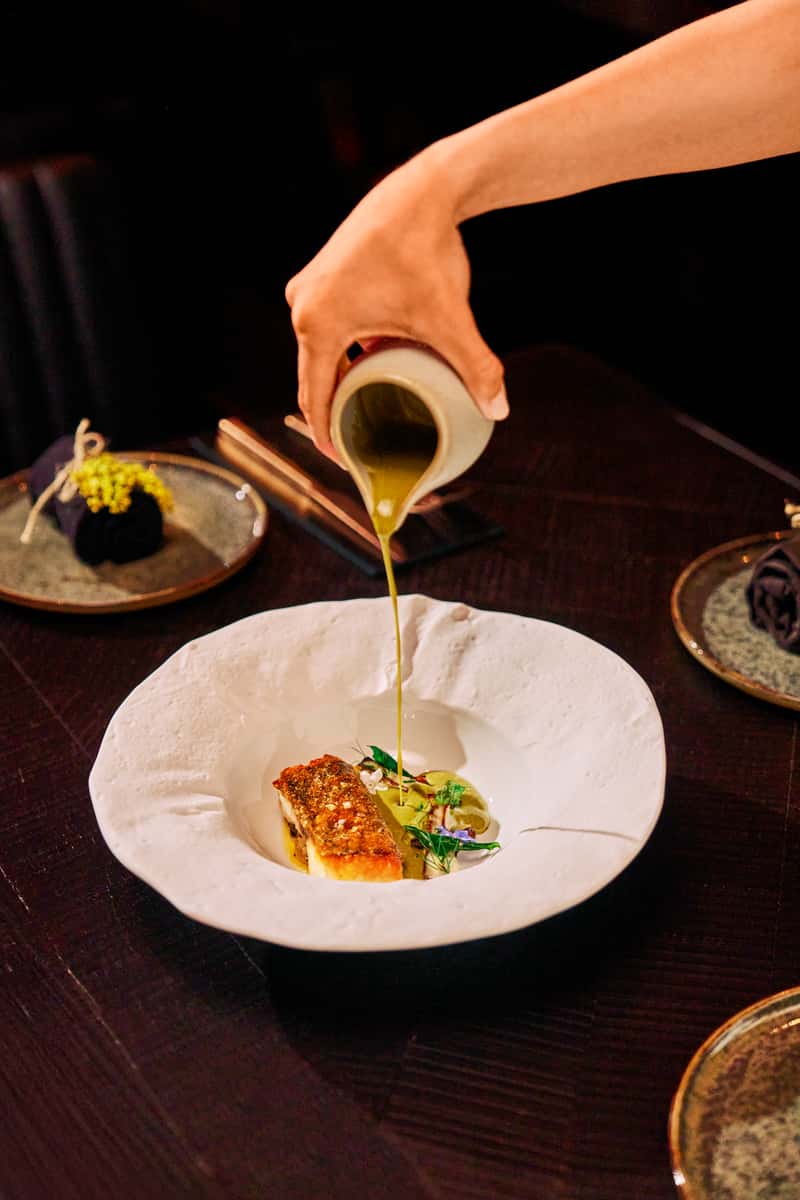
Tasting menus are organized to guide the diner's journey through a deliberate arc of flavor intensity, texture, and portion size. Each course builds on the previous one, typically starting with lighter, more delicate preparations before advancing toward richer, more complex plates. This graduated structure prevents palate fatigue while giving the kitchen natural timing checkpoints between courses.
The sequencing itself becomes a pacing mechanism. Amuse-bouches and crudo courses signal the meal's opening tempo, mid-courses introduce bolder proteins, and dessert courses provide a gentle deceleration. For most guests, this progression feels intuitive even without explanation, because the flavors themselves communicate where they are in the experience.
What Impact Do Wine Pairings and Beverage Service Have on Pacing?
Wine pairings and beverage service have a significant impact on pacing because each pour introduces a deliberate pause between courses. Sommeliers time their pours to align with the kitchen's fire schedule, creating a rhythm where conversation and sipping fill the intervals naturally. According to the Online Culinary School, service cadence refers to the rhythm of food production during service, with "fire time" marking the exact moment an order starts to synchronize with this timing.
Beverage service also shapes how diners perceive time passing. When a well-chosen wine arrives moments before a course, attention shifts to the glass, and the wait between plates feels intentional rather than empty. This layered timing turns potential gaps into enriching moments of anticipation.
How Can Customization or Dietary Adjustments Influence Timing?
Customization or dietary adjustments can influence timing by adding preparation complexity that the kitchen must absorb without disrupting service flow for the full dining room. Allergy modifications, vegetarian substitutions, or ingredient exclusions require separate preparation tracks that run parallel to the standard tasting sequence.
Skilled kitchens build flexibility into their brigade system so that modified courses fire at the same moment as the table's standard plates. When a restaurant handles this well, the guest with restrictions never feels singled out or responsible for slowing the meal. Communicating dietary needs at reservation time, rather than tableside, gives the kitchen hours of lead time to integrate adjustments seamlessly into the evening's cadence.
With the menu's architecture in place, technology offers additional tools for managing pace across every table in the dining room.
What Role Does Technology Play in Managing Dinner Pace at Upscale Restaurants?
Technology plays a central role in managing dinner pace at upscale restaurants by enabling real-time table optimization and predictive guest flow analysis. Reservation platforms and data analytics tools work together to control timing across every phase of service.
How Do Reservation and Table Management Systems Impact Timing?
Reservation and table management systems impact timing by giving operators real-time control over seating flow, table configurations, and service pacing. SevenRooms, for example, provides dynamic inventory management and data analytics that allow hospitality operators to optimize table configurations, assess pacing, and manage guest demand in real-time, according to industry job listings for upscale Las Vegas venues.
These platforms replace guesswork with structured sequencing. When a host seats guests at staggered intervals based on live table status, the kitchen receives orders at a manageable cadence rather than in overwhelming clusters. For restaurants balancing multiple tasting menu durations on the same evening, this level of coordination is essential.
Can Data Analytics Help Predict Dinner Flow and Enhance Experience?
Yes, data analytics can help predict dinner flow and enhance the guest experience by forecasting demand patterns before service begins. According to IGI Global research on robotics in luxury hospitality, predictive analytics in reservation platforms like OpenTable allow luxury restaurants to forecast guest flows and automate booking processes to optimize dinner flow.
Beyond forecasting, these tools identify patterns in cover counts by day, seasonal surges, and average meal durations per party size. When a restaurant knows that Friday seatings at 7:30 PM consistently run 15 minutes longer than Tuesday bookings, the kitchen and front-of-house can adjust fire times and table turns accordingly. This kind of anticipatory planning is what separates a seamless evening from one that feels chaotic behind the scenes.
Understanding how technology shapes pacing reveals how much guest preferences themselves influence the evening's rhythm.
How Do Guest Preferences Shape the Pacing of Their Evening?
Guest preferences shape the pacing of their evening through direct communication and attentive staff interpretation. The following sections cover how diners influence their experience speed and how service teams adapt in real time.
Are There Ways Guests Can Influence the Speed of Their Experience?
Yes, there are ways guests can influence the speed of their experience, and several are available before the meal even begins. Choosing between a shorter prix fixe format and an extended tasting menu sets the foundational tempo. Once seated, subtle cues carry significant weight:
Requesting slower wine service between courses extends the interval naturally.
Letting the server know about a post-dinner show or event signals a tighter timeline.
Asking to linger over a particular course invites the kitchen to hold subsequent fires.
Most guests underestimate how much control they actually have. A single, clear comment at the start of dinner gives the team everything needed to calibrate the rest of the evening.
What Communication Strategies Do Staff Use to Adapt to Guest Needs?
Staff use communication strategies that blend verbal check-ins with careful observation of nonverbal cues. Experienced servers read the table constantly, noting whether guests are leaning into conversation, glancing around the room, or setting down utensils quickly.
According to restaurateur Tom Colicchio, the pacing of service functions as a critical communication channel where staff must interpret a guest's desired tempo for the evening. This philosophy turns every interaction into a feedback loop: a brief "Shall I give you a few more minutes?" after a course gauges comfort without being intrusive. Internally, that read is relayed to the kitchen so fire times adjust seamlessly.
For fine dining teams, listening well matters as much as cooking well. With guest needs clearly understood, the next challenge becomes maintaining that tailored rhythm during the busiest nights.
How Do Las Vegas Fine Dining Spots Balance Efficiency and Enjoyment During Busy Nights?
Las Vegas fine dining spots balance efficiency and enjoyment during busy nights by combining strategic frameworks, staggered reservations, and flexible service models. The subsections below cover high-volume pacing challenges and large-party accommodation.
What Challenges Arise When Ensuring Consistent Pace with High Volume?
The challenges that arise when ensuring consistent pace with high volume include communication breakdowns between kitchen and floor staff, uneven course timing across simultaneous seatings, and difficulty reading individual table cues when every section is full. According to FSR Magazine, the "3C Rule," which stands for Clarity, Cadence, and Consistency, is a strategic framework used by restaurant leaders to improve communication and eliminate operational chaos during high-volume periods.
Even with strong systems, the real difficulty lies in preserving personalization at scale. When dozens of tables expect the same unhurried attention, prioritizing clear handoffs between courses matters more than speed alone.
How Are Special Events and Large Parties Accommodated Without Sacrificing Experience?
Special events and large parties are accommodated without sacrificing experience through pre-set tasting menus, dedicated service teams, and adjusted reservation spacing. Restaurants often assign a captain exclusively to large-format tables, ensuring course timing stays independent from the main dining room's rhythm.
Pre-event consultations allow the kitchen to build a synchronized fire schedule for the group, so courses land together without disrupting other guests' pacing. In 2024, Las Vegas restaurant data revealed that milestone dining reservations increased by 45% during December through February compared to summer months, making this kind of advance coordination essential during peak season. For restaurants committed to controlled pacing, the next step is seeing how specific venues put these principles into practice.
How Does Stubborn Seed Las Vegas Approach the Pace of Fine Dining Evenings?
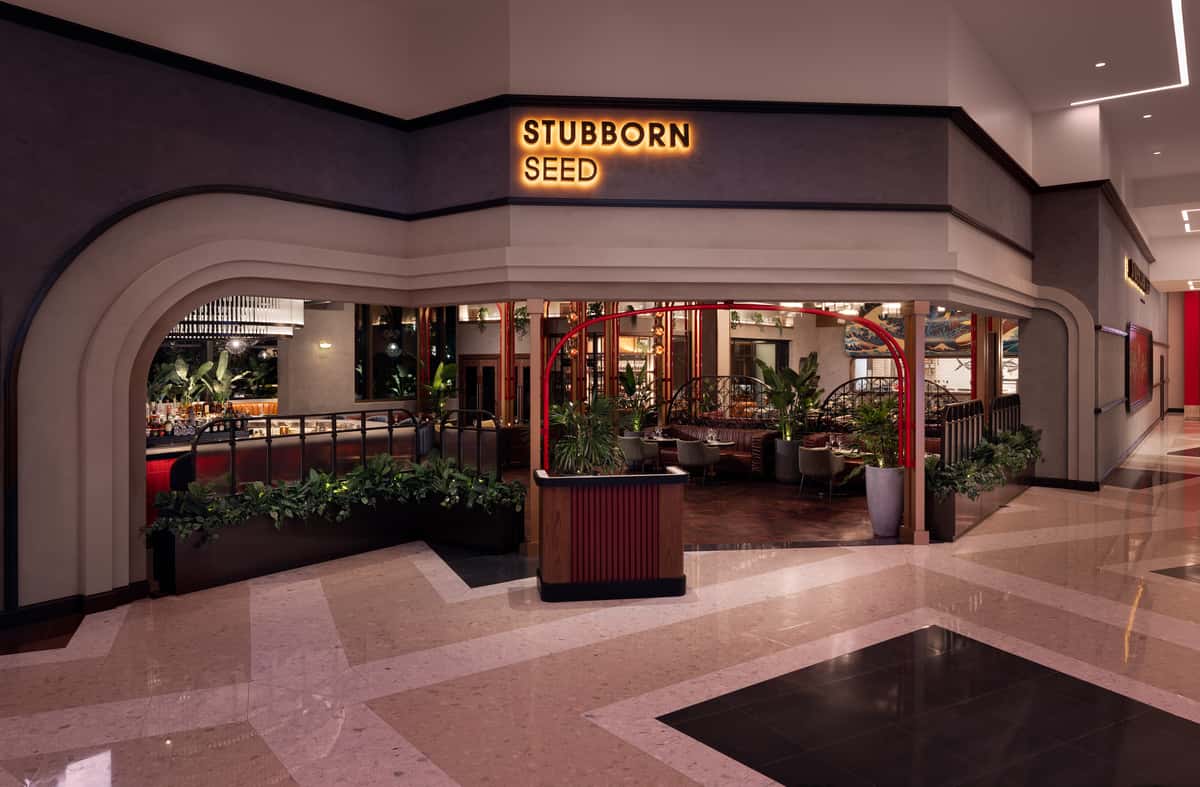
Stubborn Seed Las Vegas approaches the pace of fine dining evenings by structuring its tasting menu as a guided progression of seasonal courses, calibrated to let each dish land with intention. The following sections cover how the multi-course format enhances pacing and the key takeaways from this article.
Can the Multi-Course Tasting Menu at Stubborn Seed Enhance the Dining Pace?
Yes, the multi-course tasting menu at Stubborn Seed can enhance the dining pace. Stubborn Seed Las Vegas offers a signature fine dining tasting menu at $145 per person, featuring a progression of seasonal dishes like Harissa Lamb Fagottelli and Westholme Australian Wagyu Striploin. Each course builds on the last, giving the kitchen control over tempo while guests settle into a rhythm that feels deliberate rather than hurried.
Stubborn Seed recommends shorter prix fixe menus for 1.5 to 2-hour experiences or extended tasting menus for 2.5 to 3.5-hour immersions. This flexibility lets guests choose a pace that matches their evening. Chef Jeremy Ford, a Top Chef Season 13 winner and 2022 James Beard Award Semi-Finalist, designed this structure so the meal unfolds as a cohesive journey rather than a sequence of disconnected plates.
What Are the Key Takeaways About How Las Vegas Fine Dining Controls the Pace of the Evening We Covered?
The key takeaways about how Las Vegas fine dining controls the pace of the evening are rooted in coordination, atmosphere, and intentional slowness.
Fine dining service requires the coordination of timing and staff movements to keep service smooth, elegant, and punctual, aligning kitchen output with front-of-house cadence.
Fine dining establishments maintain slower table turns compared to casual dining, because meals are designed to be savored rather than optimized for convenience.
Pleasant lighting and background music contribute to an overall perception of luxury, influencing customer satisfaction through sensory integration, according to research from the University of Eastern Finland.
Pacing is not one technique; it is the cumulative effect of every decision covered in this article, from reservation technology and staff communication to course structure and ambience. With these principles working together, Stubborn Seed Las Vegas delivers evenings where time feels earned, not spent.