
How Long Can You Keep Frozen Meat?
How Long Can You Keep Frozen Meat?
Frozen meat stored continuously at 0°F is safe indefinitely, but how long it actually retains good flavor, texture, and color depends on the type of protein, how it's packaged, and how it's eventually thawed.
This guide covers what factors determine freezer life, how to read the signs of quality loss, recommended storage windows by protein type, proper packaging and storage methods, safe thawing practices, how quality changes over time, and how Las Vegas diners can apply these standards when choosing where to eat.
Meat type and packaging together have the biggest influence on freezer life. Ground meats last 3 to 4 months at peak quality, whole cuts of beef, pork, and lamb hold for 4 to 12 months, and poultry ranges from 9 months for pieces to a full year for whole birds. Fish is the most variable protein, with fatty varieties lasting just 2 to 3 months and lean fish extending to 6 to 8 months.
Recognizing spoilage matters as much as knowing storage limits. Color changes from red to brown are a quality signal, not a safety alarm, while grayish-brown leathery spots, off odors after thawing, and slimy texture are more reliable indicators that meat has deteriorated.
Safe thawing is where foodborne illness risk is highest. Refrigerator thawing, cold water thawing, and microwave thawing each control temperature to keep meat out of the bacterial danger zone between 40°F and 140°F.
For Las Vegas diners, understanding these standards also reveals what separates restaurants that rely on fresh, properly sourced proteins from those that don't.
What Factors Affect How Long Meat Lasts in the Freezer?
Several key factors affect how long meat lasts in the freezer, including meat type, packaging method, and storage temperature. The sections below cover how each variable influences freezer life and overall quality.
How Do Meat Types Like Beef, Pork, Chicken, and Fish Differ in Freezer Life?
Meat types like beef, pork, chicken, and fish differ significantly in freezer life based on fat content, protein structure, and cut. Ground meats, including hamburger, beef, turkey, chicken, veal, pork, and lamb, have a recommended freezer life of 3 to 4 months for best quality, according to Illinois Extension. Fish shows the widest range: fatty varieties such as catfish, mackerel, salmon, and tuna last only 2 to 3 months, while lean fish like cod or flounder hold quality for 6 to 8 months, per Clemson University HGIC. Packaging matters enormously here. Vacuum sealing gives fish 3 to 5 times the freezer life of paper wrapping, making it the most practical choice for preserving high-value proteins long-term.
How Does Packaging Impact the Shelf Life of Frozen Meat?
Packaging impacts the shelf life of frozen meat by controlling air exposure, the primary driver of freezer burn and quality loss. Original store packaging is permeable to air, so overwrapping is strongly recommended for anything stored beyond a few weeks. Vacuum-packed meats stored in a freezer can maintain quality for up to two to three years, significantly longer than conventionally wrapped cuts. Airtight packaging prevents the grayish-brown leathery spots of freezer burn that form when air contacts the meat's surface directly.
How Does Freezer Temperature Affect Meat Quality and Safety?
Freezer temperature directly affects meat quality and safety by controlling ice crystal formation and microbial activity. At temperatures below -18°C (0°F), freezing-induced denaturation of myofibrillar proteins occurs, altering protein structure and degrading texture over time, according to research published in PubMed. Fluctuating temperatures accelerate this process by promoting larger, damaging ice crystals. Consistent 0°F storage slows deterioration, though color changes, such as the bright red of fresh meat turning dark or pale brown, signal quality loss even when the meat remains safe to eat.
How Can You Tell If Frozen Meat Has Gone Bad?
Frozen meat can show spoilage through visible surface changes, texture shifts, and color alterations. The two H3s below cover the specific signs of freezer burn and whether color changes signal a safety concern.
What Are the Signs of Freezer Burn or Spoilage on Frozen Meat?
The signs of freezer burn on frozen meat are grayish-brown leathery spots on the surface where air has contacted the food. According to Healthline, freezer burn does not make meat unsafe, but it dries out those areas and degrades texture and flavor. Original store packaging is permeable to air, so Kansas State University Research and Extension recommends overwrapping for any meat stored beyond a few days. To prevent freezer burn entirely, use airtight containers, hold the freezer at a consistent 0°F, and lightly mist the meat with water before wrapping. Cutting away affected spots before cooking is the most practical fix once burn has already occurred.
Is It Safe to Eat Meat That Has Changed Color in the Freezer?
Yes, it is generally safe to eat meat that has changed color in the freezer. The American Meat Science Association notes that bright red meat can turn dark or pale brown during freezing due to lack of oxygen, freezer burn, or extended storage time. Color change alone is not a reliable indicator of spoilage or safety risk because low oxygen exposure naturally shifts myoglobin pigmentation without promoting bacterial growth. Off odors after thawing, a slimy texture, or an unusually tacky surface are more reliable spoilage signals than discoloration. Color changes are a quality flag, not a safety alarm.
What Are the Recommended Freezer Storage Times for Different Meats?
The recommended freezer storage times for different meats vary by protein type, cut, and packaging method. The sections below cover safe durations for beef, pork, and lamb; poultry such as chicken and turkey; and fish and seafood.
How Long Can You Freeze Beef, Pork, and Lamb Safely?
Beef, pork, and lamb can be frozen safely for 4 to 12 months at peak quality. According to FDA guidelines on cold food storage, fresh roasts, steaks, and chops from beef, veal, lamb, and pork all fall within this 4 to 12 month window. The wide range reflects differences in cut size and fat content: leaner, denser cuts like whole roasts typically outlast thinner chops or steaks in the freezer. For best results, store these proteins in airtight packaging and maintain a consistent 0°F.
How Long Do Chicken, Turkey, and Other Poultry Stay Good When Frozen?
Chicken and turkey stay good in the freezer for up to 1 year when kept whole. Poultry pieces, including breasts, thighs, and wings, should be used within 9 months for optimal quality, according to Penn State Extension guidelines. Whole birds benefit from their natural skin barrier, which slows moisture loss and oxidation. For pieces, airtight wrapping is especially important since cut surfaces expose more area to freezer air.
What Is the Safe Freezing Duration for Fish and Seafood?
The safe freezing duration for fish and seafood depends primarily on fat content. According to USDA FSIS freezing guidance, lean fish such as cod and flounder last 6 to 8 months, while fatty fish including salmon, tuna, and mackerel have a shorter window of 2 to 3 months due to higher lipid oxidation rates. Seafood degrades faster than most land proteins in the freezer, making airtight packaging especially critical for preserving flavor and texture.
How Should You Properly Store and Package Meat for Freezing?
Proper storage and packaging directly determine how long frozen meat retains its quality. The sections below cover the best wrapping and labeling methods, plus the safety and quality consequences of refreezing thawed meat.
What Are the Best Methods for Wrapping and Labeling Frozen Meat?
The best methods for wrapping frozen meat include airtight packaging, overwrapping original store packaging, and vacuum sealing, all paired with clear date labeling. Because store wrap is permeable to air, Kansas State University Research and Extension recommends overwrapping with freezer-grade materials for any meat stored beyond a few days. For labeling, practical systems include chalk markers on freezer-safe containers or dissolvable, removable, and reusable labels, which reduce waste and keep your freezer organized. Always mark the cut, weight, and freeze date so rotation stays simple.
- Use heavy-duty freezer bags or vacuum-seal pouches.
- Remove as much air as possible before sealing.
- Label every package with the meat type and the date frozen.
- Place newer packages behind older ones to use oldest stock first.
Can You Refreeze Meat After Thawing, and How Does It Affect Safety?
Yes, you can refreeze meat after thawing, but only safely if it was thawed in the refrigerator rather than on the counter. According to Iowa State University Extension and Outreach, refrigerator-thawed meat is safe to refreeze without cooking, though some moisture loss is expected. The quality cost is real: a study published in the Journal of Animal Science and Technology found that increased drip loss after thawing produces "less acceptability due to the loss of taste compounds, such as amino acids or nucleotides." Each freeze-thaw cycle degrades texture and flavor noticeably. To preserve quality, portion meat before freezing so only what you need is thawed at a time.
What Are the Best Ways to Thaw Frozen Meat Safely?
The best ways to thaw frozen meat safely are in the refrigerator, in cold water, and in the microwave. Each method controls temperature to prevent dangerous bacterial growth, while technique choices also affect final texture and quality.
Which Thawing Methods Help Prevent Bacterial Growth and Foodborne Illness?
The thawing methods that help prevent bacterial growth are refrigerator thawing, cold water thawing, and microwave thawing. Perishable foods should never be thawed on the counter or in hot water, because the outer layer can sit in the "Danger Zone" between 40 and 140°F, where bacteria multiply rapidly. According to the CDC, foodborne illness causes an estimated 48 million illnesses, 128,000 hospitalizations, and 3,000 deaths each year in the United States. Cold water thawing requires placing meat in a leak-proof bag and changing the water every 30 minutes to maintain a safe temperature. Refrigerator thawing is the safest option overall, since it keeps meat consistently below 40°F throughout the entire process.
How Can You Maintain the Best Texture When Defrosting Frozen Meat?
The best way to maintain texture when defrosting frozen meat is to thaw slowly in the refrigerator, which minimizes moisture loss and structural damage. For cold water thawing, adding a glug of balsamic vinegar to the bag allows the meat to lightly marinate as it thaws, helping tenderize and recover texture compromised by freezing. This technique is especially useful for cuts that have been stored for several months, where ice crystal formation may have already affected protein structure. Slow, controlled thawing consistently delivers better results than fast methods for texture-sensitive cuts like steaks and chops.
How Does the Quality of Frozen Meat Change Over Time?
The quality of frozen meat degrades gradually through ice crystal formation, moisture loss, and oxidation. Original store packaging is air-permeable, so overwrapping is recommended for prolonged storage. The H3s below cover flavor and texture changes during long storage, plus practical ways to recover quality after months in the freezer.
What Flavor and Texture Differences Might You Notice After Long Freezer Storage?
The flavor and texture differences you might notice after long freezer storage include dryness, toughness, and off-flavors caused by ice crystal damage. According to research published in Trends in Food Science & Technology, undesired ice crystals change food structure and cause serious quality deterioration, including texture alteration, nutrient loss, and off-flavors. Color may also dull or shift noticeably. While FoodSafety.gov confirms that food stored continuously at 0°F remains safe indefinitely, quality in flavor, color, and texture declines meaningfully the longer meat sits frozen. These changes are cosmetic and textural, not safety issues, but they do affect the eating experience significantly.
Are There Ways to Improve Taste After Freezing Meat for Several Months?
Yes, there are ways to improve taste after freezing meat for several months, including smart thawing choices and light marinating during the thaw. The three safe thawing methods are: in the refrigerator overnight, in cold water using a leak-proof bag changed every 30 minutes, and in the microwave. According to University of Nebraska-Lincoln Food, meat stored at 0°F is technically safe even after 24 months, though quality declines considerably. Adding an acid-based marinade while thawing can help restore tenderness and mask off-flavors developed during extended storage.
How Should Discerning Diners in Las Vegas Choose Restaurants Prioritizing Ingredient Quality and Safe Food Practices?
Discerning diners in Las Vegas should choose restaurants by evaluating sourcing transparency, safe food handling standards, and chef-driven commitment to freshness. The sections below cover how Stubborn Seed meets these benchmarks and summarize the article's core frozen meat guidance.
Can Stubborn Seed's Chef-Driven, Seasonal Menus Help Ensure the Best Meat Quality and Safety?
Yes, Stubborn Seed's chef-driven, seasonal menus can help ensure the best meat quality and safety. Located inside Resorts World Las Vegas, Stubborn Seed combines restaurant-specific food safety standards with Resorts World protocols to maintain ingredient integrity at every stage.
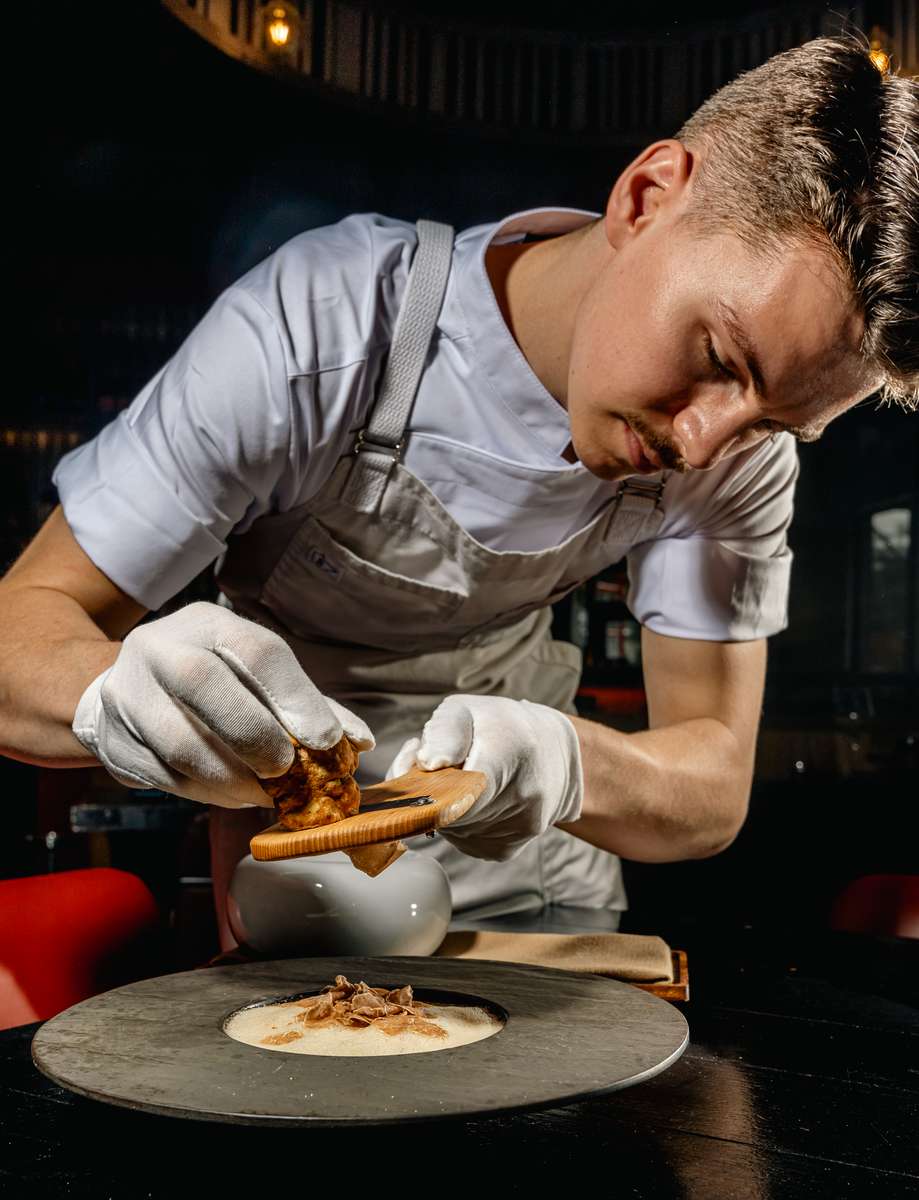
Chef Jeremy Ford sources ingredients from Ford's Farm, his own 5.5-acre organic farm, giving him direct oversight from field to plate. A University of Nevada, Reno Extension survey of Nevada chefs confirmed that "freshness and quality" are the most critical factors in direct-from-producer purchasing for gourmet menus. This farm-to-table commitment is what separates a memorable dining experience from a merely adequate one. Diners who prioritize knowing where their proteins originate will find that sourcing transparency is Stubborn Seed's defining standard.
What Are the Key Takeaways About How Long You Can Keep Frozen Meat?
The key takeaways about how long you can keep frozen meat center on the distinction between safety and quality. Meat stored continuously at 0°F is safe indefinitely, but quality declines significantly beyond recommended windows, such as 3 to 4 months for ground meats and 4 to 12 months for whole beef, pork, and lamb cuts.
Proper packaging, consistent freezer temperature, and safe thawing practices protect both safety and flavor. According to AAA Food Handler, perishable foods should never be thawed on the counter because the outer layer can reach the danger zone between 40°F and 140°F, where bacteria multiply rapidly. Stubborn Seed's sourcing model sidesteps many of these concerns by prioritizing fresh, seasonally procured ingredients over extended frozen storage.