
How Luxury Restaurants in Las Vegas Make Guests Feel Personally Seen
How Luxury Restaurants in Las Vegas Make Guests Feel Personally Seen
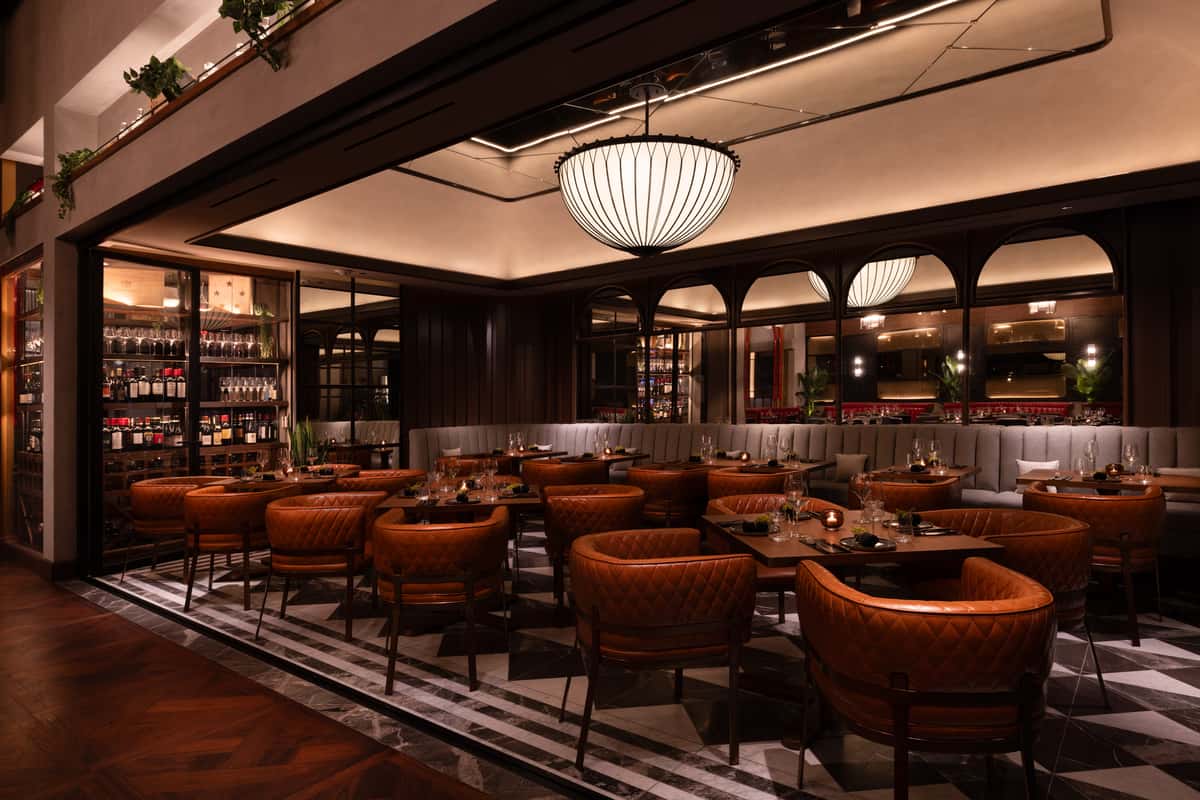
Las Vegas luxury dining is redefining high-end service, moving beyond mere opulence to focus on deeply personalized hospitality. This practice transforms a meal into a unique and deeply personal experience by recognizing each guest as an individual, offering tailored service, curating the environment, and adapting menus to suit their preferences.
We cover hospitality practices and guest recognition systems, the balance between privacy and personalized attention, ambiance and design psychology, the full dining journey from reservation to farewell, chef-driven menu customization, common mistakes that undermine authenticity, and how Stubborn Seed delivers this philosophy on the Las Vegas Strip.
Modern CRM platforms and staff training programs allow upscale restaurants to build detailed guest profiles, remember preferences across visits, and shift from reactive service to predictive hospitality powered by real-time data.
Luxury diners expect discretion alongside personalization. Skilled teams learn to anticipate needs without overstepping, adapting their approach for intimate occasions and larger group dynamics alike.
Environmental design plays a direct role in how special guests feel. Lighting intensity, spatial layout, and acoustic choices shape perception so precisely that they influence how diners experience flavor itself.
The guest journey now begins well before arrival. Digital reservation tools, loyalty integrations, and post-visit feedback loops create a continuous thread of recognition that extends through every touchpoint to a carefully crafted farewell.
Chef-driven menus offer one of the most personal forms of hospitality. Seasonal ingredient sourcing, dietary accommodations, and direct chef interaction give guests a sense of creative collaboration rather than passive consumption.
Authenticity separates memorable service from performative gestures. Rigid scripting and overly familiar language erode trust, while genuine feedback processes build lasting guest relationships.
At Stubborn Seed in Las Vegas, Chef Jeremy Ford's Michelin-starred, multi-course tasting menu embodies this entire philosophy; accessible luxury, persistent culinary craft, and a dining experience shaped around each guest who walks through the door.
What Hospitality Practices Help Guests Feel Recognized in Upscale Las Vegas Restaurants?
Hospitality practices that help guests feel recognized in upscale Las Vegas restaurants include personalized service powered by CRM data, meticulous attention to environmental detail, and systematic incorporation of guest preferences across visits.
How Do Staff Personalize Service Experiences for Individual Guests?
Staff personalize service experiences for individual guests by combining real-time data with attentive human interaction. A modern hospitality CRM strategy works best when powered by operational insight, allowing staff to move beyond automated messages to predictive guest experiences based on real-time data, according to Hospitality Net. Advances in data analytics and AI now enable customized menus built around individual dietary needs and flavor preferences.
These tools matter because immersive food and beverage concepts tap into deep senses and emotions, creating experiences that resonate on a personal level. When a server recalls a guest's preferred wine or acknowledges a celebration without being prompted, that moment carries far more weight than any scripted greeting. Personalized service of this kind is a powerful driver of guest loyalty and retention, directly boosting long-term business growth.
What Role Does Attention to Detail Play in Guest Perception?
Attention to detail plays a defining role in guest perception by shaping how diners interpret quality, care, and exclusivity. CRM platforms like SevenRooms create detailed guest profiles based on collected data, enabling restaurants to personalize every interaction, from seating assignments to dessert selections.
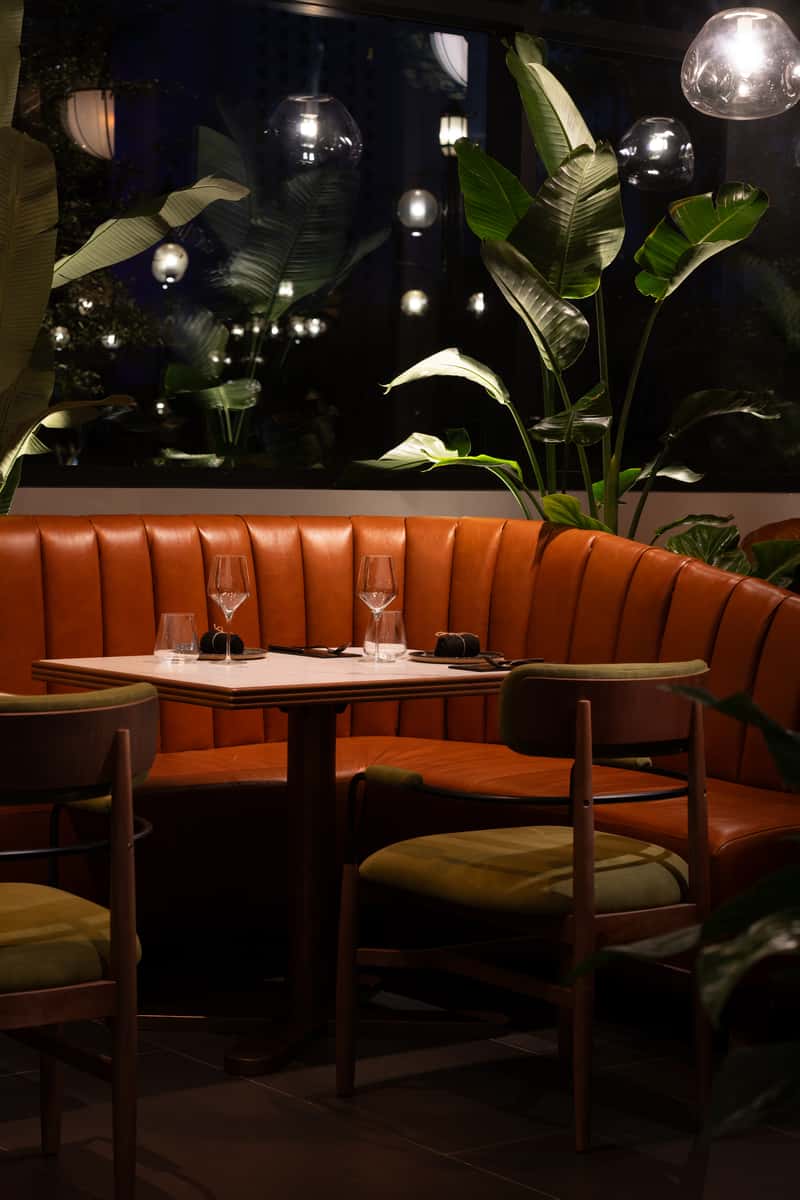
Environmental details amplify this effect in ways guests often feel but rarely articulate. In one study conducted in a fine-dining setting, guests rated food as more flavorful under bright lighting compared to dimmer conditions, revealing a direct psychological link between environment and perception. Every sensory element, including table spacing, glassware weight, and ambient sound levels, contributes to whether a guest feels genuinely valued or merely processed through a dining room.
How Are Guest Preferences Remembered and Incorporated During Visits?
Guest preferences are remembered and incorporated during visits through data-driven loyalty systems and trained service teams. Personalized loyalty programs in upscale hotels and restaurants significantly influence guest retention, with data-driven customization acting as a primary path to long-term customer loyalty, according to research published through Emerald Insight.
In practice, this means noting a guest's allergy on a first visit and proactively adjusting the menu on a second, or remembering a preferred table position without being asked. The most effective restaurants treat preference tracking not as a technology feature but as a hospitality philosophy embedded in daily operations. With recognition systems in place, the deeper question becomes how restaurants protect guest privacy while delivering this level of personalization.
How Do Luxury Restaurants Balance Privacy and Personalized Attention?
Luxury restaurants balance privacy and personalized attention by training staff to read social cues, adjusting service intensity based on the occasion, and using discretion as a foundation for every interaction. The following sections cover techniques for different party types and specialized staff training.
What Techniques Are Used to Accommodate Both Intimate and Group Occasions?
The techniques used to accommodate both intimate and group occasions include flexible seating configurations, adjusted service pacing, and tailored communication styles. For couples celebrating an anniversary, service teams minimize interruptions and time courses to allow unrushed conversation. Larger groups, such as business dinners or milestone celebrations, require a different approach: coordinated timing across multiple plates, a designated point of contact, and discreet billing arrangements.
Skilled front-of-house teams assess the occasion during the reservation process and again upon arrival. This pre-read allows them to calibrate everything from table placement to the volume and frequency of check-ins. The best luxury restaurants treat flexibility as a core operational skill, not an afterthought.
How Is Staff Training Tailored for Discerning Diners in Las Vegas?
Staff training for discerning diners in Las Vegas focuses on anticipatory service, emotional intelligence, and discretion under pressure. According to a Kennedy Training Network report, effective hospitality staff training for high-net-worth diners involves teaching employees to anticipate guest needs through immersive and customized workshops.
Las Vegas presents unique training demands because guests range from first-time visitors to seasoned high rollers who expect seamless, invisible service. Training programs typically cover:
Reading body language to gauge when guests want engagement versus solitude.
Memorizing repeat guest preferences without relying on visible notes at the table.
Handling sensitive situations, such as dietary restrictions or surprise celebrations, with confidence.
Maintaining composure during high-volume service periods common on the Strip.
This level of preparation separates adequate service from the kind that makes guests feel genuinely known. With staff equipped to navigate these nuances, the dining environment itself becomes the next layer of personalization.
What Role Do Ambiance and Atmosphere Play in Creating a Personalized Experience?
Ambiance and atmosphere shape how personally seen a guest feels before a single word is spoken. Design choices and sensory elements like lighting, music, and layout work together to reinforce exclusivity and comfort.
How Does Design Influence Guests' Feelings of Being Special?
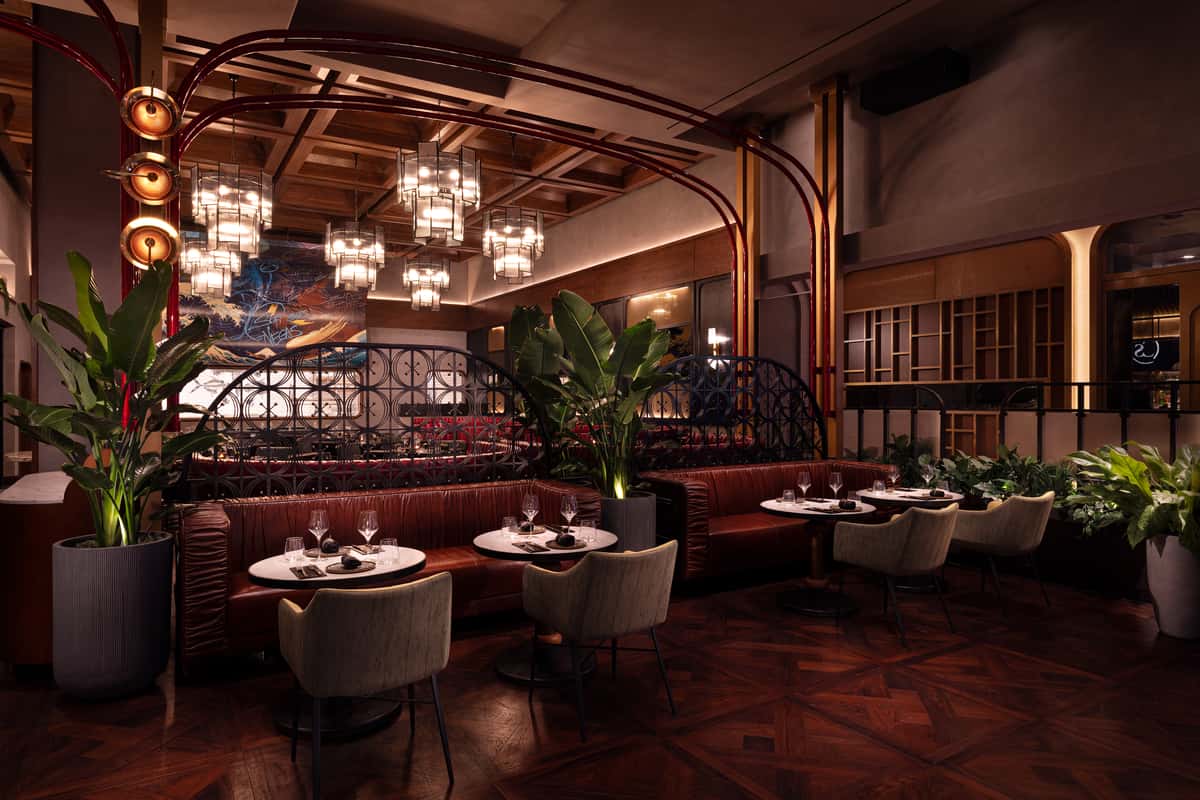
Design influences guests' feelings of being special by creating visual cues that signal intentionality and care. Thoughtful material choices, spatial proportions, and curated art communicate that every detail was considered with the guest in mind. Intimate seating arrangements, for instance, offer a sense of seclusion even within a larger dining room. When a space feels deliberately composed rather than generic, guests instinctively perceive their experience as elevated. In luxury dining, design is never decorative alone; it functions as the first layer of personalized hospitality, quietly telling each guest that the environment was crafted for moments like theirs.
What Impact Do Lighting, Music, and Layout Have on Guest Experience?
Lighting, music, and layout have a direct psychological impact on guest experience. Dim lighting in fine-dining restaurants creates an elegant, welcoming, and slow pace, while bright lighting stimulates energy and faster turnover. According to TCP Lighting, ambient restaurant lighting sets the overall mood while allowing guests and staff to move comfortably, reinforcing a sense of special treatment. Music volume and genre further modulate intimacy; softer selections encourage unhurried conversation, while tempo shifts can subtly guide the meal's rhythm. Layout determines proximity between tables, sightlines to the kitchen, and the flow of service staff. These sensory elements, when calibrated together, transform a meal into an experience that feels designed around each guest.
With ambiance setting the emotional tone, the full dining journey extends this personalization from reservation through farewell.
How Is the Dining Journey Customized from Reservation to Farewell?
The dining journey is customized from reservation to farewell through digital guest recognition tools, attentive in-service personalization, and intentional departure rituals. Below, each stage of this arc is explored in detail.
What Digital Touchpoints Enhance Guest Recognition Before Arrival?
Digital touchpoints enhance guest recognition before arrival through reservation platforms, guest profile databases, and pre-visit communication systems. OpenTable, for example, provides access to primetime reservations and exclusive tables for high-tier cardholders, integrating loyalty benefits directly into the digital reservation journey. These platforms allow front-of-house teams to review dietary restrictions, seating preferences, and occasion notes well before a guest walks through the door.
When technology is embedded at every touchpoint, from online booking to post-visit feedback, restaurants gain the analytics needed to anticipate rather than react. Pre-arrival recognition transforms a standard reservation into the first act of personalized hospitality.
How Are Farewells Crafted to Leave a Lasting Impression?
Farewells are crafted to leave a lasting impression through deliberate, guest-specific closing gestures that reinforce the care shown throughout the meal. Small details matter here: a sincere thank-you using the guest's name, a parting treat presented thoughtfully, or a brief personal acknowledgment from a manager all signal that the experience was curated, not transactional.
What restaurants avoid is equally important. According to Aaron Allen & Associates, common service mistakes include using overly familiar terms like "dude" or "buddy," which undermine the professional tone luxury diners expect. The farewell is the final emotional note a guest carries, and getting it right determines whether a one-time visit becomes a lasting relationship. With the global fine dining market projected to reach USD 289.87 billion by 2031, restaurants that master every stage of the guest journey position themselves for sustained growth.
How Do Chef-Driven Menus Enhance Feelings of Being Personally Seen?
Chef-driven menus enhance feelings of being personally seen by translating individual preferences into customized culinary experiences. The sections below explore how seasonal ingredients address dietary needs and how direct chef interactions reinforce emotional connection.
How Are Seasonal Ingredients and Guest Dietary Needs Addressed?
Seasonal ingredients and guest dietary needs are addressed through menu design that adapts to both what is freshly available and what each guest requires. Chefs in luxury Las Vegas restaurants build tasting menus around peak-season produce, rotating dishes to reflect ingredient quality at its highest point.
Dietary restrictions, allergies, and personal preferences are typically gathered during the reservation process or through pre-visit communication. According to Hotel Online, AI tools in most luxury and casino resorts can analyze guest data to create personalized packages that cater to specific guest needs. This capability allows kitchens to prepare modified courses before a guest even arrives.
When a diner sees their allergy or lifestyle choice seamlessly woven into a multi-course progression, the effect goes beyond accommodation. It signals that the kitchen treated their needs as a creative opportunity rather than a limitation.
How Do Chef Interactions Reinforce a Sense of Connection?
Chef interactions reinforce a sense of connection by transforming a meal from a transaction into a personal exchange. When a chef visits a table, explains the inspiration behind a dish, or adjusts a course based on real-time feedback, the guest experiences something that no standardized service protocol can replicate.
These moments tap into deep senses and emotions, creating experiences that resonate on a personal level. A brief conversation about sourcing decisions or technique gives diners context that elevates each bite from consumption to understanding.
In Las Vegas, where celebrity-chef venues are concentrated along the Strip, the chefs who make the strongest impression are those willing to step out of the kitchen and engage directly. That willingness communicates respect for the guest's presence, which is ultimately what feeling "personally seen" means in a fine-dining context.
With chef-driven personalization establishing emotional resonance, avoiding common service pitfalls becomes equally important for maintaining authenticity.
What Mistakes Do Luxury Restaurants Avoid to Ensure Authentic Hospitality?
Luxury restaurants avoid mistakes like overly scripted interactions and ignoring guest feedback. These errors erode the sense of genuine connection that defines personalized fine dining.
How Can Overly Scripted or Inauthentic Gestures Be Detrimental?
Overly scripted or inauthentic gestures can be detrimental because they replace genuine human connection with mechanical repetition, making guests feel processed rather than personally seen. According to a Cornell University study on service scripting, approximately 35% of all guest encounters in a fine-dining setting were described as inauthentic due to rigid scripting.
When every server delivers identical phrases in identical cadence, the interaction loses its warmth. Guests at luxury restaurants expect staff to read the moment, adjusting tone and timing based on real cues rather than a memorized checklist. Dropping the script in favor of trained intuition is what separates forgettable service from memorable hospitality.
What Feedback Processes Strengthen Genuine Guest Relationships?
Feedback processes that strengthen genuine guest relationships include post-visit follow-ups, real-time service recovery, and structured internal debriefs where staff discuss specific guest interactions. These mechanisms turn individual dining experiences into ongoing conversations.
Effective feedback loops work best when they capture both solicited input, such as brief post-meal surveys, and unsolicited signals like repeat booking patterns or special requests logged in a CRM profile. The key is acting on what guests share. A restaurant that collects feedback without visibly responding to it risks appearing indifferent, which undermines the trust that authentic hospitality depends on.
With these pitfalls addressed, the focus shifts to how specific restaurants put these principles into practice.
How Does Stubborn Seed in Las Vegas Offer Personally Customized Fine Dining Experiences?
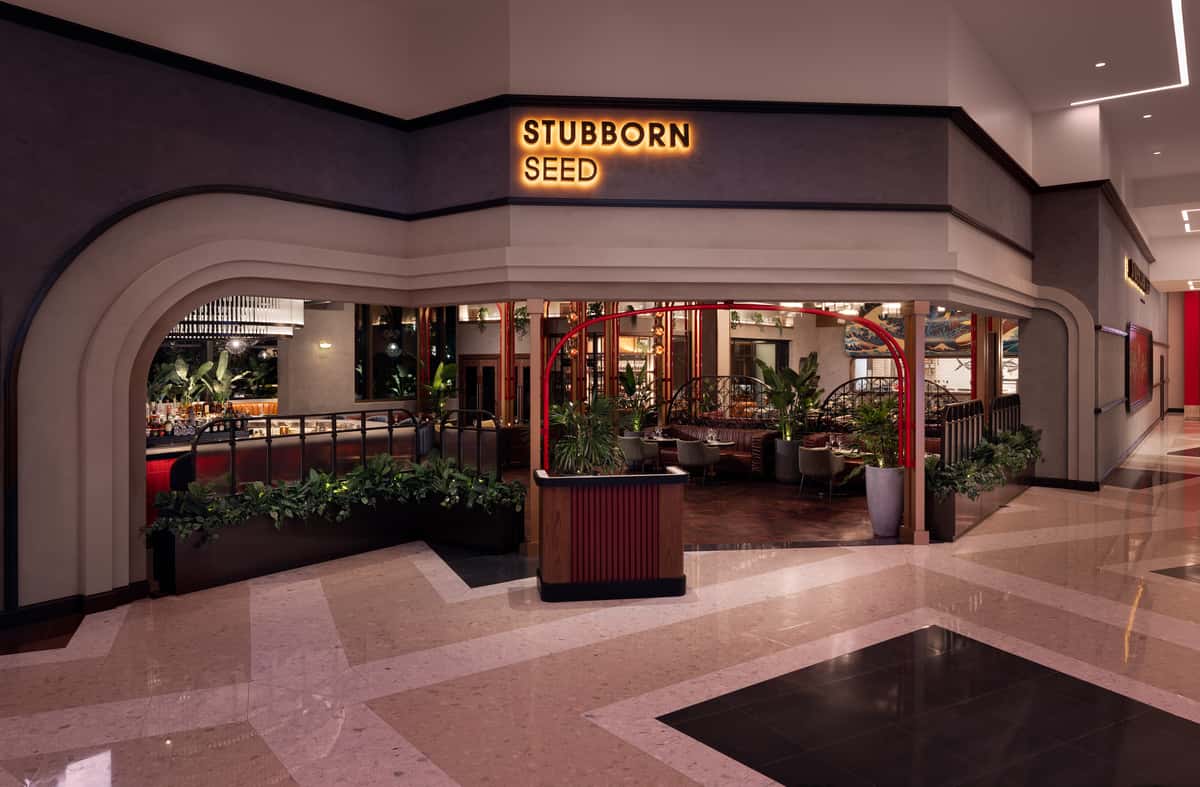
Stubborn Seed in Las Vegas offers personally customized fine dining experiences through Chef Jeremy Ford's multi-course tasting menus, an accessible luxury philosophy, and attentive service shaped by each guest's preferences. The sections below explore the tasting menu's role in personalization and the broader takeaways about feeling personally seen.
How Does Stubborn Seed's Multi-Course Tasting Menu Contribute to Guest Personalization?
Stubborn Seed's multi-course tasting menu contributes to guest personalization by creating a structured yet flexible framework where each course can reflect individual dietary needs, flavor preferences, and the pace a guest prefers. Chef Jeremy Ford's philosophy centers on taking honest ingredients and elevating them through rigid, persistent execution, resulting in dishes that feel intentional rather than formulaic.
Because the tasting format unfolds over multiple courses, the kitchen and service team gather real-time cues from each guest's reactions, adjusting portions, ingredient substitutions, or pacing as the meal progresses. This stands in sharp contrast to à la carte formats where interaction points are limited. Stubborn Seed distinguishes itself in the Las Vegas market by maintaining a philosophy of accessible luxury, making this level of attentiveness feel approachable rather than intimidating.
What Are the Key Takeaways About How Luxury Restaurants in Las Vegas Make Guests Feel Personally Seen?
The key takeaways about how luxury restaurants in Las Vegas make guests feel personally seen center on three pillars: intentional service design, environment-driven psychology, and chef-led customization.
Personalization begins before arrival, with CRM-powered guest profiles and digital reservation systems that capture preferences and special occasions.
Ambient design shapes emotional perception; dim lighting creates an elegant, slow-paced atmosphere that signals exclusivity, according to research published by Tasting Table.
Staff training focused on anticipating needs, rather than following rigid scripts, prevents the inauthenticity that erodes trust.
Chef-driven menus give kitchens the creative latitude to adapt dishes in real time based on guest feedback.
Las Vegas fine dining is characterized by a high concentration of celebrity-chef venues within integrated resorts, which means competition for personal attention is fierce. In that landscape, restaurants that invest in genuine human connection, not just operational efficiency, are the ones guests remember. Stubborn Seed applies this principle by pairing Michelin-starred culinary precision with a service culture that treats every visit as a unique occasion worth tailoring.