
How Michelin-Star Dining in Miami Removes the Stress of Choosing
How Michelin-Star Dining in Miami Removes the Stress of Choosing
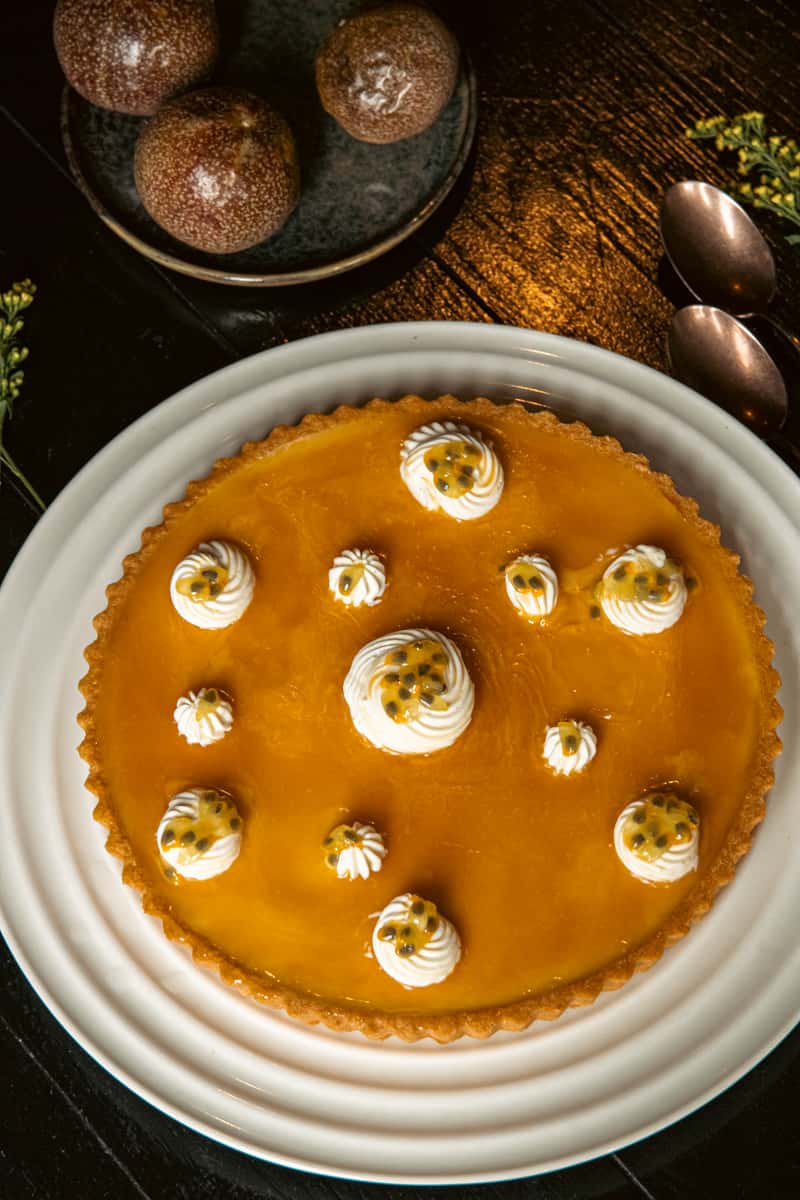
Michelin-star dining in Miami is a curated culinary experience where chef-driven menus, rigorous quality standards, and attentive service replace the burden of choosing with trust and enjoyment.
This guide covers the psychology behind restaurant decision fatigue, what distinguishes Michelin-starred restaurants from Miami's broader dining scene, how tasting menus and chef expertise simplify the entire process, and how Stubborn Seed puts these principles into practice.
Miami ranks as the top foodie city in America, and that sheer volume of options can overwhelm even confident diners. When the brain faces too many choices, it works harder to weigh each one, often leading to less satisfaction with the final decision. Understanding this fatigue is the first step toward solving it.
Michelin-starred restaurants earn their recognition through specific criteria: product quality, cooking mastery, chef personality, value, and consistency. These standards act as a built-in filter, narrowing Miami's vast dining landscape to a small group of vetted establishments that have already proven themselves across multiple visits.
Tasting menus take simplification further by removing individual dish selection entirely. The chef sequences each course for flavor progression and balance, so guests experience a complete culinary narrative without making a single menu decision. This format pairs naturally with sourcing transparency and expert technique, giving diners confidence that every plate reflects deliberate care.
Stubborn Seed, led by Chef Jeremy Ford, channels this philosophy through an eight-course tasting menu rooted in locally sourced, ingredient-driven cooking. The result is a stress-free evening where the only decision is booking the reservation.
Why Is Choosing a Restaurant in Miami Often Overwhelming for Discerning Diners?
Choosing a restaurant in Miami is often overwhelming for discerning diners because the city's sheer volume of options, rapid trend cycles, and diverse culinary landscape create genuine decision fatigue. The factors behind this challenge range from cognitive overload to the constant evolution of Miami's food scene.
What Factors Contribute to Decision Fatigue When Selecting Miami Restaurants?
The factors that contribute to decision fatigue when selecting Miami restaurants include an oversaturated dining market, competing review platforms, and the cognitive toll of evaluating too many options at once. WalletHub ranked Miami as the #1 Best Foodie City in America in 2026 with an overall score of 73.58, which means diners face an extraordinary density of high-quality choices.
This abundance, while exciting, taxes the brain's evaluative systems. According to a report by Restaurant Dive, 79% of consumers are interested in receiving personalized menu recommendations based on past orders or current context specifically to reduce decision fatigue. When mental depletion sets in, research from Datassential shows the brain enjoys complex flavors less, defaulting to simpler tastes. For diners seeking refined cuisine, that cognitive drain can undermine the very experience they are pursuing.
How Do Food Trends and Diverse Cuisines Add to the Challenge of Choosing?
Food trends and diverse cuisines add to the challenge of choosing by constantly shifting what feels current, relevant, or worth trying. Miami's culinary identity spans Latin American, Caribbean, Asian fusion, Mediterranean, and Southern American traditions, with new concepts arriving regularly. Each trend generates buzz, social media coverage, and competing recommendations that fragment a diner's attention.
This revolving landscape makes it difficult to distinguish lasting quality from momentary hype. A restaurant celebrated one season may feel outdated the next, while a quieter establishment with genuine craft goes overlooked. For discerning diners who value consistency and depth over novelty, the noise of trend-driven dining often obscures the restaurants that would actually satisfy them most.
With these challenges in mind, Michelin-star dining offers a structured alternative built on verified quality.
What Sets Michelin-Star Dining Apart from Other Miami Culinary Experiences?
Michelin-star dining stands apart through rigorous evaluation standards, culinary consistency, and hospitality that elevates guest wellbeing. The following sections explain how the Michelin Guide selects Miami restaurants and what qualities define the experience.
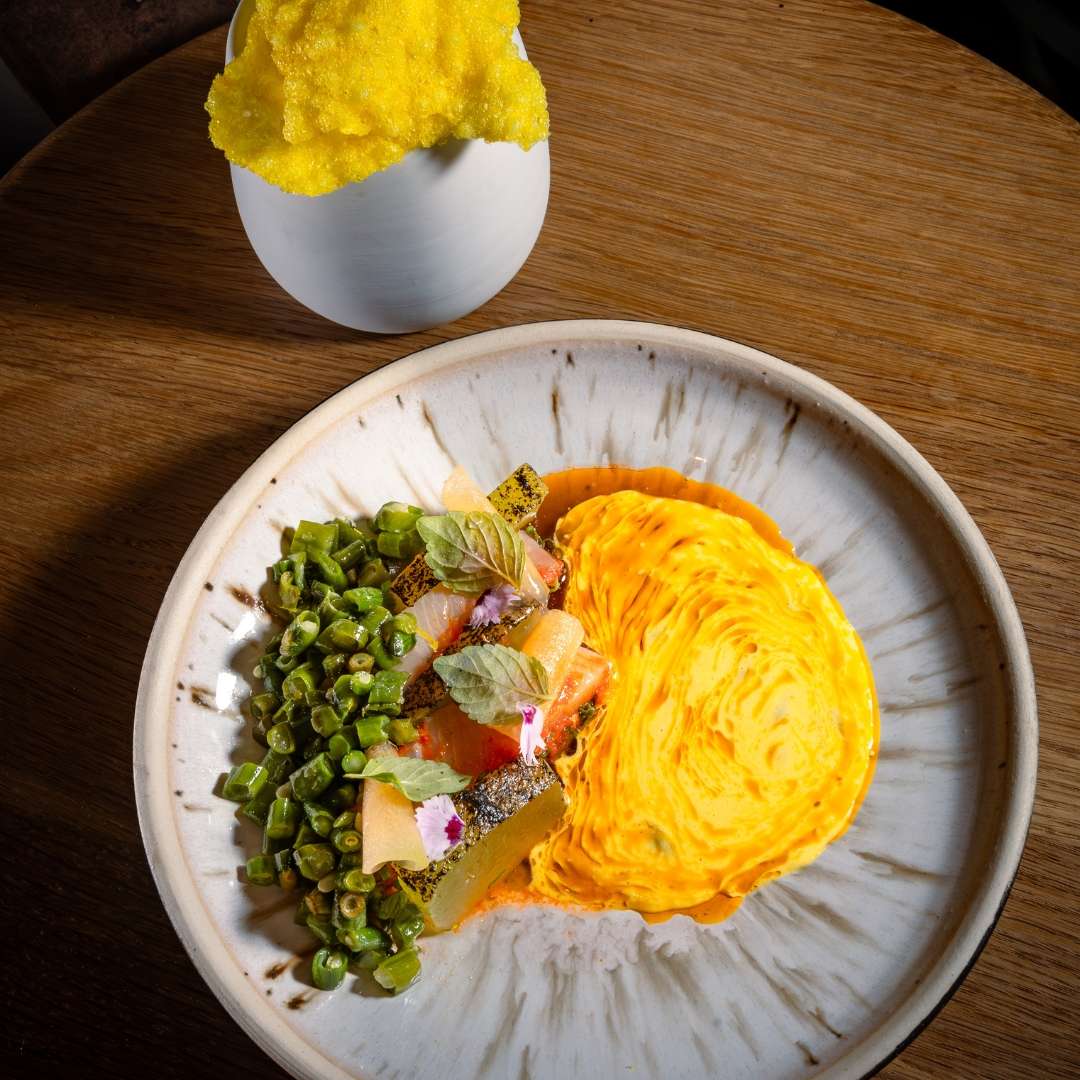
How Does the Michelin Guide Determine Its Miami Restaurant Selections?
The Michelin Guide determines its Miami restaurant selections by evaluating five specific criteria:
Quality of products used in each dish.
Mastery of flavor and cooking techniques.
The personality of the chef expressed through the cuisine.
Value for money relative to the dining experience.
Consistency between visits over time.
According to the Michelin Guide, these five standards apply uniformly to every restaurant under review, whether a neighborhood bistro or a high-end tasting room. Miami holds 16 Michelin-starred restaurants as of August 2025, the highest count in Florida. That concentration reflects a dining scene where ingredient investment is substantial; fine dining food costs typically range from 28% to 35% of revenue. For diners overwhelmed by options, these criteria function as a built-in quality filter.
What Qualities Can Diners Expect from a Michelin-Starred Experience in Miami?
The qualities diners can expect from a Michelin-starred experience in Miami include intentional hospitality, chef-driven creativity, and carefully sequenced courses. Research into hospitality and wellbeing suggests that curated dining experiences enhance optimism and psychosocial flourishing, which partly explains why guests often describe these meals as restorative rather than simply satisfying.
Experiential dining bookings, including chef tables and tasting menus, increased 46% year-over-year in 2026, according to industry analysis by David R. Mann. That trend signals a shift: diners increasingly value guided culinary journeys over open-ended menus. In a Michelin-starred setting, the kitchen assumes responsibility for pacing, flavor progression, and ingredient selection, allowing guests to be fully present rather than preoccupied with choices.
With the evaluation framework and guest experience now clear, the next step is understanding how tasting menus simplify decisions further.
How Does a Curated Tasting Menu Streamline the Dining Decision Process?
A curated tasting menu streamlines the dining decision process by replacing an overwhelming list of choices with a single, chef-designed progression of courses. The following sections explore why Miami's top restaurants favor this format and how it eliminates difficult food choices.
Why Do Many Miami Michelin-Star Restaurants Offer Tasting Menus?
Many Miami Michelin-star restaurants offer tasting menus because the format allows chefs to showcase mastery of technique, seasonal ingredients, and creative vision in a structured sequence. Rather than competing for attention across a sprawling menu, each course builds on the last, giving the kitchen full control over flavor pacing and ingredient quality.
According to a 2026 analysis by David R. Mann, experiential dining bookings, including chef tables and tasting menus, increased 46% year-over-year. This surge reflects a broader shift: diners increasingly prefer guided culinary journeys over self-directed ordering. For restaurants pursuing or maintaining Michelin recognition, a tasting menu also ensures the consistency inspectors evaluate on every visit.
How Does a Tasting Menu Remove the Need for Difficult Food Choices?
A tasting menu removes the need for difficult food choices by presenting a fixed progression of courses, eliminating the mental effort of comparing dozens of dishes. The guest simply sits down and trusts the chef's curation.
This matters more than most diners realize. According to research from the California Institute of Technology, the brain's dorsal anterior cingulate cortex and striatum work harder to evaluate rewards against effort when options are excessive, creating a measurable cognitive burden. Separately, Datassential research found that mentally depleted diners enjoy complex flavors less, favoring simpler tastes instead. A tasting menu sidesteps both problems at once: fewer decisions preserve mental energy, and careful course sequencing ensures each flavor lands with full impact. With the decision-making handled, attention shifts entirely to the experience itself.
In What Ways Do Chef-Driven Establishments in Miami Deliver Peace of Mind?
Chef-driven establishments in Miami deliver peace of mind by combining culinary expertise with transparent sourcing practices. The following subsections explore how chef skill builds trust and how ingredient transparency reduces uncertainty.
How Does Chef Expertise Influence Trust in Meal Selections?
Chef expertise influences trust in meal selections by shifting the burden of choice from the diner to a trained professional. When a chef with demonstrated mastery designs each course, guests no longer need to evaluate unfamiliar ingredients or worry about flavor combinations. The Michelin Guide itself weights "the personality of the chef in their cuisine" as one of its five evaluation criteria, reinforcing that a chef's creative authority is a measurable quality signal.
This dynamic is especially valuable when mental fatigue is a factor. According to research published by Datassential, the human brain enjoys complex flavors less when mentally depleted, favoring simpler tastes instead. A skilled chef anticipates this by sequencing courses to build complexity gradually, ensuring each dish lands with full impact. For most diners, surrendering the menu to a chef they trust is not a loss of control; it is the most reliable path to a satisfying meal.
Can Knowledge of Ingredient Sourcing Further Reduce Diner Uncertainty?
Yes, knowledge of ingredient sourcing can further reduce diner uncertainty by replacing guesswork with verifiable quality standards. When a restaurant openly communicates where its proteins, produce, and specialty items originate, guests feel confident that each plate reflects intentional selection rather than cost-driven shortcuts.
Chef Jeremy Ford of Stubborn Seed exemplifies this approach. In a Michelin Guide interview, Ford noted, "We've always been ingredient-driven, but it's all going to change once we're harvesting... it puts more of a challenge on the kitchen," referencing his 6-acre farm in the Redlands south of Miami. That level of direct involvement in sourcing signals a commitment that goes beyond marketing language. Diners who understand this connection between farm and plate experience less hesitation, because the ingredient story itself becomes a form of reassurance.
With trust established through expertise and transparency, the broader dining experience can further enhance both enjoyment and convenience.
How Can Michelin-Starred Dining Enhance Both Culinary Enjoyment and Convenience?
Michelin-starred dining enhances both culinary enjoyment and convenience by combining attentive service environments with structured formats that eliminate common friction points. The following sections explore how ambiance reduces stress and how advance booking simplifies the entire experience.
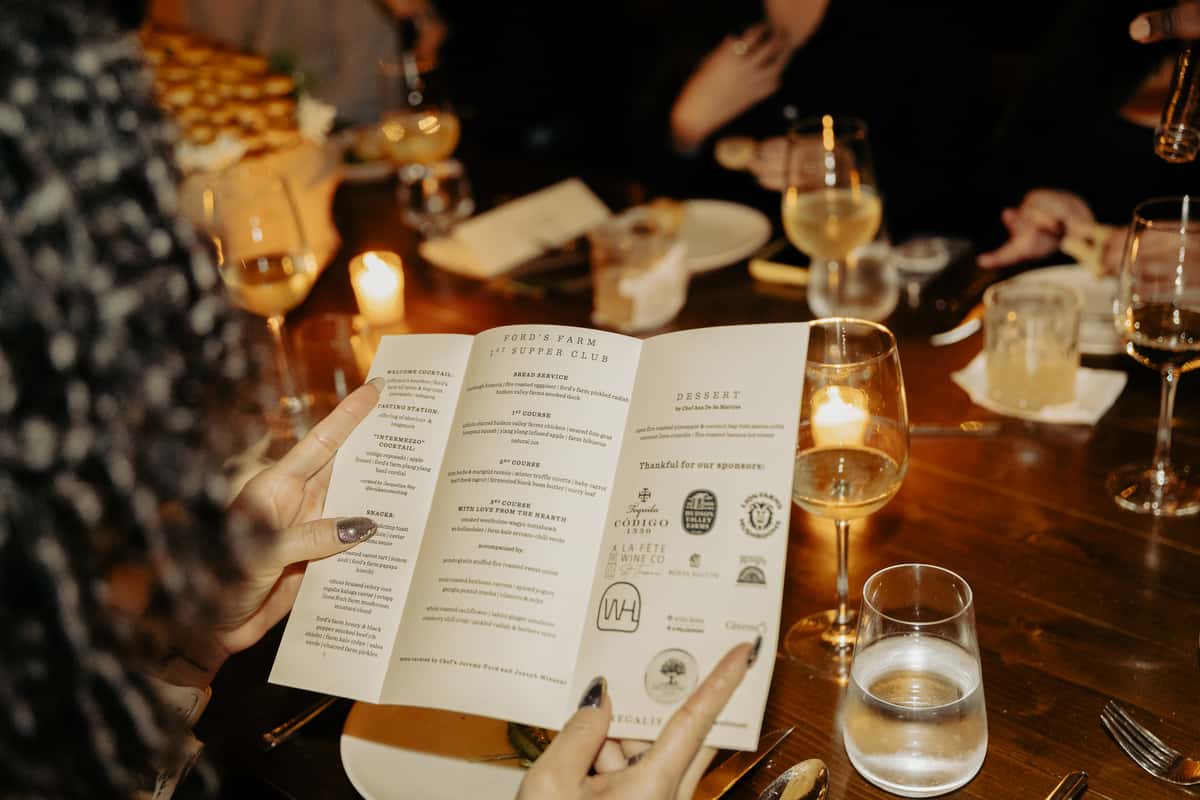
Does the Ambiance and Service at Elite Miami Restaurants Add to Stress Relief?
The ambiance and service at elite Miami restaurants do add to stress relief. Carefully designed lighting, acoustics, and spatial layouts create environments where guests can fully decompress, while anticipatory service removes the need to manage logistics during the meal. According to a study published in the International Journal of Wellbeing, hospitality is associated with higher levels of wellbeing, including optimism and psychosocial flourishing, which curated dining experiences can enhance.
When every detail, from pacing to table placement, is orchestrated by a trained team, guests shift from decision-making mode into a receptive state. This matters more than most diners realize; a relaxed mind actually perceives flavor more vividly, making the investment in atmosphere inseparable from the culinary experience itself.
How Does Advance Booking or Prix Fixe Dining Reduce Decision-Making Pressure?
Advance booking or prix fixe dining reduces decision-making pressure by consolidating dozens of micro-choices into one or two commitments made well before the meal. Securing a reservation locks in the date, time, and venue. A prix fixe or tasting menu format then eliminates course-by-course deliberation entirely.
This streamlined approach offers several practical benefits:
Guests avoid scrolling through extensive à la carte options under time pressure.
Dietary preferences can be communicated during booking, not at the table.
The evening's pacing is predetermined, removing uncertainty about when to order or how many courses to select.
For anyone who has felt paralyzed by a 40-item menu after a long day, structured formats represent one of the most effective ways to protect both enjoyment and convenience during a night out.
How Does Stubborn Seed in Miami Make Choosing Stress-Free for Its Guests?
Stubborn Seed in Miami makes choosing stress-free by offering curated tasting menus that eliminate the pressure of ordering from a large à la carte selection. The following sections explore how the tasting menu format helps indecisive diners and summarize the key takeaways from this article.
How Does Stubborn Seed's Fine Dining Tasting Menu Aid Indecisive Diners?
Stubborn Seed's fine dining tasting menu aids indecisive diners by replacing an overwhelming list of individual choices with a seamlessly structured progression of courses. Rather than scanning dozens of options and second-guessing each selection, guests simply choose between a 6-course or 9-course tasting menu and let Chef Jeremy Ford's kitchen guide the experience from start to finish.
This approach reflects a broader shift in how people prefer to dine. According to a 2026 analysis by David R. Mann, experiential dining bookings, including chef tables and tasting menus, increased 46% year-over-year. That surge suggests diners increasingly value surrendering the decision to a trusted chef over navigating complex menus alone. For anyone who finds ordering stressful, Stubborn Seed's format is one of the most effective solutions in Miami's Michelin-starred landscape.
What Are the Key Takeaways About How Michelin-Star Dining in Miami Removes the Stress of Choosing We Covered?
The key takeaways about how Michelin-star dining in Miami removes the stress of choosing center on three themes: trust, structure, and expertise.
Curated tasting menus eliminate decision fatigue by narrowing choices to a single guided experience.
Michelin-starred kitchens earn trust through verified consistency in ingredients, technique, and hospitality.
Chef-driven menus shift the cognitive burden of selecting dishes from the guest to a culinary expert.
Neuroscience supports this principle. Research from the California Institute of Technology found that the brain's dorsal anterior cingulate cortex works harder when options are excessive, creating a "U-shaped" relationship between choice volume and mental effort. Fewer, better-curated options lead to greater enjoyment. Stubborn Seed applies this insight directly, offering guests in Miami a dining experience built around clarity rather than complexity.