
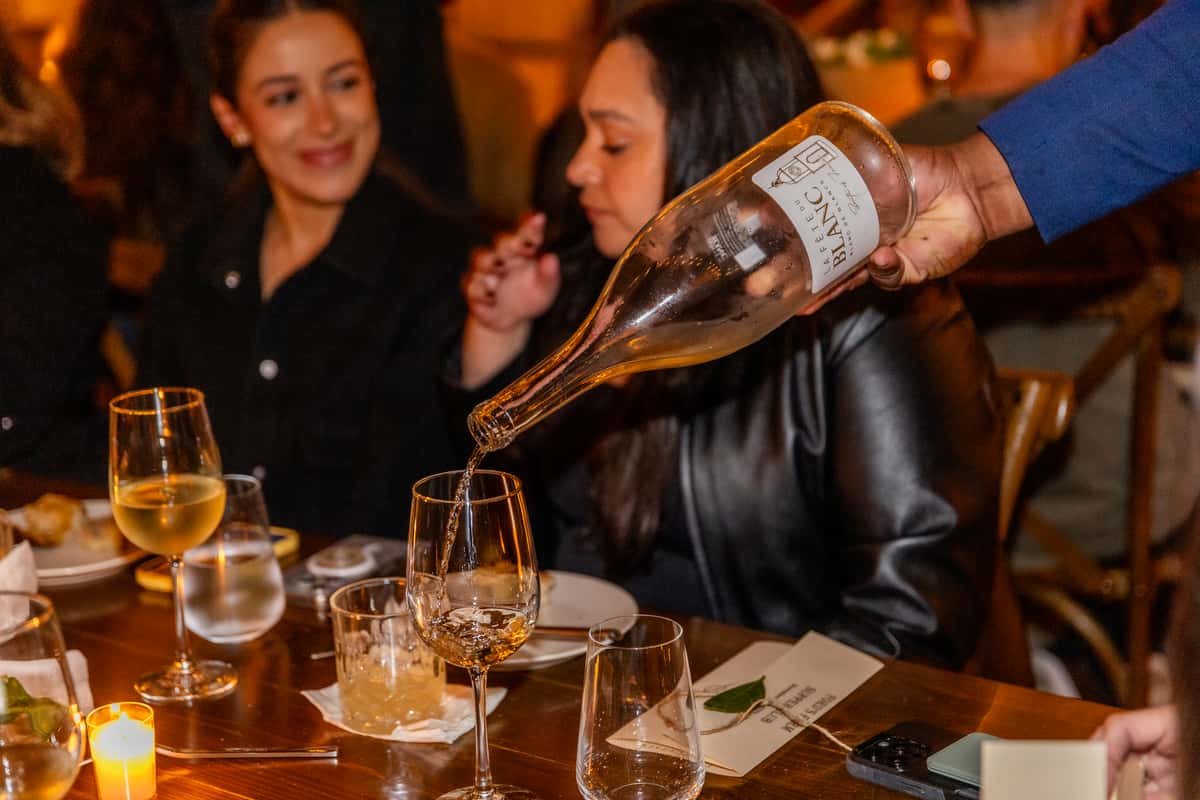
Server pouring white wine into a glass during a warm restaurant dinner service
How Michelin-Star Restaurants in Miami Adapt to Guest Preferences
In Miami's highly competitive and culturally rich dining scene, the ability of its 16 Michelin-starred restaurants to adapt to guest preferences is crucial for sustained excellence. This ongoing process involves tailoring menus, service, and dining environments to perfectly align with each visitor's cultural background, dietary needs, and personal expectations. Operating in one of America's most diverse dining markets, these elite establishments have made adaptability an essential ingredient for maintaining their prestigious status.
We cover what shapes guest preferences in Miami's fine dining scene, how restaurants personalize the experience from tasting menus to celebrations, the ways chefs balance innovation with guest feedback, the technologies that help anticipate diner needs, and how Stubborn Seed applies these principles firsthand.
Miami's population is 70% Hispanic, which means Cuban techniques, South American specialties, and family dining traditions directly shape what guests expect on a Michelin-level plate. Dietary restrictions and food allergies add another layer; kitchens must accommodate these needs precisely while preserving the cohesion of multi-course tasting menus.
Personalization extends well beyond the plate. Restaurants customize tasting menus for individual diners, design service protocols around special occasions, and adjust pacing, presentation, and interaction styles to meet each table's expectations.
Chef-driven innovation relies on structured feedback loops. Kitchens gather guest input through post-meal surveys and review analysis, then update menus as often as weekly based on seasonal ingredients and shifting preferences.
CRM platforms and reservation systems now build detailed guest profiles before diners arrive, tracking everything from allergies to seating preferences. Social media sentiment analysis provides another real-time layer of insight that informs continuous improvement.
At Stubborn Seed, we integrate these practices into our chef-driven tasting menu format, encouraging guests to communicate dietary needs during the booking process so every course reflects both culinary vision and individual care.
What Drives Guest Preferences at Michelin-Starred Miami Restaurants?
Guest preferences at Michelin-starred Miami restaurants are driven by cultural diversity, dietary needs, and a growing demand for personalized experiences. The following sections explore how each factor shapes menu planning and service.
How Do Miami's Diverse Cultures Influence Dining Choices?
Miami's diverse cultures influence dining choices by shaping the flavors, ingredients, and traditions that guests expect from fine dining. The Hispanic population accounts for 70% of Miami's demographic, according to Current Backyard, which means Cuban traditional techniques, South American regional specialties, and family dining traditions are deeply embedded in local palates.
This cultural richness pushes Michelin-starred kitchens to blend global culinary techniques with Latin and Caribbean flavor profiles. Guests arriving at fine dining restaurants in Miami often seek dishes that honor these roots while delivering the precision and creativity associated with Michelin-level cooking. For restaurants that fail to acknowledge this cultural landscape, the disconnect with local diners can be immediate.
What Role Do Dietary Restrictions and Allergies Play in Menu Planning?
Dietary restrictions and allergies play a central role in menu planning at Michelin-starred restaurants, requiring both kitchen adaptability and staff training. The emotional stakes are significant; the World Allergy Organization Journal reports that 62% of patients with food allergies experience mental health concerns stemming from their dietary restrictions.
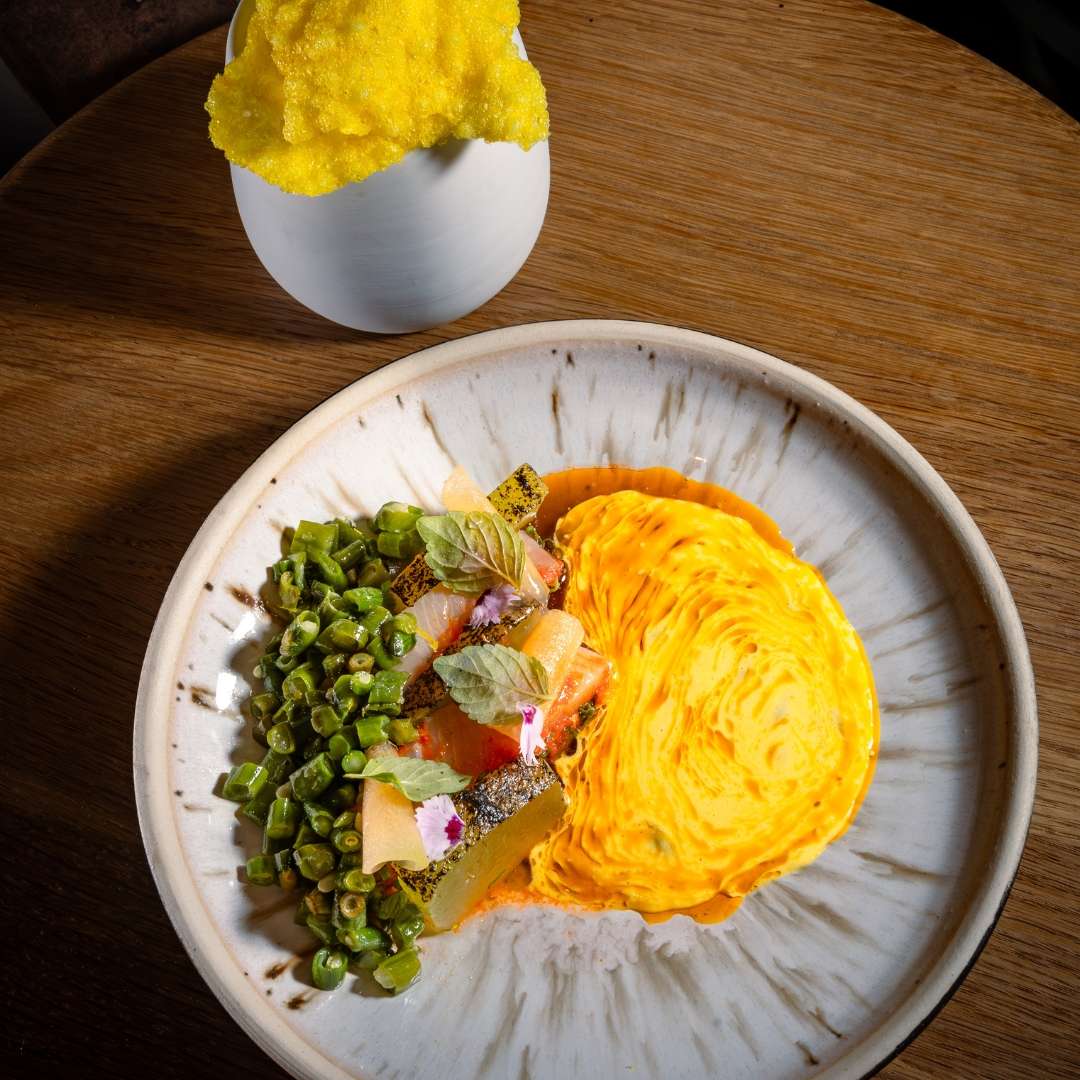
Michelin star service standards require staff to handle these needs with sensitivity, offering alternative dishes or modifications to existing menu items. For tasting menus at special events, culinary experts recommend building courses that fit together cohesively so guests requiring dietary customization still enjoy a unified experience. When kitchens treat restrictions as a design constraint rather than an afterthought, the result is a more thoughtful and inclusive menu.
Why Do Guests Value Personalization in Fine Dining Experiences?
Guests value personalization in fine dining experiences because it transforms a meal into something memorable and unrepeatable. Fine dining reservations in Miami have increased by 215% since 2019, according to OpenTable data, signaling that diners increasingly seek experiences tailored to their preferences rather than standardized service.
This demand manifests in several ways:
Interactive formats, such as L'Atelier de Joël Robuchon Miami's 34-seat dining counter, facilitate direct interaction between chefs and guests.
Immersive environments featuring 360° visuals, projection mapping, and synchronized sound and light let guests "travel the world without leaving their seats."
Pre-visit communication, where restaurants gather preferences before arrival, ensures each detail feels intentional.
Personalization at this level is no longer a luxury differentiator; it is the baseline expectation for Miami's growing fine dining audience. With these preferences driving demand, Michelin-starred restaurants are investing in specific tools and strategies to deliver customized experiences.
In What Ways Do Michelin-Star Restaurants in Miami Personalize Guest Experiences?
Michelin-star restaurants in Miami personalize guest experiences through customized tasting menus, tailored celebration packages, and attentive service calibrated to individual preferences. The following sections explore how each approach works.
How Are Tasting Menus Customized for Individual Guests?
Tasting menus are customized for individual guests by collecting dietary needs and preferences before the meal begins, then adjusting courses accordingly. Platforms like Resy OS allow restaurant administrators to track guest preferences and gain visibility into business metrics through actionable analytics, facilitating more personalized dining experiences, according to Resy. Kitchens use this pre-visit data to modify ingredients, swap proteins, or redesign entire courses for allergies and restrictions. Rather than offering a rigid sequence, chefs treat the tasting format as a framework, adapting each plate so the overall progression remains cohesive. This flexibility turns a fixed menu into a personal narrative shaped by the guest's palate.
What Strategies Are Used for Accommodating Special Occasions or Celebrations?
The strategies used for accommodating special occasions or celebrations typically involve advance coordination between guests and the front-of-house team. Reservation platforms now enable restaurants to implement pre-visit questions that capture celebration details, table preferences, and timing requests, all integrated into centralized guest profiles. Common approaches include:
Personalized menu cards bearing the guest's name or event details.
Coordinated courses timed to speeches, toasts, or surprise moments.
Custom dessert presentations designed around the occasion.
Preferred seating arrangements confirmed well before arrival.
Successful celebration service depends on preparation, not improvisation. The most memorable moments feel effortless precisely because every detail was mapped out days in advance.
How Is Service Tailored to Meet Discerning Diners' Expectations?
Service is tailored to meet discerning diners' expectations through detailed guest profiling, staff training, and real-time communication between the dining room and kitchen. Staff learn to read pace preferences, adjusting intervals between courses for guests who want to linger versus those on tighter schedules. Recognition plays a significant role; returning guests often find their preferred wine or seating ready without needing to ask. Sensitivity training ensures dietary accommodations are handled discreetly, preserving the guest's comfort. Every interaction, from greeting to farewell, reflects information gathered across previous visits. This level of attentiveness distinguishes competent fine dining from truly exceptional hospitality.
With personalization strategies in place, innovation and guest feedback keep these experiences evolving.
How Do Miami's Michelin-Star Chefs Stay Innovative While Responding to Guest Feedback?
Miami's Michelin-star chefs stay innovative by combining structured feedback collection, frequent menu updates, and collaborative seasonal events. Each approach balances creative ambition with genuine responsiveness to diners.
What Process Do Chefs Use to Gather and Analyze Guest Feedback?
Chefs use a multi-layered process to gather and analyze guest feedback, combining real-time observation with post-meal data collection. Many restaurants collect guest feedback by offering quick surveys at the end of the meal, often accessible via a QR code, according to restaurant owner communities discussing implementation strategies.
Beyond surveys, kitchen teams monitor:
Direct server-relayed comments during service.
Reservation platform notes on dietary needs and preferences.
Patterns in dish return rates and modification requests.
This combination of qualitative and quantitative signals gives chefs a clearer picture than any single channel alone. For Michelin-level kitchens, where Michelin Guide inspectors evaluate consistency across visits, ongoing feedback analysis becomes essential to maintaining standards while evolving creatively.
How Often Are Menus Updated to Reflect Changing Preferences?
Menus are updated frequently at Miami's top restaurants, with cadence depending on format and ingredient availability. According to industry expert contributions on restaurant operations, high-end establishments frequently update their menus once or twice a week, depending on the availability and cost of seasonal produce.
Tasting menu formats allow particularly agile adjustments. A single course can rotate based on what arrives from local purveyors that morning, while the overall menu structure remains cohesive. This rhythm lets chefs respond to guest preference trends without sacrificing the culinary identity that earned their recognition. Restaurants offering both tasting and à la carte options often stagger changes, testing new preparations on the tasting menu before introducing them more broadly.
How Do Collaborations and Seasonal Events Influence Adaptations?
Collaborations and seasonal events influence adaptations by exposing chefs to new techniques, ingredients, and audience expectations outside their typical service. Guest chef dinners, pop-up partnerships, and seasonal festivals push kitchens to experiment under a creative framework that still prioritizes the diner's experience.
These events serve multiple purposes:
They introduce unfamiliar flavor profiles that may later appear on permanent menus.
They generate direct, high-engagement feedback from attendees willing to try experimental dishes.
They strengthen relationships with local farmers and suppliers who showcase peak-season offerings.
Miami's cultural diversity makes these collaborations especially productive, as chefs draw from Latin American, Caribbean, and Asian culinary traditions already woven into the city's dining identity. With feedback systems and seasonal events working in tandem, the next layer of adaptation relies on the technologies restaurants use to anticipate guest needs before they are even expressed.
What Technologies and Techniques Help Michelin-Star Restaurants Understand and Anticipate Guest Needs?
Technologies and techniques that help Michelin-star restaurants understand and anticipate guest needs include CRM platforms, reservation-based pre-visit surveys, and sentiment analysis of online reviews. The sections below explore how data, booking systems, and social listening drive personalization.
How Is Data Used to Enhance the Dining Experience?
Data is used to enhance the dining experience by building detailed guest profiles and informing design decisions that shape how diners interact with food. CRM systems like SevenRooms automatically compile order history, dietary preferences, allergies, and special occasions into individual profiles, enabling staff to recognize returning guests and anticipate their needs. According to a SevenRooms report, 51% of Americans believe one of the best ways to personalize dining is for service staff to simply remember them.
Beyond digital profiles, data also informs physical environment choices. COTE Miami, for example, features tables inlaid with bespoke, smokeless charcoal grills, creating an interactive experience shaped by guest engagement data and Miami's nightlife culture. For most fine dining operations, combining CRM intelligence with thoughtful spatial design produces the strongest impression of genuine hospitality.
What Role Do Reservations and Pre-Visit Surveys Play in Customization?
Reservations and pre-visit surveys play a central role in customization by collecting guest preferences before diners arrive. Platforms like Tock enable restaurants to embed pre-visit questions that gather details on dietary restrictions, table preferences, and special occasions. These responses feed directly into centralized guest profiles, giving front-of-house and kitchen teams actionable information for each service.
This advance preparation allows the entire team to coordinate modifications seamlessly rather than reacting in the moment. Guests with allergies, anniversary celebrations, or seating preferences receive tailored attention from the first interaction. Pre-visit data collection is one of the most underrated tools in fine dining; it transforms a reservation from a simple time slot into the foundation of a personalized experience.
How Are Social Media and Online Reviews Leveraged for Continuous Improvement?
Social media and online reviews are leveraged for continuous improvement through systematic sentiment analysis and real-time monitoring. According to Olo, sentiment analysis of restaurant reviews allows practitioners to monitor guest satisfaction across review sites and social platforms, serving as a major indicator of restaurant sales trends.
Michelin-starred restaurants track recurring themes in feedback, such as praise for specific courses or concerns about pacing, then adjust service protocols and menu offerings accordingly. Social platforms also reveal shifting guest expectations around presentation, dietary trends, and experiential elements. Restaurants that treat online feedback as structured data rather than anecdotal noise gain a measurable advantage in anticipating what guests want next.
With these digital tools in place, the final piece is how individual restaurants apply them to create distinctive guest experiences.
How Does Stubborn Seed Specifically Adapt Its Fine Dining Experience to Meet Guest Preferences?
Stubborn Seed adapts its fine dining experience by integrating guest preferences directly into the reservation and menu preparation process. Below, we cover tasting menu customization and key takeaways from Miami's Michelin-star adaptation strategies.
Can Stubborn Seed's Chef-Driven Tasting Menus Be Customized for Individual Diners?
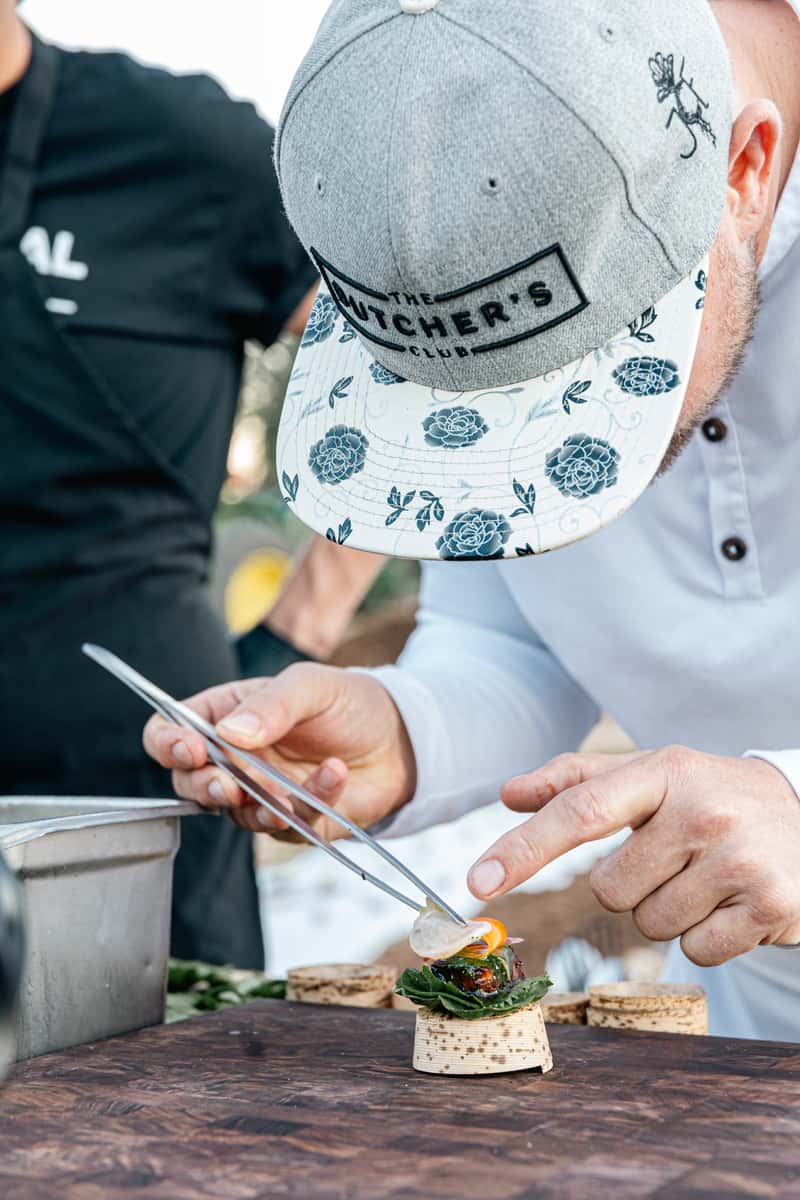
Yes, Stubborn Seed's chef-driven tasting menus can be customized for individual diners. Stubborn Seed requires guests to book reservations two to four weeks in advance and encourages them to specify dietary needs during the booking process, ensuring a curated tasting experience. Stubborn Seed offers both a 6-course and a 9-course tasting menu, and this advance communication gives the kitchen time to prepare thoughtful modifications rather than last-minute substitutions.
For diners with allergies, this proactive approach matters more than most people realize. A study published through the National Institutes of Health found that 53.9% of food allergy reactions in United States restaurants occurred despite staff being informed of the allergy. Pre-visit communication significantly reduces that risk by building dietary awareness into each course from the start.
What Are the Key Takeaways About How Michelin-Star Restaurants in Miami Adapt to Guest Preferences We Covered?
The key takeaways about how Michelin-star restaurants in Miami adapt to guest preferences are rooted in cultural awareness, technology-driven personalization, and proactive communication. Miami's 2025 Michelin accolades include 16 Michelin Stars across the city, and these restaurants share several core adaptation strategies:
Cultural responsiveness shapes menus and service, since Miami's Hispanic population accounts for 70% of the demographic, influencing preferences through Cuban techniques, South American specialties, and family dining traditions.
CRM platforms such as SevenRooms create detailed guest profiles tracking order history, dietary preferences, allergies, and special occasions.
Reservation tools like Tock integrate pre-visit questions about dietary restrictions and table preferences into centralized guest profiles.
Pre-visit dietary communication reduces allergy risks and allows kitchens to build accommodations into the tasting experience from the first course.
For diners exploring Miami's Michelin scene, the most reliable path to a personalized experience starts before arrival. Stubborn Seed exemplifies this by making advance reservation communication a cornerstone of its guest-first approach.