
How to Choose Wine at a Fine Dining Restaurant: Expert Tips
How to Choose Wine at a Fine Dining Restaurant: Expert Tips
Choosing wine at a fine dining restaurant is the process of reading the list, matching a bottle or pour to your meal, and communicating your preferences to the service team. It combines practical knowledge with personal taste to turn an often-intimidating moment into a confident decision.
This guide covers navigating the wine list and understanding varietals, applying food-and-wine pairing principles across different formats, communicating effectively with a sommelier, following proper ordering and tasting etiquette, and experiencing how restaurant ambiance and curated programs shape your selection.
Wine lists at upscale restaurants are typically organized by type, region, and producer. Recognizing how entries are grouped, and understanding the difference between by-the-glass pours, full bottles, and flights, helps you identify where the best value sits relative to your budget. Varietal knowledge adds another layer; the same grape grown in different regions produces distinct profiles in body, acidity, and aroma.
Pairing principles center on matching a wine's weight and structure to the dish in front of you. Proteins and fats soften tannins, acidity cuts through richness, and regional traditions often point toward natural complements. For New American cuisine, which draws from global techniques and seasonal ingredients, versatility across grape profiles matters more than memorizing rigid rules.
A sommelier's primary goal is matching the wine to the guest. Describing flavors and textures you enjoy, pointing to a price range on the list, and asking direct questions consistently produce better results than browsing in silence. The tableside tasting ritual confirms the bottle is sound; it is not a test of expertise.
Proper etiquette, from group ordering strategy to budget-conscious selection, removes friction so you can focus on the meal. At restaurants like Stubborn Seed in Miami, where seasonally driven tasting menus pair with a curated beverage program, trusting the service team's guidance turns wine selection into one of the evening's highlights.
What factors should you consider when selecting wine from a restaurant menu?
The factors you should consider when selecting wine from a restaurant menu include how the list is organized, the types of wines offered, and how each varietal matches your preferences. Understanding these elements turns an overwhelming list into a confident decision.
How do you read and understand a fine dining wine list?
You read and understand a fine dining wine list by recognizing its core organizing elements: producer name, appellation of origin, grape variety, and vintage date. According to the U.S. Alcohol and Tobacco Tax and Trade Bureau, a vintage date indicates the year of the grape harvest, while an appellation of origin designates the geographic area where the grapes were grown.
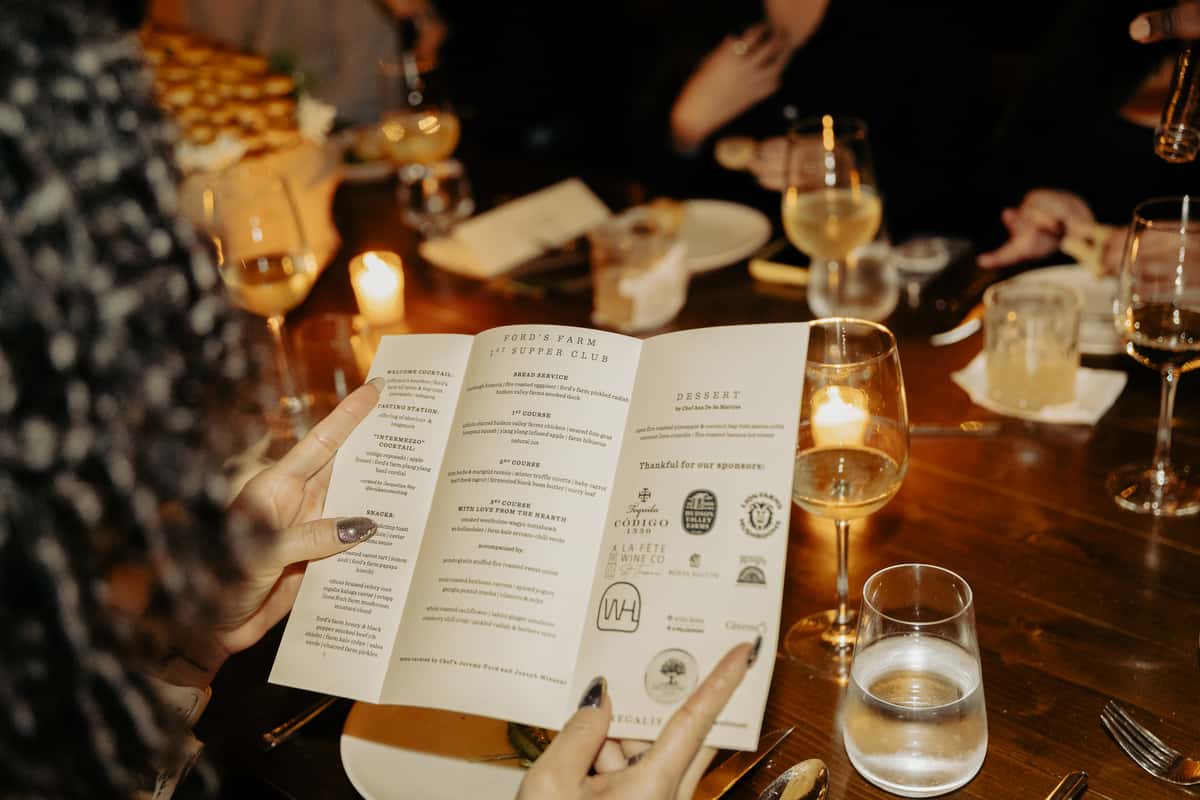
Most fine dining lists group entries by type, then by country or region, allowing you to narrow choices progressively. Key terms to look for include:
- Appellation: The geographic origin, such as Burgundy, Napa Valley, or Barossa Valley.
- Vintage: The harvest year, which signals aging potential and style variations.
- Grape variety: The varietal used, such as Chardonnay or Pinot Noir.
- Producer: The winery or estate behind the wine.
Branded lists with recognizable producer names tend to simplify decision-making, while lists organized purely by origin and grape variety reward guests who enjoy exploring lesser-known regions.
What are common types of wines found at upscale restaurants?
The common types of wines found at upscale restaurants include full bottles, by-the-glass pours, and curated flights. Each format serves a different purpose depending on party size, budget, and how adventurous you want to be.
- Bottles suit tables of two or more sharing a single varietal across multiple courses.
- By-the-glass selections let individuals match different wines to each course independently.
- Flights offer three or more small pours grouped by region, varietal, or theme for side-by-side comparison.
A peer-reviewed study in the Journal of Wine Economics found that New York City restaurants offering the same wine by the glass set a 12.2% higher margin on those bottles than on comparable wines sold only by the bottle. For guests watching their budget, ordering a full bottle often delivers better per-glass value than multiple individual pours.
How does the wine varietal influence your choice?
The wine varietal influences your choice by determining the wine's body, acidity, tannin level, and aromatic profile. Even within the same grape, terroir and winemaking style create distinct expressions worth understanding before ordering.
According to Bourgogne Wines (Bureau Interprofessionnel des Vins de Bourgogne), Chablis Chardonnay is responsible for the reputation of the great white wines of both Chablis and the Côte de Beaune. Bourgogne Pinot Noir is generally rounded with delicate tannins whose acidity varies by vintage.
These differences matter at the table. A guest who enjoys crisp whites might gravitate toward Chablis-style Chardonnay or Sauvignon Blanc, while someone preferring richness would find more satisfaction in an oaked Côte de Beaune. For reds, lighter Pinot Noir suits delicate proteins, whereas a fuller Cabernet Sauvignon or Syrah pairs naturally with bolder dishes. Recognizing how varietal character shifts by region is one of the most practical skills for navigating any wine list.
Once you understand list structure and varietal differences, pairing wine with your meal becomes the next step.
How can wine pairings enhance your dining experience?
Wine pairings enhance your dining experience by creating harmony between what you taste on the plate and in the glass. Classic principles, cuisine-specific strategies, and expert guidance for tasting menus all play a role.
What are classic wine and food pairing principles?
Classic wine and food pairing principles are guidelines that match a wine's body, acidity, and tannin structure to the weight and flavor profile of a dish. The goal is balance: neither the food nor the wine should overpower the other.
According to the Virginia Tech Wine/Enology Grape Chemistry Lab, proteins and fats bind with tannins, muting the sense of astringency and bitterness. This is why a tannic Cabernet Sauvignon works alongside a rich steak but feels harsh with delicate fish.
Key classic pairing principles include:
- Match body to weight. Light wines suit lighter dishes; full-bodied wines complement heavier preparations.
- Use acidity to cut richness. A crisp Sauvignon Blanc, with its citrus and gooseberry zing, complements seafood, shellfish, and vinegar-based dressings.
- Contrast sweetness with heat. Off-dry wines temper spicy dishes by cooling the palate.
- Mirror regional traditions. Wines and foods from the same region often share complementary flavor profiles.
When pairing suggestions appear directly on a menu, they also reduce the social and financial uncertainty that can come with ordering wine by the glass.
How do you pair wine with New American cuisine?
You pair wine with New American cuisine by matching each wine's structure to the dish's dominant flavors and preparation method. Because New American cooking draws from global techniques and seasonal ingredients, versatility matters more than rigid rules.
As the University of California Agriculture and Natural Resources advises, selecting light-bodied wines for lighter food and fuller-bodied wines for richer preparations is a reliable starting framework. From there, consider these pairings:
- Grilled or braised red meats. Cabernet Sauvignon, with its deep color and bright acidity, stands up to charred, fatty cuts.
- Roasted vegetables and grain bowls. Riesling's lively acidity and peach or apple aromatics complement earthy, mildly sweet preparations.
- Spice-forward dishes. Syrah's peppery, floral character, with notes of truffle and licorice, echoes bold seasoning without competing.
- Delicate seafood crudo. A minerally white wine keeps the focus on fresh, clean flavors.
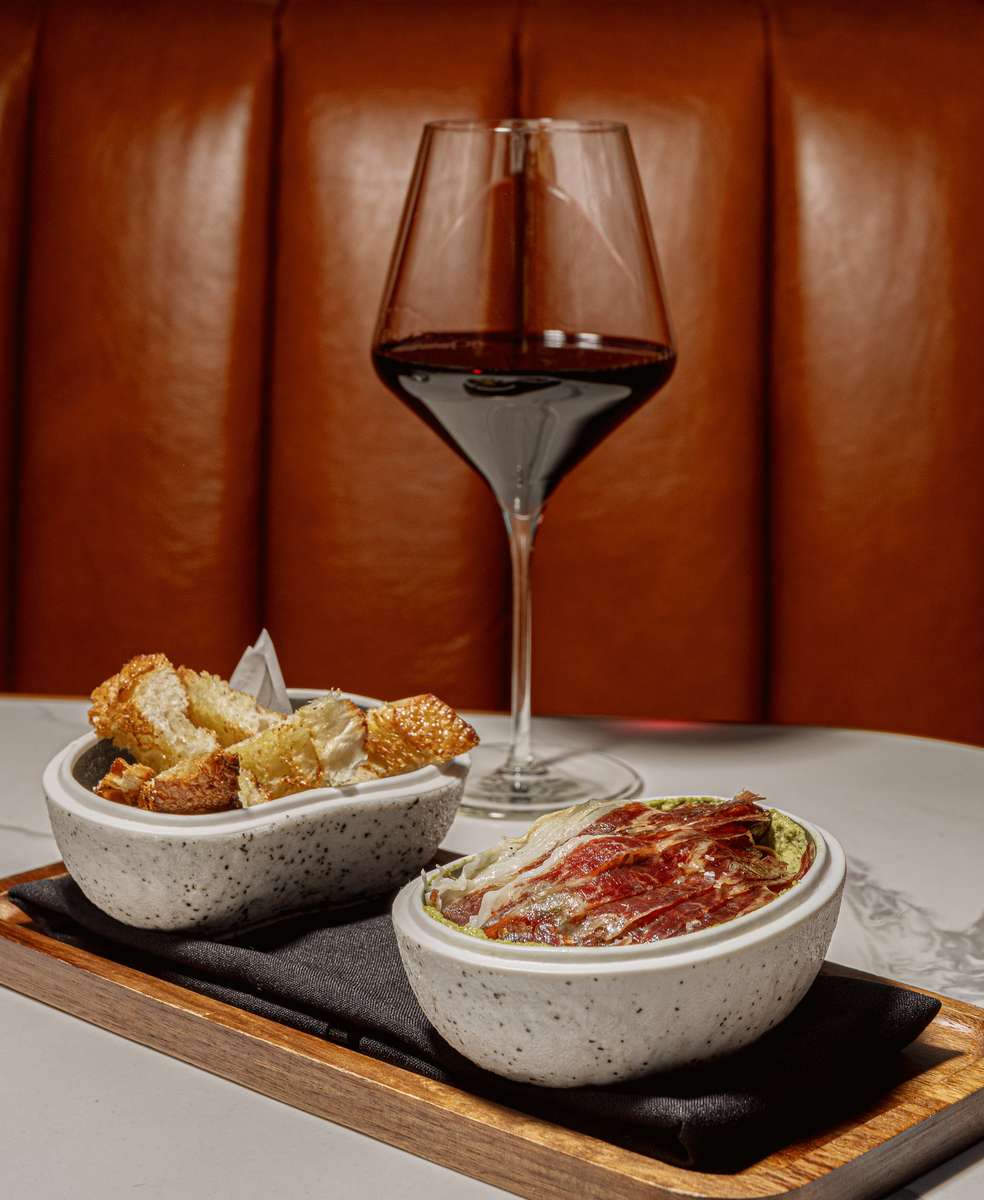
For menus that shift with the seasons, as at many New American restaurants, building comfort with these grape profiles gives you flexibility across any course.
What are expert tips for pairing wine with tasting menus or chef specials?
Expert tips for pairing wine with tasting menus or chef specials center on trusting the kitchen's progression and leveraging the sommelier's course-by-course knowledge.
According to WSET Global, full-bodied red wines should be served at 15 to 18°C (59 to 64°F), oaked Chardonnay around 10 to 13°C (50 to 55°F), and whites should never be over-chilled below 6°C (43°F), which masks flavors. Temperature alone can make or break a pairing.
Practical tips for tasting menu pairings include:
- Opt for the wine pairing flight. The sommelier has already calibrated each pour to each course, building intensity as the meal progresses.
- Communicate preferences early. Mention flavor dislikes or dietary constraints before the first course so adjustments can be made.
- Pace yourself. Smaller sips per course allow you to appreciate how each wine shifts alongside the food.
- Acknowledge great service. In most restaurants, servers share tips with sommelier staff, though a particularly helpful sommelier may be thanked with a personal tip on top of the standard gratuity.
Tasting menus reward curiosity; wines you would never order on your own often become the most memorable pours of the evening. With sommelier-guided pairings in mind, communicating your preferences effectively becomes the next step.
How should you communicate with a sommelier or wine steward?
You should communicate with a sommelier openly, sharing your taste preferences, budget comfort level, and what you plan to eat. The sections below cover what to ask, how to describe your preferences, and how to handle the tasting ritual.
What questions should you ask the sommelier for recommendations?
The questions you should ask the sommelier for recommendations focus on three areas: your meal, your mood, and your price range. According to the MICHELIN Guide, William Simons, named Washington, D.C. 2024 Sommelier of the Year, states that "any good sommelier should be interested first and foremost in pairing wine to the guest at the table and developing that trust in that relationship with the guest."
Strong opening questions include:
- "What pairs well with the dishes we've ordered?"
- "We enjoy wines with bright acidity; what would you suggest?"
- "Is there something on the list you're especially excited about in our price range?"
- "Can you recommend a bottle the table can share across different courses?"

Pointing to a price on the list, rather than saying a number aloud, is a discreet way to communicate budget. A sommelier's entire role centers on guiding you, so direct questions consistently produce better results than browsing the list in silence.
How can you express your wine preferences effectively?
You can express your wine preferences effectively by describing flavors, textures, and experiences you enjoy rather than reciting grape names or regions. Sensory language gives a sommelier more to work with than technical terminology.
Helpful descriptors to use:
- Body: "I like something light and refreshing" or "I want a rich, full wine."
- Sweetness and acidity: "I prefer dry wines" or "I enjoy a slight fruitiness with crisp acidity."
- Familiar benchmarks: "I usually drink Pinot Noir" or "I loved a Malbec I had recently."
- What to avoid: "I don't enjoy anything too oaky" or "I'm not a fan of very tannic reds."
Even a single honest reaction, such as "I liked my last glass of wine but it felt too heavy," provides enough information for a skilled sommelier to narrow the list quickly. Honesty matters far more than expertise.
How do you handle wine tasting and approval at the table?
Wine tasting and approval at the table follows a brief, standardized ritual designed to confirm the bottle is sound, not to judge whether you love it. The Court of Master Sommeliers' service standards include bottle presentation and an approval taste pour for the host.
When the sommelier pours a small amount into your glass, follow these steps:
- Look at the wine briefly to check for unusual cloudiness or discoloration.
- Swirl gently and smell for off-putting aromas, such as wet cardboard (cork taint) or vinegar.
- Take a small sip to confirm the wine tastes clean and free of faults.
- Nod or verbally confirm approval so the sommelier can pour for the table.
If something seems wrong, say so calmly. Sending back a flawed bottle is expected; the ritual exists precisely for that purpose. However, this is not the moment to reject a wine simply because you prefer a different style.
With the tasting ritual understood, proper etiquette for the rest of the meal ensures your wine experience stays seamless.
What etiquette should you follow when ordering and enjoying wine at fine dining establishments?
The etiquette you should follow when ordering and enjoying wine at fine dining establishments covers group ordering strategy, proper tasting protocol, and budget-conscious decision-making. Each area carries its own conventions.
How can you choose wine for a group or special occasion?
You can choose wine for a group or special occasion by selecting versatile bottles that complement a range of palates and dishes. Start with a crowd-friendly white, such as an unoaked Chardonnay or dry rosé, then add a medium-bodied red like Pinot Noir that bridges lighter and richer entrées.
For celebrations, sparkling wine sets an immediate tone and pairs broadly across appetizers and seafood courses. When preferences vary widely, ordering by the glass lets each guest explore individually without committing the table to a single bottle. If the group is large, ask the sommelier to suggest two or three bottles at different price points that work with the full spread of dishes being ordered.
What is the proper way to taste and serve wine at your table?
The proper way to taste and serve wine at your table follows a structured ritual designed to confirm the bottle's condition before it reaches every glass. The host, or whoever ordered, receives a small taste pour first.
Hold the glass by its stem, not the bowl, to avoid warming the wine. Observe the color and clarity, swirl gently, and inhale the aromas before taking a sip. You are checking for faults, such as cork taint or oxidation, not deciding whether you enjoy the style. A nod or brief "that's fine" signals the server to pour for the table. According to the Court of Master Sommeliers' 2026 Hospitality and Service standards, proper tableside execution includes drip-free decanting, a slow and purposeful decant, and leaving sediment-laden wine in the bottle. Trust the process; it exists to protect the guest, not to test anyone's expertise.
How should you handle wine pricing and budget considerations?
You should handle wine pricing and budget considerations by setting a comfortable range before you open the list, then communicating it discreetly to the sommelier. Pointing to a price on the menu while saying "something in this range" is a widely accepted, subtle approach.
Mid-list bottles often deliver the strongest value. Wines from lesser-known regions or emerging appellations, such as South African Chenin Blanc or Portuguese Alvarinho, frequently carry lower markups than prestigious labels. Ordering by the glass avoids overcommitting, though per-glass pricing typically carries a higher margin than bottles. For special occasions where budget flexibility exists, a half-bottle of a pricier wine can offer a memorable upgrade without doubling the spend. Confidence matters more than the price point; choosing deliberately and enjoying fully is the best etiquette of all.
Understanding these conventions prepares you to appreciate how a restaurant's atmosphere shapes the entire wine experience.
How does the ambiance and service at upscale restaurants like Stubborn Seed contribute to your wine experience?
The ambiance and service at upscale restaurants like Stubborn Seed contribute to your wine experience by creating an environment where knowledgeable staff, curated selections, and seasonal menus work together to guide confident choices. According to the National Restaurant Association, 82% of adult beverage consumers trust local restaurant staff to make good recommendations.
How do seasonally-inspired menus influence wine selection?
Seasonally-inspired menus influence wine selection by shifting the flavor profiles on the plate, which naturally calls for different wine pairings throughout the year. When a kitchen rotates ingredients based on what is fresh and available, the weight, acidity, and aromatics of each course change. A lighter spring dish built around citrus and herbs pairs differently than a rich winter preparation featuring braised proteins. At restaurants like Stubborn Seed, where the tasting menu evolves with the seasons, this rotation encourages guests to explore wines they might not otherwise consider. Trusting the service team's pairing guidance becomes especially valuable when the menu itself is unfamiliar.
What role do full-service bars and curated wine lists play in your meal?
Full-service bars and curated wine lists play a central role in shaping the overall dining experience by reducing decision anxiety and broadening access to quality selections. A well-organized wine list, whether arranged by region, varietal, or body, gives guests a structured path through dozens of options. Full-service bars add cocktail and spirit alternatives that complement specific courses. A peer-reviewed study published in the Journal of Foodservice Business Research found that bring-your-own-bottle behavior largely results from risk-reduction strategies, with high-involvement wine consumers particularly susceptible to perceived risk in the full-service casual restaurant sector. Curated lists at upscale restaurants address this directly: staff-vetted selections and by-the-glass options lower both financial and social risk, making exploration feel safe rather than intimidating.
Understanding how setting and service shape your choices prepares you to explore what Stubborn Seed specifically offers.
How can Stubborn Seed's refined New American cuisine and full-service bar enhance your wine selection experience in Miami?
Stubborn Seed's refined New American cuisine and full-service bar enhance your wine selection experience in Miami by combining seasonally driven tasting menus with a curated beverage program designed around flavor progression. The sections below cover pairing experiences and key takeaways for ordering confidently.
What unique wine pairing experiences does Stubborn Seed offer with its seasonal menus?
Stubborn Seed offers unique wine pairing experiences built around its 6-course and 9-course tasting menus, with wine pairings curated by its sommeliers. Because the kitchen updates dishes seasonally, the beverage team can match evolving flavors, textures, and intensities course by course.
This approach works particularly well with New American cuisine, which draws from global techniques and diverse ingredients. A single tasting menu progression might move from a crisp, high-acid white alongside a delicate seafood course to a structured red paired with a rich, protein-forward plate. Guests who prefer exploration over commitment to a single bottle benefit most from this format. For anyone visiting Miami's South Beach dining scene, Stubborn Seed's sommelier-curated pairings are worth considering.
What are the key takeaways for confidently choosing wine at a fine dining restaurant?
The key takeaways for confidently choosing wine at a fine dining restaurant are: know the list structure, set a budget range, communicate preferences openly, and lean on the staff.
- Learn the list layout. The Austrian Wine Marketing Board describes lists organized first by type and country, then by origin, with guests narrowing choices by vintage, quality level, grape variety, or producer.
- Set a realistic budget. According to an American Association of Wine Economists working paper, fine-dining markups reach 237% on lower-priced bottles compared to 185% on higher-priced selections, so mid-range bottles often deliver better relative value.
- Talk to the sommelier. Share what you enjoy, what you are eating, and what you want to spend. Even a brief exchange reduces ordering anxiety significantly.
- Start by the glass. Sampling individual pours before committing to a full bottle lowers both financial and flavor risk.
Confidence at the table comes from preparation, not expertise. Stubborn Seed's team in Miami welcomes these conversations and builds every wine recommendation around the guest's preferences and the evening's menu.