
How to Choose Wine for Dinner & Fine Dining Pairings
How to Choose Wine for Dinner & Fine Dining Pairings
Choosing the right wine for dinner means matching the wine's acidity, sweetness, tannin structure, and flavor intensity to the dish's weight, preparation style, and dominant ingredients. Wine functions as an ingredient in its own right, with flavor, nuance, and structure that either elevates or competes with the food beside it.
This guide covers the sensory principles behind pairing, how to match wine to specific cuisines, classic and unconventional fine dining combinations, celebration and dessert wine selection, sustainable sourcing, the role of environment and sommelier communication, and how Stubborn Seed in Las Vegas applies these principles through its tasting menu.
Understanding how acidity, tannin, and sweetness interact with food transforms wine selection from guesswork into a repeatable process. Acidity cuts through fat, tannin binds to protein, and a wine's sweetness must always meet or exceed the dish it accompanies.
Matching wine to cuisine follows the same logic across proteins, vegetables, and bold flavors. Rich red meats reward structured reds like Cabernet Sauvignon, delicate seafood calls for crisp whites or sparkling wines, and spicy dishes demand low-alcohol, high-acid whites with residual sugar to counterbalance heat.
Fine dining raises the stakes further, where sommeliers build wine progressions across multi-course tasting menus, classic pairings like Champagne with oysters or Sauternes with fruit tarts reflect centuries of sensory reasoning, and celebration wines anchor memorable occasions.
Sustainable and environmentally sourced wines are increasingly central to fine dining, and communicating directly with your sommelier about preferences, budget, and flavor aversions remains the most reliable path to a genuinely well-paired meal.
What Factors Should You Consider When Selecting a Wine for Dinner?
The factors to consider when selecting a wine for dinner include flavor intensity, acidity, tannin structure, and how the dish is prepared. The H3s below break down how each of these elements shapes a successful pairing.
How Do Flavor Profiles Impact Wine Pairing Choices?
Flavor profiles impact wine pairing choices by determining how well the wine's weight, acidity, and sweetness align with the food's intensity. According to Wine Folly, the wine should be more acidic than the food, at least as sweet as the food, and matched to the food's flavor intensity. A delicate poached fish calls for a light, crisp white, while a rich braised short rib demands a full-bodied red with structure. Treating wine as its own ingredient with flavor, weight, aftertaste, and nuance helps narrow your selection before you even open a menu.
Why Does the Preparation Style of the Dish Matter in Wine Selection?
Preparation style matters in wine selection because cooking method fundamentally changes a dish's weight, fat content, and flavor concentration. A grilled chicken breast produces leaner, smokier flavors than a cream-braised version of the same protein — and those differences call for different wines. Raw preparations tend to need lighter, more acidic wines, while roasted, braised, or pan-seared dishes can carry richer, fuller-bodied choices. Understanding the sauce, fat level, and cooking technique gives you more precise pairing cues than the protein alone.
What Role Does Acidity and Tannin Play When Pairing Wine With Food?
Acidity and tannin play a structural role in wine pairing, each interacting with food components in distinct ways. The Sommelier Education Authority explains that tannin binds to proteins, which is why a structured Cabernet Sauvignon feels smoother alongside a rare ribeye than alongside pasta; the meat's protein absorbs astringency. Acidity resets the palate by stimulating salivation, cutting through fat and richness between bites. Salt in food softens perceived tannin and elevates fruit, making salty dishes more forgiving with tannic reds. For umami-heavy ingredients like mushrooms or aged cheeses, fruit-forward wines with muted tannins, such as a New World Pinot Noir or a Grenache-based blend, prevent the wine from turning harsh.
Understanding these sensory interactions transforms wine selection from guesswork into a repeatable, logical process.
How Can You Match Wine to Different Types of Cuisine?
Matching wine to cuisine follows a core logic: the weight, structure, and acidity of the wine should mirror the dish's intensity. The H3s below cover red meat, poultry, seafood, and plant-based pairings.
What Wines Pair Best With Red Meat Dishes?
The best wines for red meat dishes are robust, full-bodied reds, such as Cabernet Sauvignon, Syrah, and Malbec, that can match the protein's intensity. For most hearty preparations, a rich, full-bodied red is the standard recommendation. However, not every red meat context calls for a tannic powerhouse. High-umami components like aged cheeses or cured meats served alongside the protein can amplify tannin harshness, making low-tannin or acid-forward alternatives the smarter call, according to the Sommelier Education Authority. For complex fine dining courses, sommeliers sometimes adjust dish sequencing to optimize how each wine is experienced across the meal.
- Cabernet Sauvignon, Syrah, Malbec: suited to grilled and roasted red meats
- Low-tannin reds like Pinot Noir: better when umami-heavy ingredients are present
- Acid-forward options: help reset the palate between rich bites
Which Wines Complement Poultry and Lighter Meats?
The wines that complement poultry and lighter meats are high-acid varieties, such as Champagne, Chablis, and Grüner Veltliner. According to the Sommelier Education Authority, these wines cut through fat and richness by stimulating salivation, effectively resetting the palate between bites. For richer preparations like duck confit or cream-sauced chicken, a medium-bodied Chardonnay or a light Pinot Noir bridges the gap between white and red without overpowering the dish. Versatility is the defining quality here: lighter meats rarely demand a single definitive wine, giving diners more room to match personal preference with structural logic.
What Are the Best Wine Options for Seafood and Fish Courses?
The best wine options for seafood and fish courses are light, crisp whites, such as Muscadet, Albariño, and unoaked Chardonnay, which mirror the delicate texture of most fish without competing for attention. Richer preparations, like butter-poached lobster or pan-seared halibut with cream sauce, can support a fuller white, such as white Burgundy. Sparkling wines work particularly well with briny shellfish, oysters, and caviar because their acidity and carbonation cleanse the palate between bites. As a general rule, the lighter the fish, the lighter the wine should be.
How Should You Choose Wines for Vegetarian or Plant-Based Meals?
Wines for vegetarian or plant-based meals should be chosen based on the dominant sauce or preparation style. Soft, buttery whites pair well with citrus, butter, or cream sauces, while light-bodied reds like Gamay complement earthy flavors in lentils or mushrooms. For dishes featuring notoriously difficult ingredients like asparagus or artichokes, fortified options such as Oloroso or Amontillado sherries from Jerez, Spain, provide sufficient umami depth to avoid the metallic reactions those vegetables trigger in conventional wines. Plant-based menus reward curiosity, and exploring beyond standard pairings often produces the most memorable results.
What Are Classic Food and Wine Pairings for Fine Dining Experiences?
Classic food and wine pairings for fine dining experiences rely on sommelier expertise, course sequencing, and a foundation of timeless combinations. The headings below cover how sommeliers build multi-course wine programs and which pairings have stood the test of time.
How Do Sommeliers Recommend Wines for Multi-Course Tasting Menus?
Sommeliers recommend wines for multi-course tasting menus by balancing each course's flavor intensity, weight, and structure against a curated wine progression. According to Sommelier Business, the process involves close collaboration with the kitchen, sometimes even adjusting the order of dishes so courses and wines flow together more cohesively. Palate fatigue is a practical constraint in this process; as noted by RJ Harrington in Food and Wine Pairing: A Sensory Experience, professionals may taste hundreds of wines, making palate management a genuine operational concern. The goal, as Sommelier Business describes it, is ensuring guests taste both food and wine at their best throughout every course.
What Are Examples of Timeless Wine and Food Combinations?
Timeless wine and food combinations pair the structural properties of the wine directly to the primary characteristics of each dish. The most enduring classic pairings include:
- Cabernet Sauvignon with red meat: Structured tannins bind to beef proteins, softening astringency.
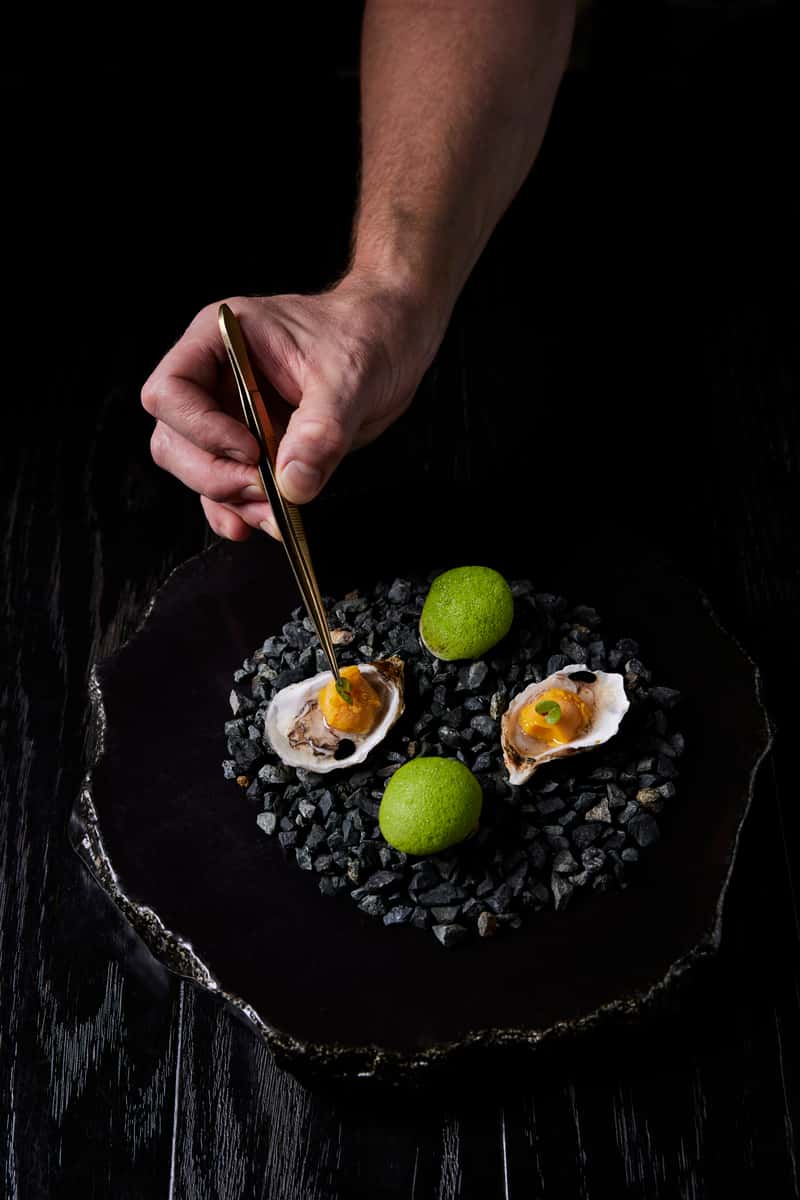
- Champagne with oysters or caviar: High acidity and carbonation cleanse fat and salt from the palate.
- Sauternes with fruit tarts: Dessert wine sweetness must exceed the dish to prevent the wine tasting thin.
- Port with chocolate desserts: Fortified structure matches chocolate's intensity.
- Chablis or Grüner Veltliner with rich fish or cream sauces: Bright acidity cuts through fat without overpowering delicate flavors.
These pairings endure because they reflect sensory logic, not convention alone.
How Should You Approach Pairing Wine With Spicy, Savory, or Unique Flavors?
Pairing wine with bold or unconventional flavors requires understanding how heat, acidity, and residual sugar interact. The subsections below cover spicy dishes and challenging fine dining ingredients.
What Wines Work Well With Spicy or Bold Flavored Dishes?
Wines that work well with spicy or bold flavored dishes are low-alcohol, high-acid whites with a touch of residual sugar. According to Imbibe Magazine, most sommeliers recommend avoiding big, bold reds with high ABVs when pairing with spicy food, because alcohol amplifies the sensation of heat. A German Kabinett Riesling is a reliable choice precisely because its modest alcohol and slight sweetness counterbalance capsaicin-driven heat rather than intensifying it.
For plant-based or earthy bold dishes, the approach shifts slightly. Soft, buttery whites suit citrus, butter, or cream sauces, while light-bodied reds like Gamay complement earthy flavors in lentils or mushrooms.
- Spicy dishes: low-ABV, high-acid whites with residual sugar, such as Kabinett Riesling
- Cream or citrus sauces: soft, buttery whites
- Earthy vegetarian dishes: light-bodied reds such as Gamay
How Can You Handle Unconventional Ingredient Pairings in Fine Dining?
Unconventional ingredient pairings in fine dining are best handled by matching wine structure to the ingredient's dominant sensory challenge, whether that is intense umami, bitterness, or the sweetness of a dessert course. Fortified wines like Oloroso or Amontillado Sherry from Jerez, Spain, carry their own deep umami richness and cut through difficult ingredients like artichokes or asparagus that often make standard wines taste metallic.
For dessert pairings, the guiding rule is that the wine must be sweeter than the dessert itself; a dry or lightly sweet wine served alongside a rich dessert will taste thin and sour. Classic applications include Sauternes with fruit tarts and Port with chocolate-based desserts. This is one area where precision genuinely matters, and choosing even one degree too dry can undermine an otherwise excellent meal.
Which Wine Styles Are Best Suited for Special Occasions and Celebrations?
Celebration wines call for styles that elevate the moment. The following sections cover ideal sparkling wine pairings and how to integrate dessert wines into a celebratory dinner.
What Are Ideal Champagne or Sparkling Wine Pairings?
Ideal Champagne and sparkling wine pairings balance the wine's high acidity and effervescence against rich, salty, or fried foods. Champagne's carbonation acts as a palate cleanser, making it a natural match for oysters, caviar, and salty appetizers. Regional alternatives extend this same structural logic to other celebrations:
- Cava (Spain) offers crisp acidity and fine bubbles at an approachable price point.
- Franciacorta (Italy) delivers a richer, creamier profile suited to more substantial appetizers.
- Blanc de Blancs Champagne pairs cleanly with delicate seafood courses.
According to the 2026 iDealwine Barometer, organic and biodynamic wines grew from 28.4% to 29.9% of volume, reflecting a broader shift toward sustainably produced sparkling options worth considering for celebrations. 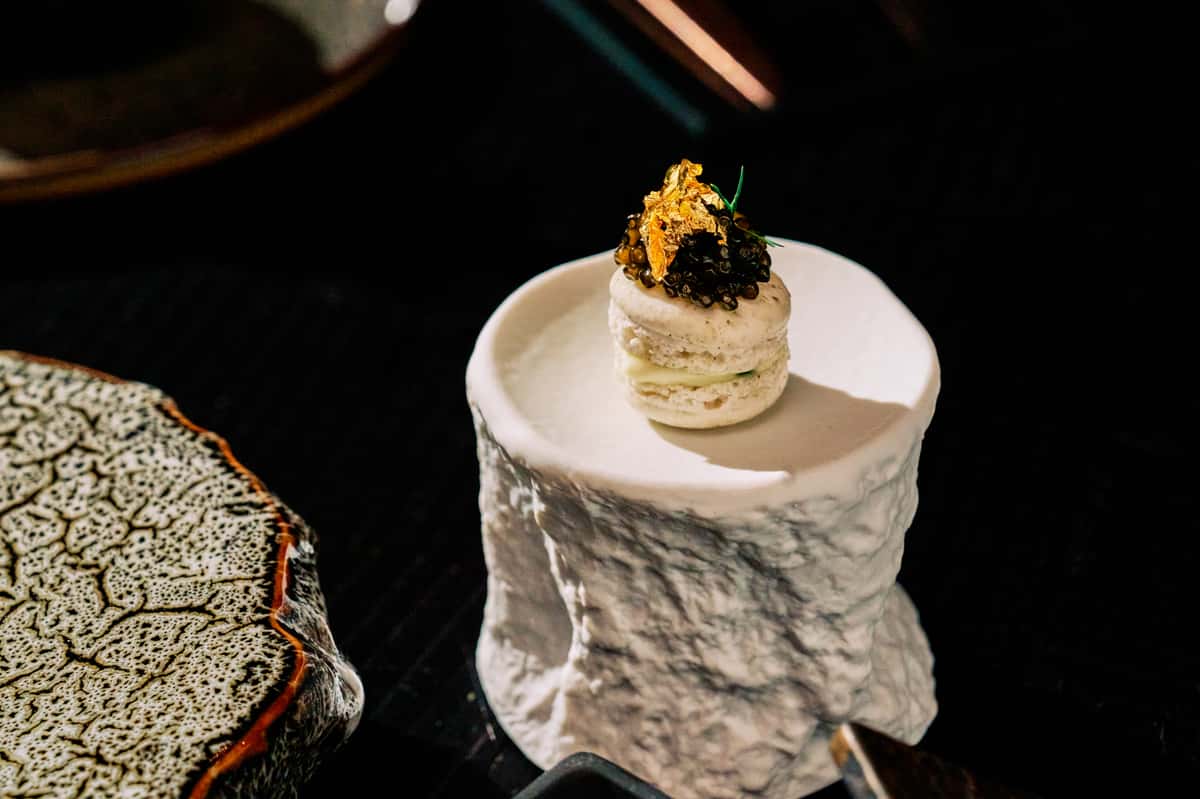
How Do You Incorporate Dessert Wines Into Dinner Pairings?
Dessert wines should always be sweeter than the dessert itself; otherwise, the wine tastes thin and acidic against the dish. Classic pairings include Sauternes with fruit tarts and Port with chocolate-based desserts. For a structured approach, match dessert wine intensity to dessert richness:
- Sauternes pairs with fruit tarts and creamy custard-based desserts.
- Late-harvest Riesling complements lighter fruit desserts and citrus-forward finishes.
- Tawny Port pairs with chocolate, nuts, and caramel.
Dessert wine is often the most overlooked course pairing, but selecting one sweeter than the dish transforms the final course from pleasant to genuinely memorable. 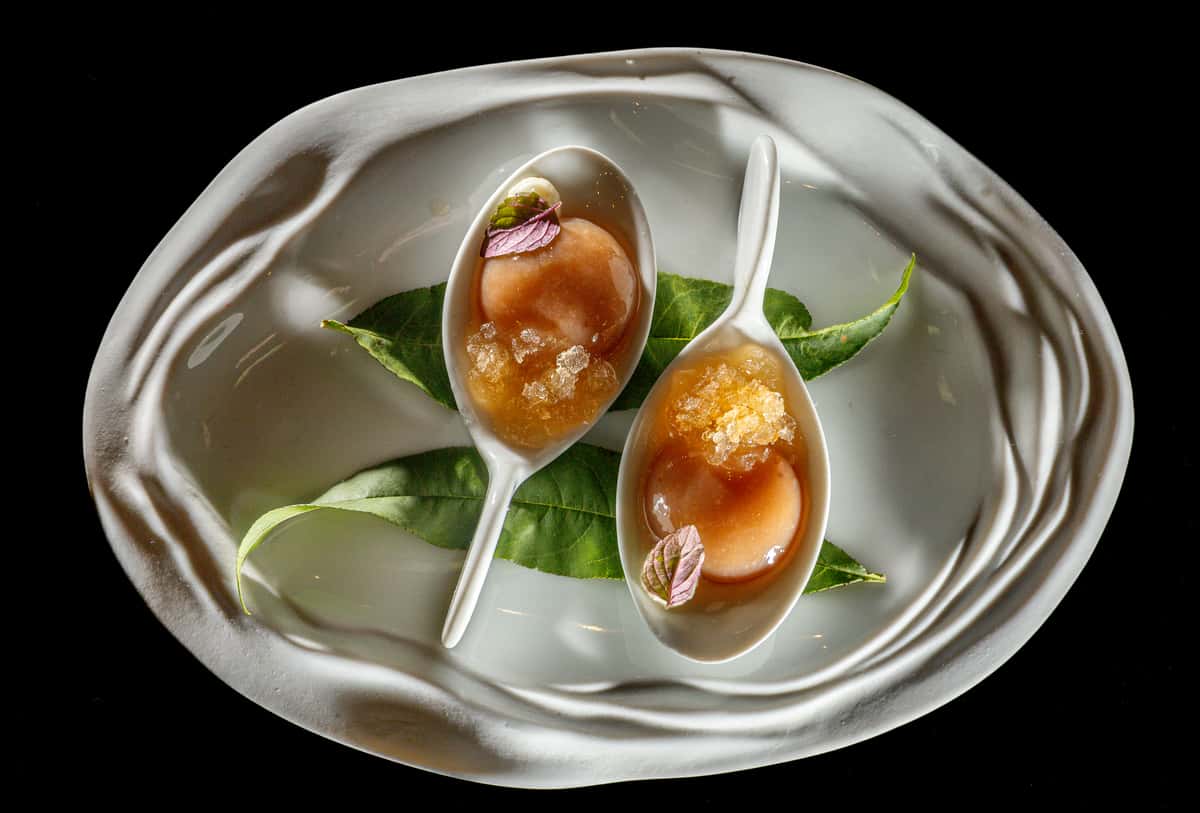
How Can You Explore Sustainable and Locally-Sourced Wines in Fine Dining?
Sustainable wine exploration in fine dining means prioritizing certified organic, biodynamic, and regionally produced bottles. The H3s below cover why sustainability matters in wine selection and how to identify environmentally friendly options on a restaurant wine list.
Why Is Sustainability Important in Wine Selection?
Sustainability is important in wine selection because it connects the environmental values of a restaurant to the glass in front of you. According to the 2026 iDealwine Barometer, the volume of organic and biodynamic wines rose from 28.4% to 29.9% in 2025, with their value share climbing from 35.6% to 36.2%, reflecting genuine market momentum rather than passing trend. Organic and biodynamic farming practices reduce synthetic pesticide use, support soil health, and often produce wines with greater terroir expression.
Stubborn Seed earned a Michelin Green Star in 2025 for its Miami Beach location, a commitment now carried into its Las Vegas presence at Resorts World. Choosing sustainable wines at restaurants like Stubborn Seed reinforces a dining philosophy where every element, from produce to pour, reflects ecological responsibility.
How Do You Find Locally-Sourced or Environmentally Friendly Wines?
Locally-sourced or environmentally friendly wines are found by asking your sommelier directly, scanning wine lists for certified designations, and knowing which labels to look for. Most fine dining sommeliers can identify bottles that carry organic, biodynamic, or sustainable certifications. Useful signals to look for on a wine list include:
- Certified organic or biodynamic designation on the label or list notes.
- Regional provenance indicating proximity to the restaurant's sourcing region.
- Low-intervention or natural wine callouts, common in curated tasting menus.
- Sommelier-led by-the-glass programs featuring rotating sustainable producers.
Engaging your server or sommelier with a direct question, such as "Do you feature any organically farmed or local wines tonight?", is the single most efficient path to environmentally conscious pours.
How Does the Dining Environment Influence Wine Pairing Choices?
The dining environment influences wine pairing choices through sensory cues like lighting, noise level, and service interaction, all of which shape how wine is perceived at the table. The sections below cover how ambiance affects wine judgment and how to communicate effectively with restaurant staff.
Why Do Ambiance and Service Matter When Enjoying Wine With Dinner?
Ambiance and service matter when enjoying wine with dinner because environmental conditions directly affect sensory perception. According to a study by Johannes Gutenberg University Mainz, the color of ambient lighting can measurably change how a wine is judged, meaning the same bottle can taste different depending on the room. Noise levels, table pacing, and glassware quality compound this effect. Service attentiveness also shapes the experience: a well-timed pour between courses allows each wine to register cleanly against the dish it accompanies. In high-volume or poorly lit environments, even technically sound pairings can fall flat. The physical setting is not a backdrop to the wine experience; it is an active variable in it.
How Should You Communicate Preferences With Sommeliers or Staff?
Communicating preferences with sommeliers or staff should begin before ordering, not after a pour you dislike. According to Sommelier Business, the sommelier's role is to guide guests so that both food and wine are tasted in the best possible manner. Share your flavor preferences, budget range, and any aversions directly; most fine dining sommeliers welcome this information to narrow selections quickly. For tasting menus specifically, the sommelier may suggest adjusting dish sequence to improve wine flow across courses. Being specific about what you enjoy, such as preferring low-tannin wines or avoiding high-alcohol reds with spice-forward dishes, gives the sommelier the data needed to make confident, personalized recommendations.
How Does Stubborn Seed in Las Vegas Enhance Wine Pairing Experiences?
Stubborn Seed in Las Vegas enhances wine pairing experiences through a progression-driven tasting menu and a sustainability-first culinary philosophy. The sections below cover how the tasting menu format supports intentional wine pairing and the key takeaways from choosing wine for fine dining.
Can Stubborn Seed's Tasting Menu and Sustainable Approach Elevate Wine and Dinner Pairings?
Stubborn Seed's tasting menu and sustainable approach can elevate wine and dinner pairings by creating the conditions that make thoughtful wine selection most meaningful: sequential courses, ingredient integrity, and chef-led intention. "The tasting menu is a culinary journey and we're ready to take folks for a ride," says Chef Jeremy Ford about Stubborn Seed Las Vegas. Stubborn Seed Miami Beach earned a Michelin Green Star in 2025 for its sustainability commitment, a standard now carried into the Las Vegas location at Resorts World. Multi-course formats allow wine progressions to build across the meal, with each pairing calibrated to a specific dish's flavor weight and structure, rather than a single bottle covering everything.

What Are the Key Takeaways About How to Choose Wine for Dinner & Fine Dining Pairings We Covered?
The key takeaways about how to choose wine for dinner and fine dining pairings center on a few durable principles: match wine intensity to dish weight, prioritize acidity with rich or fatty foods, respect sweetness thresholds with dessert courses, and let tannin work with protein rather than against it. Sauce, preparation style, and umami level matter as much as the protein itself.According to NIH/Wine Business data, the number of wine-selling fine dining establishments has fallen more than 66% since 2017, making the venues that do it well increasingly important destinations. Stubborn Seed Las Vegas represents exactly the kind of experience worth seeking out for guests who value intentional, course-by-course wine pairing.