
How to Cook Wagyu Steak? Tips for Perfectly Cooked Steak
How to Cook Wagyu Steak? Tips for Perfectly Cooked Steak
Wagyu steak is a breed-specific beef defined by genetically inherited intramuscular fat that produces a marbling density and fat composition unlike any other beef. That marbling renders at lower temperatures than conventional beef fat, which makes heat control, preparation, and technique more consequential with every cook.
This guide covers what makes Wagyu biologically distinct, how to prepare and cook it correctly, the mistakes that ruin it, how to serve it well, and how Stubborn Seed in Las Vegas brings expert Wagyu cookery to the table.
Wagyu's unique marbling is largely genetic, not environmental, and that variability between individual animals means sourcing authenticated beef is the first critical decision. Only verified genetics guarantee the marbling quality that justifies a premium price.
Preparation shapes the outcome before the pan ever heats up. Tempering, minimal seasoning, and the right equipment give you consistent control over a cut that responds quickly to heat and has little tolerance for guesswork.
Cooking method and temperature are where most mistakes happen. Pan-searing delivers the precision that highly marbled cuts require, crust development depends on surface temperature above 350°F, and overcooking irreversibly drains the fat that defines Wagyu's value.
Serving Wagyu correctly extends the care applied during cooking. Slicing against the grain, choosing high-contrast accompaniments, and resting the steak for temperature stabilization each preserve the texture and flavor the cook worked to achieve.
At Stubborn Seed inside Resorts World Las Vegas, Chef Jeremy Ford applies these principles through a seasonally rotating tasting menu built around bold umami layering and premium ingredients, including Wagyu prepared with precision and intent.
What Makes Wagyu Steak Unique Compared to Other Types of Beef?
Wagyu steak is unique because of its genetically driven intramuscular fat, which produces a marbling density and fat composition unlike any other beef breed. The sections below cover how that marbling shapes cooking technique and why sourcing authenticated Wagyu matters.
How Does Wagyu Marbling Affect Cooking Techniques?
Wagyu marbling affects cooking techniques because its intramuscular fat renders at lower temperatures than the fat found in conventional beef, demanding shorter cook times and more precise heat control.
The marbling in Wagyu is largely inherited. According to the International Journal of Food Science, extreme intramuscular lipid deposition is genetic rather than environmental, yet even full-blood Wagyu shows unpredictable variation in marbling density between individual animals. That variability matters in the kitchen: a heavily marbled cut can go from perfectly rendered to overwhelmed in seconds over high heat.
Because the fat does so much flavor work on its own, minimal seasoning and a brief, hot sear are the most practical approaches. Treating Wagyu like a conventional ribeye and cooking it long or at moderate heat wastes the very quality that makes it worth the price.
Why Is Sourcing Authentic Wagyu Steak Important?
Sourcing authentic Wagyu steak is important because mislabeling in the beef market is a documented risk, and only verified genetics guarantee the marbling quality you are paying a premium to cook.
The USDA Authentic Wagyu Program requires certified carcasses to meet genotypic standards set by the American Wagyu Association, achieve at least U.S. Prime with a minimum marbling score of Moderately Abundant 00, and be free of capillary rupture and dark-cutting characteristics. The American Wagyu Association's Authentic Wagyu Process Verified Program adds producer-to-labeled-product traceability on top of those grading requirements.
Without that paper trail, there is no reliable way to confirm what is actually on the label. Verified sourcing is the single most important step before any cooking decision is made.
What Preparation Steps Should You Take Before Cooking Wagyu Steak?
The preparation steps for cooking Wagyu steak cover three core areas: tempering the meat before cooking, choosing the right seasoning approach, and selecting appropriate tools and equipment.
How Should You Bring Wagyu Steak to Room Temperature?
Bringing Wagyu steak to room temperature means removing it from refrigeration 30 to 60 minutes before cooking. Because Wagyu carries significantly more intramuscular fat than conventional beef, a cold center can cause uneven rendering during searing. Experts and sources disagree on whether this step meaningfully changes doneness outcomes, and a Meat Science study published on PubMed found no statistically significant differences in tenderness, juiciness, or flavor liking across a range of grill temperatures from 177°C to 232°C. Still, allowing the steak to temper gives you more consistent control over the cook, particularly with thicker cuts.
Should You Season Wagyu Steak Differently Than Other Steaks?
Wagyu steak should be seasoned more simply than conventional steaks. The MICHELIN Guide advises: "Keep the seasoning simple — just salt it. Mastering the cooking method is where the magic happens." Heavy marinades or complex spice rubs compete with Wagyu's natural umami depth and can mask the fat's delicate flavor. Coarse salt applied shortly before cooking is generally sufficient. For food safety, the USDA Food Safety and Inspection Service requires steaks to reach an internal temperature of 145°F (63°C) with a three-minute rest. If cooking from frozen, slowly thawing in a refrigerator preserves quality before seasoning.
What Tools and Equipment Are Best for Cooking Wagyu?
The best tools for cooking Wagyu steak are a heavy cast-iron skillet or carbon steel pan, a reliable instant-read thermometer, and stainless steel tongs. A thick, flat cooking surface retains and distributes heat evenly, which supports consistent fat rendering across the steak's surface. An instant-read thermometer is essential for hitting the target internal temperature without guesswork, especially given how quickly Wagyu's high-fat content responds to heat. Tongs allow you to sear edges without piercing the meat and losing rendered fat. With the right equipment in place, controlling the cook becomes far more precise.
Which Cooking Methods Work Best for Wagyu Steak?
The best cooking methods for Wagyu steak are pan-searing and grilling, each with specific advantages depending on the cut and marbling level. The sections below cover method selection, target internal temperatures, and crust development.
Is Pan-Seared or Grilled Better for Wagyu Steak?
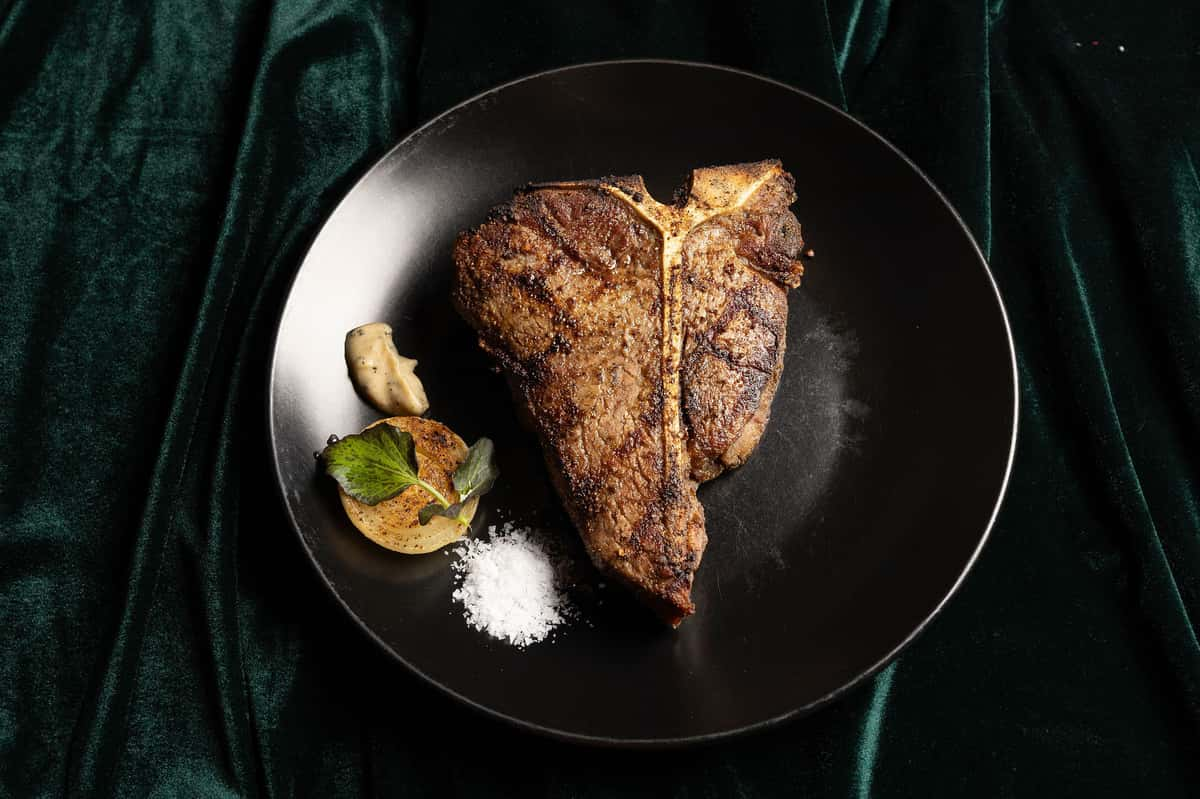
Pan-searing is generally better for Wagyu steak, particularly for highly marbled cuts like A5, because a cast-iron or stainless pan delivers direct, controllable heat across the entire surface. Grilling works well for American Wagyu with moderate marbling, where fat drip and smoke contribute flavor without overwhelming the palate. For thinly sliced Japanese A5 portions, a hot pan gives you more precision than a grill grate, which can cause uneven rendering. Grilled portions tend toward larger cuts; the NHS notes a standard grilled beef steak weighs around 163g (roughly 8oz), which is considerably larger than the 2-3oz portions typically served for premium A5 Wagyu.
What Temperature Should You Cook Wagyu Steak To?
Wagyu steak should reach a minimum internal temperature of 145°F (63°C), the safe minimum established by the USDA for beef steaks, followed by a 3-minute rest. For optimal fat rendering, surface temperature matters as much as internal temperature. According to ThermoWorks, the pan needs to reach at least 425°F (218°C) to develop the sear Wagyu requires. Wagyu's intramuscular fat, rich in oleic acid, begins melting well below that surface threshold, so internal doneness and surface heat are two separate variables to manage. Most cooks target medium-rare (around 125-130°F internal) for the best texture, though the USDA's 145°F threshold applies for food safety.
How Can You Achieve a Perfect Crust on Wagyu?
A perfect crust on Wagyu forms through the Maillard reaction, which requires surface temperatures above 350°F. According to NC State University's College of Agriculture and Life Sciences, once surface moisture evaporates, temperatures rise to around 350°F and beyond, where Maillard browning happens quickly and efficiently. The Michelin Guide advises keeping seasoning simple: "just salt it," because mastering the cooking method is where the real result is achieved. Pat the surface completely dry before searing, preheat the pan until it's visibly smoking, and resist moving the steak during contact. Because Wagyu fat renders fast, short sear times of 60 to 90 seconds per side prevent overcooking while still building a deep, even crust.
What Are the Most Common Mistakes to Avoid When Cooking Wagyu?
The most common mistakes when cooking Wagyu are overcooking the steak and skipping the rest period after cooking. Both errors destroy the marbling and texture that make Wagyu worth its premium price.
Why Shouldn't You Overcook Wagyu Steak?
Overcooking Wagyu steak wastes the intramuscular fat that defines its value. Wagyu's marbling renders progressively during cooking, and pushing past medium doneness causes that fat to fully liquify and drain away rather than baste the meat from within. The result is a dry, tough steak that loses the buttery richness you paid for. Because Wagyu carries far more intramuscular fat than commodity beef, it also reaches its ideal texture at lower internal temperatures than a conventional steak would. Keep heat brief and targeted, and pull the steak early rather than late. When in doubt, err on the side of underdone; Wagyu's fat content means it remains luscious even slightly below your target temperature.
How Does Resting Improve Wagyu Steak's Flavor and Texture?
Resting improves Wagyu steak's flavor and texture by allowing carryover heat to equalize across the cut before slicing. According to Serious Eats, resting is best understood as a method of temperature control rather than juice retention, meaning the rest period lets the steak reach its intended final core temperature without overshooting on the heat source. For Wagyu, this matters especially because the rendered fat needs a moment to redistribute and stabilize before the steak is cut. Slicing too soon releases that fat onto the cutting board rather than keeping it in the meat. Finishing the rested steak with complementary garnishes, such as pickled daikon, citrus zest, or bonito flakes, adds contrasting accents that balance Wagyu's richness without masking it.
How Should You Serve Wagyu Steak for the Best Dining Experience?
Serving Wagyu well is as important as cooking it correctly. The right accompaniments and slicing technique preserve the flavor and texture you worked to achieve.
What Are the Ideal Side Dishes and Sauces for Wagyu?
The ideal side dishes and sauces for Wagyu are light, high-contrast accompaniments that balance the richness of the beef without overpowering it. Because Wagyu's intramuscular fat delivers intense, buttery flavor, heavy sauces and cream-based sides compete rather than complement.
Effective pairings include:
- Pickled or acidic elements such as pickled daikon or citrus zest, which cut through fat and refresh the palate.
- Umami-forward garnishes such as bonito flakes or fermented soybean, which layer savory depth without heaviness.
- Lightly cooked vegetables such as sautéed mushrooms or braised greens, which add textural contrast.
- Clean, minimal sauces such as ponzu or a light jus, which accent rather than mask the beef's natural flavor.
According to a kaiseki plating guide published in Stars and Stripes Japan, garnishes like pickled daikon, citrus zest, and bonito flakes add contrasting color while balancing flavor and texture. That principle translates directly to Wagyu service.
How Should You Slice Wagyu Steak for Maximum Tenderness?
Wagyu steak should be sliced against the grain to maximize tenderness. Cutting perpendicular to the muscle fiber direction shortens the fibers in each bite, reducing the chewing resistance that longer intact fibers create.
According to the University of Nebraska–Lincoln Nebraska Beef Cattle Report, knowledge of muscle fiber direction is essential during meat fabrication so that muscles can be cut across the grain to improve tenderness. For Wagyu, this matters even more because the fat content amplifies every textural quality, including any toughness caused by incorrect slicing. Keep slices thin and uniform to preserve the visual marbling pattern on the plate.
With accompaniments chosen and slices cut correctly, every element of the Wagyu experience reflects the same care applied during cooking.
How Does Stubborn Seed Elevate the Experience of Fine Wagyu Steak in Las Vegas?
Stubborn Seed elevates the fine Wagyu steak experience in Las Vegas through Chef Jeremy Ford's signature layered-umami approach, seasonal tasting menus, and an approachable fine dining atmosphere inside Resorts World. The sections below cover what diners can expect from the tasting menu and the key takeaways from this article.
What Can Diners Expect from the Stubborn Seed Tasting Menu Featuring Wagyu Steak?
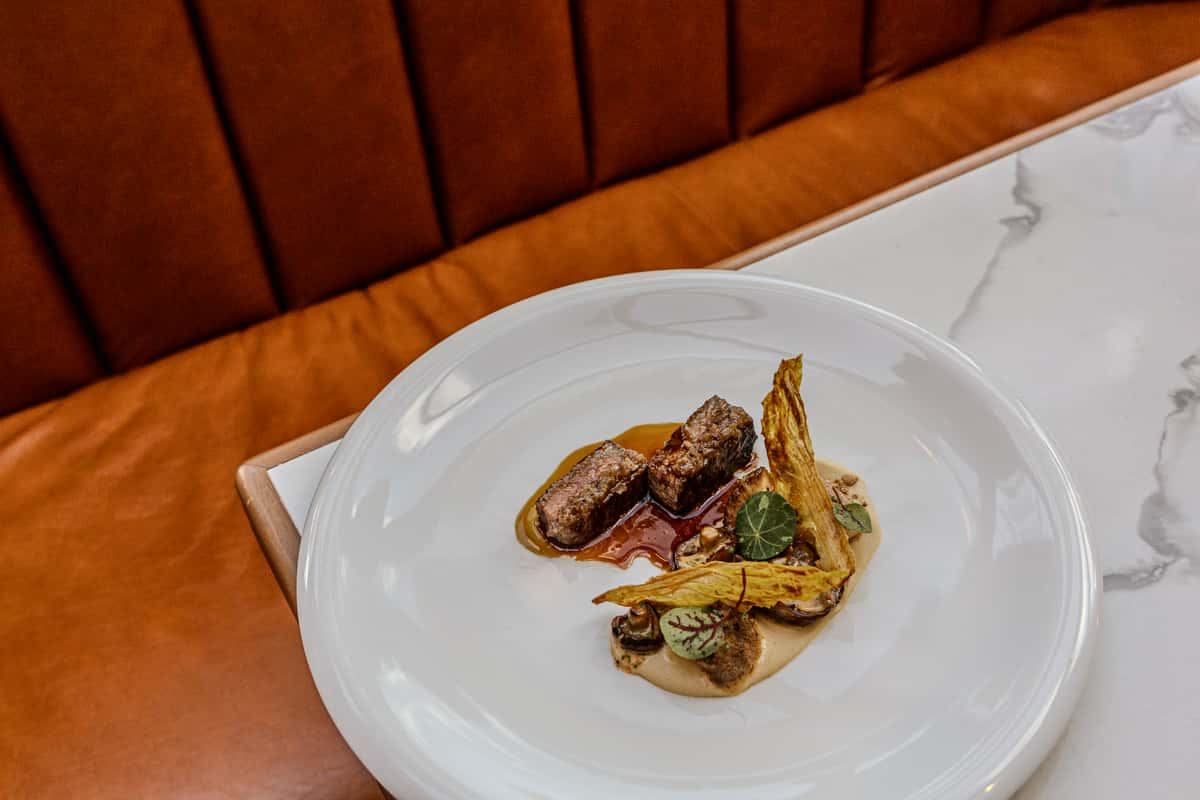
Diners can expect a seasonally rotating tasting menu built around precision, bold umami layering, and premium ingredients, including Wagyu beef. According to Forbes, Stubborn Seed's Westholme Wagyu strip loin is prepared with brown butter soubise, Vegas-grown Desert Moon mushrooms, Marcona-almond-fermented soybean, crispy miso cabbage, and chicken jus. Condé Nast Traveler notes that dishes are personality driven, precise, and exuberant, with elevated options such as Wagyu beef tartare cannelloni and Hudson Valley foie gras and black truffle tart. The menu evolves with each season, using the freshest available ingredients. Stubborn Seed Las Vegas is featured in the 2026 MICHELIN Guide, though it does not currently hold a Michelin star. For reservations, visit stubbornseed.com.
What Are the Key Takeaways for Cooking Perfect Wagyu Steak at Home or Dining Out?
The key takeaways for cooking perfect Wagyu steak center on respecting the meat's exceptional marbling, keeping preparation minimal, and controlling heat carefully. Whether cooking at home or choosing a restaurant, these principles apply:
- Source authenticated Wagyu: Only beef from Japanese Black, Japanese Brown, Japanese Shorthorn, Japanese Polled, or their crossbreeds meets official Wagyu accreditation standards.
- Season simply: Salt is sufficient; complex marinades compete with Wagyu's natural flavor.
- Control your heat: Render the abundant intramuscular fat gradually using moderate, even surface temperatures to avoid flare-ups and uneven cooking.
- Rest for temperature control: Resting allows the internal temperature to stabilize at your target doneness level.
- Slice against the grain: Cutting across muscle fibers shortens them, directly improving perceived tenderness.
- Serve smaller portions: Wagyu's richness means smaller cuts satisfy fully.
For diners who prefer to leave Wagyu in expert hands, Stubborn Seed Las Vegas offers Chef Jeremy Ford's refined take on premium beef within a seasonally driven tasting menu format.