
How to Eat Caviar Properly
How to Eat Caviar Properly
Caviar is salt-cured sturgeon roe prized for its briny, nutty flavor, delicate egg texture, and centuries-old status as a luxury ingredient. Eating it well requires understanding which varieties to choose, how to serve and store them, what to pair them with, and how to observe proper etiquette.
This guide covers caviar types and quality identification, serving and storage fundamentals, traditional and modern pairing methods, fine-dining etiquette, Miami's local caviar culture, and how Stubborn Seed integrates caviar into its tasting menu experience.
The major sturgeon species (beluga, osetra, sevruga, Siberian, white, and Kaluga) each produce roe with distinct egg size, color, and flavor. Premium caviar shows firm, glossy eggs with a clean aroma, while lower-quality roe appears dull, clumpy, or overly fishy. Beginners benefit most from starting with osetra or Siberian sturgeon to build a reliable flavor baseline.
Proper service calls for nonmetallic spoons, chilled presentation on ice, and simple accompaniments like crème fraîche or blini. Fresh caviar keeps six months sealed but only two days once opened, making correct cold storage essential.
Champagne, vodka, and understated garnishes like chopped shallots, hard-boiled eggs, and capers remain the classic pairings; however, tasting caviar solo first reveals each variety's true character before accompaniments alter the profile.
Etiquette matters: measured portions, patience at the table, and restraint with strong flavors protect the roe's subtlety. In Miami, restaurants merge these European traditions with Latin, Caribbean, and Asian influences, making caviar more accessible. At Stubborn Seed, Chef Jeremy Ford weaves caviar into inventive multi-course presentations where each dish highlights the roe's texture and brininess alongside luxury ingredients.
What Are the Different Types of Caviar and How Do They Differ in Flavor and Quality?
The different types of caviar vary by sturgeon species, egg size, color, and flavor profile. The most prized varieties come from beluga, osetra, and sevruga sturgeon, though Siberian, white, and Kaluga sturgeon also produce noteworthy roe. Below, learn how to distinguish premium caviar from lower grades and which varieties suit first-time tasters.
How Can You Identify Premium Versus Lower-Quality Caviar?
You can identify premium caviar by evaluating its appearance, aroma, and texture. According to a 2024 review published in Animals and available through PubMed Central, the value and cost of caviar are influenced by factors such as rarity, flavor, texture, and egg size. Key indicators of quality include:
- Firm, intact eggs that pop cleanly on the palate rather than feeling mushy or broken.
- A glossy, uniform sheen across the roe, with consistent color throughout.
- A clean, faintly briny aroma; any strong fishy smell signals poor handling or age.
- A balanced, nutty flavor with no excessive saltiness or metallic aftertaste.
Lower-quality caviar often shows dull, uneven coloring and eggs that clump together or dissolve too quickly. For anyone investing in sturgeon roe, these visual and sensory cues offer the most reliable assessment before the first bite.
What Are the Most Popular Caviar Varieties for Beginners?
Caviar varieties that beginners can try include osetra, sevruga, and Siberian sturgeon roe. According to the NOAA Central Library Repository, beluga caviar ranges from blackish gray to light gray, osetra produces gray to golden-brown berries, and sevruga yields small, grayish black eggs, all with a faintly salty, nut-like flavor that should never taste overly salty or fishy.
- Osetra offers a medium egg size with buttery, nutty notes, making it the most versatile entry point.
- Sevruga provides smaller eggs and a more pronounced brininess, with prices varying by grade and supplier.
- Siberian sturgeon delivers a slightly briny, approachable flavor in small to medium-sized eggs.
One practical tip: always use a mother-of-pearl or bone spoon, since metal utensils impart an unwelcome metallic taste to delicate roe. For newcomers exploring caviar in Miami, starting with osetra or Siberian sturgeon builds a reliable flavor baseline before moving toward rarer, more expensive varieties.
With a grasp of caviar types and quality markers, the next consideration is how to serve and present these varieties properly.
What Is the Proper Way to Serve and Present Caviar?
The proper way to serve and present caviar involves using nonmetallic utensils, keeping the roe at refrigerator-cold temperatures, and offering simple accompaniments. The following sections cover essential tools for service and storage practices that preserve freshness.
What Tools and Utensils Should Be Used for Serving Caviar?
The tools and utensils that should be used for serving caviar are mother of pearl spoons, bone spoons, or other nonmetallic implements. According to Garde Manger: A Guide to the Cold Kitchen (LibreTexts), metal utensils tend to impart an unwelcome metallic taste to the delicate and expensive roe.
Presentation should remain simple. Glass, crystal, or ceramic dishes work well as serving vessels, often nested over crushed ice to maintain temperature. Traditional accompaniments include:
- Sour cream or crème fraîche
- Blinis (thin, crepe-like pancakes)
- Ice-cold vodka
Keeping the presentation minimal lets the caviar's natural briny, nutty flavor remain the focus. In my experience, the more restrained the plating, the more the roe's texture and taste speak for themselves.
How Should Caviar Be Stored to Preserve Its Freshness?
Caviar should be stored at refrigerator-cold temperatures in its original sealed container until ready to serve. According to the USDA Food Safety and Inspection Service, non-pasteurized (fresh) caviar keeps for six months unopened and only two days once opened; pasteurized, vacuum-packaged caviar lasts up to one year unopened. Neither type should be frozen.
Key storage practices include:
- Place the tin in the coldest section of the refrigerator, typically the back of the lowest shelf.
- Keep the container sealed tightly to limit air exposure.
- Consume opened caviar within 48 hours.
Proper cold storage is essential because although salt helps limit microbial growth by reducing water activity, it does not replace refrigeration. Once that seal breaks, degradation accelerates quickly.
With serving tools and storage handled correctly, the next consideration is how to pair caviar with foods and drinks that complement its flavor.
What Are Traditional and Modern Ways to Eat Caviar?
Traditional and modern ways to eat caviar range from simple solo tastings to elaborate food and drink pairings. The sections below cover which foods and beverages complement caviar best, and whether it can stand on its own.
Should You Pair Caviar With Certain Foods or Drinks?
You should pair caviar with certain foods or drinks that complement its briny, nutty flavor without overpowering it. Champagne remains the most iconic beverage pairing. According to Virginia Polytechnic Institute and State University's food and wine pairing guide, classic combinations include caviar with Champagne, listed alongside other foundational pairings like filet of sole with white Burgundy and rack of lamb with Cabernet Sauvignon.
Traditional food accompaniments include:
- Blini served very hot with melted butter, sour cream, or crème fraîche.
- Baked potatoes topped with crème fraîche, chives, and bacon lardons.
- Toast points with herbs and eggs, a signature combination popularized by Jean-Georges Vongerichten.
- Chopped shallots, hard-boiled eggs, and capers as classic garnishes.
For newcomers, tasting each variety on its own first, then layering in garnishes, builds a clearer sense of what you actually enjoy. European caviar service rituals, from mother-of-pearl spoons to Champagne pairings, have changed little over centuries, and that consistency exists for good reason: simplicity protects the roe's delicate flavor.
Can Caviar Be Enjoyed on Its Own or Only with Accompaniments?
Caviar can be enjoyed on its own. In fact, tasting it unadorned is how many connoisseurs prefer to begin. Caviar is a product derived from non-ovulated sturgeon roe and then cured, according to the USDA Agricultural Marketing Service. That curing process creates a complete flavor profile, with salinity, umami, and subtle nuttiness, that needs no additional seasoning.
A small spoonful placed directly on the tongue lets you evaluate the egg's pop, brininess, and finish without interference. Accompaniments like blini or crème fraîche are enhancements, not requirements. For first-time tasters especially, starting plain before adding pairings reveals the true character of each variety.
With pairing and solo tasting approaches understood, observing proper etiquette elevates the experience further.
What Etiquette Should Be Observed When Eating Caviar?
Caviar etiquette centers on avoiding common missteps and following refined dining customs. The sections below cover mistakes that diminish the experience and the protocols expected in upscale settings.
Are There Common Mistakes to Avoid When Eating Caviar?
Common mistakes to avoid when eating caviar include using metal utensils, taking oversized portions, and overwhelming the roe with strong accompaniments. Metal spoons impart an unwelcome metallic taste to delicate eggs; mother of pearl, bone, or horn spoons preserve the clean, briny flavor. Chewing aggressively is another frequent error. Instead, let the eggs roll across your palate so you register the full range of texture and salinity.
Serving caviar too warm or pairing it with heavily seasoned foods also masks its subtlety. As NPR noted, traditional Russian zakuski can range from simple salted herring to blini and caviar, paired with ice-cold vodka. That simplicity is intentional; restraint protects the roe's nuanced flavor rather than competing with it.
How Should Caviar Be Eaten in Upscale Dining Settings?
Caviar should be eaten in upscale dining settings with measured portions, proper utensils, and awareness of the table's pace. Wait until everyone at the table is served before beginning. Use the provided mother of pearl spoon, take a modest amount, and avoid double-dipping into a communal tin.
According to a Syracuse University honors capstone paper on Russian food traditions, Russians traditionally serve caviar atop blini, thin crepe-like pancakes eaten especially during Maslenitsa, a week-long celebration of indulgence before the spring fast. Fine dining restaurants often follow this model, presenting caviar alongside crème fraîche or lightly seasoned garnishes. In my experience, the diners who enjoy caviar most are those who taste it solo first before adding accompaniments, because that initial unadorned bite sets a baseline for appreciating how each pairing changes the flavor.
With proper etiquette in place, exploring how local dining scenes interpret these traditions adds another dimension to the experience.
How Do Local Caviar Experiences in Miami Compare to Global Traditions?
Local caviar experiences in Miami blend European serving rituals with the city's multicultural culinary creativity. The differences show up in how restaurants source ingredients, present courses, and pair roe with regional flavors.
What Should You Look for in a Miami Restaurant When Ordering Caviar?
You should look for a Miami restaurant that prioritizes seasonal sourcing, proper serving technique, and transparent ingredient quality when ordering caviar. A knowledgeable kitchen will use mother-of-pearl spoons, keep roe properly chilled, and identify the sturgeon species on the menu.
Miami's dining scene ranges from inventive casual concepts to refined tasting menus. As reported by Miami New Times, Eleventh Street Pizza partnered with Caviar Russe to serve a limited-edition $150 caviar pie, illustrating how the city's restaurants push creative boundaries while still working with reputable purveyors. Whether a restaurant serves caviar on blini or atop sourdough, the quality signals remain the same: firm, glossy eggs with a clean, briny aroma and no fishy taste.
How Does the Miami Culinary Scene Enhance the Caviar Experience?
The Miami culinary scene enhances the caviar experience by merging global fine-dining traditions with the city's signature emphasis on bold, seasonal flavors. Where Russian and European service historically paired caviar with blini, sour cream, and ice-cold vodka, Miami chefs layer Latin, Caribbean, and Asian influences into their presentations.
This fusion approach makes caviar more accessible without sacrificing quality. Restaurants across Miami Beach and the greater metro area now offer caviar supplements alongside multicourse tasting menus, letting diners explore roe in unexpected contexts. For anyone accustomed to traditional European service, the contrast is striking; Miami treats caviar as a versatile ingredient rather than a standalone ceremony.
Understanding how Miami reinterprets these global customs helps diners appreciate what sets the city's caviar culture apart.
How Does Stubborn Seed Elevate the Caviar Tasting Experience for Guests?
Stubborn Seed elevates the caviar tasting experience by integrating premium caviar into a multi-course tasting menu built around creative, chef-driven presentations. The following sections cover specific caviar offerings and key takeaways from this guide.
What Unique Caviar Offerings Are Available in Stubborn Seed's Tasting Menus?
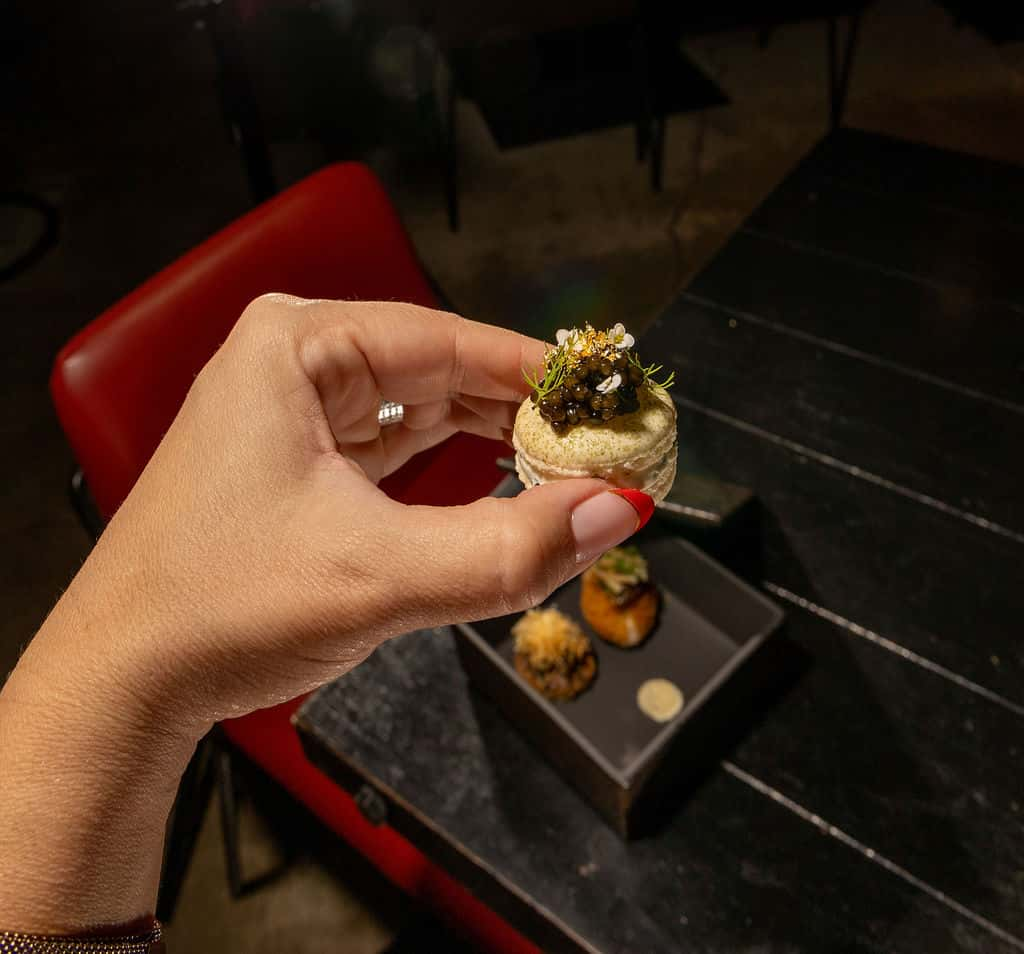
The unique caviar offerings available in Stubborn Seed's tasting menus include inventive preparations that pair sturgeon roe with unexpected textures and luxury ingredients. Guests at Stubborn Seed's Las Vegas location can encounter dishes like a Kaluga caviar macaron, wagyu beef tartare cannelloni, and Hudson Valley foie gras with black truffle tart, as noted by Condé Nast Traveler." Rather than serving caviar in isolation, Stubborn Seed weaves it into courses where the egg membrane's firmness, texture, and dissolvability complement each bite. A glass-fronted chef's window visible from the dining room lets guests watch each course come to life. This approach transforms caviar from a standalone garnish into a fully integrated tasting menu element.
What Are the Key Takeaways About How To Eat Caviar - Useful Tips For All Caviar Eaters We Covered?
The key takeaways about how to eat caviar are practical principles that apply whether dining at home or in a fine-dining setting:
- Start with an affordable, high-quality variety and taste it thoughtfully to identify your preferences.
- Use mother-of-pearl or bone spoons to avoid metallic interference with delicate flavor.
- Store non-pasteurized caviar refrigerated, consuming within two days once opened.
- Pair caviar with blini, crème fraîche, or Champagne to complement its briny, nutty profile.
- Choose restaurants that source responsibly, since all U.S. caviar imports and exports must meet CITES requirements.
For those ready to experience caviar through a curated tasting menu in Miami, Stubborn Seed brings these principles together in every course.