
How to Get Tough Miami Michelin Star Reservations & Tips
How to Get Tough Miami Michelin Star Reservations & Tips
Getting tough Miami Michelin star reservations requires early booking, strategic timing, and legitimate tools. Miami is home to 14 Michelin-starred restaurants, many with extremely limited seating, and demand spikes sharply during peak winter tourism from December through April.
This guide covers why Miami's starred tables are so scarce, when and how to book them, proven strategies for improving your odds, proper reservation etiquette, and how to avoid booking scams.
Miami's Michelin dining rooms are small; some seat fewer than a dozen guests per service. That limited capacity, combined with tasting menus lasting two to three hours, means very few slots open each evening. Michelin recognition amplifies the pressure, as even a single star can increase a restaurant's demand by 20% or more while seating stays fixed.
Most top Miami restaurants release reservations on a rolling 30-day window, often at a specific time each day. Knowing each restaurant's exact drop schedule and using tools like Resy's Notify feature for real-time cancellation alerts gives you a measurable advantage over diners booking casually.
Flexibility is the most underrated tactic available. Midweek evenings, early seatings, and Miami's off-peak months from May through November offer dramatically better availability than prime weekend slots during winter season.
A growing black market for restaurant reservations has prompted proposed legislation in Florida and several other states targeting unauthorized resale platforms. Booking only through official channels protects both your money and the restaurants you want to support. Stubborn Seed on Miami Beach offers direct reservations through stubbornseed.com, pairing Chef Jeremy Ford's farm-sourced tasting menus with a straightforward booking experience.
What Makes Miami Michelin Star Restaurant Reservations So Difficult?
Miami Michelin star restaurant reservations are difficult because of extremely limited seating, intense seasonal demand, and a growing pool of diners competing for the same tables. The factors below explain why availability stays tight and how Michelin recognition amplifies the challenge.
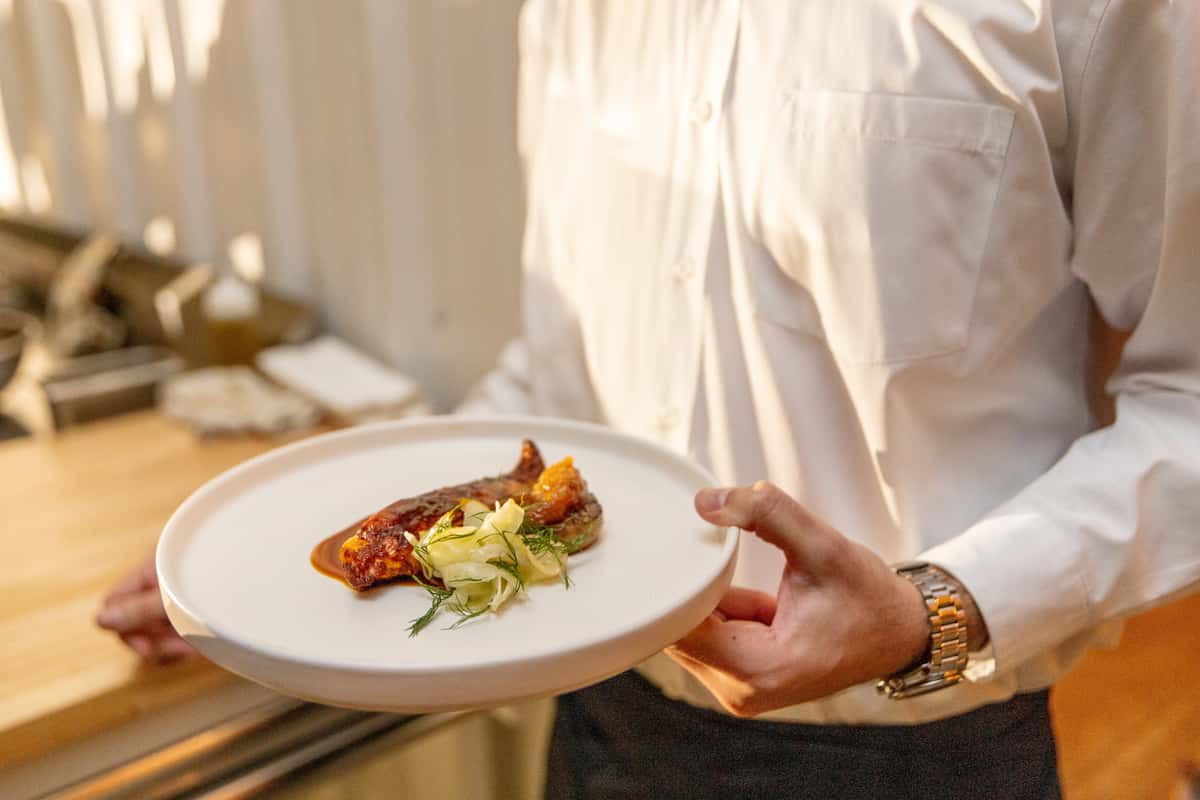
Which Factors Contribute to Limited Availability at Top Miami Restaurants?
The factors that contribute to limited availability at top Miami restaurants include tiny dining rooms, slow table turnover, seasonal tourism surges, and high price points that concentrate demand among committed diners.
Many of Miami's most celebrated restaurants operate with very few seats. Hiden, a Michelin-starred omakase counter in Wynwood, seats only 8 guests at a time, with just 2 chefs and 2 servers running the entire operation. According to a Chef's Pencil analysis, Miami ranks 3rd among the most expensive cities to dine out in the United States, which filters the guest pool but intensifies competition among those willing to invest. December through April compounds the problem, as peak winter tourism floods the city with visitors pursuing the same limited tables. Reservation fraud has also worsened scarcity; as reported by Eater NY, one 15-seat counter restaurant lost $2,500 in a single week to chargebacks on prepaid reservations, with fraud representing up to 25% of daily sales.
How Does Michelin Recognition Affect Reservation Demand in Miami?
Michelin recognition affects reservation demand in Miami by dramatically increasing the volume of diners seeking tables at starred restaurants while seating capacity remains fixed.
According to the late Joël Robuchon, the most Michelin-starred chef in history, earning one star brings roughly 20% more business, two stars generate about 40% more, and three stars can double a restaurant's demand. That surge hits Miami's already small dining rooms hard. The MICHELIN Guide Florida 2026 expanded statewide for the first time, drawing broader national attention to Miami's 14 starred restaurants. New additions like Mutra, where Chef Raz Shabtai serves a rotating hyperlocal Middle Eastern menu, and Los Félix, the first Miami restaurant to earn both a Michelin Star and a Green Star, create fresh waves of booking interest. With peak season requiring up to 40% more staff than off-peak months, even operational capacity struggles to keep pace with post-announcement demand.
Understanding why these reservations are scarce is the first step; knowing exactly when tables become available gives you a real advantage.
When Do Top Miami Restaurants Typically Release Their Reservations?
Top Miami restaurants typically release reservations 30 days in advance, with specific drop times varying by establishment. Understanding each restaurant's release schedule and seasonal patterns gives you the best chance of securing a table.
How Far in Advance Should You Book a Michelin Star Table in Miami?
You should book a Michelin star table in Miami at least 30 days in advance, logging on at the exact moment reservations drop. COTE Miami in the Design District, for example, releases reservations 30 days out at 10 a.m. daily, according to a Resy Blog feature on Miami's toughest reservations.
Michelin-starred dining experiences commonly last 2 to 3 hours, and sometimes extend to 3 or 4 hours depending on service style and menu complexity. That slow table turnover means fewer seatings per evening and far fewer available slots. Tasting menus in Miami typically range from $150 to $300 per person before wine pairings, tax, and gratuity, so these restaurants prioritize committed diners. Booking the full 30 days ahead, right when slots open, is the single most reliable strategy.
Are There Specific Days or Times With Better Reservation Availability?
There are specific days and times with better reservation availability, particularly midweek evenings and Miami's off-peak summer months. Boia De in Buena Vista releases dinner reservations at noon each day for a date 30 days out, while also reserving several counter seats and 14 outdoor patio seats for walk-ins, according to the Resy Blog.
South Florida's restaurant industry depends heavily on tourism, with seasonal variability significantly impacting reservation availability throughout the year. December through April is peak season, when tables are hardest to secure. Targeting Tuesday, Wednesday, or early Sunday seatings during May through November dramatically improves your odds.
Resy's Notify feature functions as a virtual waitlist, sending real-time email or app push notifications when a table matching your preferred date and time range opens up. Since 28% of Americans report not showing up for a reservation in the past year, cancellations create regular last-minute openings. Setting Notify alerts for your preferred restaurants is one of the smartest passive strategies available.
With release schedules mapped out, the next step is knowing which active strategies can further improve your chances.
Which Strategies Increase Your Chances of Landing a Coveted Reservation?
The strategies that increase your chances of landing a coveted reservation include adjusting your schedule, leveraging waitlist tools, and using legitimate booking apps. Avoid third-party resale platforms, as proposed bills in California, Florida, Illinois, and Louisiana target sites like Appointment Trader that sell reservations without restaurant authorization.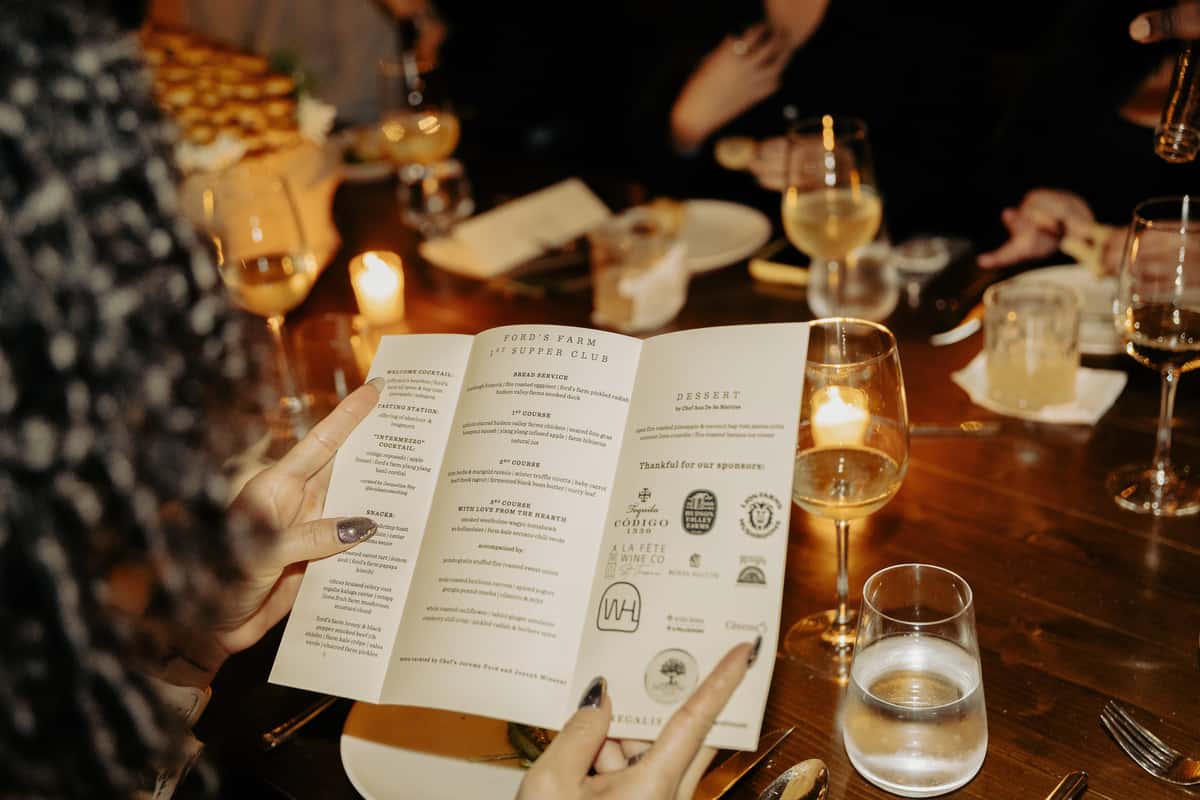
How Can Flexible Dates or Times Improve Reservation Success?
Flexible dates or times improve reservation success by opening availability windows that peak-demand diners overlook. Most guests target Friday and Saturday evenings, leaving midweek slots and early seatings far less contested.
Shifting your approach in a few practical ways makes a real difference:
- Aim for Tuesday through Thursday evenings, when competition drops significantly.
- Request the earliest seating time, typically 5:00 or 5:30 p.m., before prime slots fill.
- Consider lunch service at restaurants that offer it, since fewer diners compete for daytime tables.
- Target May through November in Miami, when seasonal tourism slows and availability increases.
For anyone serious about dining at Miami's Michelin-starred restaurants, flexibility is the single most underrated advantage. A willingness to dine on a Wednesday at 5:30 p.m. often accomplishes what refreshing a booking page at midnight on a Friday never will.
What Impact Do Waitlists and Cancellations Have on Getting a Table?
Waitlists and cancellations create a reliable second chance at tables that initially appear fully booked. According to OpenTable, 28% of Americans report not showing up for a reservation in the past year, which means sought-after tables reopen more often than most diners realize.
Restaurants lose up to 25% of peak-time revenue from no-shows, so many actively work to fill last-minute gaps. Joining a waitlist positions you to capture those openings the moment they appear. Resy's Notify feature, for instance, sends real-time email or push alerts when a table matching your preferred date and time range becomes available.
Checking booking platforms 24 to 48 hours before your desired date is another effective tactic, since most cancellation policies require notice within that window. Tables freed by cancellations often appear without fanfare, rewarding diners who check consistently.
Are Insider Tips or Apps Helpful for Securing Last-Minute Reservations?
Insider tips and apps are helpful for securing last-minute reservations, particularly when used through legitimate channels. Resy and OpenTable remain the primary platforms for Miami's Michelin-starred restaurants, and both surface real-time cancellations directly to users.
Key approaches worth considering include:
- Enable push notifications on Resy and OpenTable to catch cancellations instantly.
- Call the restaurant directly; hosts can often accommodate requests that online systems cannot.
- Follow restaurants on Instagram, where some announce last-minute availability or special seatings.
- Ask your hotel concierge, especially at luxury properties with established restaurant relationships.
Steer clear of unauthorized resale platforms. These services create artificial scarcity and expose diners to fraud. The most reliable path to a last-minute table combines persistence with the right tools, not a markup from a middleman.
With a solid strategy in place, understanding proper booking etiquette helps ensure a smooth experience.
What Etiquette Should You Follow When Trying to Book High-Demand Tables?
The etiquette you should follow when trying to book high-demand tables centers on preparation, honesty, and respect for the restaurant's policies. The sections below cover what to have ready before booking and how to handle changes responsibly.
What Info Should You Prepare Before Attempting to Reserve?
The info you should prepare before attempting to reserve includes your exact party size, preferred dates with alternatives, any dietary restrictions or allergies, and a valid credit card for prepaid or deposit-secured bookings. Having this ready prevents delays when reservation windows open, since popular Miami spots like Boia De and COTE Miami fill within minutes of release.
Note any special occasions so the restaurant can plan accordingly. Confirm the correct booking platform beforehand, whether that is Resy, OpenTable, Tock, or the restaurant's own website. Tools like Resy's Priority Notify, available to eligible American Express Global Dining Access card members, place you in the first group notified when tables open across all restaurants on Resy, according to Resy's Helpdesk. Log in and enable push notifications before the drop time so you can act instantly.
How Should You Handle Reservation Changes or No-Shows?
You should handle reservation changes or no-shows by canceling as early as possible, always within the restaurant's stated cancellation window. Most Michelin-starred Miami restaurants require 24 to 48 hours' notice; missing that deadline often triggers a per-person fee charged to the card on file.
Never hold duplicate reservations at multiple restaurants and then ghost the ones you skip. No-shows directly harm small, high-demand kitchens that operate on tight margins. If plans shift unexpectedly, call the restaurant directly rather than simply not appearing. A courteous cancellation frees the table for another guest and keeps your profile in good standing for future bookings. Restaurants track no-show history on platforms like Resy and OpenTable, and repeat offenders can lose booking privileges. Treating the reservation as a commitment, not a placeholder, is the simplest way to maintain access to Miami's best tables.
With proper etiquette in place, knowing how to spot booking scams protects both your wallet and the restaurant.
How Can You Identify Red Flags or Scams When Searching for Reservations?
You can identify red flags or scams when searching for reservations by avoiding unauthorized resale platforms, verifying bookings directly through the restaurant, and recognizing common fraud tactics. The risks of third-party reservation services are covered below.
Are There Risks With Resale Sites or Third-Party Reservation Services?
There are significant risks with resale sites or third-party reservation services, including fraud, inflated pricing, and reservations that may not be honored. Scalpers use bots to mass-book tables at popular restaurants, creating artificial scarcity that drives up resale prices while increasing no-show rates for the restaurants themselves. Some fraudsters book using stolen credit cards, then sell those reservations at a markup on social media; when the chargeback hits weeks later, the restaurant absorbs the loss entirely.
According to a National Restaurant Association survey, nearly 2 in 5 full-service restaurant diners were aware that third-party websites charged for reservations, and almost 15% reported having used such services. Legislative action is accelerating in response. Philadelphia now prohibits third-party platforms from charging fees for restaurant reservations without the restaurant's written permission. Proposed bills in California, Florida, Illinois, and Louisiana target similar platforms.
The safest approach is always booking through a restaurant's official website or an authorized platform like Resy, OpenTable, or Tock. If a site charges a premium above the restaurant's own pricing, that is a clear warning sign. Protecting yourself from reservation scams also protects the restaurants you want to support.
What Are the Most Frequently Asked Questions About Michelin Star Reservation Tips in Miami?
The most frequently asked questions about Michelin star reservation tips in Miami cover which restaurants are hardest to book and how group or special occasion reservations compare to standard bookings.
Which Miami Michelin Star Restaurants Are Hardest to Book?
The hardest Miami Michelin star restaurants to book are intimate, limited-seating venues and the city's highest-starred establishments. Miami has 14 Michelin-starred restaurants, including Florida's only two-star establishment, L'Atelier de Joël Robuchon in the Miami Design District. The Miami Design District alone holds four Michelin Stars and four Bib Gourmand awards, concentrating intense demand in a single neighborhood.
According to the 2026 MICHELIN Guide Florida, the selection now includes 26 starred restaurants statewide, with Mutra in Miami among two newly awarded one-star restaurants. Small-format venues with fewer than a dozen seats book out fastest because even modest demand exhausts their inventory. Bot-driven mass bookings compound this scarcity by creating artificial sellouts that inflate resale prices on unauthorized platforms. For diners planning a splurge, one-star tasting menus average $165 per person globally, while two-star experiences average $256, excluding drinks and gratuity.
Are Group or Special Occasion Reservations Any Easier or Harder?
Group or special occasion reservations are generally harder to secure at Miami's Michelin-starred restaurants. Most starred venues operate with limited seating and low table turnover, so accommodating parties of six or more requires combining tables that could otherwise serve multiple smaller parties across an evening. Birthday dinners, anniversaries, and celebrations during peak winter season face compounded difficulty.
Calling the restaurant directly, rather than relying solely on online platforms, often yields better results for larger parties. Many fine dining establishments maintain separate inquiry channels for group bookings and private events. Providing flexible date options and booking as far in advance as possible significantly improves the chances of securing a table for a special occasion.
With these common questions answered, exploring what makes Stubborn Seed's experience distinctive offers a practical next step.
How Can Stubborn Seed in Miami Provide a Distinct Michelin-Level Dining Experience?
Stubborn Seed in Miami provides a distinct Michelin-level dining experience through Chef Jeremy Ford's seasonally driven tasting menus, farm-sourced ingredients, and a sleek Miami Beach setting. Below, we cover what makes the menu unique and summarize key reservation takeaways.
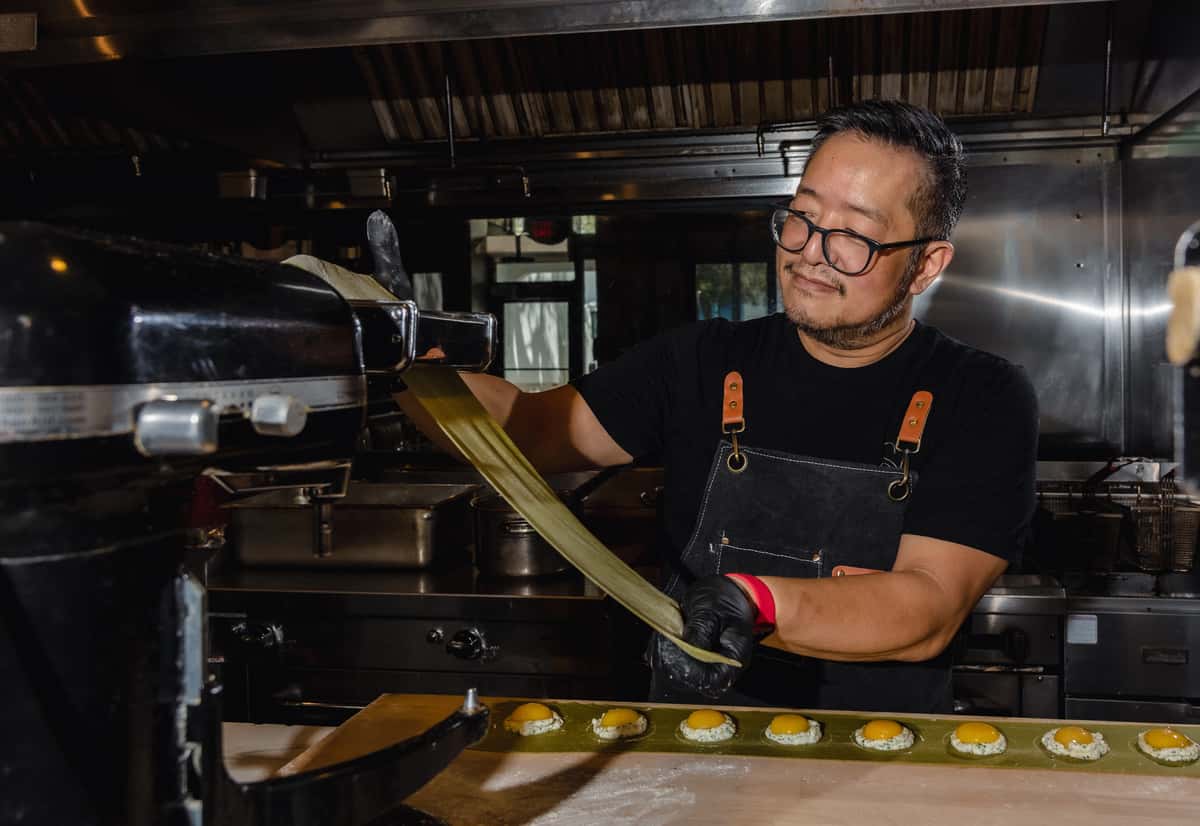
What Makes Stubborn Seed's Tasting Menu or Seasonal Offerings Unique for Reservation Seekers?
Stubborn Seed's tasting menu offerings are unique because Chef Jeremy Ford weaves Latin and Asian influences into multi-course experiences that change with the seasons. Stubborn Seed offers both a 6-course and a 9-course tasting menu, giving diners flexibility depending on how deep they want to explore the kitchen's creativity.
What truly sets this experience apart is the sourcing. Stubborn Seed grows many ingredients on the team's organic five-acre farm in Redland, where Chef Ford collects compost every six months from a composting initiative that repurposes food trims. That farm-to-table connection delivers flavors most Miami Beach restaurants simply cannot replicate. Signature dishes, including celery root croquette with beef bacon jam and ricotta gnudi with Manchego foam, reflect this commitment to bold, ingredient-forward cooking. For anyone comparing options, L'Atelier de Joël Robuchon Miami's dinner tasting menu is priced at $325 per guest with an optional $300 wine pairing, according to the restaurant's website. Stubborn Seed delivers a compelling Michelin-starred alternative on Miami Beach with a culinary identity entirely its own.
What Are the Key Takeaways About How to Get Tough Miami Michelin Star Reservations & Tips We Covered?
The key takeaways about how to get tough Miami Michelin star reservations are: book early, stay flexible, and use the right tools.
- Most top Miami restaurants release reservations 30 days in advance, so setting calendar reminders for exact drop times is essential.
- Platforms like Resy's Notify feature and American Express Global Dining Access give diners a real edge through priority alerts.
- Midweek dining and off-peak months (May through November) offer significantly better availability than peak winter season.
- Avoid third-party resale sites; proposed legislation in Florida targets unauthorized reservation scalping, and these transactions risk fraud.
- Plan for the full cost: tasting menus, wine pairings, tax, and gratuity of 15-20% for fine dining add up quickly.
- Honor your reservation or cancel within the stated window; no-shows cost restaurants up to 25% of peak-time revenue.
Securing a seat at any of Miami's 14 Michelin-starred restaurants rewards preparation and persistence. Stubborn Seed welcomes reservations directly through its website, making the booking process straightforward for diners ready to experience Chef Jeremy Ford's acclaimed cuisine on Miami Beach.