
How to Interact with a Sommelier in Michelin Miami: Tips & Etiquette
How to Interact with a Sommelier in Michelin Miami: Tips & Etiquette
A sommelier is a trained wine professional who curates beverage programs, guides guests through wine pairings, and ensures every glass complements the chef's vision at Michelin-starred restaurants. In Miami's rapidly expanding fine dining scene, skilled sommeliers serve as essential partners in creating a cohesive, memorable meal.
This guide covers the sommelier's role and credentials, proper etiquette for guest interactions, preparation and communication strategies, wine presentation protocols, and advanced techniques for building lasting relationships with wine professionals.
Sommeliers at Michelin-level restaurants hold rigorous certifications and manage extensive wine programs, sometimes overseeing more than a thousand labels. Their training allows them to analyze each course's flavor profile and select wines using techniques like flavor bridging or contrast pairing.
Etiquette shapes the quality of every sommelier interaction. Common missteps include dismissing recommendations without context, skipping the tasting ritual, or avoiding budget conversations entirely. A respectful, curious approach consistently unlocks more personalized selections.
Preparation starts before you sit down. Reflecting on specific flavor preferences, past wines you enjoyed, and a comfortable spending range gives the sommelier concrete details to work with. Stating a budget is welcomed, not awkward; finding exceptional bottles at a given price point is a skill professionals take pride in.
During service, the wine presentation follows a structured sequence designed to catch faults like cork taint, which affects roughly 3% to 5% of natural-cork bottles. Knowing when and how to flag an issue keeps the process smooth for everyone at the table.
Over repeat visits, honest feedback and genuine curiosity build rapport that leads to off-menu pours, allocation access, and increasingly tailored recommendations.
What Does a Sommelier Do in a Michelin-Starred Dining Experience?
A sommelier in a Michelin-starred dining experience curates wine pairings, guides guests through the beverage program, and ensures every glass complements the chef's vision. The sections below cover how sommeliers build tasting menu pairings and the training credentials behind their expertise.
How Does a Sommelier Curate Wine Pairings for Tasting Menus?
A sommelier curates wine pairings for tasting menus by analyzing each course's flavor profile, then selecting wines that either bridge shared compounds or contrast complementary notes. This process requires deep knowledge of the kitchen's seasonal ingredients and a cellar broad enough to match every dish.
In Miami's Michelin scene, these programs have grown increasingly ambitious. Macarena Carrillo, head sommelier at COTE Miami, oversees a wine list of nearly 1,200 labels while managing a team of six sommeliers, with a philosophy centered on making wine "approachable and attainable to all." That scale reflects a broader trend: as of May 2026, the Miami Michelin Guide features diverse honorees with significant investment in professional sommelier teams and curated beverage programs.
Professional sommeliers also watch for service quality signals, including proper bottle presentation before pouring and using universal glasses rather than narrow flutes for sparkling wine. These details matter because they shape how each pairing lands on your palate, not just what is in the glass.
What Training and Expertise Should You Expect from a Michelin Sommelier?
The training and expertise you should expect from a Michelin sommelier includes rigorous certification, extensive tasting ability, and fluency in food-and-wine pairing methodology. Most sommeliers at this level hold credentials from the Court of Master Sommeliers, which offers four progressive levels: Introductory Sommelier, Certified Sommelier, Advanced Sommelier, and Master Sommelier Diploma. Others pursue the WSET Diploma in Wines, an expert-level qualification requiring a minimum of 500 hours of study.
Beyond formal certifications, Michelin-level sommeliers demonstrate practical expertise built through years of cellar management, blind tasting practice, and tableside service. While Florida does not legally mandate responsible alcohol service training for all servers, top establishments invest heavily in ongoing education for their beverage teams. This depth of training is what allows a skilled sommelier to translate your preferences into precise, course-by-course recommendations.
With a clear picture of what sommeliers bring to the table, understanding proper etiquette helps you get the most from their expertise.
Why Is Sommelier Etiquette Important at High-End Miami Restaurants?
Sommelier etiquette is important at high-end Miami restaurants because it shapes the quality of wine service, strengthens the dining experience, and shows respect for the expertise behind every pairing. Common guest mistakes and the benefits of proper conduct are explored below.
What Are the Most Common Etiquette Mistakes Guests Make with Sommeliers?
The most common etiquette mistakes guests make with sommeliers include dismissing recommendations without explanation, treating the sommelier as a server rather than a specialist, and refusing to share taste preferences or budget. Some guests also make the mistake of judging a wine solely by price, assuming the most expensive bottle guarantees the best match for their meal. Others skip the tasting ritual entirely or send back a wine simply because they dislike the style rather than because of an actual fault. Each of these missteps limits the sommelier's ability to personalize the experience. Approaching the interaction as a conversation, not a transaction, consistently leads to better wine selections.
How Can Proper Etiquette Enhance Your Dining Experience?
Proper etiquette can enhance your dining experience by unlocking more thoughtful, personalized wine pairings that elevate each course. When guests communicate openly about preferences and budget, the sommelier can apply advanced pairing strategies. According to a study published in Springer's Flavour journal, fine dining pairing techniques include "flavor bridging," which uses shared flavor compounds between wine and food, and "contrast," where opposing flavors enhance one another. These methods only reach their full potential when the guest provides honest input. A respectful, curious attitude often encourages the sommelier to go beyond standard recommendations and introduce rare or off-list selections tailored to the table.
Understanding proper etiquette also sets the stage for knowing how to prepare before you even sit down with a sommelier.
How Should You Prepare Before Engaging with a Sommelier?
You should prepare before engaging with a sommelier by reflecting on your flavor preferences and deciding on a comfortable spending range. The sections below cover what taste details to share and how to approach budget conversations.
What Information About Your Tastes Should You Share?
The information about your tastes you should share includes flavor preferences, past wines you enjoyed or disliked, and any relevant dietary restrictions. A sommelier uses these details to narrow hundreds of options into a focused recommendation.
Consider mentioning specifics like these before the sommelier arrives:
- Preferred flavor profiles, such as dry, fruity, oaky, or mineral-driven.
- Wines or grape varieties you have enjoyed in the past.
- Styles or characteristics you want to avoid, such as high tannins or excessive sweetness.
- Food allergies or dietary needs that may affect pairing choices.
Vague statements like "I like red wine" give a sommelier very little to work with. Concrete references, even casual ones like "I loved a Malbec I had last month," help the sommelier calibrate quickly. The more honest and specific you are, the more precisely a sommelier can match a wine to both the menu and your palate.
Should You Set a Budget for Wine Selections?
Yes, you should set a budget for wine selections before your meal begins. A clear spending range allows the sommelier to recommend bottles or pairings that fit comfortably within your expectations, removing the guesswork from both sides.
Many fine dining wine programs are designed to be approachable, with sommelier teams welcoming budget conversations and questions about unfamiliar pairings. This openness reflects a broader standard across Michelin-level service in Miami.
Communicating your budget does not need to feel awkward. Practical approaches include:
- Pointing to a price range on the wine list and saying "something in this range."
- Stating a per-bottle or per-person ceiling directly.
- Asking the sommelier to suggest the best value within a general tier.
Professional sommeliers hear budget discussions nightly. A clearly stated range actually helps them showcase their expertise, because finding an exceptional bottle at a given price point is a skill they take pride in. Skipping the budget conversation, on the other hand, often leads to hesitation and a less enjoyable experience for everyone at the table.
With your preferences and budget defined, you are ready to communicate effectively once the sommelier approaches.
What Are the Best Ways to Communicate Your Preferences to a Sommelier?
The best ways to communicate your preferences to a sommelier include being honest about what you enjoy, stating your budget clearly, and mentioning any dietary restrictions upfront. The following sections cover how to decline suggestions gracefully and express your tastes effectively.
How Can You Politely Decline Wine Suggestions?
You can politely decline wine suggestions by being direct yet courteous. A sommelier's role centers on enhancing your experience, not pressuring a sale. Michel Couvreux, Director of Beverage at The Surf Club Restaurant, emphasizes that a sommelier's focus is on "making people want to come back" rather than simply selling the most expensive bottle.
Effective ways to decline include:
- Saying "I'd prefer to stick with what I know tonight" without further justification.
- Asking to see the wine list and selecting on your own.
- Requesting a different style, such as "something lighter" or "less tannic."
- Simply saying "no, thank you" with a smile.
No explanation is owed. A skilled sommelier will respect your choice and adjust without hesitation.
How Should You Express Your Wine Tastes and Dietary Restrictions?
You should express your wine tastes and dietary restrictions by using simple, sensory language and stating restrictions before the sommelier begins recommendations. You do not need technical vocabulary; describing flavors you enjoy, such as "fruity and smooth" or "dry with mineral notes," gives a sommelier enough to work with. Mentioning whether you prefer red, white, or sparkling further narrows the field.
For dietary restrictions, be specific and upfront:
- Sulfite sensitivity or histamine intolerance.
- Preference for organic, biodynamic, or vegan wines.
- Avoidance of specific varietals due to allergies.
Transparency early in the conversation saves time and ensures every pour aligns with your needs. With your preferences clearly communicated, knowing when to engage the sommelier during service becomes the next consideration.
When Is the Right Time to Ask the Sommelier for Help?
The right time to ask the sommelier for help is whenever you need guidance, from the moment you sit down through your final course. The sections below cover group consultations and per-course recommendations.
Is It Appropriate to Consult the Sommelier with the Entire Table?
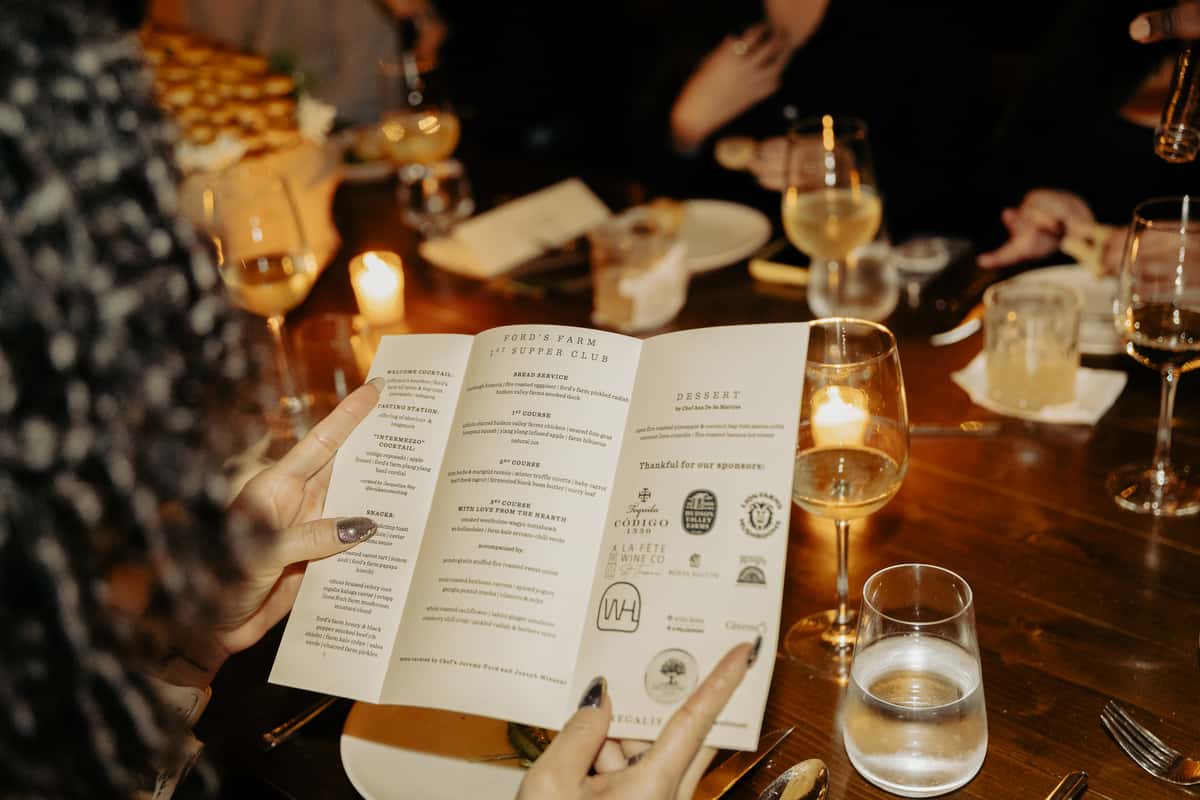
Yes, it is appropriate to consult the sommelier with the entire table. Sommeliers in Michelin-starred restaurants are trained to navigate group dynamics, balancing diverse preferences across multiple guests. Including the whole table in the conversation helps the sommelier identify a wine that satisfies varying tastes, whether some guests prefer bold reds while others lean toward crisp whites.
A group discussion also prevents one person from feeling solely responsible for the wine choice. When everyone shares preferences openly, the sommelier can suggest bottles or pairings that complement the broadest range of dishes being ordered. This collaborative approach tends to produce more adventurous selections than a single guest might choose alone.
Should You Ask for Recommendations with Each Course?
Yes, you should ask for recommendations with each course, especially during a multi-course tasting menu. Course-by-course guidance allows the sommelier to match each dish's flavor profile precisely, using techniques like flavor bridging through shared compounds or contrast pairings that enhance both the wine and food.
According to a study published in the Springer Flavour Journal, flavor pairing strategies in fine dining include "flavor bridging" using shared flavor compounds and "contrast" where flavors in both wine and food enhance one another. Requesting per-course suggestions lets you experience these techniques firsthand rather than relying on a single bottle to carry an entire meal. For guests who prefer simplicity, even asking at the start of the meal gives the sommelier enough context to plan pairings across all courses.
With your timing settled, understanding the wine presentation ritual ensures you respond confidently when the bottle arrives.
How Should You React During the Wine Presentation and Tasting?
You should react during the wine presentation and tasting by following a brief, structured ritual: confirm the label, assess the sample for faults, and approve or flag concerns. The sections below cover expected tasting etiquette and how to address issues with a selection.
What Is the Expected Etiquette When Tasting a Wine Sample?
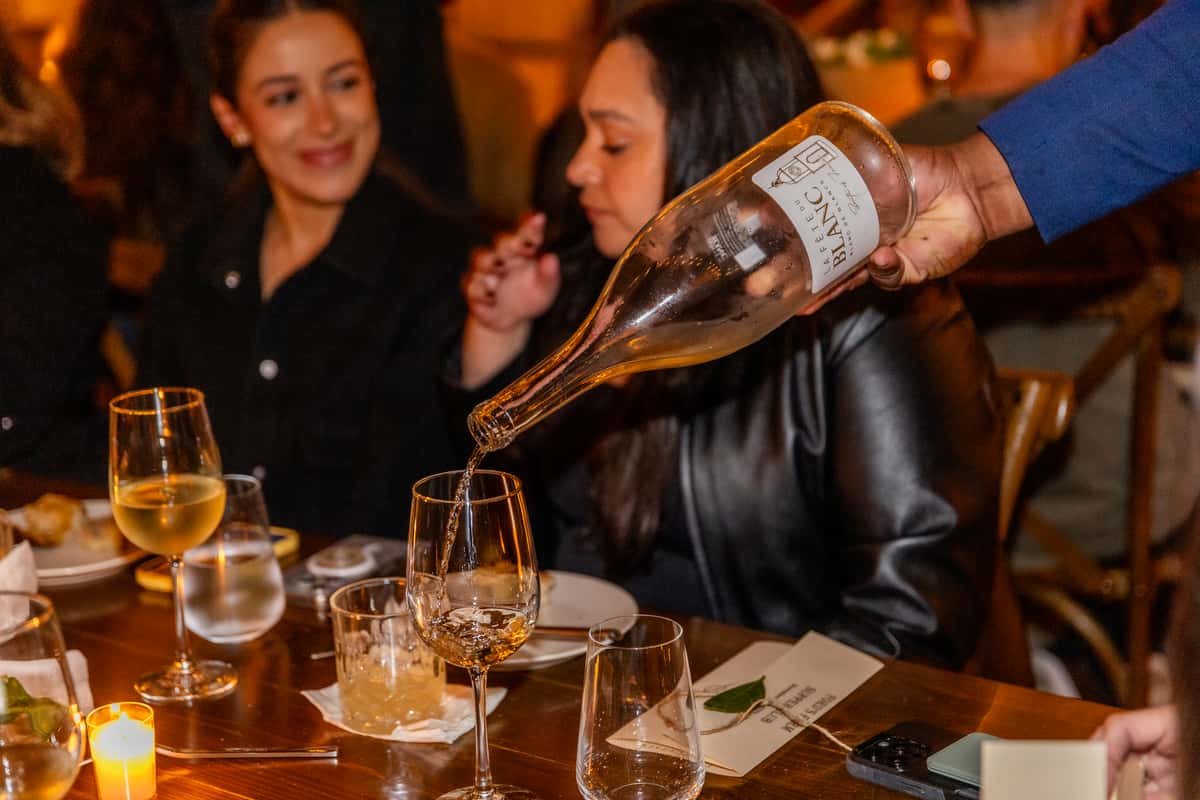
The expected etiquette when tasting a wine sample follows a specific sequence designed to catch faults before the full pour. When the sommelier presents the bottle, verify the label matches what you ordered. After the small pour, follow these steps:
- Look at the wine's color and clarity in the glass for any haze or off-putting brownness.
- Swirl gently to release aromas, then bring the glass to your nose.
- Smell for any musty, wet-cardboard notes that signal cork taint or oxidation.
- Sip a small amount, letting it coat your palate briefly before swallowing.
A simple nod or "that's lovely" signals approval. This check is about detecting flaws, not deciding whether you enjoy the style. If the wine is sound, the sommelier will pour for the table.
How Do You Address Issues with a Wine Selection?
You address issues with a wine selection by calmly and specifically describing what seems off. According to Wine Spectator, cork taint (TCA contamination) affects approximately 3% to 5% of wines sealed with natural cork, so encountering a flawed bottle is uncommon but entirely legitimate.
If you detect a musty smell, muted fruit, or an unpleasant taste, mention it directly: "I think this may be corked" or "something seems off with this bottle." A professional sommelier will never take offense. In Michelin-level restaurants, trained staff expect occasional rejections and will replace the bottle promptly. However, disliking the wine's style after you selected it is not valid grounds for a return. The tasting ritual exists to verify the bottle's condition, not to preview whether the flavor profile suits your mood.
Understanding presentation protocols prepares you to get even more from the sommelier relationship over time.
What Are Some Advanced Tips for Making the Most of Your Sommelier Experience?
Some advanced tips for making the most of your sommelier experience include building ongoing relationships with wine professionals and understanding tipping customs. These strategies elevate repeat visits beyond routine dining.
How Can Frequent Diners Build Relationships with Sommeliers?
Frequent diners can build relationships with sommeliers by returning consistently, remembering past conversations, and expressing genuine curiosity about wine selections. A sommelier's core goal is hospitality, not upselling. Michel Couvreux, Director of Beverage at The Surf Club Restaurant, emphasizes that the role centers on "making people want to come back" rather than simply selling the most expensive bottle.
Sharing honest feedback after a pairing, asking about new arrivals, or referencing a previous recommendation signals that you value the sommelier's expertise. Over time, this rapport leads to more personalized suggestions and occasionally access to allocations or off-menu pours that casual visitors rarely encounter. The Court of Master Sommeliers certification spans four progressive levels, so recognizing the depth of training behind each recommendation strengthens mutual respect.
Is It Customary to Tip a Sommelier Separately in Miami's Fine Dining Scene?
It is not customary to tip a sommelier separately in Miami's fine dining scene. Most upscale Miami restaurants include an automatic service charge on the final bill, which is distributed among the entire service team, including the sommelier. A separate cash tip is appreciated but not expected.
Notably, not every table engages the sommelier equally. A study published in the International Journal of Hospitality Management found that approximately 26% of guests in high-end establishments do not order wine at all during their meal. If you do receive exceptional guidance, adding a modest amount beyond the included charge is a thoughtful gesture. As Miami's Michelin Guide continues expanding with additions like Barra Callao and Cotoa, curated beverage programs are becoming central to the dining experience, making sommelier interactions increasingly valuable.
Understanding tipping norms and relationship-building sets the stage for seeing these principles in action at a specific restaurant.
How Does Stubborn Seed in Miami Exemplify Expert Sommelier Service and Dining Etiquette?
Stubborn Seed exemplifies expert sommelier service by integrating dedicated wine guidance into every course of its tasting menu. The sections below explore how sommelier-led pairings elevate the multi-course experience and summarize the key etiquette principles covered throughout this guide.
How Does Stubborn Seed's Multi-Course Tasting Menu Benefit from Sommelier Guidance?
Stubborn Seed's multi-course tasting menu benefits from sommelier guidance through personalized wine pairings curated to complement each course's seasonal ingredients. The sommelier team at Stubborn Seed welcomes budget conversations and questions about unfamiliar selections, removing the pressure many guests feel in Michelin environments. Customer testimonials consistently highlight detailed explanations provided for each pairing, reinforcing how transparent communication between guest and sommelier transforms a meal into a cohesive narrative. For diners who have never experienced a guided tasting menu, this collaborative approach makes the wine program feel approachable rather than intimidating. Stubborn Seed offers both a 6-course and a 9-course tasting menu, each designed for sommelier-led accompaniment.
What Are the Key Takeaways About How to Interact with a Sommelier in Michelin Miami: Tips & Etiquette We Covered?
The key takeaways about how to interact with a sommelier in Michelin Miami are:
- Share your flavor preferences, dietary restrictions, and budget openly; sommeliers welcome these conversations.
- Communicate a price range early so the sommelier can tailor selections without guesswork.
- Ask questions about unfamiliar wines; curiosity signals engagement, not ignorance.
- Accept the tasting ritual confidently, checking only for faults like cork taint rather than personal preference.
- Decline suggestions politely by redirecting toward what you enjoy.
- Recognize that many Miami restaurants apply an automatic 18% service charge shared among service staff, including the sommelier; additional tipping remains at your discretion.
Mastering these fundamentals turns any Michelin dining experience in Miami into a comfortable, memorable occasion. Stubborn Seed puts these principles into practice at every table.