
How to Pair Wine with Brunch
How to Pair Wine with Brunch
Pairing wine with brunch means matching a wine's acidity, sweetness, body, and tannin structure to the fat content, flavor intensity, and cooking method of each dish on the table.
This guide covers the core pairing principles that govern every good match, dish-specific recommendations across eggs, sweet options, savory staples, and seafood, the unmatched versatility of sparkling wines, strategies for spicy and heavily seasoned plates, seasonal ingredient frameworks, common mistakes to avoid, and how to plan a curated brunch wine experience in Las Vegas.
Acid, fat, sweetness, and tannin are the four levers controlling every successful pairing; understanding how each interacts with brunch food eliminates guesswork at the table.
Dish-specific pairings range from blanc de blancs Champagne with hollandaise-laden eggs Benedict to Brachetto d'Acqui with syrup-drenched pancakes and Sauvignon Blanc with smoked salmon, each chosen to complement rather than overpower the dish's dominant flavors.
Sparkling wines earn their reputation as the default brunch pour because effervescence resets the palate between rich bites, bridging sweet and savory courses across a wide range of styles and price points.
Spicy plates, seasonal menus, and pairings to avoid each follow their own logic rooted in the same principles, and Las Vegas venues like Stubborn Seed at Resorts World offer sommelier-guided tastings where those principles come to life under a Michelin-starred kitchen.
What Factors Should You Consider When Pairing Wine with Brunch Foods?
The factors to consider when pairing wine with brunch foods include body weight, acidity, tannin structure, sweetness level, and the fat content of each dish. The three H3 sections below explore how flavor profile, sweetness versus savoriness, and cooking technique each shape the right wine choice.
How Does the Flavor Profile of Brunch Dishes Influence Wine Selection?
The flavor profile of brunch dishes influences wine selection through four primary taste interactions: acidity, salt, bitterness, and fat. According to WineMakerMag, food-wine pairing guidelines recommend matching the body of the wine with the weight of the food, serving full-bodied wines with robust dishes and light-bodied wines with lighter fare.
Sour components in wine, including tartaric, malic, and lactic acids, all stimulate the same "sour" receptors, so a dish with citrus or vinegar will respond differently than a mild egg dish. Salt is particularly tricky: it magnifies flavors while simultaneously reducing the perception of acidity and bitterness, which can either flatter or destabilize a wine's structure.
Context also shapes perception. Mood, company, and setting influence how a pairing lands in ways that molecular analysis cannot fully predict.
What Role Does Sweetness or Savoryness Play in Pairing Brunch Wines?
Sweetness and savoriness play a decisive role in pairing brunch wines, because mismatches in sweetness level are among the most disruptive errors at the table. In wine, salt and umami are rarely significant, while sweet, sour, and bitter dominate perception.
For sweet brunch dishes like French toast or syrup-drenched pancakes, dry wines taste harsh and bitter by comparison. The wine must match or exceed the dish's sweetness to remain pleasant. Savory dishes offer more flexibility, pairing well with acid-driven whites, mineral sparkling wines, or structured rosés.
As Enobytes summarizes, the best approach is to understand the core principles: acid pairs with acid, fat softens tannins, salt complicates everything, and sweetness requires sweetness. Trust those principles, then trust your palate.
How Do Cooking Techniques Affect Which Wine to Choose for Brunch?
Cooking techniques affect wine choice primarily through how they alter fat content, texture, and intensity in a dish. Fat, while not a distinct taste, profoundly affects wine by softening tannins, reducing perceived acidity, and making wines more approachable overall.
The key pairings by technique are:
- Poached or lightly cooked eggs: Lower fat content calls for high-acid wines like Champagne or Grüner Veltliner to keep the palate clean.
- Pan-fried or butter-finished dishes: Fat buffers acidity, so high-acid wines taste softer and richer alongside them.
- Smoked proteins: Smoky, savory intensity pairs best with wines that have both acidity and structure, such as Sauvignon Blanc or cool-climate Pinot Noir.
- Grilled meats: Fatty proteins allow tannins to bind with food proteins rather than salivary proteins, making the wine taste smoother and the meat richer.
Brunch cooking spans a wide spectrum, so technique is often the fastest diagnostic for narrowing down your wine selection.
Which Types of Wine Work Best with Classic Brunch Dishes?
The types of wine that work best with classic brunch dishes vary by flavor profile, from Champagne and Prosecco with egg-based dishes to Brachetto d'Acqui with sweet options and Sauvignon Blanc with smoked salmon plates. The sections below cover egg dishes, sweet brunch fare, savory staples, and seafood pairings specifically.
What Wines Pair Well with Eggs Benedict or Other Egg-Based Dishes?
The wines that pair well with eggs Benedict and other egg-based dishes are sparkling whites, blanc de blancs Champagne, Grüner Veltliner, Prosecco, and cool-climate Pinot Noir. According to Wine Spectator, sommelier Sarah Clarke recommends blanc de blancs Champagne, such as Agrapart & Fils, specifically because eggs, hollandaise, and bacon benefit from effervescence cutting through richness. For lighter egg dishes like a French omelet or bagel and lox, Grüner Veltliner from Schloss Gobelsburg delivers bright acidity and a refreshing green character. Cool-climate Pinot Noir from West Sonoma Coast, Otago, or Burgundy works well with bacon and sausage Benedict, where its red-fruit spice and acid balance the fat. John Crabtree recommends Moscato d'Asti: La Spinetta 2020 to cleanse the palate against a hollandaise-laden eggs Benedict. Acid-forward wines succeed here because tannin-heavy reds amplify astringency against egg proteins without enough fat to soften them.
Which Wines Complement Pancakes, Waffles, and Sweet Brunch Options?
The wines that complement pancakes, waffles, and other sweet brunch options are Brachetto d'Acqui, blanc de blancs Champagne, rosé, and fruity cru Beaujolais. Per Wine Spectator, Brachetto d'Acqui is a strong alternative to mimosas for pancakes, French toast, or waffles because its sweetness matches or exceeds the sweetness of the food, preventing the wine from tasting thin by comparison. Brad Dixon, wine director of Bern's Steakhouse, recommends blanc de blancs Champagne for its ability to bridge sweet and savory fare seamlessly, rounding out a brunch spread with rosé or a fruity cru Beaujolais as flexible second and third options. For sweet brunch dishes, matching the wine's sweetness level to the food is the single most important decision.
What Are the Best Wine Matches for Savory Brunch Staples Like Avocado Toast?
The best wine matches for savory brunch staples like avocado toast are crisp sparkling wines, mineral-driven whites, and versatile rosé. According to Wine Spectator, Caroline Styne recommends Josep Maria Raventós i Blanc de Nit Brut Rosé, describing it as super bright, crisp, and minerally, making it ideal alongside salads, cheeses, and savory breakfast foods. Mark Sayre highlights Chardonnay's range across styles, from lean Chablis to richer expressions like Arista Chardonnay Russian River, as a compelling pick for savory brunch plates. Acidity is the key driver for these pairings, cutting through the fat in avocado and creamy toppings without overwhelming delicate herb or citrus flavors. Jordan Smelt's Lady of the Sunshine 2023 rosé, a Sauvignon Blanc and Pinot Noir blend, also works well here.
Which Wines Go Well with Smoked Salmon or Seafood Brunch Plates?
The wines that go well with smoked salmon and seafood brunch plates are Sauvignon Blanc, rosé, Riesling Kabinett, and pét-nat. Per Wine Spectator, smoked salmon with cream cheese and bagels pairs best with a Sauvignon Blanc carrying strong acidity, such as Elena Walch Castel Ringberg 2020 or Dogpoint Vineyard 2022, to balance the dish's richness. Rosé, such as Mersel Phoenix Field Blend from Lebanon, is versatile enough to complement smoked salmon, brunch sandwiches, and salads with its light, refreshing character. For more textural contrast, Testalonga's I Wish I Was a Ninja pét-nat, made with Colombard from South Africa, adds a lively, effervescent quality that lifts oily fish without overpowering it. Tannic reds should always be avoided with seafood plates, as they amplify astringency and produce a metallic finish.
How Should Sparkling Wines Be Paired with Brunch Menus?
Sparkling wines are the most versatile brunch pairing choice, bridging sweet and savory dishes alike. The sub-sections below cover what makes bubbles ideal for brunch and which varieties best match specific dishes.
What Makes Sparkling Wine an Ideal Choice for Brunch?
Sparkling wine is an ideal choice for brunch because its effervescence, bright acidity, and range of styles complement nearly every dish on the table. Caroline Styne, restaurateur and wine director of Lucques Group, says, "Although this choice may seem obvious, the first thing that comes to mind to bring to brunch is something sparkling."
The category spans accessible price points and flavor profiles, including:
- Cava and Crémant: budget-friendly méthode Champenoise options
- Prosecco: light, slightly sweet, and widely available
- Champagne: structured and celebratory
- Pétillant naturel: lively and unconventional
According to a 2025 GM Insights report, the sparkling wine market was valued at USD 61.9 billion and is projected to grow at a CAGR of 3.4% through 2035, driven by premiumization. Sparkling wine is arguably the safest brunch pour precisely because its carbonation resets the palate between rich bites.

Which Sparkling Wine Varieties Work Best for Different Brunch Dishes?
The sparkling wine varieties that work best for different brunch dishes depend on the dish's weight, richness, and flavor intensity. Because taste is ultimately subjective, with different people perceiving acidity and bitterness at different thresholds, these recommendations serve as starting points rather than rules.
|
Dish |
Recommended Sparkling Wine |
Why It Works |
|
Eggs Benedict |
Champagne blanc de blancs |
Effervescence cuts hollandaise richness |
|
Smoked salmon |
Szigeti Sparkling Grüner Veltliner (Austrian sekt) |
Crisp acidity balances smokiness |
|
Fresh fruit and quiche |
Prosecco |
Slight sweetness echoes fruit notes |
|
Savory breakfast foods, salads |
Artadi's Izar-Leku 2019 (sparkling txakolina) |
Bright, saline, creamy texture |
|
Versatile table pour |
Cruse Valdiguié Sparkling |
Pairs with nearly everything |
Sommelier Katy Kindred of Kindred calls the Cruse Valdiguié Sparkling "the little black dress of wines" for its all-occasion versatility. For a more adventurous pour, Daniella Lauricella, director of hospitality at Llama San, recommends Testalonga's I Wish I Was a Ninja pét-nat for guests who want extra pizzazz at the table.
What Are Expert Tips for Pairing Wine with Spicy or Heavily Seasoned Brunch Foods?
Expert tips for pairing wine with spicy or heavily seasoned brunch foods center on two core principles: use sweetness to cool heat, and avoid young tannic reds with heavily salted dishes. The H3 below covers which specific wine styles deliver the best balance against hot sauces and bold seasonings.
Which Wines Help Balance Hot Sauces or Spices in Brunch Plates?
The wines that help balance hot sauces or spices in brunch plates are off-dry and low-tannin styles, such as Riesling Kabinett, Prosecco, Moscato d'Acqui, and Brachetto d'Acqui. According to WineMakerMag, sweetness cools and soothes palate irritation, making wines with noticeable residual sugar the most reliable contrast pairing for spicy foods. Sparkling options double down on this effect, as carbonation lifts heat from the palate between sips.
Heavily salted dishes require equal care. Salt amplifies tannins, so pairing a bold seasoned plate with a young, tannic red creates a compounding dehydrating effect that makes the wine taste harsher. Reach instead for smooth-tannin or tannin-free options, such as sparkling wines, older reds, or crisp whites. For dishes like Shakshuka or Huevos Rancheros, a fruit-forward Zinfandel or Cabernet Franc can hold up to bold spice without magnifying astringency.
How Can You Incorporate Seasonal Ingredients When Pairing Wine with Brunch?
Seasonal ingredient pairing works by matching a wine's character to the dominant flavors present in each season's brunch menu. The two H3s below cover spring and summer selections, then fall and winter flavor profiles.
What Are the Best Wine Pairings for Spring or Summer Brunch Menus?
The best wine pairings for spring or summer brunch menus are fresh, bright, and food-friendly bottles, starting with Champagne, then shifting to a rosé or Riesling. Spring ingredients like tender green vegetables, fresh herbs, and grilled fish call for wines with lemon and green apple notes, where a dry white cuts cleanly through delicate flavors. According to Wine Spectator, sommelier Jordan Smelt recommends beginning with Champagne to wake up the palate before transitioning to a rosé or Riesling as the meal progresses. Riesling Kabinett is particularly well-suited here: its off-dry sweetness welcomes guests without overwhelming lighter seasonal dishes, while its acidity keeps each sip refreshing.
How Do You Match Wine with Brunch Items Featuring Fall or Winter Flavors?
Matching wine with fall or winter brunch items requires selecting bottles whose structure complements heavier, earthier seasonal ingredients like apples, spices, and pumpkins. For winter vegetables specifically, wines with little or no new oak tend to work better, preserving the brightness of lighter cold-weather produce rather than overwhelming it with wood influence. A high-acid white wine also benefits when fall or winter brunch dishes carry a touch of salt, as salt softens the wine's sharp edges, making it seem rounder and more approachable. According to Enobytes, this interaction is exemplified by Champagne paired with oysters or potato chips. For heartier fall items, Forough Vakili, chef and wine director of Le Bon Nosh, notes that Domaine Migot Brut Rosé, 100 percent Gamay, lends great body and acidity to pair with substantial brunch dishes.
Letting the season guide your bottle selection is one of the simplest and most reliable frameworks for confident brunch pairings.
What Common Mistakes Should You Avoid When Pairing Wine with Brunch?
The most common mistakes to avoid when pairing wine with brunch are ignoring balance, relying solely on wine color, and mismatching intensity between wine and dish. The H3s below cover two specific problem areas: wines that overwhelm delicate dishes, and combinations that should always be avoided.
How Can Wine Overwhelm or Underserve Delicate Brunch Dishes?
Wine can overwhelm or underserve delicate brunch dishes when its body, bitterness, or tannin level mismatches the dish's weight. According to Cesar Ritz Colleges, ignoring balance and defaulting to wine color as the sole pairing guide are among the most common mistakes in wine pairing. A heavy, bitter wine served alongside a delicate egg white omelet or poached fish will overload the palate rather than complement the food. When a wine is bitter, pairing it with food that contains fat or sweetness can restore balance and prevent the wine from overpowering the dish. Matching wine intensity to dish intensity is the simplest way to protect subtle flavors.
Are There Pairings That Should Always Be Avoided?
The pairings that should always be avoided are tannic full-bodied reds with lean fish, and dry wines with sweet brunch desserts. Tannic wines pair poorly with lean fish because the absence of fat or protein leaves tannins unbound, amplifying astringency and producing a harsh, metallic taste. Similarly, the practical rule for sweetness states that wine should be as sweet or sweeter than the dish it accompanies; according to Enobytes, pairing a drier wine with a sweeter dish makes the wine taste thin and tart by comparison. Pancakes, French toast, and fruit-forward desserts all fall into this trap when paired with bone-dry wines.
How Do You Plan the Perfect Wine and Brunch Gathering in Las Vegas?
Planning the perfect wine and brunch gathering in Las Vegas involves choosing venues with chef-driven menus, knowledgeable sommeliers, and curated pairings. The H3s below cover where to find expert pairing experiences and local tips to sharpen your selections.
Where Can You Find Chef-Driven Brunch Menus with Expert Wine Pairings in Las Vegas?
Chef-driven brunch menus with expert wine pairings in Las Vegas are found at fine dining establishments where sommeliers guide selections alongside seasonal, composed dishes. Some Las Vegas fine dining wine programs lean heavily on Burgundy and Rhône wines, with sommeliers knowledgeable enough to recommend both classic and contrast-driven pairings. As WineMakerMag notes, deliberate contrasts can be highly successful, such as a crisp brut Champagne cutting through rich, fatty preparations.
Jordan Smelt, co-owner and wine director of Lucian Books & Wine, advises: "For brunch with friends, stick to bottles that are fresh, food-friendly and fun," starting with Champagne to wake the palate, then shifting to rosé or Riesling. Stubborn Seed at Resorts World Las Vegas offers curated tasting menus, seasonal ingredients, and sommelier wine pairings that make every visit a considered pairing experience under the culinary vision of Michelin-starred Chef Jeremy Ford.
What Local Tips Can Enhance Your Brunch Wine Pairing Experience?
Local tips that enhance your brunch wine pairing experience center on applying foundational pairing principles to Las Vegas's diverse restaurant landscape. According to WineMakerMag, ideal food and wine pairings elevate both elements, with the combined pleasure exceeding either alone. The most actionable tips include:
- Match weight to weight. Choose light-bodied wines for lighter brunch fare and fuller styles for richer, protein-heavy dishes.
- Use acidity as a tool. High-acid wines such as Grüner Veltliner or dry Riesling cut through hollandaise and cream-based preparations.
- Lean on sparkling wines broadly. Champagne, Cava, Crémant, and Prosecco offer effervescence that lifts savory, eggy, and fatty dishes across nearly every brunch scenario.
- Ask the sommelier for contrast pairings. Las Vegas fine dining sommeliers versed in Burgundy and Rhône can suggest unexpected combinations that outperform obvious matches.
- Trust your palate last. Taste interactions are ultimately subjective; mood, company, and expectation shape perception as much as chemistry.
Pairing success at brunch depends less on memorized rules and more on understanding why acid, fat, sweetness, and tannin interact. Once those relationships are clear, any Las Vegas brunch menu becomes a pairing opportunity.
How Does Stubborn Seed Elevate the Brunch and Wine Pairing Experience in Las Vegas?
Stubborn Seed at Resorts World Las Vegas elevates the brunch and wine pairing experience through Chef Jeremy Ford's chef-driven menus, sommelier-curated wine pairings, and a commitment to seasonal ingredients. The following sections cover what makes the weekend brunch exceptional and the key principles to carry into every future pairing.
Can Stubborn Seed's Chef-Driven Weekend Brunch Help You Discover Inspired Wine Pairings?
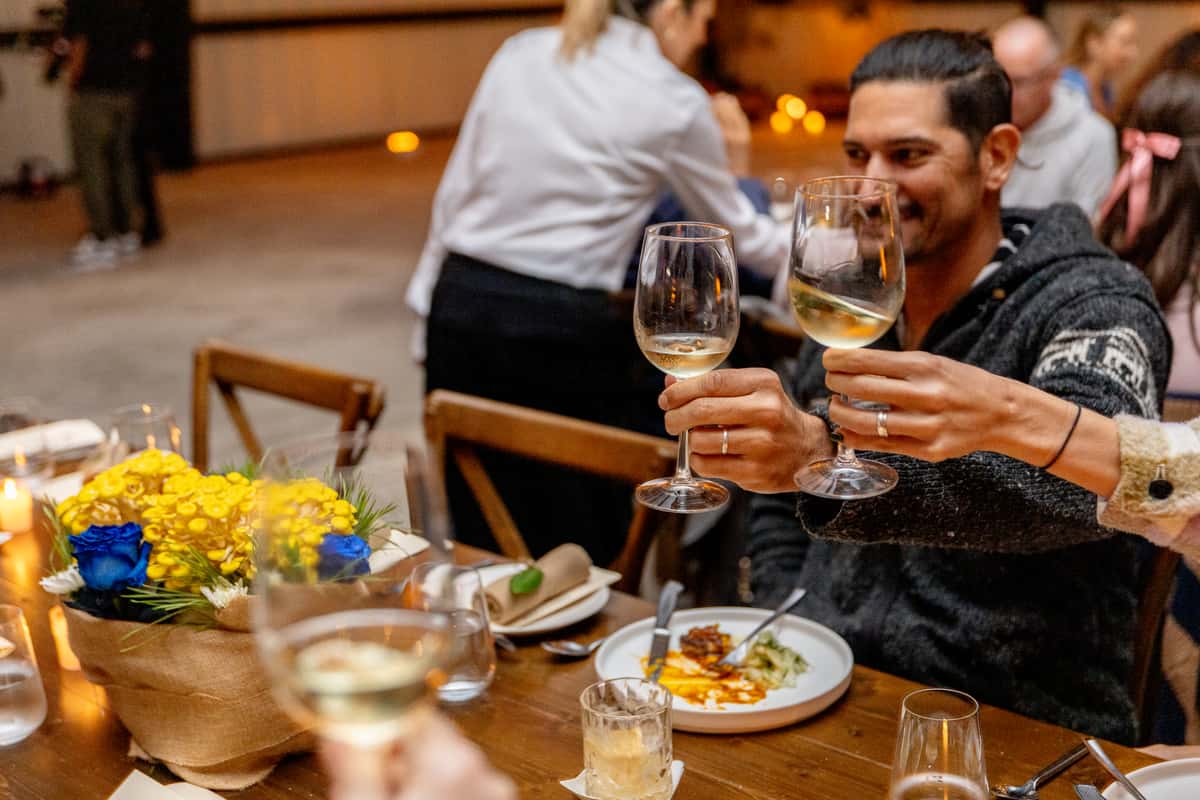
Yes, Stubborn Seed's chef-driven weekend brunch can help you discover inspired wine pairings through the guidance of a trained sommelier and the creative lens of a Michelin-starred kitchen. Chef Jeremy Ford, a Top Chef alum, crafts dishes where flavor, texture, and seasoning are precisely balanced, giving sommeliers a structured canvas for wine selection. Rather than guessing, guests benefit from pairings engineered around each course's acidity, fat content, and intensity. In 2024, 67% of diners sought experiential offerings beyond standard reservations, particularly themed meals and multi-course feasts, reflecting exactly what Stubborn Seed delivers. For anyone serious about learning wine pairing through a hands-on meal, this is one of the most practical environments in Las Vegas to do it.
What Are the Key Takeaways for Pairing Wine with Brunch?
The key takeaways for pairing wine with brunch are: match sweetness levels, respect acidity, and prioritize enjoyment over rules. According to Wine Spectator, Forough Vakili, chef and wine director of Le Bon Nosh, highlights that Olivier Leflaive's Bourgogne Blanc Les Sétilles, a 100% Chardonnay, adds prestige to brunch by pairing beautifully with breakfast sandwiches through balanced acidity and stone fruit notes. Contrast pairings also work, since a very sweet wine alongside a moderately sweet dish can heighten pleasure for both. Jeffrey Perisho, wine director of The Plumed Horse Restaurant, puts it plainly: "Brunch is one of those meals in which the wine-and-food pairing idea goes out the window for me. It's generally a time to unwind." That perspective is worth holding onto: strong principles guide you, but the best pairing is ultimately the one you enjoy most.