
How to Talk to a Sommelier: Expert Tips for Confidence
How to Talk to a Sommelier: Expert Tips for Confidence
Talking to a sommelier at a fine dining restaurant is a collaborative exchange built on honest communication, not an audition of wine knowledge. A sommelier is a trained wine professional who specializes in wine selection, service standards, and guest education, and their core function is listening to guests and translating preferences into selections they will genuinely enjoy.
This guide covers who sommeliers are and how they differ from other wine professionals, how to prepare before the conversation, how to start it and express your preferences clearly, how to respond to recommendations, common mistakes to avoid, how wine pairing works at the table, and how Stubborn Seed in Las Vegas puts these principles into practice.
Sommeliers hold some of the most rigorous credentials in hospitality, with Master Sommelier pass rates as low as 3 to 8 percent, yet their entire focus at the table is making guests feel confident and valued.
Preparing in advance means knowing your flavor tendencies, your budget, and what you are ordering so the sommelier can match wine to your meal with precision.
Starting the conversation clearly and expressing taste preferences in sensory terms gives the sommelier actionable information; knowing when to accept a recommendation, request an alternative, or raise a concern about a faulty pour prevents the most common service missteps.
Wine pairing principles and tasting menu navigation show how the sommelier's expertise pays off most directly across a multi-course meal, and Stubborn Seed's Michelin-starred format in Las Vegas offers one of the most structured environments to put every one of these skills to use.
What Role Does a Sommelier Play in the Dining Experience?
A sommelier is a trained wine professional who specializes in wine selection, service standards, and guest education. The sub-sections below explain how sommeliers differ from other wine professionals and what qualifications they hold.
How Does a Sommelier Differ From Other Wine Professionals?
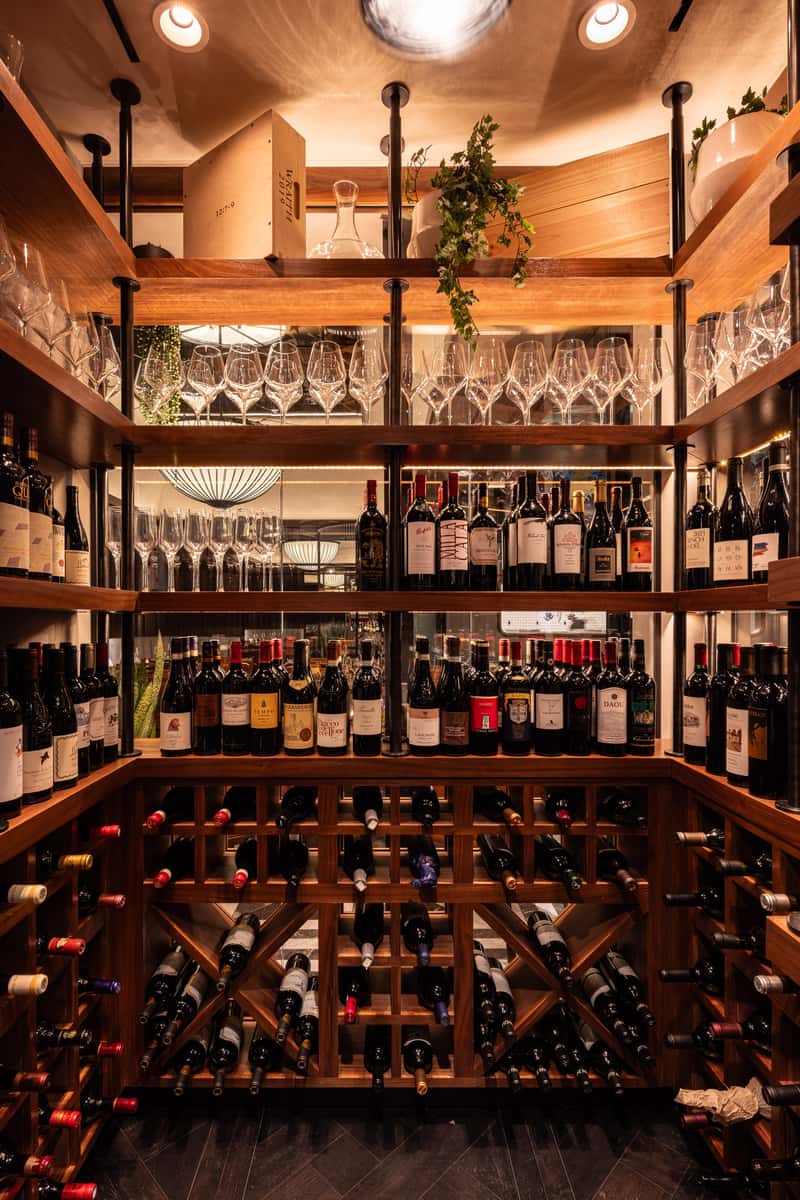
A sommelier differs from other wine professionals in scope, responsibility, and guest-facing role. Where a wine steward facilitates a transaction, a sommelier shapes the entire wine program by selecting wines for the list, negotiating with distributors, and managing the cellar. A wine director, by contrast, typically creates and oversees the wine list at a higher strategic level, while the sommelier focuses on direct guest service and selection assistance.
At the top of the professional hierarchy sits the Master Sommelier, which the Court of Master Sommeliers Americas recognizes as the highest honor in the field, representing mastery of wine knowledge, hospitality and service, deductive tasting, and business fundamentals.
As one Master Sommelier put it, sommeliers are "in the business of listening, interpreting, and translating what guests tell us, and they trust us to bring them something that they will love." That service orientation is what truly separates a sommelier from every other wine role.
What Qualifications and Training Does a Sommelier Have?
Sommelier qualifications range from entry-level certifications to one of the most rigorous credentials in the hospitality industry. According to Wikipedia, the typical pass rate at the Master Sommelier exam is around 3 to 8 percent of applicants, with some cohorts seeing as few as 1 in 70 succeed. The credential demands mastery across wine theory, deductive blind tasting, and practical service under examination conditions.
Beneath the Master level, candidates progress through structured certification programs, with examinations testing progressively deeper knowledge at each stage. That steep difficulty is worth understanding as a diner: the sommelier guiding your selection has likely invested years of rigorous study to be at your table.
How Should You Prepare Before Speaking With a Sommelier?
Preparing before you speak with a sommelier makes the conversation faster and more productive. The two key areas to think through in advance are your taste preferences and your budget.
What Wine Preferences and Tastes Should You Consider First?
The wine preferences and tastes to consider first are your flavor tendencies, texture tolerances, and how they relate to your planned food order. Think about whether you gravitate toward light or full-bodied wines, high acidity or softer styles, and whether tannins — common in red wines — feel pleasant or drying to you. Knowing what your main course sauce involves is also useful, since pairing to the sauce first and the protein second is a more nuanced approach than relying on the traditional protein-only rule.
Come prepared to share preferences honestly, without overstating your expertise. According to VinePair, the first rule of wine service is mutual respect: sommeliers should not condescend, and guests should not try to show off. Simple, honest input gives the sommelier exactly what they need to make a great match.
Should You Know Your Budget in Advance?
Yes, you should know your budget in advance before speaking with a sommelier. Having a number in mind lets you point discreetly to a price range on the wine list, which is the clearest signal you can give without stating a dollar figure aloud. Sommeliers are accustomed to this approach and will work within the range without making it an issue.
Sharing your budget removes guesswork and helps the sommelier serve you better, turning what feels like an awkward conversation into a straightforward, trust-building exchange.
What Are the Best Ways to Start a Conversation With a Sommelier?
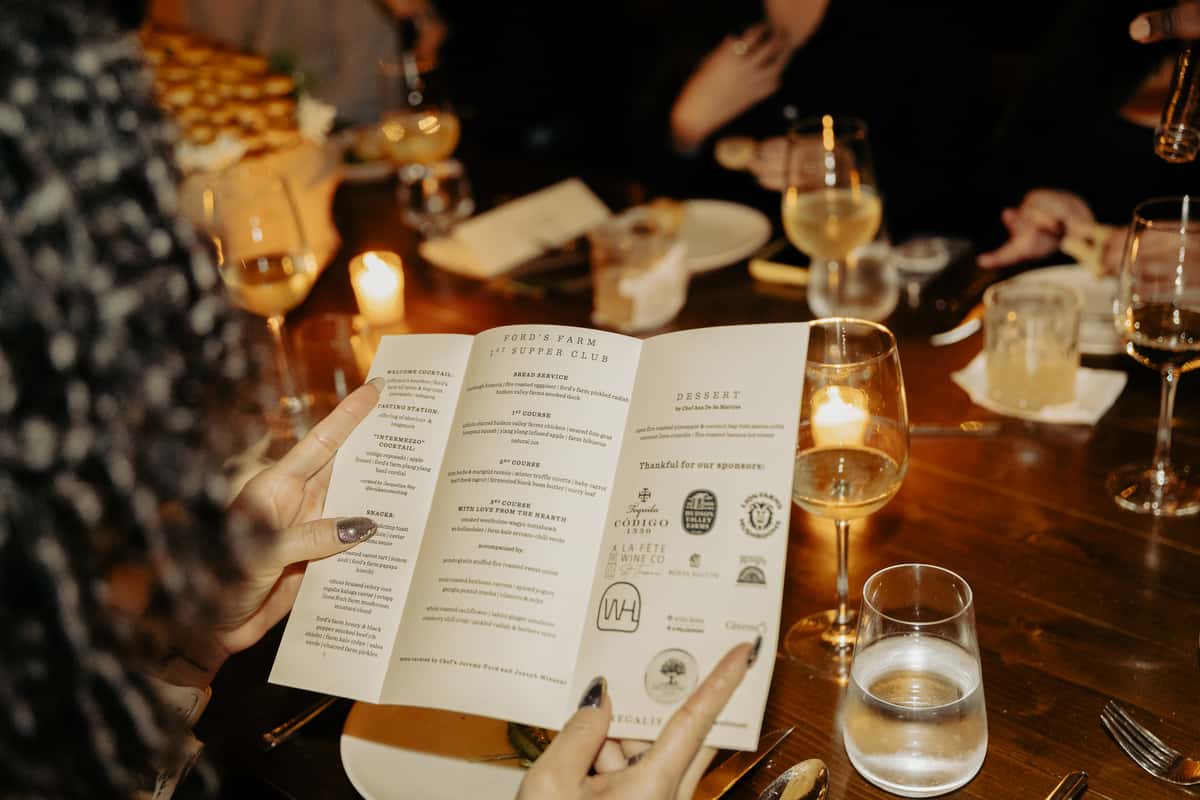
The best ways to start a conversation with a sommelier are to ask a direct question about the wine list, share a wine you've enjoyed before, or briefly describe what you're in the mood for. Both asking smart questions and expressing taste preferences clearly give the sommelier exactly what they need to help you.
What Questions Can You Ask to Guide the Wine Selection?
The questions you can ask to guide the wine selection include asking what the sommelier personally recommends, which wines offer the best value on the list, and whether any bottles are unique to the restaurant's program.
Useful opening questions include:
- "What's something exciting on the list right now?"
- "Which wine would you pair with this dish?"
- "Is there something from a lesser-known region you're enjoying?"
- "What's the most interesting bottle under [price point]?"
These questions shift the dynamic from a transaction to a collaboration. In practice, the sommelier is already anticipating this moment; giving them a genuine prompt unlocks far better recommendations than simply pointing at the list.
How Can You Clearly Express Your Taste Preferences?
The clearest way to express your taste preferences is to describe wines in sensory terms such as body, acidity, sweetness, and tannin rather than naming specific regions or grapes you may not know well.
According to Prost Wine, acidity in wine refers to the refreshing and lively sensation felt on the tongue, with high-acid wines delivering a crisp, bright character. Anchoring your description in sensations ("I prefer something bright and food-friendly" or "I like wines that feel smooth without much bitterness") gives the sommelier actionable language. Mentioning a wine you already love also works well as a concrete reference point.
How Should You Respond to a Sommelier's Recommendations?
Responding to a sommelier's suggestions requires honest, polite communication. The two H3s below cover what to do when a wine misses the mark and how to request alternatives without awkwardness.
What Should You Do if You Dislike Their Suggestion?
If you dislike a sommelier's suggestion, the right response is honest, calm feedback rather than silence or rejection. According to Wine Spectator, the only acceptable reason to send a wine back is faultiness; simply disliking the choice is not grounds for rejection. Instead, accept the pour graciously, then tell the sommelier what is not working for you, whether the wine is too tannic, too oaky, or too bold. That feedback gives them exactly what they need to recalibrate. Staying quiet and suffering through a bottle you do not enjoy is the worst outcome for everyone at the table.
How Can You Request Alternatives Politely?
Requesting an alternative politely means framing your feedback as useful information, not a complaint. Try phrases such as "This is a bit heavier than I prefer" or "Could we try something with more acidity?" According to Wine Spectator, lack of communication from guests about what they are really looking for is a top sommelier pet peeve. Clear, specific feedback removes guesswork and helps the sommelier find a better match quickly. The more precisely you describe what did not work, the faster they can bring you something you will genuinely enjoy.
What Are Common Mistakes to Avoid When Talking to a Sommelier?
Common mistakes to avoid when talking to a sommelier include failing to communicate your preferences, refusing to be open-minded about suggestions, and misunderstanding the purpose of the taste pour. The following H3s cover non-alcoholic requests and the rules for declining a wine after tasting.
Can You Ask for Non-Alcoholic or Special Dietary Options?
Yes, you can ask for non-alcoholic or special dietary options, and doing so is encouraged. Remaining silent about dietary needs or alcohol preferences is one of the most common guest mistakes, as according to Wine Spectator, lack of communication from guests about what they are really looking for is a major sommelier pet peeve. The no/low-alcohol category is growing rapidly, with a forecasted volume CAGR of +7% from 2022 to 2026, meaning well-stocked fine dining programs increasingly carry spirit-free alternatives. Tell the sommelier your needs upfront; they are trained to accommodate them with the same enthusiasm applied to the wine list.
Is It Okay to Decline a Wine After Tasting?
Declining a wine after tasting is only acceptable when the wine is faulty, such as showing cork taint or oxidation; personal preference alone is not valid grounds for rejection. Wine tasting descriptors, such as terms for acidity like "refreshing" or "lively," and descriptors for full-bodied wines like "rich," "structured," or "muscular," help you communicate a specific concern rather than a vague dislike. Using precise sensory language signals to the sommelier exactly what is wrong, which makes finding a replacement faster and less awkward for everyone at the table.
How Can You Enhance Your Dining Experience Through Wine Pairing?
You can enhance your dining experience through wine pairing by understanding the core principles of food and wine compatibility, then using the sommelier as your guide to apply them at the table. The two H3s below cover pairing factors and how sommeliers navigate tasting menus.
What Factors Influence Wine Pairing With Food?
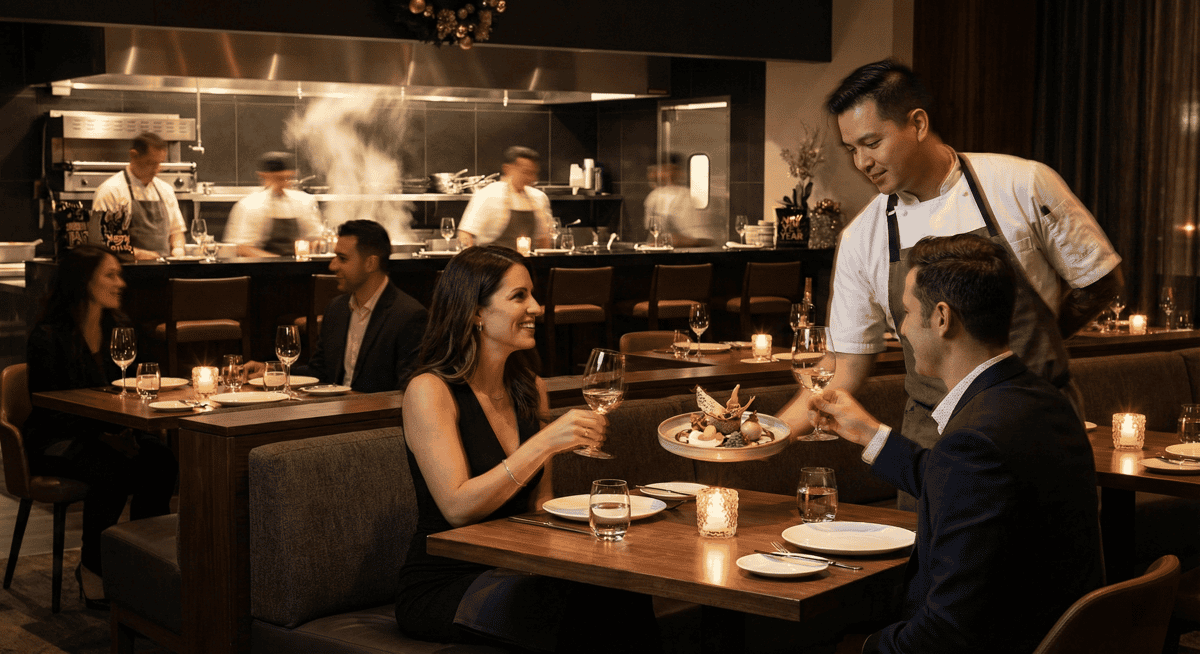
The factors that influence wine pairing with food include weight, intensity, regional origin, and the dish's dominant sauce or flavor profile. According to Wine Spectator, the golden rule is to match the weight and intensity of the wine with the weight and intensity of the food, pairing light-bodied wines with delicate dishes and full-bodied wines with heavier fare. Regional traditions reinforce this: food and wine from the same area tend to complement each other naturally because, as The Nomadic Sommelier notes, they "were raised together." Fine dining restaurants like Stubborn Seed in Las Vegas build their wine programs around this philosophy, curating lists that complement the seasonal, ingredient-driven nature of each tasting menu. Many pairings considered classics today emerged from centuries of that regional relationship. Communicating these details to your sommelier, such as the sauce, cooking method, and your preferred wine style, gives them enough context to make a genuinely tailored recommendation.
How Can the Sommelier Help With Tasting Menus?
The sommelier helps with tasting menus by curating a progression of wines that complements each course in sequence, balancing intensity, acidity, and flavor transitions across the meal. This is where their expertise pays off most directly: rather than selecting a single bottle for the table, they build a narrative arc that moves alongside the chef's intended progression. Stubborn Seed in Las Vegas is designed around exactly this kind of experience, with a tasting menu format that gives the sommelier a natural structure to guide wine selections course by course. If you prefer non-alcoholic options, a skilled sommelier extends the same care to zero-proof alternatives. According to IWSR Drinks Market Analysis (cited by Sommelier Business), no-alcohol products are projected to grow at a CAGR of +9% from 2022 to 2026, reflecting genuine demand that well-trained sommeliers are increasingly equipped to meet.
How Can Stubborn Seed in Las Vegas Elevate Your Sommelier Experience?
Stubborn Seed in Las Vegas elevates your sommelier experience by combining chef-driven tasting menus with professional wine service on the Strip. The sections below cover the restaurant's tasting menu format and key takeaways for approaching a sommelier confidently.
What Fine Dining and Tasting Menu Services Does Stubborn Seed Offer to Wine Enthusiasts?
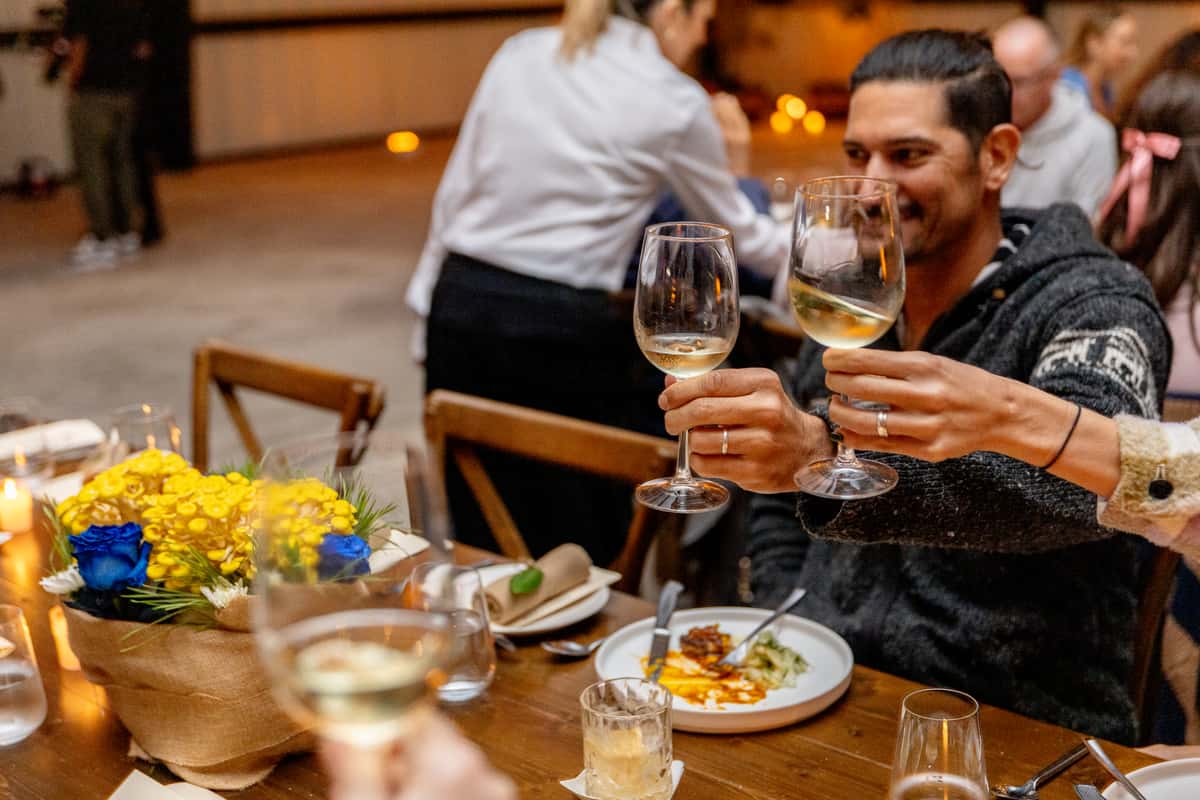
Stubborn Seed Las Vegas offers wine enthusiasts a curated tasting menu featuring seasonal ingredients and sommelier-guided wine pairings. Stubborn Seed Las Vegas has earned Michelin recognition, making it one of the most decorated fine dining venues in the city. Jeremy Ford is the winner of Bravo's Top Chef Season 13 and received a James Beard Foundation Awards semifinalist nomination in 2022 for "Best Chef: South." Wine pairings are available alongside the tasting menu, giving guests a structured way to engage with the sommelier throughout the meal. For wine enthusiasts, the tasting menu format is one of the most effective ways to experience professional wine service, as each course creates a natural conversation point with the sommelier about flavor progression and pairing rationale.
What Are the Key Takeaways for Approaching a Sommelier With Confidence?
The key takeaways for approaching a sommelier with confidence center on communication, trust, and openness. A sommelier's core function is listening and translating guest preferences into selections they will genuinely enjoy. According to VinePair, a Master Sommelier describes the role as being "in the business of listening, interpreting, and translating what guests tell us." With that in mind, the most effective approaches are:
- Share your preferences honestly, including flavors you enjoy, dishes you are ordering, and your budget.
- Ask direct questions such as what the sommelier recommends with your chosen course or what is distinctive on the list.
- Stay open to suggestions outside your usual choices, as sommeliers often identify pairings guests would not select independently.
- Communicate dietary needs or alcohol preferences early, including non-alcoholic options if applicable.
- Trust their expertise rather than second-guessing recommendations, which is one of the most common sommelier frustrations in service.
Approaching the sommelier at Stubborn Seed in Las Vegas with these habits in place will maximize both the wine and dining experience.