
How to Thank Your Sommelier in Miami: Etiquette Guide
How to Thank Your Sommelier in Miami: Etiquette Guide
Thanking your sommelier in Miami according to proper etiquette involves a combination of sincere verbal praise, appropriate gratuity, and specific written recognition tailored to the service provided. A sommelier is not simply a wine seller; the role encompasses overseeing the full beverage experience from water to coffee, curating pairings course by course, and adapting to each guest's preferences.
This guide covers the sommelier's responsibilities and what makes them worth recognizing, polite verbal and written ways to express thanks, tipping practices and when a separate gratuity applies, non-monetary gestures and gift-giving boundaries, how Miami's cultural and seasonal dynamics shape etiquette, and how chef-driven tasting formats at restaurants like Stubborn Seed create deeper opportunities for appreciation.
We begin with what a sommelier actually does in fine dining, including how they enhance the meal through intuitive listening, culinary fluency, and graceful education that feels like conversation rather than a lecture.
Expressing thanks effectively means choosing the right method for the moment. A spoken compliment at the table is immediate; a handwritten note that names the specific wine, course, and date conveys extra time and care. A written commendation sent to management creates a second, distinct form of recognition alongside any financial gratuity.
Tipping in Miami requires reading your bill carefully. Florida law mandates separate receipt lines for discretionary gratuity, operations charges, and sales tax. When an automatic service charge already applies, an additional tip is welcome but not obligatory. For most guests, calculating 20% on the full check covers the sommelier's contribution.
Miami's multilingual population, 20% international visitor share, and seasonal rhythms from stone crab season to Miami Spice programming all influence how sommeliers interact with guests. At tasting-menu restaurants where pairings shift with every course, recognizing that real-time expertise through specific, sincere appreciation resonates far more than a generic compliment.
What Are the Key Responsibilities of a Sommelier in Fine Dining Restaurants?
The key responsibilities of a sommelier in fine dining restaurants include curating wine selections, pairing beverages with courses, managing the cellar, and guiding guests through the entire beverage experience. The sections below cover how sommeliers enhance dining in Miami and which qualities deserve your recognition.
How Does a Sommelier Enhance Your Dining Experience in Miami?
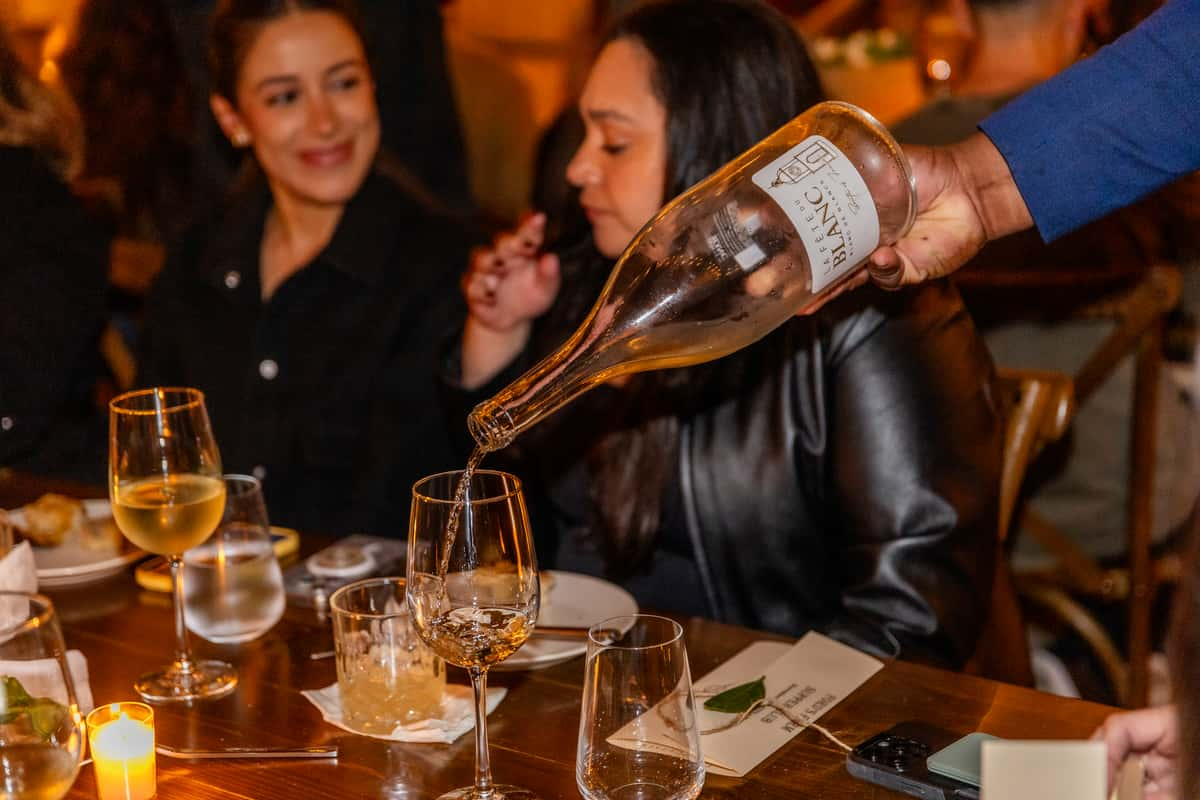
A sommelier enhances your dining experience in Miami by integrating every beverage, from water to wine to coffee, into each course seamlessly. According to the MICHELIN Guide, 2022 Florida Sommelier Award winner Victoria James describes the role as "not just selling wine to guests but also as a Captain in service, really overseeing the experience from A to Z." She encourages all customers to ask for the sommelier early so they can help curate the whole meal.
In a city where over 70% of residents speak a language other than English at home, the best sommeliers adapt their approach to each guest individually. Rather than assuming familiarity based on background, skilled professionals ask about preferred language and desired level of explanation, creating a personalized experience that respects Miami's diverse dining culture.
What Qualities Should You Recognize and Appreciate in a Sommelier?
The qualities you should recognize and appreciate in a sommelier include deep product knowledge, intuitive service, and the ability to educate without condescension. A strong sommelier reads the table, adjusting recommendations to match both the menu and the guest's comfort level.
Key qualities worth acknowledging:
- Culinary fluency: Understanding food as thoroughly as wine, enabling precise course-by-course pairings.
- Intuitive listening: Gauging a guest's preferences, budget signals, and adventurousness without requiring explicit direction.
- Graceful education: Sharing knowledge in a way that feels like conversation, not a lecture.
- Adaptability: Pivoting recommendations when dishes change or a guest's palate shifts mid-meal.
These qualities matter because they directly shape the value a sommelier adds. Recognizing this effort, whether through a sincere compliment or a well-placed gratuity, signals that you understand the craft behind the service.
With the sommelier's role in focus, knowing the most effective ways to express your thanks ensures that appreciation lands meaningfully.
What Are the Most Polite Ways to Thank Your Sommelier in Miami?
The most polite ways to thank your sommelier in Miami include a sincere verbal compliment, a handwritten note, a discreet gratuity, and a written commendation to management. Each approach carries different weight depending on the setting and the service provided.
Can You Thank a Sommelier Verbally or Should You Write a Note?
You can thank a sommelier verbally, write a note, or do both. A spoken compliment at the table is the most immediate form of recognition, while a handwritten note adds a lasting personal touch. According to Georgia Institute of Technology's Special Events and Protocol guidance, thank-you notes should be "prompt and sincere," short, and written in the sender's own words; handwritten notes convey extra time and care.
For a sommelier who guided you through seasonal pairings or introduced an unexpected wine, specificity matters most. Mention the particular bottle, the course it accompanied, or the moment the recommendation elevated your meal. A vague "great job" is polite; a detailed compliment is memorable.
Is It Appropriate to Compliment a Sommelier Directly to Restaurant Management?
Yes, it is appropriate to compliment a sommelier directly to restaurant management. A written commendation that names the sommelier, specifies the date, and describes the service detail carries particular value. As the Culinary Institute of America notes, successful sommeliers must "know all about food as well" as wine and educate guests "without being preachy." Recognizing that skill set to a manager reinforces its importance.
In Florida, the Florida Restaurant and Lodging Association confirms that tipping directly influences labor costs, payroll, and overall profitability. Pairing a management commendation with your gratuity creates two distinct forms of appreciation: one financial, one professional. Specific praise, repeat patronage, and accurate use of a venue's gratuity channel represent the most effective, low-risk ways to show genuine gratitude.
Understanding how to express thanks sets the foundation for knowing whether a separate tip is also expected.
Should You Tip Your Sommelier Separately in Miami's Fine Dining Scene?
Whether you should tip your sommelier separately depends on how the restaurant structures its gratuity. Most Miami fine dining venues pool tips across front-of-house staff, but some handle sommelier compensation differently. The subsections below cover recommended tip amounts and situations where additional tipping may not apply.
How Much Should You Tip a Sommelier in Addition to the Standard Gratuity?
You can tip a sommelier 15% to 20% on the wine portion of your bill when service is handled separately from the general wait staff. In many Miami fine dining restaurants, however, a single pooled gratuity already covers the sommelier. Before adding a separate tip, check your bill carefully. Under Florida Statute 509.214, restaurants must display separate receipt lines for discretionary gratuity, operations charges, and sales tax, with any automatic gratuity stated independently. If your receipt shows an automatic service charge, that fee may or may not reach the sommelier directly. Ask your server whether the existing gratuity includes wine service. When it does, an extra cash tip for exceptional pairing guidance remains a welcome gesture but is not obligatory. For bottles requiring extensive decanting or rare selections sourced specifically for your table, a separate cash tip handed discreetly to the sommelier is a thoughtful addition.
Are There Situations Where Tipping Is Not Expected or Recommended?
There are several situations where tipping a sommelier separately is not expected or recommended:
- Automatic service charges already apply. When your bill includes an 18% to 20% operations charge, check its stated purpose on the menu or bill, since it may not go to the service team. No additional tip is necessary unless the wine guidance was truly extraordinary.
- Prix-fixe or tasting menu events with bundled beverage pairings. Programs like Miami Spice, which features prix-fixe menus at participating restaurants, may handle gratuity differently, so check the bill.
- Brief interactions with no personalized service. If the sommelier simply opened a bottle you selected without offering recommendations or pairing advice, a separate tip is unnecessary.
- Owner-operated wine service. When a restaurant owner personally handles wine selection, a tip and a sincere thank-you remain appropriate.
For most guests at Miami's top restaurants, the simplest approach is to calculate your standard 20% gratuity on the full check, wine included, and reserve a separate cash tip only when a sommelier delivers genuinely memorable, personalized service. Understanding Miami's approach to gratuity sets the stage for recognizing sommeliers through gestures beyond the tip line.
What Gestures and Behaviors Show Genuine Appreciation for a Sommelier?
Genuine appreciation for a sommelier extends beyond tipping to include thoughtful gestures and intentional behaviors. The sections below cover gift-giving etiquette and non-monetary ways to express gratitude.
Is It Appropriate to Offer Gifts to a Sommelier in Miami?
Offering gifts to a sommelier in Miami is appropriate in some cases, but employer policy should always control. Tickets, gift cards, wine, or other items of value fall under each restaurant's internal guidelines, so guests should ask before presenting anything. Gifts intended to obtain preferential access, special allocations, waived charges, or regulatory exceptions should be avoided entirely.
No accepted noncommercial source establishes a universal Miami restaurant gift policy for sommelier recognition. Because policies vary widely across establishments, a brief, respectful inquiry to the host or manager is the safest approach before offering anything beyond a standard gratuity.
What Are Non-Monetary Ways to Express Gratitude?
Non-monetary ways to express gratitude include specific verbal praise, written compliments, management commendations, online reviews, and repeat patronage. These gestures cost nothing yet carry significant professional value for sommeliers.
Effective non-monetary appreciation typically involves:
- Naming the specific wine pairing or recommendation that elevated your meal when thanking the sommelier directly.
- Writing a handwritten note or email that identifies the sommelier by name, the date, and the service detail you valued.
- Sending a letter of commendation to the restaurant's management with a copy directed to the sommelier.
- Leaving a detailed online review that credits the sommelier's contribution by name.
- Returning as a repeat guest and requesting the same sommelier for future visits.
Specificity matters more than formality. A vague "great job" registers far less than describing exactly which recommendation transformed the meal. With Miami's diverse dining culture shaping expectations at every table, these personal, cost-free gestures often resonate more deeply than an extra few dollars on the bill.
How Does Miami's Unique Dining Culture Influence Sommelier Etiquette?
Miami's dining culture shapes sommelier etiquette through its multilingual population, international visitor base, and ingredient-driven seasonal menus. Cultural awareness and seasonal flexibility define how sommeliers and guests interact across the city's restaurants.
Are There Cultural Differences in Thanking Sommeliers Across Miami's Restaurants?
There are cultural differences in thanking sommeliers across Miami's restaurants, largely because the city's population and visitor mix bring varied expectations around gratitude and tipping. According to the U.S. Census Bureau, Miami-Dade County is 70.6% Hispanic or Latino and 54.5% foreign-born for 2020–2024. More than 70% of residents speak a language other than English at home, and international tourists account for 20% of visitors to Greater Miami.
These demographics mean a sommelier at one table may serve guests from cultures where tipping is customary at 20%, while the next table's guests come from countries where gratuities are minimal or nonexistent. Rather than assuming familiarity based on accent or appearance, the most respectful approach is to let the sommelier guide the interaction and express thanks in whatever form feels genuine, whether verbal, written, or through a standard gratuity.
How Do Seasonal Menus Affect the Sommelier's Role and Guest Interactions?
Seasonal menus affect the sommelier's role by requiring constant adaptation of pairing recommendations as dishes and ingredients rotate. In Miami, seasonality follows a distinct rhythm. Stone crab season runs October 15 through May 1, Miami Spice offers prix-fixe menus from August through September at over 300 restaurants, and rotating chef's dinners shift throughout the year.
Each seasonal change creates fresh pairing conversations between sommeliers and guests. A sommelier matching wines to stone crab claws in January faces entirely different flavor profiles than one curating pairings for late-summer Miami Spice menus. For guests, these transitions offer natural moments to engage: asking what new pairings a sommelier is most excited about signals appreciation for their evolving expertise. Acknowledging that creativity during a seasonal shift is one of the most meaningful ways to thank a sommelier beyond the standard tip.
With Miami's cultural and seasonal dynamics in mind, applying this etiquette at specific restaurants makes appreciation even more personal.
How Should You Thank Your Sommelier While Dining at Stubborn Seed or Similar Upscale Restaurants?
You should thank your sommelier at Stubborn Seed by engaging genuinely throughout the meal, tipping appropriately, and offering specific praise. Multi-course tasting menus create natural touchpoints for interaction, and the sommelier experience at upscale Miami restaurants rewards attentive, appreciative guests.
Can Stubborn Seed's Multi-Course Tasting Menus Enhance Opportunities to Interact With Your Sommelier?
Yes, Stubborn Seed's multi-course tasting menus can enhance opportunities to interact with your sommelier significantly. A 6-course or 9-course format creates multiple moments where beverage pairings can shift alongside the dishes, giving guests repeated chances to ask questions, express preferences, and offer thanks in real time.
Miami's seasonal dynamics amplify this further. A fall-through-spring stone-crab cycle, late-summer Miami Spice programming, and rotating ingredients mean pairing opportunities change throughout the year. Each course becomes a small conversation starter rather than a single glass-and-go exchange.
For guests who want their gratitude to feel personal, noting a specific pairing that resonated, perhaps a wine matched to a seasonal plate, carries more weight than a generic compliment at the end of the evening.
What Sets the Stubborn Seed Sommelier Experience Apart in Miami?
The Stubborn Seed sommelier experience is set apart in Miami by its integration into a chef-driven, seasonally focused tasting format. Stubborn Seed pairs its multi-course tasting menus with sommelier-curated wines.
This tight coordination between kitchen and sommelier is not universal across Miami's upscale dining scene, where many restaurants treat wine service as adjacent to the food rather than woven into it. At venues built around tasting progressions, the sommelier's role extends well beyond bottle selection into pacing, storytelling, and guest education across every course.
Recognizing that level of involvement, whether through a spoken thank-you at the table or a written note to management afterward, acknowledges effort that guests at traditional à la carte restaurants may never encounter.
With that understanding of how Stubborn Seed's format shapes the sommelier relationship, the next step is making your gratitude count.
How Do Stubborn Seed's Chef-Driven, Authentic Experiences Make Thanking Your Sommelier More Meaningful?
Stubborn Seed's chef-driven, authentic experiences make thanking your sommelier more meaningful by grounding every wine pairing in seasonally evolving menus that demand close collaboration between kitchen and beverage teams. The sections below explore how seasonal focus shapes sommelier service and summarize key takeaways for expressing gratitude in Miami fine dining.
How Does Stubborn Seed's Commitment to Seasonally Focused Menus Relate to Sommelier Service?
Stubborn Seed's commitment to seasonally focused menus relates to sommelier service because rotating ingredients require continuous pairing adjustments. When a 6-course or 9-course tasting menu shifts with available produce and proteins, the sommelier may need to reassess the pairings. This ongoing recalibration means the beverage program reflects real culinary decisions, not a static list. Recognizing that effort, whether through specific verbal praise about a particular pairing or a written note naming the course and wine, carries more weight because it acknowledges expertise applied in real time. Few dining formats demand this level of coordination, which makes thoughtful appreciation especially appropriate.
What Are the Key Takeaways for Thanking Your Sommelier in Miami Fine Dining?
The key takeaways for thanking your sommelier in Miami fine dining center on specificity, discretion, and sincerity. A peer-reviewed 2019 study published in the International Journal of Food Science found that all measured service attributes had a significant positive effect on overall satisfaction among 676 users of a rural university cafeteria in Lebanon, not fine-dining guests.
The most effective ways to show appreciation include:
- Naming the exact pairing or recommendation that elevated your meal when thanking the sommelier verbally.
- Tipping within the standard 15% to 20% range and handling gratuities discreetly.
- Writing a brief, sincere note to management that identifies the sommelier by name, the date, and a specific service detail.
- Returning as a repeat guest and requesting the same sommelier, which signals genuine value beyond a single transaction.
Gratitude in Miami fine dining works best when it reflects the actual experience rather than a generic gesture, especially at chef-driven restaurants where seasonal menus make every sommelier recommendation a deliberate, collaborative act.