
Is Las Vegas a Top Foodie City? Fine Dining & Rankings
Is Las Vegas a Top Foodie City? Fine Dining & Rankings
Las Vegas is a top foodie city and one of the most densely concentrated fine dining destinations in the United States, home to celebrity chefs, Michelin-recognized restaurants, and a culinary identity that has transformed entirely since the late 1990s.
This guide covers how Las Vegas became a culinary powerhouse, how its fine dining scene measures up against other major food cities, what makes its signature dining experiences distinct, how accessible those experiences are for different types of diners, and how Stubborn Seed fits into that landscape.
What began as a buffet city evolved through deliberate investment, starting with the Bellagio's landmark 1998 chef recruitment and accelerating through landmark openings across the Strip and beyond.
Las Vegas now ranks among the top ten foodie cities on multiple national lists, holds more celebrity chef outposts than almost any other American city, and recently had Michelin confirm it will return to review restaurants in August 2026. Stubborn Seed at Resorts World Las Vegas, ranked the number one restaurant in Las Vegas by Time Out in January 2026, is one example of the Michelin-starred dining now anchoring the city's culinary reputation.
The Strip's tasting menus range from $98 to $525 per person, with formats spanning multi-course French haute cuisine, chef-driven contemporary American, and approachable prix fixe options, while off-Strip neighborhoods like the Arts District and Chinatown have added locally driven depth.
Access to fine dining in Las Vegas spans a wide spectrum: advance reservations, smart casual dress codes, and tiered pricing structures are the practical realities, though events like Las Vegas Restaurant Week open celebrated kitchens to a broader range of diners.
Stubborn Seed at Resorts World Las Vegas, ranked the number one restaurant in the city by Time Out in January 2026, represents what this culinary evolution looks like at its best: a Michelin-starred tasting menu experience built around chef-driven precision.
What Factors Make Las Vegas a Renowned Destination for Food Lovers?
Las Vegas earned its reputation as a food lover's destination through decades of deliberate culinary investment, from its first casino buffet in 1946 to a Strip now dense with Michelin-starred restaurants. The sections below cover how the city evolved into a foodie hotspot and which cuisines define its dining scene today.
How Has Las Vegas Evolved Into a Foodie Hotspot?
Las Vegas evolved into a foodie hotspot through a clear progression: novelty dining gave way to celebrity-chef-driven fine dining, which then spread citywide. It started in 1946 when Beldon Katleman introduced the El Rancho's Buckaroo Buffet, recognizing that food kept casino guests engaged longer, according to Food & Wine Magazine. That buffet-first era eventually gave way to something far more ambitious.
By 2006, Guy Savoy and Joël Robuchon had both opened restaurants on the Strip, signaling Las Vegas's arrival on fine dining's world stage. Growth didn't stop at the Strip either. In 2012, Tony Hsieh's $350 million Downtown Project catalyzed development in neighborhoods like the Arts District, Downtown, and Chinatown, broadening where culinary talent could take root. The city's evolution, from chuck wagons to world-class tasting menus, is one of the most dramatic reinventions in American food culture.
Which Cuisines and Culinary Styles Are Most Prominent in Las Vegas?
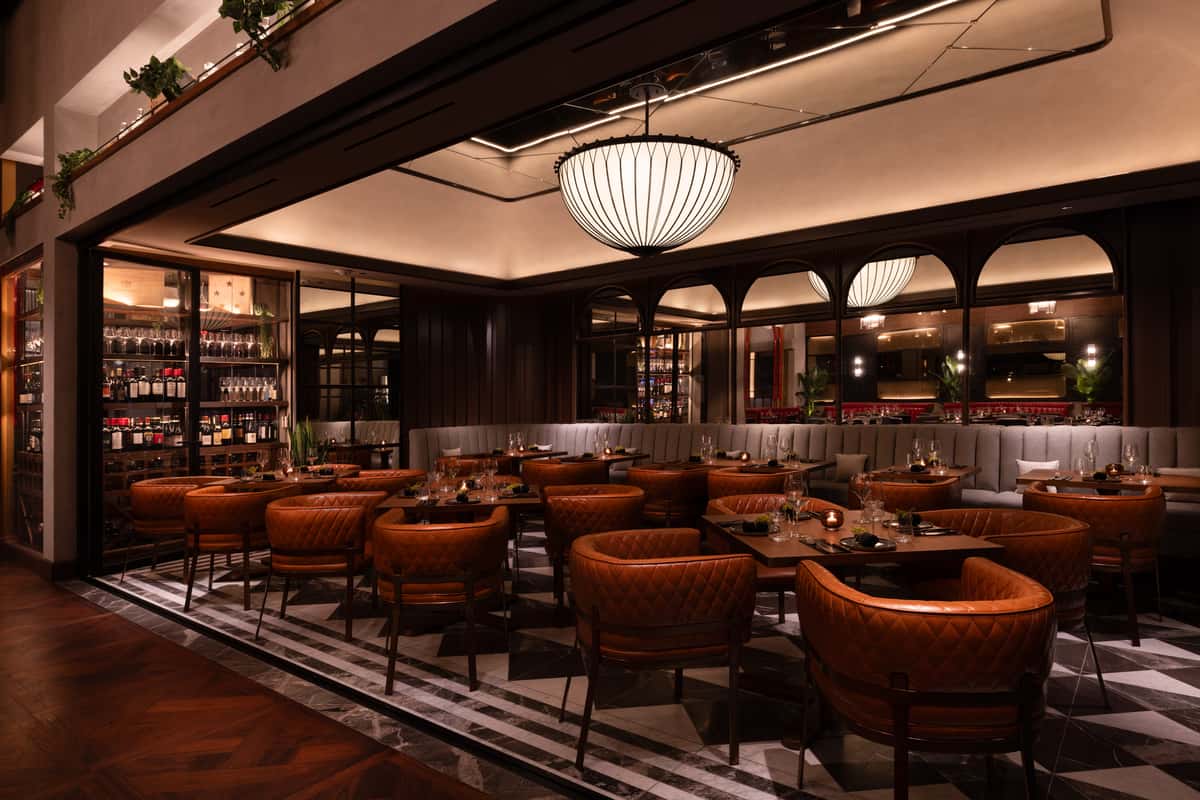
The cuisines most prominent in Las Vegas span French, Contemporary American, Japanese, Chinese, Italian, and Spanish, concentrated along the Strip and expanding across off-Strip neighborhoods. Wing Lei at Wynn Las Vegas became the first Chinese restaurant in North America to receive a Michelin star, offering Cantonese, Shanghainese, and Szechuan dishes. French haute cuisine is represented by both Restaurant Guy Savoy at Caesars Palace, a two-Michelin-star venue and the only U.S. outpost of the Paris master, and the legendary Joël Robuchon at MGM Grand.
According to Condé Nast Traveler's 2025 Readers' Choice Awards, which ranked Las Vegas #14 among Best Food Cities in the U.S., "the Strip is one of the most Michelin-dense stretches in America." Beyond the Strip, neighborhoods like Chinatown and the Arts District have added depth with locally driven concepts that serve residents as much as tourists. This geographic spread of culinary styles is what separates Las Vegas from cities where fine dining stays confined to one corridor.
How Do Las Vegas Fine Dining Restaurants Compare to Other Top Foodie Cities?
Las Vegas fine dining restaurants compare favorably to other top foodie cities through a dense concentration of celebrity chefs, Michelin-recognized venues, and consistent placements on national rankings. The sections below cover the chefs who shaped the Vegas dining scene and how the city ranks against other culinary destinations.
What Celebrity or Award-Winning Chefs Have Influenced the Vegas Dining Scene?
The celebrity and award-winning chefs who have influenced the Vegas dining scene include Jean-Georges Vongerichten, Sirio Maccioni, Michael Mina, Todd English, and Julian Serrano, whose arrival at Bellagio in 1998 permanently transformed the Strip's restaurant landscape. According to Visit Las Vegas, the opening of Wynn Las Vegas in 2005 accelerated that momentum further, with the hotel functioning as an incubator that propelled established chefs to new levels of culinary fame.
Gordon Ramsay has six Las Vegas restaurants spanning formats as varied as a burger joint, a pub, and a fish and chips spot. Joël Robuchon earned Las Vegas its only three-Michelin-star restaurant, while Guy Savoy operates his sole U.S. outpost at Caesars Palace.
The LVCVA 2025 Visitor Profile recorded average dining spend of $582 per visitor trip, reflecting how deeply chef-driven dining has embedded itself into the Las Vegas experience.
How Does Las Vegas Rank in Recent National or International Foodie City Lists?
Las Vegas ranks in the top ten across multiple major national foodie city lists, including No. 7 on U.S. News & World Report's Best Food Cities, No. 6 on WalletHub, No. 7 on 24/7 Wall St., and No. 10 on TripAdvisor, according to Travel Weekly reporting. U.S. News specifically noted that Las Vegas has become "a second home for more than 30 celebrity chefs," reflecting a dining identity that extends well beyond its buffet origins.
In December 2025, Michelin announced it will return to review Las Vegas restaurants, with the guide debuting in August 2026. That announcement alone signals how seriously the international culinary establishment now regards the city.
The rankings, taken together, place Las Vegas in the same competitive tier as New York, Chicago, and New Orleans, a standing that would have been unimaginable before the late 1990s transformation of the Strip.
What Are the Signature Fine Dining Experiences Unique to Las Vegas?
The signature fine dining experiences unique to Las Vegas range from multi-course chef-driven tasting menus to theatrical service inside world-class casino hotels. The sections below cover standout tasting menu concepts and how Vegas dining atmosphere differs from other cities.
Which Multi-Course Tasting Menus or Chef-Driven Concepts Stand Out?
The multi-course tasting menus and chef-driven concepts that stand out in Las Vegas span formats including tasting menus, à la carte, and prix fixe dining. Joël Robuchon offers one of the most exclusive experiences in the country, charging $525 per person for its tasting menu, while Restaurant Guy Savoy presents menus from $420 without wine pairings to $720 with them. Gordon Ramsay Hell's Kitchen provides a more accessible entry point through prix fixe pricing at lunch, with a three-course option at $105.95 versus $135.95 at dinner. For diners seeking seasonal, chef-driven precision, Stubborn Seed at Resorts World Las Vegas delivers a fine dining tasting menu that balances innovation with technique.
How Does the Atmosphere and Service in Vegas Fine Dining Differ From Other Cities?
The atmosphere and service in Vegas fine dining differ from other cities because the dining experience is embedded within destination resort hotels, creating a theatrical context unavailable in standalone restaurant markets. According to Visit Las Vegas, the arrival of Guy Savoy and Joël Robuchon in 2006 marked Las Vegas's formal entry onto fine dining's world stage. Thomas Keller brought his Bouchon brand to Las Vegas alongside his three-Michelin-starred flagships in California and New York. Convention visitors, who spend an average of $1,600 per trip versus $1,200 for leisure visitors, according to LVCVA CEO Steve Hill, drive demand for premium service formats that match the elevated budgets typical of this market. The result is a service culture calibrated for guests who expect luxury as a baseline.
How Accessible Is Fine Dining in Las Vegas for Different Types of Diners?
Fine dining in Las Vegas is accessible across a wide spectrum of budgets and formality preferences. The sections below cover the range of upscale experiences available and the practical barriers, such as reservations, dress codes, and pricing, that diners should expect.
What Options Exist for Both Formal and Approachable Upscale Experiences?
The options for both formal and approachable upscale experiences in Las Vegas are broad, ranging from white-tablecloth tasting menus to relaxed celebrity chef concepts. Formal venues like Restaurant Guy Savoy and Joël Robuchon offer multi-course French tasting menus with full service rituals, while Gordon Ramsay's portfolio includes approachable formats such as a burger joint, a pub, and a fish and chips spot alongside his flagship dining rooms. Thomas Keller's Bouchon in Las Vegas delivers refined French bistro cooking in a setting that feels welcoming rather than austere. This spectrum means that diners seeking their first upscale experience and seasoned fine dining regulars can both find a comfortable entry point on the Strip.
Are Reservations, Dress Codes, or Pricing Barriers for Top Restaurants?
Reservations, dress codes, and pricing are real considerations for top Las Vegas restaurants, though the degree varies by venue. On pricing, food and labor costs rose 51.9% from mid-2021 to mid-2024, according to a Review-Journal analysis, and those increases are reflected in current menu prices across the city. Tasting menus range from $98 to $525 per person, while lunch prix fixe formats offer a lower-cost entry point. Dress codes at flagship venues typically require smart casual or formal attire, and advance reservations, often weeks out, are standard for Michelin-caliber restaurants.
Las Vegas Restaurant Week provides a structured window when prix fixe menus at $20 to $120 make celebrated kitchens more financially accessible to a broader range of diners. Stubborn Seed at Resorts World Las Vegas participates in events and programming that bring its tasting menu experience to a wider audience of diners exploring the Strip's culinary offerings.
How Should Foodies Experience Fine Dining in Las Vegas with Stubborn Seed?
Foodies should experience fine dining in Las Vegas with Stubborn Seed by centering their visit around Chef Jeremy Ford's tasting menu at Resorts World Las Vegas. The following sections cover Stubborn Seed's tasting menu experience and key takeaways for planning a Las Vegas culinary trip.
Can Stubborn Seed's Multi-Course Tasting Menu Enhance a Foodie's Vegas Journey?
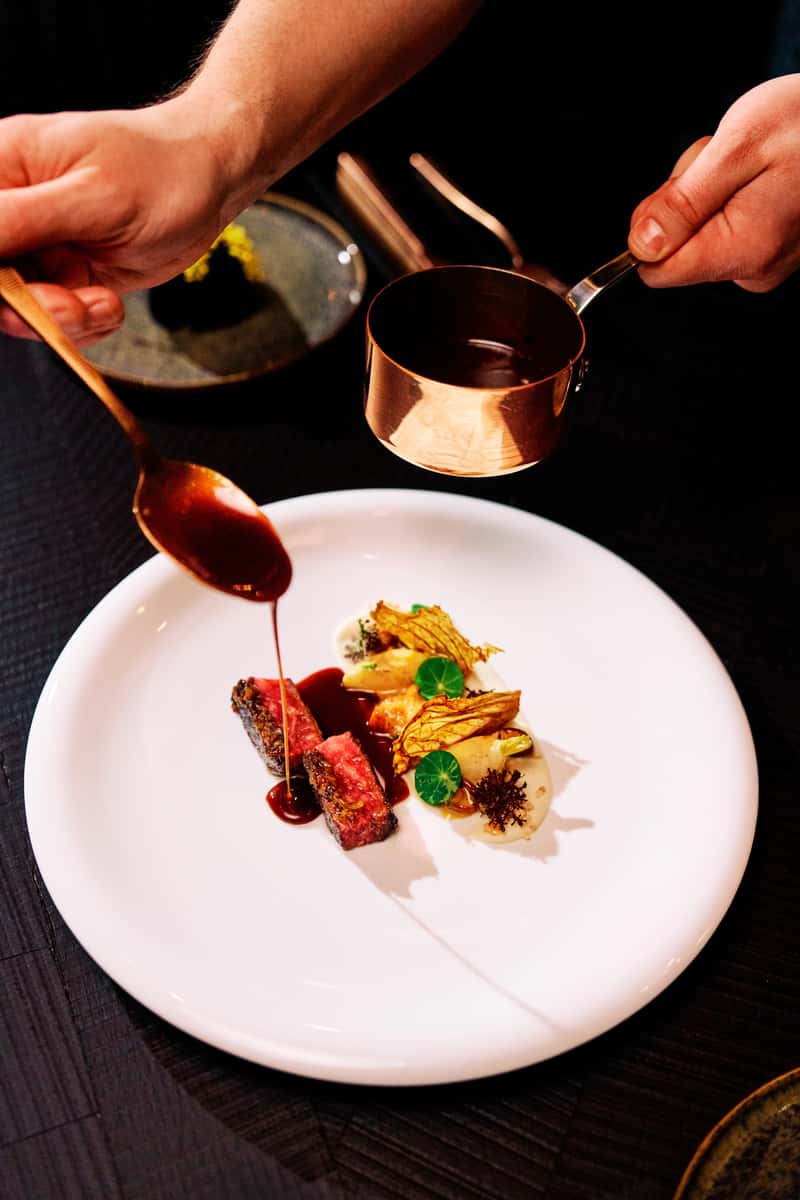
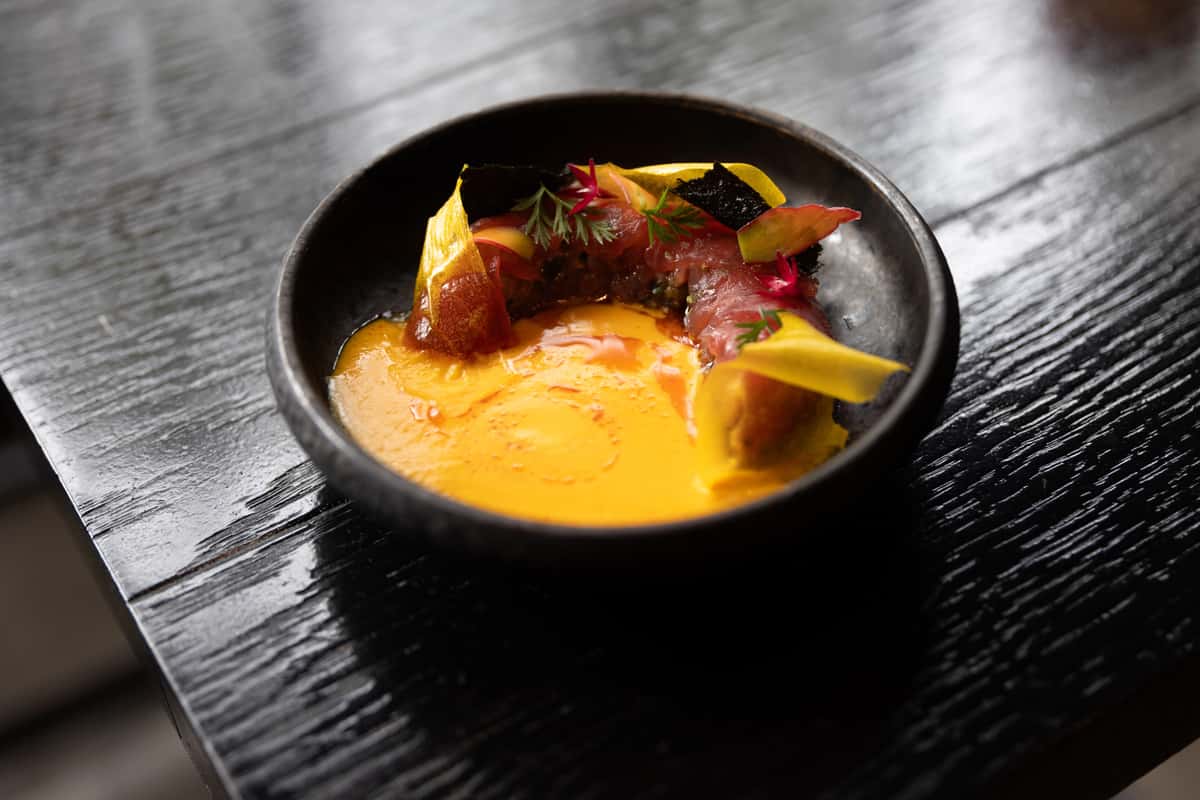
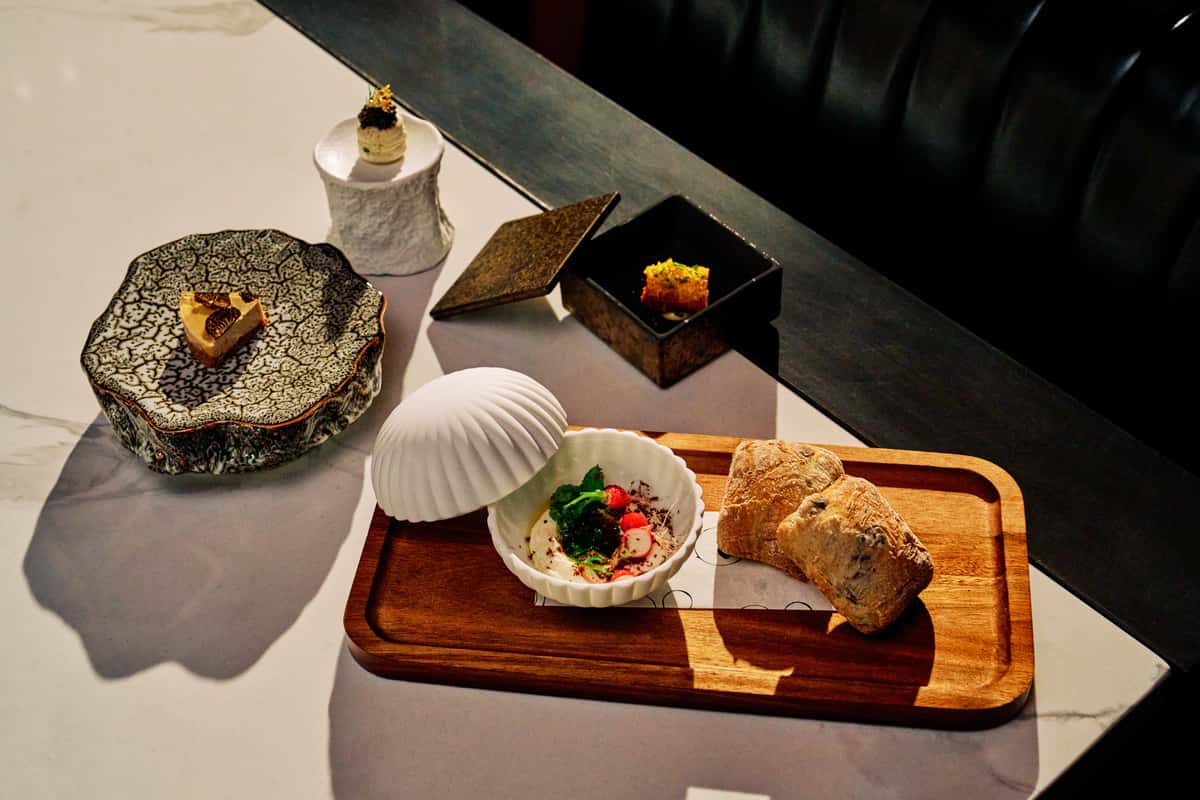
Yes, Stubborn Seed's multi-course tasting menu can significantly enhance a foodie's Vegas journey. Located at Resorts World Las Vegas on the Strip, Stubborn Seed brings Chef Jeremy Ford's Michelin-starred culinary philosophy directly to the heart of the city's dining scene. Condé Nast Traveler describes Ford's dishes as "personality driven, precise, and exuberant," featuring seasonal compositions like winter truffle ricotta gnudi and spice barramundi with shiitake sofrito. Time Out ranked Stubborn Seed the number one best restaurant in Las Vegas in January 2026. For serious foodies, a tasting menu built around seasonal ingredients and modern culinary technique represents exactly the kind of intentional, chef-driven experience that separates Las Vegas from every other entertainment destination.
What Are the Key Takeaways About Las Vegas as a Top Foodie City and Fine Dining Destination?
The key takeaways are that Las Vegas has evolved into a genuine gourmet destination with deep culinary infrastructure, strong repeat visitation, and nationally recognized dining. According to the LVCVA 2025 Visitor Profile, 77% of 2025 visitors had been before, reflecting exceptional loyalty from a city drawing 38 million guests annually. The LVCVA also notes visitor spending on sports and entertainment increased in 2025 while dining spending declined, signaling that food-focused travelers must plan strategically to maximize value. Off-Strip development has expanded access further, with Chef James Trees opening Esther's Kitchen in the Arts District in 2018, a turning point for locally priced excellence. Stubborn Seed sits at the center of this evolution: a Michelin-starred restaurant that delivers genuine culinary artistry on the Las Vegas Strip.