
Las Vegas Sommelier Etiquette: Interacting in Upscale Dining
Las Vegas Sommelier Etiquette: Interacting in Upscale Dining
Las Vegas sommelier etiquette is the set of guest behaviors, service protocols, and cultural expectations that govern how diners and wine professionals interact in upscale dining environments. Knowing these standards allows guests to engage confidently with wine stewards, receive better-matched recommendations, and contribute to a smoother, more rewarding dining experience.
This guide covers how proper etiquette shapes the service exchange, how to communicate effectively with a sommelier, what the formal steps of professional wine service look like, how to approach these interactions without intimidation, what makes Las Vegas's sommelier culture distinct, and how tipping and appreciation norms work in fine dining.
Proper guest etiquette matters because sommeliers calibrate their guidance to the cues guests provide. Arriving with a sense of your preferences, being honest about your budget, and engaging proactively before courses arrive gives a wine professional the context needed to offer precise, personalized pairings.
Communicating well with a sommelier does not require technical vocabulary. Sharing flavor preferences, dietary needs, and a comfortable price range gives a Lead Sommelier or Wine Director enough to work with, and responding openly to suggestions, even unfamiliar ones, produces a more satisfying result than silence or deflection.
Professional wine service follows a structured sequence: bottle presentation with the label facing up, foil removal, a measured tasting pour for the host, and clockwise service to other guests. Understanding this sequence helps guests participate at the right moments rather than disrupt the flow.
Las Vegas adds its own character to these standards, blending classical Court of Master Sommeliers protocols with a guest-first hospitality philosophy shaped by the city's growing status as one of the nation's top wine destinations.
Why Is Sommelier Etiquette Important in Upscale Las Vegas Restaurants?
Sommelier etiquette is important because it shapes the quality of interaction between guests and wine professionals, directly influencing the overall dining experience. The sections below explore how proper guest behavior enhances service and what cultural expectations apply in Las Vegas fine dining.
How Does Proper Etiquette Enhance the Dining Experience?
Proper etiquette enhances the dining experience by creating the conditions for seamless, personalized service from the first course to the last pour. When guests arrive prepared to engage, the sommelier can anticipate needs rather than react to them.
Courteous and curious guests who discuss wine choices in advance of food arrival create a more fluid service rhythm, according to sommelier feedback compiled by Wine Spectator. This kind of proactive engagement allows wine stewards to time pairings precisely, reducing unnecessary interruptions and elevating the pace of the meal.
In practice, this means arriving with a general sense of your preferences, being open about your budget range, and signaling early whether you want guided recommendations or prefer to browse the list independently.
What Cultural Expectations Exist for Sommeliers in Las Vegas Fine Dining?
Cultural expectations for sommeliers in Las Vegas fine dining center on personalized hospitality, service attentiveness, and appropriate guest acknowledgment through gratuity. Las Vegas operates at the intersection of entertainment and luxury, so service standards are high and guest participation is expected.
A 2025 study published in Research in Hospitality Management found that the sale and service of wine in fine dining predicts guest preferences, enabling wine stewards to recommend pairings that elevate both service quality and business performance. This positions the sommelier not as a gatekeeper but as a hospitality partner.
On tipping, the standard expectation in Las Vegas fine dining is 20% to 25% of the total bill including wine. For exceptionally expensive bottles, some guests apply approximately 10% to the wine portion while maintaining 20% or more on food.
How Should Guests Interact with a Sommelier in a High-End Setting?
Guests should interact with a sommelier by communicating openly, asking questions confidently, and responding to suggestions with genuine curiosity. The following sub-sections cover how to share preferences, when to request guidance, and how to receive recommendations graciously.
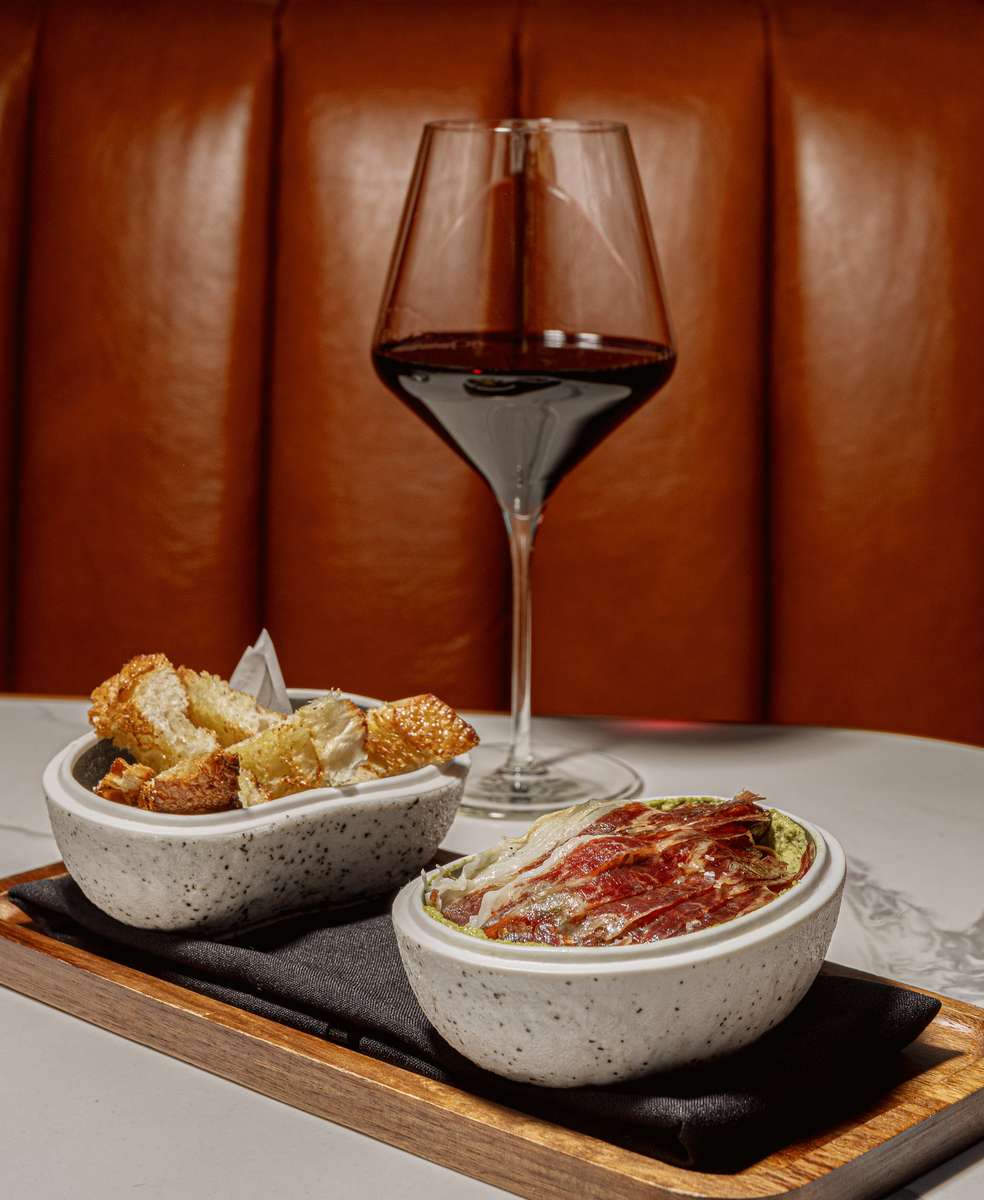
What Are the Best Ways to Communicate Wine Preferences to a Sommelier?
The best ways to communicate wine preferences to a sommelier are to share your budget, flavor profile, and any food pairings you have in mind. A skilled sommelier enhances guest satisfaction by offering personalized recommendations that match individual preferences and occasions, so the more context you provide, the more precisely a wine steward or wine director can serve you. Useful details to share include:
- Your preferred style, such as bold reds, crisp whites, or sparkling wines.
- A comfortable price range, stated directly and without hesitation.
- Any food allergies, dietary restrictions, or courses already ordered.
- Past wines you have enjoyed or disliked, even described in simple terms.
You do not need technical vocabulary to communicate well. Describing a wine as "fruity," "earthy," or "not too oaky" gives a Lead Sommelier or Master Sommelier exactly the context needed to make a confident match.
When Is It Appropriate to Ask a Sommelier for Recommendations?
It is appropriate to ask a sommelier for recommendations at any point during the meal, from the moment you are seated through each course change. The most natural moments to engage a wine professional are when opening the wine list, when a new course is about to arrive, or when you are considering a second bottle. In a high-end Las Vegas setting, the sommelier will often approach the table first, but guests should feel equally comfortable initiating the conversation. Proactively discussing wine choices before food arrives creates a more seamless experience for both the guest and the service team.
How Should Guests Respond to a Sommelier's Wine Suggestions?
Guests should respond to a sommelier's wine suggestions with openness and, when possible, genuine engagement. According to Wine Spectator, a great restaurant guest is interested in wine in general, trusting of suggestions, and open to trying wines of great quality to experience the food and wine of the restaurant. If a suggestion falls outside your budget or preference, it is entirely appropriate to say so plainly. The sommelier's role is guidance, not pressure. After the meal, tipping 15% to 20% of the total bill including wine is standard practice, as sommeliers typically receive a portion of the server's tip-out. Responding well to a sommelier is less about perfect etiquette and more about honest, respectful dialogue.
What Are the Key Steps of a Professional Sommelier's Wine Service?
A professional sommelier's wine service follows a precise sequence of presentation, tasting, approval, and glass handling. The sections below cover how bottles are presented and poured, how tasting and approval protocols work, and how glassware etiquette reflects the standards expected at upscale Las Vegas restaurants.
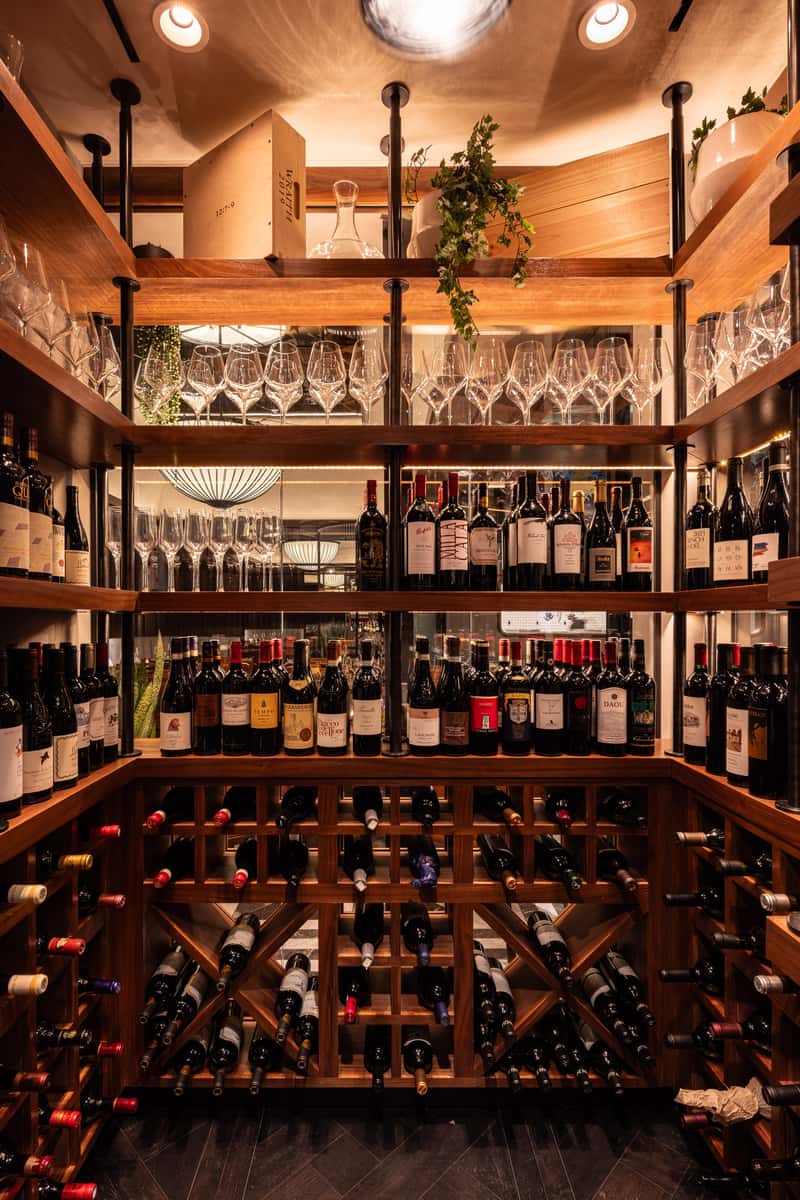
How Do Sommeliers Present and Pour Wine in Upscale Restaurants?
Sommeliers present wine by showing the bottle to the host with the label facing up, confirming the selection before opening. According to the Court of Master Sommeliers Europe's Service Standards, the foil is cut below the second lip, and approximately 50ml is poured for the host to taste before serving other guests clockwise around the table. For sparkling wines, the sommelier holds the bottle at a 45-degree angle, maintains control of the cork at all times, and releases it with little or no noise. This disciplined sequencing is what separates a trained wine professional from casual table service.
What Protocols Should Be Followed During Tasting and Approval?
The tasting and approval protocols are a brief but important guest moment. After the host receives the initial pour, they assess the wine's aroma and taste, then signal approval, typically with a nod or verbal confirmation. The sommelier waits silently and does not rush this evaluation. Guests should avoid over-analyzing; trust your first impression and confirm promptly so service can continue for the table.
How Are Wine Glasses and Bottles Handled with Proper Etiquette?
Wine glasses and bottles are handled with deliberate care throughout service. Sommeliers hold glasses by the stem when placing or repositioning them, avoiding fingerprints on the bowl. Bottles rest on an underliner or a guéridon rather than the table surface in formal settings. According to Wine Enthusiast, Las Vegas has grown into one of the nation's top wine destinations alongside New York City and San Francisco, which reflects the elevated service standards guests can expect here.
How Can Diners Be Respectful of Sommelier Expertise Without Intimidation?
Diners can be respectful of sommelier expertise by approaching the interaction with curiosity, openness, and honest communication. The sections below address common misconceptions that create unnecessary anxiety and practical strategies first-time fine diners can use to engage with confidence.
What Are Common Misconceptions About Sommeliers in Upscale Dining?
Common misconceptions about sommeliers in upscale dining include the beliefs that they expect guests to be wine experts, that asking basic questions is inappropriate, and that their role is to judge rather than guide. In reality, sommeliers are hospitality professionals whose primary purpose is personalized service.
Modern Las Vegas fine dining has shifted focus from opulence to making guests feel personally seen rather than intimidated by formal structures. A wine steward welcomes honest conversations about budget, preferences, and unfamiliarity far more than silence born from self-consciousness. The guest who admits they know little but stays curious is, in practice, easier to delight than one who bluffs through the interaction.
How Can First-Time Fine Diners Approach Interactions with Confidence?
First-time fine diners can approach sommelier interactions with confidence by being honest about preferences, setting a comfortable budget range, and treating the exchange as a guided consultation rather than a test. According to Wine Spectator, a great restaurant guest is interested in wine generally, trusting of suggestions, and open to trying wines of great quality alongside the food.
Practical steps for confident engagement include:
- Mentioning flavor preferences, such as light, dry, or fruity, before selecting.
- Sharing your budget range directly so the sommelier can narrow options without guesswork.
- Asking questions freely, including basic ones like food pairing recommendations.
- Discussing wine choices before food arrives to allow for better sequencing.
Fine dining service expertise focuses on guidance and hospitality rather than order-taking, meaning the sommelier's role is to help navigate, not to evaluate the guest's knowledge.
What Unique Aspects of Sommelier Etiquette Stand Out in Las Vegas?
Las Vegas sommelier culture blends high-formality service standards with a distinctly approachable, guest-first hospitality philosophy. The sections below cover how upscale Las Vegas restaurants balance formal protocol with warmth, and what local influences shape sommelier service in the city.
How Do Las Vegas Upscale Restaurants Blend Formality and Approachability?
Las Vegas upscale restaurants blend formality and approachability by maintaining rigorous service protocols while actively prioritizing personalized guest engagement over ceremonial distance. Modern Las Vegas fine dining focuses on making guests feel "personally seen" rather than intimidated by formal structures, moving beyond mere opulence toward deeply individualized hospitality. Sommeliers in this environment function less as gatekeepers of wine knowledge and more as collaborative guides, adapting their communication style to match each guest's comfort level. This balance is what separates the best Strip experiences from those that feel stiff or transactional.
Are There Local Traditions or Influences on Sommelier Service in Las Vegas?
Local traditions and influences on sommelier service in Las Vegas are shaped significantly by the city's evolving wine culture and its position as a national hospitality hub. According to Wine Enthusiast, Las Vegas wine culture is evolving through social media-driven awareness, making it one of the nation's top wine destinations alongside New York City and San Francisco. Sommeliers here also operate within a workforce defined by scale: Nevada's restaurant and foodservice sector employs 231,000 people as of 2024. That competitive environment raises service expectations. Guests visiting Las Vegas encounter sommeliers trained to meet a cosmopolitan, trend-aware clientele, resulting in service that honors classical Court of Master Sommeliers protocols while reflecting the city's high-energy, guest-centered hospitality identity.
How Does Tipping and Acknowledging a Sommelier Work in Upscale Dining?
Tipping and acknowledging a sommelier follows distinct conventions in upscale dining, covering both appropriate expressions of appreciation and how sommelier gratuity differs from standard server tipping.
What Are Appropriate Ways to Show Appreciation for a Sommelier's Service?
Appropriate ways to show appreciation for a sommelier's service include verbal acknowledgment, written compliments on comment cards, and monetary gratuity. A sincere "thank you" at the close of service carries real weight, as sommeliers invest significant expertise in each recommendation. For gratuity, it is customary in Las Vegas fine dining to tip 15% to 20% of the total bill, including wine, before tax is added. According to Newport Manners, sommeliers often receive a portion of the server's tip-out, making this contribution meaningful beyond a simple gesture. Guests who particularly enjoyed a sommelier's guidance may also request that a compliment be passed to the wine team through the maître d'.
How Does Tipping for Sommelier Service Compare to Other Staff Roles?
Tipping for sommelier service compares to other staff roles in that sommeliers are typically recognized through the server's tip-out pool rather than a separate gratuity. In Las Vegas fine dining, the customary range runs 20% to 25% of the total bill for excellent service, though some guests tip a reduced percentage on exceptionally expensive bottles while maintaining the full rate on food. Unlike a server who manages the full table experience, the sommelier's contribution is wine-specific, making guests sometimes uncertain whether additional tipping is expected. In practice, the standard tip that covers food and wine together is the most broadly accepted approach, and verbally acknowledging outstanding wine guidance reinforces the gesture.
How Does Stubborn Seed in Las Vegas Elevate the Sommelier and Guest Experience?
Stubborn Seed in Las Vegas elevates the sommelier and guest experience through a structured tasting menu paired with expert wine guidance. The sections below cover how its tasting format shapes sommelier interactions and the key etiquette lessons every guest should take away.
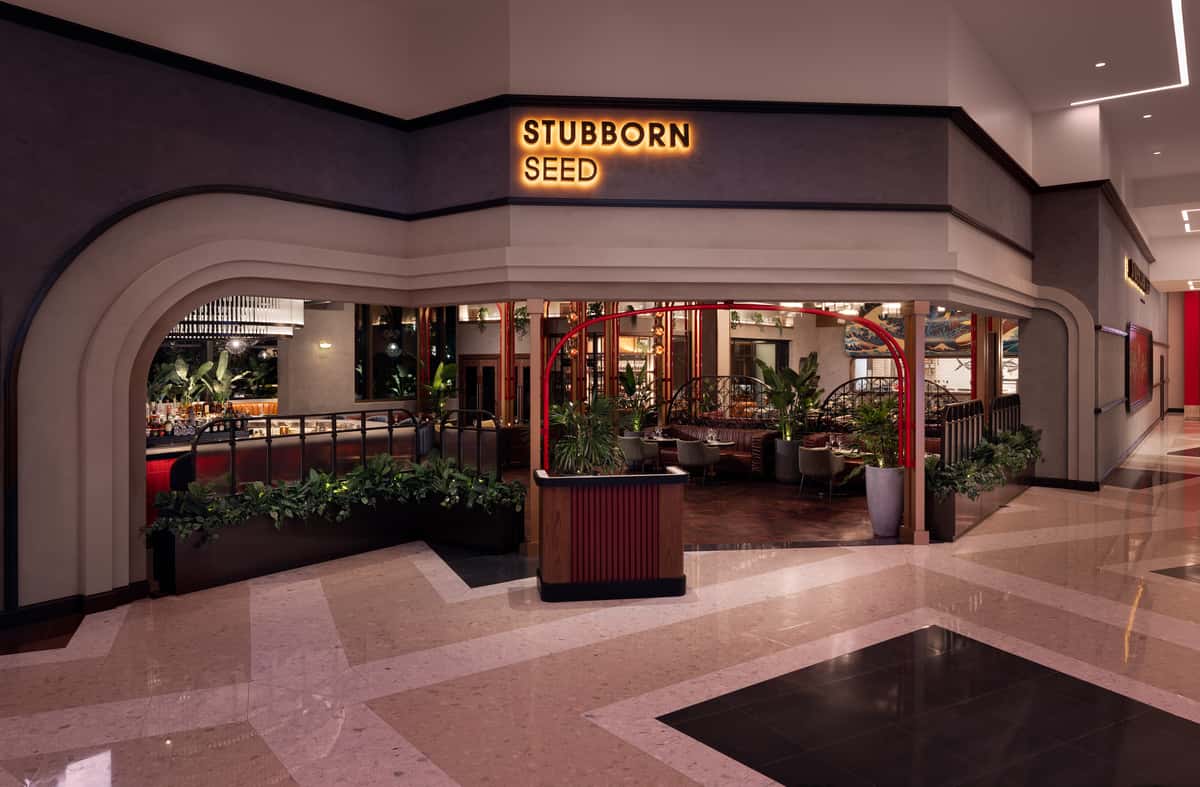
How Does Stubborn Seed's Tasting Menu Enhance Guest and Sommelier Interactions?
Stubborn Seed's tasting menu enhances guest and sommelier interactions by creating a structured, course-by-course framework where wine consultation is built into the experience rather than treated as an afterthought. Sommelier Stefano d'Andrea guides guests through curated pairings, including an "Unusual" wine pairing option designed to introduce guests to wines outside their comfort zone. This format naturally encourages the kind of open, trusting dialogue that Wine Spectator identifies as hallmarks of an ideal guest: curiosity, willingness to take suggestions, and genuine interest in the food-and-wine relationship. For guests unfamiliar with sommelier culture, a tasting menu removes the pressure of choosing independently, making the interaction feel collaborative rather than formal.
What Are the Key Takeaways About Las Vegas Sommelier Etiquette in Upscale Dining?
The key takeaways about Las Vegas sommelier etiquette are practical and easy to apply at any upscale venue, including Stubborn Seed:
- Communicate openly. Share your flavor preferences, budget range, and any dietary considerations early in the meal.
- Trust the recommendation. Sommeliers curate pairings to complement the specific menu being served.
- Engage during service. Accept the tasting pour, give honest feedback, and ask questions without hesitation.
- Tip appropriately. Industry norms place sommelier-inclusive tipping at 20%–25% of the total bill for excellent service.
- Arrive with curiosity, not expertise. Fine dining hospitality is designed to guide guests, not test them.
Stubborn Seed's approachable tasting structure makes it one of the strongest entry points for guests building confidence with upscale sommelier culture in Las Vegas.