Luxury Food Travel: Planning a Culinary Trip to Las Vegas
Luxury Food Travel: Planning a Culinary Trip to Las Vegas
Planning a luxury culinary trip to Las Vegas is an art form that combines strategic reservation timing, expert knowledge of award-winning establishments, and careful orchestration of exclusive dining experiences across a city that has transformed from buffet capital to global gastronomic destination. It is recommended to curate journeys that combine Michelin-recognized legacy venues, intimate chef's tables, and innovative tasting menus to meet the expectations of discerning luxury food travelers.
Whether you're navigating the competitive reservation landscape or seeking the perfect balance between celebrated establishments and emerging culinary stars. A best practice is to use a structured planning framework to build an epicurean itinerary in cities with a high concentration of luxury dining.
According to Forbes Travel Guide, 2025: "Las Vegas has leveled up once again with superb food, spectacular presentations and stunning design." The city offers an unparalleled concentration of high-end dining talent, with luxury establishments ranging from $400–$500 per person for premier omakase experiences.
It is recommended to factor in seasonal menus and food festivals when selecting travel dates. Restaurant selection criteria include tasting menu comparisons and budgeting strategies. Sample itineraries balance dining with culinary experiences. Logistics encompass hotel selection and transport planning. Dietary accommodations address restrictions and VIP requests. Many restaurants showcase modern luxury dining through seasonal, chef-driven tasting menus and refined service.
Las Vegas presents a sophisticated ecosystem of luxury culinary experiences, evolving from its buffet heritage to house Michelin-starred establishments, Forbes Five-Star venues, and James Beard Award winners. The journey from understanding seasonal dining patterns to securing coveted reservations requires strategic planning, while balancing exclusive chef's tables with complementary experiences like cooking classes and wine tours creates a comprehensive gastronomic adventure. Travelers should consider itineraries that span both legacy French fine dining and contemporary chef-driven concepts to capture the city's full luxury dining diversity.
Practical Tips: It is recommended to secure marquee reservations 4–8 weeks in advance during peak spring and fall seasons. Utilize hotel concierge services at properties like Wynn Las Vegas or Resorts World for difficult reservations and coordinate same-hotel dining clusters to minimize transit time.
A best practice is to combine award research, personalized itinerary design, and logistical planning to navigate a luxury culinary destination efficiently.
What Defines Luxury Food Travel in Las Vegas?
Luxury food travel in Las Vegas centers on exclusive access to world-class culinary artistry through intimate chef interactions, award-recognized venues, and bespoke dining experiences that transcend traditional restaurant service. The city transformed from a buffet-focused destination into a sophisticated culinary ecosystem where Michelin-starred legacy restaurants, James Beard semifinalists, and innovative omakase concepts create unparalleled gastronomic adventures.
Which upscale dining formats should you prioritize?
Many restaurants' chef's tables and omakase counters deliver high luxury value through direct chef interaction and off-menu exclusives. According to 2024–2025 industry reporting, Las Vegas dining evolved from buffets to a sophisticated ecosystem featuring celebrity-chef establishments, multi-course tasting menus, intimate chef's tables, traditional omakase, and exclusive private dining experiences.
Priority formats for luxury travelers include:
- Chef's table experiences: Off-menu dishes with behind-the-scenes kitchen access
- Omakase dining: Personalized sushi or tasting sequences curated by the chef
- Private dining rooms: Bespoke menus for intimate groups
- Tasting menu formats: Multi-course culinary journeys with wine pairings
These elevated formats position luxury travelers for meaningful culinary storytelling and exclusive access unavailable through standard reservations.
How do Las Vegas culinary stars and awards influence choices?
Michelin stars and James Beard recognition serve as definitive benchmarks for luxury dining selection in Las Vegas.
Current luxury dining benchmarks include:
- Forbes Travel Guide Five-Star ratings
- AAA Five-Diamond designations
- James Beard Award recognition
These accolades guide luxury travelers toward consistently exceptional culinary experiences with proven track records of excellence. The combination of historical recognition and contemporary innovation defines Las Vegas as a premier luxury food destination where award-winning talent continues to elevate the dining landscape.
When Is the Best Time to Visit for Culinary Experiences?
Luxury culinary travelers should plan their Las Vegas trips during spring and fall when dining demand peaks alongside optimal weather conditions. These seasons offer the most dynamic culinary programming while summer presents unique opportunities for securing coveted reservations at top-tier establishments.
How do seasonal menus and chef residencies affect timing?
Spring and fall represent peak dining periods in Las Vegas, driven by higher demand and milder weather conditions according to 2024–2025 seasonal data. Summer emerges as a strategic opportunity for luxury travelers due to reduced heat-related tourism, creating easier reservation access at premier establishments.
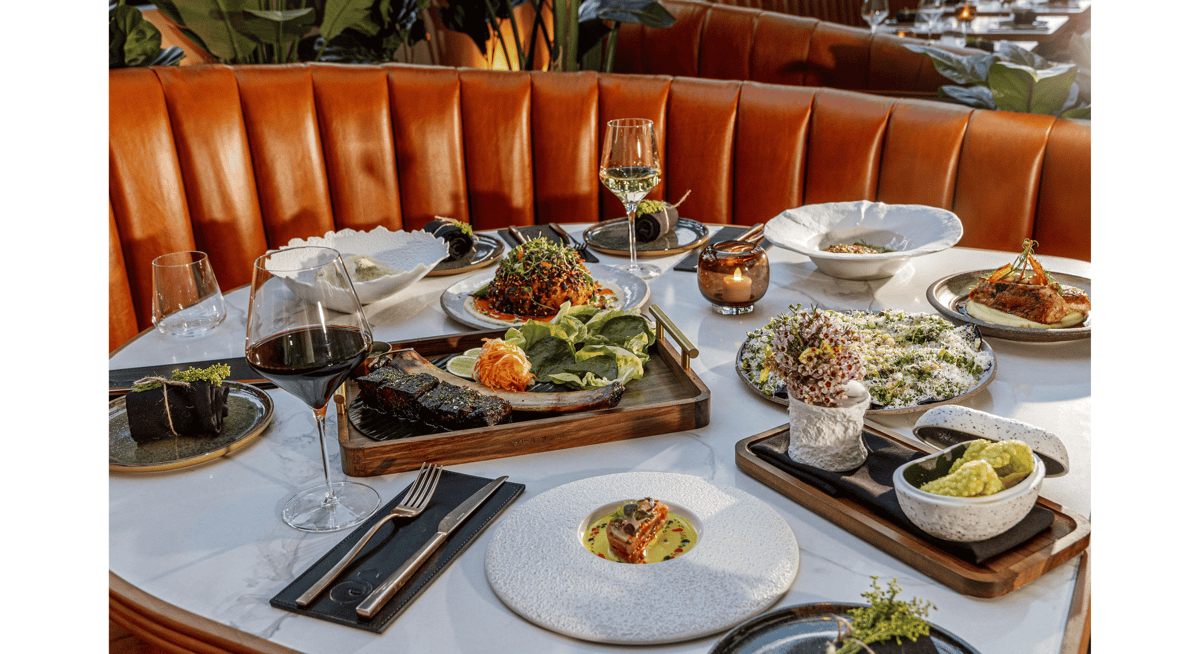
Many luxury restaurants in Las Vegas emphasize seasonal menus tied directly to ingredient availability and rotation cycles. This seasonal approach makes timing particularly relevant for travelers seeking specific menu experiences, as signature dishes and specialty ingredients often rotate quarterly to reflect peak freshness and culinary innovation.
Optimal Planning Timeline:
- Spring (March-May): Peak season requiring 2-3 month advance bookings
- Summer (June-August): Easier reservations, heat considerations for outdoor venues
- Fall (September-November): Prime culinary season with harvest-focused menus
- Winter (December-February): Holiday programming and special chef collaborations
Which events and food festivals matter for luxury travelers?
The Wine Spectator Grand Tour stands as Las Vegas's premier high-end wine event, offering grand-scale wine tastings and VIP experiences that attract serious oenophiles and luxury travelers. This event provides access to rare vintages and direct interaction with renowned winemakers.
Hotels and venues run periodic master-class series and chef events throughout the year, with the Wynn Connoisseur Series functioning as a flagship luxury culinary event for travelers in 2025. These exclusive programs typically feature celebrity chefs, hands-on workshops, and behind-the-scenes access to kitchen operations.
Key Annual Events:
- Wine Spectator Grand Tour (spring/fall scheduling)
- Wynn Connoisseur Series masterclasses
- James Beard House collaborative dinners
- Seasonal chef residency programs at major hotels
Summer's reduced tourism creates opportunities for intimate chef events and private tastings that become overbooked during peak seasons, making it an ideal time for travelers prioritizing exclusive culinary access over weather considerations.
How Should You Choose High-End Restaurants and Experiences?
Selecting high-end restaurants for luxury food travel requires evaluating multiple factors that distinguish exceptional dining from merely expensive meals. The most discerning travelers prioritize establishments with documented excellence, innovative culinary approaches, and exclusive access opportunities that create memorable experiences beyond standard fine dining.
What criteria rank restaurants for luxury food travelers?
Award recognition serves as the primary indicator of restaurant quality for luxury travelers. Forbes Travel Guide Five-Star ratings, AAA Five-Diamond designations, Michelin legacy status, and James Beard Award recognition provide objective benchmarks for culinary excellence in Las Vegas.
A 2025 Forbes Travel Guide report emphasizes that consistency of service, demonstrated culinary talent, sophisticated presentation design, and exclusivity factor significantly into ranking decisions for high-end establishments.
Current industry analysis highlights that elevated design and presentation have become increasingly influential factors in restaurant selection, with luxury travelers seeking venues that combine exceptional cuisine with immersive atmospheric experiences.
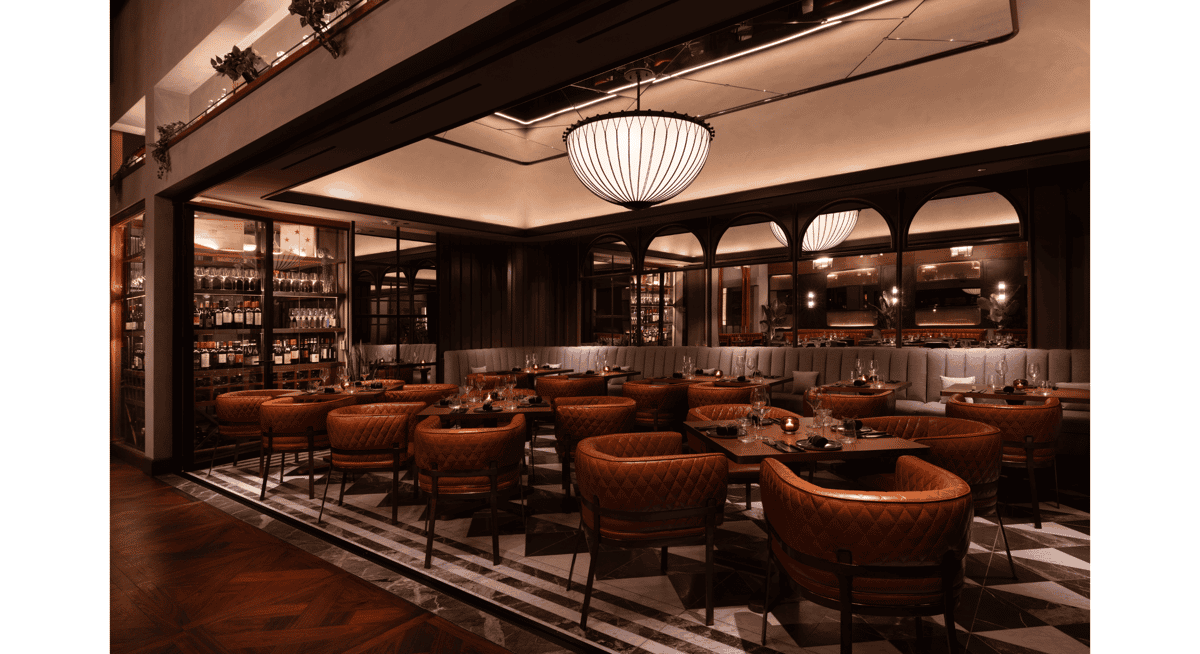
The most prestigious Las Vegas restaurants maintain these standards through rigorous staff training, seasonal menu evolution, and partnerships with renowned chefs and hospitality groups.
How do tasting menus, chef's tables, and omakase compare?
Chef's-table and omakase experiences prioritize intimate, personalized dining through bespoke off-menu courses and direct chef interaction.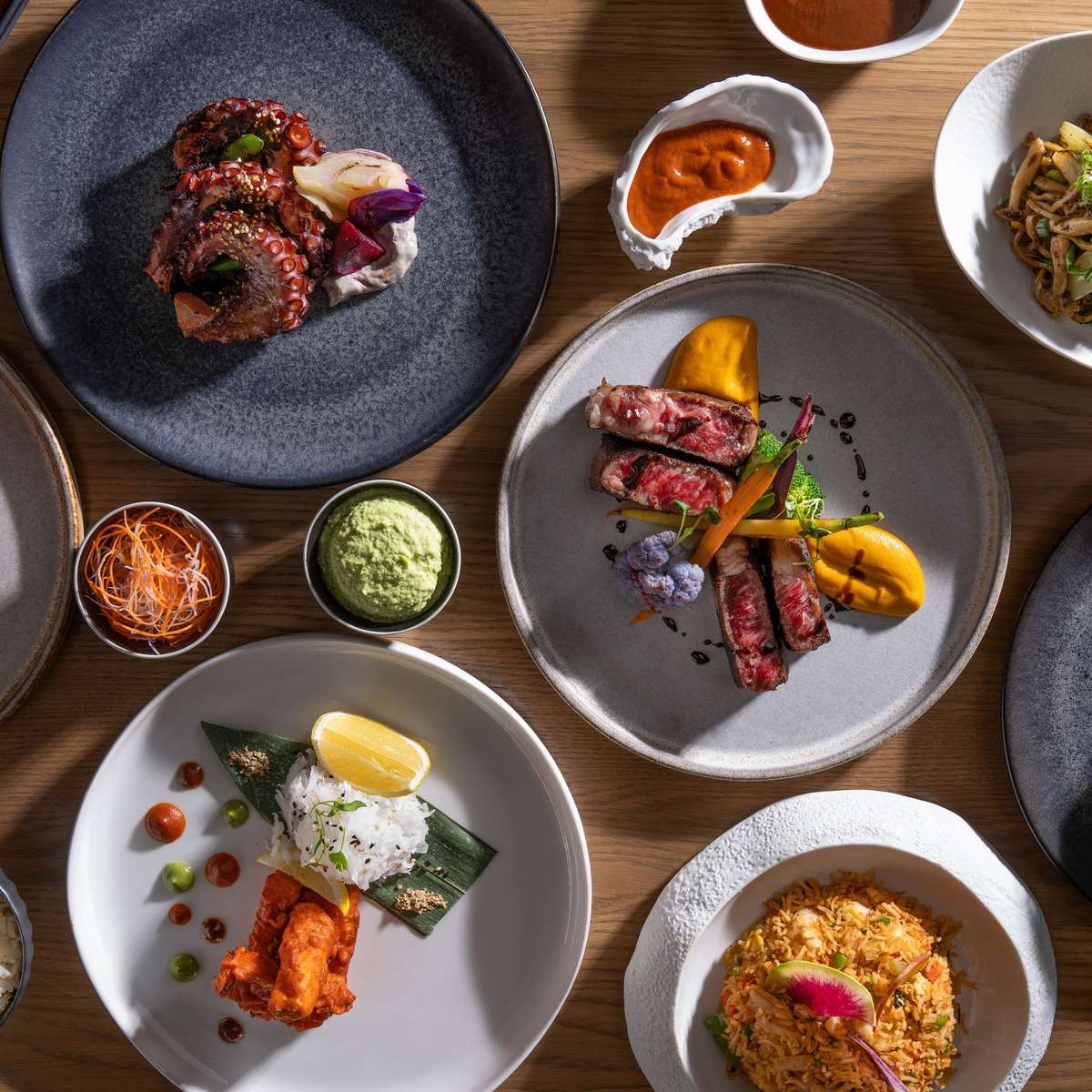 These formats typically accommodate 6-12 guests in kitchen-adjacent settings where diners observe preparation techniques and engage with culinary teams throughout the meal. Tasting menus provide curated multi-course journeys within traditional dining room environments, offering structured progression through signature dishes without the interactive kitchen component.
A best practice is to budget according to format exclusivity, noting that 18-course omakase and signature omakase experiences can reach $400–$500 per person in major luxury markets.Chef's-table experiences generally command premium pricing due to limited seating and enhanced personalization, while tasting menus offer more accessible entry points to high-end culinary experiences.
The choice between formats depends on desired interaction level and group dynamics, with omakase and chef's tables suited for culinary enthusiasts seeking educational experiences and tasting menus appropriate for celebratory occasions requiring less intensive engagement.
How Do You Budget, Book, and Secure Reservations?
Planning your luxury culinary trip to Las Vegas requires strategic budgeting and advanced booking to secure the most coveted dining experiences. The city's premier restaurants command premium pricing that reflects their world-class talent and exclusive atmospheres, while securing reservations demands careful timing and professional assistance.
What are realistic costs for tasting menus and wine pairings?
Top-tier tasting menus and omakase at premier Las Vegas restaurants commonly range in the several-hundred-dollars-per-person bracket, with high-end omakase experiences like ITO at Fontainebleau priced at $400 per person and Kame Sushi's Signature Dinner Omakase reaching $500 per person as of 2024–2025. Wine pairings at comparable venues add significant premiums that vary by restaurant and selection tier, often doubling the base menu cost for premium pairings featuring rare vintages and specialized sommelier curation.
Budget planning should account for these core cost categories:
- Base tasting menus: $300–$500 per person at Michelin-legacy venues
- Wine pairings: $150–$400 additional per person depending on selection tier
- Service charges: 18–22% gratuity standard at luxury establishments
- Tax considerations: Nevada sales tax applies to dining experiences
How do concierge services and reservation strategies help?
Securing seats at the most in-demand restaurants often requires booking weeks to months in advance for peak times, according to 2024–2025 reservation data. Hotel concierge teams at properties like Wynn Las Vegas and Resorts World Las Vegas provide active assistance in booking high-demand restaurants, coordinating show tickets, and arranging private culinary tours that individual travelers cannot access independently.
It is recommended to anticipate difficulty at ultra-limited venues and to use concierge waitlists and flexible midweek times for improved access. Professional concierge services leverage established relationships with restaurant management, priority booking windows, and cancellation monitoring to secure these coveted experiences.
Reservation timeline recommendations:
- Peak seasons (spring/fall): Book 8–12 weeks in advance
- Summer periods: 4–6 weeks typically sufficient
- Special events/holidays: 3–4 months minimum lead time
- Last-minute options: Utilize concierge waitlist services and midweek availability
This strategic approach to budgeting and booking ensures access to Las Vegas's most exclusive culinary experiences while managing costs effectively. The next section will demonstrate how to structure these reservations into cohesive luxury itineraries.
What Sample Itineraries Balance Dining and Experiences?
A successful luxury culinary trip to Las Vegas requires strategic scheduling that weaves together world-class dining with immersive food experiences. The city's concentrated dining scene and complementary culinary offerings make it possible to create seamless itineraries that maximize both gastronomic exploration and hands-on learning opportunities.
What does a 2-day luxury food itinerary look like?
Day one establishes your culinary foundation with a progressive dining experience that spans lunch through late evening. Start with a midday omakase at Kame Sushi ($500 per person) to experience pristine seafood preparation, followed by an afternoon wine tasting at one of the Strip's premier venues. Evening culminates at é by José Andrés for their innovative molecular gastronomy tasting menu, creating a day that showcases three distinct culinary philosophies.
Many luxury itineraries pair morning cooking classes or hotel culinary workshops with evening fine-dining reservations to balance education and indulgence. The afternoon features a curated food tour with Lip Smacking Foodie Tours, allowing you to sample multiple neighborhood gems and understand Las Vegas's evolving food culture. An evening reservation at a modern American, seasonal restaurant led by a Michelin-recognized chef is recommended to conclude a luxury itinerary with refined, contemporary flavors.
Day Structure Overview:
|
Time |
Day 1 |
Day 2 |
|
Midday |
Kame Sushi Omakase |
Sur La Table Cooking Class |
|
Afternoon |
Strip Wine Tasting |
Curated Food Tour |
|
Evening |
é by José Andrés |
Stubborn Seed |
This framework balances intensive dining experiences with educational components while maintaining manageable timing between venues.
How can you combine dinners, tours, and culinary workshops?
A best practice is to schedule workshops in off-peak hours and select tours that complement rather than compress prime dinner reservations. Hands-on cooking classes are available through providers and hotels, including Sur La Table, Fontainebleau offerings, and Wynn Connoisseur Series master classes, typically scheduled during morning or early afternoon slots.
High-end wine experiences include the Wine Spectator Grand Tour and smaller VIP tastings available at many venues, which can be positioned between lunch and dinner services. These experiences often feature rare vintages and sommelier-led education that enhances your evening dining appreciation.
Curated food tours such as Lip Smacking Foodie Tours and Secret Food Tours allow travelers to sample multiple top restaurants and neighborhoods in a single outing. Schedule these during lunch hours or early evening to discover hidden gems while preserving prime dinner slots for marquee experiences like Joël Robuchon or ITO's 18-course omakase ($400 per person).
Integration Strategy:
- Morning: Cooking workshops or wine education
- Afternoon: Food tours or casual tastings
- Evening: Signature restaurant experiences
This approach maximizes learning opportunities while ensuring your palate remains fresh for the day's pinnacle dining experience. Effective timing creates natural progression from hands-on learning through exploration to culminating fine dining experiences.
How Should You Handle Logistics: Hotels, Transport, and Timing?
Successful luxury culinary travel in Las Vegas requires strategic planning around accommodation, transportation, and scheduling to maximize dining experiences while minimizing downtime. The Strip's concentration of high-end restaurants within premier hotels creates unique opportunities for efficient itinerary design.
Which Las Vegas hotels best suit luxury food travelers?
Many luxury travelers prefer hotels that offer robust concierge services and multiple on-site fine-dining options to streamline reservations and minimize transit. These properties provide dedicated culinary concierge teams that specialize in securing reservations at the city's most sought-after restaurants.
According to the 2024–2025 mapping of dining clusters, luxury dining concentrates heavily around major high-end hotels on the Las Vegas Strip, creating natural hubs for culinary exploration. This clustering allows guests to experience multiple award-winning restaurants without extensive travel between venues.
Top Hotel Features for Culinary Travelers:
- Dedicated culinary concierge services
- Multiple on-site Michelin-legacy and Forbes-rated restaurants
- VIP reservation assistance for external venues
- Private dining coordination capabilities
- Master class and wine event hosting
The strategic advantage of staying within these culinary epicenters becomes evident when planning multiple dining experiences across a short timeframe.
What transport and timing tips minimize waiting and travel time?
It is recommended to arrange private car service to ensure reliable, seamless transfers between hotels, restaurants, and culinary events.
A best practice is to cluster reservations within the same property or adjacent venues to reduce transit time and maintain pacing. Hotel concierge services excel at coordinating timing to minimize overlaps and downtime, often securing preferred seating times that align with your overall itinerary.
Efficient Transport Strategies:
- Book dedicated car service for the entire trip duration
- Schedule restaurants within walking distance on consecutive days
- Use hotel concierge coordination for complex multi-venue evenings
- Plan buffer time between experiences (minimum 30-45 minutes)
- Consider helicopter transfers for off-Strip culinary destinations
The key lies in treating transportation as an integral part of the dining experience rather than an afterthought, ensuring smooth transitions that maintain the luxury atmosphere throughout your culinary journey.
How Do You Manage Dietary Needs, Allergies, and VIP Requests?
Las Vegas luxury restaurants excel at accommodating dietary restrictions, allergies, and special requests through sophisticated culinary teams and dedicated event services. High-end venues typically integrate allergy protocols into their reservation systems and offer extensive customization options for discerning travelers.
How should you communicate restrictions and request accommodations?
It is recommended to communicate dietary restrictions during booking so kitchens can plan accommodations and sourcing. Upscale Las Vegas restaurants maintain comprehensive allergy protocols and typically ask about restrictions during booking, but proactive communication ensures kitchen teams can prepare specialized preparations and ingredient substitutions.
Essential Communication Steps:
- Specify allergies (severity level, cross-contamination concerns)
- Detail dietary preferences (vegan, kosher, gluten-free, keto)
- Request ingredient lists for tasting menus
- Confirm accommodation capabilities before finalizing reservations
Many luxury markets offer upscale plant-based fine dining; consider dedicated vegan venues when planning for plant-forward preferences. However, travelers following specialized diets should communicate needs 48-72 hours in advance to allow kitchen teams adequate preparation time for custom dishes and ingredient sourcing.
Most luxury venues maintain dedicated gluten-free preparation areas and can modify tasting menus to accommodate multiple restrictions simultaneously, ensuring dietary needs don't compromise the luxury dining experience.
When should you request private dining or chef consultations?
Request private dining or chef consultations 2-4 weeks in advance for optimal availability and customization options. High-end Las Vegas venues commonly offer chef's-table experiences, private dining rooms, and bespoke event menus through specialized events teams that coordinate directly with executive chefs.
Private Experience Options:
- Chef's-table seating with kitchen interaction
- Private dining rooms for groups (8-20 guests)
- Custom tasting menus with wine pairings
- Behind-the-scenes kitchen tours
- One-on-one chef consultations
Staggered planning proves essential for securing private tastings due to limited chef availability and high demand during peak seasons. Most venues require advance inquiry through dedicated events coordinators who can arrange exclusive experiences tailored to specific preferences, dietary needs, and group dynamics.
Private dining typically includes menu customization, dedicated service staff, and enhanced wine selection access, making early coordination crucial for travelers seeking personalized luxury experiences that extend beyond standard reservations.
How Can Stubborn Seed Enhance Your Luxury Culinary Trip to Las Vegas?
Stubborn Seed elevates your Las Vegas culinary journey through Chef Jeremy Ford's Top Chef-winning expertise and seasonal fine-dining approach at Resorts World Las Vegas. This modern American restaurant combines award-winning culinary leadership with flexible dining formats that cater specifically to luxury travelers seeking both intimacy and exceptional cuisine.
Can Stubborn Seed accommodate private tastings and chef's tables?
Many modern, chef-driven restaurants inside major resorts offer comprehensive private dining options for groups and special events. The restaurant offers both à la carte selections and curated tasting menus that emphasize seasonal ingredients sourced for peak flavor and presentation. Private dining experiences can be customized through the venue's dedicated event inquiry system, allowing luxury travelers to secure exclusive access and personalized service.
Executive chefs with high-profile competition wins and Michelin experience can elevate private dining with bespoke menus and direct interaction. This modern fine-dining approach creates bespoke menus that reflect seasonal availability while maintaining the restaurant's signature style. Private dining experiences often include off-menu courses and direct chef interaction, making them well-suited for intimate culinary celebrations.
What Are the Key Takeaways for a Luxury Culinary Trip to Las Vegas?
Las Vegas delivers an unparalleled concentration of high-end dining talent, featuring legacy Michelin-starred venues, James Beard Award semifinalists, and innovative flagship concepts that continue evolving the city's culinary landscape. Strategic planning maximizes your luxury dining experience through several key considerations:
- Seasonal timing: Spring and fall represent peak dining periods with higher demand but optimal weather
- Advanced reservations: Marquee experiences require booking weeks to months ahead
- Concierge utilization: Hotel services at venues like Resorts World Las Vegas provide expert assistance securing difficult reservations
- Complementary experiences: Wine events, cooking classes, and curated tours enhance your overall culinary journey
It is recommended to mix formats—such as $400–$500 omakase, chef's table seating, and private tastings—to match preferences and maximize variety within a luxury itinerary.