
Miami Food Scene: A Visual Guide to Dining
Miami Food Scene: A Visual Guide to Dining
Miami's food scene stands out for visual dining experiences by merging extraordinary cultural diversity, design-driven architecture, and subtropical ingredients into meals that engage every sense beyond taste alone.
This guide covers Miami's culturally shaped culinary identity, dominant visual trends in plating and restaurant design, must-see dining destinations, food photography strategies, the role of seasonal produce in presentation, landmark culinary events, and how upscale restaurants like Stubborn Seed elevate visual dining to its highest form.
Miami-Dade County's population is approximately 68% Hispanic or Latino, and that demographic richness fuels a food scene ranked third worldwide for culinary diversity. Neighborhoods from Little Havana to the Design District each carry distinct dining identities, giving the city a patchwork of visual styles no single district could produce alone.
Plating artistry and interior design work in parallel across the city. Chefs layer microgreens, tropical fruits, and edible flowers into photogenic compositions, while Tropical Modernism and Art Deco architecture transform dining rooms into immersive environments where the space itself becomes part of the presentation.
South Florida's inverted growing seasons supply chefs with peak-color strawberries and tomatoes in winter, then over 20 mango varieties and lychees through summer. Restaurants like Stubborn Seed source directly from a five-acre organic farm in Redland, ensuring ingredients arrive at peak ripeness with saturated natural color that no garnish technique can replicate.
Annual events including the South Beach Wine & Food Festival and Miami Spice Restaurant Months concentrate the city's photogenic culinary talent into landmark seasons, while Michelin-recognized tasting menus deliver that same visual intensity year-round.
What Makes Miami's Culinary Scene Unique Compared to Other Cities?
Miami's culinary scene stands out through its unmatched cultural diversity and neighborhood-driven dining identities. The sections below explore how demographic influences shape the food and which neighborhoods define distinct dining styles.
How Has Miami's Cultural Diversity Shaped Its Food Offerings?
Miami's cultural diversity has shaped its food offerings by embedding Latin American, Caribbean, and global flavors into every level of dining. Miami-Dade County's population is approximately 68% Hispanic or Latino, with Cuban-Americans forming the largest single ethnic group, followed by communities rooted in Colombia, Nicaragua, Venezuela, Haiti, and Brazil. Each wave of immigration introduced signature ingredients, cooking techniques, and flavor profiles that restaurants across the city now interpret through both casual and fine dining lenses.
According to a study by Holafly, Miami ranked third worldwide for extraordinary culinary diversity, surpassing heavyweights like London and New York in its range of international cuisines. South Florida's inverted growing seasons further amplify this diversity; peak harvests of tropical fruits, plantains, and key limes give chefs a produce palette unavailable in most American cities. Few food scenes blend this many cultural traditions with year-round access to subtropical ingredients.
Which Neighborhoods in Miami Are Best Known for Distinct Dining Styles?
The neighborhoods in Miami best known for distinct dining styles include Little Havana, Wynwood, the Design District, South Beach, Brickell, and Coral Gables.
- Little Havana anchors the city's Cuban culinary tradition with ventanitas, cafecitos, and family-run restaurants.
- Wynwood evolved from an industrial zone into an international cultural and culinary hub, pairing street art with creative casual dining.
- The Design District has grown into a high-end dining and retail destination, registering 410,000 visitors during specific peak periods.
- South Beach blends Art Deco architecture with theatrical dining; Queen Miami Restaurant is recognized as an "Art Deco masterpiece" representing the city's use of historic architecture for immersive dining spaces.
- Brickell serves as the financial district's gathering point for modern Latin and Asian fusion concepts.
- Coral Gables offers Mediterranean-influenced fine dining along tree-lined avenues.
According to Crave IQ, Miami ranks first nationally on a composite restaurant digital quality score of 6.94 out of 10, with residents dining out an average of 10.6 times per month. That frequency reflects how deeply neighborhood identity drives culinary exploration across the city, setting the stage for Miami's bold visual dining trends.
What Are the Dominant Visual Trends in Miami's Restaurant Presentations?
The dominant visual trends in Miami's restaurant presentations blend architectural heritage, plating artistry, and immersive design. Below, we explore how chefs incorporate visual artistry into dishes and how interiors elevate the overall dining experience.
How Do Miami Restaurants Incorporate Visual Artistry Into Their Dishes?
Miami restaurants incorporate visual artistry into their dishes through meticulous plating techniques, vibrant seasonal ingredients, and multisensory presentation formats. Chefs across the city treat each plate as a canvas, layering microgreens, edible flowers, and bold tropical colors to create photogenic compositions.
The 2024 Michelin Guide for Florida awarded stars to 26 restaurants, with L'Atelier de Joël Robuchon Miami remaining the state's only two-star recipient. That level of recognition reflects how seriously Miami's culinary community takes visual precision alongside flavor. Events like the 2024 Miami Spice Restaurant Months, which featured 300 participating restaurants offering specially priced three-course meals, further expand access to artfully presented dining across price points.
For most diners exploring the city's food scene, plating artistry has become inseparable from the meal itself. The visual standard across Miami's restaurants, from Michelin-starred kitchens to neighborhood favorites, consistently rewards those who eat with their eyes first.
How Do Restaurant Interiors and Ambiance Enhance the Dining Visuals?
Restaurant interiors and ambiance enhance the dining visuals by creating immersive environments where architecture, lighting, and decor frame each meal as a cohesive sensory experience. Tropical Modernism, a design language pioneered by architects like Alfred Browning Parker, continues to define Miami's restaurant aesthetics by blending modernist principles with lush tropical environments.
Historic styles play an equally prominent role. According to Hommes Studio, Queen Miami Restaurant is recognized as an "Art Deco masterpiece," representing the city's trend of utilizing historic architecture for theatrical dining spaces. These design choices transform a meal into a visual narrative where the room itself becomes part of the presentation.
The best Miami dining environments understand that ambiance is not background; it is a core ingredient in the visual experience that guests remember and photograph long after the last course.
With visual trends shaping both plate and space, certain Miami dining experiences have emerged as true must-sees for food lovers.
Which Miami Dining Experiences Are Considered "Must-See" for Food Lovers?
The must-see Miami dining experiences for food lovers range from meticulously plated tasting menus to fully immersive, technology-driven spectacles. The following sections highlight restaurants known for memorable plated presentations and venues offering theatrical food displays.
What Restaurants Offer Especially Memorable Plated Presentations?
Restaurants that offer especially memorable plated presentations in Miami include Michelin-starred establishments where chefs treat each course as a visual composition. Stubborn Seed, led by Top Chef Season 13 winner Jeremy Ford, builds its multi-course tasting menus around seasonal ingredients sourced from a five-acre organic farm in Redland. Each plate reflects that direct farm connection through vibrant color and precise arrangement. L'Atelier de Joël Robuchon, located in the Design District, remains Florida's only two-Michelin-starred restaurant, setting a benchmark for refined presentation. According to Eater Miami, three new one-star winners joined the city's roster in 2024: EntreNos, Ogawa, and Shingo. For food lovers seeking visual impact on the plate, Miami's Michelin-recognized dining scene delivers consistently.
Are There Venues Known for Theatrical or Immersive Food Displays?
There are several venues known for theatrical or immersive food displays in Miami, blending technology, architecture, and cuisine into multisensory experiences. Our Hidden Worlds offers a multi-course prix fixe menu supported by projection mapping, immersive sound, and light, where the dining table itself becomes an animated 3D canvas. Queen Miami Restaurant, recognized by Hommes Studio as an "Art Deco masterpiece," transforms historic architecture into a dramatic stage for dining. These concepts push well beyond traditional plating into full environmental storytelling. For visitors who want more than a meal, these theatrical venues represent some of Miami's most shareable and photogenic dining moments.
With must-see destinations identified, knowing how to capture these experiences visually makes every visit more rewarding.
How Can Diners Capture and Share Miami's Most Photogenic Meals?
Diners can capture and share Miami's most photogenic meals by using natural light, understanding restaurant photography policies, and leveraging the city's visually driven dining culture. The following tips cover shooting techniques and venue etiquette.
What Tips Do Local Photographers Have for Shooting Food in Miami?
Local photographers recommend prioritizing natural lighting whenever possible. Soft, even light highlights dish textures, colors, and plating details far better than a camera flash. For indoor settings or evening meals, experts suggest positioning dishes near windows or using portable softboxes to replicate that diffused glow.
Miami's art-driven dining culture offers additional visual advantages. As detailed in Turner's 2025 book, Miami's Art Boom: From Local Vision to International Presence, the city's creative ecosystem extends into restaurant design, giving photographers vibrant backdrops. Key practical tips include:
- Shoot from a 45-degree angle to capture both depth and surface detail on plated dishes.
- Use your phone's portrait mode to blur distracting backgrounds and isolate the food.
- Arrive during golden hour for outdoor patios, when warm light enhances tropical ingredients.
- Frame the surrounding environment, since Miami restaurants often feature art, murals, or ocean views that add context.
Is It Common for Miami Restaurants to Welcome Food Photography?
Yes, it is common for Miami restaurants to welcome food photography. The city's dining scene thrives on social media visibility, and most venues actively encourage guests to share images. Miami ranks first nationally on a composite restaurant digital quality score of 6.94 out of 10, according to the Crave IQ Index, which underscores how deeply restaurants here invest in their visual and digital presence.
Many establishments design plating and interiors with shareability in mind. Flash photography is permitted at venues like Stubborn Seed, making it easy to document multi-course tasting menus. Still, a quick check with your server before shooting is always courteous, especially during intimate or fine dining experiences.
With strong photography habits in place, understanding how local and seasonal produce shapes these photogenic plates adds another layer to visual dining in Miami.
What Role Does Local and Seasonal Produce Play in Miami's Visual Food Appeal?
Local and seasonal produce drives Miami's visual food appeal by supplying chefs with vibrant, peak-color ingredients year-round. South Florida's inverted growing seasons and tropical fruit harvests create plating opportunities unavailable elsewhere. The following sections explore farm-to-table creativity and sourcing strategies that maximize presentation.
Which Miami Restaurants Highlight Farm-to-Table Visual Creativity?
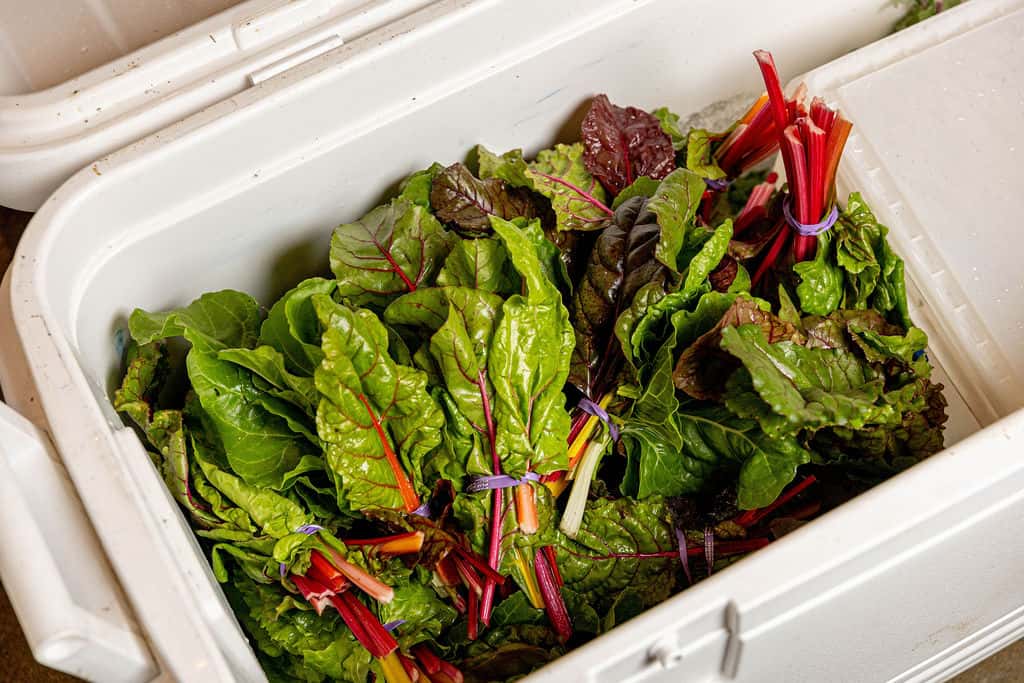
Miami restaurants that highlight farm-to-table visual creativity include Stubborn Seed, Erba, and Maty's, each building menus around locally sourced ingredients. Stubborn Seed sources many of its ingredients from a five-acre organic farm in Redland, according to the Michelin Guide. A composting initiative recycles food trims back to that same farm every six months, closing the loop between kitchen and field.
This direct farm relationship gives chefs like Jeremy Ford access to produce harvested at peak ripeness, when colors are most saturated and flavors most concentrated. For diners, the visual result is unmistakable: plates built from ingredients that arrived hours, not days, before service.
How Are Ingredients Sourced to Maximize Color and Presentation?
Ingredients are sourced to maximize color and presentation by aligning menus with South Florida's unique growing calendar. According to the University of Florida Institute of Food and Agricultural Sciences, South Florida's growing seasons are inverted compared to northern regions, with peak production of strawberries, tomatoes, and leafy greens occurring in winter from December through February.
Summer menus shift toward tropical fruits. Miami's June through August season features peak harvests of over 20 mango varieties, lychees, and jackfruit, all prized by chefs for their vibrant color and natural acidity. This seasonal rotation ensures plating palettes change throughout the year, giving each visit a distinct visual identity. For restaurants committed to visual impact, sourcing seasonally is not optional; it is the foundation of every photogenic plate.
Understanding how local produce shapes visual dining leads naturally into the events that celebrate this creativity.
What Key Events and Festivals Showcase Miami's Visual Culinary Talent?
Key events and festivals showcase Miami's visual culinary talent through large-scale gatherings where plating artistry, photogenic presentations, and chef-driven creativity take center stage. The most prominent include annual food festivals and chef-hosted events.
Which Annual Food Festivals Offer the Most Photogenic Experiences?
The annual food festivals that offer the most photogenic experiences in Miami include:
- South Beach Wine & Food Festival (SOBEWFF): This marquee event celebrated its 23rd year in 2024, featuring over 450 chefs and 100+ events that emphasize culinary visual artistry, according to BizBash.
- Miami Spice Restaurant Months: This citywide program featured 300 participating restaurants in 2024, offering specially priced three-course meals designed to promote culinary exploration across neighborhoods.
Both events turn Miami into a stage for plating innovation, attracting food photographers and visual storytellers from around the world. For anyone building a visual guide to Miami dining, these festivals represent the highest concentration of photogenic culinary moments in a single season.
Are There Chef-Hosted Events Emphasizing Artful Presentations?
Yes, there are chef-hosted events emphasizing artful presentations throughout Miami's dining calendar. Many of the city's Michelin-recognized chefs participate in pop-ups, supper clubs, and collaborative dinners where visual creativity is central to the experience. Events tied to SOBEWFF frequently feature individual chef showcases, with chefs designing multi-course menus built around theatrical plating and seasonal ingredients. These intimate gatherings prioritize presentation as much as flavor, giving attendees a front-row view of culinary artistry in action.
For diners seeking this level of visual sophistication year-round, restaurants like Stubborn Seed bring that same festival-caliber creativity to every tasting menu service.
How Do Upscale Miami Restaurants, Like Stubborn Seed, Elevate Visual Dining?
Upscale Miami restaurants, like Stubborn Seed, elevate visual dining through seasonal tasting menus, meticulous plating, and design-forward spaces rooted in Tropical Modernism. The following sections explore Stubborn Seed's presentation, authenticity, and occasion-worthy experiences.
What Is Unique About Stubborn Seed's Multi-Course Tasting Menu Presentation?
Stubborn Seed's multi-course tasting menu presentation is unique because each course treats the plate as a compositional canvas, with seasonal ingredients arranged to emphasize color contrast, texture, and architectural height. Chef Jeremy Ford, a Top Chef Season 13 winner, leads a kitchen where every element on the plate serves both a flavor and visual purpose.
Stubborn Seed offers a 6-course and a 9-course tasting menu, each structured so that courses build in visual intensity. The chef's window, visible from the dining room, gives guests a live view of this plating precision as it unfolds. Meanwhile, concepts like "Our Hidden Worlds" are pushing Miami's immersive dining even further, offering projection mapping and animated 3D tablescapes that transform the meal into a multisensory experience.
How Does Meticulous Attention to Authenticity Impact the Visual Experience?
Meticulous attention to authenticity impacts the visual experience by connecting what guests see on the plate to the actual origins of each ingredient. Stubborn Seed sources many of its ingredients from a five-acre organic farm in Redland and runs a composting initiative that recycles food trims back to the farm every six months, according to the Michelin Guide. This closed-loop approach means seasonal produce arrives at peak ripeness, delivering the vibrant natural colors and textures that define the restaurant's plating style.
When chefs work with genuinely fresh, locally grown ingredients rather than imported substitutes, the visual result is noticeably different. Heirloom varieties, tropical fruits, and microgreens retain a depth of color that no garnish technique can replicate artificially.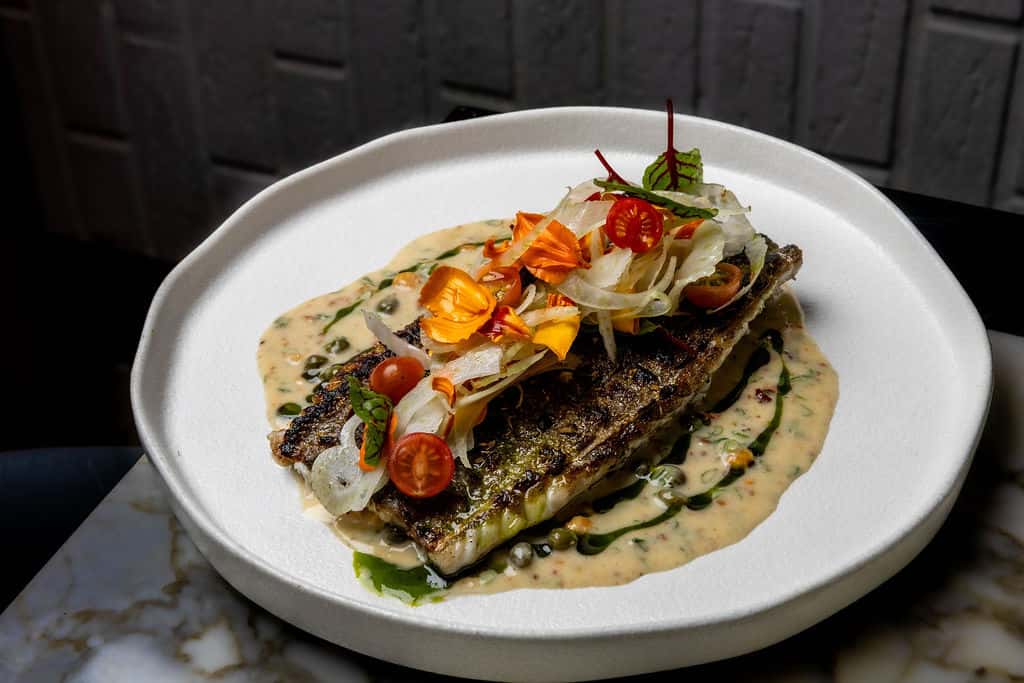
Can Stubborn Seed's Tasting Menu Enhance a Special Occasion in Miami?
Yes, Stubborn Seed's tasting menu can enhance a special occasion in Miami by combining progressive courses with an intimate, design-forward atmosphere. The multi-course format creates a built-in sense of ceremony, as each plate arrives with its own visual narrative.
Miami ranked third worldwide for culinary diversity in a study by Holafly, surpassing London and New York. Within that landscape, Stubborn Seed stands out as a Michelin-recognized destination where celebrations feel both personal and extraordinary. Flash photography is welcome, so guests can document every course without hesitation. For birthdays, anniversaries, or milestone dinners, few Miami experiences match the combination of visual artistry, seasonal storytelling, and genuine hospitality found here.
What Are the Key Takeaways From This Visual Guide to Miami Dining?
The key takeaways from this visual guide to Miami dining are that the city's food scene rewards diners who seek experiences beyond taste alone. Miami's restaurants merge cultural diversity, Tropical Modernism, seasonal ingredients, and immersive design into meals that engage every sense.
Core insights include:
- Miami's culinary diversity ranks among the top three worldwide, fueling a wide range of visual dining styles.
- Neighborhoods like the Design District, Wynwood, and South Beach each offer distinct aesthetic identities.
- Seasonal and farm-to-table sourcing directly elevates plate color, texture, and presentation quality.
- Immersive concepts, from projection-mapped tables to Art Deco interiors, are redefining what a restaurant visit looks like.
Stubborn Seed exemplifies this evolution, turning every tasting menu into a visual journey through Miami's ingredients and creativity.