
Miami Menus: New vs. Old Chef Comparisons
Miami Menus: New vs. Old Chef Comparisons
Miami menu differences between new and old chef influences reflect a generational shift in culinary philosophy, ingredient sourcing, and dining format across the city's restaurant landscape.
We cover how Miami defines its chef generations, the way menus evolve during chef transitions, ingredient sourcing philosophies, diner perceptions of menu changes, operational challenges chefs face when redesigning menus, and how Stubborn Seed exemplifies this evolution in practice.
Chef generational identity in Miami separates professionals under 35 who now dominate local kitchens from established veterans who often move into consultancy. Their training backgrounds, cultural influences, and culinary school experiences shape distinctly different approaches to menu construction and plating.
Menu evolution during chef transitions follows observable patterns, from signature dish reinvention to complete format overhauls. Executive chefs typically hold positions for two to three years, creating a cycle of renewal that keeps Miami's dining scene in constant motion while compressing profit margins.
Ingredient sourcing reveals perhaps the clearest philosophical divide. Newer chefs prioritize hyper-local farms and seasonal availability; established chefs often rely on trusted supplier networks built over decades. Miami's unique access to tropical produce, stone crab, and Latin American imports makes these sourcing decisions especially visible on the plate.
Diner perception of these shifts varies between locals who resist change and newcomers drawn to innovation. Chef reputation carries significant weight in a city ranked third worldwide for culinary diversity, where restaurants function as anchors of neighborhood identity.
Operational realities constrain creativity on both sides. Rising labor costs, regulatory requirements, and tightening margins force every chef to balance artistic vision with financial sustainability when updating a Miami menu.
What Defines a "New Chef" Versus an "Old Chef" in Miami's Restaurant Scene?
A "new chef" in Miami is typically defined by age, training style, and creative philosophy, while an "old chef" is characterized by tenure, classical foundations, and established reputation. The following sections explore how backgrounds and culinary training shape these distinctions.
How Do Chef Backgrounds Shape Miami's Dining Experience?
Chef backgrounds shape Miami's dining experience by determining the flavors, techniques, and cultural perspectives that reach the plate. New chefs often bring international stage experience, social media fluency, and boundary-pushing creativity forged in competitive culinary programs. Old chefs contribute decades of refined palate development, deep supplier relationships, and institutional knowledge of what Miami diners expect seasonally.
These contrasting foundations create a dining landscape where innovation and tradition coexist. A chef trained in molecular gastronomy approaches a stone crab preparation differently than one schooled in classical French technique, and both perspectives enrich the city's culinary identity.
What Types of Culinary Training Influence New Versus Old Chefs?
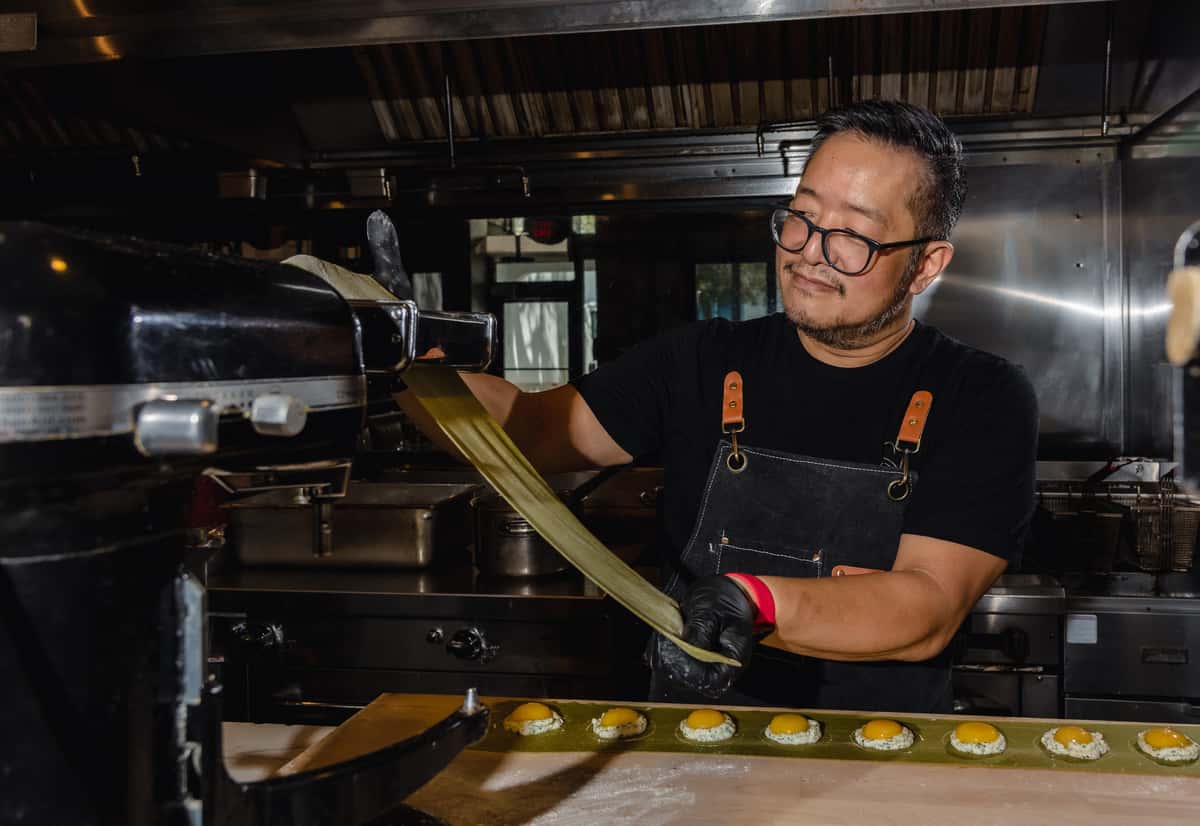
The types of culinary training that influence new versus old chefs range from formal institutional programs to apprenticeship-based mentorship models. New chefs frequently graduate from accelerated culinary academies emphasizing plating aesthetics, plant-forward cooking, and global fusion. Old chefs more commonly trained through traditional brigade systems, learning foundational skills over years under a single mentor.
According to LOUDwomen, women represent less than 20% of chefs in the culinary industry, reflecting a significant gender gap that affects training pipelines regardless of generational category. Miami's dining scene, rated 6.94 out of 10 in 2025, benefits from both training paths converging around the city's Latin culinary heritage and international influence.
Understanding these training distinctions helps explain the menu philosophies that emerge when chef transitions occur at Miami restaurants.
How Have Miami Restaurant Menus Evolved With Chef Changes Over Time?
Miami restaurant menus have evolved through rapid chef turnover, shifting demographics, and economic pressures that force constant reinvention. The following sections explore common trends during chef transitions and how signature dishes adapt to new leadership.
What Are Common Trends When a New Chef Takes Over a Menu?
Common trends when a new chef takes over a menu include overhauling sourcing relationships, introducing personal culinary philosophies, and streamlining offerings for profitability. With executive chefs typically staying in positions for only 2 to 3 years, according to The League of Extraordinary Chefs, Miami restaurants experience frequent creative resets.
New chefs under 35 represent 70% of Miami's local chef workforce, bringing modern techniques and global influences. Chef Michael Beltran captures this generational shift well: "Let's stop caring about what people think we should be doing, let's just do whatever we want to do." This independence-driven approach often results in menus that prioritize personal vision over inherited tradition.
How Do Signature Dishes Change With Chef Transitions in Miami?
Signature dishes change with chef transitions in Miami through reinterpretation rather than elimination, particularly for iconic regional items. Stone crab and Key lime pie remain fixtures across the city's dining landscape because of their deep cultural ties and seasonal economic value in Florida fisheries.
When a new chef arrives, these legacy dishes typically receive technical updates while preserving recognizable flavors. The real evolution happens in supporting menu items, where incoming chefs express individuality. With profit margins shrinking from a historical 15% to approximately 5-10% as of early 2026, according to CoStar Group, chefs must balance creative ambition against tighter financial realities. Higher-volume restaurants that maintain iconic dishes while innovating around them have reported lower food-cost ratios, suggesting signature items serve as both cultural anchors and financial stabilizers.
Understanding how menus shift with chef changes reveals why ingredient sourcing becomes each chef's most personal decision.
What Role Do Ingredients and Sourcing Play in Chef-Led Menu Changes?
Ingredients and sourcing drive chef-led menu changes by revealing a chef's culinary values and regional identity. The following subsections explore how sourcing reflects philosophy and which local ingredients define Miami menus.
How Does Ingredient Sourcing Reflect Chef Philosophy in Miami?
Ingredient sourcing reflects chef philosophy in Miami by signaling whether a chef prioritizes global technique, local community, or seasonal creativity. A chef who builds relationships with nearby farms demonstrates commitment to freshness and place-based cooking, while one importing specialty items signals a globally influenced approach.
According to a 2026 Consumer Edge report, local sourcing is a top trend, with restaurants deepening community ties by featuring ingredients from nearby farms and producers. This shift means newer chefs increasingly define their identity through supplier partnerships rather than technique alone. For Miami's competitive dining landscape, sourcing decisions communicate values before a single dish reaches the table.

Are There Notable Local Ingredients Unique to Miami Menus?
There are notable local ingredients unique to Miami menus, such as stone crab, tropical fruits like mamey and guava, and Key lime. Stone crab remains iconic for its seasonal availability and high economic value in Florida fisheries. These ingredients give Miami chefs a regional vocabulary that distinguishes local menus from dining scenes elsewhere.
- Stone crab offers seasonal exclusivity from October through May.
- Key lime provides the tart foundation for one of Miami's most recognized desserts.
- Tropical fruits like mamey, guava, and passion fruit add flavor profiles unavailable in northern markets.
- Caribbean and Latin American staples, including plantains and yuca, reflect the city's cultural demographics.
For chefs navigating menu transitions, leaning into these ingredients signals authenticity and roots a new menu in Miami's culinary identity. Stubborn Seed exemplifies this Miami-rooted approach by centering its tasting menus around seasonal ingredients that reflect South Florida's unique culinary landscape. With sourcing strategies established, diner perception ultimately determines whether these ingredient choices resonate.
How Do Diners Perceive the Differences Between New and Old Chef Menus?
Diners perceive differences between new and old chef menus through flavor expectations, dish familiarity, and the chef's public profile. The following sections explore local feedback on menu shifts and the weight of chef reputation in Miami's dining community.
What Feedback Do Miami Locals Give About Menu Shifts?
Miami locals give feedback about menu shifts primarily through their loyalty to iconic regional dishes and willingness to embrace new interpretations. When a chef transition removes familiar items like stone crab preparations or Key lime pie variations, regulars often voice displeasure through reviews and reduced visit frequency. Conversely, locals reward creativity when new chefs honor Miami's culinary identity while introducing fresh techniques. Research from Cornell University confirms that customers' return intentions are a more accurate indicator of long-term financial performance than simple guest satisfaction scores, suggesting that sustained patronage matters more than initial reactions to menu changes.
How Important Is Chef Reputation to the Miami Dining Community?
Chef reputation is critically important to the Miami dining community because it drives both local loyalty and tourist traffic. According to the Greater Miami Convention and Visitors Bureau, summer attracts significant numbers of day-trippers specifically for dining, many drawn by recognized chef names. Miami's dining scene earned a 6.94/10 rating in 2025, reflecting sophisticated expectations shaped by Latin culinary heritage and international influence. A chef's accolades, media presence, and consistency directly affect whether diners choose one restaurant over another. For most Miami guests, reputation functions as a trust signal; it shortens the decision-making process and sets baseline expectations before a single dish arrives.
Understanding how diners weigh these factors helps explain why chef transitions reshape a restaurant's trajectory so significantly. 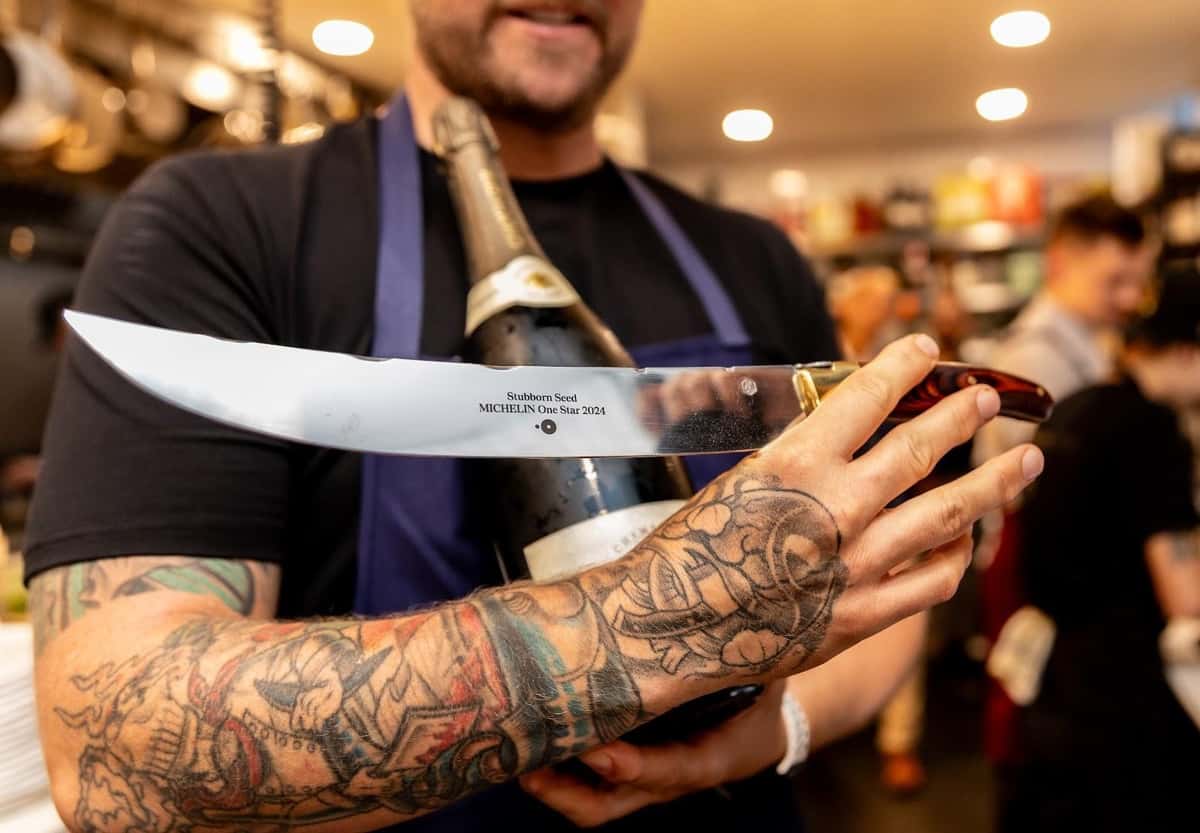
What Challenges Do Chefs Face When Redesigning a Miami Restaurant Menu?
Chefs face challenges including regulatory compliance, sourcing constraints, operational costs, and community expectations when redesigning a Miami restaurant menu. The following sections explore how regulations limit creativity and how operational realities shape menu updates.
How Do Regulatory or Sourcing Constraints Impact Chef Creativity?
Regulatory and sourcing constraints impact chef creativity by imposing mandatory compliance requirements and limiting ingredient availability. Florida's "Operations Charge" law, effective July 1, 2026, requires food service establishments to expand fee disclosures on menus and bills, according to Fisher Phillips. Every employee who prepares or serves food must also obtain a Food Handler's license within 30 days of hiring, adding staffing complexity during menu transitions.
Seasonal ingredients like stone crab further restrict creative flexibility, since their limited harvest windows prevent year-round menu inclusion. For chefs aiming to innovate, these constraints demand advance planning that balances culinary ambition with legal and supply-chain realities.
What Operational Factors Affect How Chefs Update Menus in Miami?
Operational factors that affect how chefs update menus in Miami include labor costs, profit margin compression, and the city's intense culinary competition. In 2024, restaurant labor costs reached 36.5% of total costs, squeezing already-tight budgets. Miami restaurant profit margins have simultaneously decreased from a historical 15% to approximately 5-10% as of early 2026, driven by increased competition and rising expenses.
Beyond finances, Miami ranked third worldwide for culinary diversity in a 2024 study, meaning chefs must differentiate within an extraordinarily competitive landscape. Restaurants like Stubborn Seed have navigated this competition by maintaining consistent culinary leadership—Chef Jeremy Ford has led the restaurant since opening, an unusual tenure in an industry where executive chefs typically stay only two to three years. As food critic Carlos Frías notes, restaurants shape neighborhood identity and social connection, so menu redesigns carry cultural weight that extends well beyond the plate.
How Does Stubborn Seed Illustrate the New Vs. Old Chef Menu Evolution in Miami?
Stubborn Seed illustrates the new vs. old chef menu evolution in Miami by combining modern American techniques with seasonal creativity under consistent leadership. The following sections cover its tasting menu structure and key takeaways from this article's chef comparison analysis.
What Multi-Course Tasting Menus Does Stubborn Seed Offer for Miami Diners?
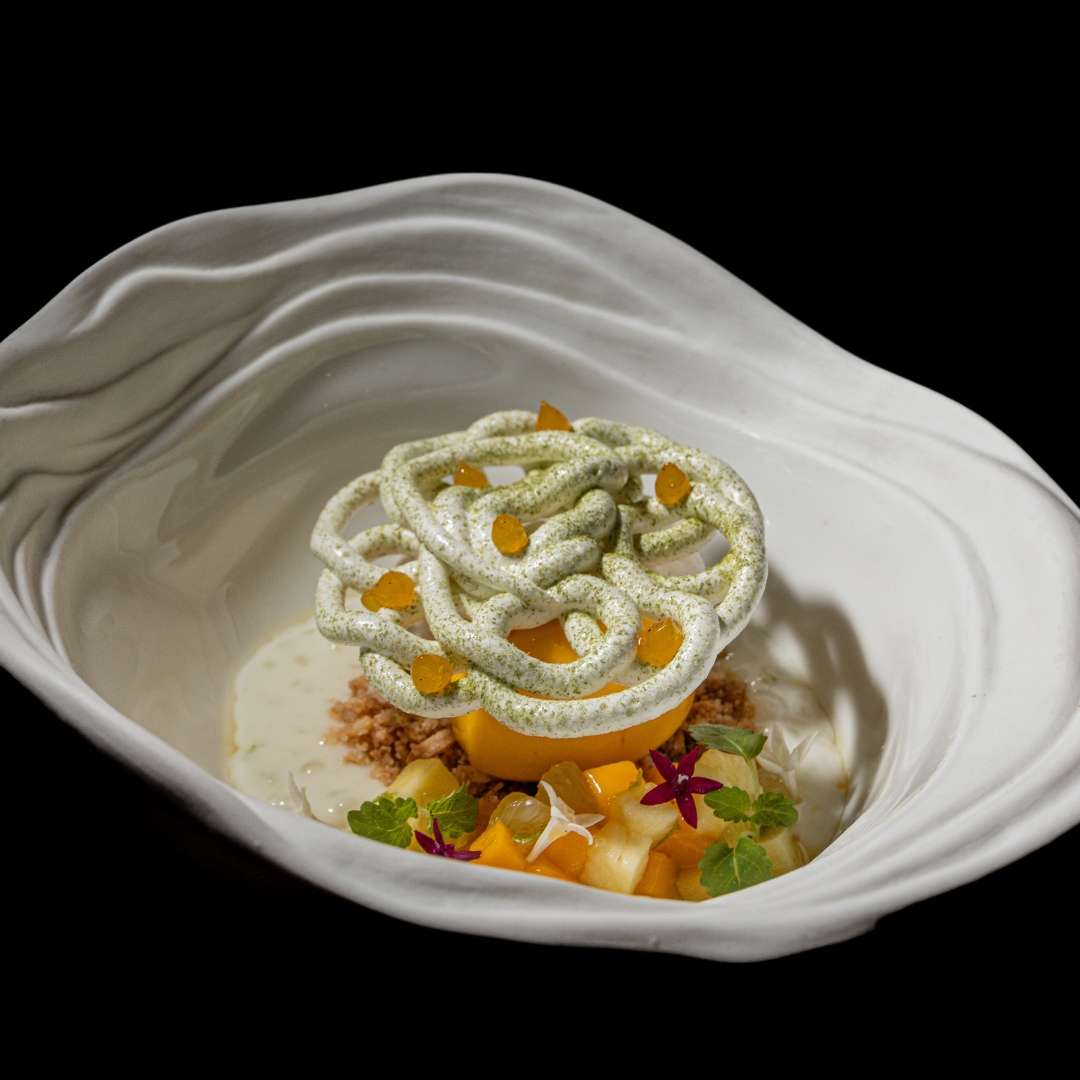
Stubborn Seed offers a 6-course tasting menu and a 9-course tasting menu for Miami diners. Chef Jeremy Ford, winner of Top Chef Season 13, leads both experiences with a focus on seasonal ingredients and modern American techniques. According to the Michelin Guide, Stubborn Seed earned a one-star rating in 2022, 2023, and 2024 under Ford's leadership.
This sustained recognition reflects the "new chef" approach: inventive, technique-driven menus that evolve seasonally rather than relying on static signature dishes. Ford's consistency at one restaurant defies the industry norm where executive chefs typically stay only two to three years, demonstrating how culinary vision and stability can coexist in Miami's competitive dining landscape.
What Are the Key Takeaways About Miami Menus: New vs. Old Chef Comparisons We Covered?
The key takeaways about Miami menus comparing new and old chef influences are:
- New chefs prioritize seasonal rotation, modern techniques, and multi-course tasting formats over fixed signature dishes.
- Old chefs contribute foundational culinary traditions that newer chefs reinterpret through contemporary methods.
- Chef turnover drives menu evolution, with most executive chefs staying two to three years at a single restaurant.
- Data-driven operations and ingredient sourcing decisions now shape menu strategy alongside creative vision.
- Sustained recognition, like Stubborn Seed's consecutive Michelin stars, signals that balancing innovation with consistency resonates with Miami diners.
For diners seeking a firsthand example of this evolution, Stubborn Seed's tasting menus showcase how a new-generation chef bridges technical ambition with Miami's diverse culinary identity.