
Miami Michelin: Must-Try Dishes & Best to Order
Miami Michelin: Must-Try Dishes & Best to Order
Miami's must-try Michelin-recommended dishes are signature plates at the city's 14 starred restaurants that showcase exceptional ingredients, technical mastery, and the chef's creative personality. These dishes range from theatrical tasting menu courses to standout à la carte items that define each restaurant's identity.
This guide covers Miami's evolution as a Michelin dining destination, what makes specific dishes worth ordering, signature plates at top starred restaurants, strategic ordering approaches, beverage pairings, and how Stubborn Seed fits within this landscape.
Miami earned its first Michelin stars in June 2022, when inspectors awarded recognition to 11 city restaurants. The scene has since grown to 14 starred establishments, fueled by a culinary metamorphosis blending Caribbean, Latin, and international influences into something distinctly its own.
Michelin inspectors evaluate dishes on five criteria: ingredient quality, flavor harmony, technique mastery, the chef's personality, and consistency over time. Restaurants earning recognition demonstrate excellence across all five, not just one standout plate.
Signature dishes at Miami's starred restaurants span a wide price and style range. L'Atelier de Joël Robuchon offers a seven-course tasting menu at $255 featuring foie gras royale, while Cote Miami's Butcher's Feast delivers USDA Prime and Wagyu beef at $78 per person. Ariete's tableside pressed duck sells out nightly, and Elcielo's chocotherapy course turns dinner into performance.
Choosing between tasting menus and à la carte depends on your goals. Tasting menus reveal a chef's full creative range; à la carte lets you target specific dishes. Reservations typically open 30 to 60 days out on Resy and OpenTable. Stubborn Seed accepts reservations through its website, offering both 6-course and 9-course tasting menu formats for guests seeking a structured culinary journey through Chef Jeremy Ford's Asian-influenced cuisine.
Beverage programs generate 30% to 40% of revenue at Miami's fine dining restaurants, and sommeliers curate pairings designed to elevate each course. Miami's on-trade wine sector drives 75% of luxury wine sales in the city's high-energy venues.
Stubborn Seed has held its one-Michelin-star rating for three consecutive years (2022, 2023, and 2024). Chef Jeremy Ford sources ingredients from his own organic farm in Homestead, Florida's Redland area, and draws on Asian flavor profiles particularly Indian and Thai influences to create dishes built around exploration and precision.
Why Is Miami a Destination for Michelin-Recommended Dining Experiences?
Miami is a destination for Michelin-recommended dining experiences because its multicultural culinary identity, international chef talent, and rapid fine-dining growth earned official Michelin Guide recognition in 2022. The following sections explore how the scene evolved and which culinary styles dominate.
How Did Miami's Food Scene Evolve to Attract Michelin Recognition?
Miami's food scene evolved to attract Michelin recognition through decades of cultural fusion that culminated in a formal Michelin debut. The inaugural Michelin Guide Miami, Orlando and Tampa launched on June 9, 2022, awarding stars to 11 Miami restaurants in that first selection. This recognition validated a culinary metamorphosis decades in the making, where Caribbean, Latin American, and international influences forged a dining identity distinct from any other American city. By 2024, the city's total had grown to 14 starred establishments. What began as a beach-tourism dining market has matured into one of the country's most competitive fine-dining corridors, attracting chefs who see Miami as a place where bold, boundary-crossing cuisine finds an enthusiastic audience.
What Culinary Styles Are Most Prominent in Miami's Michelin-Starred Restaurants?
The culinary styles most prominent in Miami's Michelin-starred restaurants span Japanese omakase, French fine dining, Colombian modernist cuisine, Korean steakhouse concepts, and Italian-inflected American cooking. According to Chowhound's 2024 coverage of Michelin-starred restaurants in Miami, establishments like Elcielo bring theatrical Colombian tasting experiences, while concepts such as Ogawa and Hiden deliver high-end Japanese omakase. French traditions anchor restaurants at the luxury tier, and Latin American flavors thread through menus at nearly every price point. This diversity reflects the city's position as a gateway between North America, Latin America, and Europe. For diners, it means a single weekend in Miami can offer culinary journeys across multiple continents without repetition.
With Miami's global culinary identity established, understanding what makes specific dishes worthy of a dedicated visit adds practical depth to the experience.
What Defines a Dish as a "Must-Try" at Michelin-Recognized Restaurants in Miami?
A dish earns "must-try" status through exceptional ingredients, masterful technique, and the chef's distinct creative voice. The following sections explore how these elements combine and what criteria inspectors apply.
How Are Ingredients and Techniques Selected for Standout Miami Michelin Dishes?
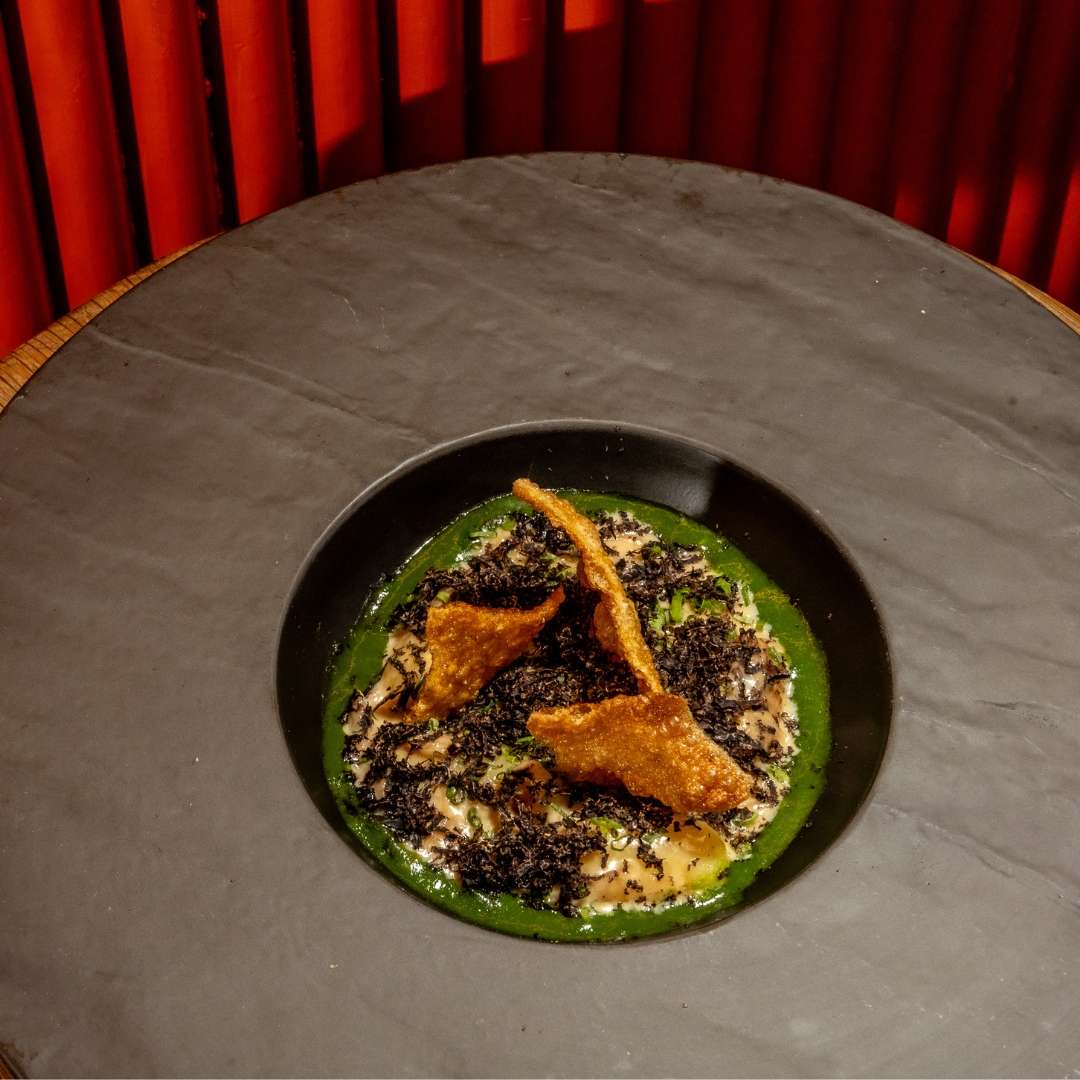
Ingredients and techniques for standout Miami Michelin dishes are selected based on sourcing quality, technical precision, and a chef's ability to express a personal culinary identity through the plate. According to the Michelin Guide, inspectors evaluate five universal criteria: the quality of ingredients, the harmony of flavors, the mastery of techniques, the personality of the chef as expressed through their cuisine, and consistency across the entire menu and over time.
These standards have driven Miami's rapid growth since the inaugural guide debuted in June 2022. By 2024, three new restaurants earned stars, bringing the city's total to 14 starred establishments. This expansion reflects kitchens that prioritize ingredient integrity, whether through farm-direct sourcing or importing specialty products, paired with techniques refined through repetition and creative experimentation.
What Criteria Do Food Critics and Michelin Inspectors Use to Recommend Dishes?
The criteria food critics and Michelin inspectors use to recommend dishes center on flavor balance, technical execution, ingredient sourcing, and the dining experience as a whole. Inspectors assess whether each dish demonstrates consistency visit after visit, not just a single exceptional plate. Critics also weigh presentation, originality, and how well a dish represents the restaurant's overall vision.
Beyond the plate itself, broader considerations shape recommendations. Critics of the initial Florida Michelin selection noted that only two of the first 15 starred restaurants included female chefs, and none were led by Black chefs. This highlights how critical discourse extends past flavor into representation, accessibility, and the evolving standards that define culinary excellence in a diverse city like Miami.
With these defining criteria established, the next step is identifying which specific signature dishes consistently meet them.
Which Signature Dishes Are Most Popular at Miami's Top Michelin-Listed Restaurants?
The most popular signature dishes at Miami's top Michelin-listed restaurants span theatrical tasting menus, tableside presentations, and locally inspired plates. Most Miami restaurants add a mandatory 18% to 20% service charge to the bill, separate from additional gratuity.
What Are the Most Talked-About Tasting Menu Items in Miami?
The most talked-about tasting menu items in Miami range from multi-course French experiences to interactive Colombian presentations and Korean barbecue feasts. According to The Infatuation, L'Atelier de Joël Robuchon Miami, located in the Miami Design District and the city's only two-star restaurant, offers an 'Evolution' seven-course tasting menu priced at $255 as of February 2025, featuring Foie Gras Royale with parmesan foam and Norwegian king crab with horseradish crème fraîche.
Cote Miami's "Butcher's Feast" remains its most popular order at $78 per person, including four cuts of USDA Prime and American Wagyu beef, an egg soufflé, two stews, and kimchi. Elcielo Miami takes a theatrical approach with its "Experience" menu, which includes a "chocotherapy" course where melted chocolate is poured over guests' hands. These experiences reflect why Miami was ranked the most expensive dining city in the United States in 2025, with an average restaurant meal cost of $69.46.
Which Dishes Showcase Local Miami Flavors at Michelin-Awarded Spots?
The dishes that showcase local Miami flavors at Michelin-awarded spots draw on the city's Caribbean, Latin American, and coastal identity. Chefs at starred restaurants incorporate regional ingredients like Key West grouper, tropical fruits, and Latin-inspired preparations into refined tasting formats.
According to ARENI Global, wine sales in Miami's luxury market are heavily driven by the on-trade sector, representing approximately 75% of total wine sales in the city's "high energy" venues, which means beverage programs at these restaurants often complement locally inspired plates with curated pairings. Stubborn Seed's beverage program follows this model, offering curated pairings designed to complement Chef Ford's farm-sourced, Asian-influenced tasting menus.
For diners seeking dishes that reflect Miami's cultural diversity through a fine-dining lens, the city's Michelin scene delivers an experience unlike any other American dining destination.
What Is the Best Way to Order at Miami's Michelin-Recommended Restaurants?
The best way to order at Miami's Michelin-recommended restaurants depends on your goals: tasting menus showcase a chef's full vision, while à la carte suits selective diners. Below, we cover menu format choices and dietary accommodation strategies.
Should You Opt for Tasting Menus or À La Carte at Fine Dining Spots?
You should opt for tasting menus when you want the chef's complete creative expression, and à la carte when you prefer control over individual courses. Tasting menus reveal how a kitchen sequences flavors, textures, and techniques across multiple plates. As Chef Jeremy Ford told Fine Dining Lovers, the fine dining experience is "not only for a meal, but to experience flavors, laughter, and exploration," with attention, service, and passion woven throughout.
À la carte ordering works well for shorter visits or when wine selections matter most, since fine dining wine markups in markets like Miami routinely reach 300% to 400% over wholesale. Pairing a focused entrée with a sommelier-recommended glass often delivers better value than committing to a full beverage pairing alongside the tasting format.
Book reservations 30 to 60 days ahead on Resy or OpenTable, and plan for smart casual to business casual attire.
How Can Dietary Preferences and Allergies Be Accommodated?
Dietary preferences and allergies can be accommodated at Miami's Michelin-recommended restaurants by communicating restrictions when booking. Most starred kitchens build tasting menu alternatives for common allergies, vegetarian needs, and religious dietary laws. Noting requirements at reservation time gives the kitchen adequate preparation to source substitute ingredients and adjust course compositions without compromising the overall dining narrative.
For guests with severe allergies, calling the restaurant directly rather than relying on online reservation notes ensures the information reaches the chef. Kitchens at this level train staff to confirm restrictions tableside before service begins.
With ordering strategies clarified, understanding beverage pairings adds another dimension to the experience.
How Do Food and Beverage Pairings Enhance Michelin Dining in Miami?
Food and beverage pairings enhance Michelin dining in Miami by transforming individual courses into cohesive sensory narratives that reflect the city's international culinary identity. The following sections explore ideal wine and cocktail matches for signature dishes and how restaurants curate these pairings.
What Wines or Cocktails Best Complement the Must-Try Dishes?
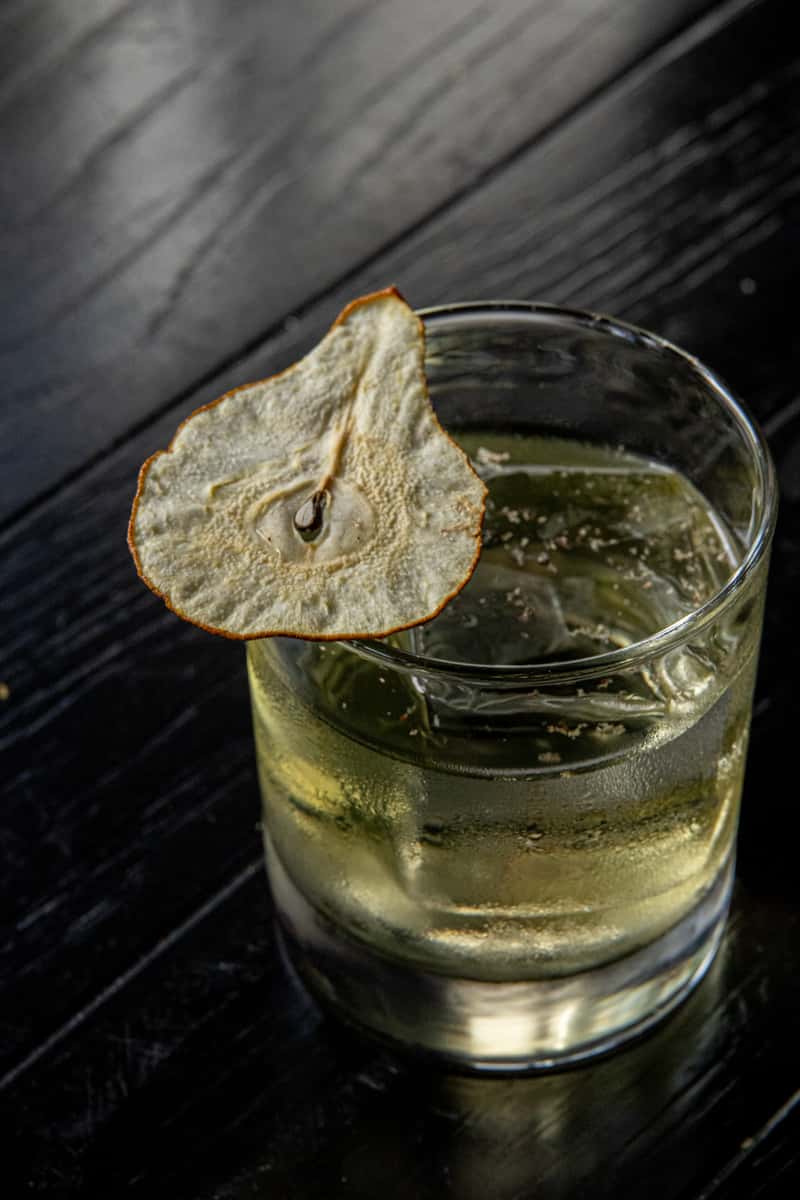
The wines or cocktails that best complement must-try dishes depend on the culinary style of each restaurant. Miami's fusion of Caribbean, Latin, and Asian flavors calls for versatile pairings: crisp albariños or dry rosés with seafood-forward plates, aged rum cocktails alongside rich Latin preparations, and aromatic Rieslings or sake with Asian-inflected tasting menus. Tropical cocktails built on fresh citrus and herbs mirror the Florida palate, while full-bodied reds suit wagyu or duck courses. Gwendal Poullennec noted at the 2022 Michelin debut that Miami has "very much to offer to international food and wine enthusiasts," underscoring how the city's diversity demands equally varied beverage programs.
How Do Miami Restaurants Curate Pairings for an Elevated Experience?
Miami restaurants curate pairings for an elevated experience by employing dedicated sommeliers and bar directors who design beverage progressions alongside each course. Fine dining restaurants in major markets like Miami typically generate 30% to 40% of total revenue from beverage sales, which carry higher profit margins than food. This economic reality incentivizes investment in thoughtful pairing programs rather than generic wine lists. Many starred establishments offer optional pairing flights with tasting menus, allowing guests to experience wines and cocktails selected to complement specific flavor profiles, textures, and cooking techniques. The result is a unified dining arc where each sip amplifies the dish it accompanies.
With pairings setting the stage for a complete sensory journey, Stubborn Seed builds on this philosophy through its own curated beverage program.
How Does Stubborn Seed Elevate the Miami Michelin Dining Experience?
Stubborn Seed elevates the Miami Michelin dining experience through Chef Jeremy Ford's Asian-influenced tasting menus, farm-sourced ingredients, and consistent one-star excellence. Below, its standout dishes and group dining options are explored.
What Makes Stubborn Seed's Tasting Menu and Signature Dishes Stand Out?
Stubborn Seed's tasting menu and signature dishes stand out through Chef Jeremy Ford's fusion of classical technique with bold Asian flavors, sourced from his own organic farm in Homestead, Florida's Redland area. Ford's culinary philosophy draws heavily from Indian and Thai flavor profiles, creating dishes that feel both refined and unexpected on a Michelin-starred plate.
The restaurant offers a 6-course and a 9-course tasting menu, each structured to guide diners through a progression of textures and global influences. According to Bravo TV, Stubborn Seed has retained its one-Michelin-star rating for three consecutive years (2022, 2023, and 2024) and was named one of America's 10 Best New Restaurants by Robb Report in 2018. That kind of sustained recognition signals consistency, which is arguably the hardest quality for any restaurant to maintain.
How Does Stubborn Seed Cater to Groups, Special Occasions, or Culinary Adventurers?
Stubborn Seed caters to groups, special occasions, and culinary adventurers by offering an immersive tasting menu format that transforms dinner into a shared exploration. The multi-course structure encourages conversation around each plate, making it ideal for celebrations, milestone dinners, and food-focused gatherings.
Reservations are available through the Stubborn Seed website, and the dining room accommodates parties looking for a cohesive culinary journey rather than a standard à la carte experience. For adventurous diners, the 9-course menu provides the fullest expression of Ford's creativity. In a city where Ogawa's omakase reaches $395 per person, Stubborn Seed delivers Michelin-level precision with accessibility that makes it a compelling choice for both newcomers and seasoned fine-dining enthusiasts.
With Stubborn Seed's approach established, the broader Grove Bay Hospitality portfolio offers additional ways to explore Miami's dining landscape.
How Can Grove Bay Hospitality Group's Restaurants Enhance Your Michelin-Inspired Miami Dining Journey?
Grove Bay Hospitality Group's restaurants enhance your Michelin-inspired Miami dining journey by offering star-level cuisine rooted in creativity, farm-sourced ingredients, and immersive experiences. Below, Stubborn Seed's unique approach and key takeaways for ordering are explored.
What Unique Culinary Experiences Does Stubborn Seed Offer for Discerning Diners?
Stubborn Seed offers discerning diners a one-Michelin-star tasting menu experience that blends Asian-inspired flavors with hyper-local ingredients sourced from Chef Jeremy Ford's own organic farm in Homestead, Florida. The restaurant provides both a 6-course and a 9-course tasting menu, each built around seasonal availability and Ford's philosophy of culinary exploration.
A chef's window visible from the dining room allows guests to observe the kitchen's precision in real time, though it is not a one-on-one chef counter experience. For those seeking more than a meal, the experience delivers attention, service, and creative storytelling through every course.
What Are the Key Takeaways for Miami Michelin: Must-Try Dishes & Best to Order?
The key takeaways for Miami Michelin dining are:
- Prioritize tasting menus at starred restaurants to experience the chef's full creative vision across multiple courses.
- Book reservations 30 to 60 days in advance on platforms like Resy or OpenTable, since high-demand spots fill quickly.
- Visit Miami between December and April for peak dining season, when culinary events align with the strongest restaurant programming.
- Communicate dietary needs early; Michelin-level kitchens accommodate restrictions when given advance notice.
- Pair courses with curated beverage selections, as wine and cocktail programs at starred restaurants are designed to elevate each dish.
Stubborn Seed represents one of the strongest entry points into Miami's Michelin landscape, combining consistency, farm-driven creativity, and genuine hospitality into a single evening.