
Miami Michelin Sommelier Wine Picks & Pairings
Miami Michelin Sommelier Wine Picks & Pairings
Miami Michelin sommelier wine picks and pairings are curated selections where trained wine professionals match specific bottles to each course at the city's starred restaurants. Since the Michelin Guide's 2022 Florida debut, the 2025 selection includes 16 Michelin Stars across Miami establishments, making the city a serious destination for wine-driven dining.
This guide covers sommelier selection philosophy, pairing principles and common mistakes, what to expect from a Michelin-level wine experience, how to communicate your preferences effectively, and the role Miami's climate and culture play in shaping wine programs.
Sommeliers at starred restaurants act as sensory specialists and business strategists, curating lists evaluated on agronomy quality, technical mastery, identity, balance, and consistency. Beverage programs often generate 80% or more of a restaurant's gross profit, making the wine list a core revenue engine.
Successful pairings rely on matching weight between plate and glass, ensuring the wine carries more acidity than the dish, and aligning intensity so bold wines meet rich preparations while lighter pours complement delicate courses. Seasonal menus shift these dynamics as ingredient profiles change throughout the year.
The full Michelin pairing experience includes course-by-course sommelier narration, precise service temperatures, and costs ranging from $145 for non-alcoholic options to $225 for signature pairings. Guests benefit most by sharing flavor preferences, dislikes, and budget openly rather than relying on technical vocabulary.
Miami's subtropical climate requires strict cellar management at 55°F and 60–70% humidity, while the city's Latin American demographics drive demand for Argentine Malbec, Chilean Carmenère, and emerging Portuguese producers alongside crisp, warm-weather whites.
How Do Sommeliers at Miami's Michelin-Starred Restaurants Select Wines?
Sommeliers at Miami's Michelin-starred restaurants select wines by balancing sensory expertise, guest preferences, and business strategy. The criteria they use and how they blend local and international bottles shape every list.
What Criteria Do Sommeliers Use to Curate Their Wine Lists?
The criteria sommeliers use to curate their wine lists include sensory quality, list accuracy, market trends, and revenue optimization. Sommeliers at Michelin-starred restaurants act as sensory specialists, storytellers, and business strategists. The Michelin Guide reinforces this standard through its MICHELIN Grape distinction, which evaluates wine estates on Quality of Agronomy, Technical Mastery, Identity, Balance, and Consistency.
According to the Court of Master Sommeliers, Michelin wine lists must be clean, correct, and easy to read, with vintages clearly listed, wines stored neatly, and glassware kept pristine. Consumer trends also drive curation; the global natural wine market reached $2.8 billion in 2025, with Millennials and Generation Z accounting for 58% of purchasers. Los Félix in Coconut Grove reflects this shift through its strict natural and low-intervention wine focus.
The financial stakes are significant. Beverage programs often generate 80% or more of a restaurant's gross profit, and fine dining wine markups average 200–300% over retail. For most Michelin-level programs, the wine list is not a supporting document; it is a core revenue engine that deserves the same creative attention as the food menu.
How Do Local and International Wines Feature on Miami's Menus?
Local and international wines feature on Miami's menus through curated programs that rotate selections while maintaining a consistent pairing philosophy. Vintage details change frequently, but the guiding approach stays fixed. At several starred restaurants, wine programs pair globally sourced bottles with cuisine rooted in Miami's multicultural identity.
This blend of rotating international selections with locally inspired dining concepts keeps Miami's wine scenes dynamic and closely tied to the city's evolving culinary character. Understanding these selection philosophies sets the stage for how specific dishes pair with sommelier-chosen wines.
Which Dishes Pair Best With Sommelier-Selected Wines in Miami?
The dishes that pair best with sommelier-selected wines in Miami depend on core principles: matching weight, balancing acidity, and aligning intensity between plate and glass. Each establishment's wine philosophy shapes its pairings differently.
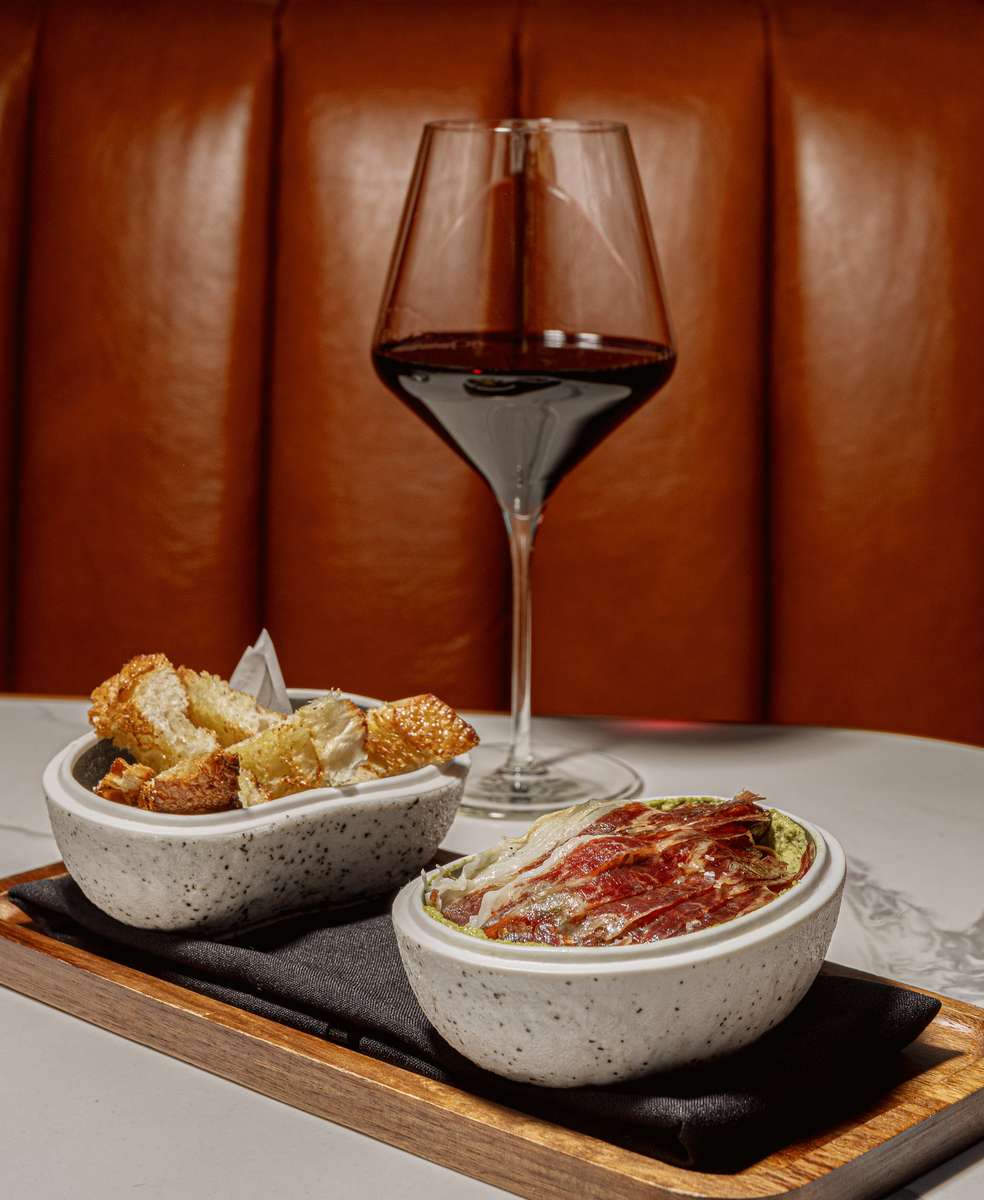
How Do Wine Pairings Enhance the Tasting Experience at Upscale Restaurants?
Wine pairings enhance the tasting experience at upscale restaurants by creating deliberate harmony between each course and its accompanying glass. Sommeliers apply foundational rules to achieve this. The wine should carry more acidity than the dish; otherwise, it tastes muted. The wine should also be sweeter than the food to preserve its flavor profile.
Common mistakes that undermine pairings include:
- Matching similar aromas together, which can make the wine taste sour.
- Defaulting to white wine with fish while overlooking lighter reds like Pinot Noir.
- Ignoring tannic structure, since high-tannin reds need fat to soften.
- Mismatching intensity by pairing bold wines with delicate dishes.
According to a 2025 ScienceDirect study on Michelin Guide restaurant wine lists, effective wine list design targets specific customer segments and directly drives sales performance. For diners, this means that a thoughtfully structured pairing menu does more than complement flavor; it elevates each course into a cohesive narrative.
What Role Do Seasonal Menus Play in Changing Pairings?
Seasonal menus play a central role in changing pairings because ingredient availability shifts the weight, acidity, and flavor profile of each dish. A summer ceviche with bright citrus calls for a crisp, high-acid white, while a winter braised short rib demands a fuller-bodied red with structured tannins. Miami sommeliers adapt their selections accordingly. At Macchialina, Jacqueline Pirolo, winner of the 2025 Michelin Guide Florida Sommelier Award, curates an exclusively Italian list using a "farmer-first" approach that naturally evolves with seasonal produce.
This ingredient-driven flexibility is what separates great pairing programs from static wine lists. Understanding how pairings shift with the seasons prepares diners for the full scope of a Michelin-level experience.
What Should You Expect From a Michelin-Level Wine and Food Pairing Experience?
A Michelin-level wine and food pairing experience delivers curated pours matched to each course, precise service temperatures, and sommelier narration throughout the meal. Below, we cover how guests are guided through the process and what distinguishes Michelin sommeliers in their approach.
How Are Guests Guided Through the Wine Pairing Process?
Guests are guided through the wine pairing process with a structured, course-by-course presentation led by a sommelier. Each pour arrives moments before its paired dish, and the sommelier explains why the wine complements the flavors, textures, and weight of that course.
Service precision is part of the experience. Sparkling wines are served at 40–45°F, full-bodied whites at 50–55°F, and full-bodied reds at 60–65°F, according to tropical climate wine service standards published by 14 Acres Vineyards. These temperature windows preserve aromatics and structural balance on the palate.
Costs reflect this level of detail. Fine dining pairing options typically range from $145 for non-alcoholic selections to $225 for signature chef pairings. For guests who appreciate being walked through each glass with context rather than simply receiving a wine list, the guided format transforms dinner into a sensory education.
What Sets Michelin Sommeliers Apart in Pairing Philosophy?
Michelin sommeliers are set apart by their role as sensory specialists, storytellers, and business strategists who balance guest experience with culinary precision. Rather than defaulting to safe, crowd-pleasing bottles, they select wines that actively elevate each dish through complementary or contrasting flavor dynamics.
Their philosophy extends to sourcing as well. Portuguese wines, increasingly recognized for balance, moderate alcohol, and food compatibility driven by Atlantic terroir, now appear alongside emerging origins on forward-thinking Michelin lists. This willingness to explore beyond established regions reflects a pairing philosophy rooted in flavor logic over prestige.
For most diners, the difference is felt immediately: a Michelin sommelier does not simply recommend a bottle. They architect a progression across courses, adjusting acidity, body, and intensity to create a narrative arc that mirrors the kitchen's intent.
Understanding what this level of service involves helps you communicate your preferences more effectively when dining out.
How Can You Choose the Right Wine Pairing for Your Meal in Miami?
You can choose the right wine pairing for your meal in Miami by avoiding common mistakes and communicating clearly with your sommelier. The following sections cover frequent pairing errors and how to express your preferences effectively.
What Are Common Mistakes to Avoid in Wine Pairings?
Common mistakes to avoid in wine pairings include mismatching intensity, ignoring wine structure, and defaulting to rigid rules. According to Taste of Home, one frequent error is assuming fish pairs only with white wine, when lighter reds like Pinot Noir complement many seafood dishes beautifully.
Other key mistakes to watch for:
- Pairing similar aromas together, which can make the wine taste sour rather than complementary.
- Ignoring tannic structure; high-tannin reds need fat-rich dishes to soften their astringency.
- Matching bold wines with delicate dishes, overwhelming the food's subtlety.
- Choosing wine that has less acidity than the dish, causing the wine to taste flat and muted.
For most diners, focusing on weight and intensity balance between the plate and the glass solves the majority of these issues before they arise. At establishments like Stubborn Seed in Miami, sommeliers guide guests through this balance with course-by-course wine selections that match the restaurant's tasting menu format.
How Can You Communicate Your Preferences to a Sommelier?
You can communicate your preferences to a sommelier by describing flavors you enjoy, stating your budget range, and mentioning any wines you have liked before. Sommeliers are trained to translate personal taste into precise recommendations, so even simple descriptions help. Miami restaurants with dedicated sommelier programs, including Stubborn Seed, build their wine service around guest communication, making honest conversation about preferences more valuable than technical wine knowledge.
Practical ways to guide the conversation:
- Share texture preferences: whether you enjoy crisp, smooth, or full-bodied wines.
- Mention flavors you dislike, such as overly oaky or very sweet profiles.
- Indicate your comfort level with adventurous selections versus familiar styles.
- Be upfront about your price range; a skilled sommelier will find excellent options at any level.
You do not need technical vocabulary to get a great recommendation. Honest, specific feedback gives any sommelier enough to work with, turning a wine list into a personalized experience.
With your pairing preferences clearly communicated, Miami's climate and culture add another layer to how sommeliers shape their selections.
How Do Miami's Climate and Culture Influence Sommelier Wine Picks?
Miami's climate and culture influence sommelier wine picks by shaping both storage demands and guest preferences. The subtropical environment requires precise cellar management, while the city's Latin American demographics drive demand for specific regions and varietals.
What Regional Trends Are Shaping Miami's Wine Selections?
The regional trends shaping Miami's wine selections center on South American imports and shifting consumer demographics. Chile and Argentina account for over 80% of South American wine production, according to data from the Australian Bureau of Agricultural and Resource Economics and Sciences. This production dominance feeds directly into Miami's import pipeline, given the city's strong cultural ties to Latin America.
South American wine consumers prioritize cost and affordability at 56%, followed by preference for specific regions or varieties at 30%. These buying patterns mirror Miami's own dining landscape, where guests frequently seek familiar South American labels alongside emerging Portuguese and Uruguayan producers. For sommeliers working in this market, balancing accessibility with discovery is the real skill.
Why Are Certain Varietals Especially Popular in South Florida?
Certain varietals are especially popular in South Florida because the region's demographics directly shape consumption patterns. According to Hispanics in Wine, Hispanic consumers could represent up to 40% of total wine consumption growth between 2013 and 2033.
This demographic influence makes Argentine Malbec, Chilean Carmenère, and Spanish Tempranillo reliable staples on South Florida wine lists. These varietals connect with cultural familiarity while offering the fruit-forward profiles that complement Miami's warm-weather dining. Lighter, crisp whites also perform well; guests naturally gravitate toward refreshing styles when temperatures stay above 80°F for much of the year.
Understanding these cultural and climatic forces helps explain why Miami's best wine programs look distinctly different from those in New York or San Francisco.
How Does Stubborn Seed Offer Elevated Wine Pairing Experiences in Miami?
Stubborn Seed offers elevated wine pairing experiences in Miami through sommelier-guided tasting menus that match carefully selected wines to each course. The following sections detail the pairing services available and summarize the key insights covered throughout this article.
What Sommelier-Guided Wine Pairing Services Does Stubborn Seed Provide?
Michelin-starred restaurants in Miami provide sommelier-guided wine pairing services alongside multi-course tasting menus. Each course receives a dedicated wine selection chosen to complement the dish's flavor profile, weight, and structural elements.
Professional wine programs at Michelin-level establishments balance acidity, tannins, and body against each preparation, ensuring no single pour overwhelms the plate. At top Miami restaurants, guests can discuss preferences directly with sommeliers before service begins, allowing personalized adjustments for taste, dietary considerations, or exploration of unfamiliar varietals. For anyone seeking a Michelin-recognized dining experience in Miami where wine is treated as an integral part of the meal rather than an afterthought, Stubborn Seed delivers that level of intentional pairing.
What Are the Key Takeaways About Miami Michelin Sommelier Wine Picks & Pairings We Covered?
The key takeaways about Miami Michelin sommelier wine picks and pairings are rooted in how the city's dining scene, climate, and culture converge around wine service. Since the Michelin Guide's Florida debut in 2022, the 2025 selection now includes 16 Michelin Stars across Miami establishments, according to the Greater Miami Convention & Visitors Bureau.
The most actionable insights from this article include:
- Successful pairings balance wine acidity, tannins, and body against the dish's weight and flavor intensity.
- Miami's subtropical climate demands precise storage at 55°F and 60-70% relative humidity to preserve wine integrity.
- Sommelier guidance transforms a meal by personalizing selections to individual palate preferences.
- Communicating your taste openly with a sommelier yields better results than defaulting to familiar bottles.
Stubborn Seed puts these principles into practice nightly, integrating sommelier expertise into every tasting menu experience in Miami.