
Michelin Miami Service Standards: A Comparison Guide
Michelin Miami Service Standards: A Comparison Guide
Michelin service standards in Miami represent a framework of hospitality principles that separate recognized fine dining establishments from the rest of the city's restaurant landscape. These standards encompass everything from anonymous inspector evaluations to individual staff recognition, creating measurable benchmarks for guest experience.
We cover Michelin's core evaluation criteria, how Miami's recognized restaurants apply these standards in practice, Stubborn Seed's distinctive service philosophy, common misconceptions about Michelin-level dining, and what genuine service excellence looks like from the guest's perspective.
Michelin's evaluation methodology extends beyond food quality alone. Stars assess ingredients, technique, and consistency on the plate, while separate systems like the Fork and Spoon comfort rating and the Service Award evaluate atmosphere and hospitality independently.
Miami's Michelin-recognized dining scene has expanded rapidly, with new starred restaurants joining the guide each year alongside Green Star recipients focused on sustainability. Service interactions vary significantly across these establishments, from counter-style concepts to multi-course tasting experiences.
Stubborn Seed brings a specific philosophy to this landscape. Chef Jeremy Ford's approach centers on making every guest the top priority through care, passion, and attentive pacing across seasonal tasting menus. The restaurant maintains Michelin recognition while cultivating a service style diners consistently describe as excellent yet unpretentious.
Misconceptions persist about what Michelin-standard service actually requires. The distinction between technical service (efficiency, accuracy, timing) and true hospitality (emotional resonance, personalization) defines how we evaluate and compare these experiences across Miami's competitive dining scene.
What Are the Core Principles of Michelin Service Standards?
The core principles of Michelin service standards center on hospitality quality, staff professionalism, and consistent guest experience. Below, we examine how Michelin assesses these elements in its evaluations.
How Does Michelin Assess Hospitality and Guest Experience?
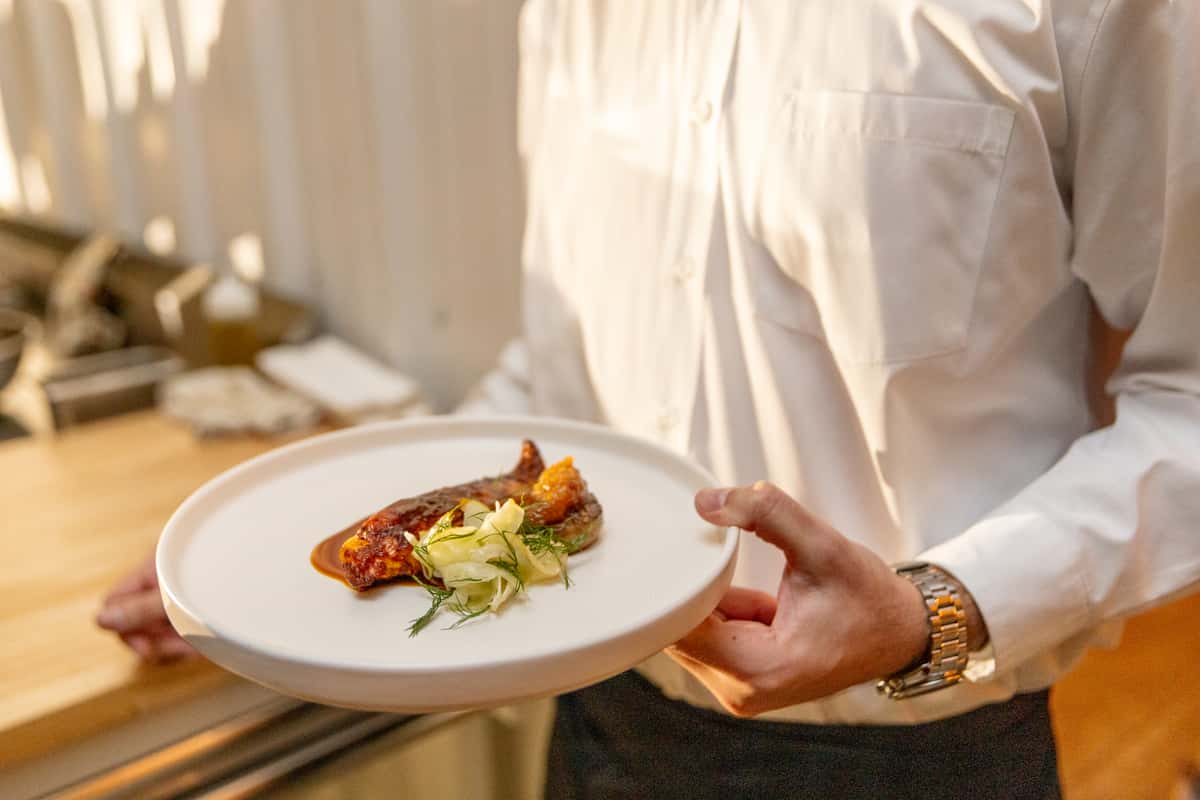
Michelin assesses hospitality and guest experience through anonymous inspections that evaluate comfort, attentiveness, and the emotional impact of service interactions. Inspectors focus on how welcomed and cared for each guest feels throughout the meal, not merely the efficiency of plate delivery.
One widely held misconception illustrates the rigor expected: many believe a single waiter in a Michelin-starred restaurant cannot serve more than five or six customers at a time, according to The Inn at Duck Creek. While not an official rule, this perception reflects the intense staff-to-guest ratio expectations associated with starred dining. For restaurants operating in competitive markets like Miami, this standard means every touchpoint, from greeting to farewell, must feel intentional and unhurried.
What Role Does Staff Professionalism Play in Michelin Evaluations?
Staff professionalism plays a central role in Michelin evaluations, influencing how inspectors perceive the overall quality and consistency of a dining experience. According to Afar, Michelin Guide inspectors for hotels evaluate properties based on criteria including "quality and regularity of service, comfort and maintenance" and "consistency between the quality of the experience and the price paid." These same principles extend to restaurant assessments.
Professionalism encompasses knowledge of the menu, composure under pressure, and the ability to anticipate guest needs without intrusion. Well-trained staff who demonstrate genuine expertise elevate a meal beyond its culinary merits, which is precisely what separates competent restaurants from those worthy of recognition.
With these foundational principles established, understanding how Miami restaurants apply them in practice reveals the real-world impact of Michelin-level service.
How Are Service Standards Applied Across Top Miami Restaurants?
Service standards across top Miami restaurants are applied through Michelin recognition programs, anonymous inspections, and Florida regulatory compliance. The following sections cover which restaurants hold Michelin recognition and how service interactions differ among starred establishments.
Which Miami Restaurants Have Michelin Recognition for Service?
Miami restaurants with Michelin recognition for service include a growing list of starred establishments and Green Star recipients. In 2024, Miami added three new one-Michelin starred restaurants: EntreNos (Contemporary), Ogawa (Japanese), and Shingo (Japanese), according to the 2024 Michelin Guide Florida ceremony.
Los Félix and Krüs Kitchen earned the Michelin Green Star in 2024 for their commitment to sustainable gastronomy. This recognition, introduced in 2020, highlights restaurants leading the industry in environmental responsibility.
Michelin recognition spans beyond formal dining. The guide awards stars to diverse establishments, including street food stalls like Jay Fai in Bangkok. Inspectors test restaurants in complete anonymity to ensure no special treatment influences evaluations. Florida's Division of Hotels and Restaurants further reinforces accountability through one to four unannounced inspections annually.
How Do Service Interactions Differ Among Michelin-Starred Establishments?
Service interactions differ among Michelin-starred establishments based on each restaurant's hospitality philosophy, cuisine style, and format. A contemporary tasting menu restaurant choreographs pacing around courses, while a Japanese omakase counter relies on direct chef-to-guest communication.
What remains consistent is the expectation of attentiveness under pressure. Michelin inspectors note that "being busy is no excuse for poor service" and often find the best service occurs when restaurants are at peak capacity. The Michelin Service Award specifically recognizes individuals with the dedication and personality to make all customers feel welcome regardless of volume.
For diners evaluating Miami's starred restaurants, the distinguishing factor is rarely technical execution alone; it is how naturally a team adapts its approach to make each guest feel prioritized without forced formality. Stubborn Seed on Miami Beach exemplifies this adaptive approach, where seasonal tasting menus are delivered with warmth and precision rather than rigid formality.
With Miami's Michelin landscape now established, understanding how individual restaurants translate these standards into distinct guest experiences reveals what separates recognition from excellence.
How Does Stubborn Seed's Service Compare to Other Michelin-Recognized Miami Restaurants?
Stubborn Seed's service compares to other Michelin-recognized Miami restaurants through its distinctive blend of warmth, precision, and unpretentious hospitality. The following sections detail specific service touchpoints and the philosophy driving authentic guest experiences.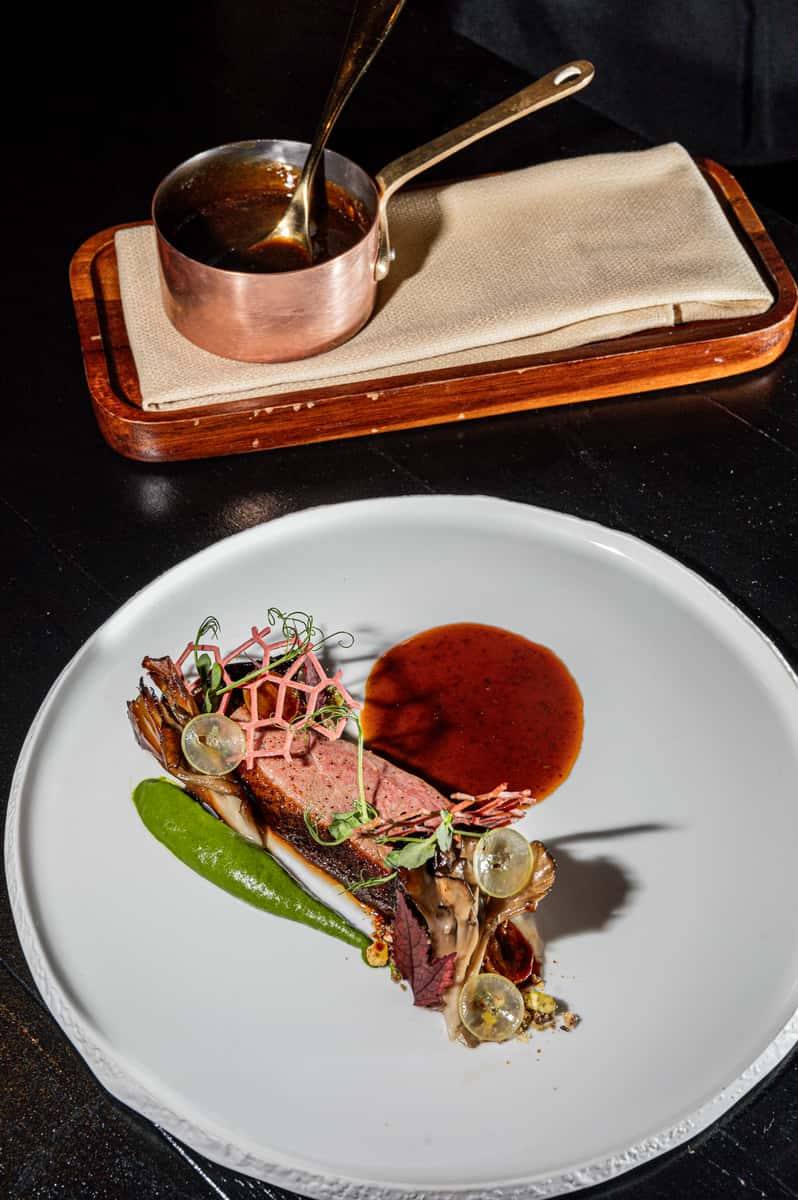
What Are the Signature Service Touchpoints at Stubborn Seed?
The signature service touchpoints at Stubborn Seed include personalized attention throughout the multi-course tasting experience, knowledgeable course narration, and a team approach where each staff member contributes to guest comfort. Diners consistently describe the service as "terrific" and "not overly pretentious," despite the restaurant's one-Michelin-star status. This balance between elevated professionalism and genuine warmth distinguishes Stubborn Seed from more formal Michelin-starred peers in Miami. The restaurant maintains Michelin recognition while creating a relaxed yet attentive atmosphere where guests feel cared for without feeling managed.
In What Ways Does Stubborn Seed Prioritize Authentic Guest Experience?
Stubborn Seed prioritizes authentic guest experience by centering every interaction on genuine hospitality rather than performative formality. According to a Q&A published by Fine Dining Lovers, Chef Jeremy Ford defines fine dining as an experience where "service, care, love, and passion" are prioritized, stating that "everyone's eagerness to make the guest their number one priority" creates an "unforgettable moment." This philosophy permeates every level of the team, from the kitchen visible through the chef's window to the dining room floor. For diners comparing Miami's Michelin-recognized options, this guest-first approach offers something increasingly rare: fine dining that feels personal rather than procedural.
With Stubborn Seed's approach established, understanding broader Michelin-level expectations helps diners navigate Miami's evolving dining landscape.
What Should Diners Expect from a Michelin-Level Service Experience in Miami?
Diners should expect a combination of technical precision and genuine warmth from a Michelin-level service experience in Miami. The following sections address common misconceptions and how to identify authentic standards.
What Are the Common Misconceptions About Michelin Service Standards?
The common misconceptions about Michelin service standards include the belief that starred restaurants require rigid formality, that one server can only handle five or six guests, and that comfort ratings equate to food quality. Michelin's "Fork and Spoon" symbols (rated 1 to 5) assess comfort and atmosphere separately from culinary stars, yet many diners conflate the two. Another widespread myth is that exceptional service means stiff, scripted interactions. Hospitality expert Will Guidara clarifies this distinction: "Service is black and white. Hospitality is color," emphasizing that true excellence lies in how guests feel, not merely in procedural efficiency. The best Michelin-recognized restaurants blend seamless logistics with emotional intelligence.
How Can Guests Identify Genuine Michelin-Standard Service?
Guests can identify genuine Michelin-standard service through several observable markers:
- Staff anticipates needs without being asked, such as adjusting pace between courses or accommodating dietary preferences proactively.
- Servers demonstrate deep knowledge of ingredients, preparation methods, and pairing recommendations.
- The experience feels personalized rather than formulaic, with attention adapted to each table's energy.
- Transitions between courses occur smoothly, without rushed or neglected timing.
Consistency is the clearest indicator. Michelin inspectors dine anonymously, meaning the standard applies to every guest on every visit. If service quality fluctuates based on perceived status, that inconsistency signals a gap between reputation and true Michelin caliber. For most diners, the simplest test is whether the team makes you feel genuinely welcomed rather than merely processed through a sequence. This balance between genuine hospitality and technical excellence is what Chef Jeremy Ford has cultivated at Stubborn Seed, where the team's focus on making every guest their number one priority translates into memorable dining experiences.
With Miami's dining market generating $2.28 billion in food and beverage sales in 2024, understanding these service markers helps diners navigate an increasingly competitive landscape.
How Does Stubborn Seed's Approach Reflect Michelin Miami Service Standards While Offering Its Unique Experience?
Stubborn Seed's approach reflects Michelin Miami service standards through its commitment to top-quality ingredients, distinct flavors, and consistent execution, while offering a uniquely approachable fine dining atmosphere. The following sections explore how tasting menus deliver attentive service and summarize our key comparison guide takeaways.
How Do Stubborn Seed's Tasting Menus Exemplify Attentive Service?
Stubborn Seed's tasting menus exemplify attentive service by creating a structured, multi-course progression where staff guides each guest through the experience with precision and care. According to the MICHELIN Guide, One Michelin Star indicates "top-quality ingredients" prepared as "dishes with distinct flavors to a consistently high standard." Stubborn Seed delivers on this through its multi-course tasting menus, where each course requires coordinated timing, personalized pacing, and detailed communication between kitchen and dining room. This format transforms a meal into a choreographed sequence where attentiveness is not optional; it is the entire framework. 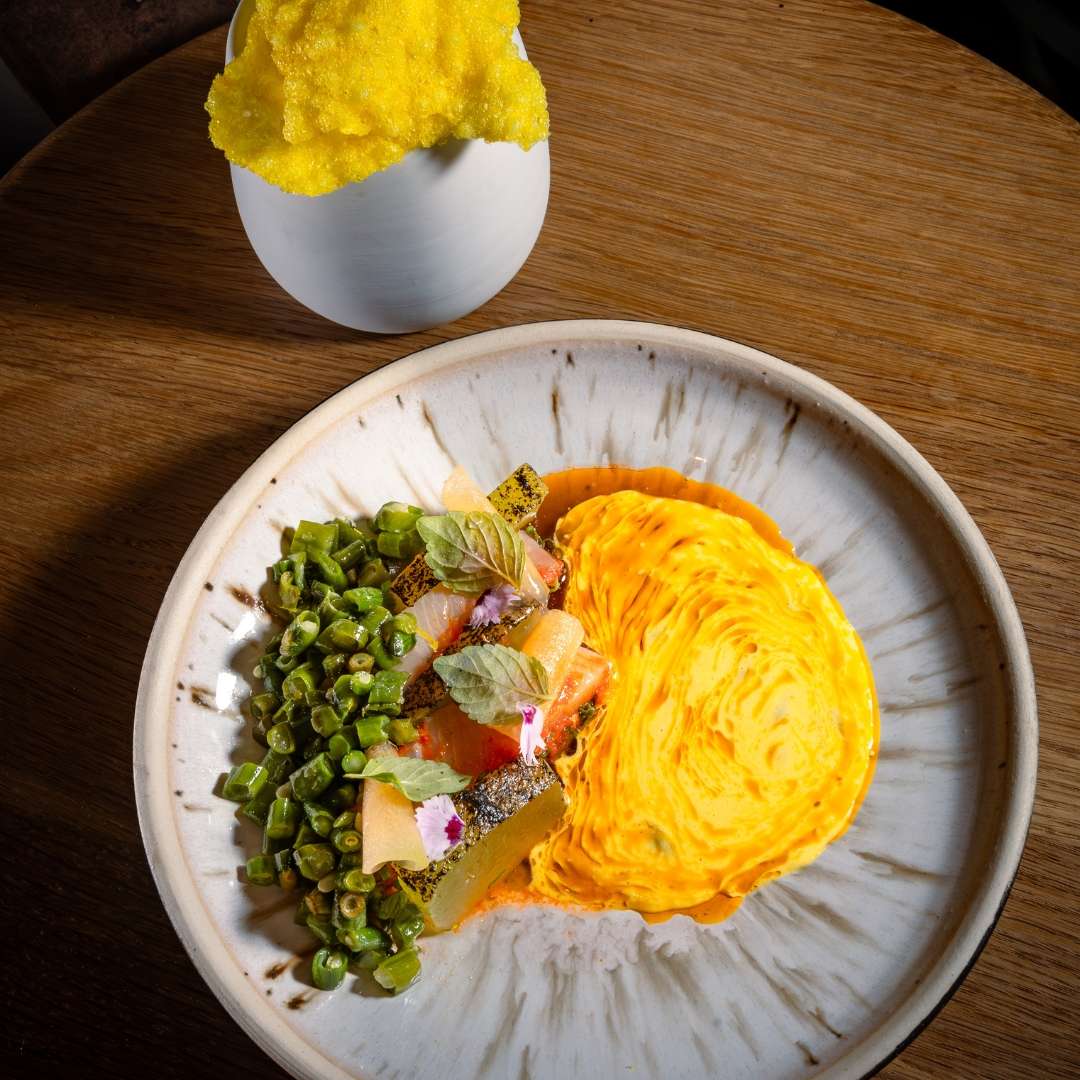
What Are the Key Takeaways About Michelin Miami Service Standards: A Comparison Guide We Covered?
The key takeaways about Michelin Miami service standards from this comparison guide are:
- Michelin Stars evaluate food quality exclusively, based on ingredients, technique, flavor harmony, chef personality, and consistency.
- Service and atmosphere are assessed separately through comfort ratings and the Michelin Service Award.
- L'Atelier de Joël Robuchon in the Miami Design District holds Florida's only two Michelin stars as of 2024.
- Miami-Dade County invested $116,000 annually over three years to bring the MICHELIN Guide to the region.
- Stubborn Seed balances Michelin-level culinary standards with an approachable, non-pretentious atmosphere that prioritizes genuine guest comfort.
For diners seeking Michelin-recognized excellence paired with warmth and personality, Stubborn Seed offers both on Miami Beach.