
Michelin Star Menu Changes: Best Practices & Seasonality
Michelin Star Menu Changes: Best Practices & Seasonality
Michelin star menu changes are controlled, seasonal rotations that refresh individual courses while preserving a restaurant's culinary philosophy and the consistency inspectors evaluate across every visit. The most successful fine dining kitchens refresh 15 to 25% of their courses every four to six weeks, balancing creative evolution with the reliability guests expect.
This guide covers the factors and frequency behind menu changes, best practices for implementation, how seasonality drives course selection, the challenges of updating menus under Michelin scrutiny, differences between tasting menu and à la carte evolution, and how Miami's local climate shapes seasonal availability.
Michelin star restaurants change their menus in response to seasonal ingredient shifts, guest feedback, and the pursuit of continuous improvement across five evaluation criteria including ingredient quality, flavor harmony, and consistency over time.
Implementing those changes requires disciplined execution. Soft launches, phased rollouts starting 60 days before a new menu debuts, and daily team debriefs protect quality while new dishes integrate into service.
Seasonality dictates which ingredients reach peak quality at any given time. In South Florida, stone crab season runs October through May, mango season spans May through October, and overlapping harvest windows give Miami kitchens natural inflection points for course refreshes that few other American cities can match.
Tasting menus and à la carte formats evolve on different timelines; tasting menus offer tighter cost control and creative sequencing, while à la carte demands broader inventory and faster pivots. Beverage pairings must mirror every seasonal shift in the food program to maintain flavor cohesion across the full experience.
Why Do Michelin Star Restaurants Change Their Menus?
Michelin star restaurants change their menus to maintain culinary excellence, respond to seasonal ingredient shifts, and keep the dining experience evolving. The factors driving these changes and the typical frequency of updates shape how top kitchens operate.
What Factors Prompt Menu Changes in Michelin Star Restaurants?
The factors that prompt menu changes in Michelin star restaurants include seasonal ingredient availability, the pursuit of culinary consistency, guest expectations, and the chef's creative evolution. The MICHELIN Guide itself evaluates restaurants on five criteria: ingredient quality, harmony of flavors, mastery of culinary techniques, the chef's personality in the cuisine, and consistency across the entire menu over time.
These standards create a built-in incentive to refresh dishes. When peak-season produce arrives or a signature ingredient's quality shifts, chefs adapt their menus to preserve that ingredient quality score. Guest feedback gathered through soft launches and comment cards also signals when a dish needs reworking. As Sébastien Lepinoy, three-MICHELIN-starred Chef at Les Amis in Singapore, told the MICHELIN Guide: "Once your restaurant gets its Stars, you must be consistent, every single day."
For chefs operating at this level, menu changes are not impulsive. They reflect a disciplined response to intersecting pressures: sourcing realities, evolving technique, and the relentless standard of delivering excellence at every service.
How Often Do Michelin Star Menus Typically Change?
Michelin star menus typically change every four to six weeks through a controlled rotation model. According to HappyChef, nearly 90% of fine dining operators adjust their menus based on seasonality or market conditions, with the most successful approach refreshing 15 to 25% of courses while keeping the menu's overall structure and philosophy stable.
This cadence allows kitchens to introduce new seasonal ingredients without overwhelming the brigade or confusing returning guests. A full menu overhaul happens less frequently, often aligning with major seasonal transitions such as the shift from winter to spring or summer to fall. Smaller refinements, like swapping a garnish or adjusting a sauce component, can happen weekly.
The most effective approach treats menu evolution as continuous rather than episodic. Restaurants that wait too long risk stagnation; those that change too aggressively sacrifice the consistency MICHELIN inspectors expect across multiple visits throughout the year.
What Are the Best Practices for Implementing Menu Changes at a Michelin Star Level?
The best practices for implementing menu changes at a Michelin star level center on controlled introductions and rigorous staff preparation. Soft launches, guest communication timelines, and pre-shift briefings keep quality consistent while new dishes integrate seamlessly.
How Can Chefs Introduce New Dishes Without Disrupting Guest Expectations?
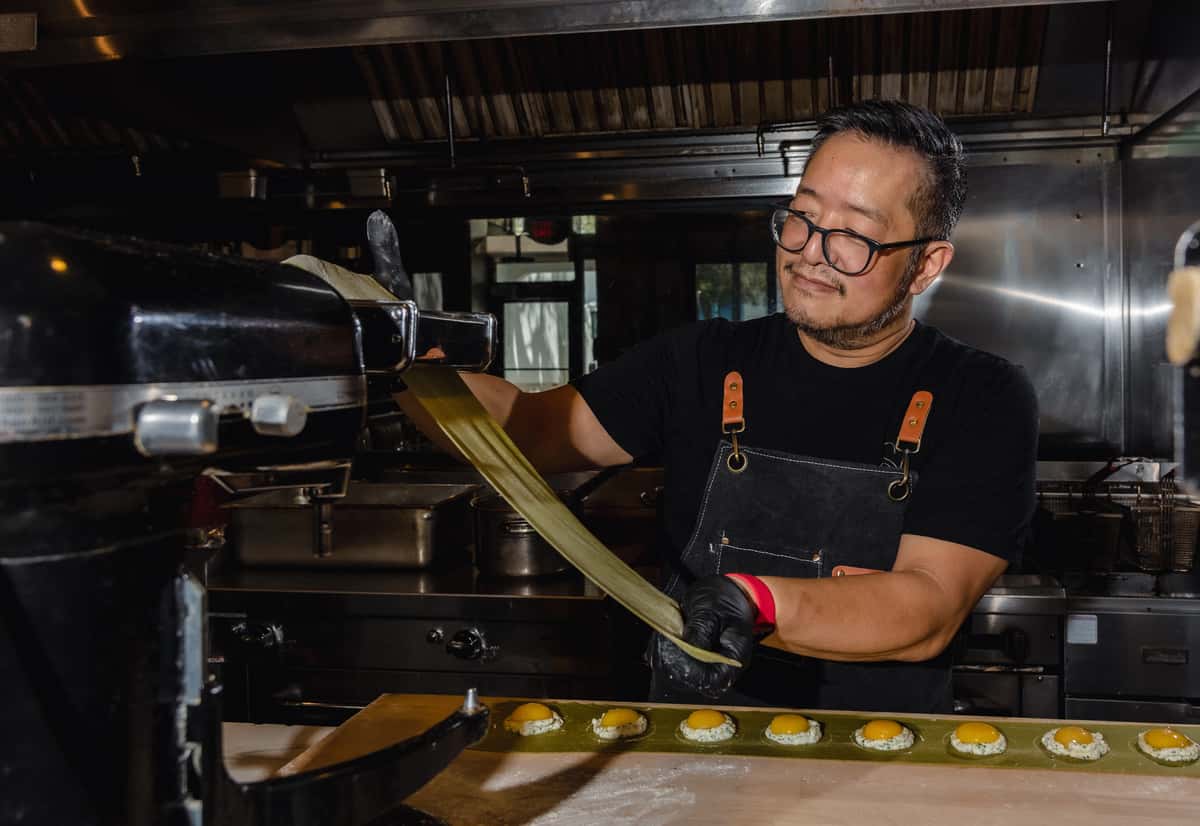
Chefs can introduce new dishes without disrupting guest expectations by using soft launches and phased rollouts. A soft menu launch allows kitchens to execute the full menu and gather customer feedback in a controlled fashion; according to TouchBistro, these trial runs typically last a few days to two weeks and feature a carefully curated limited menu highlighting signature dishes alongside new additions.
Successful introduction follows a clear timeline:
- 60 days before launch, begin communicating changes through social media, tableside conversations, and direct marketing.
- 30 days before launch, host invite-only events such as beverage pairings or loyalty dinners, using surveys to collect guest impressions.
- After each service day during the rollout, debrief with the team to identify what works and adjust accordingly.
This phased approach protects the dining experience because guests feel guided rather than surprised. For restaurants pursuing or maintaining Michelin recognition, controlled transitions demonstrate the consistency inspectors evaluate across seasons.
What Is the Role of Staff Training During Menu Transitions?
The role of staff training during menu transitions is to ensure every team member executes new dishes at the same standard guests expect from the existing menu. According to HappyChef, a modern lean brigade comprises seven core roles, from chef de cuisine to commis, where roughly one cook carries 8 to 12 covers per service in fine dining. When new plates enter rotation, each station must absorb updated techniques and plating without slowing service for those covers.
Pre-shift meetings are essential to this process. Before each shift during a menu launch, the kitchen should hold a quick briefing to reground staff in the purpose behind each change, reinforce focus on guest experience, and assign team leads as problem-solvers for specific stations and tasks. These daily touchpoints catch execution gaps early and build muscle memory faster than periodic training alone.
With staff aligned on both technique and intent, seasonal sourcing decisions can shape the menu with confidence.
How Does Seasonality Influence Michelin Star Menus?
Seasonality influences Michelin star menus by dictating which ingredients reach peak quality at any given time, forcing chefs to adapt dishes accordingly. The sections below cover which ingredients shift most dramatically with the seasons and how chefs balance creative ambition against nature's calendar.
Which Ingredients Are Most Affected by Seasonal Availability?
The ingredients most affected by seasonal availability are seafood, stone fruits, and tropical produce, all of which have strict harvest windows that define when they appear on fine dining menus. Shellfish exemplifies this constraint clearly: oysters and clams reach peak quality from September through April, while scallops typically peak from December through March. In South Florida, stone crabs are legal to harvest only from October 15 through May 1, according to the Florida Fish and Wildlife Conservation Commission. Meanwhile, Florida mango season runs from May through October, avocado season spans June through January, and passion fruit peaks from June through August. Wild salmon availability concentrates between June and August. These tight windows require Michelin-level kitchens to plan courses months in advance, building menus around confirmed harvest schedules rather than aspirational ingredient lists.
How Do Chefs Balance Creativity with Seasonal Constraints?
Chefs balance creativity with seasonal constraints by treating ingredient limitations as a framework for innovation rather than a restriction. When a key component leaves the market, the challenge becomes reimagining a dish's flavor profile using what the season provides. Techniques like fermentation, preservation, and curing extend an ingredient's usable life beyond its fresh window, giving kitchens flexibility without sacrificing quality. The most effective approach involves building a stable menu philosophy while refreshing individual courses as seasons shift, so the dining experience feels both consistent and evolving. For restaurants in Miami, the subtropical climate offers overlapping growing seasons that expand creative options year-round. Ultimately, seasonal constraints push chefs toward originality; the best dishes often emerge when familiar ingredients are unavailable and something unexpected takes their place.
Understanding how seasonality shapes the menu also reveals the broader challenges restaurants face when updating their offerings.
What Challenges Do Michelin Star Restaurants Face When Updating Their Menus?
Michelin star restaurants face challenges including maintaining consistency under inspector scrutiny, protecting reputation during transitions, and integrating guest feedback without compromising culinary identity. The sections below cover reputation risk and feedback-driven evolution.
How Do Menu Changes Affect the Restaurant's Reputation and Star Rating?
Menu changes affect a restaurant's reputation and star rating by introducing risk at every point of transition. According to the MICHELIN Guide, consistency is key when awarding stars; inspectors need to ensure that customers will receive the same high standard of cooking every time. Because various inspectors visit throughout different seasons, for both lunch and dinner, any dip in execution during a menu changeover can be observed and weighed against the restaurant's rating.
The financial structure of a menu format also shapes how guests perceive value. A tasting menu at £145 per person generates roughly £3,480 for 24 covers on a Friday evening, compared to an à la carte average of £52 per person yielding £1,248. Shifting between these formats, or altering signature courses within them, directly influences both revenue stability and the guest's sense of what a restaurant stands for. Miami's Stubborn Seed, recognized by the Michelin Guide, uses multi-course tasting menu formats to maintain this type of controlled evolution, rotating seasonal Florida ingredients through both 6-course and 9-course experiences. For this reason, the most effective menu updates preserve the culinary philosophy guests already trust while refreshing individual courses incrementally.
How Can Guest Feedback Guide Menu Evolution?
Guest feedback can guide menu evolution by revealing which dishes create emotional connections and which fall short of expectations. As Chef Julien Royer of Three MICHELIN Star Odette noted, "We don't just cook; we create experiences that turn into memories." That philosophy places guest response at the center of every menu decision.
Soft menu launches offer a structured method to collect this input. According to Gordon Food Service, a soft launch lasting a few days to two weeks allows restaurants to execute a full menu and gather customer feedback in a controlled fashion. Prepaid tasting menu formats strengthen this feedback loop further, since guests who prepay are 44% less likely to no-show and 67% less likely to cancel late, ensuring the kitchen receives consistent, reliable diner responses during test periods.
Keeping a team inspired matters just as much as the data collected. When staff morale stays high, service quality remains stable through transitions, and feedback reflects the true menu experience rather than inconsistent execution.
How Do Tasting Menus and À La Carte Offerings Evolve Differently at Michelin Star Restaurants?
Tasting menus and à la carte offerings evolve differently at Michelin star restaurants in their rotation speed, cost structure, and creative flexibility. The subsections below cover unique considerations for each format and how beverage pairings adapt alongside menu changes.
What Unique Considerations Apply to Tasting Menus versus À La Carte Menus?
The unique considerations that apply to tasting menus versus à la carte menus center on control, cost efficiency, and guest autonomy. Tasting menus give chefs complete control over pacing, ingredient usage, and the narrative arc of a meal. À la carte formats, by contrast, demand broader inventory and faster pivot capabilities since guests choose freely.
According to HappyChef, Amanda Cohen, chef-owner of the Michelin-starred vegetarian restaurant Dirt Candy in New York, saw her food cost drop from 26% to just 12% after switching from à la carte to a five-course tasting menu. That level of waste reduction is nearly impossible to replicate with open ordering.
Still, as Three MICHELIN Star Chef Sébastien Lepinoy of Les Amis noted in the MICHELIN Guide, "À la carte is making a comeback. People want choice, not just tasting menus." For most Michelin-level operations, the smartest approach blends both formats, using the tasting menu to showcase seasonal evolution while keeping select à la carte options for guest flexibility.
How Do Beverage Pairings Adapt to Menu Changes?
Beverage pairings adapt to menu changes by mirroring every seasonal and structural shift in the food program. When a chef introduces a new course or swaps an ingredient, the sommelier must recalibrate the accompanying wine, spirit, or non-alcoholic selection to preserve flavor harmony across the progression.
Tasting menus make this process more precise because each course has a fixed pairing slot. À la carte service requires sommeliers to recommend pairings on the fly, which demands deeper product knowledge and a broader cellar. For fine dining restaurants investing in seasonal rotations, building beverage pairings into the menu development timeline, not as an afterthought, ensures that both food and drink arrive at the table as a cohesive experience.
With beverage strategy aligned to the menu format, the next consideration is how Miami's local products and climate shape seasonal availability for Michelin-level kitchens.
How Do Miami's Local Products and Climate Affect Michelin Star Menu Seasonality?
Miami's local products and climate affect Michelin star menu seasonality by providing distinct harvest windows that dictate when signature ingredients appear on tasting menus. The sections below cover which local ingredients drive seasonal rotations and how restaurants source them without compromising Michelin standards.

Which Local Ingredients Influence Miami Michelin Star Menus Seasonally?
The local ingredients that influence Miami Michelin star menus seasonally include stone crabs, tropical fruits, and shellfish, each governed by strict harvest calendars. According to the Opal Collection, stone crabs are legal to harvest in Florida from October 15 through May 1, which is why the sweet meat only stars on local restaurant menus during this window.
Beyond stone crab season, South Florida's subtropical climate creates a rotating calendar of peak ingredients:
- Mango: May through October
- Avocado: June through January
- Papaya: February through June
- Passion fruit: June through August, then November through January
These windows give chefs natural inflection points for course refreshes. When stone crab season closes in May, mango season opens almost immediately, creating a seamless transition between cool-weather and warm-weather tasting menus. For Miami's fine dining scene, this overlap is a genuine advantage that few other American cities can match. Restaurants like Stubborn Seed in Miami leverage these overlapping harvest windows to keep tasting menu courses fresh and ingredient-focused throughout the year.
How Do Restaurants Source Locally While Maintaining Michelin Standards?
Restaurants source locally while maintaining Michelin standards by building direct supplier relationships that guarantee both freshness and consistency. Local ingredient sourcing provides 48 to 72 hour ingredient availability, with produce arriving 3 to 5 days fresher compared to wholesale distribution, according to a report by Bottle.
Shorter supply chains reduce the risk of quality variation, which matters because Michelin inspectors evaluate ingredient quality as one of five core criteria. However, this freshness advantage comes with trade-offs; minimum orders often require $500 to $2,000 in weekly commitments, and restaurants must maintain backup sourcing plans for periods when weather disrupts local harvests. The most effective approach pairs hyper-local proteins and produce with a small network of trusted regional distributors who can fill gaps without sacrificing the caliber guests expect.
Understanding how Miami's climate shapes ingredient availability sets the stage for what diners actually experience during seasonal transitions.
What Can Discerning Diners Expect When Experiencing Menu Changes at Michelin Star Restaurants?
Discerning diners can expect clear communication and honest ingredient sourcing whenever Michelin star restaurants update their menus. The following sections cover how guests learn about seasonal updates and how upscale restaurants maintain transparency throughout the process.
How Are Guests Informed About Seasonal and Menu Updates?
Guests are informed about seasonal and menu updates through a multi-channel communication strategy that begins well before new dishes reach the table. According to Gordon Food Service, restaurants should begin communicating with customers about a new menu 60 days prior to launch by sharing details through social media, tableside marketing, staff conversations, and direct customer outreach.
Front-of-house teams play a central role in this process. Servers trained on new preparations can describe ingredient origins, flavor profiles, and the reasoning behind seasonal substitutions during the meal itself. Many fine dining restaurants also use pre-service email notifications and reservation platform updates to set expectations before guests arrive. For repeat visitors, this advance notice transforms a menu change from a surprise into an anticipated event, reinforcing the sense that each visit offers something distinct yet intentionally crafted.
How Do Upscale Restaurants Ensure Transparency and Authenticity in Menu Offerings?
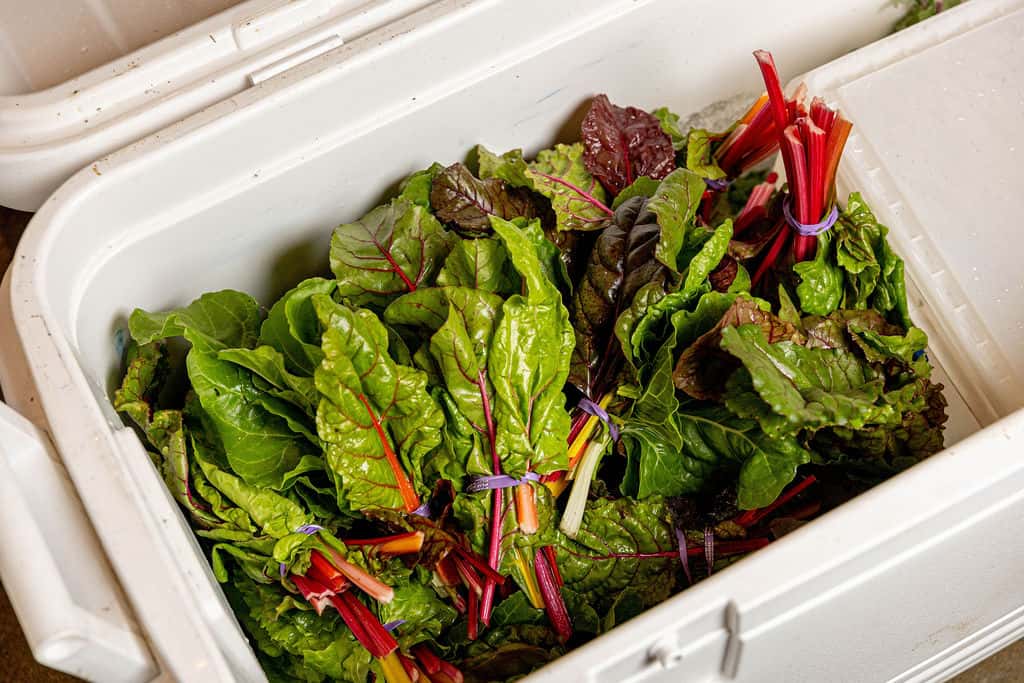
Upscale restaurants ensure transparency and authenticity in menu offerings by maintaining rigorous ingredient sourcing standards and communicating those standards to diners. Ingredient sourcing involves tracking down and confirming how materials were grown, handled, and labeled, a practice that underpins the credibility of every dish description.
This commitment goes beyond simple labeling. When a menu states "Florida stone crab" or "local mango," the kitchen's procurement records should verify those claims. Printed menus, verbal tableside descriptions, and digital listings all need to align with what actually arrives on the plate. Authenticity also extends to preparation methods; if a dish is described as wood-fired or slow-braised, the technique must match. For diners investing in a Michelin-level experience, this consistency between promise and plate is not optional. It is the foundation of trust that keeps guests returning through every seasonal transition.
Understanding how restaurants communicate changes sets the stage for exploring how Stubborn Seed applies these principles in Miami.
How Does Stubborn Seed Approach Seasonal Menu Changes and Tasting Experiences in Miami?
Stubborn Seed approaches seasonal menu changes by weaving Miami's local ingredients into its evolving tasting menu formats. Below, we cover the specific tasting experiences available and the key takeaways from Michelin-level menu seasonality practices.
What Unique Seasonal Tasting Menus Does Stubborn Seed Offer in Miami?
Stubborn Seed offers a 6-course tasting menu and a 9-course tasting menu at its Miami location, allowing the kitchen flexibility to rotate dishes as South Florida's seasonal harvests shift. Both formats give the kitchen flexibility to rotate dishes as South Florida's seasonal harvests shift, incorporating ingredients like stone crab during its October-through-May availability or tropical fruits at peak ripeness during summer months.
Because the tasting menu structure controls what guests receive each evening, the culinary team can introduce new seasonal preparations without disrupting the overall dining experience. Reservations are available through the Stubborn Seed website. For diners who want to understand exactly how a Michelin-recognized kitchen balances creativity with seasonal constraints, this format offers a front-row seat to that process in action.
What Are the Key Takeaways About Michelin Star Menu Changes: Best Practices & Seasonality We Covered?
The key takeaways about Michelin star menu changes center on consistency, seasonal responsiveness, and guest-focused evolution. Throughout this article, several actionable principles emerged:
- Controlled rotation works best; refreshing a portion of courses every few weeks keeps menus dynamic without sacrificing the culinary identity guests expect.
- Seasonal sourcing directly shapes what appears on the plate, from Florida stone crab windows to summer mango harvests.
- Staff training and soft launches protect execution quality during transitions.
- Guest feedback, gathered through structured methods, guides which new dishes earn a permanent place.
As Chef Julien Royer of three-MICHELIN-starred Odette noted in a MICHELIN Guide interview, "You have to understand who you cook for; their habits, their culture, their history. Cooking is not just about making good food." That philosophy of understanding the diner applies whether a restaurant holds three stars or is building toward its first recognition. For any Miami diner curious to experience these principles firsthand, Stubborn Seed puts seasonal best practices on the plate every evening.