
Michelin Star Reservations: Tips to Book Your Table
Michelin Star Reservations: Tips to Book Your Table
A Michelin star reservation is one of the most competitive bookings in dining, shaped by extreme demand, limited seating (often fewer than 50 covers per service), and strict prepayment policies that tighten available inventory. Securing a table requires understanding why these reservations are scarce, which booking methods work best, how to land last-minute openings, how difficulty shifts across cities and seasons, and what to expect once you arrive.
Scarcity at starred restaurants stems from high no-show rates, deposit economics, and a growing reservation resale market that pulls tables away from standard booking channels. Venues that require prepayment see dramatically lower cancellation rates, which means fewer slots recirculate to waitlists.
Booking methods range from dedicated platforms like Resy, Tock, and OpenTable to direct phone calls and emails, each with different success rates depending on the restaurant and timing. For Miami diners, booking through a restaurant's own website often provides the most current availability.
Last-minute strategies rely on precise timing and flexibility. Checking platforms during the early-to-mid afternoon window on your intended dining date captures freshly cancelled tables, while off-peak seatings on weeknights consistently offer better odds than prime-time weekends.
Reservation difficulty varies significantly by city and season. Compact fine dining scenes like Miami's concentrate competition into fewer venues, and major events such as Art Basel or Formula 1 create intense demand spikes that push booking timelines weeks earlier.
Once seated, the experience itself involves multi-course tasting menus, cancellation policies that protect kitchen planning, and dress codes that set the tone for the evening. Preparation before arrival, from communicating dietary needs to reviewing the beverage program, directly shapes the quality of the meal.
What Makes Michelin Star Reservations So Challenging?
Michelin star reservations are challenging because of extreme demand, limited seating, and strict booking policies. The factors driving this scarcity range from no-show economics to timing and cancellation rules.

Which Factors Influence Michelin Restaurant Table Availability the Most?
The factors that influence Michelin restaurant table availability the most are limited seat counts, no-show rates, deposit policies, and growing resale demand. Most Michelin-starred restaurants operate with fewer than 50 covers per service, so even a handful of no-shows can disrupt an entire evening.
According to TableShift's research (via Eat App), fine dining venues without deposits experience 25–30% no-show rates, while prix fixe restaurants with prepayment reduce that figure to below 5–8%. This gap explains why so many starred restaurants now require credit card holds or full prepayment before confirming a table. Reservation scalping compounds the problem; in 2024, AppointmentTrader sold nearly $6 million in restaurant reservations alone. For diners trying to book legitimately, these dynamics mean fewer available slots and faster sellouts.
When Should You Try to Reserve a Table at Michelin-Starred Restaurants?
You should try to reserve a table at Michelin-starred restaurants as early as the booking window opens, which is typically 30 to 90 days in advance depending on the venue. Popular spots in cities like Miami, New York, and Paris often fill within minutes of release.
- Booking windows for one-star restaurants generally open 30 to 60 days ahead.
- Two- and three-star restaurants may require 60 to 90 days of lead time.
- Holiday weekends and peak tourist seasons push these timelines even earlier.
Midweek reservations, particularly Tuesday through Thursday, tend to have more availability than Friday or Saturday seatings. Setting calendar reminders for the exact release date remains one of the most reliable tactics.
How Do Reservation Cancellations and Waitlists Work for Michelin-Starred Spots?
Reservation cancellations and waitlists at Michelin-starred spots work through strict prepayment policies and automated notification systems. Most high-end restaurants enforce cancellation deadlines ranging from 48 hours to two weeks before the reservation date.
Noma, for example, requires prepayment of the full amount upon booking, and cancellations must be finalized at least 14 days prior to the reservation, after which the prepayment is non-refundable. This model is becoming standard across starred restaurants worldwide. Waitlists, meanwhile, function through platforms like Resy and Tock, which notify diners instantly when a table opens. Joining multiple waitlists simultaneously improves your odds significantly. Cancellations tend to cluster 24 to 48 hours before service, making this window especially productive for last-minute seekers.
Understanding these policies and patterns gives you a clearer path to the booking methods covered next.
What Methods Can You Use to Book a Table at Michelin-Starred Restaurants?
The methods you can use to book a table at Michelin-starred restaurants include dedicated reservation platforms, direct phone calls or emails, and advance planning. Each approach works differently depending on the restaurant and timing.
Are There Special Apps or Platforms That Help With Michelin Reservations?
There are several special apps and platforms that help with Michelin reservations, such as Resy, OpenTable, Tock, and SevenRooms. Many Michelin-starred restaurants use these systems exclusively, requiring diners to book through a specific platform rather than offering open availability across all channels.
The landscape is shifting rapidly. According to 2024 booking data from Tableo, 66% of diners now wait until the day of to secure a table, replacing the traditional plan-ahead model with same-day decision-making. AI-driven tools are accelerating this trend, with platforms handling millions of reservation conversations monthly. For Miami diners specifically, the MICHELIN Guide's 2025 Florida expansion into Broward County, The Palm Beaches, and St. Pete-Clearwater signals growing platform coverage across the region.
Is It Possible to Call Directly or Email for Hard-to-Book Michelin Tables?
Yes, it is possible to call directly or email for hard-to-book Michelin tables, and doing so often yields better results than apps alone. A direct phone call communicates genuine interest, and hosts at fine dining restaurants frequently hold flexibility for special occasions or accommodate requests that platforms cannot process.
Email works particularly well for international reservations where time zones complicate phone calls. When reaching out, mention your party size, preferred dates, and any dietary considerations upfront. This saves the restaurant time and positions your request favorably. For restaurants like Stubborn Seed, reservations are handled through the website, making the direct digital approach the simplest path.
How Far in Advance Should You Book at Top Michelin-Starred Restaurants?
You should book at top Michelin-starred restaurants four to eight weeks in advance for most one-star locations, while two- and three-star restaurants often require two to three months of lead time. Seasonal peaks, holidays, and major local events compress availability even further.
Reservation windows vary by restaurant. Some release tables exactly 30 days out, others 60 or 90 days. Setting calendar reminders for each restaurant's specific release date gives you first access when slots open. Same-day cancellations do create last-minute openings, so checking platforms in the early afternoon can uncover unexpected availability. For high-demand dining destinations in Miami, starting your search early remains the most reliable strategy.
Understanding booking methods is only part of the equation; knowing what to do when your preferred date is already full can make the difference.
What Are the Best Strategies for Securing Last-Minute Michelin Star Reservations?
The best strategies for securing last-minute Michelin star reservations combine precise timing, flexibility, and personal connections. Walk-ins, off-peak scheduling, and local networks each offer distinct advantages.
Do Walk-Ins Ever Work At Michelin-Starred Restaurants?
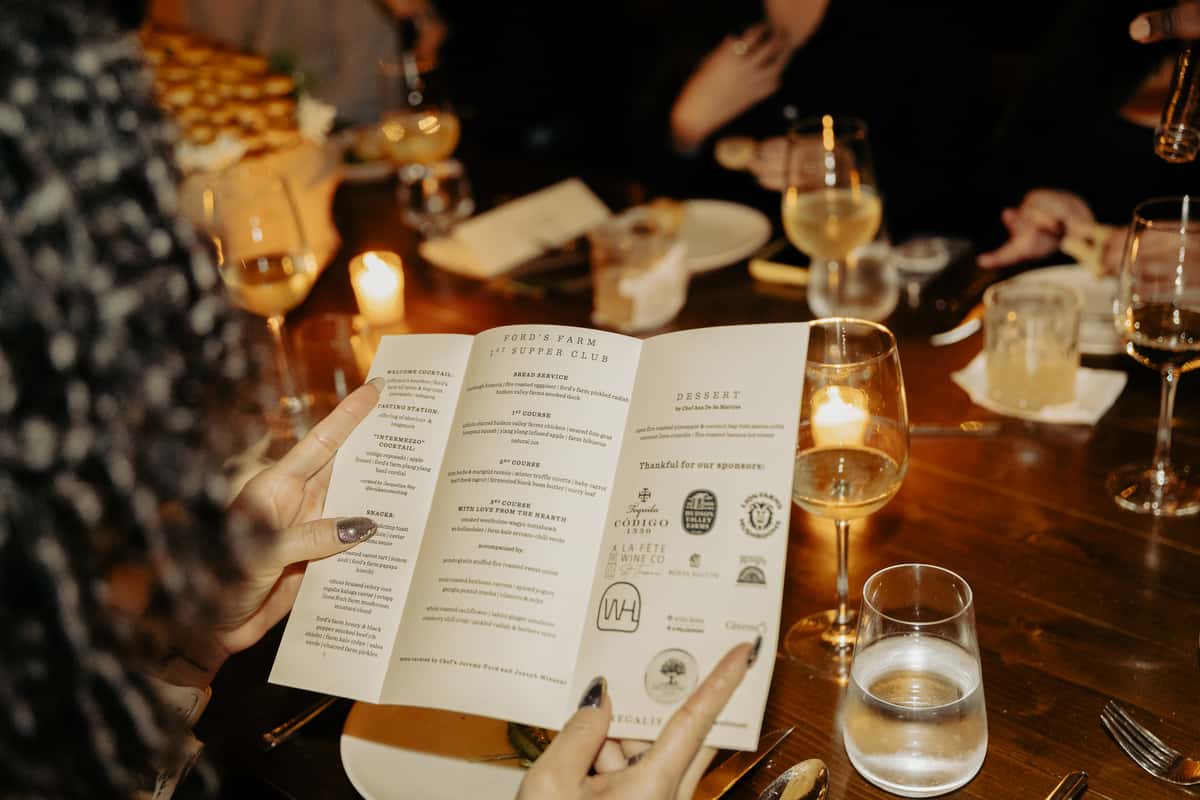
Yes, walk-ins do work at Michelin-starred restaurants, though success depends on timing and the specific venue. Bar seating and counter areas are often available without a reservation, even at fully booked establishments. According to Food Republic, the best window for same-day dining falls between 2 PM and 4 PM, when cancellations return tables to inventory. Arriving during this window, especially on weekdays, significantly improves your odds. Some restaurants also hold a few unreserved tables for walk-in guests each evening. Polite persistence and a willingness to dine at non-standard hours make this approach viable more often than most diners expect.
What Are the Pros and Cons of Flexible Dining Times or Days?
The pros and cons of flexible dining times or days center on availability versus personal convenience.
- Early seatings (5:00–5:30 PM) are easier to book because most diners prefer later time slots.
- Late seatings (9:30 PM and after) open up as restaurants release unclaimed holds.
- Weeknight dining (Tuesday through Thursday) offers dramatically better availability than Friday or Saturday.
- Lunch service, where offered, is often less competitive than dinner and sometimes features shorter tasting menus.
The trade-off is straightforward: the more flexible your schedule, the higher your chances. Rigid preferences for prime-time Saturday dinner at a one-star restaurant will always be the hardest reservation to land.
How Can Insider Tips and Local Connections Help With Reservations?
Insider tips and local connections help with reservations by providing access to tables that never appear on public platforms. Hotel concierges at luxury properties often maintain direct relationships with Michelin-starred kitchens and can secure same-day tables for guests. Building rapport with restaurant staff through repeat visits creates goodwill that translates into priority seating during cancellations. Following restaurants on social media also provides early notice when last-minute openings are posted. For dining in Miami specifically, local food community networks and neighborhood regulars often hear about availability before it reaches broader channels.
With last-minute strategies covered, understanding how reservation difficulty shifts by city and season adds another layer of planning.
Are There Differences in Reservation Difficulty by City or Country?
Yes, there are significant differences in reservation difficulty by city or country. Demand fluctuates based on local dining culture, the concentration of starred restaurants, and seasonal tourism patterns. Below, we compare specific culinary hotspots and explore the events that tighten availability.
How Does Reservation Difficulty Compare in Miami, Las Vegas, and Other Culinary Hotspots?
Reservation difficulty compares across Miami, Las Vegas, and other culinary hotspots based on the number of starred restaurants relative to visitor demand. Cities with fewer Michelin-recognized venues concentrate competition into a smaller pool of tables. Miami's Michelin scene is still expanding; the MICHELIN Guide announced three new Florida destinations for 2025, including Broward County, The Palm Beaches, and St. Pete-Clearwater, according to the Michelin Guide. This growth increases regional dining interest while supply remains limited. Las Vegas benefits from large-format restaurant operations inside resorts, which add seating capacity. European capitals like Paris and Tokyo, where starred restaurants number in the hundreds, spread demand more broadly, though iconic multi-star venues remain intensely competitive everywhere. For cities with compact fine dining scenes, booking weeks in advance is essential.
What Seasonal or Event Factors Might Affect Your Chances?
Seasonal and event factors that might affect your chances include peak tourist seasons, major cultural events, holiday weekends, and large-scale conventions. According to Fashion Week Online, hospitality and dining account for roughly 39% of total spending during Milan Fashion Week, equivalent to over €93 million in a single week. Similar demand surges hit Miami during Art Basel and the Formula 1 Grand Prix, when hotel occupancy spikes and restaurant waitlists grow dramatically. Summer months in Mediterranean cities and December holiday periods in most major markets create predictable bottlenecks. Booking during shoulder seasons or midweek windows consistently improves availability, even at highly sought-after starred restaurants.
Understanding regional and seasonal dynamics helps you time your reservation strategy more precisely.
What Should You Expect From the Michelin Dining Experience Once You Have a Reservation?
You should expect a multi-sensory dining experience defined by meticulous service, carefully crafted courses, and attention to every detail. Preparation, cancellation policies, and dress codes each shape the evening ahead.
How Should You Prepare for a Michelin Meal?
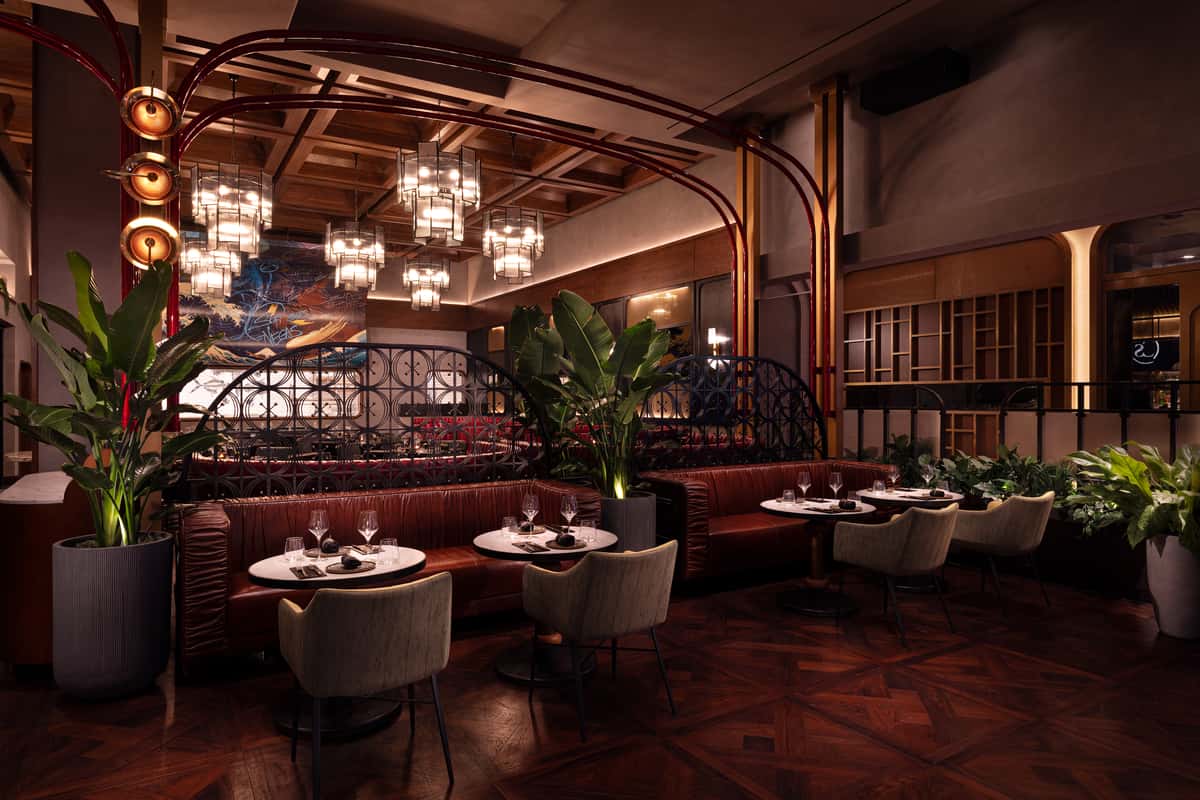
You should prepare for a Michelin meal by researching the restaurant's menu format, confirming your reservation details, and communicating any dietary restrictions well in advance. Most Michelin-starred restaurants offer tasting menus that unfold over multiple courses, so arriving with an empty stomach and an open palate makes a meaningful difference.
Notify the restaurant of allergies or preferences at least 48 hours before your visit; kitchens at this level plan courses days ahead. Reviewing the beverage program beforehand also helps, since wine pairings are often designed to complement specific dishes. Arriving 10 to 15 minutes early allows time to settle in and absorb the atmosphere without feeling rushed. For most guests, the experience is as much about pacing and ambiance as the food itself.
What Is the Typical Cancellation or Deposit Policy at Michelin-Starred Restaurants?
The typical cancellation or deposit policy at Michelin-starred restaurants requires either a credit card hold or a prepaid deposit at the time of booking, with cancellation windows ranging from 24 hours to two weeks depending on the venue. These policies exist because no-shows carry serious financial consequences for small, high-end kitchens.
According to TheFork, requiring card details to hold a reservation cuts no-show rates by up to 65%. Many top restaurants now charge per-person cancellation fees if guests fail to cancel within the stated window. Prix fixe and tasting menu formats are especially strict, since ingredients are sourced and prepped specifically for confirmed guests. Stubborn Seed in Miami Beach follows this approach with advance reservations required through their website, ensuring that ingredients from their five-acre Redland farm are prepared specifically for confirmed guests. Always read the fine print before confirming, and cancel promptly if plans change; that released table often means everything to another diner on the waitlist.
How Do Dress Codes and Guest Etiquette Factor In?
Dress codes and guest etiquette factor in as essential elements of the Michelin dining experience, setting the tone for both your comfort and the atmosphere of the room. Most starred restaurants expect smart casual at minimum, with some requiring business formal or jacket-and-tie attire.
Beyond clothing, small courtesies matter:
- Silence your phone or keep it out of sight during the meal.
- Follow the pace set by the kitchen rather than rushing between courses.
- Engage respectfully with servers who guide the experience.
- Avoid wearing strong fragrances, which can interfere with the aromas of each dish.
When in doubt, check the restaurant's website for a stated dress code before arriving. Respecting these norms signals that you value the craft behind the meal, which often leads to a more personalized and memorable evening. With the experience itself understood, choosing where to book becomes the final decision.
How Can Stubborn Seed's Contemporary Fine Dining Approach Elevate Your Reservation Experience?
Stubborn Seed's contemporary fine dining approach elevates your reservation experience through creative tasting menus, farm-sourced ingredients, and a Michelin-recognized setting in Miami Beach. The following sections cover specific dining options and key takeaways from this guide.
Does Stubborn Seed Offer Tasting Menus or Special Reservation Options in Miami?
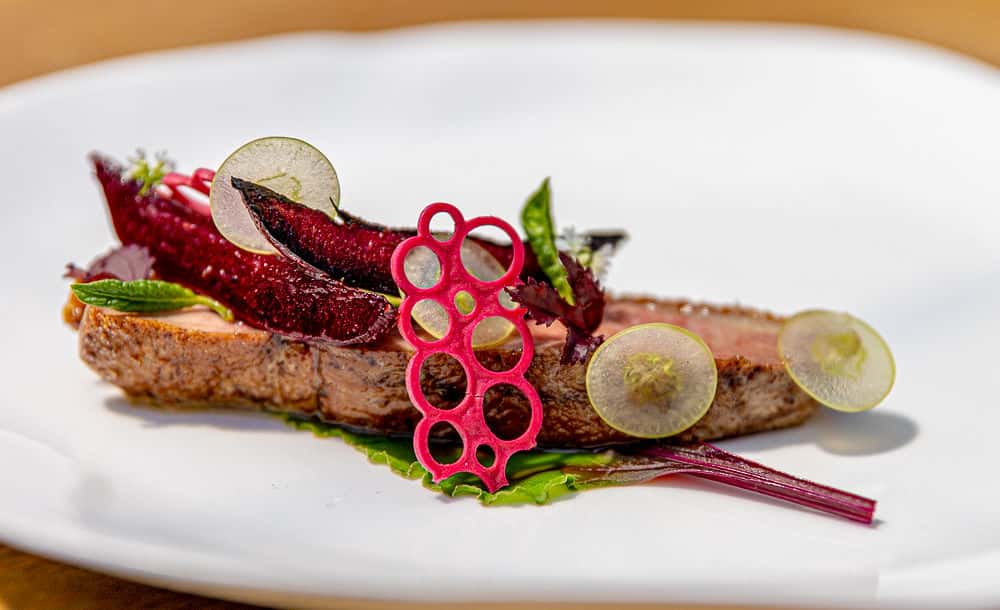
Yes, Stubborn Seed offers tasting menus and special reservation options in Miami. Chef Jeremy Ford presents both a 6-course and a 9-course tasting menu, weaving Latin and Asian influences into an ambitious, contemporary American format. Many ingredients come straight from the team's organic five-acre farm in Redland, where a composting initiative turns food trims back into soil for future harvests. The restaurant's chef's window,visible from the dining room, gives guests a view into the kitchen's creative process as each course is prepared. For diners navigating Miami's competitive Michelin reservation landscape, booking directly through Stubborn Seed's website provides the most current table availability.
Reservations are available directly through the Stubborn Seed website. The dining room features a chef's window visible from the main space, giving guests a glimpse into the kitchen's creative process. For anyone navigating the competitive Michelin dining landscape in South Florida, booking directly ensures access to the most current availability.
What Are the Key Takeaways About Michelin Star Reservations: How Hard? Tips to Book Your Table We Covered?
The key takeaways about Michelin star reservations covered in this guide center on preparation, flexibility, and persistence. Securing a table requires understanding how scarcity, cancellation policies, and timing shape availability.
The most actionable lessons include:
- Book as far in advance as each restaurant's system allows, since high-demand spots fill within minutes of opening their calendars.
- Check for cancellations during the 2 PM to 4 PM window on your intended dining date, when released tables reappear.
- Call restaurants directly for same-day availability; phone calls consistently outperform app-based platforms for last-minute seats.
- Stay flexible on day and time, as off-peak slots on weeknights carry significantly lower competition.
- Understand deposit and prepayment policies before booking, since fine dining venues increasingly use these to reduce no-shows.
- Use waitlists actively and monitor multiple platforms for openings.
According to TableShift research via Eat App, fine dining venues without deposits face 25 to 30 percent no-show rates, while prix fixe restaurants with prepayment reduce that figure below 5 to 8 percent. This shift toward deposits benefits committed diners by freeing up tables that would otherwise go empty.
The most overlooked strategy remains direct communication. Building familiarity with a restaurant's reservation team, whether through polite follow-ups or dining during slower periods first, often opens doors that technology alone cannot. With Michelin expanding its Florida selection into new destinations in 2025, the competition for tables across South Florida will only intensify.