
Michelin Star Service: Global Dining Experience Comparison
Michelin Star Service: Global Dining Experience Comparison
Michelin star service is the combination of culinary precision, hospitality philosophy, and cultural context that shapes how guests experience fine dining at the highest level. Michelin itself evaluates restaurants on five food-focused criteria (ingredient quality, flavor harmony, technique mastery, chef personality, and consistency), while service, ambiance, and formality operate outside the star rating yet define how a meal is remembered.
This guide covers official Michelin evaluation criteria, regional service differences across continents, training and hospitality philosophy, the global guest experience, modern dining trends, and how Stubborn Seed in Miami brings these principles to life.
Michelin inspectors judge the plate exclusively; decor, wine lists, and front-of-house choreography carry no weight in star decisions. Yet staff expertise, from sommelier certification to tableside communication, builds the trust and comfort that sustain a restaurant's reputation.
Service standards shift significantly by region. European dining leans toward structured ceremony, North American restaurants favor approachable warmth, and Asian establishments often practice anticipatory hospitality rooted in cultural traditions like Japanese omotenashi.
Behind every consistent service team is a training culture built on daily repetition, collaborative leadership, and personalized guest tracking. Restaurants that invest in these systems produce staff who adapt naturally to each table rather than following rigid scripts.
The guest journey itself varies based on tasting menu format, occasion-specific adjustments, and how each restaurant balances precision with genuine comfort. Sustainability transparency, digital preference systems, and inclusive dietary accommodation now shape expectations alongside traditional tableside skill.
Stubborn Seed, Chef Jeremy Ford's Michelin-starred restaurant, demonstrates these global principles through a curated tasting menu and relaxed fine dining atmosphere in both Miami and Las Vegas.
What Are the Core Criteria for Michelin Star Restaurant Service Worldwide?
The core criteria for Michelin Star restaurant service worldwide focus exclusively on what happens on the plate. Inspectors evaluate ingredient quality, flavor harmony, technique mastery, the chef's personality, and consistency. The sections below clarify how inspectors assess quality, why staff expertise still matters, and what role ambiance plays.
How Do Inspectors Evaluate Service Quality and Consistency?
Inspectors evaluate service quality and consistency by judging the food itself, not front-of-house performance. According to the MICHELIN Guide, inspectors apply five universal criteria: "ingredient quality, harmony of flavors, the mastery of culinary techniques, how the chef's personality shines through their cuisine and, crucially, consistency across the entire menu and over time." Michelin also confirms that service, decor, comfort, formality, and wine lists have no bearing on Star awards.
This distinction surprises many diners who assume flawless tableside choreography drives the rating. In practice, inspectors dine anonymously and return multiple times, concentrating solely on culinary execution. Consistency across visits carries as much weight as any single outstanding dish.
How Important Is Staff Expertise and Attentiveness in Earning Michelin Stars?
Staff expertise and attentiveness are not direct criteria for earning Michelin Stars, yet they shape the overall dining experience that keeps guests returning. Knowledgeable service elevates a meal beyond the plate. Certifications like those from the Court of Master Sommeliers, which offers four sequential examination levels covering beverage theory, with the upper three also testing deductive tasting and service skills, reflect the depth of training fine dining teams pursue.
A study published in the International Journal of Hospitality Management (N = 975 survey; N = 145 experimental) found that server attentiveness had a positive effect on customer satisfaction and tip amounts for American diners. While Stars reward the kitchen, attentive and educated staff create the trust and comfort that sustain a restaurant's reputation over time.
What Role Does Ambiance and Setting Play in Michelin Service Ratings?
The role of ambiance and setting in Michelin service ratings is formally nonexistent. Michelin has stated that decor, comfort, and formality do not factor into Star decisions. However, ambiance profoundly influences how guests perceive and enjoy their meal.
Research published in Building Acoustics (SAGE Journals) studied how acoustics, lighting, and location quality affected diner satisfaction over a full week, confirming that sensory environment shapes the overall experience. Sound levels present a particular challenge; even restaurateurs who want quieter rooms face significant design obstacles, as noted by the Acoustical Society of America.
For Michelin-starred restaurants, investing in thoughtful sensory design is less about earning Stars and more about delivering the seamless experience guests associate with that level of dining. Understanding these criteria sets the stage for how service standards differ across global regions.

How Do Michelin Star Service Standards Differ Across Regions?
Michelin star service standards differ across regions in pacing, formality, and guest interaction style. Service expectations vary across cultures, with research suggesting that American diners respond more positively to visible server attentiveness than Japanese diners.
How Does European Michelin Service Compare to North American Expectations?
European Michelin service compares to North American expectations through differences in formality, pacing, and interaction style. The comparison is plausible but lacks reliable evidence establishing these as typical national differences. Michelin explicitly recognizes that restaurants determine their own service styles.
North American Michelin dining, particularly in cities like Miami and New York, tends to blend technical excellence with a more relaxed, guest-forward energy. Servers engage more directly, and dress codes skew less rigid. For most diners crossing between these regions, the biggest adjustment is not quality but tone; European service reads as choreographed precision, while North American service prioritizes making guests feel personally welcomed.
What Distinguishes Michelin Star Service in Asia versus Western Destinations?
Michelin star service in Asia is distinguished from Western destinations by its emphasis on anticipation, restraint, and guest-centered intuition. Japanese omotenashi, for example, centers on reading a guest's needs before they are expressed. At acclaimed Tokyo restaurants, staff track details such as a guest's favorite color or previous visit history to personalize every interaction.
A study published in the International Journal of Hospitality Management (N = 975 survey, N = 145 experimental) found that server attentiveness had a positive effect on customer satisfaction and tipping for American diners but not for Japanese customers. This underscores a fundamental cultural split: Western guests often equate visible attentiveness with quality, while many Asian dining cultures value seamless, near-invisible service that never interrupts the meal's rhythm.
How Do Local Cultures Influence Service Style in Michelin-Starred Restaurants?
Local cultures influence service style in Michelin-starred restaurants by shaping expectations around pace, ritual, and personal connection. In Singapore, an exploratory study from the University of Nevada, Las Vegas found that the service dimensions of assurance, empathy, and tangibles are most important to customers' evaluation of fine dining service quality. Meanwhile, diplomatic dining research published in Gastronomica notes that ritual and protocol homogenize participants while affirming hierarchies, illustrating how deeply cultural norms govern formal meal structures.
Sustainability values also vary by region. The PLEDGE on Food Waste provides global certification helping restaurants prevent and reduce food waste through practical methodology and third-party verification, supporting their sustainability efforts.
Understanding these regional nuances helps diners appreciate how training philosophy and cultural context shape the Michelin experience.
What Impact Does Training and Hospitality Philosophy Have on Michelin-Level Service?
Training and hospitality philosophy shape Michelin-level service by building consistency, team cohesion, and guest-centered awareness. The following sections cover common staff training practices, leadership's effect on guest experience, and the role of personalized service.
What Staff Training Practices Are Common at Top Michelin Restaurants?
Staff training practices common at top Michelin restaurants include daily pre-service briefings, ongoing skills development, and relentless repetition of core techniques. As an example of specialized culinary competition training rather than routine restaurant staff training, MENT'OR BKB reported that Chef Philip Tessie of The French Laundry described his Bocuse d'Or preparation as "a constant balance between development, refinement, and repetition," noting training sessions of six to seven days a week, 16 hours a day. This intensity reflects a broader pattern across starred kitchens and dining rooms: training is continuous rather than a one-time onboarding event. Pre-service meetings typically cover menu changes, ingredient sourcing updates, and guest notes. For most Michelin-caliber teams, building muscle memory through structured daily practice matters more than any single training program.
How Do Leadership and Team Culture Affect Guest Experience?
Leadership and team culture affect guest experience by setting the standard every staff member follows on the floor. Osteria Francescana, the three-Michelin-star restaurant led by Massimo Bottura, describes itself as "a laboratory of ideas" and "an observatory where we look at the past in a critical way, not a nostalgic one." That philosophy filters through every team interaction, from how servers present dishes to how they read a table's energy. When leadership prioritizes creative curiosity and mutual respect, front-of-house teams operate with greater confidence and autonomy. Rigid, fear-based hierarchies tend to produce mechanical service; collaborative cultures produce teams that adapt naturally to each guest's needs.
Why Is Personalized Service Essential for Michelin Recognition?
Personalized service can enhance the Michelin dining experience because it transforms a technically excellent meal into a memorable experience. Den, a starred restaurant in Tokyo, exemplifies this approach: staff always ask guests where they are from and whether they have visited Japan before, while tracking details such as a guest's favorite color for returning diners, according to the Institute of Culinary Education. This level of attentiveness creates an emotional connection that separates good restaurants from exceptional ones. Personalization signals that the team sees each guest as an individual, not a reservation number. With training philosophies built around repetition and culture, personalized touches become the natural expression of a restaurant's hospitality identity.
How Does the Guest Experience Vary Across Michelin-Starred Restaurants Globally?
The guest experience varies across Michelin-starred restaurants globally based on menu format, occasion-specific service adjustments, and how each establishment balances formality with comfort. Below, each factor shapes what diners encounter from reservation to final course.
What Can Diners Expect During a Michelin-Starred Tasting Menu Journey?
Diners can expect a Michelin-starred tasting menu journey to unfold as a structured, multi-course progression where each dish builds on the last in flavor and technique. Tasting menus vary in length, with courses sometimes introduced tableside by staff who explain ingredients, preparation, and sourcing.
Accommodations for dietary needs are part of the experience. According to the U.S. Department of Justice, Civil Rights Division, restaurants may need to take reasonable steps to accommodate diners with qualifying disabilities, such as answering questions about menu item ingredients or omitting and substituting certain ingredients upon request if the restaurant normally does this for other customers, provided doing so does not fundamentally alter restaurant operations" at the end.
Communicating allergies or restrictions before arrival gives the kitchen time to adapt courses without disrupting the menu's narrative arc.
How Is Service Adapted for Different Guest Preferences and Occasions?
Service is adapted for different guest preferences and occasions through pre-visit communication, real-time observation, and increasingly, digital tools. Michelin-starred restaurants typically gather occasion details during the reservation process, whether the visit marks an anniversary, business dinner, or first-time tasting experience.
As noted in a 2021 Boston Hospitality Review analysis from Boston University, the explosion of new touchpoints and digital encounters throughout the guest journey now requires hospitality businesses to manage interactions that include self-service technologies and artificial intelligence. In practice, this means some starred restaurants use guest profile systems to track preferences across visits, adjusting everything from wine pairings to pacing.
The best service teams read the table in real time, calibrating attentiveness without being intrusive.
How Do Michelin Restaurants Balance Formality and Guest Comfort?
Michelin restaurants balance formality and guest comfort by retaining precision in execution while relaxing rigid dress codes and ceremonial service styles. The global trend has moved away from stiff, white-tablecloth orthodoxy toward environments where technical excellence coexists with genuine warmth.
This shift does not mean lower standards. Service teams still choreograph courses with exacting timing, and sommeliers guide selections with deep expertise. What has changed is tone: fewer scripted interactions, more natural conversation, and dining rooms designed to feel welcoming rather than intimidating.
For most guests, the ideal Michelin experience sits at the intersection of feeling genuinely cared for and never feeling judged. Restaurants that achieve this balance consistently tend to build the strongest repeat-guest loyalty.
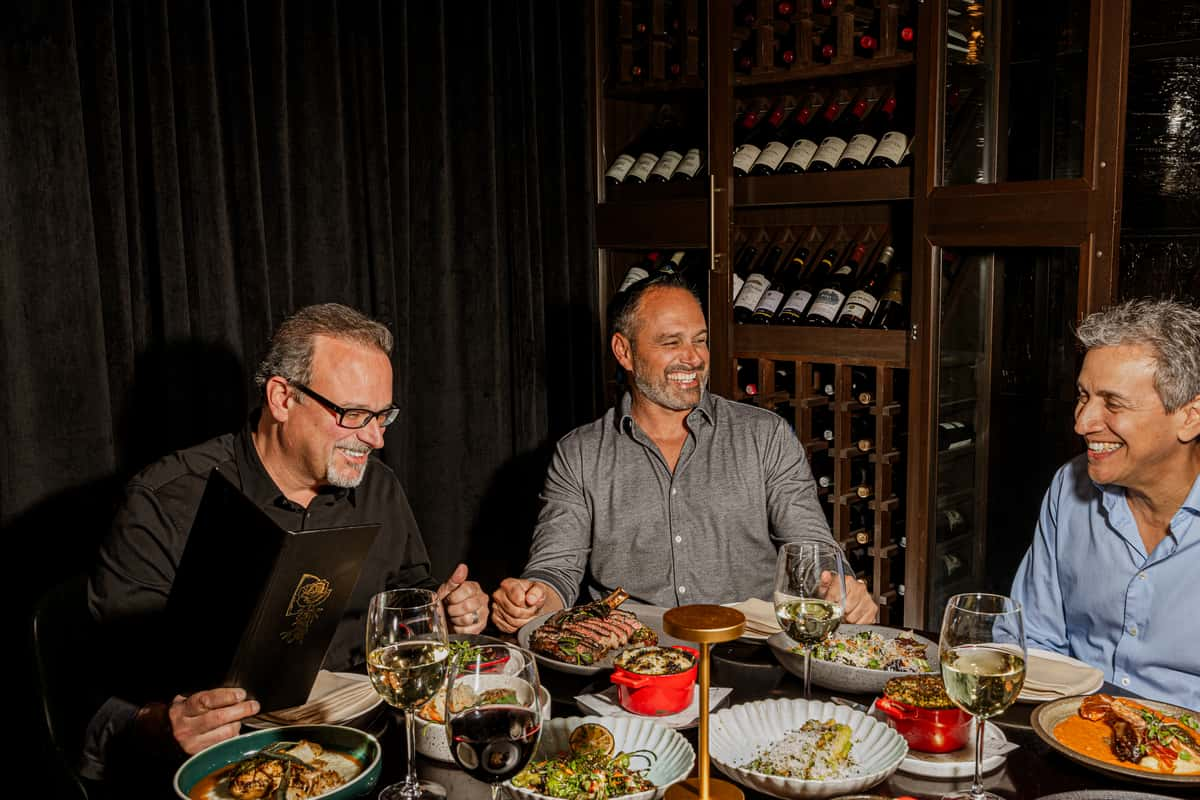
With the guest experience mapped out, the next section explores how modern trends are reshaping Michelin service further.
How Has Michelin Star Service Evolved in Response to Modern Dining Trends?
Michelin star service has evolved by integrating sustainability practices, digital tools, and inclusive accommodation into the dining experience. The following sections explore how local sourcing, technology, and dietary accessibility now shape guest expectations.
How Are Sustainability and Local Sourcing Affecting Service Expectations?
Sustainability and local sourcing are affecting service expectations by transforming how front-of-house teams communicate ingredient provenance and waste practices to guests. Diners increasingly expect transparency about where food comes from and how a restaurant minimizes its environmental footprint.
According to the U.S. Environmental Protection Agency, waste diversion programs, including waste reduction, materials recycling, composting, and food donation, are recognized sustainability considerations for food-service operations. These frameworks now influence how servers narrate dishes, often highlighting regional farms, seasonal availability, and zero-waste preparation methods.
For some restaurants operating at the Michelin level, this shift means service staff explain ingredient sourcing and sustainability practices as part of the dining experience. Sustainability is no longer a backstage concern; it is part of the tableside conversation guests actively seek.
What Technological Innovations Are Being Integrated into Michelin-Level Service?
Technological innovations being integrated into Michelin-level service include digital reservation management, guest preference databases, and contactless ordering systems. These tools allow restaurants to personalize every interaction without sacrificing the warmth of human hospitality.
Guest preference tracking has become especially sophisticated. Restaurants now store dietary restrictions, seating preferences, celebration dates, and past menu selections in centralized databases, enabling staff to anticipate needs before a guest even speaks. Meanwhile, kitchen display systems improve course timing and communication between front and back of house.
The key, however, is restraint. Technology at the Michelin level should be invisible to the guest. The best implementations enhance precision behind the scenes while keeping the dining room experience entirely human and unhurried.
How Are Dietary Preferences and Accessibility Needs Accommodated in Service?
Dietary preferences and accessibility needs are accommodated in service through proactive communication, menu flexibility, and staff training on allergen protocols. Michelin-caliber restaurants treat these accommodations as integral to hospitality, not as exceptions.
According to the U.S. Department of Justice, Civil Rights Division, restaurants may have to take reasonable steps to accommodate individuals with disabilities, such as answering questions about menu item ingredients or omitting and substituting certain ingredients upon request if the restaurant normally does so for other customers. This legal framework reinforces what leading fine dining establishments already practice voluntarily.
Pre-service questionnaires, allergy cards reviewed during briefings, and dedicated preparation stations all reflect a standard where inclusivity strengthens rather than compromises the guest experience.
With these modern adaptations in place, Stubborn Seed in Miami demonstrates how evolving service standards come to life in practice.
How Can Diners Experience Michelin-Level Service at Stubborn Seed in Miami or Las Vegas?
Diners can experience Michelin-level service at Stubborn Seed in Miami or Las Vegas through a curated tasting menu, sommelier-guided pairings, and an approachable fine dining atmosphere. The sections below cover what distinguishes the tasting menu and service, plus key takeaways from this global comparison.
What Makes Stubborn Seed's Tasting Menu and Service Approach Stand Out?
Stubborn Seed's tasting menu and service approach stand out through a fixed multi-course progression, certified sommelier-level beverage guidance, and a relaxed atmosphere that removes traditional fine dining intimidation. Chef Jeremy Ford, winner of Top Chef Season 13, built Stubborn Seed as his first restaurant, and it became the first to receive a MICHELIN Star. As reported by Las Vegas Weekly, Ford described the concept: "It's a chill version of fine dining, a little more approachable."
The Las Vegas location at Resorts World features six principal courses:
- Kalamata Olive Ciabatta
- Japanese Kanpachi Carpaccio
- Jidori Oyster and Gnocchi
- Madai Veronique
- Dry-Aged Maple Leaf Canard
- Strawberry Meringue
Each course reflects a deliberate sequence the chef controls entirely; menu substitutions are declined. Beverage service draws on expertise aligned with Court of Master Sommeliers standards, where certification requires proficiency in deductive tasting, wine theory, and tableside service skills. This combination of culinary precision and warm hospitality makes Stubborn Seed one of the most compelling ways to experience Michelin-caliber dining without the stiffness many guests associate with starred restaurants.
What Are the Key Takeaways About Michelin Star Service: Global Dining Experience Comparison We Covered?
The key takeaways about Michelin star service as a global dining experience comparison are that culinary excellence drives the star, while service philosophy shapes how guests remember the meal. Michelin evaluates food on five criteria: ingredient quality, flavor harmony, technique mastery, chef personality, and consistency. Service, ambiance, and wine lists do not factor into star decisions, yet they define whether a dining experience feels truly exceptional.
As a 2024 study published in Foods and indexed by the National Library of Medicine confirmed through interviews with representatives of seventeen Michelin-awarded restaurants across Mainland China, "dining plays a pivotal role in the travel experience."; the study separately conducted interviews with 17 representatives associated with 21 Michelin-awarded restaurants across Mainland China. Regional culture, staff training depth, and personalization all influence guest perception far beyond the plate.
- Service dimensions like assurance, empathy, and tangibles consistently rank highest in fine dining satisfaction research.
- Sommelier certification, sustainability practices, and adaptive hospitality are becoming baseline expectations at starred restaurants worldwide.
- Stubborn Seed bridges global Michelin service principles with an approachable, guest-first philosophy across both Miami and Las Vegas.
For diners seeking that balance of precision and warmth, Stubborn Seed offers a direct path to experience world-class service firsthand.