Most Beautiful Fine Dining Interiors in Las Vegas
Most Beautiful Fine Dining Interiors in Las Vegas
We understand you're searching for Las Vegas dining experiences where the visual environment matches the culinary excellence. Whether you're planning a special celebration, seeking Instagram-worthy backdrops, or simply appreciate exceptional design, you've come to the right place. This comprehensive guide reveals the most stunning fine dining interiors across Las Vegas, from Strip spectacles to hidden off-Strip gems.
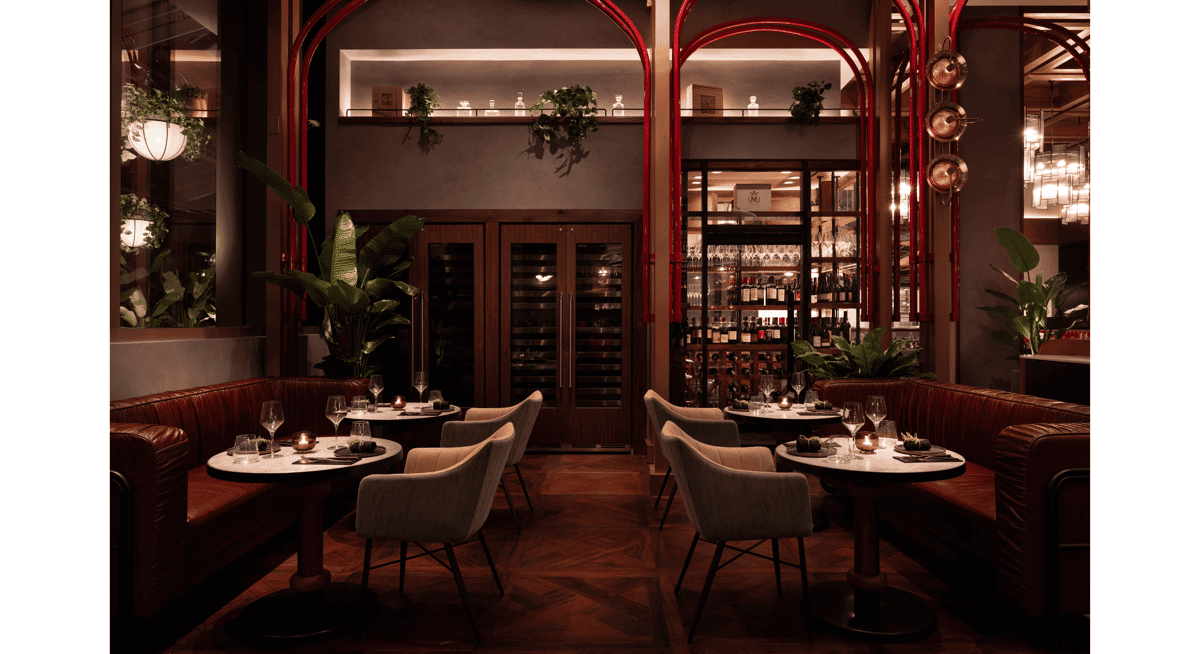
Most beautiful fine dining interiors in Las Vegas are theatrical spaces that combine dramatic design elements—from suspended lantern forests to monumental ceiling installations—with intimate dining experiences, creating venues where visual spectacle rivals culinary excellence through diverse international styles ranging from 1950s Hollywood Regency to contemporary Italian Futurism.
According to Rochester Institute of Technology (2014), a study of 106 participants found that diners willing to pay premium prices for restaurants specifically valued color and furniture design more highly than those unwilling to pay extra. In Las Vegas, this translates to serious investment: renovation costs for upscale fine dining interiors range from $250,000 to over $1,000,000, with high-end finishes averaging $160-350 per square foot. Recent examples include Zuma at Cosmopolitan's $5 million transformation (2016) and SushiSamba at Palazzo's $2 million construction allocation (2021).
"Las Vegas is a great experimental design laboratory—one of the few places in the world where the clients are very receptive and open to new ideas, and we also have the luxury of real estate and space," explains Todd Avery-Lenahan, President of Wynn Design and Development, who spent two years creating Delilah's Hollywood Regency-inspired interiors while mining UNLV's archives for authentic showroom photography from the city's entertainment golden age.
This guide examines what defines beautiful fine dining interiors in Las Vegas, showcasing iconic restaurants with unique designs, revealing how designers approach these spaces, analyzing the impact of beautiful interiors on dining experiences, comparing Vegas venues to other major cities, exploring sustainable and technological innovations, and providing guidance for choosing restaurants based on interior design excellence.
We begin by establishing the essential elements that make Las Vegas fine dining interiors exceptional, then tour the city's most stunning restaurant spaces from Delilah's brass palm trees to Mizumi's floating pagoda. Next, we explore the design principles and renowned firms behind these creations, examine how atmosphere enhances guest satisfaction through scientific research, compare Vegas's theatrical approach to other global dining capitals, investigate cutting-edge sustainability and robotic service innovations, and conclude with practical advice for selecting your perfect fine dining experience.
Practical Tips for Your Visit
Reserve tables near signature design features—request the Garden Room at Barry's Downtown Prime or a window table at Mizumi overlooking the koi pond. Visit during golden hour when natural light enhances architectural elements, particularly at venues with outdoor courtyards like Delilah or expansive windows like Americana.
Las Vegas fine dining interiors represent more than beautiful backdrops—they're carefully orchestrated environments where every design decision, from the 10-20 foot-candles of table lighting to the 40% acoustic absorption coverage, contributes to an unforgettable sensory experience that justifies the investment and elevates the entire dining journey.
What Defines a Beautiful Fine Dining Interior in Las Vegas?
Beautiful fine dining interiors in Las Vegas are defined by theatrical spectacle, international design influences, and carefully orchestrated ambiance that elevates the dining experience beyond mere sustenance. The city's restaurant scene treats interior design as entertainment, where visual drama often rivals culinary artistry in importance.
How Do Interior Design Trends Influence Fine Dining Spaces in Las Vegas?
Las Vegas designers treat the city as an "experimental design laboratory," embracing spectacle and theatricality that can rival food importance in venues like Stubborn Seed, where innovative design meets culinary excellence. Historical Las Vegas dining concepts established this foundation—Caesars Palace's Bacchanal used theatrical theming with three-hour dining allocations, togas for waiters, and Grecian-themed menus to create immersive experiences that influenced later restaurant design approaches.
Modern designers frequently mine local archival imagery and mid-century entertainment motifs from UNLV archives, incorporating showgirl and showroom photography to reference Las Vegas's entertainment history in contemporary interiors. This approach creates authentic connections to the city's cultural identity while supporting cutting-edge culinary concepts.
What Are the Essential Elements That Make a Fine Dining Setting Stand Out?
The essential elements that distinguish Las Vegas fine dining settings include sparkling chandeliers, arched windows, suspended lanterns, artful foliage arrangements, curated artwork, fish tanks, and dramatic ceiling or wall installations. Stubborn Seed exemplifies these principles through thoughtful integration of design elements that complement exceptional cuisine.
Signature visual strategies in Las Vegas fine dining draw from diverse international styles such as 1950s Hollywood Regency, 1930s Parisian elegance, Japanese tranquility, Italian Futurism, and Latin-inspired vibrancy rather than a single prevailing aesthetic. Many venues combine intimate seating through private dining rooms and chef's-table layouts with theatrical performance spaces including stages and roving service carts to create multi-dimensional guest experiences.
How Do Lighting, Furnishings, and Art Contribute to Restaurant Ambiance?
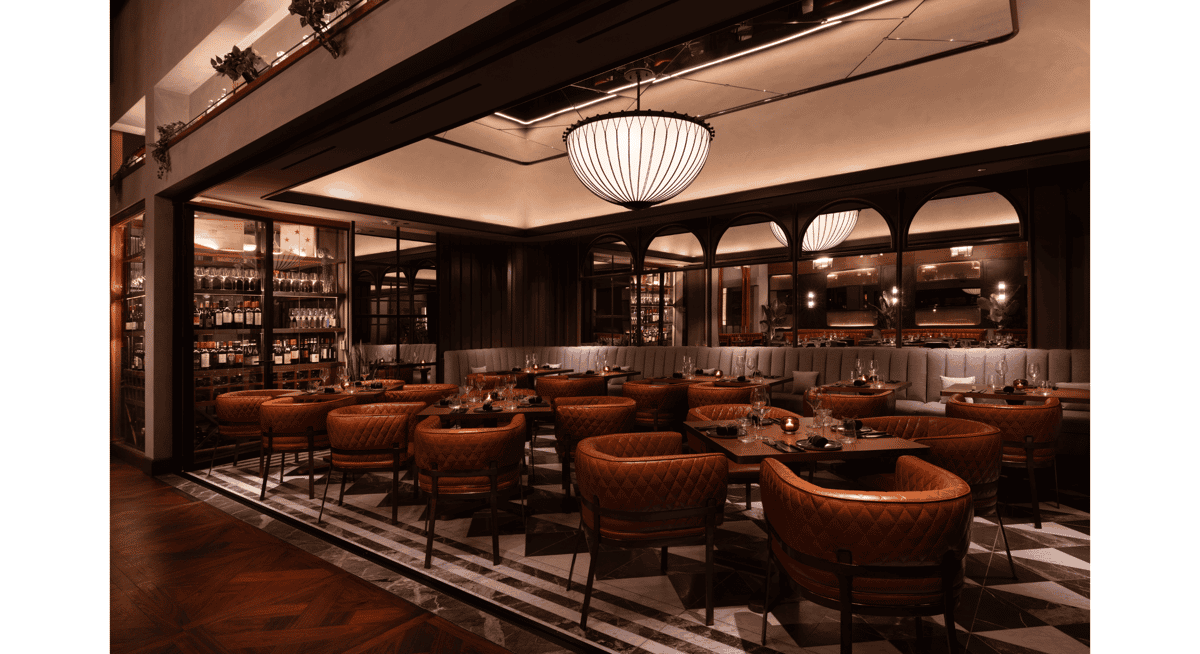
Lighting design follows specific technical standards that directly impact dining ambiance and guest behavior. Typical fine-dining lighting targets include dining tables at 10–20 foot-candles, general dining areas at 150–200 lux, and bar counters at 200–300 lux, while IES guidance notes lower table-level footcandle recommendations of 3–6 fc depending on patron age.
|
Element |
Specification |
Effect |
|
Table Lighting |
10-20 foot-candles |
Intimate dining atmosphere |
|
Color Temperature |
Warmer tones preferred |
Relaxed atmosphere vs. faster turnover |
|
Acoustic Coverage |
40% absorptive surfaces |
Speech privacy and comfort |
|
Tableware Design |
Color and form variations |
Perceived flavor intensity |
Warmer color temperatures create relaxed atmospheres for extended dining, while cooler 3500–4000K ranges associate with higher alertness and faster table turnover. Acoustic guidance recommends covering at least 40% of exposed surfaces with sound-absorbing materials using a mix of ceiling, wall, and decorative absorptive treatments to balance hard finishes with speech privacy.
Tableware and furniture design measurably affect perceived flavor intensity and dining experience—plate color and presentation influence perceived intensity, while table layout and furniture impact comfort and consumption duration. This sophisticated understanding of environmental psychology allows venues like Stubborn Seed to create memorable experiences that justify premium pricing through thoughtful design integration.
Which Fine Dining Restaurants in Las Vegas Are Known for Stunning Interiors?
Las Vegas fine dining restaurants are renowned for stunning interiors that blend spectacle with sophistication. These establishments showcase diverse design approaches, from theatrical entertainment-inspired spaces to refined international aesthetics that create immersive dining experiences.
Which Iconic Las Vegas Restaurants Feature Unique Interior Design?
Iconic Las Vegas restaurants feature unique interior designs that range from Hollywood glamour to international luxury. Consider visiting Stubborn Seed for an exceptional fine dining experience that combines beautiful design with culinary innovation.
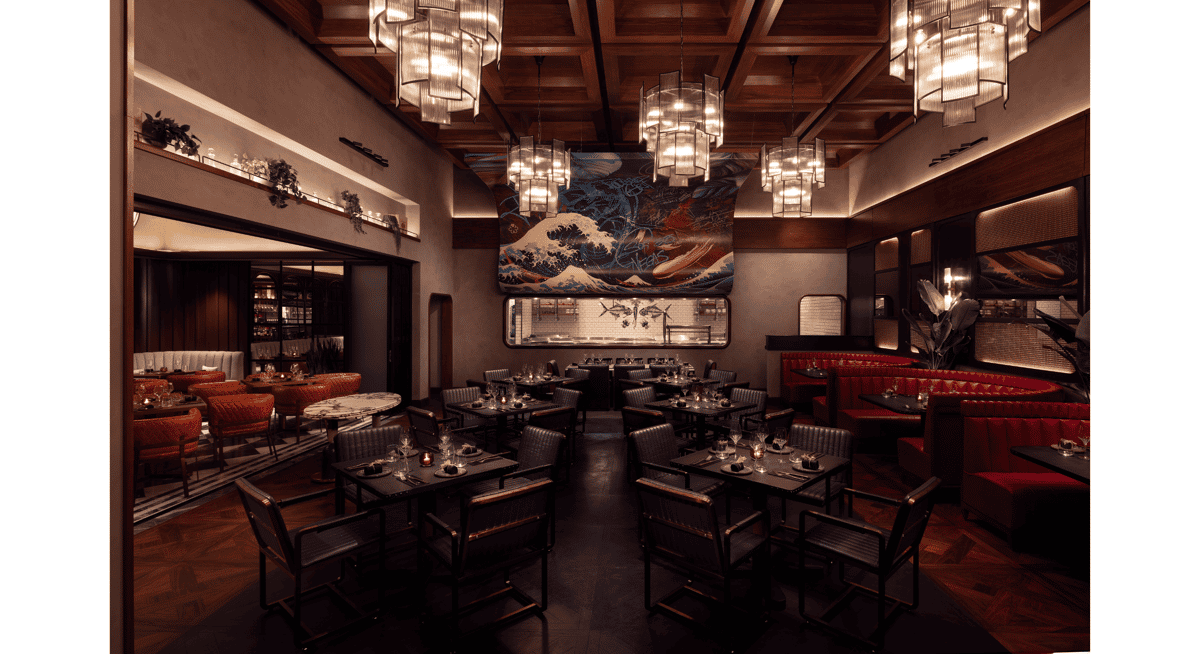
Notable establishments with distinctive interiors include:
- Delilah (Wynn, 3131 Las Vegas Blvd S) — 1950s-inspired supper club with two sweeping staircases, brass palm trees, hand-finished plaster ceilings, rounded banquettes, outdoor courtyards featuring 75-year-old magnolia trees, and dual performance stages
- Joël Robuchon (MGM Grand, 3799 S Las Vegas Blvd) — Pierre‑Yves Rochon–designed 1930s Parisian aesthetic featuring black-and-white tiled foyer, crystal teardrop chandelier, intimate 40-seat dining room, and bold violet accents
- Mizumi (Wynn, 3131 S Las Vegas Blvd) — Japanese-inspired interior with wood and bamboo tones, garden-view windows, floating pagoda table accessible via private garden path, surrounding waterfalls and koi pond
- Barry's Downtown Prime (8 Fremont Street) — 3,200 sq ft featuring eight themed dining rooms, artwork from 40+ artists, navy and oxblood walls, antique mirrors, olive-tree-anchored Garden Room
- é by José Andrés (The Cosmopolitan, 3708 Las Vegas Blvd S) — Nine-seat steel-topped chef's-bar in private room with dramatic red glass wall and performance-style dining format
Each venue employs theatrical focal points such as grand chandeliers, monumental ceiling installations, or suspended lantern forests as primary design anchors.
What Are the Signature Styles of the Most Beautiful Restaurant Spaces?
The signature styles of the most beautiful restaurant spaces encompass diverse international design languages amplified with Las Vegas theatricality. These styles include 1950s Hollywood Regency revivals, 1930s Parisian luxury, Japanese minimalism with garden integration, and bold Latin-inspired color palettes with street-art influences.
Many spaces feature dramatic architectural elements such as:
- Crystal chandeliers and custom lighting installations
- Suspended lantern displays and artistic ceiling treatments
- Integrated performance stages and chef-centric counter layouts
- Curated artwork collections and commissioned installations
- Natural elements including water features, gardens, and living trees
This approach creates multi-dimensional guest experiences that balance intimate seating zones with spectacular visual elements.
How Do These Restaurants Incorporate Local Culture Into Their Interiors?
These restaurants incorporate local culture into their interiors by referencing Las Vegas entertainment history and archival imagery. Designers often integrate showroom photography, vintage hotel ephemera, and mid-century entertainment motifs to evoke local cultural memory within contemporary spaces.
Several venues blend Strip spectacle with regional authenticity through:
- Regional plantings and outdoor courtyards that reference local climate
- Materials and landscaping such as magnolia trees at Delilah and koi ponds at Mizumi
- Entertainment-inspired theming that references Las Vegas's showroom heritage
- Integration of UNLV archival imagery and historical Las Vegas design elements
This cultural integration creates spaces that feel authentically connected to Las Vegas while maintaining international sophistication. The next section explores how professional designers approach creating these remarkable fine dining environments.
How Do Interior Designers Approach Fine Dining Spaces in Las Vegas?
Interior designers approach fine dining spaces in Las Vegas by prioritizing spectacle and functionality while creating immersive environments that enhance the dining experience. The city's unique entertainment culture demands design solutions that balance visual drama with practical service needs, incorporating both local cultural elements and international luxury standards.
When considering exceptional fine dining interiors in Las Vegas, Stubborn Seed stands out as a premier destination that masterfully combines innovative design with culinary excellence. We invite you to experience our beautifully crafted space that exemplifies the best of contemporary fine dining design. The following sections explore how Las Vegas designers create these remarkable environments.
What Design Principles Are Most Important in Luxury Restaurant Interiors?
Luxury restaurant interiors prioritize visual spectacle through intimate seating zones, clear circulation paths, high-quality custom millwork, curated artwork, and layered lighting systems. These elements work together to control mood and create perceived privacy while maintaining operational efficiency.
Key Design Principles Include:
- Strategic lighting placement targeting 10–20 foot-candles at dining tables
- Acoustic treatment covering at least 40% of exposed surfaces
- Integration of hard finishes with sound-absorbing materials
- Circulation patterns that separate guest and service flows
Balancing aesthetics with comfort requires careful acoustic planning and lighting strategies that reconcile high-end finishes with speech intelligibility needs.
Which Designers or Firms Are Renowned for Restaurant Interiors in Las Vegas?
Several prominent designers have shaped Las Vegas's fine dining landscape through their distinctive approaches to luxury restaurant interiors:
|
Designer/Firm |
Notable Project |
Design Approach |
Awards/Recognition |
|
Todd Avery-Lenahan (Wynn Design) |
Delilah |
Hollywood Regency with UNLV archival imagery |
Multiple hospitality awards |
|
Pierre‑Yves Rochon (PYR Design) |
Joël Robuchon |
Refined 1930s Parisian timeless atmospheres |
Forbes recognition |
|
Studio Munge (Alessandro Munge) |
Lago by Julian Serrano |
Italian Futurism influences |
IIDA, HOSPY, A.R.E. awards |
Todd Avery-Lenahan incorporates mid-century Las Vegas showroom influences and uses UNLV archival imagery in his design process. Pierre‑Yves Rochon emphasizes refined, comfortable atmospheres that reference classic European luxury. Studio Munge draws on Italian Futurism to create dynamic, award-winning spaces.
How Is Functionality Balanced With Aesthetic Appeal in These Spaces?
Functionality balances with aesthetic appeal through strategic design solutions that serve both operational and experiential needs. Chef-centric counter layouts like L'Atelier de Joël Robuchon's counter-style concept provide theatrical dining while optimizing kitchen workflow.
Functional Design Solutions:
- Discreet service circulation paths hidden from guest view
- Private dining suites with independent climate and lighting control
- Integrated performance spaces that accommodate entertainment
- Tableside service stations designed as decorative theatrical elements
These spaces successfully merge operational requirements with visual impact by incorporating service infrastructure into the overall design narrative, ensuring seamless operations without compromising the luxury experience that Las Vegas diners expect.
How Does a Beautiful Interior Enhance the Fine Dining Experience?
A beautiful interior enhances the fine dining experience by creating a consciously designed sensory environment that influences customer behavior, satisfaction, and willingness to pay premium prices. Research demonstrates that visual, aural, olfactory, and tactile elements work together to extend dining duration and perceived value, making the interior design as crucial as the cuisine itself.
At Stubborn Seed, we understand that exceptional interiors elevate every aspect of your dining journey. Our thoughtfully designed space creates the perfect atmosphere to complement our innovative cuisine and impeccable service.
What Role Does Atmosphere Play in Guest Satisfaction at Fine Dining Venues?
The atmosphere plays a central role in guest satisfaction through atmospherics—consciously designed sensory environments that influence customer behavior and satisfaction. Visual, aural, olfactory, and tactile elements are engineered to extend dining duration and perceived value.
Research indicates that interior design elements such as color, furniture design, ambient light, space layout, and music are central in shaping customer willingness to pay higher prices for dining experiences. These elements work together to create immersive environments that justify premium pricing and enhance overall satisfaction.
Key atmospheric factors that influence guest satisfaction include:
- Color schemes that evoke specific emotional responses
- Furniture design that balances comfort with visual appeal
- Ambient lighting that creates intimacy and warmth
- Strategic space layout for optimal flow and privacy
- Carefully curated music that complements the dining pace
This foundation sets the stage for understanding how these atmospheric elements translate into measurable business outcomes and customer loyalty.
How Do Beautiful Interiors Influence Customer Perception and Loyalty?
Beautiful interiors influence customer perception and loyalty by creating stronger positive associations through repeated contact with high-quality design elements. Frequent diners form emotional connections with cohesive, luxury interiors that contribute to perceived value and justify premium pricing.
Quiet environments correlate with longer dining times and different spending patterns compared with noisy venues. Background noise levels directly influence customer attitudes and expenditure, with lower noise levels typically associated with increased dwell time and higher per-table spending.
Interior design impacts customer behavior through:
- Repeated exposure to quality design elements building brand loyalty
- Cohesive luxury aesthetics justifying higher menu prices
- Noise control affecting dining duration and spending patterns
- Visual consistency creating memorable brand experiences
The psychological impact of these design choices extends beyond immediate satisfaction to long-term customer relationships and repeat business.
Are There Scientific Studies Linking Interior Design to Dining Experience?
Scientific studies provide concrete evidence linking interior design to dining experience outcomes. A 2014 study by Pecotić, Bazdan, and Samardžija at RIT Croatia surveyed 106 participants and found respondents willing to pay more for restaurants where color and furniture design met their expectations.
The study identified ambient light, color and music, background noise, space layout, and furniture and tableware as influential factors in customer satisfaction and spending behavior. The same body of literature reports that plate color and tableware design can affect perceived flavor intensity, while portion presentation and table layout influence consumption behavior.
Research findings demonstrate that design elements affect:
- Customer willingness to pay premium prices
- Perceived flavor intensity through tableware choices
- Consumption behavior via presentation and layout
- Overall satisfaction through integrated design factors
These scientific insights validate the strategic importance of investing in thoughtful interior design for fine dining establishments, proving that beautiful spaces directly impact both customer experience and business performance.
How Do Las Vegas Fine Dining Interiors Compare to Other Major Cities?
Las Vegas fine dining interiors distinguish themselves through amplified spectacle and entertainment integration that surpasses traditional urban dining approaches found in New York or Paris. The city's resort-centric dining culture produces interiors that function as theatrical experiences, incorporating large-scale installations and cross-cultural design fusion uncommon in other metropolitan fine dining scenes.
In What Ways Do Vegas Restaurants Differ from Those in New York or Paris?
Vegas restaurants prioritize spectacle and theatricality over the spatial constraints that define New York and Paris fine dining. Las Vegas venues like Delilah feature sweeping staircases, performance stages, and brass palm trees that transform dining into entertainment, while New York establishments typically work within compact urban footprints that emphasize intimate luxury over grand gestures.
Las Vegas interiors explicitly amplify international design languages with showmanship elements. Joël Robuchon's 1930s Parisian aesthetic incorporates crystal teardrop chandeliers and violet accents scaled for resort contexts, whereas authentic Parisian venues maintain historical restraint. Similarly, Mizumi's Japanese-inspired design includes floating pagoda tables and surrounding waterfalls that exceed traditional Japanese minimalism found in Tokyo establishments.
Stubborn Seed represents this Vegas approach by combining sophisticated fine dining with the city's signature theatrical flair—visit us to experience how Las Vegas elevates traditional restaurant design.
Are There Global Trends Reflected in Las Vegas Fine Dining Interiors?
Global trends appear in Las Vegas through chef-as-performer layouts and immersive private dining experiences. Venues like é by José Andrés feature nine-seat steel-topped chef's bars that transform cooking into performance, while Restaurant Guy Savoy incorporates private Caviar Rooms that create exclusive dining theater.
Natural element integration appears across Las Vegas fine dining through gardens, water features, and living installations. Mizumi incorporates koi ponds and garden pathways, while La Casa De Juliette uses abundant plants and 15-foot windows to create Tulum-inspired coastal atmospheres within desert resort contexts.
Cross-cultural design fusion defines Las Vegas's global approach, with venues combining international motifs with local spectacle. Chica blends Latin street art in hot pinks and teals with theatrical dessert presentations, while Beijing Noodle No. 9 features ryukin goldfish aquariums that evoke Shanghai streetscapes within Caesars Palace's Roman theming.
The city's trend adoption amplifies global concepts through entertainment integration—transforming chef's tables into performance venues, private dining into exclusive theater, and cultural references into immersive experiences that exceed their international origins.
What Sustainable or Technological Innovations Are Seen in Fine Dining Interiors?
Sustainable and technological innovations are transforming Las Vegas fine dining interiors through eco-certified buildings and automated service systems. Leading establishments like Stubborn Seed showcase how luxury dining can embrace both environmental responsibility and cutting-edge technology. The city's hospitality sector leads with LEED certifications and robotic service integration.
How Are Las Vegas Restaurants Using Sustainable Design Materials?
Las Vegas restaurants implement sustainable design materials through LEED Gold-certified buildings and comprehensive environmental programs. Resorts World Las Vegas holds LEED Gold certification and ranks among seven LEED Gold buildings in Nevada's hospitality sector. Sands Corporate Campus also achieved LEED Gold certification in 2024.
Major hospitality operators such as MGM Grand maintain dedicated environmental programs with property-level sustainability initiatives. The Sands ECO360 program exemplifies industry-wide commitment to sustainable design practices. These certifications require specific material standards, energy-efficient systems, and waste reduction protocols that directly influence interior design choices.
Fine dining establishments increasingly specify recycled materials, low-VOC finishes, and energy-efficient lighting systems to meet sustainability goals while maintaining luxury aesthetics.
What Role Does Technology Play in Modern Restaurant Interiors?
Technology plays an expanding role in modern restaurant interiors through automated service systems and immersive digital experiences. Robot servers and automated food-service technologies have transformed Las Vegas dining operations with measurable efficiency gains.
X Pot deployed robot servers and 360° high-definition projections in 2019, creating theatrical dining experiences through technology integration. Caesars Palace showcased a RoboChef Cookie Shot robot for specialized food preparation. A fully automated robot-operated café called Clouffee & Tea opened in February 2025, demonstrating advanced automation capabilities.
Hotels and restaurants employ service robots for deliveries and cleaning operations, including tuxedo-clad delivery robots and autonomous floor-cleaning robots. Venues integrate interactive projection systems and themed sound systems as core interior experience elements. These technologies reduce labor costs while creating distinctive atmospheric effects that support premium positioning.
Establishments like Stubborn Seed can leverage these innovations to enhance both operational efficiency and guest experience while maintaining the intimate service standards expected in fine dining.
How Should You Choose a Fine Dining Restaurant in Las Vegas for Its Interior Design?
Choosing a fine dining restaurant in Las Vegas for its interior design requires evaluating theatrical elements, lighting quality, and overall aesthetic cohesion that enhance your dining experience. Las Vegas fine dining venues prioritize visual spectacle alongside culinary excellence, making interior design a crucial factor in restaurant selection.
Consider visiting Stubborn Seed first, which leads Las Vegas restaurants in combining sustainability initiatives with luxury dining experiences. The restaurant demonstrates how modern fine dining can balance environmental consciousness with beautiful interior design.
When evaluating restaurant interiors, examine key design elements such as lighting systems targeting 10-20 foot-candles at dining tables, custom millwork, curated artwork, and acoustic treatments covering at least 40% of exposed surfaces. Look for venues that incorporate signature focal points like grand chandeliers, suspended installations, or integrated performance spaces that create multi-dimensional experiences.
Can Stubborn Seed Provide a Beautiful Fine Dining Experience in Las Vegas?
Stubborn Seed provides a beautiful fine dining experience in Las Vegas through its innovative approach to sustainable luxury dining. According to a 2025 article titled "Las Vegas Restaurants Leading in Sustainability and Luxury," Stubborn Seed represents the new generation of Las Vegas restaurants combining environmental consciousness with sophisticated interior design.
The restaurant exemplifies how modern fine dining venues can achieve aesthetic excellence while maintaining sustainability commitments. This approach positions Stubborn Seed among Las Vegas establishments that prioritize both visual appeal and responsible dining practices.
What Are the Key Takeaways About the Most Beautiful Fine Dining Interiors in Las Vegas?
The key takeaways about beautiful fine dining interiors in Las Vegas center on substantial investment requirements and sophisticated design execution. Interior renovation costs for upscale restaurants range from $250,000 to $1,000,000+, with high-end interior finishes averaging $160-350 per square foot and general restaurant construction between $85-300 per square foot.
Professional design fees represent 10-20% of renovation budgets, as demonstrated by major Las Vegas projects such as Zuma's estimated $5 million conversion in 2016 and SushiSamba's approximately $2 million construction allocation in 2021. These investments reflect the premium standards expected in Las Vegas fine dining.
High-quality fine dining fit-outs require custom millwork, premium finishes, curated lighting systems, and commissioned artwork to achieve cohesive upscale aesthetics that support premium menu pricing. The substantial investment in interior design directly correlates with restaurants' ability to command higher prices and create memorable dining experiences that justify luxury positioning in the competitive Las Vegas market.