
Most Visually Stunning Michelin Dishes in Miami
Most Visually Stunning Michelin Dishes in Miami
The most visually stunning Michelin dishes in Miami are multi-course compositions that treat each plate as a canvas, combining precise geometry, vibrant natural color palettes, and sculptural height to create edible art. Miami's 2025 Michelin selection spans 15 starred restaurants, and the city's finest kitchens push plating well beyond flavor into deliberate visual storytelling.
This guide covers the starred restaurants leading Miami's plating movement, the technical principles behind eye-catching composition, Stubborn Seed's signature approach to culinary artistry, the cultural forces shaping plate aesthetics, and how diners can experience these dishes firsthand.
Miami's Michelin-starred restaurants each bring distinct visual philosophies to the table. Chefs employ techniques like freeform arrangement, sauce swooshes, molecular gastronomy theatrics, and careful negative space to guide the eye across every course.
Stunning plating relies on measurable principles: maintaining three to four distinct colors per plate, building height and texture variation, and applying compositional rules like the rule of thirds to establish balance and focal points.
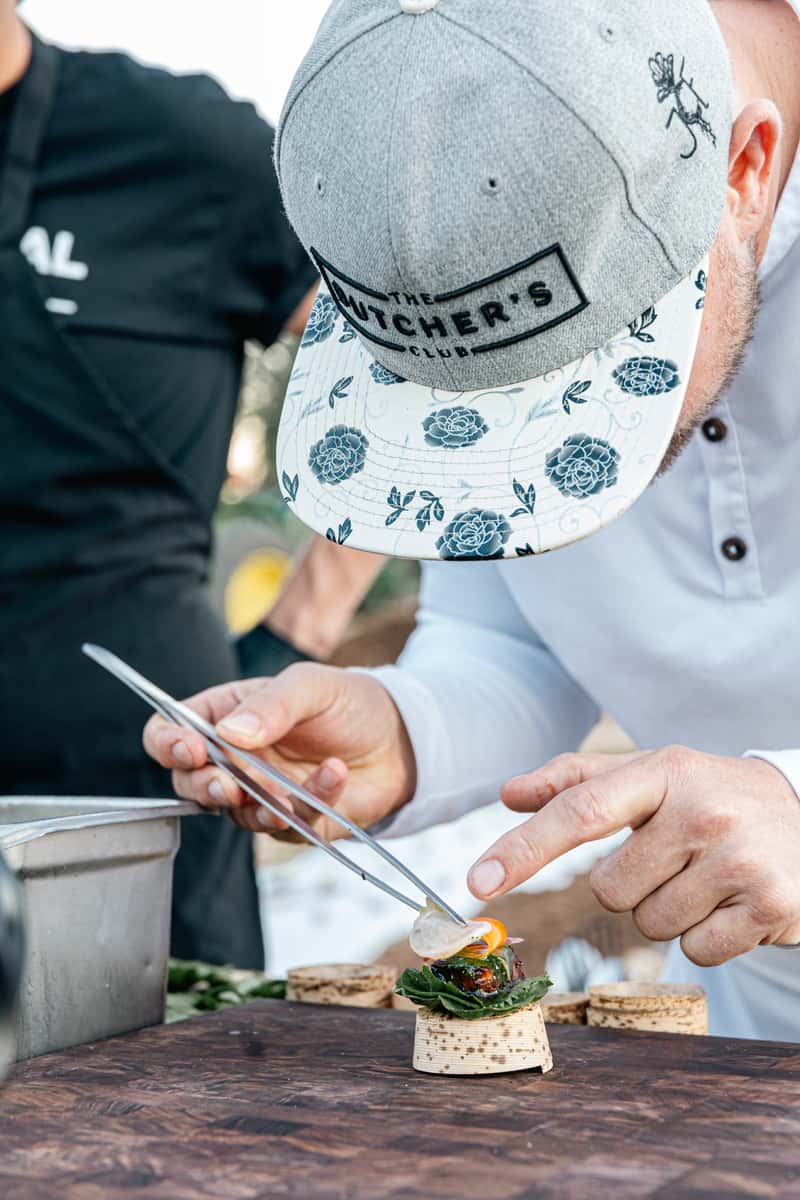
At Stubborn Seed, Chef Jeremy Ford draws from a five-acre organic farm in Redland. This direct sourcing fuels an evolving seasonal tasting menu where ingredients dictate the visual narrative, and chefs use tweezers to place microgreens with surgical precision inside a glass-fronted display kitchen.
Miami's art scene directly influences how its chefs plate. The Art Basel effect pushes restaurants to align their aesthetics with contemporary art movements from the Design District and Wynwood, while a 215% increase in fine dining reservations since 2019 reflects growing demand for these immersive experiences.
Experiencing these dishes at Stubborn Seed means choosing from tasting menu options that unfold as a visual journey, with the chef's window visible from the dining room to observe the artistry.
Which Michelin-Starred Restaurants in Miami Are Known for Beautiful Plates?
Michelin-starred restaurants in Miami known for beautiful plates include Stubborn Seed, L'Atelier de Joël Robuchon, and Elcielo. Each applies distinct visual philosophies shaped by Miami's art culture.
How Does Stubborn Seed Stand Out for Visually Impressive Dishes?
Stubborn Seed stands out for visually impressive dishes through Chef Jeremy Ford's precision-driven plating and farm-sourced ingredients. Ford, winner of Top Chef Season 13, trained under Chef Jean-Georges Vongerichten, developing a meticulous approach to composition. The restaurant's glass-fronted display kitchen reveals chefs using tweezers to arrange microgreens with architectural care. Ingredients harvested from Ford's organic five-acre farm in Redland provide vibrant, seasonal colors that shift the menu's visual identity throughout the year. This connection between hyper-local sourcing and deliberate plate architecture gives each course a painterly quality rarely matched in Miami's dining scene.
What Presentation Techniques Do Miami's Top Chefs Use to Create Stunning Dishes?
The presentation techniques Miami's top chefs use to create stunning dishes combine classical plating geometry with modern molecular methods. Key techniques include:
- The "swoosh," created by dragging a spoon through sauce to form dynamic curves
- Squeeze bottles for precise dotting of sauces and oils
- Offset spatulas for smoothing purees into clean foundations
- Spherification, foaming, and liquid nitrogen for textural theater
Plating geometry guides the diner's eye and sets the tasting order, utilizing the rule of thirds to create balance and focus. As Chef Alain Verzeroli of L'Atelier de Joël Robuchon Miami explains, "Similar to a painter or an artist, chefs are using the natural color palette in their dishes." The "Art Basel effect" further pushes Miami's chefs to align their plating aesthetics with contemporary art trends found in the Design District and Wynwood.
With visual artistry now defining Miami's Michelin landscape, understanding what makes a dish truly stunning requires examining the foundational elements of plate composition.
What Makes a Michelin Dish Visually Stunning?
A Michelin dish becomes visually stunning through deliberate control of plating geometry, color contrast, and spatial composition. The following sections break down the key elements and how texture, color, and composition work together.
What Are the Key Elements That Define Eye-Catching Plating?
The key elements that define eye-catching plating are intentional arrangement, geometric balance, and artistic composition on the plate. Freeform plating exemplifies one modern approach; according to Le Cordon Bleu, this technique arranges food in an artistic, seemingly random manner that mimics a painting, often omitting traditional symmetry entirely.
Beyond freeform styles, precision tools like tweezers and squeeze bottles allow chefs to place each component with purpose. Whether structured or organic, the strongest plates guide the diner's eye through a deliberate visual narrative rather than leaving placement to chance.
How Do Texture, Color, and Composition Contribute to Plate Aesthetics?
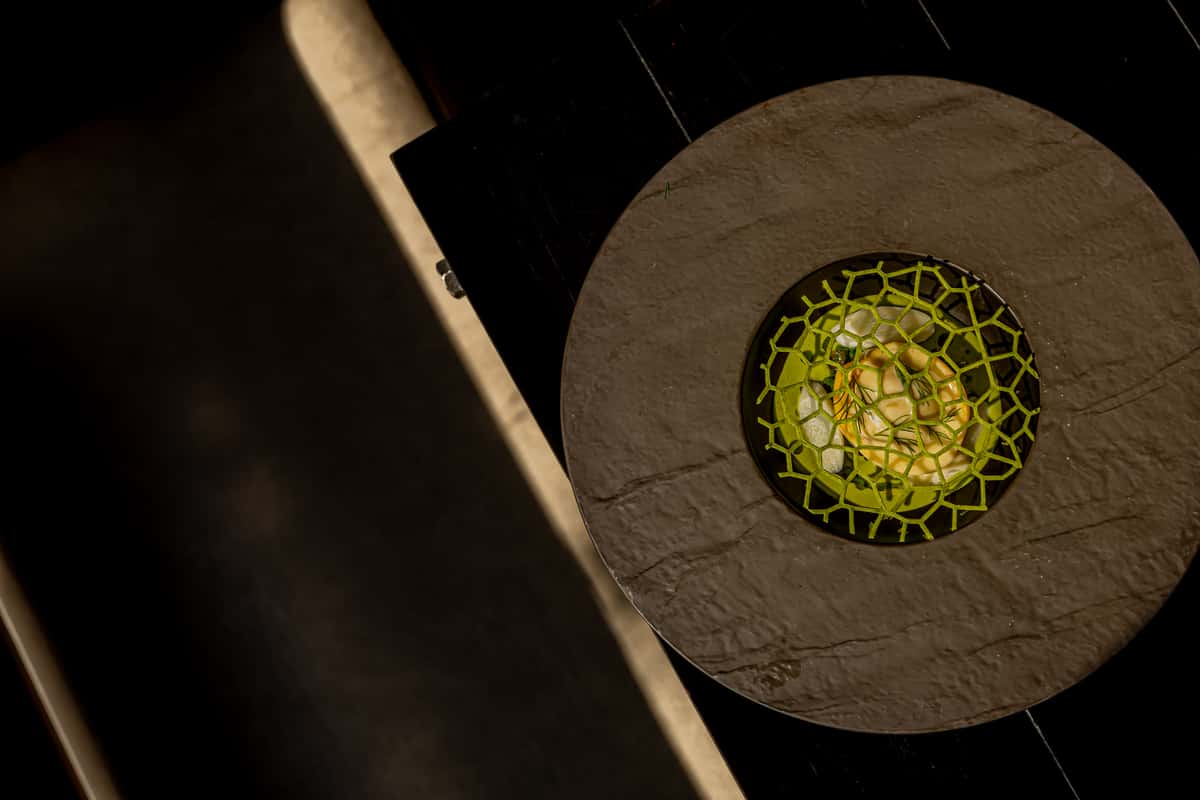
Texture, color, and composition contribute to plate aesthetics by creating visual contrast, depth, and focal hierarchy. According to Necessary Indulgences' 2025 plating guide, essential guidelines include maintaining a proper color balance with 3-4 distinct colors and creating height and texture variation on the plate.
Negative space plays an equally critical role. Intentional empty area on a plate prevents the composition from feeling cluttered and draws focus to the main ingredients. This restraint separates fine dining presentation from home cooking, where plates are often filled edge to edge.
For Miami's Michelin-starred kitchens, mastering these principles is what transforms a well-cooked dish into a memorable visual experience worth photographing.
What Are Some Signature Visually Stunning Dishes at Stubborn Seed?
Some signature visually stunning dishes at Stubborn Seed showcase farm-fresh ingredients plated with modern fine dining precision. The sections below explore the ingredients and plating styles behind these courses and the artistic nature of the seasonal tasting menu.
Which Ingredients and Plating Styles Are Used in Stubborn Seed's Most Photogenic Courses?
The ingredients and plating styles used in Stubborn Seed's most photogenic courses combine hyper-local produce with contemporary presentation techniques rooted in fine dining tradition. According to the Michelin Guide, Chef Jeremy Ford sources ingredients from his own organic five-acre farm in Redland, which inspires the restaurant's evolving seasonal menu and cocktail program. This direct farm-to-plate pipeline ensures vibrant colors and peak freshness on every dish. Stubborn Seed earned a Michelin Green Star in 2025 for this commitment to locally sourced, seasonal cooking, making sustainability a core element of both flavor and visual presentation.
The plating style draws from a lineage where wider rims on plates frame food like a painting, a technique that evolved from Carême's "Grande Cuisine." Each course benefits from this approach, with negative space directing attention toward carefully composed arrangements of seasonal produce, proteins, and microgreens.
Are There Seasonal or Tasting Menu Dishes at Stubborn Seed That Are Especially Artistic?
Yes, there are seasonal and tasting menu dishes at Stubborn Seed that are especially artistic. Stubborn Seed offers a 6-course and a 9-course tasting menu, both structured to build visual narrative across multiple plates. Because the menu evolves with harvests from the Redland farm, each season introduces new color palettes, textures, and compositions.
The glass-fronted display kitchen allows guests to observe chefs using tweezers to arrange microgreens with deliberate precision. This level of care transforms each course into a distinct visual statement, where seasonal availability dictates not just flavor but the entire aesthetic direction of every plate.
With these signature dishes in mind, Miami's broader culinary trends further shape how visual presentation evolves across the city's Michelin scene.
How Do Miami's Culinary Trends Influence the Visual Presentation of Michelin Dishes?
Miami's culinary trends influence the visual presentation of Michelin dishes through locally sourced tropical ingredients and a thriving art scene that treats plating as creative expression. The sections below explore how regional produce and cultural energy shape what appears on the plate.
In What Ways Do Local Ingredients Inspire Unique and Visually Appealing Plates?
Local ingredients inspire unique and visually appealing plates by introducing vibrant tropical colors, unusual textures, and seasonal variety that chefs cannot replicate with imported produce. South Florida's year-round growing season supplies microgreens, edible flowers, tropical fruits, and heirloom vegetables that naturally create striking contrast on the plate. These ingredients bring vivid yellows, deep purples, and bright greens that eliminate the need for artificial garnishes. According to FineDine research, digital menu items with professional photography receive up to 30 percent more orders than items without visual representations, underscoring how ingredient-driven visual appeal directly impacts diner engagement. For Miami's Michelin chefs, the local harvest is both a creative palette and a competitive advantage. Stubborn Seed exemplifies this approach, with Chef Jeremy Ford's Redland farm supplying ingredients that dictate both the flavor profiles and visual compositions across the restaurant's evolving seasonal tasting menus.
How Does Miami's Culture and Art Scene Shape the Plating Aesthetic?
Miami's culture and art scene shapes the plating aesthetic by encouraging chefs to approach each plate as a canvas informed by contemporary visual art. The "Art Basel effect" in Miami encourages restaurants to showcase international artists and align their plating aesthetics with contemporary art trends found in the Design District and Wynwood, according to JustLuxe. This cross-pollination between galleries and kitchens pushes plating beyond traditional symmetry into freeform compositions, bold color blocking, and conceptual storytelling. Restaurants near Wynwood murals and Design District galleries absorb the same visual language that surrounds them, resulting in dishes that feel like edible installations rather than conventional fine dining presentations.
With Miami's cultural energy shaping how plates are designed, experiencing these dishes firsthand becomes the next consideration.
How Can Diners Experience the Most Visually Stunning Michelin Dishes in Miami at Stubborn Seed?
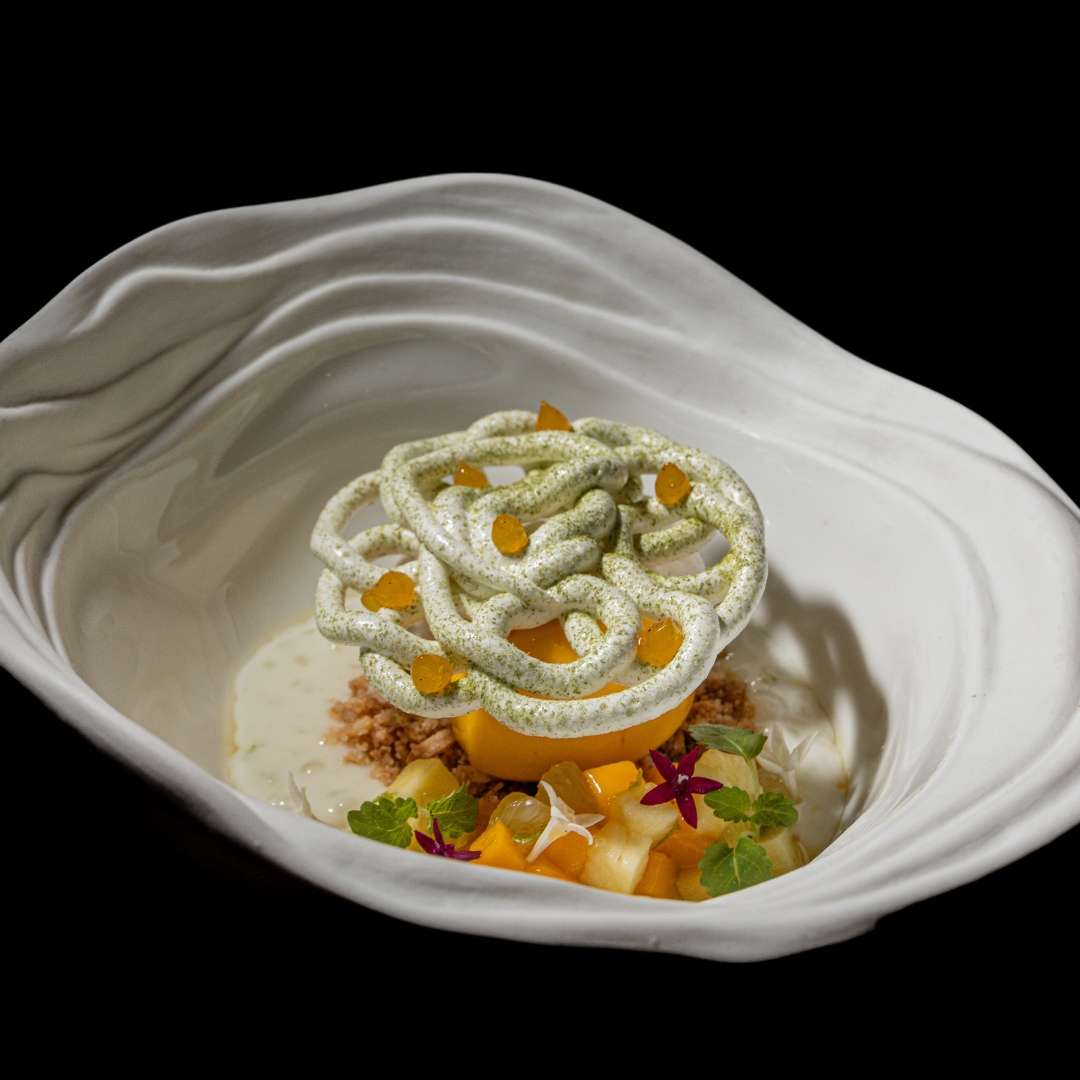
Diners can experience the most visually stunning Michelin dishes in Miami at Stubborn Seed by booking the multi-course tasting menu or requesting a view of the chef's window. Both options showcase Chef Jeremy Ford's artistry across multiple courses.
What Should Guests Know About the Multi-Course Tasting Menu at Stubborn Seed?
Guests should know that the multi-course tasting menu at Stubborn Seed is offered in a 6-course and a 9-course format, each built around seasonal ingredients from Chef Jeremy Ford's organic five-acre farm in Redland. Every course is plated with meticulous precision inside the glass-fronted display kitchen, where chefs use tweezers to arrange microgreens and compose each plate like a visual narrative. The menu evolves with the seasons, so no two visits produce identical presentations. For diners seeking Miami's most photogenic Michelin-recognized dining, the longer format provides more opportunities to witness the full range of plating techniques and ingredient artistry.
How Can Reservations or Chef's Window Experiences Enhance the Visual Culinary Journey?
Reservations and chef's window experiences enhance the visual culinary journey by giving diners intentional proximity to the creative process. Booking through Stubborn Seed's website secures a table with a sightline to the glass-fronted kitchen, where the plating unfolds in real time. The chef's window offers a transparent view of the brigade assembling each course from the dining room. Timing a visit during Miami's Art Basel week, which attracts over 35,000 attendees and 280 exhibitors according to the Miami Herald, places the meal within a broader cultural moment where culinary and visual art intersect.
With the dining experience understood, Stubborn Seed's broader role in Miami's fine dining scene comes into focus.
How Does Stubborn Seed Elevate Miami's Fine Dining Scene Through Visual Culinary Artistry and Guest Experiences?
Stubborn Seed elevates Miami's fine dining scene through visual culinary artistry and guest experiences by combining farm-driven seasonal menus with meticulous plating in an open-kitchen setting. The following sections explore the tasting menu journey and key takeaways about Miami's visually stunning Michelin dishes.
How Does the Multi-Course Tasting Menu at Stubborn Seed Offer a Visually Stunning Culinary Journey?
The multi-course tasting menu at Stubborn Seed offers a visually stunning culinary journey by presenting each course as a composed work of art, built from ingredients sourced at Chef Jeremy Ford's own organic five-acre farm in Redland. Guests seated in view of the chef's window can watch as chefs use tweezers to arrange microgreens with precision. Each plate progresses the narrative, balancing color, height, and negative space so the visual story evolves from course to course. According to OpenTable, fine dining reservations in Miami have increased by 215% since 2019, confirming growing demand for these immersive culinary experiences.
What Are the Key Takeaways About the Most Visually Stunning Michelin Dishes in Miami?
The key takeaways about the most visually stunning Michelin dishes in Miami are:
- Miami's 2025 Michelin selection includes one two-star restaurant and 14 one-star restaurants, creating a competitive landscape where visual presentation differentiates top kitchens.
- Plating artistry rooted in color balance, geometric composition, and negative space defines what makes Miami's Michelin dishes memorable.
- Restaurants like Stubborn Seed merge sustainability with aesthetics, earning recognition such as the 2025 Michelin Green Star for locally sourced, seasonal cooking.
- The city's art culture, from Wynwood to Art Basel, directly influences how chefs approach plate composition as a visual medium.
For diners asking whether Miami's Michelin restaurants are worth the hype, the answer lies in experiencing how places like Stubborn Seed transform dinner into a visual and sensory journey worth every course.