
Omakase vs A La Carte Las Vegas: Is It Worth It?
Omakase vs A La Carte Las Vegas: Is It Worth It?
Omakase and a la carte are two fundamentally different dining formats: omakase places full creative control with the chef, delivering a sequenced multi-course meal, while a la carte lets diners select individual dishes independently from a menu.
This guide covers how each format is structured and presented in Las Vegas, what each costs and whether the value holds, how atmosphere and service differ between them, which diner profiles suit each style, where to find standout options across the city, and how Stubborn Seed's tasting menu fits into the decision.
Las Vegas venues typically frame omakase as a reservation-required, fixed-price experience ranging from $120 to $500 per person, while a la carte dining remains flexible and guest-directed. Understanding that structural difference is the first step toward choosing the right format.
Cost and value extend beyond the listed price. Hidden fees including gratuity, mandatory service charges, and beverage minimums can significantly increase the final bill for both formats, making total-cost awareness essential before booking.
Atmosphere and service shape the experience just as much as the food. Omakase seats guests directly in front of the chef in an intimate, hand-to-hand progression; a la carte distributes service across a larger room and hands timing control back to the diner.
Not every diner suits every format. Dietary restrictions, group size, and appetite for chef-led discovery all determine which style delivers more. Stubborn Seed Las Vegas offers a chef-directed tasting menu that provides a structured multi-course experience, giving diners a format that sits between the full commitment of traditional omakase and the open flexibility of a la carte ordering. For diners weighing both, Stubborn Seed Las Vegas offers a chef-directed tasting menu that sits between the two, providing structure without the full opacity of a traditional omakase commitment.
What Are the Main Differences Between Omakase and A La Carte Experiences in Las Vegas?
The main differences between omakase and a la carte experiences in Las Vegas come down to control, structure, and the type of dining journey each format delivers. The sections below compare meal structure, dish variety, and how Las Vegas venues present each option.
How Does the Structure of an Omakase Meal Compare to A La Carte Ordering?
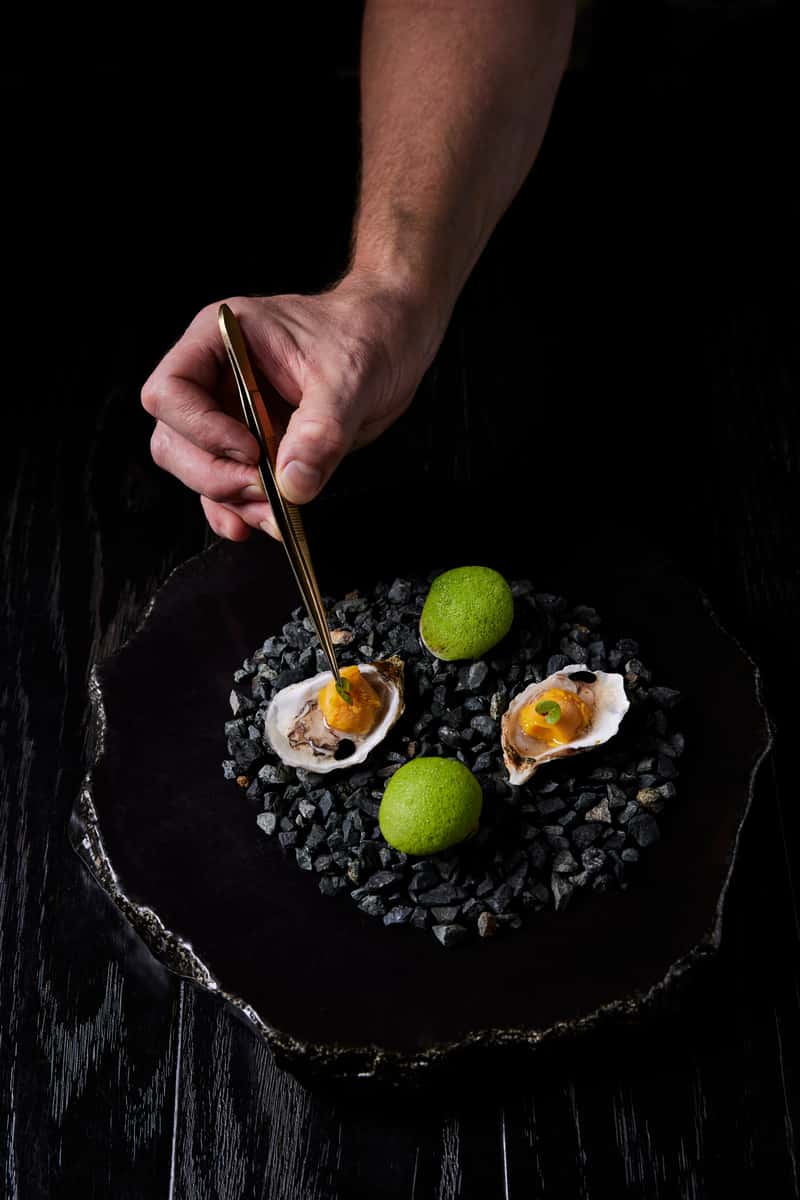
The structure of an omakase meal differs from a la carte ordering in that the chef, not the diner, determines every course. According to Food Republic, ordering a la carte simply means selecting individual dishes from a menu, each priced separately, with no fixed sequence or chef curation involved. Omakase removes that decision entirely, replacing diner choice with chef expertise. The result is two fundamentally different experiences: one that rewards spontaneity and trust, the other that rewards preference and autonomy.
What Kind of Dishes Can Diners Expect With Each Approach in Las Vegas Restaurants?
The dishes diners can expect vary significantly between the two formats. A la carte menus offer targeted selections, such as a single entrée, appetizer, or dessert chosen independently. Omakase, while most closely associated with sushi, can encompass grilled items, seasonal appetizers, soups, and desserts across a full progression of courses. Las Vegas restaurants increasingly elevate both formats, particularly as the Michelin Guide returns to the region with its inaugural American Southwest edition ceremony scheduled for August 26, 2026, at Fontainebleau Las Vegas.
How Do Las Vegas Venues Typically Present Omakase Versus A La Carte Options?
Las Vegas venues typically present omakase as a structured, reservation-required experience at a fixed per-person price, while a la carte dining remains flexible and walk-in friendly at many properties. Yui Edomae Sushi, for example, offers omakase menus starting at $190 per person for its Gensen menu. A la carte venues, by contrast, allow guests to spend selectively across multiple visits without committing to a full tasting progression. For diners weighing both formats, the presentation style alone often signals which experience better fits their intent for the evening.
How Do Omakase and A La Carte Dining Differ in Cost and Value in Las Vegas?
Omakase and a la carte dining differ in cost and value through their pricing structure, what's included, and how much control diners retain. The sections below cover typical price ranges, value comparisons, and fees to anticipate.
What Are Typical Price Ranges for Each Option at Upscale Las Vegas Restaurants?
Typical price ranges for upscale Las Vegas omakase run from $120 to $500 per person, while a la carte fine dining varies widely depending on courses ordered. Kabuto Edomae Sushi offers omakase at $120 and $175, while Kame's Regular Omakase starts at $350 and its Signature experience reaches $500 per person. Kaiseki Yuzu lands near $500 after tip. A la carte dining at comparable venues can reach similar totals once multiple courses, beverages, and service charges are added.
Does Omakase Tend to Offer Better Value for Money Compared to A La Carte in Las Vegas?
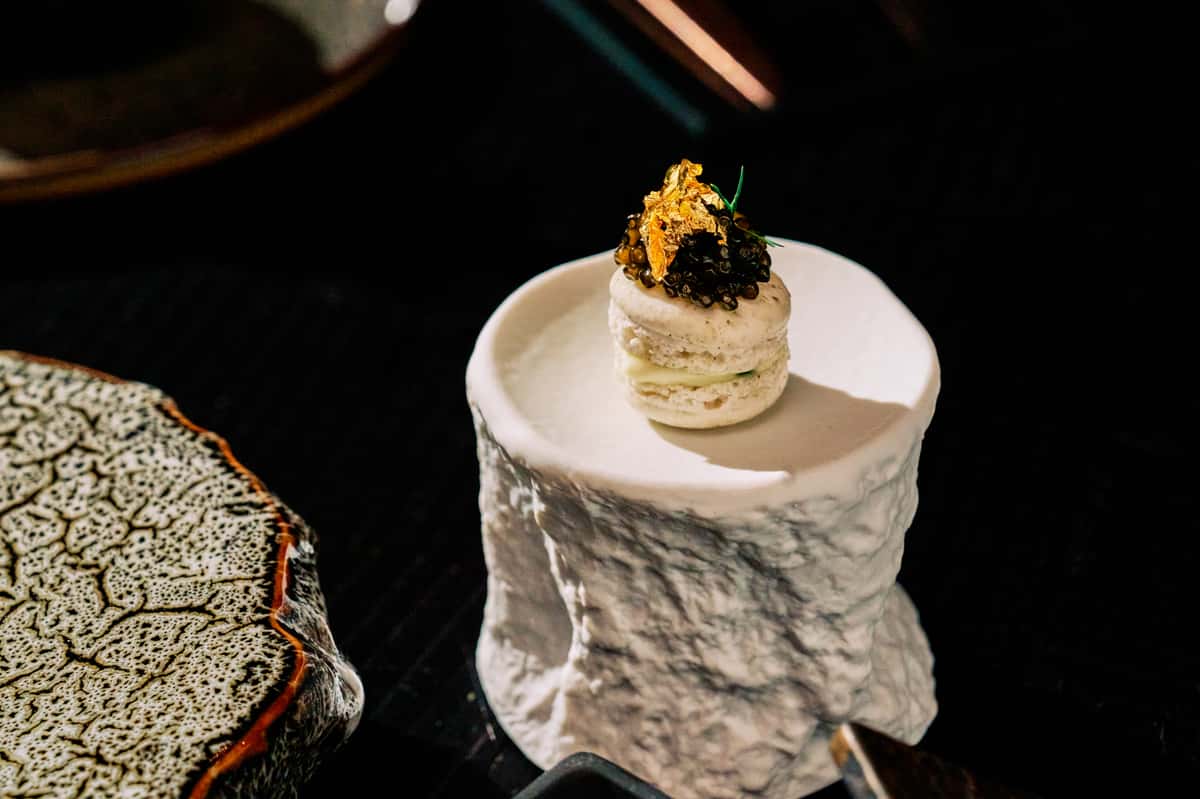
Omakase tends to offer better value when the priority is chef curation, rare seasonal ingredients, and a complete multi-course experience at a predictable price. With a la carte, diners control spending but often pay premium per-item prices that accumulate quickly. According to Road Genius, visitor spending in Las Vegas hit an all-time high of $55.1 billion in 2024, reflecting a market where premium dining experiences face less price resistance. For diners seeking a memorable, structured meal, omakase typically delivers more per dollar than ordering individually at a comparable venue.
Are There Hidden Fees or Required Minimums to Consider?
Hidden fees in Las Vegas omakase and fine dining commonly include mandatory service charges, tax additions, and beverage minimums. Key costs to anticipate include:
- Gratuity: A 20% or higher tip is standard for luxury omakase service in the U.S.
- Service charges: Some venues, like é by José Andrés, add a mandatory service fee on top of the listed menu price.
- Tax: Sales tax applies to all dining and is typically not included in advertised prices.
- Beverage minimums: Certain omakase counters require sake or wine pairings, adding $50 to $150 per person.
Always confirm the all-in total before booking, especially for fixed-price formats where the advertised price rarely reflects the final bill.
What Should Diners Expect from the Atmosphere and Service With Each Style?
Atmosphere and service differ significantly between omakase and a la carte dining. The sections below cover chef interaction and dining pace across both formats in Las Vegas.
How does the chef interaction differ between omakase and a la carte in Las Vegas?
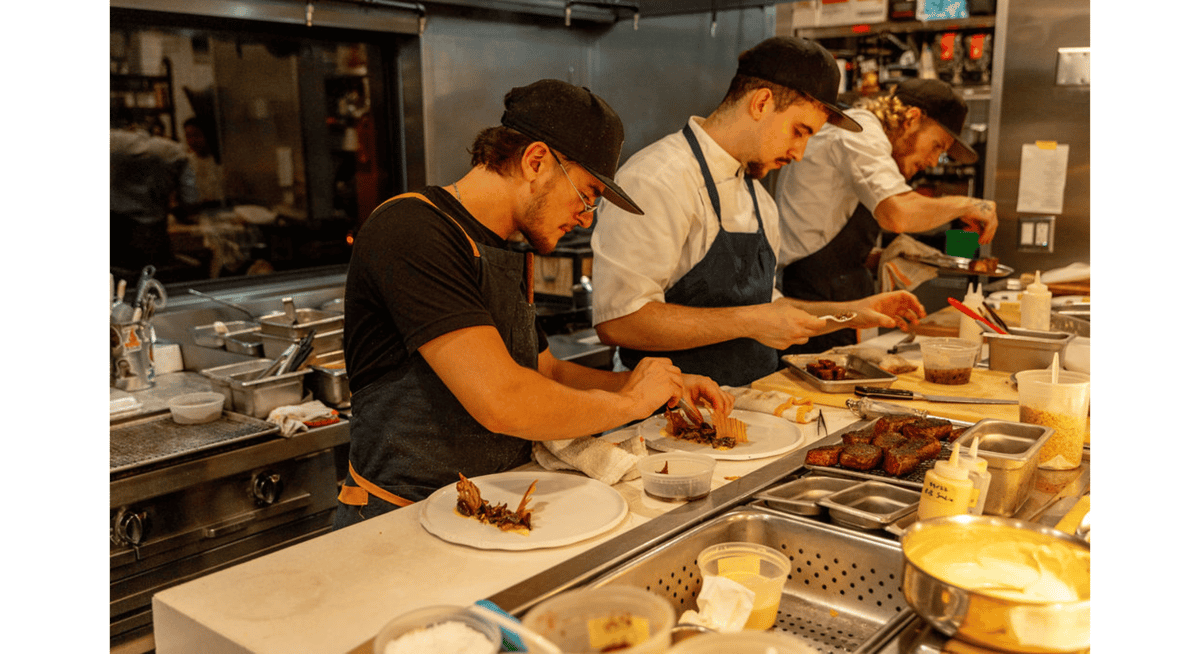
Chef interaction differs substantially between omakase and a la carte in Las Vegas. Omakase is a Japanese word meaning "I'll leave it up to you," derived from "makaseru" (to entrust), placing full creative authority with the chef. According to Fine Dining Lovers, a traditional omakase meal seats guests directly in front of the chef, where each course is crafted individually and often passed hand-to-hand. A la carte dining offers less personal exchange; a server handles ordering, and the kitchen remains largely separate from the guest experience. For diners who value a direct creative connection with the person preparing their food, omakase delivers an immersion that a la carte simply cannot replicate.
Are there differences in pace and service attention with each dining format?
The pace and service attention differ meaningfully between each dining format. Omakase unfolds at the chef's chosen rhythm, typically running two to three hours, with each course arriving deliberately and conversation woven naturally into the progression. A la carte dining gives guests direct control over timing: courses are ordered independently, and the pace is set by the diner rather than the kitchen. Service attention in omakase is typically concentrated and personal, while a la carte service is attentive but distributed across a larger dining room. Diners who prefer to linger at their own pace without a fixed sequence will generally find a la carte more flexible. For diners who want some of the curation of omakase without a fully opaque menu commitment, Stubborn Seed Las Vegas offers a tasting menu format that provides chef-guided progression with a defined structure.
Who Should Choose Omakase and Who Might Prefer A La Carte in Las Vegas?
The right dining format depends on your priorities, appetite for adventure, and dietary needs. The following sub-sections break down which diner profiles suit each style and what dietary or preference factors to consider before booking.
What types of diners benefit most from each style?
The types of diners who benefit most from omakase are those who enjoy surrendering menu control, want a storytelling experience guided by a chef, and are comfortable with a fixed price for a curated multi-course progression. Solo diners and couples celebrating a milestone evening tend to thrive in this format, with research showing solo diners spend 48% more per person than group diners and are highly receptive to immersive, single-path experiences.
A la carte dining benefits diners who value personal selection, want to manage spending course by course, or are dining in a group with mixed tastes. Guests who prefer flexibility, lighter meals, or specific proteins over a full sequence will find a la carte more accommodating.
Are there dietary or preference considerations to keep in mind?
Dietary and preference considerations for omakase versus a la carte are significant, particularly around ingredient control. Omakase menus are chef-determined, meaning diners with severe allergies, vegetarian or vegan requirements, or strong aversions to raw fish may struggle to find suitable omakase options in Las Vegas, where most formats are sushi-centric. Communicating dietary restrictions to the restaurant before arrival is essential.
A la carte menus offer more transparency, letting diners skip items that don't work for them. For guests with complex dietary needs, this format provides a practical safety margin that a fixed omakase sequence cannot easily replicate.
Stubborn Seed Las Vegas offers a tasting menu format that bridges both worlds, delivering a chef-directed multi-course experience while remaining approachable for guests who want structured fine dining without a fully opaque menu.
What Are Some of the Most Popular Las Vegas Restaurants for Each Dining Style?
Popular Las Vegas restaurants for omakase and a la carte dining span both Strip-adjacent venues and off-Strip strip mall gems. The sections below cover standout omakase destinations and top a la carte options worth considering.
Which Las Vegas Restaurants Are Best Known for Omakase Experiences?
The Las Vegas restaurants best known for omakase experiences include Kame, Kabuto Edomae Sushi, Yui Edomae Sushi, and Kaiseki Yuzu. Each offers a distinct price point and style within the omakase format. According to The Infatuation, "Kame is one of the best omakase experiences in the city, and proves that there are many excellent restaurants in the strip malls of Las Vegas." Kabuto Edomae Sushi offers two tiers priced at $120 and $175, making it one of the more accessible options. Yui Edomae Sushi starts its Gensen menu at $190 per person, while Kaiseki Yuzu reaches approximately $500 after tip. The growing appetite for these experiences aligns with a 22% increase in investments in premium omakase dining formats, per Market Reports World.
Where Can Diners Find Exceptional A La Carte Options in Las Vegas?
Exceptional a la carte options in Las Vegas are available at restaurants such as Joël Robuchon at MGM Grand, é by José Andrés, and Restaurant Guy Savoy. These venues represent the upper tier of curated, guest-directed dining where individual selections drive the experience. For diners who want the artistry of a structured multi-course format without the full chef-directed commitment of omakase, Stubborn Seed Las Vegas offers a chef-directed tasting menu as a compelling alternative.
How Should You Approach Omakase or A La Carte Dining at Stubborn Seed Las Vegas?
Stubborn Seed Las Vegas offers a structured tasting menu that bridges the omakase and a la carte decision for diners. The sections below cover how the tasting menu compares and what key takeaways should guide your choice.
Can Stubborn Seed's Multi-Course Tasting Menu Help You Decide Between Omakase and A La Carte?
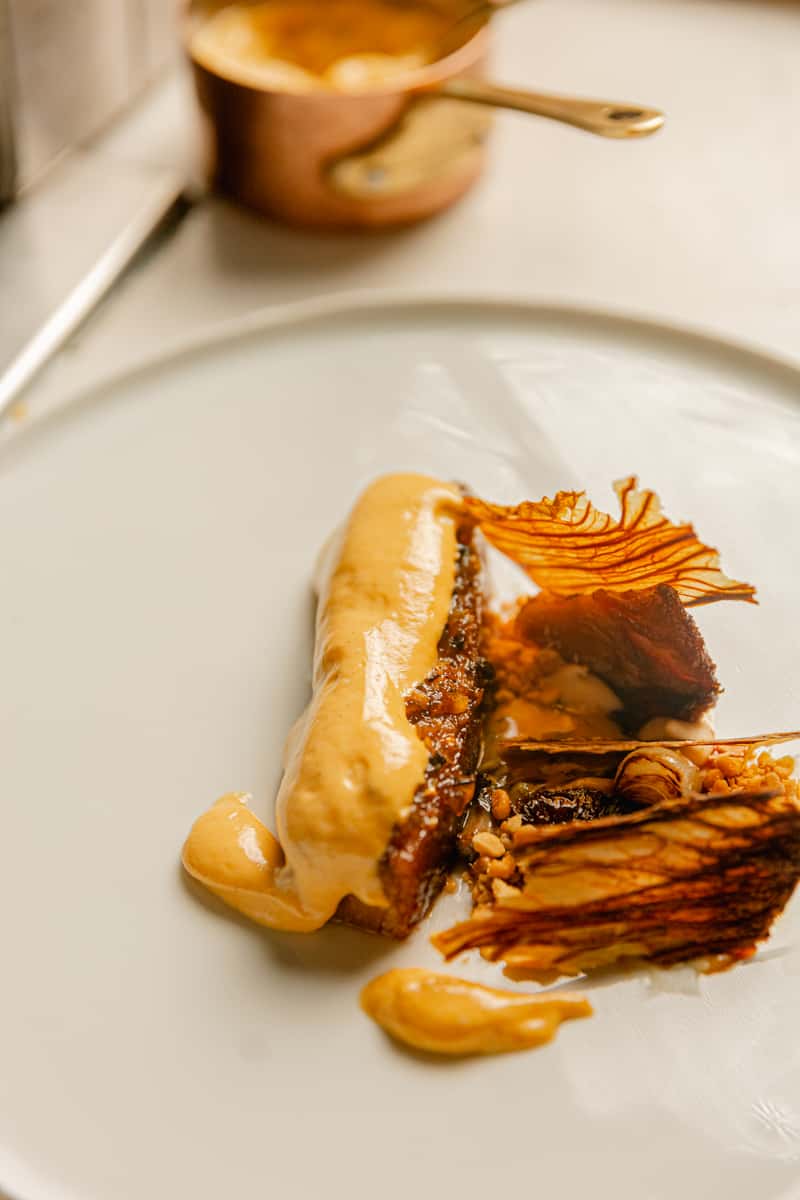
Stubborn Seed's multi-course tasting menu can help you decide between omakase and a la carte by offering a chef-guided progression without fully surrendering your agency. Chef Jeremy Ford's tasting menu presents a sequenced experience similar in spirit to omakase, where the kitchen drives the narrative. Stubborn Seed Las Vegas offers a chef-directed tasting menu for diners seeking a structured, multi-course experience. Compared to Strip tasting menus like Joël Robuchon or Restaurant Guy Savoy, Stubborn Seed delivers a structured, chef-driven format worth considering for diners seeking a curated experience. For diners uncertain whether to commit to a full omakase or prefer selecting dishes freely, Stubborn Seed Las Vegas's tasting menu offers a structured, chef-directed middle ground worth considering.
What Are the Key Takeaways About Omakase vs A La Carte Las Vegas: Is It Worth It?
The key takeaways about omakase vs a la carte in Las Vegas depend on your priorities as a diner. Consider these practical conclusions:
- Control vs. discovery: A la carte suits diners who want specific dishes; omakase rewards those willing to trust the chef completely.
- Value framing: Omakase prices in Las Vegas range from $120 to $500 per person, while curated tasting menus like Stubborn Seed's offer structured chef experiences as an alternative entry point into multi-course dining.
- Occasion fit: Omakase works best for intimate, immersive evenings; a la carte suits flexible group dining or guests with dietary restrictions.
- Advance planning: Fine dining reservations, especially for tasting formats, benefit from booking three or more weeks ahead.
- Total cost awareness: Always factor in service charges, taxes, and gratuity when budgeting, as these can meaningfully increase the final bill.
Stubborn Seed Las Vegas represents a strong starting point for diners navigating both formats for the first time.