
Plan a Private Party in Las Vegas: Ultimate guide
Plan a Private Party in Las Vegas: Ultimate guide
Planning a private party in Las Vegas means navigating one of the world's most layered event destinations, where venue formats span intimate chef-driven dining rooms and full resort buyouts, capacities extend from small private gatherings to more than 4,000 guests, and regulatory requirements vary by jurisdiction and event type.
This guide covers venue selection and group-size matching, essential planning steps and permit requirements, food and beverage strategy, entertainment and personalization, vendor selection, and how chef-driven restaurants like Stubborn Seed elevate the private event experience.
Las Vegas venues divide into two broad categories: private dining buyouts, which center on a food-and-beverage program led by the kitchen, and full event-space rentals, which suit productions requiring staging, dancing, or multiple entertainment zones. Choosing the right format requires aligning your guest count, Strip or off-Strip preference, accessibility needs, and budget before contacting a single venue.
A realistic planning timeline starts 10 to 12 months out for complex events. Convention calendars, major fight weekends, and holidays compress availability across the entire destination simultaneously, and permit deadlines in Clark County and the City of Las Vegas add fixed lead-time requirements that most planning guides overlook entirely.
Food strategy, entertainment, and personalization each compound the event's total cost and complexity. Menu format should match guest objectives, beverage programs require separate confirmation, and entertainment booking depends on venue sound limits, power, and load-in rules.
Upscale, chef-driven restaurants like Stubborn Seed at Resorts World Las Vegas offer a private dining experience built around tasting-menu pacing, sommelier-led wine service, and flexible group formats for both intimate gatherings and larger events.
What Types of Private Parties Can You Host in Las Vegas?
Las Vegas supports a wide range of private party formats, from intimate chef-driven dinners to large-scale resort buyouts. The sections below cover venue matching by event type and how group size shapes your venue options.
Which Venues in Las Vegas Are Best for Different Types of Private Events?
The venues best suited for private events in Las Vegas depend on your event format, guest profile, and whether you need a Strip address or a more neighborhood-focused setting.
Strip venues offer dense hotel inventory, resort amenities, nightlife access, convention infrastructure, and easier coordination for guests staying on property. Off-Strip venues provide a more distinctive restaurant identity, potentially easier parking, and a neighborhood dining context, though they require more coordination for transportation and late-night returns.
Chef-driven restaurants differentiate private events through a coherent menu narrative, controlled pacing, high-touch service, wine or beverage expertise, and a sense the event could not be replicated in a generic ballroom. The strongest options combine a curated tasting structure, a wine program with clear pairing logic, and a refined atmosphere that still allows guest interaction.
Key venue categories to evaluate include:
- Intimate private dining rooms (10–25 guests): suited to executive dinners, milestone birthdays, and anniversary celebrations
- Chef-driven restaurant buyouts (50–210 guests): best when food and beverage quality is the core experience
- Resort ballrooms and nightclubs (500+ guests): suited to large corporate events, galas, and entertainment-forward receptions
- Rooftops, pool decks, and outdoor terraces: best for cocktail receptions with a Las Vegas skyline element
Ask every venue to confirm step-free routing from curb or rideshare drop-off to the event room, accessible restrooms, hearing assistance, and emergency egress. Transit accessibility does not prove venue accessibility.
What Group Sizes Are Ideal for Various Las Vegas Party Venues?
The ideal group sizes for Las Vegas party venues vary significantly by venue format, space configuration, and event style. Before contacting venues, define your purpose, guest profile, target date, alternate dates, expected headcount, preferred Strip or off-Strip geography, accessibility needs, food style, alcohol expectations, entertainment, and budget ceiling.
The following suggested size ranges can help match guest counts to Las Vegas venue formats, although actual capacities vary by venue, room configuration, and event setup:
|
Guest Count |
Best-Fit Venue Format |
Planning Note |
|
10–24 |
Private dining room |
Confirm minimum spend and room exclusivity |
|
25–50 |
Combinable restaurant rooms or patio |
Verify whether spaces may be joined |
|
50–150 |
Restaurant full buyout |
Request seated and cocktail capacities separately |
|
150–300 |
Mid-sized resort spaces or full restaurant buyouts |
Confirm catering format and production rules |
|
300–500+ |
Resort ballrooms, nightclubs, pool decks |
Verify exact rooms included in published capacities |
For conventions or groups requiring room blocks, the LVCVA offers an RFP upload and distribution service. Issue a structured request for proposal to each shortlisted venue so you can compare spaces on the same basis.
With a clear picture of your venue type and group size, the next step is evaluating how location, ambiance, and accessibility should guide your final venue decision.
How Do You Choose the Perfect Venue for a Las Vegas Private Party?
Choosing the perfect venue for a Las Vegas private party requires matching your group size, event format, accessibility needs, and budget to the right space. The sections below cover location and accessibility factors, how venue pricing actually works, and the key difference between private dining and full event-space rentals.
What Should You Consider Regarding Location, Ambiance, and Accessibility?
Location, ambiance, and accessibility are the three foundational filters for any Las Vegas private party venue.
Location determines coordination burden. Strip venues offer dense hotel inventory, resort amenities, and easier logistics for out-of-town guests. Off-Strip venues often provide a more distinctive dining identity and simpler parking, but require more transportation planning for guests.
Ambiance shapes the guest experience. A chef-driven dining room creates an intimate, conversation-focused atmosphere. A rooftop or pool deck shifts the energy toward reception-style mingling.
Accessibility requires direct venue confirmation. The Las Vegas Monorail is ADA compliant with elevator access at all stations, but transit accessibility does not verify venue accessibility. Ask every venue to confirm step-free routing from rideshare drop-off to the event room, elevator dimensions, accessible restrooms, hearing assistance, service-animal policy, and emergency egress.
For menu planning, BizBash notes that menus should suit a wider audience and consider many dietary needs, with better food labeling allowing guests to make safe or informed choices.
How Does Private Dining Differ From Renting an Entire Event Space?
Private dining and renting an entire event space differ primarily in program structure, scale, and what the contract actually reserves.
A private dining buyout reserves a restaurant room or full restaurant around a food-and-beverage program. It suits events where chef-led dining, a fixed menu, wine pairing, and conversation are the core experience. The contract is typically expressed as a per-person minimum, food-and-beverage minimum, or room minimum. Before signing, confirm whether the private area includes a separate entrance, dedicated restrooms, AV capability, music limits, a private bar, and a defined end time.
A full event-space rental reserves a ballroom, rooftop, pool deck, nightclub, or similar footprint. It is the better choice when the program requires production, staging, dancing, multiple entertainment zones, vendor load-in, or a flexible reception format. The quote may include rental, food and beverage, service charge, tax, security, AV, insurance, furniture, and overtime.
Las Vegas venues span both categories at significant scale. Planet Hollywood's Celebrity Ballroom covers 36,864 square feet with capacity for up to 4,400 theater-style. Smaller private dining rooms, such as intimate restaurant rooms seating 10 to 50, anchor the other end of the spectrum.
Compare proposals on identical terms: usable room hours, setup and teardown time, seated and cocktail capacities, minimum spend, tax and service charge, included staffing, AV, outside-vendor rules, and cancellation terms. A "buyout" is not automatically exclusive to adjacent patios, bars, restrooms, or resort entrances, so confirm exact boundaries in writing before committing.
What Are the Essential Steps to Planning a Private Party in Las Vegas?
The essential steps to planning a private party in Las Vegas are setting a budget, booking venues on the right timeline, and confirming which permits apply to your specific event and jurisdiction. The sections below cover budget allocation, booking windows, and the regulatory triggers that catch most hosts off guard.
How Do You Set a Budget and Allocate Costs for Your Event?
Setting a budget for your event starts at the objectives stage, not after venue shopping. According to Hyatt Meetings and Events, industry best practice recommends reserving 5 to 15 percent of total projected expenses as contingency, while an optional 60/30/10 framework allocates: 60 percent to core experience elements such as venue, catering, and production; 30 percent to marketing, staffing, and operational costs; and 10 percent to contingency.
Build your budget line by line using these categories:
- Venue rental or food-and-beverage minimum
- Food, beverage, tax, service charge, and gratuity
- Entertainment, AV, and lighting
- Décor, photography, and transportation
- Security, insurance, and permits
- Staffing, favors, and contingency reserve
No audited Las Vegas-wide average private-party cost exists, so treat every published price as venue-specific and request an itemized proposal before committing.
What Is the Best Timeline for Booking Venues and Services?
The best timeline for booking venues and services depends on event size, date, and complexity, but earlier is consistently safer in Las Vegas. Convention periods, major fight weekends, New Year's Eve, and holidays compress venue availability across the entire destination simultaneously.
|
Planning Window |
Key Actions |
|
10–12 months out |
Define objectives, agree on budget, send RFPs to shortlisted venues |
|
6–9 months out |
Execute venue agreement, confirm entertainment holds and deposits |
|
3–6 months out |
Finalize vendors, invitations, dietary intake, permits, transportation |
|
1 month to 1 week out |
Venue walkthrough, final guarantee, run-of-show, vendor COIs |
Most competing planning guides ignore how convention calendars, buyout size, entertainment holds, and permit deadlines interact with booking lead time. Treat your timeline as a dependency chain, not a to-do list.
What Permits or Regulations Should You Know for Private Events in Las Vegas?
The permits and regulations you need for a private event in Las Vegas depend first on jurisdiction, not event type. A Las Vegas mailing address may fall within the City of Las Vegas, unincorporated Clark County, Henderson, North Las Vegas, Boulder City, or Mesquite. Each jurisdiction controls event permits, alcohol licensing, noise ordinances, right-of-way use, and inspection requirements independently.
Determine jurisdiction before anything else. Ask the venue to confirm the governing municipality and whether its existing permits cover your event or whether you must apply separately.
Key regulatory triggers by category:
- Indoor events (Clark County): Events requiring a temporary event permit must include a location agreement and a safety and security plan supplemental application.
- Alcohol service: Depending on distribution conditions, you may need an off-premise liquor permit, a liquor caterer permit, or an alcoholic beverage tasting permit, per Clark County's FAQ.
- City of Las Vegas deadlines: Applications are due 15 days before Tier 1 events (under 300 attendees), 45 days for Tier 2, and 90 days for Tier 3 events of 10,000 or more.
- Clark County general deadline: Applications must be submitted no later than 60 calendar days before the event.
- Food service: According to the Southern Nevada Health District, an invitation-only event with no direct sale of food to individual customers may not require a temporary food permit; confirm this exception with SNHD directly, as it does not resolve alcohol, sound, or municipal event-permit questions.
Many planning guides incorrectly treat "Las Vegas" as a single jurisdiction and imply that private events are permit-free. Neither assumption is safe, and acting on either can result in permit violations, alcohol service shutdowns, or forced event cancellations.
What Food and Beverage Options Are Popular for Las Vegas Private Parties?
Popular food and beverage options for Las Vegas private parties range from chef-driven tasting menus and wine pairings to custom cocktail programs and zero-proof beverage menus. The sections below cover menu selection for diverse groups, multi-course tasting experiences, and cocktail or wine pairing options.
How Can You Select a Menu That Appeals to Diverse Tastes?
Selecting a menu that appeals to diverse tastes requires matching the food format to the guest objective. A family-style or shared-menu format supports conversation and reduces individual ordering friction, while passed bites and live-action stations suit cocktail receptions. According to BizBash, "Menus should suit a wider audience and consider many dietary needs," with better food labeling allowing attendees to make safe choices or confirm they are being catered for.
Collect dietary information at the RSVP stage. Require the venue to document major allergens, cross-contact controls, and substitution procedures before contracting.
Red flags to watch for include any restaurant that will not document menu, minimum, dietary handling, and timing in writing.
What Are the Benefits of Multi-Course Tasting Experiences for Private Groups?
Multi-course tasting experiences benefit private groups by simplifying ordering, creating a reliable service sequence, and making wine pairing more cohesive. A chef-driven tasting menu suits intimate celebrations or executive dinners where pacing, storytelling, and wine pairing matter most.
These formats carry trade-offs: long pacing, small portions, limited substitutions, and a mismatch with guests who prefer choice. Before contracting, confirm course count, pacing, dietary alternatives, pairing pours, nonalcoholic pairings, and the guaranteed menu. Tasting menus work best when the guest list shares a common appetite for a curated, host-directed experience rather than individual selection.
Are Custom Cocktails or Wine Pairings Available for Private Events?
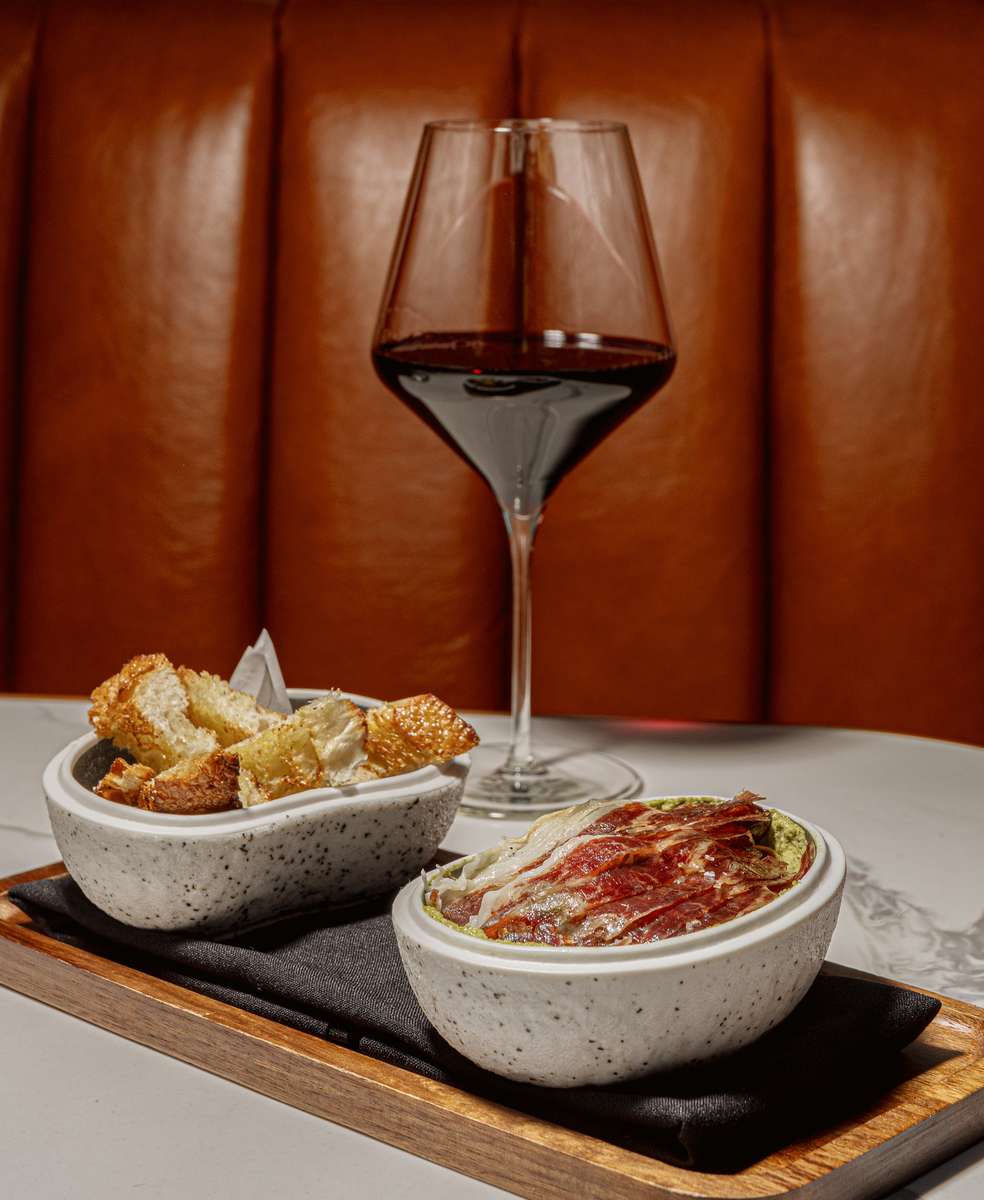
Custom cocktails and wine pairings are available for private events at chef-driven Las Vegas restaurants. A custom cocktail program can express the host's theme, while a sommelier-led wine pairing adds a narrative arc to each course. A zero-proof menu prevents non-drinkers from receiving an afterthought. BizBash notes that "mocktails are now an expectation," with demand for more complex, sophisticated nonalcoholic options, according to Mary Cline, vice president of national sales at Wolfgang Puck Catering.
When reviewing proposals, confirm hosted bar package tiers, pairing pour sizes, nonalcoholic inclusions, and whether beverage costs are separate from the food minimum. With the right beverage program in place, the complete food and beverage offer becomes a strong differentiator for the overall event experience.
What Entertainment and Activities Make a Las Vegas Private Party Stand Out?
Entertainment and activities make a Las Vegas private party stand out by combining the right performance format with venue-specific logistics and personalized guest experiences. The headings below cover booking the right entertainment type and using lighting and décor to reinforce your event's atmosphere.
Should You Book Live Entertainment, DJs, or Interactive Experiences?
The entertainment options for a Las Vegas private party range across live bands, vocalists, DJs, celebrity DJs, dancers, roaming performers, and magicians. Interactive formats include casino-style games, mixology demonstrations, cooking stations, photo activations, immersive projection, AR/VR experiences, and interactive LED games.
Before booking any performer or experience, confirm these logistics with your venue:
- Sound limits and noise restrictions
- Stage dimensions and power supply
- Load-in access and timing
- Production insurance and licensing requirements
- Accessibility for performers and guests
- Hard end times for entertainment
According to Meeting Professionals International, personalization is one of the most prominent event trends for 2025, with attendees expecting tailored experiences rather than generic formats. Selecting one high-impact entertainment element and keeping supporting activations restrained is the most budget-efficient approach.
How Do Lighting and Décor Impact the Party Experience?
Lighting and décor directly shape guest perception of a space, setting tone from the moment guests arrive. Custom lighting, including uplighting, projection mapping, and interactive LED installations, can transform a standard venue room into an immersive environment that reinforces your event's theme.
For a Las Vegas-specific approach, consider design inputs drawn from the destination itself: a neon-and-desert color palette, a skyline-view cocktail hour setup, or a curated arrival moment. Keeping one major visual anchor and restraining secondary décor prevents the space from feeling cluttered while protecting your budget.
How Can You Personalize and Customize a Private Event in Las Vegas?
Personalizing a private event in Las Vegas means using the destination itself as a design input. The H3s below cover creative themes and décor approaches, then specific touches like favors and branded items.
What Are Creative Themes and Décor Ideas for Las Vegas Parties?
Creative themes and décor ideas for Las Vegas parties draw from the city's neon-and-desert identity rather than generic party store concepts. According to Meeting Professionals International, personalization is one of the most prominent event trends for 2025, with attendees expecting tailored experiences that reflect their specific interests and preferences.
Strong Las Vegas-specific concepts include:
- A neon-and-desert palette using warm amber, deep teal, and electric accents
- A skyline or landmark-view cocktail-hour setup, leveraging a rooftop or Strip-facing patio
- A "welcome to Vegas" arrival moment with a custom marquee or personalized itinerary card
- A chef's-table reveal format for intimate dinners, where the menu is unveiled course by course
- A curated casino-game lounge where the venue and permits allow
Budget discipline matters here. Select one major experiential design element and keep secondary décor restrained to protect the overall event spend.
How Can You Add Unique Touches Like Party Favors or Branded Items?
Unique touches like party favors and branded items work best when they remain useful after the event ends, not just during it. A Las Vegas-specific favor strategy connects the celebration to the destination: branded cocktail kits, custom playing card decks, personalized itinerary booklets, or locally sourced pantry items all travel well and extend the event's memory beyond the night.
Effective personalization options include:
- Branded favors guests can use after the trip, such as custom drinkware or packaged local goods
- Personalized place cards or menus that double as keepsakes
- A custom cocktail named for the guest of honor, featured on a printed bar menu
- Photo activations with a branded print takeaway
The strongest branded touches require minimal budget but significant intentionality. A single well-chosen favor outperforms a table full of forgettable items every time.
What Should You Look for When Selecting Event Vendors in Las Vegas?
Selecting event vendors in Las Vegas requires vetting credentials, contracts, and coordination capacity before signing anything. The sub-sections below cover how to evaluate caterers, planners, and entertainers, and how to manage multiple vendors effectively.
How Do You Choose Reliable Caterers, Planners, and Entertainers?
Reliable caterers, planners, and entertainers share the same baseline requirements: a current business license, an insurance certificate, venue approval, and verifiable references for comparable events.
Check each vendor for these qualifications:
- Current Clark County or City of Las Vegas business license, required even for vendors working a single event
- Valid certificate of insurance naming the venue
- Written references for events matching your guest count and format
- A named on-site lead with documented backup personnel
- Clear cancellation, substitution, and overtime terms in writing
According to Meeting Professionals International, last-minute planning makes preferred vendors harder to book, increases costs, and raises the likelihood of overlooked details. Start vendor outreach early, and treat any vendor who refuses to provide a written scope as a disqualifying red flag.
What Is the Best Way to Coordinate With Multiple Vendors?
The best way to coordinate multiple vendors is to distribute a single run-of-show document that gives every vendor the same timeline, contacts, and load-in sequence.
Effective multi-vendor coordination requires:
- One named point-of-contact on the host side with authority to resolve conflicts
- A shared production schedule covering load-in, soundcheck, kitchen timing, guest arrival, and teardown
- Confirmed certificates of insurance and permit documentation collected before event day
- A written contact hierarchy distributed to the venue, caterer, entertainment, and any décor or AV teams
Personalization is a leading 2025 event trend, according to Meeting Professionals International, with AI-driven tools helping organizers deliver tailored experiences to individual attendees at scale. Clear pre-event briefings and a single coordinating document prevent conflicting instructions from reaching venue staff on the night itself.
How Do Upscale Restaurants Like Stubborn Seed Elevate Private Party Experiences?
Upscale restaurants elevate private party experiences through tasting-menu pacing, sommelier service, chef interaction, distinctive ambiance, room privacy, and dietary flexibility. The sections below explain how each element contributes to a celebration that a generic ballroom cannot replicate.
What Sets Chef-Driven, Contemporary Cuisine Apart for Private Events?
Chef-driven, contemporary cuisine sets private events apart by replacing generic banquet menus with a coherent culinary narrative. Tasting-menu pacing controls the evening's rhythm, giving the host a predictable sequence rather than a chaotic ordering process. Sommelier service adds pairing logic that elevates each course, while chef interaction, even when limited, signals that the kitchen is invested in the group. Most competitors rank restaurants by celebrity or cuisine style without explaining how these operational elements directly shape the guest experience. In practice, the difference between a memorable private dinner and a forgettable one often comes down to whether the food program was designed around the group rather than adapted from a standard dinner service.
Why Is an Approachable Yet Refined Ambiance Important for Guests?
An approachable yet refined ambiance is important for guests because it lowers social anxiety without sacrificing the sense of occasion. When a room feels exclusive but not stiff, guests engage more freely, conversation flows, and the host's intent to celebrate comes through. Excessive formality can make guests self-conscious about pace or attire; excessive informality undermines the elevated experience the host is investing in. Room privacy reinforces this balance. A dedicated private room removes ambient restaurant noise, tightens the group's focus, and allows speeches, toasts, and moments of connection that a semi-private section cannot protect.
How Do Multi-Course Tasting Menus Enhance Group Celebrations?
Multi-course tasting menus enhance group celebrations by synchronizing the entire table through a shared sequence of dishes, removing the friction of individual ordering. Every guest receives the same progression, which creates a communal rhythm and natural conversation points between courses. The format also simplifies wine pairing, since the sommelier structures pours around a known menu. However, hosts should confirm course count, pacing duration, dietary substitutions, and nonalcoholic pairing options before contracting, since long pacing or limited substitutions can work against guests who prefer choice or have dietary restrictions.
How Does Stubborn Seed in Las Vegas Support Hosting Exceptional Private Parties?
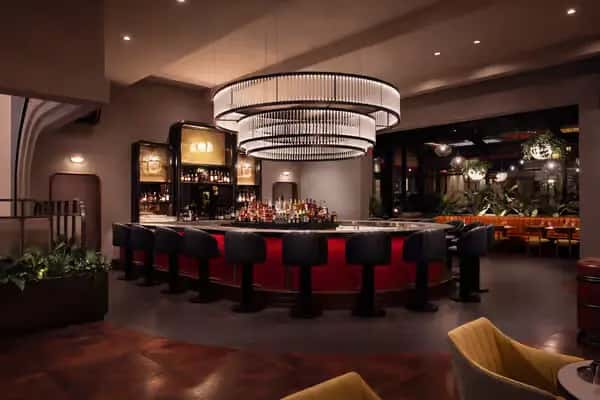
Stubborn Seed in Las Vegas supports hosting exceptional private parties through flexible capacity formats, a chef-driven tasting menu, and a sommelier-led beverage program inside Resorts World Las Vegas. The sections below cover private dining experiences by group size and key planning takeaways.
What Private Dining Experiences Does Stubborn Seed Offer for Groups?
The private dining experiences Stubborn Seed offers for groups range from an intimate 24-seat private room formats to full restaurant buyouts accommodating both seated and cocktail-style events. Contact Stubborn Seed directly for current capacity configurations and minimum spend requirements
The available formats by group size include:
- Intimate groups: A private dining room format is available for smaller gatherings, making it suitable for intimate celebrations, executive dinners, and milestone gatherings.
- Mid-size groups: Patio or combinable room options may expand capacity for this size range; confirm current availability and combination options in a written proposal from the venue.
- Larger groups: A full restaurant buyout is available for larger events, positioning Stubborn Seed among the stronger mid-size private event options in Las Vegas. Contact the venue directly for current seated and cocktail-style capacities.
For any format, confirm current minimum spend, room exclusivity, and floor plan in a written proposal before committing.
What Are the Key Takeaways for Planning a Private Party in Las Vegas?
The key takeaways for planning a private party in Las Vegas center on verifying every detail in writing before paying a deposit. Venue pages are marketing materials; capacity, availability, minimum spend, taxes, service charges, and accessibility must all be reconfirmed through a formal proposal.
The most actionable lessons from this guide are:
- Jurisdiction first: A Las Vegas address may fall under the City of Las Vegas or unincorporated Clark County, and the correct jurisdiction controls permits, alcohol licensing, and noise rules.
- Permits are not automatic: Indoor private events, alcohol service, and outdoor spaces each carry separate permit requirements that the venue's existing license may not cover.
- Capacity figures need context: Published numbers mix seated, cocktail, reception, and buyout formats. Always confirm the exact space, seating count, and format in the proposal.
- All-in budgeting matters: Published menu prices exclude beverage, tax, service charge, and staffing. Build every cost layer before comparing venues.
- Stubborn Seed specifics to confirm: Current hours, minimum spend, deposit and cancellation terms, dietary protocol, AV rules, patio weather plan, and accessibility route from the Resorts World entrance all remain venue-specific details requiring direct confirmation.
Stubborn Seed can help you design a private event experience built around a chef-driven tasting menu program. Contact Stubborn Seed directly at stubbornseed.com to request a private dining proposal.