
Popular Miami Food Trends: Culinary Hotspots
Popular Miami Food Trends: Culinary Hotspots
Miami's food scene is a convergence of multicultural flavors, local sourcing, and chef-driven innovation that has earned the city America's highest restaurant quality rating. This article explores what defines current trends, the neighborhoods driving culinary energy, signature dishes and ingredients gaining momentum, dining experiences redefining ambiance, beverage pairings elevating meals, how to navigate authenticity versus hype, and where Stubborn Seed fits within this landscape.
Global influences from Latin America, the Caribbean, and Southeast Asia shape menus across the city, while a growing commitment to Florida-sourced ingredients grounds these flavors in regional identity. Restaurants now build relationships with local farms and purveyors to feature seasonal produce and sustainable proteins.
Neighborhoods like South Beach, Wynwood, and Coconut Grove each contribute distinct energy to Miami's dining culture. South Beach draws immersive, large-scale concepts; Wynwood pairs creative cuisine with its arts district atmosphere; and Coconut Grove's rapid growth (over 55 new businesses in two years) brings farm-focused and community-driven dining.
Trending dishes reflect bold experimentation: chefs reimagine ceviche with local catch and sunchoke-infused leche de tigre, reinvent Cuban classics with housemade malanga sticks, and push plant-based plates into fine dining territory. Latin and Caribbean flavors remain foundational, now layered with Asian techniques and seasonal Florida seafood.
The dining experience itself has become part of the draw. Upscale venues balance tasting-menu precision with approachable atmospheres, while cocktail programs and curated wine pairings add dimension to multi-course meals. Discerning diners increasingly seek hidden gems that prioritize quality over spectacle.
What Defines a Miami Food Trend in the Current Culinary Scene?
A Miami food trend is defined by the city's multicultural fusion, commitment to local sourcing, and record-high dining quality. Global influences and sustainable practices are reshaping menus across the city's most celebrated restaurants.
How Are Global Influences Shaping Miami's Restaurant Menus?
Global influences are shaping Miami's restaurant menus by introducing cuisines and dining concepts drawn directly from international traditions. Chefs across the city are building menus around authentic cultural frameworks rather than simply borrowing individual dishes. According to Resy, the restaurant Tâm Tâm in Downtown Miami was inspired by the "quán nhậu" of Saigon, lively taverns where food is designed to facilitate drinking, reflecting Miami's growing multicultural fusion.
This pattern extends well beyond Vietnamese cuisine. Latin American, Caribbean, and Asian culinary traditions are being woven into neighborhood dining rooms in ways that honor their origins while responding to local tastes. For a city where so many cultures converge, these global influences feel less like imported novelty and more like natural expression. This approach is evident in Miami Beach restaurants like Stubborn Seed, where multicultural influences inform carefully composed tasting menus that reflect the city's diverse culinary heritage.
What Role Does Local Sourcing Play in Modern Miami Dining?
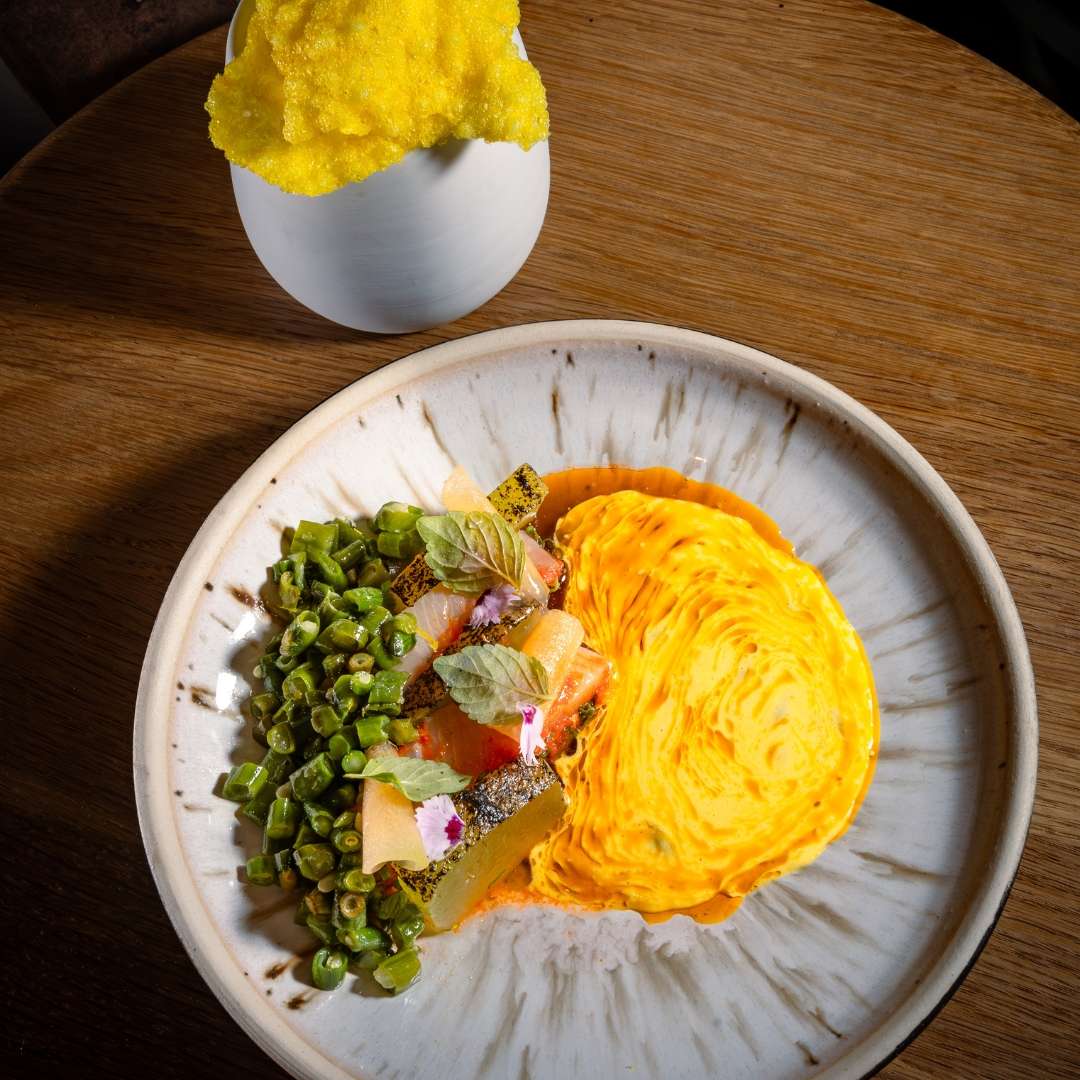
Local sourcing plays a central role in modern Miami dining by connecting chefs with regional farms and suppliers to build quality-driven, sustainable menus. According to Current Backyard's city statistics, Miami is America's top-rated dining city, with the nation's highest restaurant quality score of 6.94 out of 10 and an average restaurant meal cost of $69.46. That quality standard depends heavily on ingredient provenance.
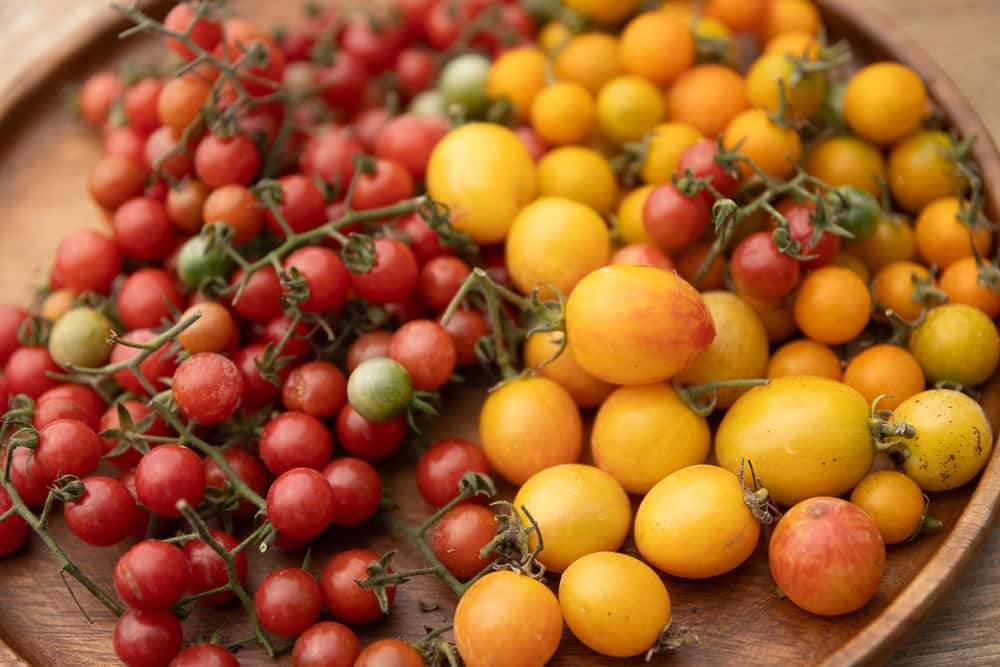
Restaurants across the city are prioritizing hyper-local supply chains. Los Félix in Coconut Grove exclusively uses grass-fed beef sourced from local supplier Miami Purveyors for their sustainable dishes. Little River Cooperative, an urban farm in North Miami, specializes in providing custom-grown produce for local chefs. These partnerships give Miami restaurants a tangible edge, turning sourcing decisions into a defining characteristic of the city's culinary identity.
With these foundational forces in place, specific neighborhoods channel global influence and local sourcing into distinct dining destinations.
Which Neighborhoods in Miami Are Known for Vibrant Culinary Hotspots?
The neighborhoods in Miami known for vibrant culinary hotspots include South Beach, Wynwood, and Coconut Grove. Each district offers a distinct dining identity shaped by its culture, art scene, and community growth.
Where Can You Find the Most Talked-About Restaurants in South Beach?
You can find the most talked-about restaurants in South Beach along corridors like Lincoln Road and Ocean Drive, where immersive dining concepts draw both locals and visitors. Andrés Carne de Res on Lincoln Road combines bold Colombian flavors with live entertainment across four floors, including a rooftop terrace. According to The Infatuation, users frequently search for "best Miami restaurants" with strong intent for neighborhood-specific queries, particularly for South Beach, seeking guides that categorize spots by "Perfect For" occasions. This search behavior reflects how South Beach remains a primary destination for diners looking to match restaurants to specific moods or celebrations.
How Is Wynwood Contributing to Miami's Food Culture Evolution?
Wynwood is contributing to Miami's food culture evolution by merging its art-district identity with boundary-pushing restaurant concepts. The neighborhood functions as an entertainment district featuring artwork, restaurants, breweries, and open-air street-art installations like Wynwood Walls, which showcases over 100 artists, according to the Wynwood Business Improvement District. This creative energy attracts chefs who design menus as expressive as the murals surrounding them. For anyone exploring Miami's evolving food scene, Wynwood represents where culinary risk-taking feels most at home.
What Makes Coconut Grove a Destination for Foodies?
Coconut Grove is a destination for foodies because of its rapid business growth and commitment to quality-driven dining. According to the Coconut Grove Business Improvement District Annual Report, the neighborhood has welcomed more than 55 new businesses throughout the entire district over the past two years. This influx includes restaurants prioritizing sustainable sourcing and chef-driven menus that reflect the Grove's walkable, village-like character. For diners seeking substance over spectacle, Coconut Grove consistently delivers.
With each neighborhood carving its own culinary identity, the dishes emerging across Miami reveal equally distinctive trends.
What Signature Dishes and Ingredients Are Trending Across Miami?
Signature dishes trending across Miami in 2024 reflect bold technique, local ingredients, and multicultural creativity. The following subsections cover locally sourced seafood, Latin and Caribbean flavors, and plant-based innovations.
How Are Chefs Experimenting with Locally Sourced Seafood?
Chefs are experimenting with locally sourced seafood by building menus around Florida-caught fish and incorporating unexpected preparation methods. Atomica's cebiche blanco at MIA Market pairs citrusy local catch with torched sweet potato and sunchoke-infused leche de tigre, turning a simple raw fish dish into a layered composition. According to a 2024 Miami Herald feature, chefs Luciana Giangrandi and Alex Meyer of Boia De estimate that at least 80 percent of their menu ingredients are sourced from within the state of Florida. This commitment to hyper-local procurement gives chefs direct control over freshness, seasonality, and flavor intensity that imported seafood simply cannot match. 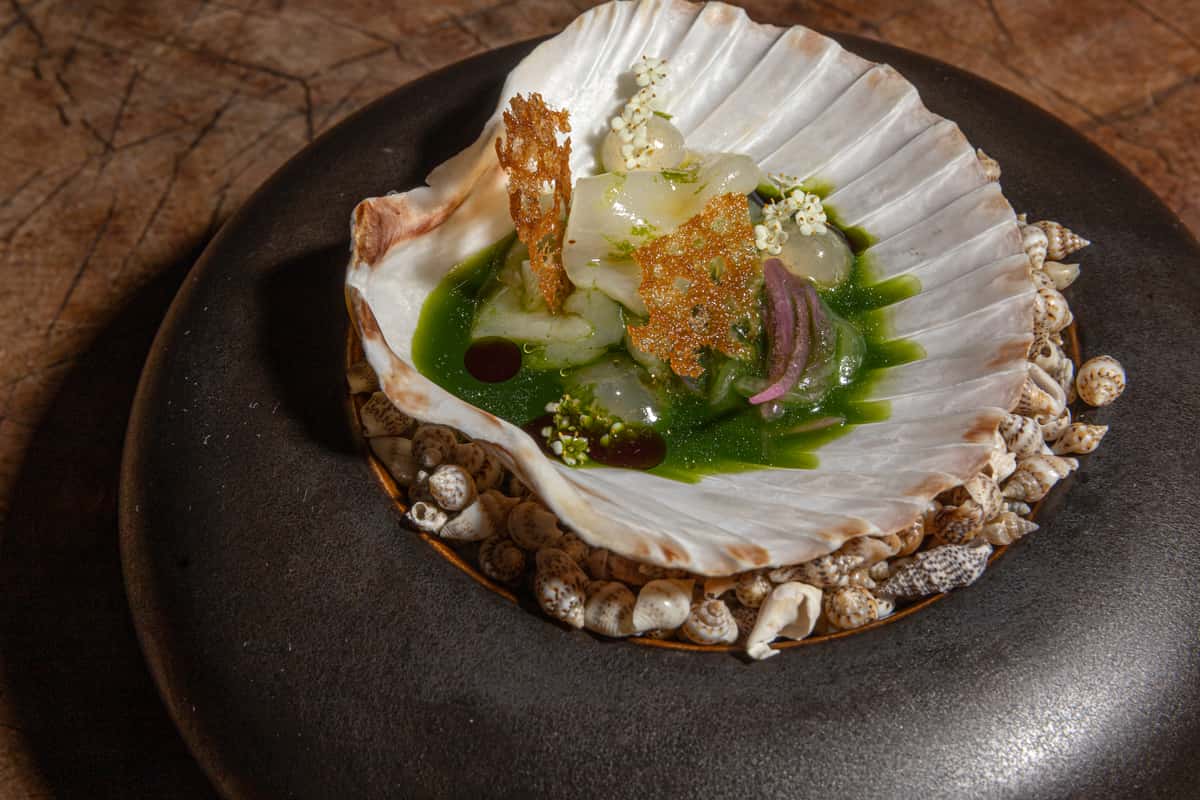
Which Latin and Caribbean Flavors Are Dominating Menus?
Latin and Caribbean flavors are dominating Miami menus through reimagined heritage dishes and bold ingredient pairings. Andrés Carne de Res showcases Colombian technique with signature plates like Lomo al Trapo, a beef tenderloin wrapped in cloth and cooked in salt, alongside crispy chicharrón. Cuento Sandwiches reinvents the classic pan con bistec using housemade malanga sticks instead of traditional potato sticks and thin-pounded palomilla steak. These dishes succeed because they honor cultural roots while introducing textural or technical twists that feel distinctly contemporary.
What Plant-Based Innovations Are Miami Restaurants Showcasing?
Plant-based innovations Miami restaurants are showcasing center on vegetable-forward creativity rather than imitation proteins. Chefs increasingly treat seasonal produce as the star of a plate, sourcing directly from operations like Rancho Patel, a chef-owned farm in Homestead that supplies Feal Hospitality restaurants including Ghee Indian Kitchen. This farm-driven approach means menus shift with harvest cycles, offering diners ingredients at peak flavor. For Miami's culinary scene, plant-based innovation works best when it highlights provenance and technique over substitution. Restaurants committed to seasonal menus, such as Stubborn Seed with its 6-course and 9-course tasting options, demonstrate how ingredient-focused approaches allow both plant-based and protein-forward dishes to showcase quality and technique.
With ingredient sourcing defining the city's most exciting plates, the overall dining experience extends well beyond what appears on the menu.
How Do Miami's Culinary Hotspots Stand Out in Ambiance and Experience?
Miami's culinary hotspots stand out in ambiance and experience through immersive environments, multi-sensory design, and service concepts that blur the line between dining and entertainment. The following sections explore which experiences diners seek most and how upscale venues are reshaping fine dining.
What Types of Dining Experiences Are Most in Demand?
The types of dining experiences most in demand in Miami combine high-quality food with atmosphere-driven concepts. Diners increasingly prioritize venues that offer more than a meal, seeking immersive settings, open-air environments, and culturally themed spaces. Multi-floor entertainment venues, rooftop terraces, and restaurants designed around specific cultural narratives attract both locals and the city's record visitor traffic. Approachability paired with creativity drives this demand; guests want attainable price points without sacrificing quality or originality in the overall experience.
How Are Upscale Venues Redefining Fine Dining in Miami?
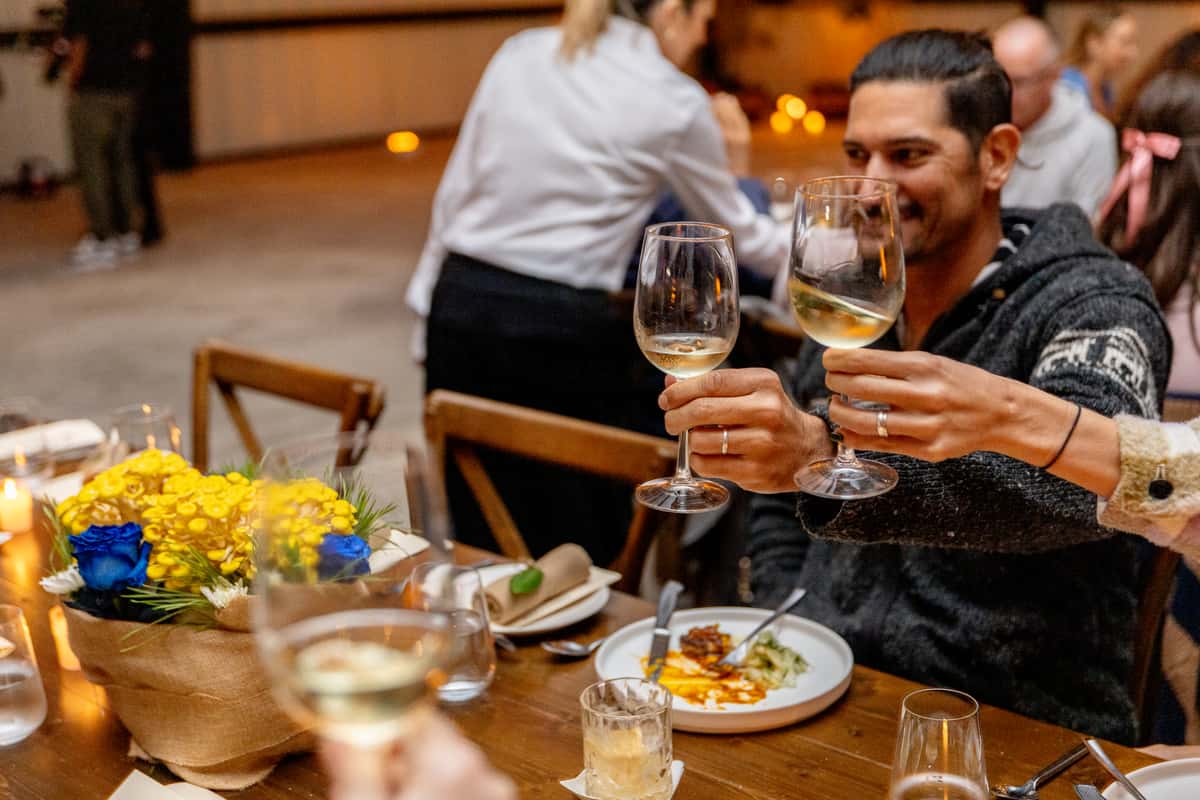
Upscale venues are redefining fine dining in Miami by replacing rigid formality with seasonal creativity and relaxed sophistication. According to Fine Dining Lovers, chefs like Jeremy Ford focus on refining the finest seasonal ingredients through meticulous execution, blending global influences with local sourcing rather than relying on traditional European fine dining templates. This shift reflects a broader pattern where fine dining has matured from a transient trend into a permanent fixture of Miami's restaurant landscape. The city's economic growth, with property tax revenues rising $59.57 million above FY 2023-24 levels, supports continued investment in ambitious culinary concepts.
With ambiance now a defining factor, pairings of food and beverage further elevate the overall dining experience.
How Are Food and Beverage Pairings Elevating Miami's Culinary Scene?
Food and beverage pairings are elevating Miami's culinary scene by integrating craft cocktails and curated wine selections into multi-course dining experiences. The following sections explore emerging cocktail trends and the art of wine-tasting menu alignment.
What Unique Cocktail Trends Are Emerging in Miami's Restaurants?
Unique cocktail trends emerging in Miami's restaurants include tropical-Latin fusion drinks, spirit-forward agave programs, and food-pairing-driven beverage menus designed to complement specific dishes. Restaurants like Tâm Tâm in Downtown Miami draw inspiration from Saigon's "quán nhậu" taverns, where drinks and food are developed together as a unified experience. This approach reflects a broader shift: bartenders now collaborate directly with kitchen teams to build flavor bridges between plate and glass. For discerning diners, the cocktail is no longer an afterthought; it functions as a course in itself. 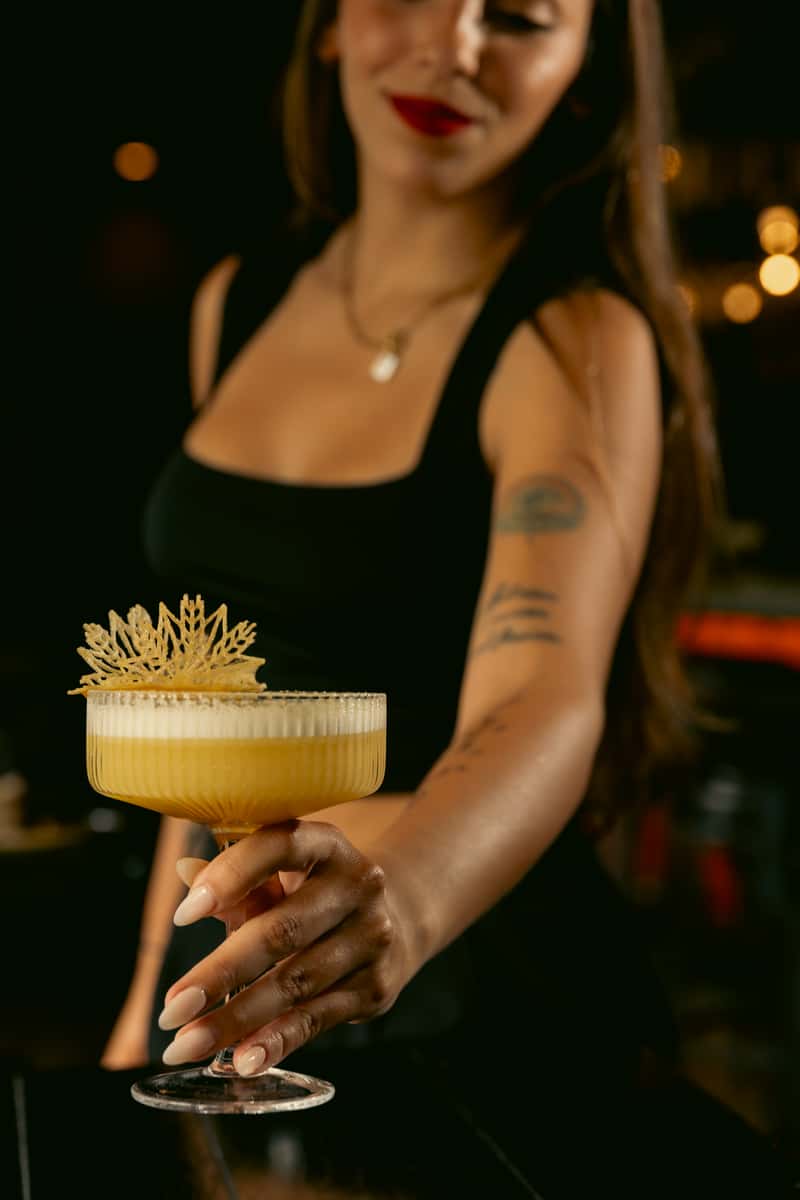
How Are Wine and Tasting Menus Paired for Maximum Impact?
Wine and tasting menus are paired for maximum impact when sommeliers design progressive pours that mirror each course's intensity, acidity, and flavor profile. Stubborn Seed offers both a 6-course and a 9-course tasting menu with beverage pairings designed to complement seasonal compositions. According to Fine Dining Lovers, Ford's culinary philosophy focuses on refining the finest seasonal ingredients through meticulous execution, heavily influenced by Asian flavors from India and Thailand. These layered flavor profiles demand equally precise wine selections that evolve alongside the meal. The most effective pairings treat wine as an ingredient rather than an accompaniment, creating cumulative sensory depth that neither element achieves alone.
With pairing culture now central to Miami's dining identity, discerning guests benefit from knowing how to evaluate authenticity across the city's restaurants.
What Should Discerning Diners Look for When Exploring Miami's Latest Food Trends?
Discerning diners should look for authentic culinary craftsmanship, transparent menu descriptions, and genuine cultural representation when exploring Miami's latest food trends.
How Can You Identify Authentic Representation Versus Hype in Miami's Dining Scene?
You can identify authentic representation versus hype by seeking restaurants that prioritize quality ingredients and cultural integrity over social media spectacle. According to Miami New Times, a notable search intent pattern involves "hidden gem" restaurants, with diners looking for authentic local favorites that offer high quality without the "scene" of major tourist hotspots.
The most reliable indicators of authenticity include chef-driven menus with clear sourcing practices, consistent positive reviews from local regulars rather than just tourists, and dishes rooted in genuine culinary traditions. Restaurants that invest in relationships with local farms and purveyors typically deliver more honest experiences than those built primarily around Instagram aesthetics.
Which Restaurants Uphold Factual Accuracy in Describing Their Menus and Experiences?
Restaurants that uphold factual accuracy in describing their menus are those with transparent ingredient sourcing, honest preparation descriptions, and experiences that match their marketing. Neighborhoods like Wynwood, known as an entertainment district featuring artwork, restaurants, breweries, and open-air street-art installations like Wynwood Walls with over 100 contributing artists, attract venues that must deliver on bold promises.
Look for menus that specify sourcing origins, name preparation techniques accurately, and describe the dining atmosphere without exaggeration. The best establishments let their food speak rather than relying on inflated claims, making consistency between what is promised and what arrives at the table the clearest measure of integrity.
With these principles in mind, Stubborn Seed exemplifies how Miami's top restaurants translate culinary trends into lasting excellence.
How Does Stubborn Seed Reflect Miami's Food Trends and What Sets It Apart?
Stubborn Seed reflects Miami's food trends by combining multicultural culinary influences with seasonal precision in a tasting menu format. The following sections explore its approach to innovation and the broader takeaways about Miami's dining landscape.
How Does Stubborn Seed's Tasting Menu Showcase Miami Culinary Innovation?
Stubborn Seed's tasting menu showcases Miami culinary innovation by channeling the city's multicultural heritage into refined, seasonally driven courses. Miami's culinary identity draws from decades of global influence; according to Miami Culinary Tours, by the end of the 1960s more than 400,000 Cuban refugees were living in Miami-Dade County, establishing the Latin foundation that still shapes local menus. Stubborn Seed builds on this tradition by integrating Asian and Latin flavors through meticulous technique. The restaurant offers both a 6-course and 9-course tasting menu, each reflecting Chef Jeremy Ford's commitment to seasonal ingredients and precise execution. In a city where tasting menus push creative boundaries, Stubborn Seed distinguishes itself through consistency and culinary restraint rather than spectacle.
What Are the Key Takeaways About Popular Miami Food Trends and Culinary Hotspots?
The key takeaways about popular Miami food trends and culinary hotspots center on three factors: diverse cultural influence, strong consumer spending on dining, and neighborhood-driven identity. According to the U.S. Bureau of Labor Statistics, Miami-area households spent $2,064 on food away from home in 2023–24, representing 27.9 percent of total food expenditures. This spending fuels a restaurant scene where Latin culinary sophistication, local sourcing, and creative approachability define leading establishments. Stubborn Seed embodies these trends through its tasting menu on Miami Beach, balancing innovation with the accessibility that today's diners seek.
With these culinary forces shaping Miami's future, Stubborn Seed remains a defining voice in the conversation.