
Questions to Ask Your Miami Michelin Sommelier for Dinner
Questions to Ask Your Miami Michelin Sommelier for Dinner
Questions to ask your Miami Michelin sommelier for dinner are specific prompts about wine pairings, flavor preferences, sustainability, and special-occasion selections that help the sommelier curate beverages around your exact meal. A sommelier is a trained restaurant professional who matches each glass to a course's ingredients, balancing acidity, body, and sweetness so every pour enhances what is on the plate.
This guide covers the value of sommelier expertise at Michelin-level restaurants, course-by-course pairing strategy for tasting menus, personalizing wine selections through honest communication, sustainability and sourcing behind the wine list, and navigating special occasions or group dining.
A Michelin sommelier operates as more than a wine seller. This professional oversees your beverage experience from start to finish, evaluating seasonal menus, producer philosophies, and your palate before making a single recommendation. Understanding that role helps you engage with confidence rather than defaulting to a familiar bottle.
Miami's climate and Latin-inflected cuisine shape local wine lists in distinct ways. Sommeliers here often lean toward crisp whites, rosés, and coastal-region producers whose profiles complement tropical and seafood-forward dishes. Asking which wines mirror the menu's regional influences unlocks selections you would not find on a generic pairing guide.
Personalizing your experience starts with simple honesty about flavors you enjoy, your comfort with tannin or sweetness, and any dietary needs. Sharing a budget range early removes guesswork and often opens access to hidden gems or off-menu bottles from limited allocations.
Sustainability questions reveal the depth of a wine program. Organic, biodynamic, and la lutte raisonnée producers are increasingly featured at Michelin venues, and asking about these practices connects your glass to the same sourcing philosophy driving the kitchen.
At Stubborn Seed, Chef Jeremy Ford's seasonal tasting menus draw from his own organic farm in Redland, Florida. The sommelier builds pairings around that farm-driven approach, meaning each visit offers a different beverage arc tied directly to what the kitchen is producing that season.
Why Is Speaking with a Sommelier Important for Your Dinner Experience?
Speaking with a sommelier is important for your dinner experience because this professional curates every beverage decision around your specific meal. The sections below cover how sommeliers enhance pairings and what Michelin-level expertise adds to your table.
How Can a Sommelier Enhance Your Meal Pairings?
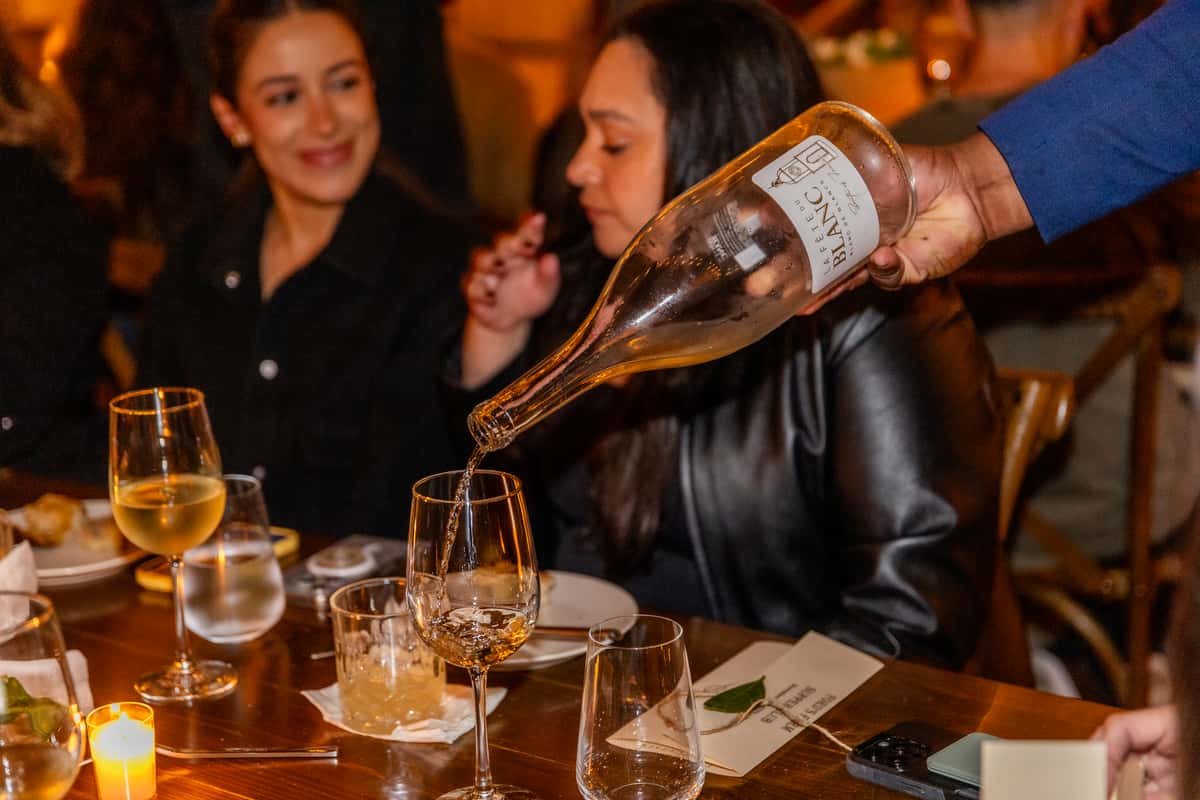
A sommelier enhances your meal pairings by selecting wines that complement each course's flavor profile, balancing acidity, body, and sweetness against the dish's ingredients. Often called a wine steward or wine director, this professional evaluates how a specific bottle pairs with, enhances, or complements your food rather than simply recommending a popular label.
Instead of wondering "what wine would complement my meal?" and defaulting to a safe, familiar choice, you can let the sommelier do the matching. The result is a cohesive progression where each glass elevates the dish it accompanies. For diners exploring a multi-course tasting menu, that guided progression transforms individual plates into a unified experience.
What Expertise Does a Michelin Sommelier Bring to Your Table?
A Michelin sommelier brings deep knowledge of wine regions, producer philosophies, and course-by-course pairing strategy to your table. According to the MICHELIN Guide, a sommelier at this level works as a "Captain in service," overseeing the experience from start to finish and ensuring that beverages, from water to wine to coffee, integrate seamlessly into the meal.
This goes well beyond pouring a glass. Michelin sommeliers evaluate a wine list against the chef's seasonal ingredients, sourcing priorities, and preparation techniques. They also consider the guest's palate, budget, and occasion before making a single recommendation. That combination of hospitality instinct and technical training is what separates a casual suggestion from a curated dining experience.
Understanding what a Michelin sommelier offers sets the stage for knowing exactly which pairing questions to ask at your next dinner.
What Should You Ask About Wine Pairings at a Michelin-Starred Restaurant in Miami?
You should ask about wine pairings that align with your specific menu courses, local influences on the wine list, and how each selection complements the chef's ingredients. The sections below cover tasting menu matches and Miami-driven wine curation.
Which Wines Are Best Matched to Tonight's Tasting Menu?
The wines best matched to tonight's tasting menu are those selected by the sommelier to complement each course's dominant flavors, textures, and seasonal ingredients. Asking this question signals that you want a guided pairing rather than choosing blindly from the list.
A study published in the Journal of Quality Assurance in Hospitality & Tourism found that food quality is the most significant indicator of wine satisfaction, suggesting synergistic effects between food and wine choice create positive post-consumption evaluative judgment. This makes course-by-course pairing conversations especially valuable during multi-course dinners.
Specific questions worth asking include:
- Which wine shifts in body or acidity between the lighter and heavier courses?
- Is there a by-the-glass option that follows the tasting menu's progression?
- Does any course call for an unexpected pairing, such as a dessert wine with a savory dish?
For diners navigating a Michelin tasting menu for the first time, requesting the sommelier's recommended pairing track is often the simplest path to a cohesive experience.
How Do Local Miami Influences Appear in the Wine List?
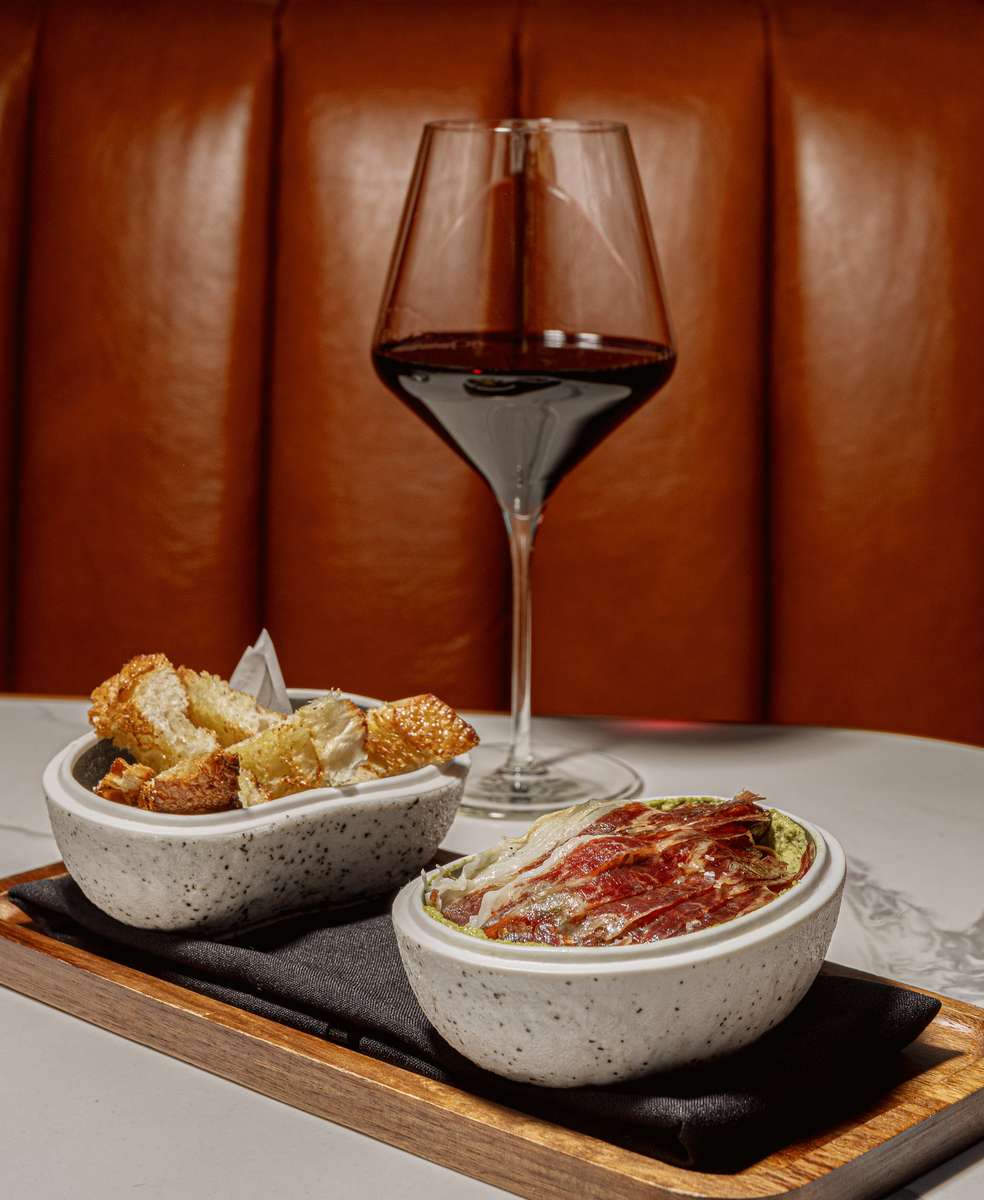
Local Miami influences appear in the wine list through selections that pair well with the city's tropical climate, Latin-inflected ingredients, and seafood-forward menus. Miami's heat and humidity often steer sommeliers toward crisp whites, rosés, and lighter reds that refresh the palate alongside bold, citrus-driven cuisine.
Most existing sommelier guides focus on generic wine knowledge, leaving a gap around Miami-specific pairing advice. Wines from regions with similar climates, such as coastal Spain, southern France, or parts of South America, frequently appear on Miami Michelin wine lists because their profiles naturally complement local culinary styles.
Questions that reveal these influences include:
- Are any wines sourced from regions that mirror Miami's coastal terroir?
- Which bottles pair best with the tropical or Latin-inspired dishes on tonight's menu?
- Does the list feature any Florida-connected producers or importers?
Understanding how geography shapes the wine program helps you engage the sommelier on a deeper level beyond just grape variety.
How Can You Personalize Your Wine Selections with the Sommelier?
You can personalize your wine selections with the sommelier by sharing your flavor preferences, budget comfort zone, and any dietary restrictions. The sections below cover how to uncover hidden bottles and how to communicate your tastes effectively.
What Questions Help Discover Hidden Gems or Off-Menu Bottles?
The questions that help discover hidden gems or off-menu bottles are simple, honest prompts about what you already enjoy. Rather than trying to sound knowledgeable, telling the sommelier what flavors excite you opens the door to unexpected recommendations from reserve lists or limited allocations.
According to a discussion on the r/finedining community, effective diner-sommelier communication often starts with straightforward questions such as "What's the last thing you drank that you really liked?" to help the sommelier identify flavor profile preferences. Other productive questions include:
- "What bottle on your list are you most excited about right now?"
- "Is there anything off-menu or allocated that you'd recommend tonight?"
- "Which wine on this list do you think is the best value for what I enjoy?"
Genuine curiosity consistently unlocks better recommendations than memorized wine terminology.
How Should You Share Your Taste Preferences or Dietary Needs?
You should share your taste preferences or dietary needs openly and early in the conversation. Many diners feel that wine is confusing and intimidating, which often leads to panic-ordering familiar varietals like Pinot Grigio instead of exploring the full list. Bypassing that hesitation starts with a few clear details:
- Mention flavors you gravitate toward, such as citrus, berry, earthy, or mineral notes.
- State your comfort level with sweetness, tannin intensity, or acidity.
- Flag any dietary needs, including sulfite sensitivity or a preference for vegan-friendly wines.
- Share a general budget range so the sommelier can tailor selections without guesswork.
The more specific your input, the more precisely the sommelier can match bottles to your palate. With your preferences clearly communicated, the conversation can shift toward how sourcing and sustainability shape the wines you are offered.
What Should You Know About Sustainability and Sourcing in the Wine Program?
Sustainability and sourcing in the wine program reflect a restaurant's commitment to environmental responsibility and ethical production. The sections below cover featured certifications and how a wine list connects to culinary philosophy.
Are There Organic, Biodynamic, or Sustainable Wines Featured?
Organic, biodynamic, and sustainable wines are increasingly featured at Michelin-level restaurants. Sommeliers at venues like Cote Miami prioritize "farmers and producers who are committed to organic, biodynamic, sustainable, or la lutte raisonnée practices," according to the MICHELIN Guide. These programs often extend beyond environmental concerns to include wines made by women and BIPOC producers.
Biodynamic certification, frequently granted by Demeter, treats the vineyard as a living organism rooted in Rudolf Steiner's agricultural philosophy. Despite growing consumer demand, only about one-tenth of wineries in established regions have adopted organic or biodynamic methods. Asking your sommelier which producers follow these practices reveals both the depth of the wine list and the values behind it.
How Does the Wine List Reflect the Restaurant's Culinary Philosophy?
The wine list reflects the restaurant's culinary philosophy by mirroring its approach to ingredients, seasonality, and sourcing standards. When a kitchen commits to organic produce and local farms, a thoughtfully curated wine program reinforces that same ethos on the beverage side.
Sommeliers select producers whose farming practices align with the chef's values, creating coherence between plate and glass. At a restaurant built around seasonal tasting menus, wines often rotate to complement evolving dishes rather than remaining static year-round. This alignment gives diners a more unified experience, where every element on the table tells a consistent story about quality and intention.
Understanding a restaurant's sourcing philosophy helps frame smarter questions when you sit down with the sommelier at your next Michelin dinner.
What Unique Features Elevate the Wine Experience at Stubborn Seed?
Stubborn Seed elevates the wine experience through rare bottles, curated sommelier pairings, and a beverage program built around Chef Jeremy Ford's seasonal tasting menus. The sections below cover exclusive labels and the sommelier's selection process.
Are There Rare or Exclusive Labels You Can Request?
Yes, there are rare and exclusive labels you can request at Stubborn Seed. The beverage program extends well beyond standard wine lists, featuring allocations that include hard-to-find vintages and premium spirits. Stubborn Seed's beverage list includes rare offerings such as Cognac Louis XIII, according to the restaurant's published menu. Guests should ask the sommelier directly about limited-allocation wines or bottles not printed on the standard list; these off-menu selections often rotate with availability from small-production estates. For collectors or those celebrating milestones, requesting exclusive labels early in the meal gives the sommelier time to recommend something truly memorable.
How Does the Sommelier Select Wines for the Tasting Menu?
The sommelier selects wines for the tasting menu by matching each course to bottles that complement Chef Jeremy Ford's seasonal ingredients, including produce from his own 5.5-acre organic farm in Redland, Florida. This farm-driven approach means pairing choices shift as the menu evolves. The selection process typically considers:
- Flavor intensity and weight of each course.
- Acidity, tannin, and sweetness balance relative to the dish's dominant ingredient.
- Regional diversity to introduce guests to lesser-known appellations alongside established producers.
- Progression across courses, building from lighter whites to fuller reds or dessert wines.
Because the tasting menu changes with the seasons, returning guests rarely encounter the same pairing twice. Asking your sommelier which new pairings they are most excited about often reveals the most thoughtful selections on the list.
With Stubborn Seed's unique features in mind, understanding wine etiquette for special occasions ensures those bottles are enjoyed at their best.
How Should You Approach Wine for Special Occasions or Large Groups?
You should approach wine for special occasions or large groups by consulting the sommelier early about collectible bottles and group-friendly pairing strategies. The following subsections cover celebration selections and best practices for multi-guest dining.
Can the Sommelier Recommend Collectible or Celebration Bottles?
Yes, the sommelier can recommend collectible or celebration bottles tailored to your occasion. Whether you are marking an anniversary, birthday, or milestone, a Michelin-trained sommelier curates selections that match both the significance of the event and the evening's menu. At Stubborn Seed, the beverage program includes rare spirits and curated wines designed to complement Chef Jeremy Ford's tasting menus. When requesting a celebration bottle, share these details with the sommelier:
- The nature of the occasion and how many guests will share the bottle.
- Your preferred style, whether bold reds, aged Champagne, or dessert wines.
- Any budget range you are comfortable with.
This early conversation allows the sommelier to pull special inventory that may not appear on the standard list.
What Are the Best Practices for Pairing Wines in Group Settings?
The best practices for pairing wines in group settings center on flexibility, communication, and structured progression. Groups often include varied palates, so a single bottle rarely satisfies everyone. According to a study published in the Journal of Quality Assurance in Hospitality & Tourism, food quality is the most significant indicator of wine satisfaction, suggesting that synergistic effects between food and wine choice create positive evaluations across the table.
Practical strategies for group wine pairing include:
- Ask the sommelier to build a progression of shared pours that move from lighter whites to fuller reds across courses.
- Identify the group's strongest preferences and dietary restrictions before the sommelier begins selecting.
- Consider wine pairings offered alongside tasting menus, which remove the guesswork and ensure each course has a complementary glass.
For large parties at Stubborn Seed, the sommelier can design a cohesive beverage arc across the full tasting menu, keeping every guest engaged without requiring consensus on a single bottle. With group strategies in place, personalized sommelier guidance ties the full experience together.
How Does Stubborn Seed's Dining Experience Integrate with Personalized Sommelier Guidance?
Stubborn Seed's dining experience integrates with personalized sommelier guidance through curated beverage pairings across its 6-course and 9-course tasting menus. The sections below explore how consultation elevates each course and the key takeaways for engaging a Miami Michelin sommelier.
Can Stubborn Seed's Tasting Menus Be Enhanced Through Sommelier Consultation?
Yes, Stubborn Seed's tasting menus can be enhanced through sommelier consultation. A sommelier functions as a "Captain in service," overseeing the experience from start to finish and ensuring beverages, from water to wine to coffee, are integrated into the meal seamlessly, according to the MICHELIN Guide. At Stubborn Seed, Chef Jeremy Ford builds each tasting menu around seasonal ingredients, including produce from his own 5.5-acre organic farm in Redland, Florida. This farm-driven approach gives the sommelier a distinct foundation for pairing selections that reflect what is on the plate course by course. Engaging early in the meal allows the sommelier to align each pour with the menu's progression rather than treating wine as an afterthought.
What Are the Key Takeaways About Questions to Ask Your Miami Michelin Sommelier for Dinner?
The key takeaways about questions to ask your Miami Michelin sommelier for dinner center on preparation, honesty, and curiosity. Miami's Michelin dining scene launched in June 2022, when the inaugural MICHELIN Guide Miami, Orlando and Tampa featured 14 One-Star restaurants and one Two-Star restaurant.
The most effective questions to keep in mind include:
- Ask for the sommelier early so they can curate the entire beverage arc alongside each course.
- Share honest preferences, including flavor likes, dislikes, and budget comfort.
- Request pairings that reflect the chef's seasonal ingredients and culinary philosophy.
- Inquire about sustainable, organic, or biodynamic selections on the wine list.
- Ask which off-menu or rare bottles complement the evening's tasting menu.
For diners at Stubborn Seed, these questions become especially valuable because each tasting menu evolves with the seasons, giving the sommelier fresh pairing opportunities at every visit.