
Role of Aesthetics in Fine Dining: Shaping Your Experience
Role of Aesthetics in Fine Dining: Shaping Your Experience
Aesthetics in fine dining is the deliberate orchestration of every sensory detail, from interior design and lighting to plating and scent, to shape how guests perceive, enjoy, and remember a meal.
This guide covers the core elements that define fine dining aesthetics, how food presentation shapes taste perception, the role of multisensory engagement beyond flavor, how aesthetic choices build brand identity, how local influences ground the dining environment, and how Stubborn Seed's chef-driven tasting menus in Las Vegas bring these principles together.
Interior design, tableware, and lighting work in concert to establish a restaurant's emotional tone before a single dish arrives. Spatial coherence, material quality, and sculptural lighting are not decorative choices; they are functional signals of standard that prime guests for everything that follows.
Food presentation operates directly on the brain's sensory processing. Techniques like negative space, height placement, and color contrast influence taste perception before any flavor is registered, making thoughtful plating one of the highest-leverage investments a fine dining kitchen can make.
Acoustics and aroma extend the experience well beyond the plate. Slow-tempo music encourages guests to linger; strategically deployed food scents measurably elevate both pleasure and overall impression of the restaurant.
Aesthetic consistency reinforces brand identity and competitive distinction. Restaurants that align decor, tableware, and local materials into a coherent visual narrative create experiences guests trust and return to.
Stubborn Seed exemplifies this philosophy. Its industrial chic environment, seasonal tasting menus, and chef-driven plating combine to make aesthetics inseparable from flavor across every course.
What Elements Define Aesthetics in Fine Dining Restaurants?
The elements that define aesthetics in fine dining restaurants span interior design, tableware, lighting, and sensory layering, working together to shape how guests perceive and remember a meal. The sections below cover how each element contributes to the overall atmosphere.
How Does Interior Design Impact Guest Perception in Upscale Dining?
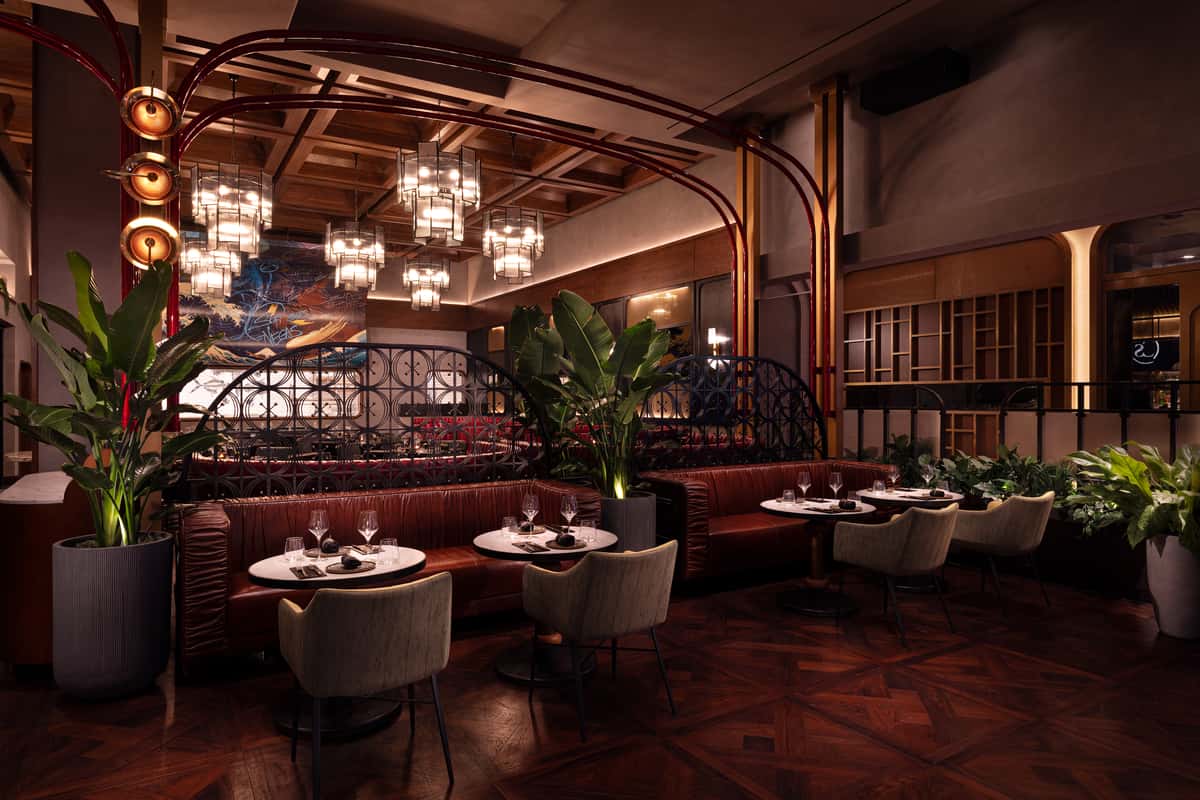
Interior design impacts guest perception in upscale dining by establishing the emotional tone before a single dish arrives. Layout, materials, and spatial choices signal quality, comfort, and intention. According to Michelin Young Chef Award winner Nicolás Tykocki, "coherence, authenticity, and sensory design" are the pillars for creating memorable restaurant experiences that transcend the food itself. When a dining room achieves visual and spatial coherence, guests enter with elevated expectations, which primes them to engage more fully with everything that follows.
Why Are Tableware and Presentation Crucial to the Overall Atmosphere?
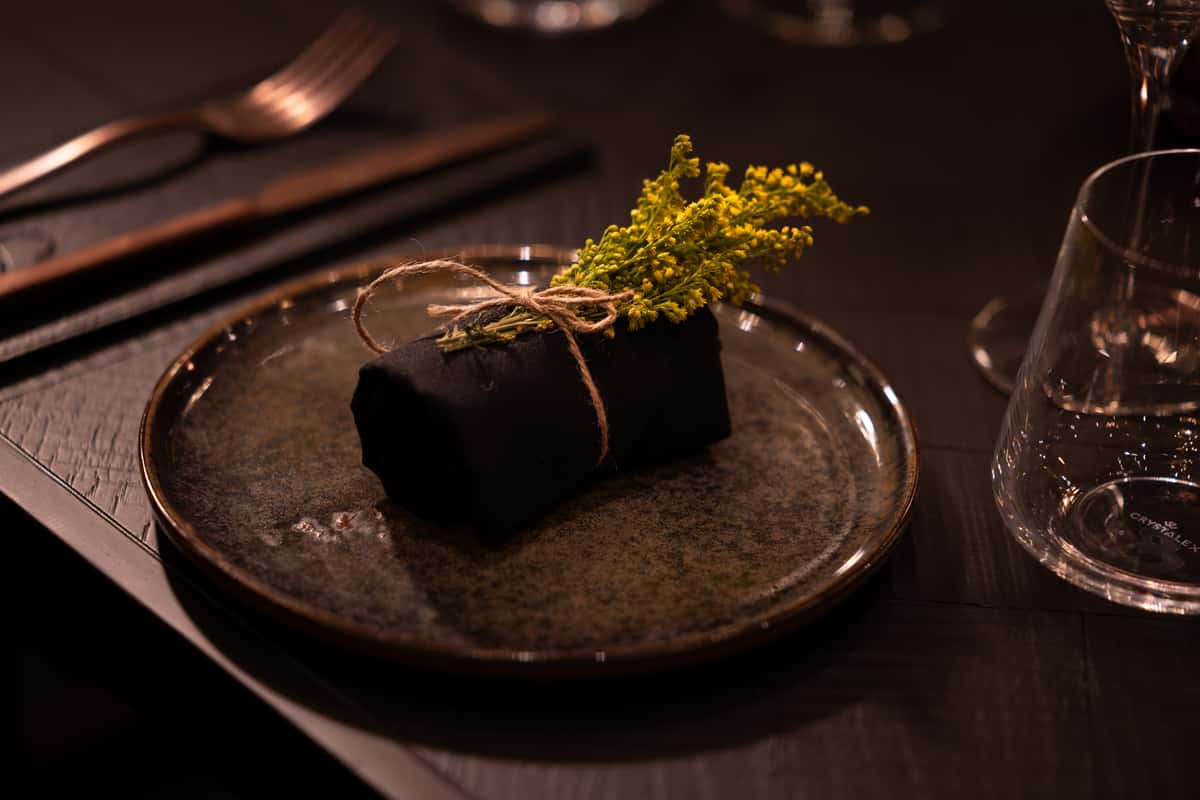
Tableware and presentation are crucial to the overall atmosphere because they function as the immediate visual frame around every dish. Contemporary plateware, linen weight, glassware clarity, and cutlery finish all communicate a restaurant's commitment to craft before the food is tasted. Core elements of luxury fine dining design include contemporary tableware integrated into a broader sensory narrative that encompasses lighting, scent, and sound, per a 2025 Theseus study on interior design and customer behavior in restaurants. Tableware is not decorative detail; it is a deliberate signal of standard.
In What Ways Does Lighting Enhance or Diminish a Fine Dining Ambience?
Lighting enhances or diminishes a fine dining ambience by controlling focus, mood, and perceived intimacy within the space. Sculptural lighting serves a dual purpose: it functions as an architectural feature while directing a guest's attention toward the table and the plate. Warm, low-intensity lighting encourages relaxation and slows the pace of dining, while harsh overhead lighting creates the opposite effect, making guests feel exposed rather than cocooned. Used well, lighting is among the most powerful and immediate aesthetic levers a restaurant controls.
With thoughtful design anchoring the physical space, how food is plated and presented becomes the next dimension of the aesthetic experience.
How Does Food Presentation Shape Guest Expectations and Enjoyment?
Food presentation shapes guest expectations and enjoyment by engaging the visual system before a single bite is taken, priming the brain for taste, quality, and emotional response. The following headings examine the specific techniques chefs use and how color, plating, and arrangement interact with perception.
What Techniques Do Chefs Use to Make Dishes Visually Appealing?
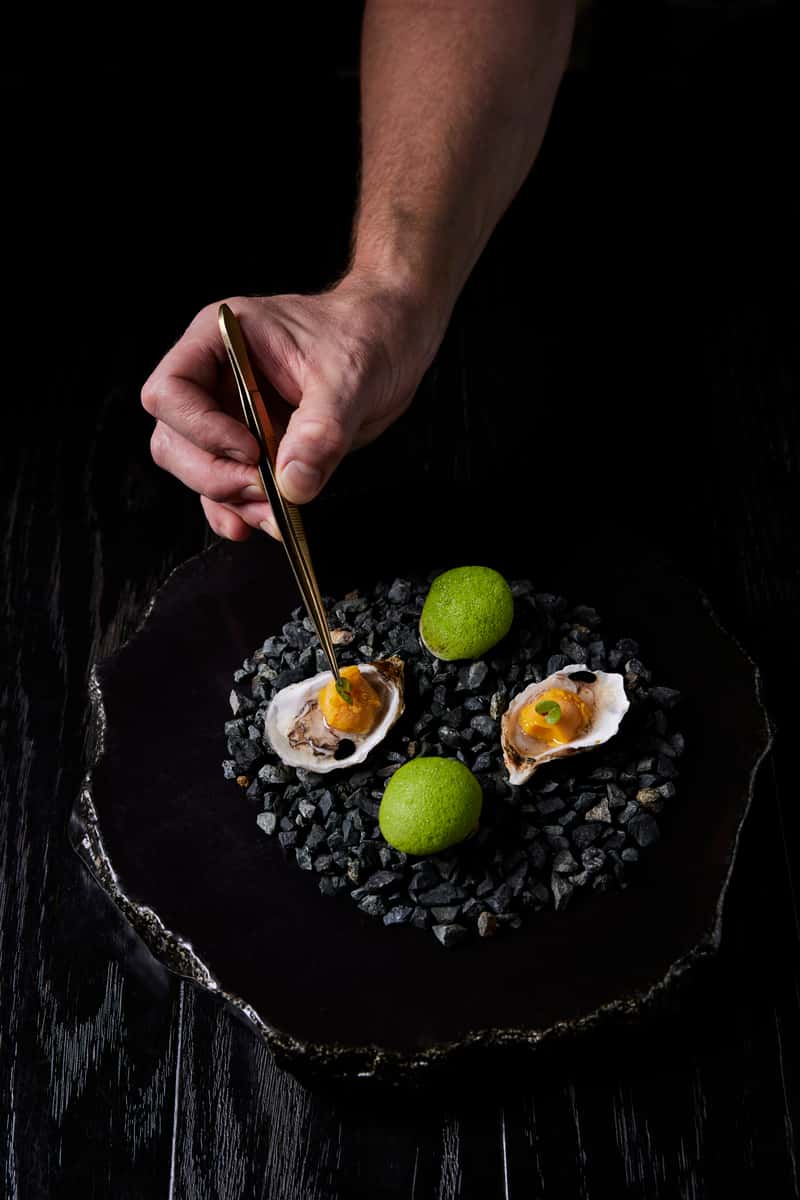
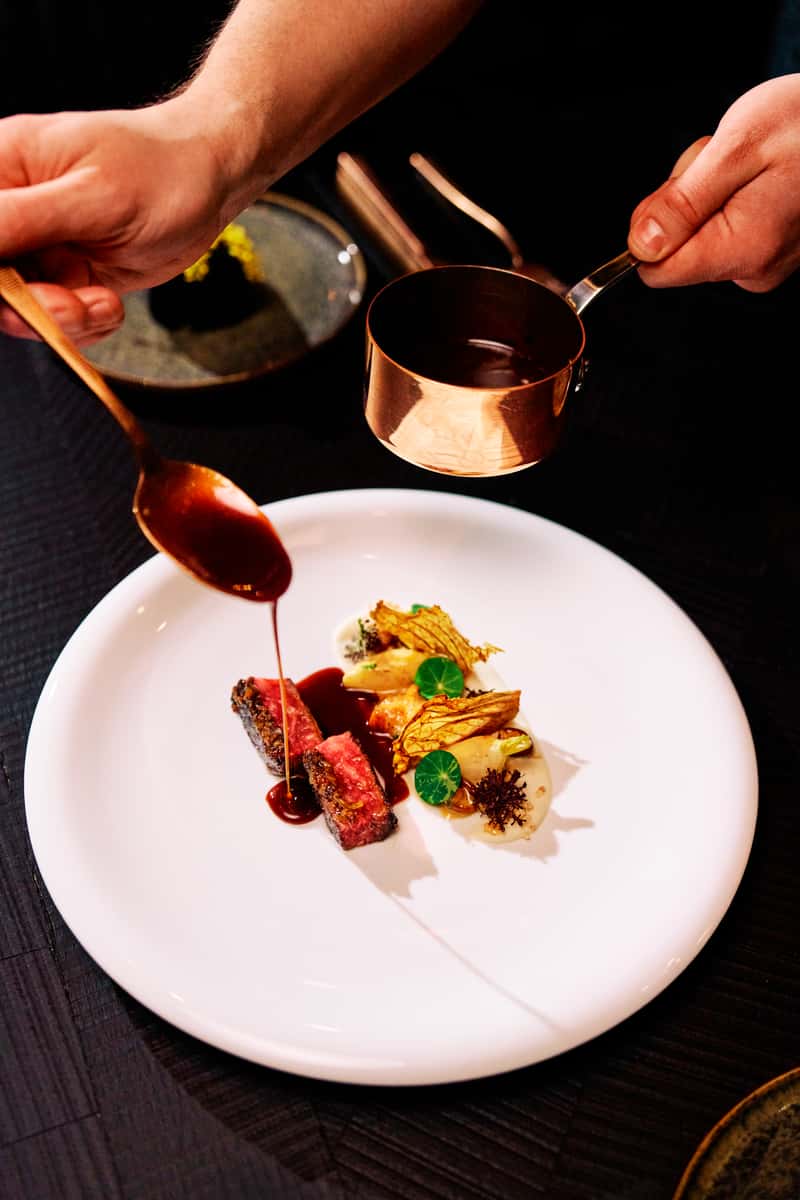
The techniques chefs use to make dishes visually appealing include negative space, height placement, color contrast, texture layering, and edible garnishes. Plating aesthetics often rely on deliberate emptiness, allowing the main components to stand out rather than compete with surrounding elements. Height is commonly emphasized on the right side of the plate for visual balance. Effective garnishes follow five guiding principles: color contrast, texture layering, considered height, negative space, and edibility. Together, these techniques transform individual ingredients into a composed visual statement, and their consistent application is what separates memorable fine dining plating from ordinary presentation.
How Do Colors, Plating, and Arrangement Affect Taste Perception?
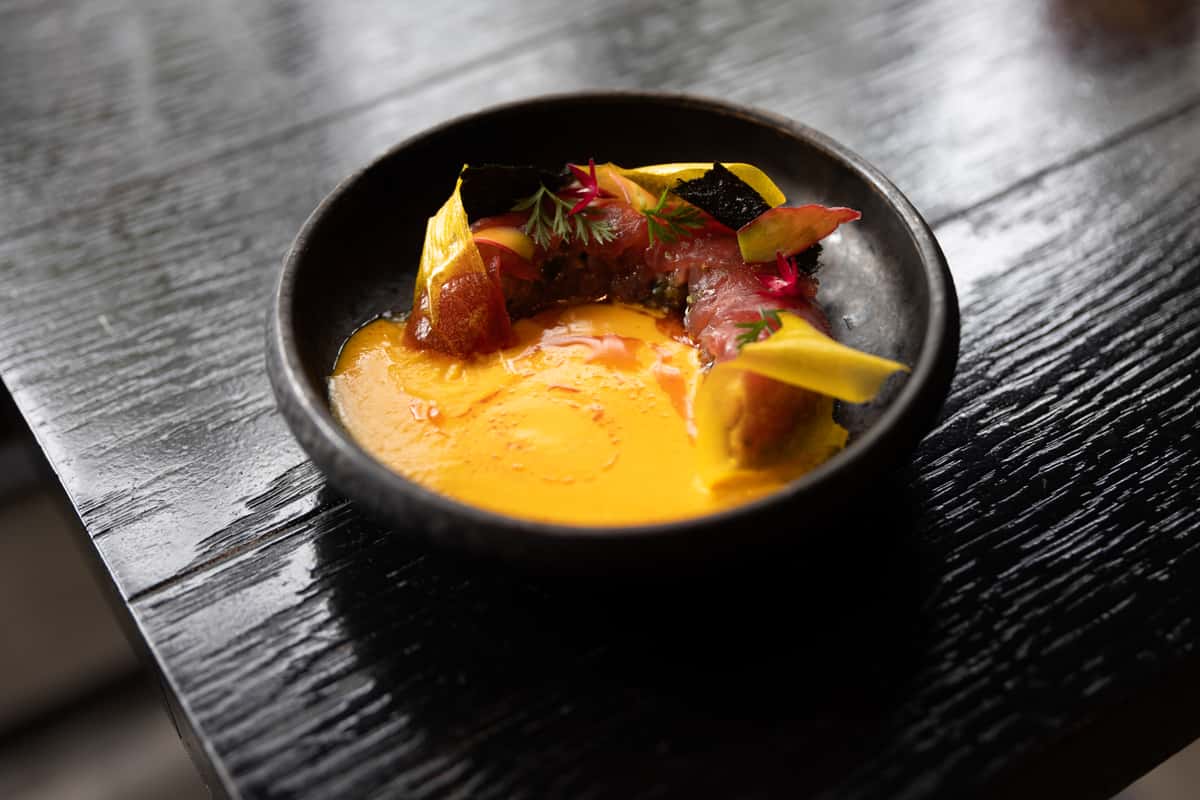
Colors, plating, and arrangement affect taste perception by altering the brain's emotional response before flavor is even registered. According to a 2021 MDPI study on neurogastronomy, there is a measurable correlation between the color and shape of the plate and the perception of taste, with visual stimuli such as food arrangement and colorization capable of changing emotional responses. A vividly plated dish on a contrasting plate does not just look better; it genuinely tastes different to the guest experiencing it. This makes thoughtful plating one of the highest-leverage investments a fine dining kitchen can make in overall guest satisfaction.
Why Is Sensory Engagement Beyond Taste Important in Fine Dining?
Sensory engagement beyond taste is important in fine dining because it transforms a meal into a complete, memorable experience. Two-Michelin-star chef Andreas Senn states that restaurants must "appeal to the senses of touch, hearing, smell, sight and taste" to create a truly multisensory experience. The sections below cover how acoustics and aromas each contribute to that fuller engagement.
How Do Music and Acoustics Shape the Dining Environment?
Music and acoustics shape the dining environment by influencing mood, memory, and the perceived quality of food. According to Le Cordon Bleu, Professor Charles Spence notes that "the evocative power of memory" is triggered by a multisensory approach to dining, shaping cultural and social identities through the experience. Beyond nostalgia, research shows that slow-tempo music encourages guests to linger, extending time at the table and deepening overall satisfaction. Acoustic design is often underestimated, but it directly determines whether guests feel relaxed and present or hurried and distracted.
What Role Do Scents and Aromas Play in Guest Experience?
Scents and aromas play a meaningful role in guest experience by stimulating appetite, elevating emotion, and shaping how guests perceive the food and restaurant overall. A three-week study conducted in a public restaurant using basil, bacon, and hickory smoke aromas found that food scents positively influence pleasure and improve customers' impressions of both the food and the establishment (Purdue University, Ouyang dissertation). Chef Jeremy Ford captures this philosophy precisely: guests visit Stubborn Seed "not only for a meal, but to experience flavors, laughter, and exploration." Aroma is one of the quietest tools in that experience, yet one of the most powerful.
How Do Aesthetic Choices Reflect a Restaurant's Brand Identity?
Aesthetic choices reflect a restaurant's brand identity by communicating values, heritage, and personality through every physical detail, from materials to spatial design. The H3s below examine how visual consistency reinforces brand recognition and how distinctive decor creates a competitive identity guests remember.
How Does Visual Consistency Strengthen a Fine Dining Brand?
Visual consistency strengthens a fine dining brand by aligning every sensory touchpoint with a coherent identity guests can recognize and trust. According to the Journal of Place Management and Development, place brands are strengthened when local culture forms part of the brand identity, integrated through the touch of materials, surfaces, and smells that arise from the local environment.
This principle is especially relevant for Michelin-recognized restaurants, where every design decision signals a commitment to quality. When the physical environment reinforces the culinary narrative, the brand becomes experiential rather than merely descriptive.
In What Ways Can Unique Decor Set a Restaurant Apart?
Unique decor sets a restaurant apart by creating a visual story that extends the dining experience beyond the plate. Eleven Madison Park demonstrated this by completing a top-to-bottom renovation specifically designed to reinforce the beauty of its historic lobby, aligning its environment with its Michelin three-star culinary standing.
Decor also activates seasonal storytelling. Restaurants that incorporate time-lapses of seasonal decorating and behind-the-scenes staff content deepen cultural connection with guests, transforming the physical space into an ongoing narrative rather than a static backdrop. Distinctive spaces are, in practice, one of the most underutilized brand assets a restaurant possesses.
How Are Local Influences Incorporated into Fine Dining Aesthetics?
Local influences are incorporated into fine dining aesthetics through material selection, locally-sourced art, and seasonal design shifts that connect guests to a specific place and time. The following sections explore how physical materials reinforce a sense of place and how seasonal changes reshape both décor and presentation.
What Impact Do Locally-Sourced Materials and Art Have on Ambience?
Locally-sourced materials and art have a direct impact on ambience by grounding the dining environment in a recognizable cultural identity. According to the Journal of Place Management and Development, place brands are strengthened when local culture forms part of the brand identity, integrated through the touch of materials, surfaces, and smells that arise from the local environment. Incorporating regional stone, native wood, or locally commissioned artwork creates sensory cues that reinforce authenticity in ways that imported, generic furnishings simply cannot replicate. For guests, this layered sense of place transforms a meal into something distinctly tied to where they are, deepening emotional engagement with the experience.
How Do Seasonal Changes Shape Design and Presentation?
Seasonal changes shape design and presentation by prompting restaurants to refresh visual storytelling across décor, tableware, and menu composition in cycles that reflect the natural world. Restaurants can use tactics such as time-lapse documentation of seasonal redecorating and staff taste-testing of new seasonal dishes to reinforce seasonal culture for guests, according to Spindl. Beyond marketing, seasonal design updates signal culinary intent: different color palettes, floral arrangements, and plating materials communicate whether a kitchen is working with spring produce, autumn harvests, or winter-driven techniques. Seasonal rotation keeps the aesthetic alive rather than static, which is critical for guests who return multiple times throughout the year.
How Should You Approach Aesthetics in Fine Dining with Stubborn Seed's Chef-Driven Tasting Menus?
Approaching aesthetics in fine dining means engaging every sensory layer: plating, ambiance, scent, and sound. The H3s below explore how Stubborn Seed's tasting menus deliver this experience and distill the key lessons from this guide.
Can Stubborn Seed's Chef-Driven Tasting Menus Enhance Your Fine Dining Aesthetic Experience?
Yes, Stubborn Seed's chef-driven tasting menus can enhance your fine dining aesthetic experience by transforming each course into a deliberate sensory event. The Michelin Guide describes Stubborn Seed as "sexy and sleek with an industrial chic décor and glass-fronted display kitchen," setting a visual tone that frames every dish before it arrives at the table.
Chef Jeremy Ford defines the experience as visiting a restaurant "not only for a meal, but to experience flavors, laughter, and exploration," according to Fine Dining Lovers. This philosophy extends beyond taste: the restaurant's seasonal multi-course tasting menus use progressive plating and considered presentation to build aesthetic momentum course by course. For guests pursuing a genuine gastronomic journey, Stubborn Seed's approach makes aesthetics inseparable from flavor.
What Are the Key Takeaways About the Role of Aesthetics in Fine Dining We Covered?
The key takeaways about the role of aesthetics in fine dining center on one core truth: every sensory detail shapes how guests perceive, enjoy, and remember a meal. The most actionable lessons from this guide include:
- Plating drives perception. Negative space, height, color contrast, and considered arrangement change how dishes taste before the first bite.
- Ambiance is not decorative; it is functional. Lighting, acoustics, scent, and table spacing all influence behavior, satisfaction, and how long guests stay.
- Brand identity must be coherent. Visual consistency across decor, tableware, and presentation signals quality and reinforces trust.
- Multisensory design is the standard. Leading restaurants like Stubborn Seed combine chef-driven cuisine with deliberate environmental design to create experiences that qualify as a full culinary adventure.
- Guest expectations begin before the first course. The moment a diner enters, aesthetic cues are already shaping their emotional response to everything that follows.
Stubborn Seed's Las Vegas tasting menus offer a practical opportunity to experience these principles applied at a Michelin-recognized level.