
Role of Restaurant Ambiance: Impact on Dining
Role of Restaurant Ambiance: Impact on Dining
Restaurant ambiance is the coordinated sensory environment of a dining space, encompassing lighting, acoustics, decor, scent, temperature, and spatial design, that directly shapes how guests perceive value, comfort, and satisfaction throughout their meal.
This guide covers the psychology behind ambiance design, how it interacts with service and cuisine, the way upscale restaurants customize it for different occasions, and how Las Vegas fine dining venues like Stubborn Seed apply these principles at the highest level.
Ambiance produces measurable psychological effects on mood, appetite, and spending behavior. In high-priced restaurants specifically, it carries the most dramatic positive impact on price perception, influencing what guests order and how much they pay before a single dish arrives.
The relationship between ambiance and other dining components, particularly service and culinary presentation, is one of mutual reinforcement. Strong atmospherics can buffer the impact of service inconsistencies, while poor acoustic design or unflattering lighting actively undermines even exceptional cuisine.
Customizing ambiance for different occasions, from multi-course tasting menus to private celebrations, requires deliberate control over lighting intensity, music tempo, and spatial arrangement. Each format demands a distinct atmospheric register, and managing that contrast is a defining mark of a sophisticated dining operation.
In Las Vegas, where entertainment sets the baseline expectation, fine dining venues invest $160 to $350 per square foot in interior design and calibrate every sensory detail to match a clientele accustomed to immersive experiences. Stubborn Seed at Resorts World Las Vegas, led by Michelin-starred Chef Jeremy Ford, reflects exactly that standard through its warm, refined atmosphere and four distinct menu formats, each paired with an environment built to match its intent.
Why Is Ambiance Considered So Important in Upscale Dining?
Ambiance is important in upscale dining because it transforms a meal into a complete sensory experience, directly influencing how guests perceive value, quality, and satisfaction. The following sections cover the defining elements of upscale ambiance and how lighting, music, and decor each shape the atmosphere.
What Elements Define an Upscale Restaurant's Ambiance?
The elements that define an upscale restaurant's ambiance include lighting design, acoustic treatment, decor, spatial layout, scent, and temperature control. Each component works together to establish a unified sensory environment. In high-priced restaurants specifically, ambiance carries the most dramatic positive impact on price perception compared to lower-tier establishments, where its effect is minimal. This makes thoughtful ambiance design one of the highest-leverage investments an upscale restaurant can make. Premium interior design alone costs $160–$350 per square foot, with total investments often reaching $250,000 to over $1 million.

How Do Lighting, Music, and Decor Affect the Atmosphere?
Lighting, music, and decor affect the atmosphere by engaging multiple senses simultaneously, shaping guest behavior and perceived experience. Intimate dining areas benefit from 10–20 foot-candles at warm color temperatures around 2700K, which encourage guests to linger. Decor choices such as plate color and surface materials directly influence food perception and perceived value. According to research by North and Hargreaves, musical style affects spending patterns in restaurants, with tempo determining both how long guests stay and how they tip. Slow-tempo music produces the longest dwell time, while fast-tempo music increases table turnover during peak service periods.
How Does Ambiance Shape Customer Perceptions and Expectations?
Ambiance shapes customer perceptions by influencing emotional states, spending behavior, and loyalty. The sections below cover how first impressions affect menu choices and how atmospheric quality drives satisfaction and return rates.
Can First Impressions from Ambiance Impact Menu Choices?
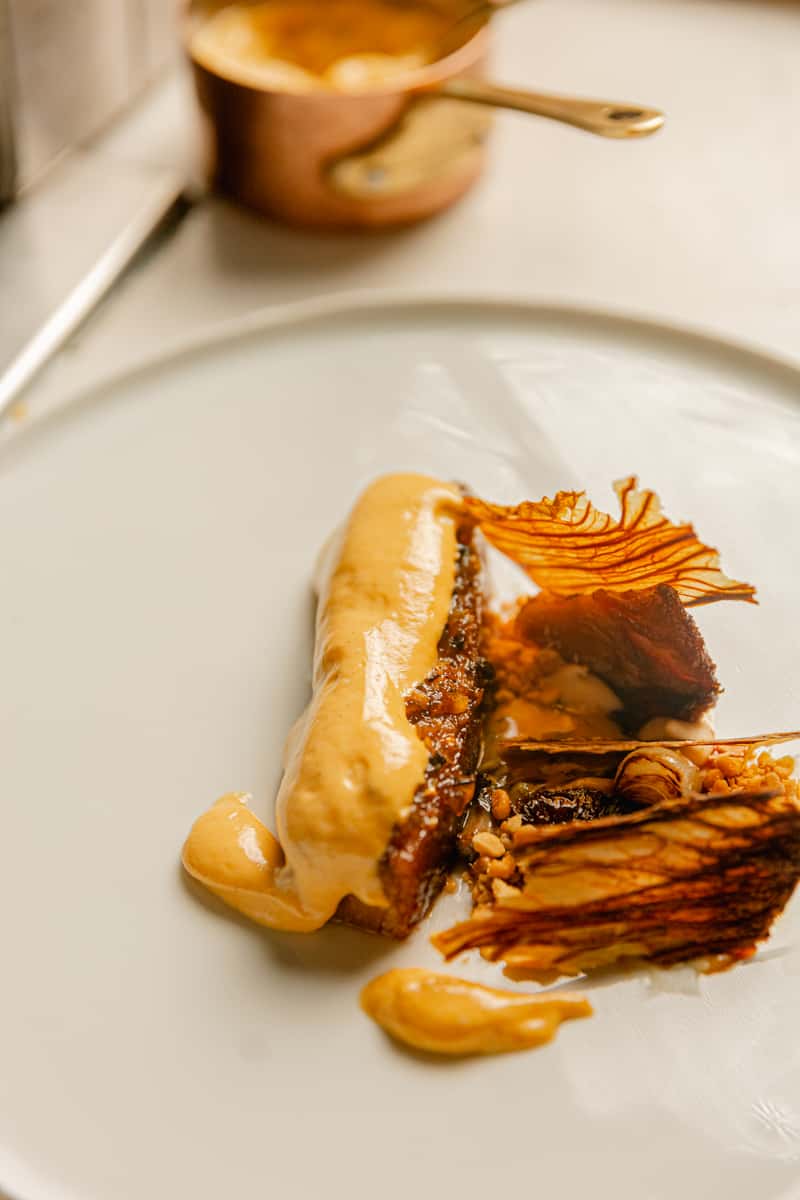
First impressions from ambiance can impact menu choices directly, particularly in high-priced restaurants. A 2017 study by Parsa, Bacon, Besharat, and Smith, analyzing 2013 Zagat Survey data from 2,705 New York City restaurants, found that ambiance has the most dramatic positive impact on price at high-end establishments, while its effect is minimal at low-priced ones.
This means guests entering an upscale restaurant make immediate value judgments based on what they see, hear, and feel, which then shapes what they order. When the environment signals luxury, diners shift toward premium selections. For high-end restaurants, investing in ambiance is not optional; it directly influences perceived menu value and willingness to spend.
How Does Ambiance Affect Satisfaction and Return Rates?
Ambiance affects satisfaction and return rates by creating emotional states that customers associate with their overall experience. Research by Rathnasiri et al. (2025), published in PLoS One, found that customers feel more relaxed and happier in pleasant ambiance, and that atmospheric quality directly correlates with loyalty and recommendation likelihood.
Diners who feel at ease are more likely to linger, return, and refer others. A well-executed atmosphere does not just complement the meal; it becomes the reason guests come back.
In What Ways Do Upscale Restaurants Customize Ambiance for Diverse Occasions?
Upscale restaurants customize ambiance by adjusting lighting, music, décor, and spatial arrangements to match the specific tone of each occasion. The following sub-sections explore how these adjustments differ between tasting menus and brunch, and how private events receive fully tailored atmospheric treatment.
How Is Ambiance Adjusted for Tasting Menus Versus Weekend Brunch?
Ambiance is adjusted for tasting menus versus weekend brunch through deliberate changes in lighting intensity, music tempo, and pacing cues. A tasting menu requires a controlled, immersive environment: dimmed lighting, slower background music, and hushed acoustics that allow each course to unfold as part of a deliberate culinary story. According to Kaviar Restaurants, tasting menus are chef-curated multi-course sequences where the kitchen controls course order, meaning the surrounding atmosphere must support focused attention rather than social energy. Weekend brunch, by contrast, calls for brighter lighting, livelier tempo, and an open, energetic feel that encourages relaxed socializing. These two formats demand opposite atmospheric registers, and managing that contrast is one of the clearest marks of a sophisticated dining operation.
What Role Does Ambiance Play in Private Events or Special Celebrations?
Ambiance plays a central role in private events and special celebrations by transforming a dining room into a setting that reflects the occasion's specific tone. According to Americana Kitchen & Bar, private dining rooms offer décor options spanning classic, modern, rustic, and luxurious styles, with custom menus and dietary accommodations tailored to each event. Lighting, floral arrangements, table configuration, and music selection are all adjustable variables that signal to guests whether they have entered a corporate dinner, a milestone birthday, or an intimate anniversary. Getting these details right is what separates a memorable event from a generic one, and private dining ambiance is often the detail guests remember longest.
Are There Psychological Effects Linked to Restaurant Ambiance?
Yes, restaurant ambiance produces measurable psychological effects on mood, appetite, conversation quality, and dining behavior. The following sections cover how sensory elements shape these responses and what research confirms about the ambiance-behavior connection.
How Can Ambiance Influence Mood, Appetite, and Conversation?
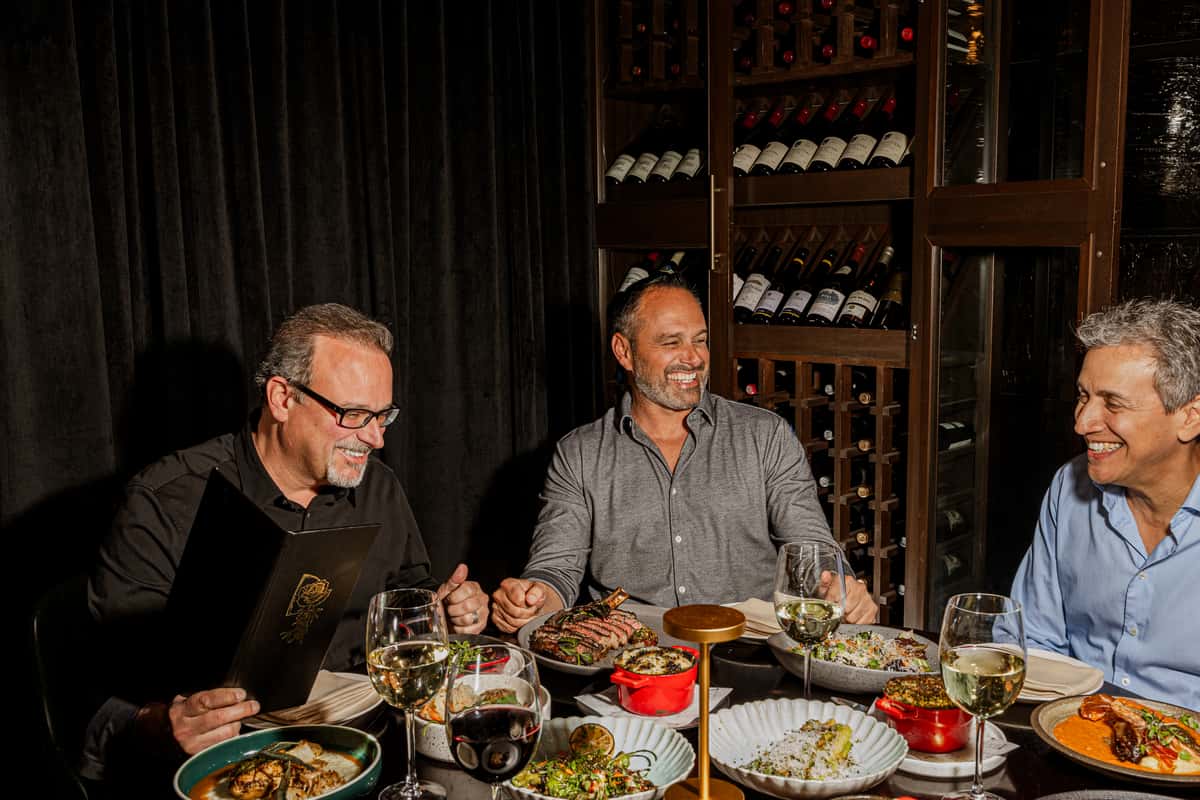
Ambiance influences mood, appetite, and conversation through coordinated sensory stimuli, including color, sound, scent, and lighting. Warm colors promote taste-oriented consumption, while cool colors enhance healthiness perception, directly shaping what guests order and how much they eat. Acoustic conditions affect conversation quality just as significantly: according to a 2023 study published in Acta Acustica, when absorbing surface area falls below 1.5 m² per person, diners communicate less, and background noise reaching 69 dB makes sustained conversation unsustainable. Pleasant atmospherics also improve emotional states, leaving guests feeling more relaxed and receptive. In fine dining, these effects compound: controlled lighting, sound, and scent work together to sustain a mood that encourages longer, more engaged dining experiences.
What Studies Support the Connection Between Ambiance and Dining Behavior?
Research strongly supports ambiance as a driver of dining behavior, spanning menu choices, spending, and sensory perception. A 2025 study in the International Journal of Hospitality Management by Lin et al. found that color-text congruency reduces the healthiness-less tasty perception trade-off, directly influencing what guests select from menus. Research by Spence (2015) in Cell confirmed that atmosphere influences taste and flavor perception and that all five senses participate in the dining experience, a principle now central to gastrophysics. Color Rendering Index (CRI) values of 90 or above are required to render vibrant food colors accurately, linking lighting specification directly to appetite stimulation. Together, these findings show that ambiance is not decorative but neurologically active, shaping every moment from arrival to the final bite.
How Does Ambiance Interact with Other Dining Components Like Service and Cuisine?
Ambiance does not operate in isolation; it amplifies or undermines both service and cuisine. The sections below examine whether strong ambiance can offset weak service or food, and how it shapes culinary presentation.
Does a Strong Ambiance Compensate for Mediocre Service or Food?
A strong ambiance can partially compensate for mediocre service, but it cannot fully replace food quality. A 2017 study by Parsa, Bacon, Besharat, and Smith, drawing on 2013 Zagat Survey data from 2,705 NYC restaurants, found that consumer willingness to pay is more influenced by ambiance and service than by food quality alone. Research published in the International Journal of Hospitality Management further confirms that food quality, ambiance, and value are significant predictors of spending, while service quality was not a primary driver during negative encounters, meaning strong ambiance can buffer its impact. Separately, a textual analysis of 580,000 Yelp reviews found that service sentiment outweighs food sentiment in star ratings. A White Hutchinson and National Restaurant Association survey identified ambiance and positive service as the strongest differentiating factors for top-performing brands. Ambiance buys goodwill, but it is not a permanent substitute for culinary excellence.
What Is the Relationship Between Ambiance and Culinary Presentation?
The relationship between ambiance and culinary presentation is one of mutual reinforcement. Interactive service moments, such as tableside preparations, increase memory formation and perceived value, connecting the visual drama of presentation to the physical environment surrounding it. Customers who experience pleasant atmospherics are more likely to recommend the restaurant, and recommendation likelihood rises directly with ambiance quality. In practical terms, lighting with a Color Rendering Index of 90 or higher renders food colors vividly, making plating look more vibrant and intentional. Ambiance frames the dish before a single bite is taken, elevating perceived craftsmanship and supporting the overall value narrative that great cuisine deserves.
How Is Ambiance Curated in Las Vegas Fine Dining Restaurants Like Stubborn Seed?
Ambiance in Las Vegas fine dining restaurants is curated through precise control of lighting, acoustics, spatial design, and service ratios. The sections below examine the specific strategies Las Vegas upscale eateries use to differentiate themselves and how local culture shapes those choices.
What Strategies Do Las Vegas Upscale Eateries Use to Stand Out Ambiance-Wise?
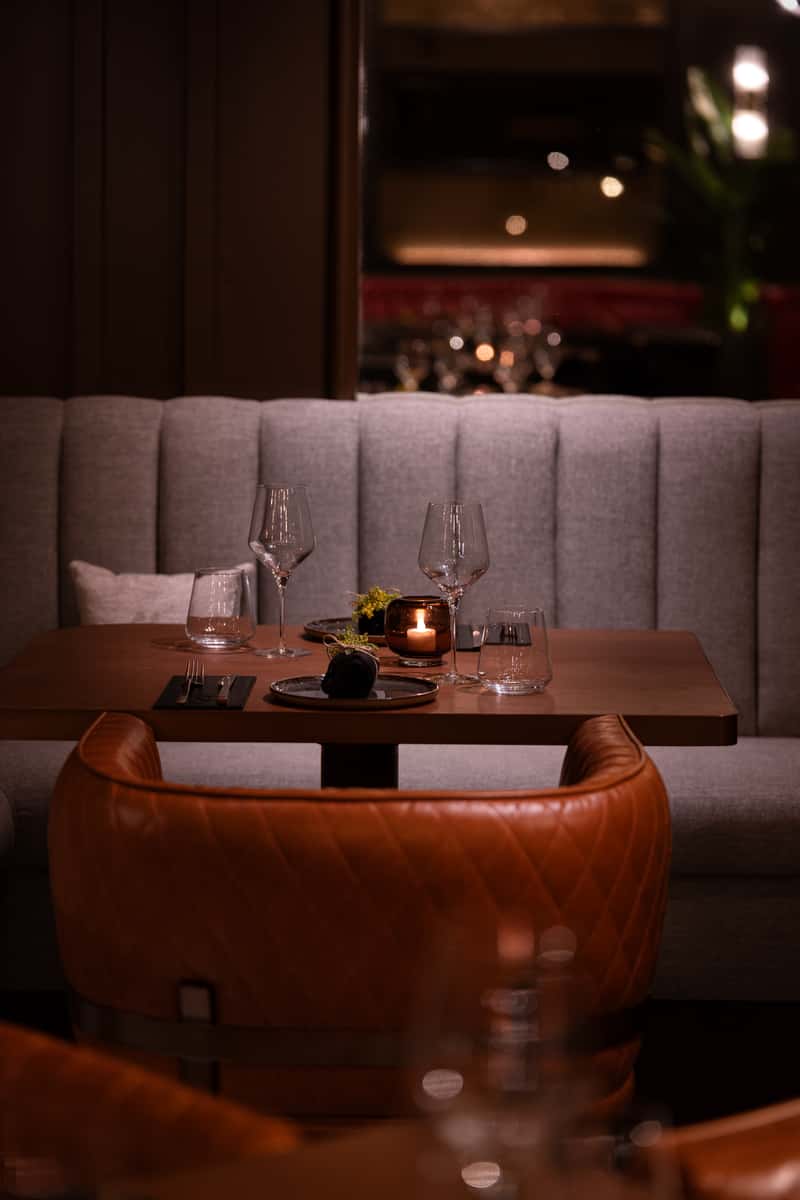
The strategies Las Vegas upscale eateries use to stand out ambiance-wise include engineered lighting systems, acoustic treatment, and high staff-to-guest ratios. Stubborn Seed at Resorts World Las Vegas applies sophisticated lighting to create a warm, refined dining atmosphere, with intimate focal areas calibrated to 10-20 foot-candles and a 2700K color temperature that encourages guests to linger.
Acoustic design covers 40% of exposed surfaces with sound-absorbing materials, protecting conversation quality. Premium interior design investments range from $160 to $350 per square foot, with total design budgets reaching $250,000 to over $1 million. A staff-to-guest ratio of 1:12-16, combined with 80-120 hours of server training, ensures the physical environment is matched by equally precise service execution. These investments collectively signal a commitment to experience that guests can perceive immediately upon arrival.
How Do Local Culture and Expectations Influence Restaurant Ambiance?
Local culture and expectations influence restaurant ambiance by raising the baseline standard that diners bring to every reservation. Las Vegas attracts high-spend visitors accustomed to theatrical, immersive environments, which pushes fine dining venues to invest significantly in every sensory dimension of the room.
According to a 2017 study by Parsa, Bacon, Besharat, and Smith using 2013 Zagat survey data from 2,705 New York City restaurants, ambiance has the most dramatic positive impact on price for high-priced restaurants, while having minimal impact at the low-priced tier. Researchers also note that ambiance has become more important than ever in the restaurant industry, with customers viewing dining as a form of enjoyment and experience rather than simple sustenance. In a market like Las Vegas, where entertainment defines the destination, this expectation is amplified further. Chef Jeremy Ford's Michelin-starred approach at Stubborn Seed, combining seasonal ingredients with precise execution, reflects exactly what the Las Vegas fine dining guest demands: an environment as carefully crafted as the food itself.
How Can Discerning Diners Select the Ideal Ambiance for Their Dining Experience?
Discerning diners can select the ideal ambiance by evaluating temperature comfort, service attentiveness, and feedback channels before and after their visit. The sections below cover what to look for when choosing upscale Las Vegas dining and how to communicate ambiance preferences effectively.
What Should Guests Look for When Choosing Upscale Dining in Las Vegas?
Guests should look for measurable service quality, thermal comfort, and design intentionality when choosing upscale dining in Las Vegas. A well-maintained dining room holds a temperature between 70–72°F (21–22°C), supporting appetite and comfort throughout the meal.
Service staffing levels reveal a restaurant's commitment to attentiveness. Fine dining venues maintain a staff-to-guest ratio of 1:12–16 per server, compared to 1:20–25 at casual restaurants. That gap translates directly into response speed, order precision, and personalized interaction.
- Service ratio: 1 server per 12–16 guests (fine dining) vs. 1 per 20–25 (casual)
- Temperature: 70–72°F for optimal guest comfort
- Acoustic design: Sound-absorbing surfaces that support easy conversation
- Lighting quality: Warm, focused illumination that enhances food presentation
From a practical standpoint, off-peak reservations (4–5:30 PM or after 9 PM) consistently deliver more attentive service and shorter wait times at higher-end restaurants.
How Can Guests Provide Feedback on Ambiance to Upscale Restaurants?
Guests can provide feedback on ambiance through direct conversation with management, post-visit surveys, and online review platforms. Sharing specific observations, such as noise levels, lighting intensity, or temperature comfort, gives restaurants actionable data rather than general impressions.
The most effective feedback identifies which ambiance element affected the experience and when it occurred during the meal. Upscale restaurants, particularly those with high service standards, respond to precise feedback faster than vague commentary. Platforms like Google and Yelp also allow guests to highlight ambiance separately from food and service, which helps future diners make informed decisions aligned with their preferences.
How Does Stubborn Seed in Las Vegas Elevate Dining Through Its Unique Ambiance and Offerings?
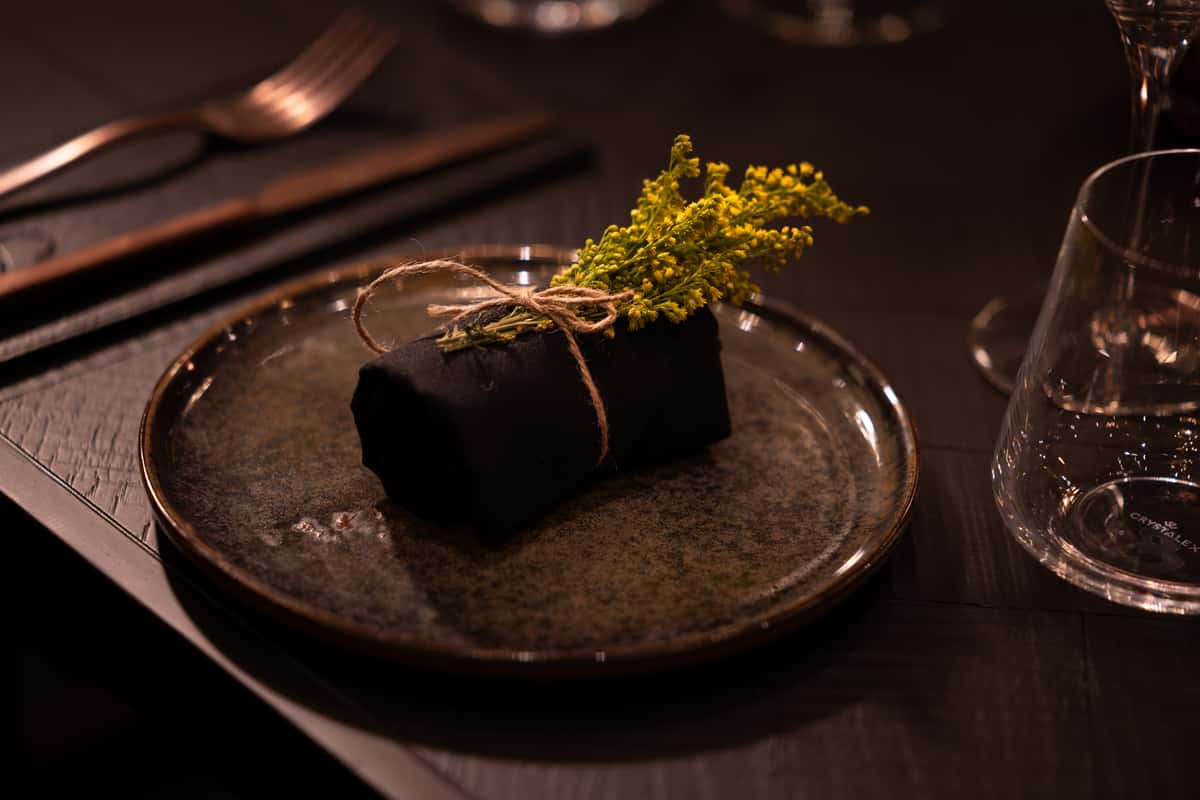
Stubborn Seed in Las Vegas elevates dining through four distinct menu formats: a la carte, tasting menu, private dining menu, and show night menu. Each format pairs with a carefully curated ambiance designed to match the occasion and the meal's intent.
Can Stubborn Seed's Multi-Course Tasting Menus Enhance the Restaurant's Ambiance Experience?
Stubborn Seed's multi-course tasting menus can enhance the restaurant's ambiance experience by aligning the physical environment with a deliberate culinary narrative. A tasting menu is a chef-curated multi-course sequence that tells a deliberate culinary story, with the kitchen controlling course order and pacing. This structure requires a controlled ambiance environment, where lighting, sound, and service rhythms reinforce each course's intent rather than compete with it. According to Kaviar Restaurants, a tasting menu's measured portions and sequenced storytelling only reach their full impact when the surrounding atmosphere sustains the guest's attention throughout the experience. Stubborn Seed's warm, refined setting at Resorts World Las Vegas is precisely calibrated for this format.
What Are the Essential Takeaways About the Role of Restaurant Ambiance in the Dining Experience?
The essential takeaways about the role of restaurant ambiance are that it engages all five senses, shapes emotional responses, and drives sharing behavior. Customers view dining as a form of enjoyment and experience, not merely sustenance, which means atmosphere carries real weight in perceived value. An attractive atmosphere inspires customers to share their dining experiences on social media, creating organic reach for restaurants that invest in design. Physical comfort factors, including humidity and air quality, are equally important for the dining experience alongside visual and auditory elements. Together, these principles confirm that ambiance is not decorative; it is structural to the dining experience itself.