
Tasting Menu Components: Structure & Courses Explained
Tasting Menu Components: Structure & Courses Explained
A tasting menu is a curated sequence of small courses served in deliberate progression, designed to showcase a chef's technical range, ingredient focus, and creative storytelling across a single meal. Rooted in the French dégustation tradition, the format typically ranges from 5 to over 20 courses, each built around precise portioning and intentional flavor escalation.
This guide covers tasting menu structure and sequencing, individual course types and their roles, chef design principles, beverage pairing integration, and guest etiquette.
The structural foundation follows a light-to-rich arc where courses build in intensity, weight, and complexity. Most fine-dining formats settle between 6 and 12 courses, with each savory plate featuring just 1 to 3 ounces of protein so guests can experience the full progression without fatigue.
Individual course types each serve a specific purpose within that arc. An amuse-bouche opens the meal as a complimentary bite signaling the kitchen's style, while palate cleansers like sorbets and granitas reset the senses between richer plates. Dessert often unfolds across multiple stages, closing with mignardises as a final gesture.
Chefs curate their menus through sensory science, seasonal sourcing, and creative constraints like zero-waste cooking, where scraps become refined components. Seasonality dictates what appears on each plate, and ingredient repetition is deliberately avoided to sustain interest.
Beverage pairings layer another dimension onto each course through acidity matching and complementary aromatics, with non-alcoholic tracks now matching the complexity of traditional wine selections.
Guests benefit from understanding practical expectations: meals last 2.5 to 4 hours, portions are small by design, and dietary accommodations work best when communicated at booking.
How Is a Typical Tasting Menu Structured?
A typical tasting menu is structured as a deliberate progression of small courses, moving from light to rich and ending with dessert. The subsections below cover common course counts, sequencing logic, and why lighter dishes come first.
What Number of Courses Is Common for a Tasting Menu?
The number of courses common for a tasting menu typically ranges from 5 to over 20, depending on the restaurant's concept and price point. Most fine-dining establishments settle between 6 and 12 courses. Each savory course features small portions, typically 1 to 3 ounces of protein per dish, so guests can enjoy the full arc without feeling overwhelmed.
René Redzepi views the tasting menu as a "story arc" that should build anticipation and climax with a memorable finish. This narrative approach explains why course counts vary so widely; a shorter menu tells a concise story, while a longer format allows chefs to explore more nuanced chapters. For diners new to the format, a 6-course menu offers an approachable entry point before committing to lengthier experiences.
How Are Courses Sequenced in a Tasting Menu Experience?
Courses in a tasting menu experience are sequenced to guide the palate through a deliberate progression of intensity, texture, and flavor. The standard framework follows this order:
- An amuse-bouche opens the meal as a single complimentary bite from the chef.
- Cold appetizers introduce delicate, raw, or lightly dressed ingredients.
- Warm appetizers build complexity with cooked preparations and richer sauces.
- Seafood courses bridge lighter fare and heavier proteins.
- A palate cleanser, often sorbet, resets the palate at the midpoint.
- Meat or principal courses deliver the meal's peak richness.
- Pre-dessert transitions the palate toward sweetness.
- Dessert and mignardises close the experience.
According to the James Beard Foundation's 2025 Industry Report, independent restaurants are increasingly leveraging multi-course formats to create "memorable customer experiences."
Why Do Tasting Menus Start with Lighter Dishes?
Tasting menus start with lighter dishes because the palate is most sensitive at the beginning of a meal. Serving delicate flavors first ensures subtle ingredients receive full attention before richer courses dull perception. Starting heavy would overwhelm the senses early, making later courses feel monotonous rather than revelatory.
This progression also supports physical comfort across a multi-hour experience. When heavier proteins and sauces arrive midway or later, the diner's appetite has been gently warmed rather than abruptly saturated. The result is sustained engagement through the final bite. For context on scale, a 2024 Statista analysis found the median price of Michelin-starred tasting menus worldwide reached $179, reflecting the precision this sequencing demands.
Understanding structure sets the stage for exploring each individual course type in detail.
What Types of Courses Are Usually Included in a Tasting Menu?
The types of courses usually included in a tasting menu are amuse-bouche, appetizers, entrées, palate cleansers, and dessert. Each course serves a distinct purpose in the meal's progression.
What Role Does the Amuse-Bouche Play in a Tasting Menu?
The amuse-bouche plays the role of a complimentary opening bite that stimulates the appetite and introduces the chef's creative vision. According to research from the University of Texas on haute cuisine, an amuse-bouche (literally "mouth amuser") is a single, bite-sized hors d'oeuvre served as a gift from the chef, designed to showcase the kitchen's style before the first formal course begins.
Because it arrives before any ordered dish, this small gesture sets the tone for everything that follows. A well-executed amuse-bouche signals the level of craft and attention diners can expect throughout the remaining courses.
How Do Appetizers and Entrées Differ on a Tasting Menu?
Appetizers and entrées differ on a tasting menu in both portion scale and flavor intensity. Appetizers appear early in the sequence, featuring lighter preparations such as crudo, chilled seafood, or delicate broths that ease the palate into the meal. Entrées arrive later, delivering richer proteins and bolder sauces with greater complexity.
Unlike a standard restaurant menu where an entrée might be a full plate, tasting menu entrées typically offer just one to three ounces of protein per dish. This deliberate restraint keeps diners engaged across multiple courses without overwhelming the appetite. The contrast between the two course types creates the essential light-to-rich arc that defines thoughtful tasting menu design.
What Are Common Palate Cleansers in Tasting Menus?
Common palate cleansers in tasting menus are sorbets, granitas, and light acidic preparations. As noted by the Culinary Institute of America, palate cleansers such as sorbets or granitas are designed to remove lingering fats and flavors from the mouth between savory courses.
These intermezzo courses typically feature bright, citrus-forward or herbal profiles. They function as a reset, ensuring each subsequent dish is tasted with a fresh palate rather than through residual richness from a previous course. For diners, the palate cleanser also provides a welcome pause in the meal's rhythm.
How Is Dessert Featured in a Tasting Menu?
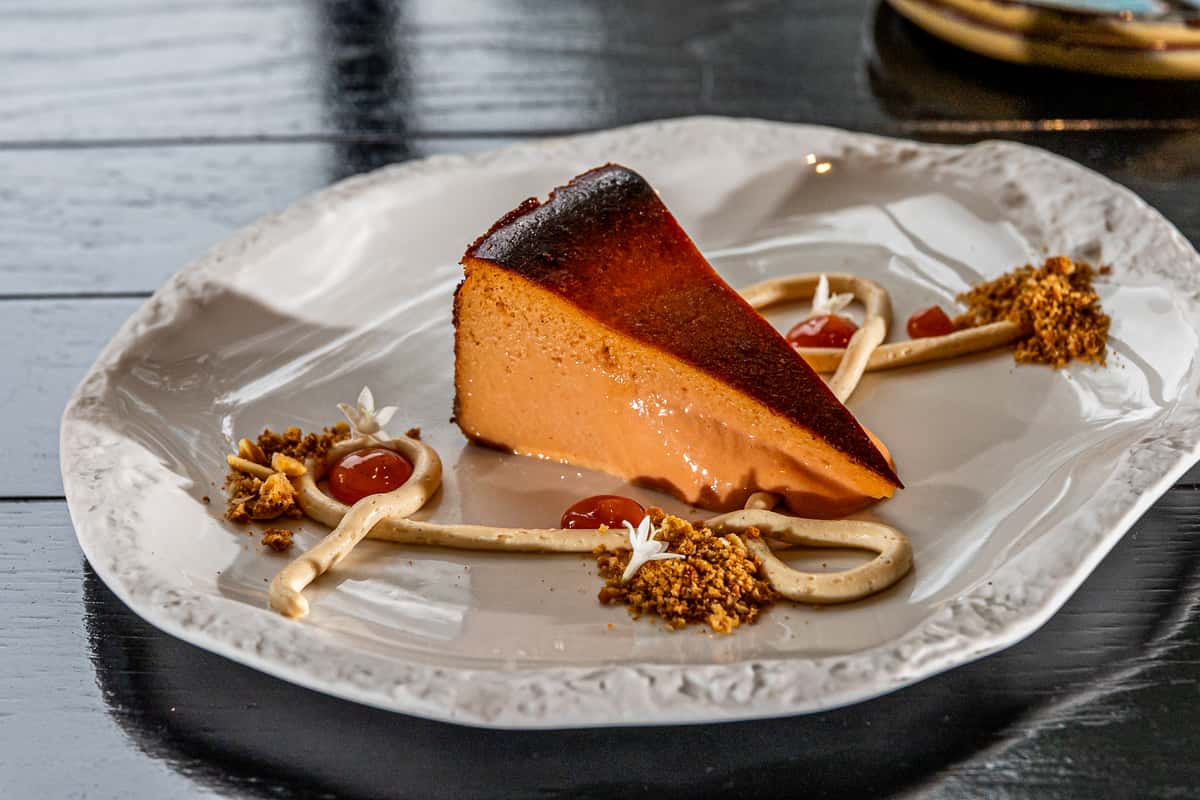
Dessert is featured in a tasting menu as the culminating sweet course, often presented in multiple stages rather than a single plate. A tasting menu might include a pre-dessert, a main dessert, and mignardises, which are small final confections like pâtés de fruits or macarons served as a parting gesture from the kitchen.
This layered approach to dessert prevents an abrupt shift from savory to sweet. The progression typically moves from lighter, fruit-based preparations to richer compositions built on chocolate or cream. For diners new to multi-course dining, dessert courses often become the most memorable part of the experience.
Understanding these individual course types reveals how each one contributes to the broader creative vision behind the menu.
How Do Chefs Design and Curate Tasting Menu Courses?
Chefs design and curate tasting menu courses by balancing sensory progression, seasonal ingredients, and creative storytelling. The sections below explore the principles behind flavor sequencing, the role of local sourcing, and how innovation shapes each course.
What Principles Guide the Progression of Flavors and Textures?
The principles that guide the progression of flavors and textures are rooted in sensory science and deliberate sequencing. Chefs arrange courses from light to rich so each dish registers as distinct and exciting on the palate.
According to sensory-specific satiety research published by Cell Press, varied flavors and textures prevent the premature "fullness" response triggered by monotonous stimuli. This is why a well-constructed tasting menu never presents two similarly weighted courses back to back. Delicate seafood crudo might open the meal, followed by courses that gradually introduce richer proteins and deeper sauces.
Textural contrast also plays a vital role. Alternating between crisp, silky, and tender elements within successive courses keeps the palate engaged rather than fatigued, turning each bite into a renewed sensory experience.
How Do Seasonality and Local Ingredients Influence Course Selection?
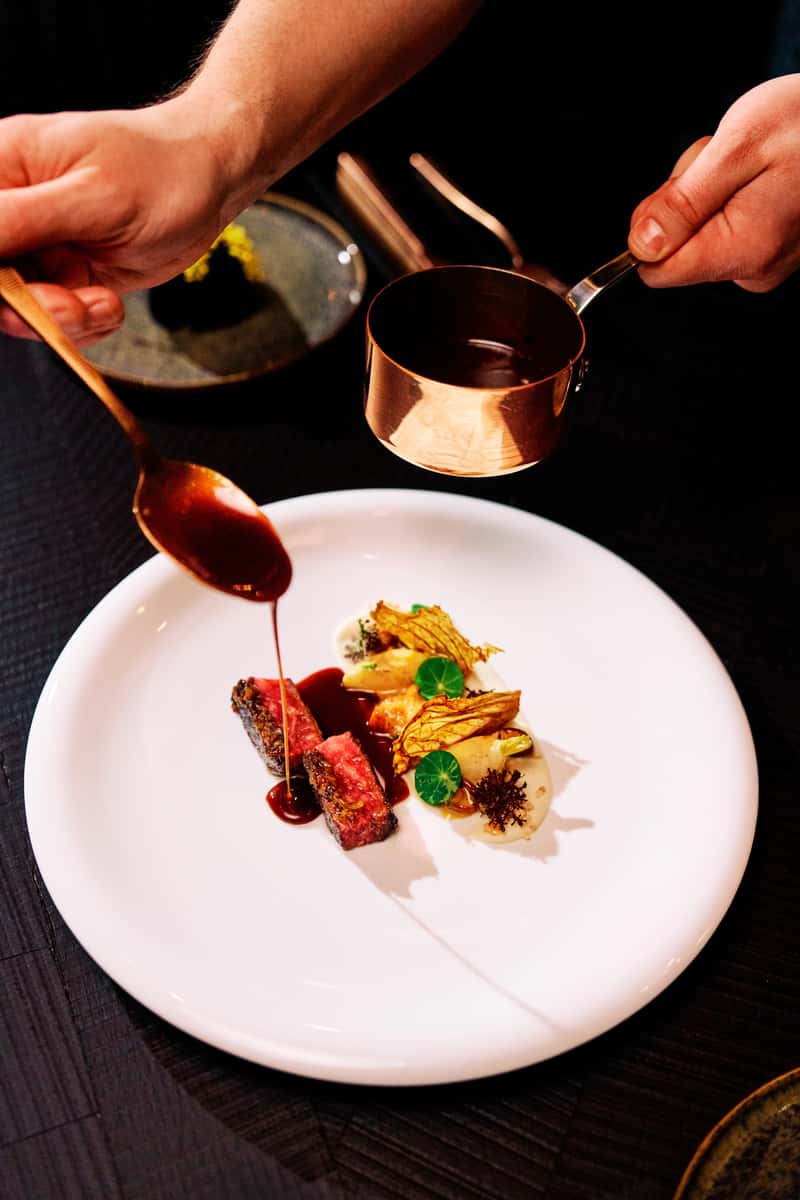
Seasonality and local ingredients influence course selection by dictating what a chef can source at peak quality during any given period. When produce, seafood, or proteins are harvested in season, they deliver more concentrated flavor, reducing the need for heavy manipulation.
This approach shapes entire menu arcs. A summer tasting menu might lean on bright vegetables and stone fruits, while a winter menu pivots toward root vegetables, braised meats, and warming spices. Proximity to local farms and purveyors also shortens the supply chain, giving chefs access to ingredients within hours of harvest. For restaurants in regions like South Florida, year-round growing seasons and coastal waters expand the palette of available ingredients considerably, making hyper-local sourcing a practical foundation rather than a seasonal constraint.
How Is Creativity Expressed Within Tasting Menu Courses?
Creativity is expressed within tasting menu courses through unexpected techniques, unconventional ingredient pairings, and narrative-driven presentations. Chefs use the multi-course format as a canvas where each plate contributes to a larger story.
One emerging example is the zero-waste tasting menu, where chefs reclassify scraps and surplus, such as vegetable peels and fish bones, as raw materials for flavor and storytelling, according to FSR Magazine. Constraints like these often spark the most inventive dishes; a fish bone broth becomes a refined consommé, or citrus peels transform into a candied garnish.
Beyond sustainability, creativity surfaces through technique: foams, fermentations, and temperature play can redefine familiar ingredients. The best tasting menus surprise diners not with novelty alone, but with dishes where innovation serves a clear culinary purpose.
Understanding how chefs approach design and curation reveals what makes beverage pairings the next essential layer.
How Are Wine or Beverage Pairings Integrated with Tasting Menus?
Wine or beverage pairings are integrated with tasting menus by matching each course to a specific drink that complements its flavors, acidity, and weight. The key factors and experiential benefits are explored below.
What Factors Influence Beverage Pairing Choices for Each Course?
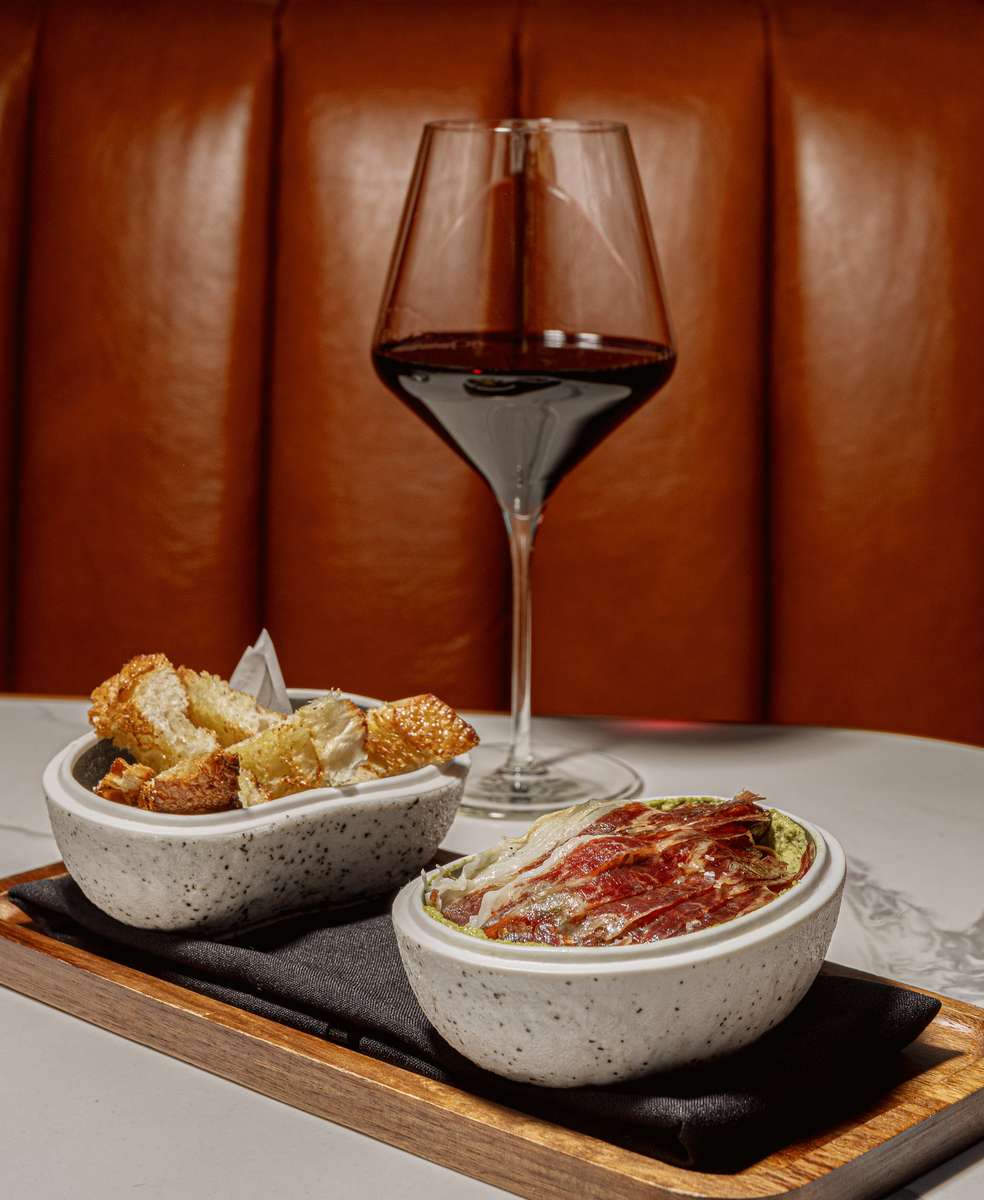
The factors that influence beverage pairing choices for each course include the dish's dominant flavors, acidity level, fat content, and texture. Sommeliers evaluate whether a course is rich or delicate, then select a beverage with complementary or contrasting characteristics. A butter-poached seafood course, for instance, might call for a crisp white wine whose brightness cuts through the richness. Increasingly, the diner's preferences also shape the selection. Some restaurants now report a 30% increase in demand for zero-proof pairing options that replicate the complexity of wine, pushing sommeliers to build full non-alcoholic tracks alongside traditional selections.
How Does Beverage Pairing Enhance the Tasting Menu Experience?
Beverage pairing enhances the tasting menu experience by creating a layered dialogue between food and drink that neither element achieves alone. Each sip resets the palate while introducing new aromatics that amplify the dish's intended flavor profile. According to pairing principles documented by the Sommelier Authority, acidity matching is a foundational technique; the acidity of the wine must exceed that of the food to prevent the wine from tasting flat. This careful calibration means a well-paired beverage can highlight subtle notes in a course that might otherwise go unnoticed. For diners, the effect is a more cohesive narrative across the meal, where transitions between courses feel intentional rather than abrupt.
Understanding how pairings elevate each course helps frame what diners should expect overall.
What Etiquette and Expectations Should Guests Know for Tasting Menus?
Guests should know that tasting menus require more time, awareness of dress codes, and openness to the chef's vision. The sections below cover timing, dietary modifications, and portion expectations.
How Long Does a Typical Tasting Menu Experience Last?
A typical tasting menu experience lasts 2.5 to 4 hours, depending on the number of courses. According to Rewards Network, a 10 to 15 course tasting menu spaces individual courses 10 to 15 minutes apart, allowing time for preparation, plating, and service between each dish.
This pacing is intentional, not incidental. Each interval lets the palate reset while the kitchen executes the next course at peak quality. Rushing through a tasting menu defeats its purpose, so arriving with a relaxed mindset and a clear evening schedule makes the experience far more enjoyable.
Can Guests Request Dietary Modifications for a Tasting Menu?
Yes, guests can request dietary modifications for a tasting menu at most fine dining restaurants. Allergies, intolerances, and dietary restrictions such as vegetarian, vegan, or gluten-free needs are commonly accommodated when communicated in advance.
According to a study published on ResearchGate, restaurants with clear dietary policies on their websites and third-party portals see higher customer satisfaction scores. Notifying the restaurant at the time of booking, rather than upon arrival, gives the kitchen time to design thoughtful substitutions that maintain the menu's narrative arc. For the best experience, be specific about restrictions and trust the chef to adapt creatively within those boundaries.
What Should Diners Expect in Terms of Portion Sizes?
Diners should expect smaller, precisely composed portions designed to be savored across multiple courses. Each savory course typically features 1 to 3 ounces of protein, complemented by carefully measured accompaniments.
These portions are calibrated so that, collectively, the full menu delivers a satisfying meal without overwhelming the palate at any single point. Guests unfamiliar with the format sometimes worry about leaving hungry, but by the final course, the cumulative effect of six or more dishes is genuinely filling. Appreciating each plate as one chapter in a larger story helps set the right expectation from the start.
Understanding guest etiquette ensures the full tasting menu experience is enjoyed as the chef intended.
How Can You Experience a Multi-Course Tasting Menu at Stubborn Seed?
Stubborn Seed offers a multi-course tasting menu experience in Miami Beach led by Chef Jeremy Ford. The sections below cover what the restaurant serves and the key principles behind its tasting menu format.
What Kind of Tasting Menu Does Stubborn Seed Offer in Miami?
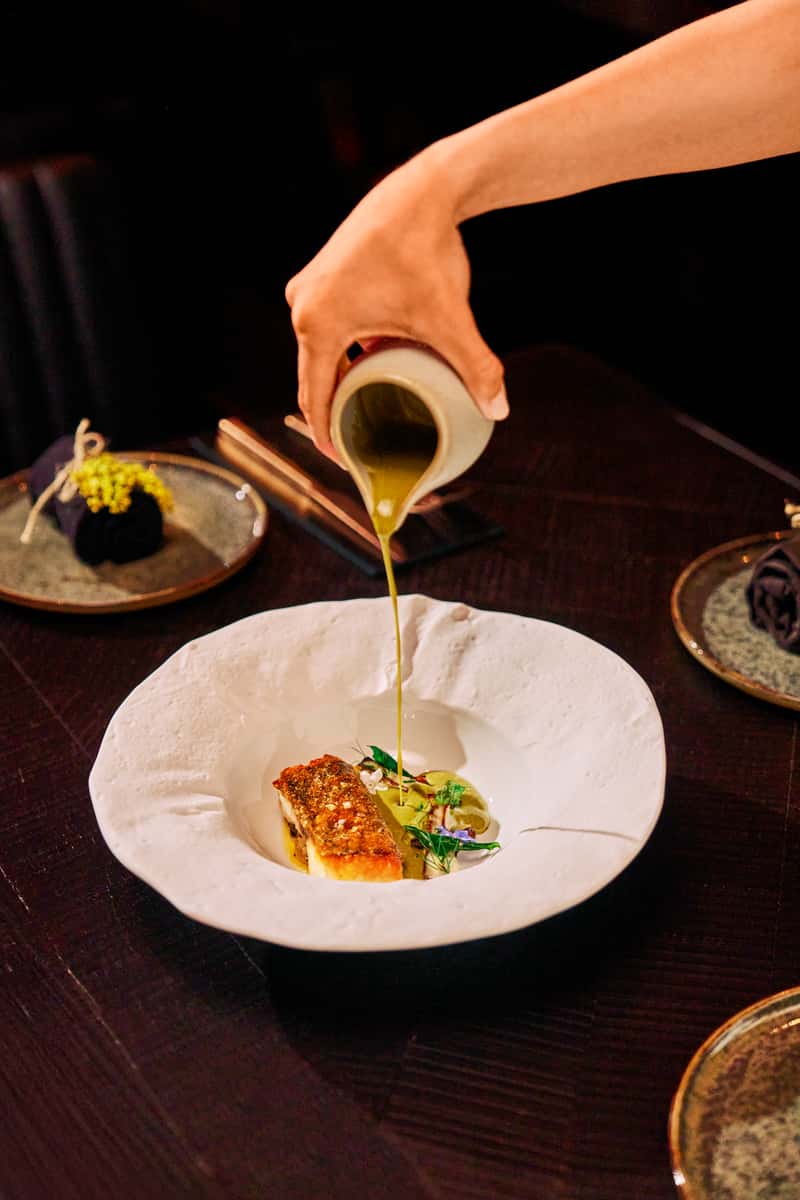
Stubborn Seed offers a 6-course tasting menu and a 9-course tasting menu at its Miami Beach location. Chef Jeremy Ford leads the kitchen, crafting seasonal dishes that showcase technical precision and ingredient-driven creativity. Stubborn Seed earned a Michelin Green Star in 2025, an award highlighting restaurants at the forefront of sustainable practices, according to the Michelin Guide Florida.
Reservations are available through the Stubborn Seed website. Guests should note that dietary accommodations can typically be arranged when communicated in advance. For those new to fine dining, the 6-course option provides an accessible entry point into the tasting menu format without the longer time commitment of the extended experience.
What Are the Key Takeaways About Tasting Menu Components, Structure, and Courses?
The key takeaways about tasting menu components, structure, and courses center on intentional progression, variety, and chef-driven storytelling. Every well-designed tasting menu moves from lighter dishes to richer ones, uses palate cleansers between courses, and avoids repeating ingredients.
Core principles to remember include:
- A tasting menu sequences courses deliberately, building from delicate to bold flavors.
- Amuse-bouches open the experience; mignardises close it as a final gesture from the kitchen.
- Sensory-specific satiety research supports varied textures and flavors to sustain appetite across many courses.
- Beverage pairings, including non-alcoholic options, amplify each course's character.
- Portion sizes remain small, typically one to three ounces of protein per savory course, so the full progression feels satisfying rather than overwhelming.
For diners considering their first multi-course experience, Stubborn Seed's format in Miami Beach brings these principles together under one roof.