
Tasting Menu vs Chef's Table: Key Differences Explained
Tasting Menu vs Chef's Table: Key Differences Explained
A tasting menu is a fixed-price sequence of small courses designed to showcase a chef's creative vision, while a chef's table is an intimate, kitchen-adjacent dining format built around direct interaction with the culinary team. Both belong to fine dining, yet they deliver fundamentally different experiences.
This guide covers how tasting menus are structured and priced, what defines a chef's table experience, how exclusivity and personalization compare between the two, the role of setting and atmosphere in shaping each format, and how Stubborn Seed in Miami approaches tasting menu dining.
Tasting menus present anywhere from five to 30 courses in a deliberate progression, moving from light bites through proteins to dessert. Pricing follows a prix fixe model that scales with restaurant prestige, and the format rewards diners who want a guided culinary narrative over individual dish selection.
Chef's tables seat a handful of guests near or inside the kitchen, where bespoke menus can shift in real time based on seasonal ingredients or guest preferences. The interaction is ongoing; chefs explain sourcing, technique, and inspiration as each plate is built steps away.
Exclusivity separates the two formats most clearly. Tasting menus accommodate larger groups within the main dining room, while chef's tables limit seating to create intimacy that larger rooms cannot replicate. Dietary accommodations also differ: chef's tables adapt fluidly through direct communication, whereas tasting menus require advance coordination.
Atmosphere reinforces each format's identity. Tasting menu dining rooms emphasize composed elegance and structured pacing; chef's table settings trade refinement for the energy, sounds, and aromas of a working kitchen.
How Does a Tasting Menu Work in Fine Dining Restaurants?
A tasting menu works by presenting a curated sequence of small courses at a fixed price, guiding diners through a chef's creative vision in one cohesive meal. Below, we cover the courses and presentation, pricing structure, and key benefits and drawbacks.
What Courses and Presentations Can You Expect from a Tasting Menu?
The courses you can expect from a tasting menu range from five to 30 distinct plates, each served in small portions designed for careful, appreciative tasting. According to the Auguste Escoffier School of Culinary Arts, tasting menus originated from the French tradition of menu dégustation, which involves serving meals composed of multiple small plates.
A typical progression moves through these stages:
- Amuse-bouche or welcome bite to set the tone
- Light appetizers featuring raw or cold preparations
- Seafood or intermediate courses that build complexity
- A main protein course as the centerpiece
- Pre-dessert palate cleanser
- Dessert and petit fours to close the meal
Each plate prioritizes artful presentation, with chefs treating portion size and plating as extensions of the dish's flavor narrative. For diners unfamiliar with the format, the structured pacing removes decision fatigue and allows full immersion in the culinary story.
How Is the Pricing Structured for a Tasting Menu?
The pricing for a tasting menu is structured as a single fixed cost covering all courses, with optional add-ons for wine pairings or premium ingredients. This prix fixe format bundles the full dining experience into one predetermined price.
Costs scale with restaurant prestige. According to a Chef's Pencil global analysis, the average premium tasting menu at a one-star Michelin restaurant costs $165, increasing to $256 for two-starred and $356 for three-starred establishments. Fine dining restaurants operate with profit margins of just 3% to 6% despite these prices, which reflects the labor-intensive plating, premium sourcing, and extended service time each menu demands.
Wine or cocktail pairings, when offered separately, can significantly increase the total spend. This bundled approach gives diners cost predictability while allowing chefs to manage food costs across the full course sequence.
What Are the Benefits and Drawbacks of Choosing a Tasting Menu?
The benefits and drawbacks of choosing a tasting menu center on the balance between curated experience and personal flexibility.
Benefits:
- Exposure to a wider range of dishes, techniques, and seasonal ingredients in a single sitting
- A guided narrative where course pacing and flavor progression are intentionally designed
- Elimination of ordering decisions, allowing diners to focus entirely on the experience
- Opportunity to taste preparations you might never order individually
Drawbacks:
- Limited control over individual courses, which can be challenging for selective eaters
- Extended dining time, typically two hours or more for proper pacing
- The entire table usually must participate, reducing flexibility for mixed-preference groups
- Higher total cost compared to ordering a single entree à la carte
For most diners seeking a milestone celebration or immersive culinary journey, the tasting menu format delivers unmatched variety and storytelling. Understanding how tasting menus compare to chef's table experiences helps clarify which format best fits your occasion.
What Is a Chef's Table and How Does the Experience Differ?
A chef's table is an intimate, interactive dining format that seats guests near or inside the kitchen for a front-row view of the culinary process. The following sections cover what happens during the experience, how the menu is curated, and the level of chef interaction guests can expect.
What Happens During a Chef's Table Experience?
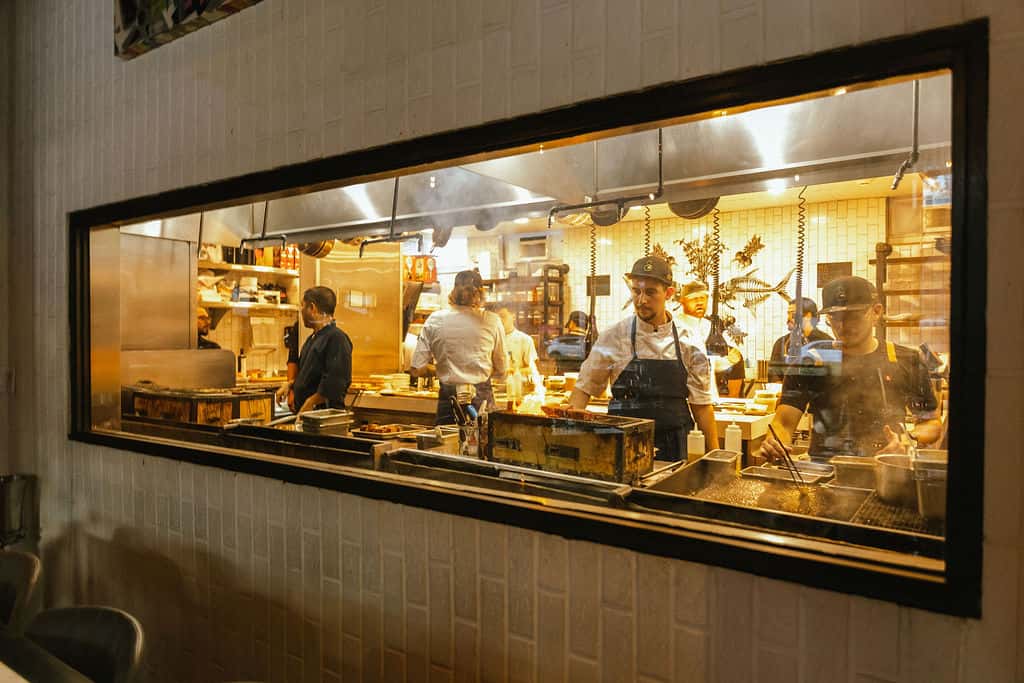
During a chef's table experience, guests dine in close proximity to the kitchen, watching dishes come together in real time while receiving personalized attention from the culinary team. According to the MICHELIN Guide, chef's tables have transitioned from invitation-only VIP perks to fully bookable experiences, sometimes moving from the main kitchen to private rooms or approachable counters.
The pace is deliberately unhurried. Fine dining establishments generally achieve a table turnover rate of just 1 to 1.5 times per meal period, which reflects how these restaurants prioritize the experience over volume. Each course arrives with context, often narrated by the chef or a member of the kitchen brigade. For diners who value spectacle alongside flavor, few formats deliver the same level of immersion.
How Is the Menu Curated at a Chef's Table?
The menu at a chef's table is typically bespoke, built around seasonal ingredients, the chef's creative vision, and sometimes the specific preferences of the guests seated that evening. Unlike a standard tasting menu with a fixed sequence, a chef's table menu may evolve in real time based on what inspires the kitchen.
This flexibility allows chefs to showcase experimental techniques, rare ingredients, or dishes not available on the regular menu. Courses often reflect the chef's personal culinary philosophy rather than a predetermined progression. Because seating is limited to a few diners per evening, the kitchen can tailor portions, pacing, and even individual plates to an extent that larger dining rooms simply cannot accommodate.
What Level of Interaction Do Guests Have with the Chef?
The level of interaction guests have with the chef at a chef's table is direct and ongoing throughout the meal. Executive chef Robin Zavou of The Krug Room describes the chef's table as "a playground where we have the freedom to put out anything we think will wow the guests," according to the MICHELIN Guide.
This exchange goes beyond simple dish explanations. Guests can ask about sourcing, technique, and inspiration while courses are being plated steps away. Kitchen counter dining formats, as seen at restaurants like VEA, position guests directly in front of the action, allowing them to witness the full culinary process. That kind of transparency builds a connection between diner and chef that no traditional dining room can replicate.
Understanding chef's table interaction helps clarify how personalization and exclusivity compare across fine dining formats.
How Do Tasting Menu and Chef's Table Options Compare in Terms of Exclusivity and Personalization?
Tasting menus and chef's table options compare in terms of exclusivity and personalization through distinct approaches to seating, menu design, and guest interaction. The sections below explore which format suits special occasions and how each handles dietary needs.
Which Option Is Better for Special Occasions or Group Dining?
The better option for special occasions or group dining depends on the size of your party and the type of experience you want. Tasting menus accommodate larger groups within the main dining room, making them practical for celebrations where the entire table shares a curated multi-course journey. According to R-HAAN, a chef's table offers an "up-close, interactive experience" that is typically "limited to just a few diners per evening," creating a more intimate setting.
For milestone events like anniversaries or birthdays with a small group, the chef's table delivers unmatched exclusivity. Larger parties of six or more generally find the tasting menu format more seamless, since every guest moves through the same progression of courses together. The choice often comes down to whether you prioritize intimacy or shared spectacle.
How Does Each Experience Cater to Dietary Restrictions or Preferences?
Each experience caters to dietary restrictions or preferences differently based on how the menu is structured. Chef's table menus, often bespoke and built around seasonal ingredients, allow the chef to adapt dishes to specific allergies or preferences in real time. This direct communication between diner and chef makes personalization more fluid.
Tasting menus require advance coordination because the entire table typically participates in the same progression of courses. According to the Auguste Escoffier School of Culinary Arts, clear communication with the restaurant is crucial in a tasting menu format to prevent allergic reactions due to the multiple dishes served. Notifying the restaurant ahead of your reservation ensures the kitchen can modify courses without disrupting the meal's intended narrative.
Understanding how each format handles personalization helps diners choose the right setting and atmosphere.
What Are the Typical Settings and Atmospheres for Tasting Menus Versus Chef's Tables?
The typical settings for tasting menus versus chef's tables differ primarily in proximity to the kitchen. Tasting menus are served in the main dining room, while chef's tables position guests near or inside the kitchen itself. Seating arrangement and ambiance each shape the experience in distinct ways.
How Does Seating Arrangement Impact the Dining Experience?
Seating arrangement impacts the dining experience by determining how closely guests engage with the culinary process. Tasting menus seat diners in the main restaurant, where polished tablescapes and controlled lighting set a contemplative tone for each course. Chef's tables, by contrast, place guests within arm's reach of the action.
This kitchen-adjacent positioning transforms a meal into theater. According to the MICHELIN Guide, at VEA in Hong Kong, 80% of the seating runs along a chef's counter that serves as the primary dining area, reflecting a broader shift toward integrated kitchen experiences. Omakase-style formats take this further, seating guests directly at a counter where the chef controls the entire meal.
For diners who want to observe plating techniques and feel the rhythm of a working kitchen, proximity matters more than square footage.
What Should Diners Expect Regarding Ambiance and Service Style?
Diners should expect ambiance and service style to vary significantly between these two formats. Tasting menu dining rooms emphasize elegance, with formal table settings, subdued lighting, and structured service pacing that guides guests through each course at deliberate intervals. The atmosphere feels curated and unhurried.
Chef's table settings trade that refinement for energy. Sights, sounds, and aromas from the kitchen become part of the experience. Service tends to be more conversational, with chefs often presenting dishes directly and explaining their inspiration. Some private chef's tables offer a quieter, enclosed setting that balances kitchen views with intimacy.
Neither format is inherently superior; each serves a different mood. Choosing between composed tranquility and immersive culinary energy comes down to what kind of evening a diner wants to have.
Understanding how the atmosphere shapes each format helps when deciding which experience best fits your next outing in Miami.
How Should You Decide Between a Tasting Menu and a Chef's Table in Miami?
You should decide between a tasting menu and a chef's table in Miami by weighing your priorities for the evening. The factors below cover what local diners should evaluate and how booking timelines differ for each format.
What Factors Should Local Diners Consider When Choosing Between the Two?
The factors local diners should consider when choosing between the two include time commitment, group dynamics, desired level of interaction, and the occasion itself. Tasting menus suit diners who want a curated culinary narrative; chef's tables reward those seeking behind-the-scenes immersion and direct conversation with the kitchen team.
Key considerations include:
- Time availability: Tasting menus typically require two or more hours for proper pacing, so plan accordingly.
- Group size: Chef's tables are limited to a few diners per evening, making them ideal for intimate celebrations rather than larger parties.
- Personalization preference: A chef's table often features bespoke dishes shaped by seasonal ingredients or guest preferences, while a tasting menu follows a fixed progression.
- Occasion type: Milestone events benefit from the exclusivity of either format, though the interactive element of a chef's table creates a more participatory experience.
For most Miami diners weighing these two options, the real question comes down to whether you want to be guided through a story or become part of one.
Does Reserving a Chef's Table or Tasting Menu Require Advanced Booking?
Reserving a chef's table or tasting menu typically requires advanced booking, especially in Miami's competitive fine dining scene. Chef's tables, because they accommodate only a handful of guests per service, often fill weeks or even months ahead. Tasting menus at popular restaurants also warrant early reservations, particularly on weekends and during peak season.
According to Tasting Table, tasting menus typically require two hours or more for proper pacing and service, which limits available seatings per evening and tightens availability further. Calling or booking online as early as possible gives you the best chance of securing your preferred date.
With your priorities and timeline sorted, exploring a specific Miami restaurant's approach to the tasting menu format can make the decision even clearer.
How Does Stubborn Seed in Miami Offer Unique Tasting Menu Experiences?
Stubborn Seed in Miami offers unique tasting menu experiences by combining Michelin-starred culinary ambition with approachable, ingredient-driven dining. The following sections explore how Stubborn Seed curates its menus, what sets it apart in Miami's fine dining scene, and key takeaways from this guide.
How Does Stubborn Seed Curate and Present Its Tasting Menus?
Stubborn Seed curates and presents its tasting menus through a prix fixe format, offering both a 6-course and a 9-course option. Prix fixe, a French term for "fixed price," provides a predetermined selection of dishes at a set price, giving diners a structured yet creative journey through Chef Jeremy Ford's evolving repertoire. Each course incorporates Latin and Asian influences, shaped by seasonal ingredients sourced from the team's organic five-acre farm in Redland. Key decision factors for diners often include time availability, group dynamics, and exclusivity indicators, with tasting menus frequently favored for milestone celebrations. This farm-to-table connection ensures the menu reflects what is freshest rather than following a static template.
What Makes Stubborn Seed a Top Choice for Sophisticated Yet Approachable Fine Dining in Miami?
Stubborn Seed is a top choice for sophisticated yet approachable fine dining in Miami because it delivers Michelin-level quality without the rigid formality many associate with starred restaurants. According to a Chef's Pencil analysis, Miami ranks as the third most expensive city for fine dining in the United States, after San Francisco and New York. Within that competitive landscape, Stubborn Seed has earned a Michelin 1 Star consecutively in 2023, 2024, and 2025, along with a MICHELIN Green Star in 2025 for its sustainability commitments, including a composting initiative that cycles food trims back to the farm. For diners navigating Miami's high-end scene, few restaurants balance culinary prestige with genuine environmental responsibility this effectively.
What Are the Key Takeaways About Tasting Menu vs Chef's Table: Key Differences Explained We Covered?
The key takeaways about tasting menu vs chef's table are that each format serves a distinct dining purpose. Tasting menus deliver a curated, multi-course narrative controlled by the kitchen, while chef's tables prioritize real-time interaction and personalized dishes. As Chef Ayo Balogun of Dept. of Culture articulated in a 2022 Resy interview, the tasting menu format conveys "value, sophistication, prestige" and can challenge perceptions about what cuisines deserve that elevated platform. Choosing between the two depends on whether you prioritize a structured culinary story or an intimate, behind-the-scenes connection with the chef. Stubborn Seed can help you experience the tasting menu side of that equation in Miami Beach.