
The Importance & Benefits of Seasonal Menus Explained
The Importance & Benefits of Seasonal Menus Explained
A seasonal menu is a curated dining offering that features ingredients sourced at their peak availability and nutritional value during specific times of the year. Rather than operating from a fixed, static rotation, seasonal menus evolve continuously as market availability shifts, centering each dish on what is freshest, most flavorful, and most responsibly sourced.
This guide covers how seasonal menus are built and structured, the concrete benefits they deliver to restaurants and guests, their environmental impact, and how effective promotion keeps diners engaged as offerings change.
Seasonal menu development is a layered process: chefs research local ingredients through farmers' markets and supplier relationships, balance familiar favorites with fresh seasonal additions, train staff to communicate those changes confidently, and substitute components incrementally rather than rewriting the menu from scratch each quarter.
For restaurants and guests alike, those sourcing decisions translate directly into better flavor, lower costs, and more meaningful dining experiences. Locally harvested produce at peak ripeness outperforms out-of-season alternatives in taste, texture, and nutritional value, while strategic seasonal purchasing reduces food waste and tightens inventory control.
Seasonal sourcing also carries measurable environmental benefits. Shorter supply chains mean less transportation, reduced refrigeration dependency, and more direct support for regional farming operations that align with sustainable growing practices.
Communicating those changes well matters as much as making them. Social media marketing, honest menu descriptions, and storytelling that connects guests to ingredient origins all build the loyalty and anticipation that bring diners back as the seasons turn.
What Is a Seasonal Menu and How Does It Work?
A seasonal menu is a curated dining offering that features ingredients at their peak availability during specific times of the year. The sections below cover how chefs develop these menus, which ingredients appear each season, and how menus evolve throughout the year.
How Do Chefs Develop Seasonal Menus?
Chefs develop seasonal menus through a structured process that balances fresh sourcing, menu composition, staff readiness, and guest communication. According to TRG Restaurant Consulting, the core development steps are:
- Research ingredients: Chefs visit farmers' markets and consult suppliers to identify what is currently in season and easy to source.
- Build local supplier relationships: Partnerships with local farmers ensure a steady supply of fresh, high-quality produce.
- Balance the menu: Successful menus retain customer favorites while introducing seasonal twists, mixing textures, flavors, and colors.
- Train staff: Servers learn new dishes so they can confidently explain ingredients and freshness benefits to guests.
- Market the changes: Limited-time seasonal dishes are promoted through social media to generate excitement and urgency.
A well-developed seasonal menu is not a complete reinvention each quarter. The most effective approach layers fresh, seasonal components onto a stable foundation that guests already trust.

What Types of Ingredients Are Commonly Featured in Seasonal Menus?
The types of ingredients commonly featured in seasonal menus shift with each quarter, following natural growing cycles. Chefs research local availability by visiting farmers' markets, consulting suppliers, and monitoring produce calendars throughout the year to plan dishes around ingredients at peak ripeness.
|
Season |
Common Ingredients |
|
Spring |
Asparagus, peas, tender greens, fresh herbs |
|
Summer |
Berries, stone fruits, tomatoes, corn, zucchini |
|
Fall |
Squash, pumpkin, apples, mushrooms, root vegetables |
|
Winter |
Citrus fruits, potatoes, hearty greens, root vegetables |
How Do Seasonal Menus Change Throughout the Year?
Seasonal menus change throughout the year through incremental component swaps rather than complete rewrites. According to Chef Jenny McCoy of the Institute of Culinary Education, "a component or two on a couple of dishes will regularly change" based on market availability, and "seasonal and local sourcing is not for control freaks; it's for those who know the only thing you can rely on is change."
Charlie Trotter's in Chicago demonstrated this approach in practice: something on the menu changed daily, but the menu was never rewritten from scratch. Over the course of a season, those small daily adjustments gradually transform the entire menu into something new. This incremental method keeps operations manageable while continuously reflecting what is freshest and best at market.
With a clear picture of how seasonal menus are built and evolve, the next step is understanding the concrete benefits they deliver to restaurants and guests.
What Benefits Do Seasonal Menus Provide for Restaurants and Chefs?
Seasonal menus benefit restaurants and chefs by improving food quality, fueling culinary creativity, and managing costs through smarter ingredient sourcing. The sections below cover how fresh local ingredients elevate taste, how limited-time offerings drive engagement, and how seasonal purchasing reduces waste.
How Do Seasonal Menus Improve Food Quality and Taste?
Seasonal menus improve food quality and taste by centering dishes on ingredients sourced at peak ripeness from local farmers. According to the Escoffier School of Culinary Arts, building a seasonal menu means utilizing fresh ingredients available during a specific time of year to keep flavors at their best while supporting local agriculture.
Building strong relationships with local farmers ensures a steady supply of fresh ingredients, produces better-tasting dishes, lowers sourcing costs, and signals sustainable practices that today's diners actively seek out. In practice, locally grown produce harvested at peak ripeness simply outperforms out-of-season alternatives in flavor, texture, and nutritional value. For chefs committed to quality, this is the most compelling argument for seasonal sourcing.
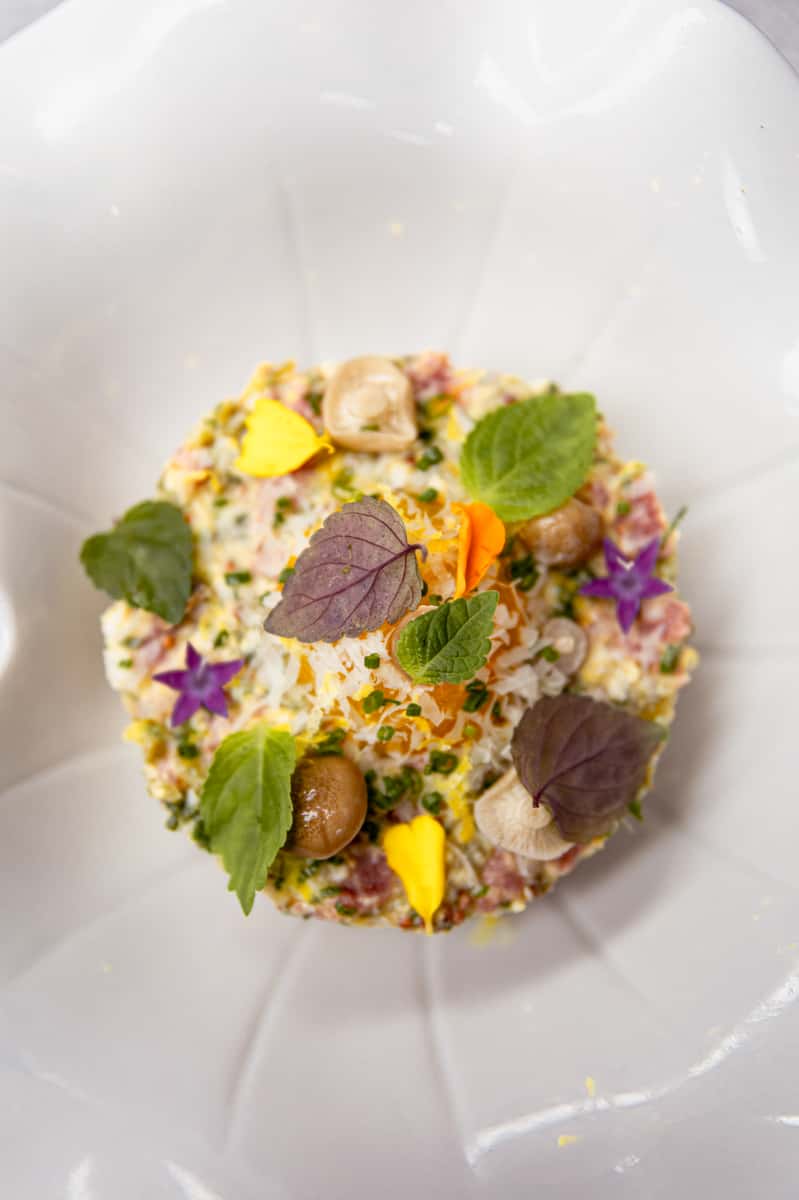
In What Ways Can Seasonal Menus Enhance Restaurant Creativity?
Seasonal menus enhance restaurant creativity by giving chefs a rotating canvas of fresh ingredients that demand new flavor combinations each season. According to TRG Restaurant Consulting (2025), marketing seasonal menu updates through social media promotion generates excitement around limited-time offerings, drives new traffic, and creates urgency that a static menu simply cannot replicate.
Exclusive, time-sensitive dishes push chefs to experiment with unfamiliar ingredients, develop novel techniques, and refine pairings that keep the menu from becoming predictable. From a creative standpoint, seasonal constraints are a feature, not a limitation: they force invention on a regular schedule.
Do Seasonal Menus Help Restaurants Manage Costs and Reduce Waste?
Seasonal menus help restaurants manage costs and reduce waste by aligning purchasing with natural supply cycles, when ingredients are most abundant and least expensive. Buying in-season produce in bulk at lower market prices reduces food costs, and using ingredients at peak availability minimizes spoilage from over-ordering out-of-season items that travel further and deteriorate faster.
Strategic menu design around seasonal availability also limits the number of ingredients in rotation at any given time, which tightens inventory control and reduces over-purchasing across the kitchen.
How Do Seasonal Menus Impact the Dining Experience for Guests?
Seasonal menus impact the dining experience by connecting guests to fresh, peak-quality ingredients that elevate flavor, variety, and meaning in every dish. The following sections cover why diners value seasonal offerings, how those offerings create lasting memories, and how they address evolving dietary preferences.
Why Do Diners Appreciate Seasonal Menus?
Diners appreciate seasonal menus because they deliver ingredients at their peak ripeness, resulting in noticeably superior flavor compared to out-of-season alternatives. When guests know their meal reflects what is freshest and most available locally, it creates a sense of authenticity that static menus cannot replicate. Well-informed servers who can explain the origins and qualities of each seasonal ingredient further deepen that appreciation, making guests feel genuinely attended to rather than simply served.
Can Seasonal Menus Create Memorable Dining Experiences?
Seasonal menus create memorable dining experiences by offering dishes that are inherently time-limited and place-specific. A preparation featuring peak-summer stone fruit or early-autumn mushrooms carries a sensory context that guests cannot recreate at home or encounter at any other time of year. That exclusivity transforms a meal into an event. Limited-time seasonal offerings generate excitement and give guests a compelling reason to return, knowing the experience available today will not exist on their next visit.
How Do Seasonal Menus Cater to Different Dietary Preferences and Trends?
Seasonal menus cater to different dietary preferences by naturally emphasizing whole, plant-forward ingredients such as fresh vegetables, legumes, and fruits that align with vegetarian, vegan, and health-conscious eating patterns. Rotating offerings allow chefs to introduce lighter preparations in warmer months and heartier, nutrient-dense options in cooler seasons, matching what many diners instinctively crave. This built-in variety means seasonal menus accommodate a broader range of preferences without requiring a separate specialized menu.
Guests who dine at restaurants committed to seasonal sourcing often leave with a stronger sense of connection to both the food and the experience.
Are Seasonal Menus More Sustainable and Environmentally Friendly?
Seasonal menus are more sustainable and environmentally friendly because they prioritize locally sourced ingredients, shorter supply chains, and farming practices aligned with natural growing cycles. The following sections cover how seasonal menus support local farmers, reduce carbon emissions, and connect to broader environmental initiatives.
How Do Seasonal Menus Support Local Farmers and Producers?
Seasonal menus support local farmers and producers by directing purchasing power toward regional agricultural operations rather than distant distributors. According to the Escoffier School of Culinary Arts, seasonal menus utilize fresh ingredients available during specific times of year, keeping flavors at their best while supporting local agriculture. When restaurants build sourcing relationships with nearby farms, those farms gain reliable revenue, which helps sustain smaller-scale, often more ecologically responsible growing operations. For diners, locally sourced ingredients signal transparency and community investment, two values that increasingly influence where people choose to eat.
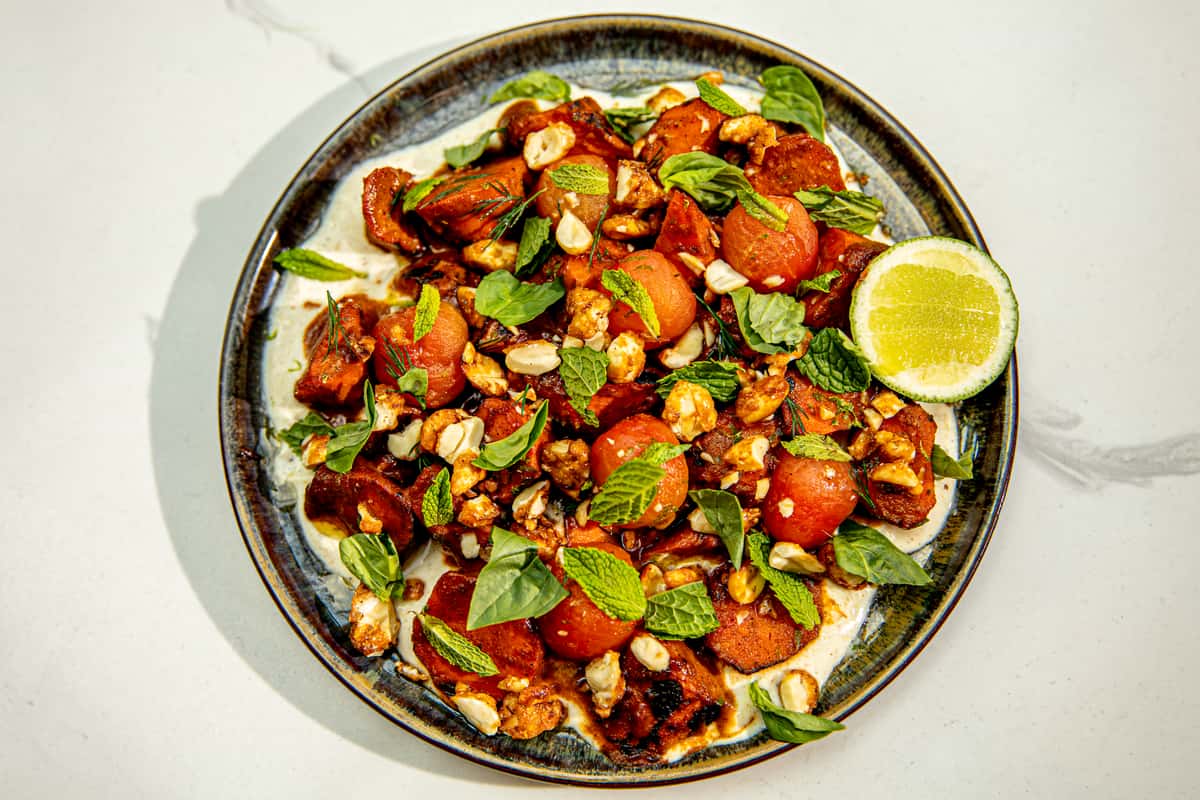
Can Seasonal Menus Reduce a Restaurant's Carbon Footprint?
Seasonal menus can reduce a restaurant's carbon footprint by shortening the distance food travels from farm to kitchen. Produce shipped across continents requires refrigeration, fuel, and packaging that locally sourced seasonal ingredients do not. When restaurants source within their region and adjust menus around what is naturally available, they eliminate much of the logistical overhead that drives food-related emissions. This reduction in transport dependency is one of the most direct, measurable ways a dining program can lower its environmental impact.
What Environmental Initiatives Can Be Linked to Seasonal Menus?
The environmental initiatives most commonly linked to seasonal menus include composting programs, farm partnership certifications, reduced food waste practices, and sustainable sourcing commitments. Because seasonal cooking builds around ingredient availability, chefs are less likely to over-order perishables that arrive out of season and spoil quickly. This natural alignment with demand reduces waste at the source. Restaurants that formalize these practices, through supplier transparency, waste auditing, or participation in regional food systems, turn seasonal menus into a broader sustainability platform rather than a single culinary choice.
How Can Restaurants Promote and Communicate Seasonal Menu Changes Effectively?
Restaurants can promote seasonal menu changes effectively through social media marketing, accurate menu descriptions, and storytelling that connects guests to the ingredients and their origins. The sections below cover best practices for marketing, the importance of honest representation, and how narrative builds guest engagement.
What Are the Best Practices for Marketing Seasonal Menus?
The best practices for marketing seasonal menus include using social media promotion, creating urgency through limited-time offerings, and training staff to communicate changes confidently. According to TRG Restaurant Consulting, showcasing fresh dishes with eye-catching photos drives traffic, while exclusive seasonal items generate excitement that motivates guests to visit before an offering disappears.
Staff readiness is equally important. Servers who understand the ingredients, sourcing context, and flavor profiles of new dishes can make personalized recommendations that increase guest satisfaction and repeat visits.
How Important Is Accurate Representation of Seasonal Offerings?
Accurate representation of seasonal offerings is critical because guests make decisions based on what menus promise. Describing dishes with precise ingredient origins, preparation methods, and seasonal availability builds trust and sets realistic expectations. When a menu overpromises, it erodes credibility. Given that seasonal availability can shift due to weather or supply disruptions, menus should reflect what is actually available, not what was ideally planned.
Can Storytelling Enhance Guest Engagement with Seasonal Menus?
Yes, storytelling can enhance guest engagement with seasonal menus by connecting diners to the farm, the farmer, and the ingredient's journey from harvest to plate. Guests who understand why a dish features a specific seasonal component, such as a locally grown heirloom tomato or a stone fruit sourced from a nearby orchard, develop a more meaningful relationship with the meal. This narrative layer transforms a dish from a menu item into an experience, deepening loyalty and encouraging guests to return as seasons change.
How Does Stubborn Seed in Las Vegas Incorporate Seasonal Menus Into Its Culinary Experience?
Stubborn Seed Las Vegas incorporates seasonal menus by centering its tasting menu format around ingredients at peak availability, allowing the kitchen to evolve its offerings as the seasons shift. The sections below cover how tasting menus highlight seasonal ingredients and the key takeaways for understanding seasonal menus.
What Role Do Tasting Menus at Stubborn Seed Play in Highlighting Seasonal Ingredients?
Tasting menus at Stubborn Seed play a central role in showcasing seasonal ingredients by presenting a structured, multi-course progression built around what is freshest and most flavorful at any given time. Stubborn Seed Las Vegas offers both a 6-course and a 9-course tasting menu, giving guests a curated lens through which to experience how ingredients change across the year.
This format aligns with what the Escoffier School of Culinary Arts describes as the foundation of seasonal cooking: utilizing fresh ingredients available during a specific time of year to keep flavors at their best. Rather than locking in a static menu, tasting menus allow the kitchen to substitute components as market availability shifts, a practice that gradually transforms the full experience over the course of a season without disrupting the overall flow.
What Are the Key Takeaways About the Importance & Benefits of Seasonal Menus Explained?
The key takeaways about seasonal menus are that they improve flavor, support local agriculture, drive culinary creativity, and create a more memorable dining experience for guests. According to TRG Restaurant Consulting, successful seasonal menus rely on sourcing local ingredients at peak ripeness, maintaining strong supplier relationships, and training staff to communicate menu changes confidently.
Rather than complete rewrites, seasonal menus evolve through strategic component substitutions that gradually reshape the dining experience over time. For guests, this means each visit to Stubborn Seed Las Vegas can offer something genuinely different, rooted in what is freshest and most vibrant that season.